showing posts tagged #anticonsumption — clear

0

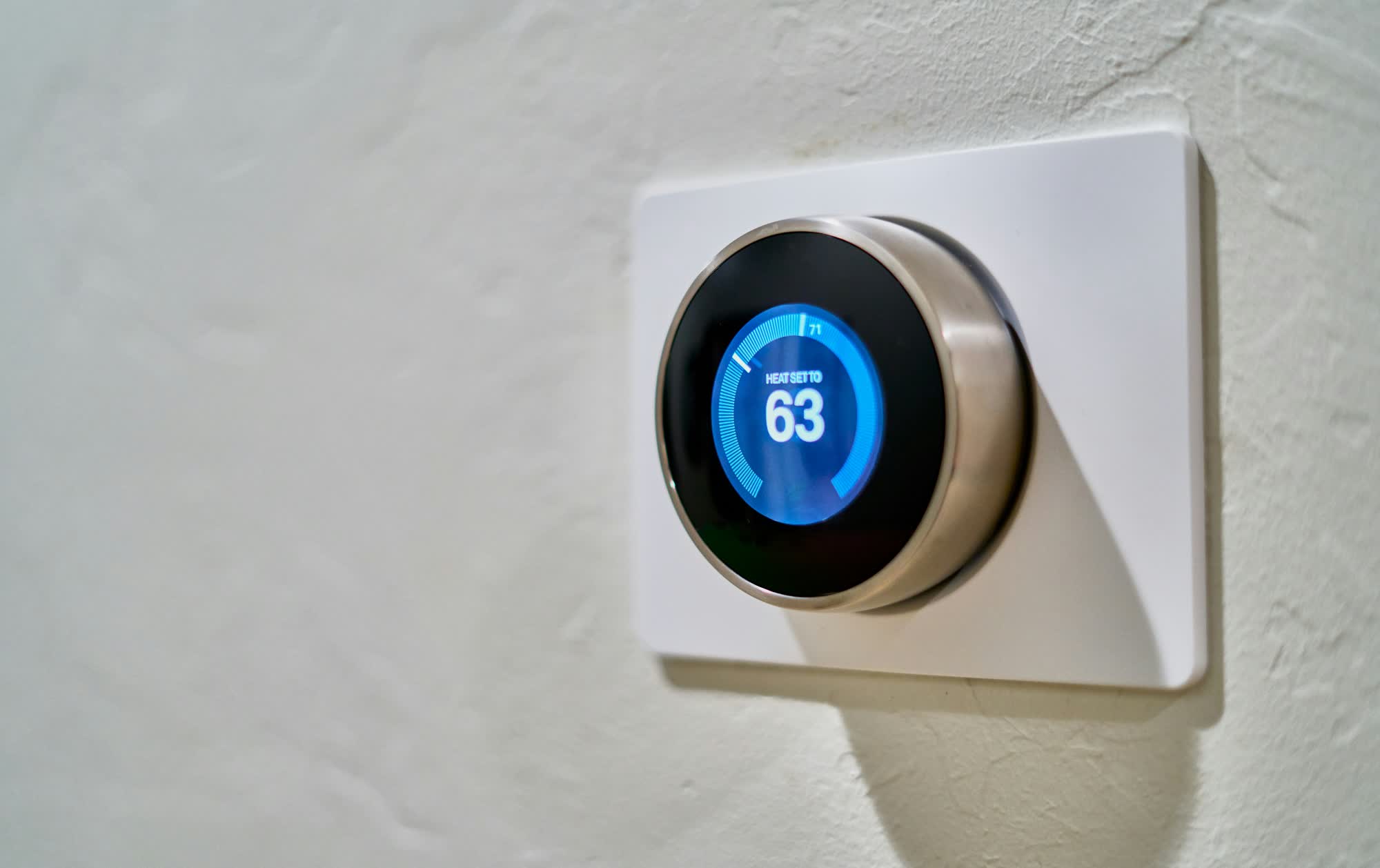
Google pulls the plug on first and second gen Nest Thermostats

TechSpot Google pulls the plug on first and second gen Nest Thermostats www.techspot.com
preview

cross-posted from: sh.itjust.works/post/48943580

Google announced the end of support for early Nest Thermostats in a support document earlier this year that largely flew under the radar. As of October 25, first and second generation units released in 2011 and 2012, respectively, will be unpaired and removed from the Google Nest or Google Home app.

Users will no longer be able to control their thermostats remotely via their smartphone, receive notifications, or change settings from a mobile device. End-of-support also disables third-party assistants and other cloud-based features including multi-device Eco mode and Nest Protect connectivity.

0

Anticonsumption - Ways to do #3: "Second-hand first"

preview

Tip #3 “Second-hand first”

This tip is very simple, but maybe feels hard in the beginning, depending on the facilites in your country: If you think of items that you need and want to buy, ALWAYS first look second hand! There are several platforms online, both national and international, where people exchange stuff for a low bid or even free. And in many countries, you will even find smaller and and bigger thrift stores, where you can find these items. Of course, you still need to check the consdition and quality. But that is what you would do on a “regular” shopping trip anyways, right?

Example: Personally, I find it fun to set a date once in a while for searching 3-5 thrift stores in my area for anything I am still missing. (See list from tipp #1.) I keep it short, search focused for item X and then at the end of the day buy it or leave it. In my opinion, that is about the same effort, or less, when doing a “regular” shopping trip.

TL;DR: Search for your wanted items in second-hand stores or online marketplaces. Often you find what you need, in still good condition and cheaper. Also you give these items a longer life. And the effort is similar/lower to “new shopping” if you do it focused.
0

Anticonsumption - Ways to do #2: "In vs Out"

preview

Tip #2: “In vs Out”

Often you find yourself overwhelmed by the stuff you have. Especially on physical items. Over the years we tend to accumulate a lot of things. Creating a huge, unecessary load; especially obvious to carry when moving. - So there is one radical rule for this to cut down the consumption: “For every new item to get in, at least one old item needs to go.” You can even make it harder, by being more specific or adding contraints, if that rule sound to weak for you! Challenge yourself!

Examples: a) For every new kitchen aid, an old one doing the same needs to be trown away. b) For every new clothing, two old ones need to get out. c) For every new item, the same weight/volume of items needs to vanish.

This way you think more about your belongings before you buy and you start to balance your amount of stuff. And if you keep it up for a longer time, especially with the harder constraints, you might even reduce your belongings.

TL;DR: Only buy X if you can throw away Y, or X(old). Thus balancing consumption “input” with active “output”. Add rules for higher pressure and reduction.

0

Anticonsumption - Ways to do #1: "Wishlist"

preview

Tip #1: “Wishlist”

Everyone gets an idea or already the urge to buy something a few times a week. Like for new clothing, a game, some device, etc. or even specific food/drinks. In that moment, write it down on a note or little list. Don’t go to buy immediately, instead keep the note in some open place around. When you read it from time to time, then question yourself. “Do I need it now/soon? Why do I need it? Where would I keep it? Can I pay it immediately?” Give yourself enough time to answer all possible questions. If you are still certain, you want this item, then finally buy it. Or leave it, if that item became uninteresting to you.

Examples: You read about a game you find exciting. Put it on your [generic game store] wish list. Check it out later. Look for the pricing and possible offers. Wait a few months until you got the budget and time to play. You see some shiny new dress or accessoires in a magazine. Take a note, with the price(!) and put it on your note board. Another day, check the product, the shop and where it was made. Wait. Think about it. Check your wardrobe. Still need it?

TL;DR: Put stuff you want on a wish list. (Both for big and for small items.) Don’t buy directly but check the list regularly. Slow it down, think it through. If after some time and good questioning you still want it, then go.

0

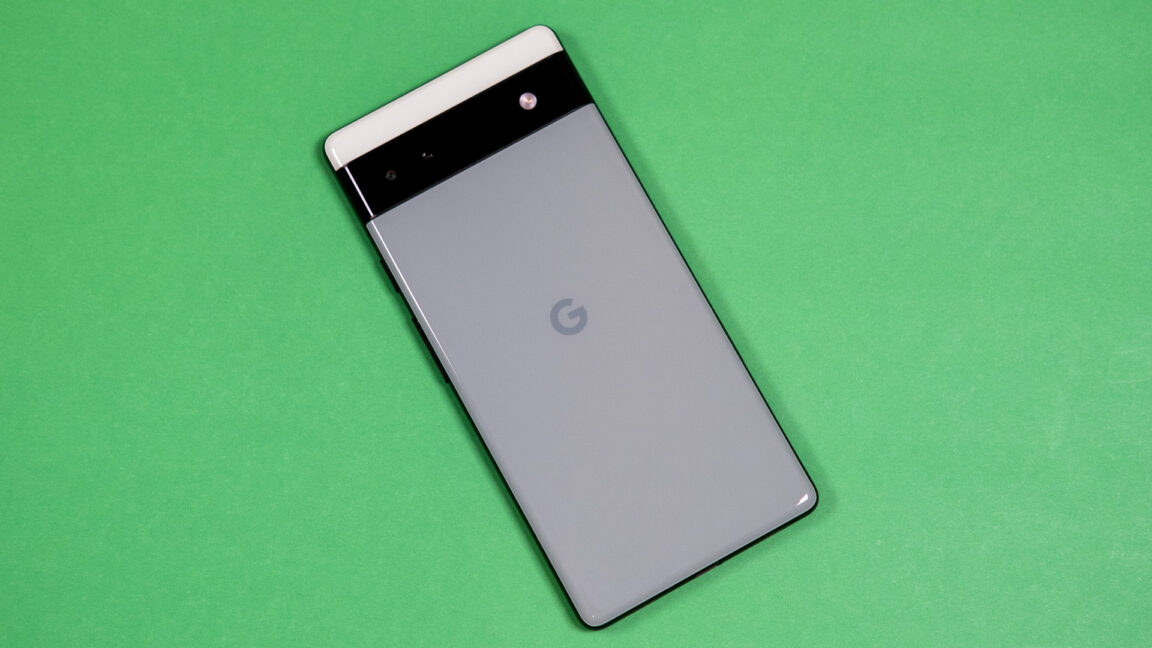
Google reducing the capacity of the Pixel 6a battery after 400 cycles

Ars Technica A mess of its own making: Google nerfs second Pixel phone battery this year arstechnica.com
preview

cross-posted from: lemmy.world/post/32830326

I wonder if there is something subpar about whoever Google is getting the batteries from for the A series phones.

cross-posted from: lemmy.world/post/32830326

I wonder if there is something subpar about whoever Google is getting the batteries from for the A series phones.

0

Amazon Doubles Prime Video Ads to 6 Minutes Per Hour

Amazon Doubles Prime Video Ads to 6 Minutes Per Hour - Slashdot entertainment.slashdot.org
preview

cross-posted from: lemmy.zip/post/41338874

Amazon has quietly doubled the ad load on Prime Video to 4-6 minutes per hour, up from the 2-3.5 minutes initially discussed when ads launched in 2024.

cross-posted from: lemmy.zip/post/41338874

Amazon has quietly doubled the ad load on Prime Video to 4-6 minutes per hour, up from the 2-3.5 minutes initially discussed when ads launched in 2024.

0

We poisoned the whole planet so our eggs wouldn't stick to the pan 🙃

play · youtube.com
YouTube The Biggest Chemical Coverup In History youtu.be
preview

cross-posted from: lemmy.dbzer0.com/post/44409839

It seems I shouldn’t have posted this without context

TL;DW

  • yes the video is (at least partially) about Teflon, hence the cynical title

  • no, Teflon (or generally big Fluoropolymers) are not the problem. Ingesting them does nothing to you, because as long, chemically inert polymers they just pass through you from one end to the other

  • The problem are perfluoroalkyl acids: C8 (PFOA) and later substitutes such as C6/GenX, PFOS, PFHA, PFHxS which are chemicals used to start the Teflon polymerization. They are short-chained carbon-fluorine molecules that coincidentally mimic the structure of fatty acids, thus can accumulate in our bodies without a way for our bodies to break them down.

  • These chemicals leach into the environment from factories and accumulate in everything, to the point that the whole water cycle has been contaminated (yes that shit comes down everywhere with the rain)

  • There is conclusive proof that PFOA exposure is linked to a number of organ damage and cancers, particularly testicular cancer and kidney cancer, with likely links to lung and pancreatic cancer not reflected in the study due to survivor bias (they died before the study was concluded)

0

Spend Elon Musk's Money Simulator - what can you buy with $398,000,000,000?

Spend Their Fortune Spend Their Fortune | Billionaire Wealth Simulator www.spendtheirfortune.com
preview

cross-posted from: slrpnk.net/post/21386206

Not just Musk, but many of the Billionaires on the list.

In a world where the average person would need to work over 4 million years to earn what some billionaires have, let’s put their wealth into perspective. Choose a billionaire and spend their fortune on everything from basic necessities to luxurious extravagances.

Note: This is a thought experiment for perspective. Most billionaires don’t have their net worth in liquid cash, often utilizing strategies like “Buy, Borrow, Die” for liquidity while their wealth remains in assets and investments.

0

US consumer sentiment sees largest drop since 1990 after Trump tariff chaos

the Guardian US consumer sentiment sees largest drop since 1990 after Trump tariff chaos www.theguardian.com
preview

cross-posted from: lemmy.world/post/28729317

Experts warn of slowing economy after score based on Americans’ financial outlooks fell by 32% since January

US consumer sentiment plummeted in April after Donald Trump’s trade war threw the global economy into chaos, according to a new report.

The index of consumer sentiment, a score based on a monthly survey asking Americans about their financial outlooks, fell by 32% since January – the largest drop since the 1990 recession, according to the University of Michigan’s Institute for Social Research.

“Expectations worsened for vast swaths of the population across age, education income and political affiliation,” said Joanne Hsu, director of the surveys of consumers, in a statement. “Consumers perceived risks to multiple aspects of the economy, in large part due to ongoing uncertainty around trade policy and the potential for a resurgence of inflation looming ahead.”

0

Synology restricts choice of hard disks for new Plus NAS

preview

cross-posted from: lemmy.skumring.com/post/4196

Synology seems to further favor their “own” (re-labeled, Toshiba- and Seagate-produced) drives instead of the numerous other once which still appear in the official HCL like we knew it over the years, starting with the 25-Plus-models.

https://www.heise.de/en/news/Synology-restricts-choice-of-hard-disks-for-new-Plus-NAS-10356960.html

0

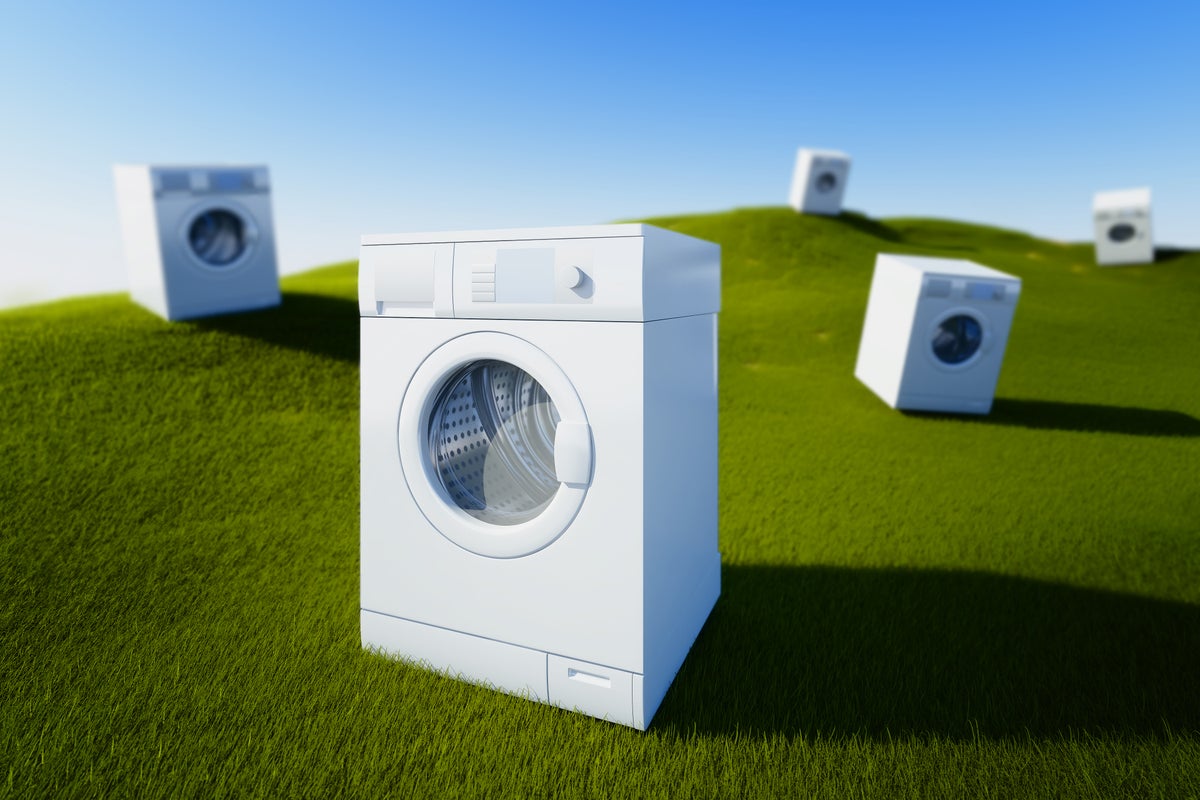
That's nice! New Refrigerators, Washing Machines, Furniture and Tires Will All Have to Last Longer, Europe Mandates

Scientific American New Refrigerators, Washing Machines, Furniture and Tires Will All Have to Last Longer, Europe Mandates www.scientificamerican.com
preview

cross-posted from: lemmy.world/post/28428710

New Refrigerators, Washing Machines, Furniture and Tires Will All Have to Last Longer, Europe Mandates

cross-posted from: lemmy.world/post/28428710

New Refrigerators, Washing Machines, Furniture and Tires Will All Have to Last Longer, Europe Mandates