showing posts tagged #cassettefuturism — clear

0

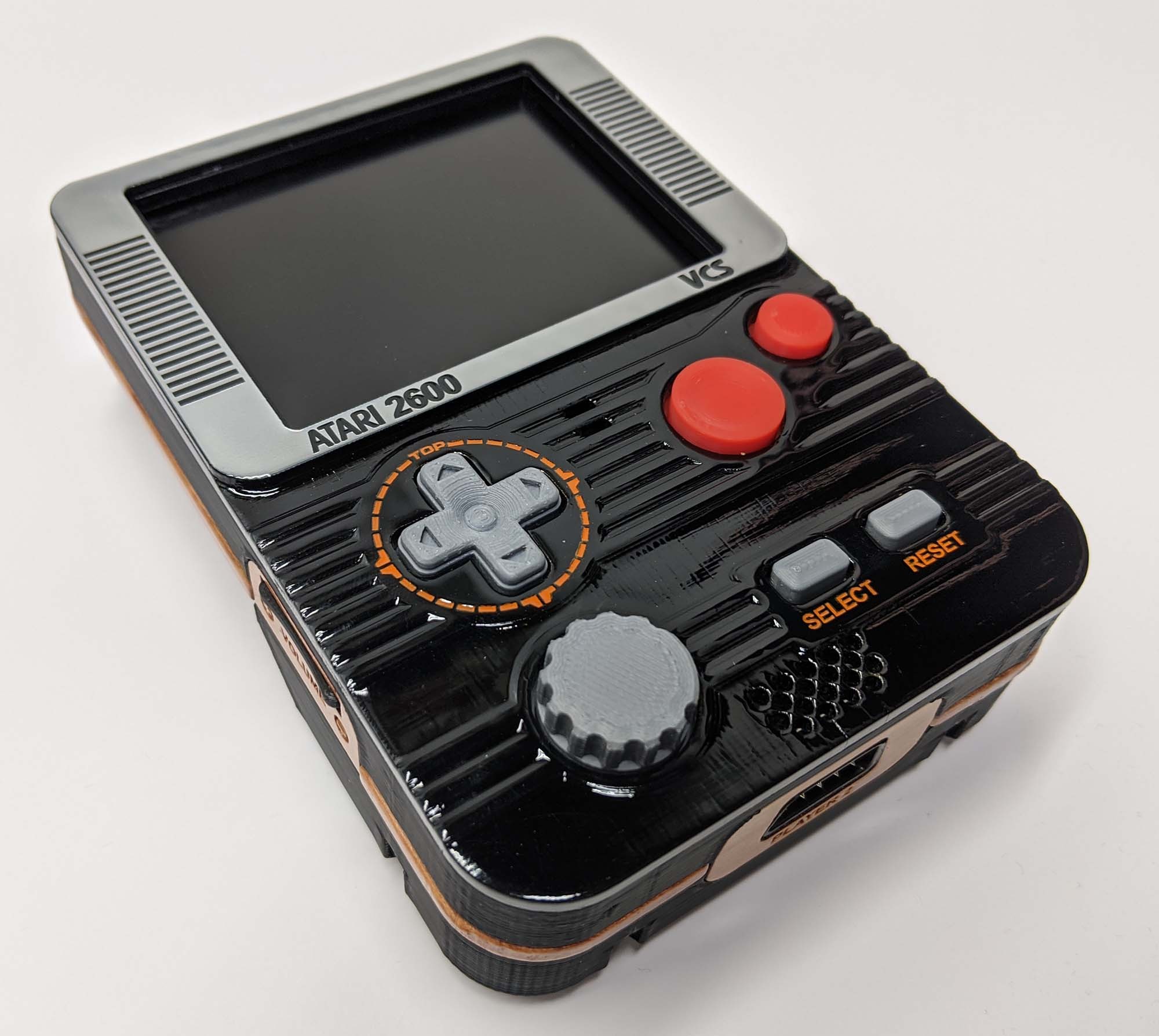
Benjamin J. Heckendorn's hilariously-brilliant portable console mods -- Atari 2600 Jr edition! (story in post)

preview

benheck.com/project-started-in-2000-finally-finis…

For those who like video of the story, here’s the video:
www.youtube.com/watch?v=4EUMil5B3Os

For those who like the ‘maker process,’ here be photos:
benheck.com/atari-2600-junior-single-chip-portabl…


www.benheck.com/…/6_top_half_only_flat2.jpg

When I first starting buying Atari 2600 consoles for modding purposes back in 2000 (right after my website became famous) I was lucky enough that my first Atari 2600 Junior had the ultra-rare “single chip” variant inside.

Of course this was “portablization catnip” for me so I desoldered it and tried to make a custom PCB. My skills at the time weren’t up to task and I feared the chip dead. Had I know then how rare it was (I’ve never found another since) I probably wouldn’t have tried but can’t change that now. --Ben Heck

Personally, the Atari 2600 was my very first videogame as a child (obligatory: yes I’m old). And all these decades later, it is soooo fun to see inspired projects like this, such as ‘Ben Heck’ getting after it right here. 💙
benheck.com/project-started-in-2000-finally-finis…

For those who like video of the story, here’s the video:
www.youtube.com/watch?v=4EUMil5B3Os

For those who like the ‘maker process,’ here be photos:
benheck.com/atari-2600-junior-single-chip-portabl…


www.benheck.com/…/6_top_half_only_flat2.jpg

When I first starting buying Atari 2600 consoles for modding purposes back in 2000 (right after my website became famous) I was lucky enough that my first Atari 2600 Junior had the ultra-rare “single chip” variant inside.

Of course this was “portablization catnip” for me so I desoldered it and tried to make a custom PCB. My skills at the time weren’t up to task and I feared the chip dead. Had I know then how rare it was (I’ve never found another since) I probably wouldn’t have tried but can’t change that now. --Ben Heck

Personally, the Atari 2600 was my very first videogame as a child (obligatory: yes I’m old). And all these decades later, it is soooo fun to see inspired projects like this, such as ‘Ben Heck’ getting after it right here. 💙

0

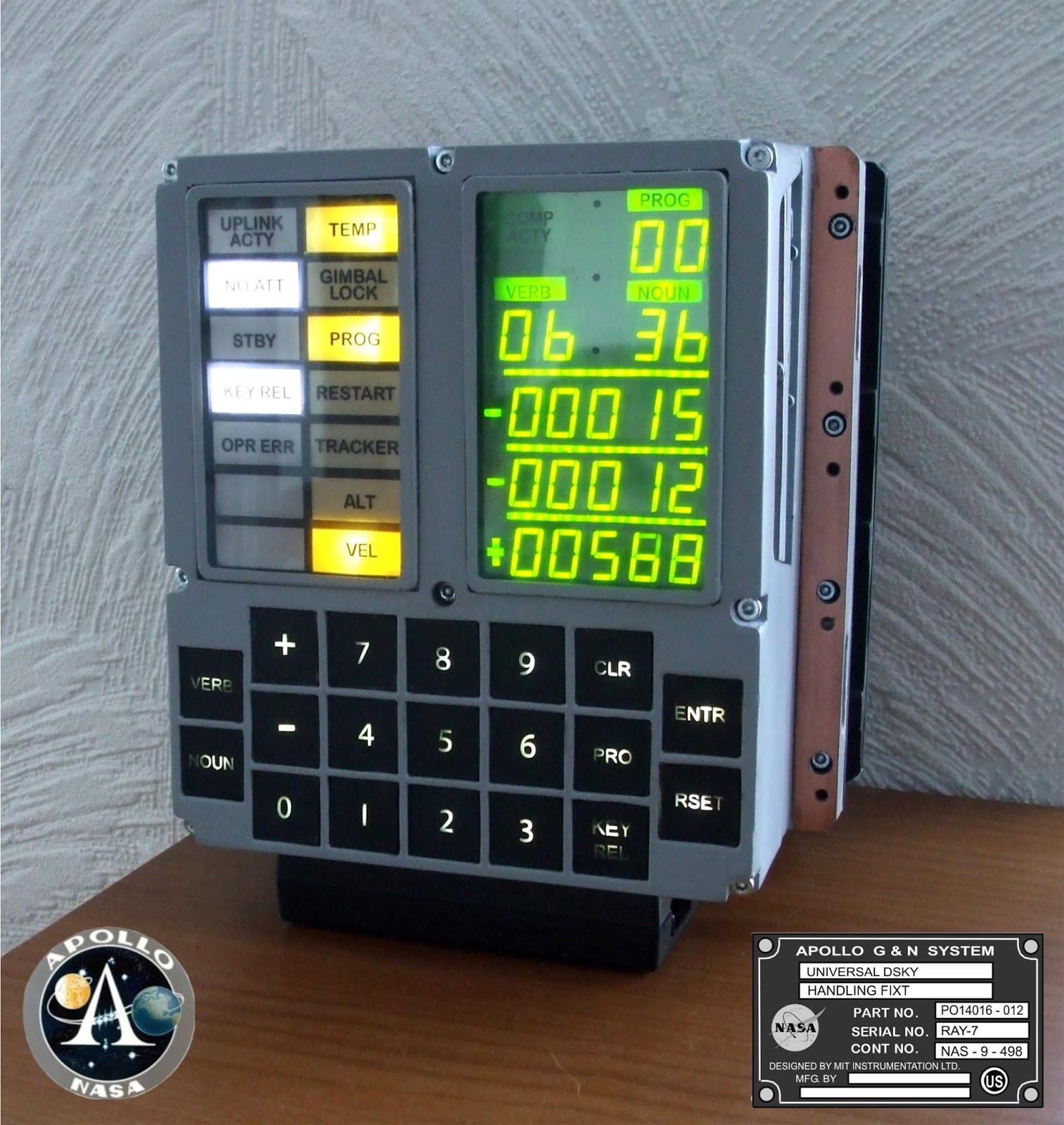
NASA's "DSKY" interface, and the Apollo missions' signature guidance computer (notes in post)

preview

This is one of those ones in which a complete dumbass like me just loves the basic design, then tries to scramble to figure out more context and info, lol. Oh man, I would LOVE it if someone more knowledgeable than a bumbling doofus could add some notes, please?

That said, here we go! XD

The Apollo Guidance Computer (AGC) is a digital computer produced for the Apollo program that was installed on board each Apollo command module (CM) and Apollo Lunar Module (LM). The AGC provided computation and electronic interfaces for guidance, navigation, and control of the spacecraft.[3] The AGC was the first computer based on silicon integrated circuits (ICs).[4][5] The computer’s performance was comparable to the first generation of home computers from the 1970s, such as the Kenbak-1, Apple II, TRS-80, and Commodore PET.[6] At around 1 cubic foot (28 litres) in size, the AGC held 4,100 IC packages.[5]


thumb.wikimedia.org/…/500px-Agc_view.jpg

The AGC has a 16-bit word length, with 15 data bits and one parity bit. Most of the software on the AGC is stored in a special read-only memory known as core rope memory, fashioned by weaving wires through and around magnetic cores, though a small amount of read/write core memory is available.

Astronauts communicated with the AGC using a numeric display and keyboard called the DSKY (for “display and keyboard”, pronounced /ˈdɪski/ DISS-kee). The AGC and its DSKY user interface were developed in the early 1960s for the Apollo program by the MIT Instrumentation Laboratory and first flew in 1966.[7] The onboard AGC systems were secondary, as NASA conducted primary navigation with mainframe computers in Houston.[8]

en.wikipedia.org/wiki/Apollo_Guidance_Computer


…wikimedia.org/…/500px-Apollo_display_and_keyboar…

“While much of the Apollo computer used transistors, the DSKY still used relay switches, which is why it makes a satisfying clicking sound when it updates.”

Holy Hecubah, that’s… part of why I love my old electro-mechanical pinball machines. ❤️

Oh, and here’s a builder project, make your own, mate!
hackaday.io/project/186074-dsky

0

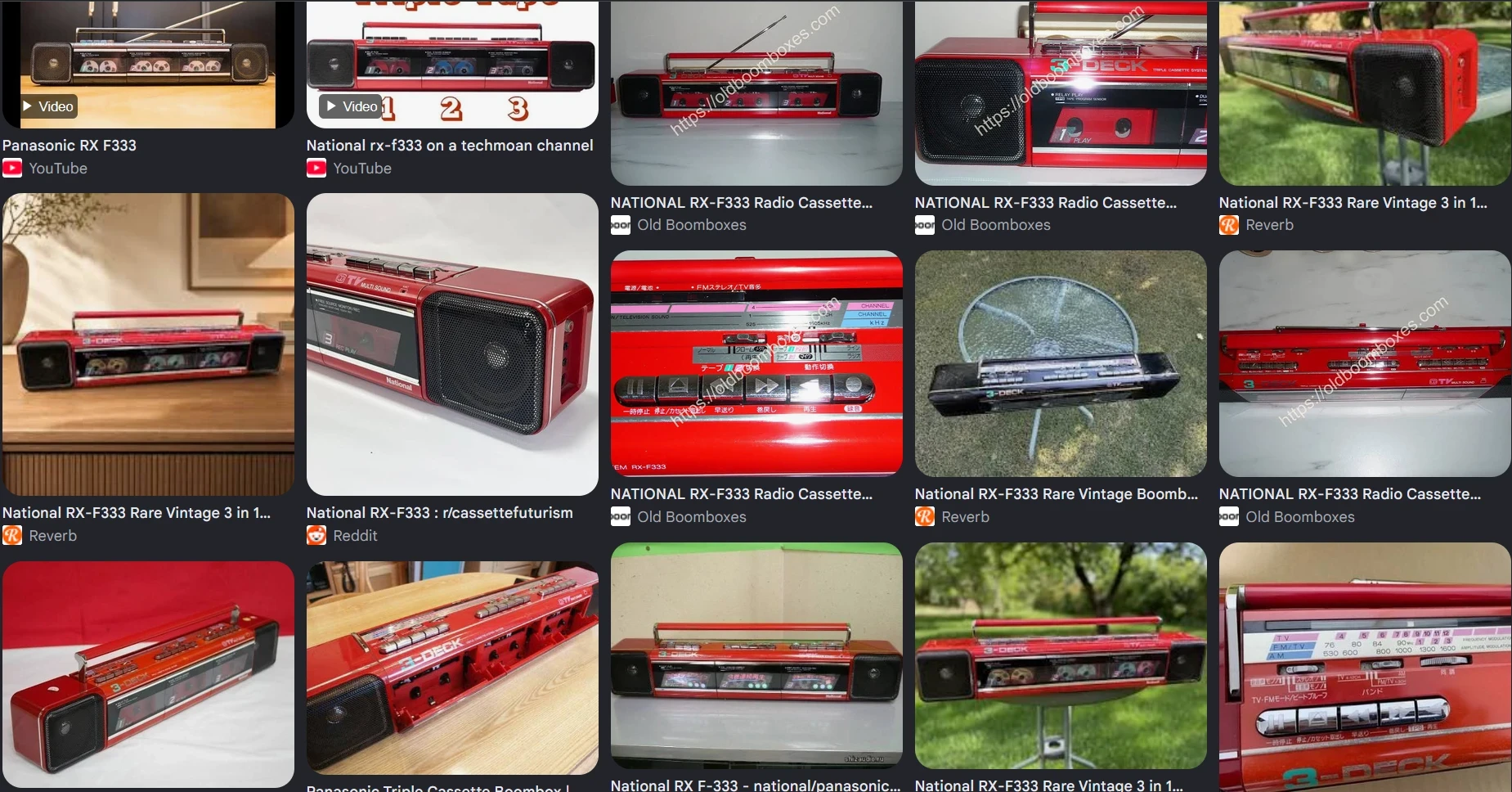
I don't have a great source for this one, but see what you think... (National / Panasonic's RX-F333.90 triple-tape boombox, 1985)

preview

Evidently this one was popular in Japan. I guess mainly used for dubbing…?

I actually DID have a two-cassette boombox way back when, and you could have bowled me over with a feather if you declared that ‘one more tape head was needed!’ 😄

Evidently this one was popular in Japan. I guess mainly used for dubbing…?

I actually DID have a two-cassette boombox way back when, and you could have bowled me over with a feather if you declared that ‘one more tape head was needed!’ 😄

0

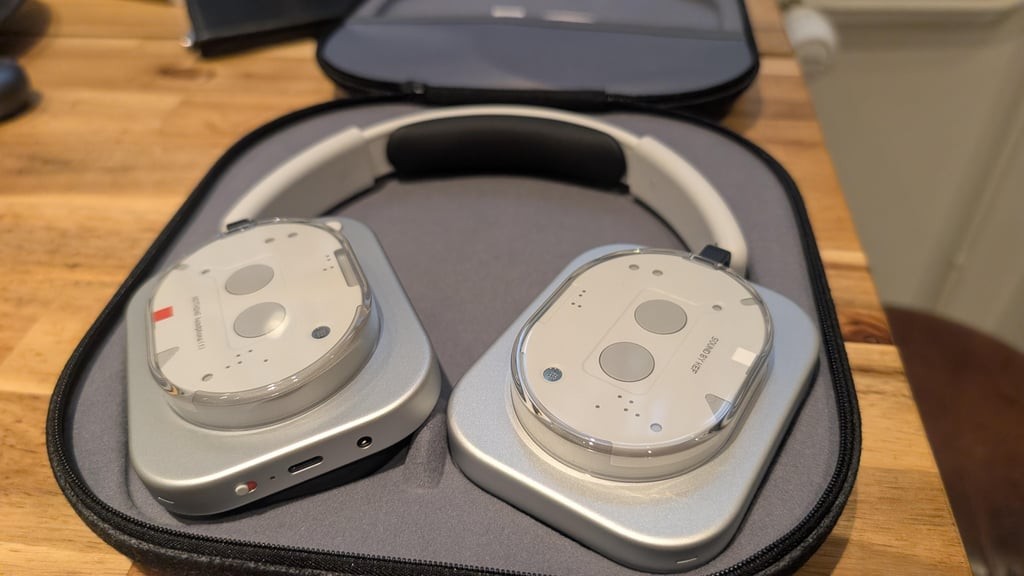
"Nothing" wireless headphones ("well if it's nothing, then why are we wasting our time, Freddy!?" --Shaggy Rogers) [notes in post]

preview

www.google.com/search?q=Shaggy+from+Scooby+Doo+lo…
(bof… I couldn’t find just the right image, so)

The sound is by KEF, the design is by Nothing. As such they sound great & look great.

Battery lasts well, comfort is good, EQ & NC is impressive. Price? Unbeatable.

I got them to replace my worn down AirPods Max, I’m no audiophile but I’d say the noise cancellation is the same and the sound is a bit worse than Apple, but like exactly worse as you’d expect for $200 less

I wish the earbuds (I had the Nothing Ear (a)) were better. They did sound great, and the pinch controls worked well. But I can’t justify getting them again after I experienced their battery issues. On one or both of the earbuds, they will no longer charge fully and drain within minutes. If you look up reviews on sellers and forums, this comes up a lot. Some users have had it happen multiple times with multiple sets. Nothing does not honor a warranty after a year, and customer service is not helpful. They are still rated very highly by customers and professional reviewers, because they ARE great at first, and reviewers typically review them immediately. I really wish I could have gotten them again for the price, sound, controls, and style, but they have very obvious QC issues, and recent posts by scorned users will show that it’s still a problem.

– comments via the EE

Unfortunately, Nothing’s site is overloaded with toxic javascripts, but I think the example here is this one?
us.nothing.tech/products/headphone-1

Haha… all that said, I’m an older git, and don’t really give a toss about audiophiles’ blazing obsession upon this stuff. Like, just give me a set of $5 earbuds to let me listen to some MP3’s, and I’m good. Oh heck, I’ll even sing the songs back to you on karaoke night! 🙂

0

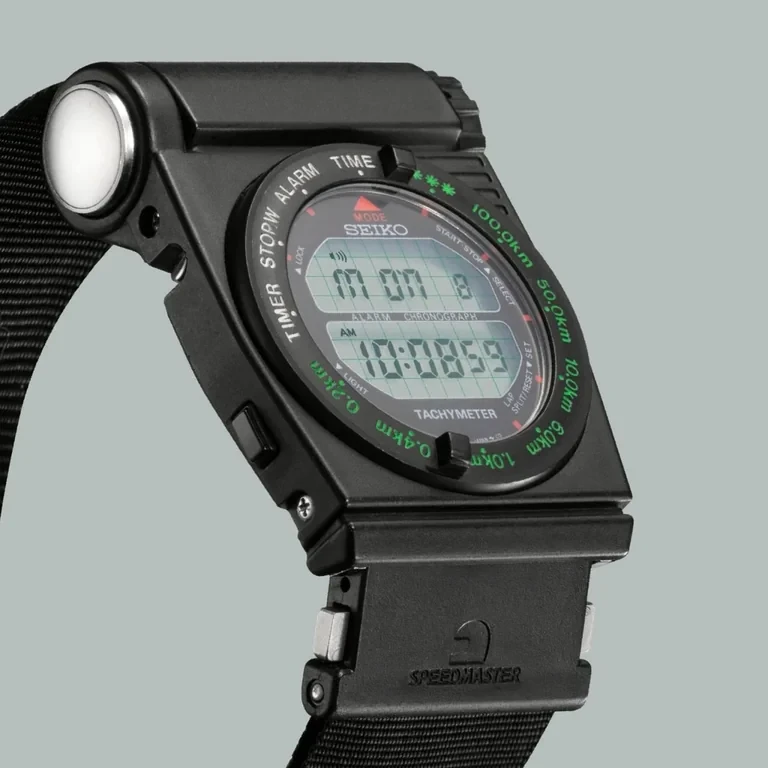
Seiko Speedmaster #SSBA018 (by automotive designer Giorgetto Giugiaro, 1983)

preview

The Seiko site says that this watch was also designed to be used on the handlebars of a motorcycle.

All of the first Speedmasters had innovative and practical ideas in their designs: by.seiko-design.com/140th/en/topic/55.html

The Seiko site says that this watch was also designed to be used on the handlebars of a motorcycle.

All of the first Speedmasters had innovative and practical ideas in their designs: by.seiko-design.com/140th/en/topic/55.html

0

Cyriak Harris' lovely teddy-bear loop

play · youtube.com
YouTube Cycles www.youtube.com
preview

It’s the day that Worthing sea-front was invaded by infinite teddy-bears!

(note: no teddy bears were harmed in the making of this video)

en.wikipedia.org/wiki/Cyriak

It’s the day that Worthing sea-front was invaded by infinite teddy-bears!

(note: no teddy bears were harmed in the making of this video)

en.wikipedia.org/wiki/Cyriak

0

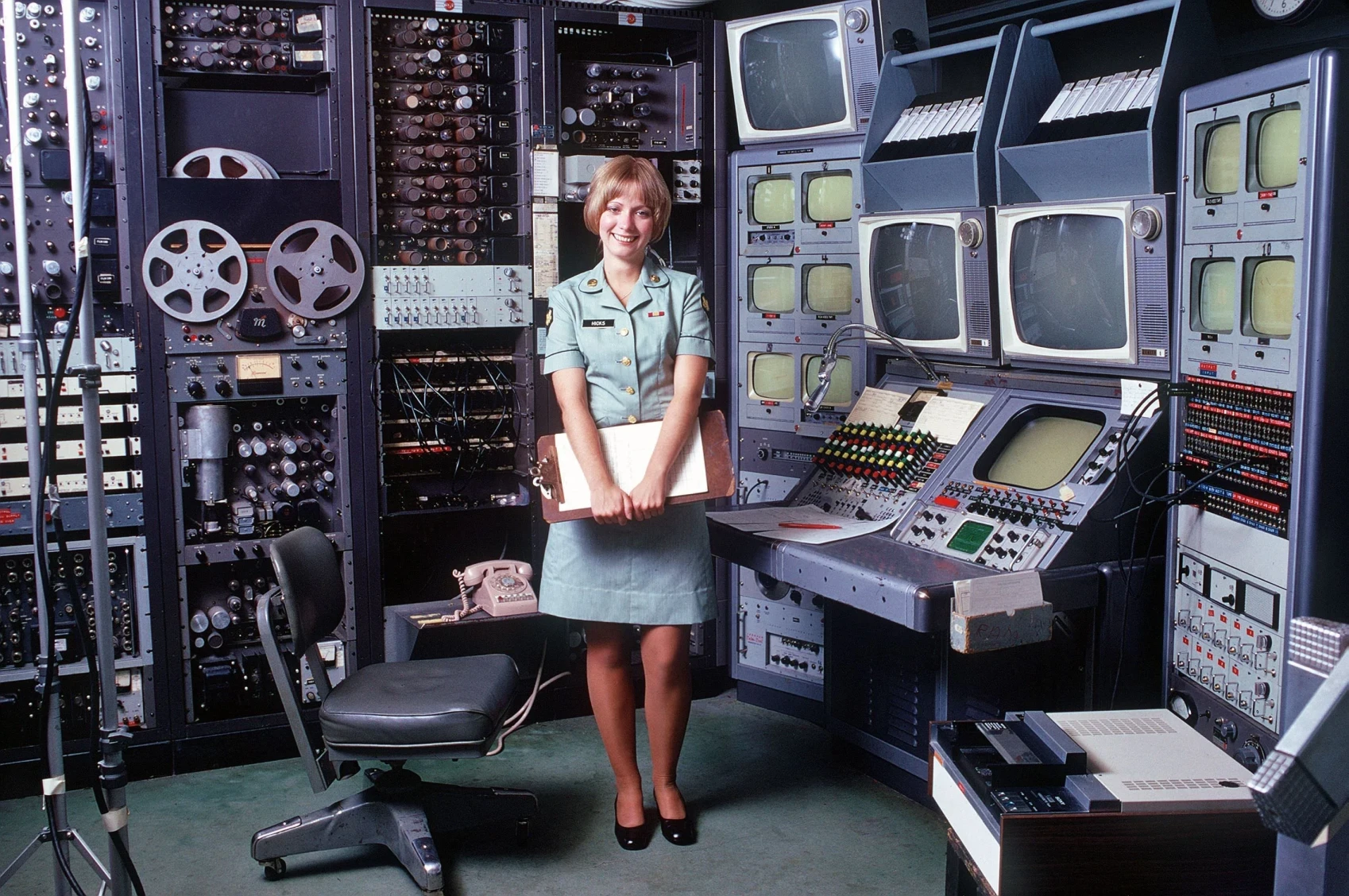
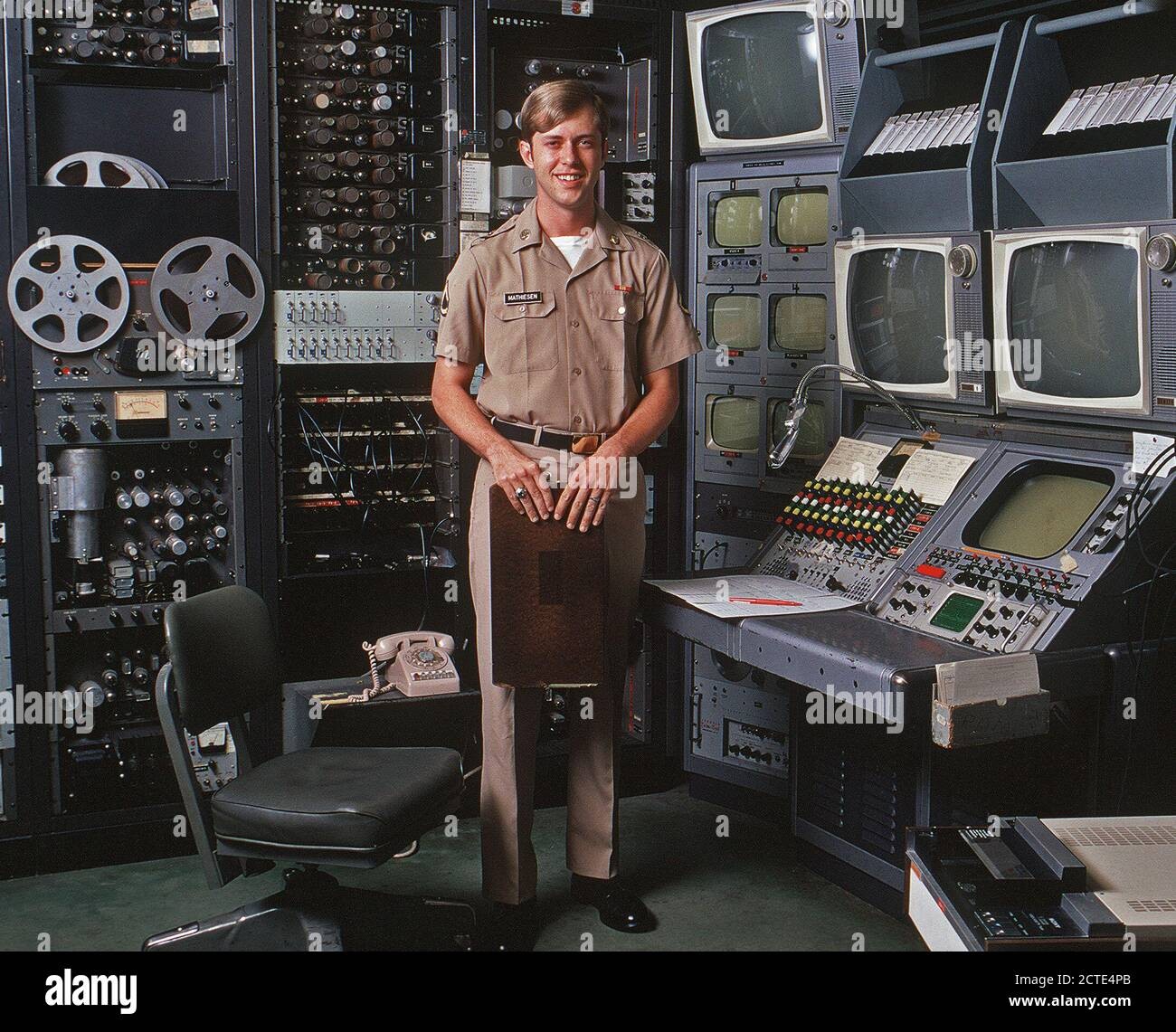
Military videotape-editing station, 1973. ~~and a small mystery~~

preview

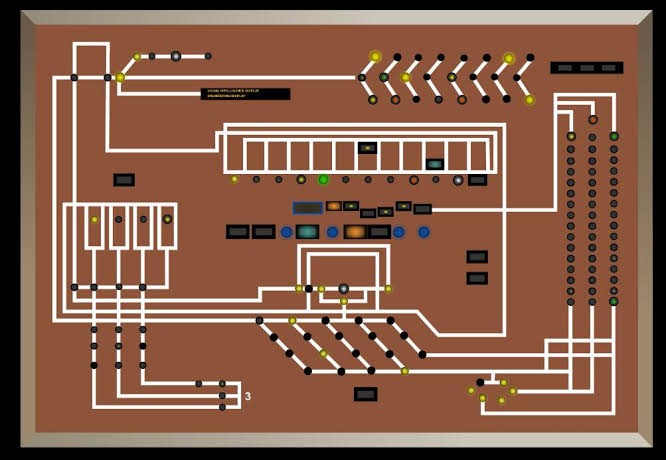
I’m not happy about this one, but I’ve run in to a brick wall so far looking for more info. So I’m going to need some AI-spotters to help me figure this one out, please. Unless of course I’m wrong, and both pics are legit. But I have my doubts…

ufWq3BBLiGY4T1e.jpg

In any case, this particular AV videotape station allegedly belonged to the US army, and in the 2nd pic, it’s a PFC Mathesen who’s the particular technician posing.

EDIT: Mystery seems solved thanks to a couple folks below. Evidently these are two genuine photos, likely shot the same day. I remain curious about the first person’s uniform though, since it seems so different from the second person’s.

0

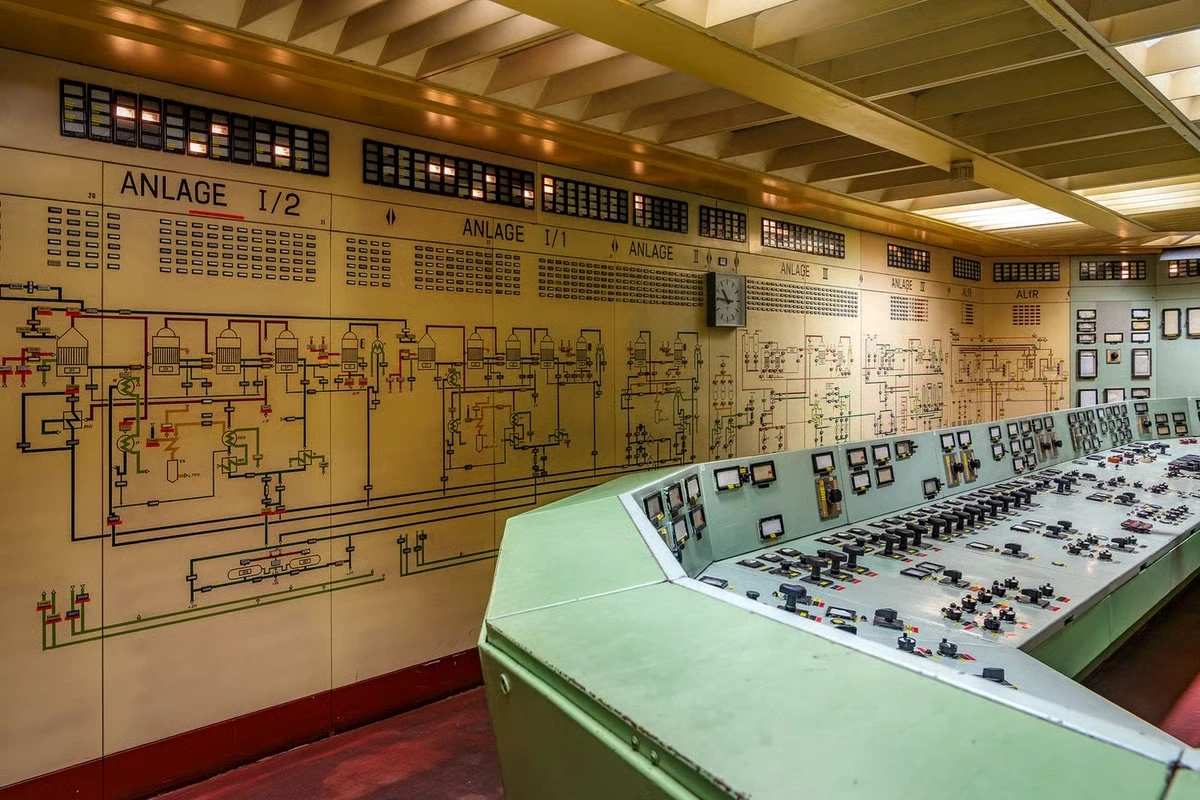
I love how this power plant control room also features a wall schematic that echoes ST TOS! (more in post)

preview

Of course, it’s almost invariably the opposite. 😄
I.e., ST TOS stole the idea and used it in the engineering room, most commonly.

wV20dqgyOAWANFF.jpg

Many more examples of these control rooms here:
kottke.org/26/10/so-many-amazing-control-rooms

Of course, it’s almost invariably the opposite. 😄
I.e., ST TOS stole the idea and used it in the engineering room, most commonly.

wV20dqgyOAWANFF.jpg

Many more examples of these control rooms here:
kottke.org/26/10/so-many-amazing-control-rooms

0

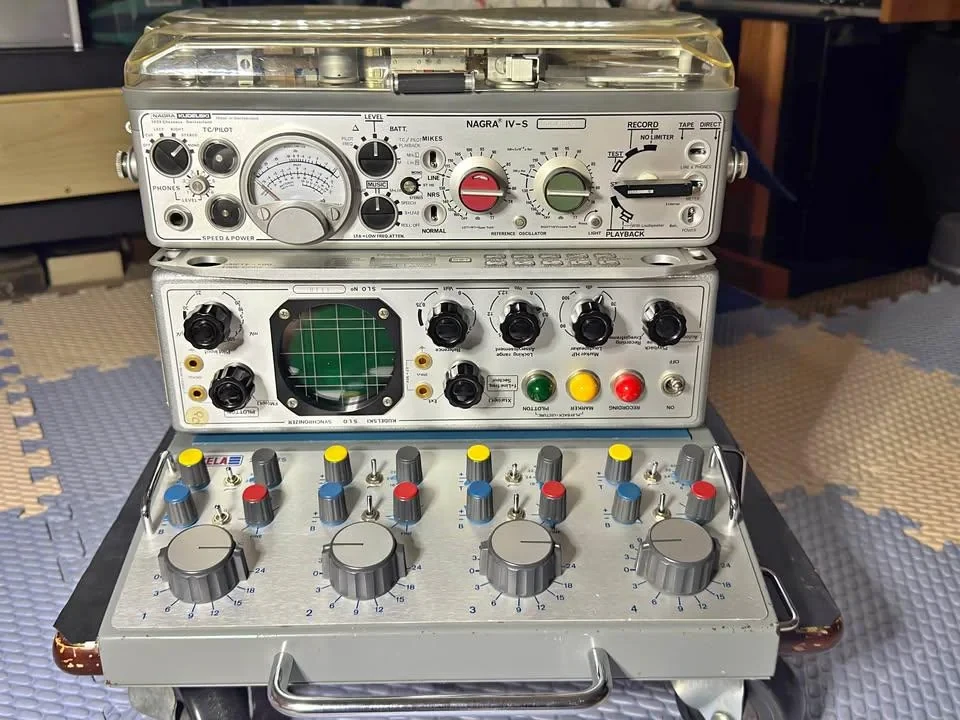
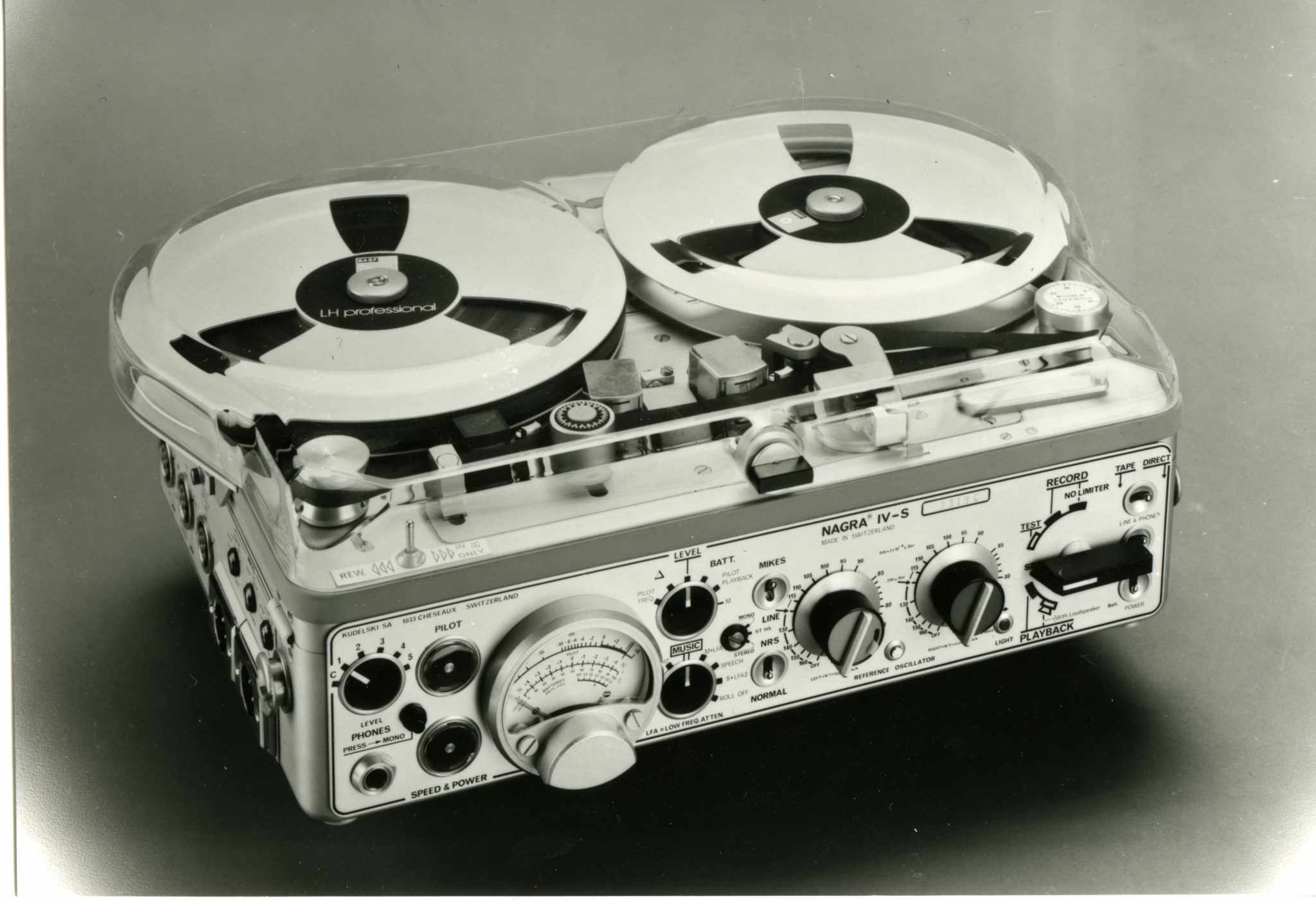
Nagra-brand recorder / synth / music stack (notes in post)

preview

Nagra is a Swiss brand of portable audio recorders first introduced in 1951. In 1997, the company expanded into new markets by launching a range of high-end equipment designed for the audiophile community.

en.wikipedia.org/wiki/Nagra

The Nagra VI

…wikimedia.org/…/1280px-Nagra_VI_in_CamRade_bag.j…

As for the top unit:

The first stereo analog recorder in Nagra’s range. An icon among sound recordists, film and record producers. The unique texture of a Nagra IV-S is still unparalleled and some demanding customers still use it today.

Nagra IV-S

nagraaudio.com/…/1971-IV-S-Version-IV-2-2048x1402…

Note: I know absolutely zippo about this brand or their products, but wanted to add a whiff of context for those curious…

0

1984 Electra Westone "FUTURA"

1984 Electra Westone "FUTURA" Electric Guitar
preview

In the late 1970s, the Matsumoku factory in Japan was beginning to build and market Westone guitars. The majority of these instruments were high quality, innovative design instruments with limited (not mass) production. Westone guitars were first introduced to the U.K. market by 1981.After changing the Electra brandname to Electra/Phoenix in 1984, St. Louis Music announced that the Electra trademark would be merged with Westone in the U.S. market. From, 1984 to 1985, models were sold under the Electra by Westone, or Electra/Westone, imprint.

Source

1984 Electra Westone Catalog

Image Source

0

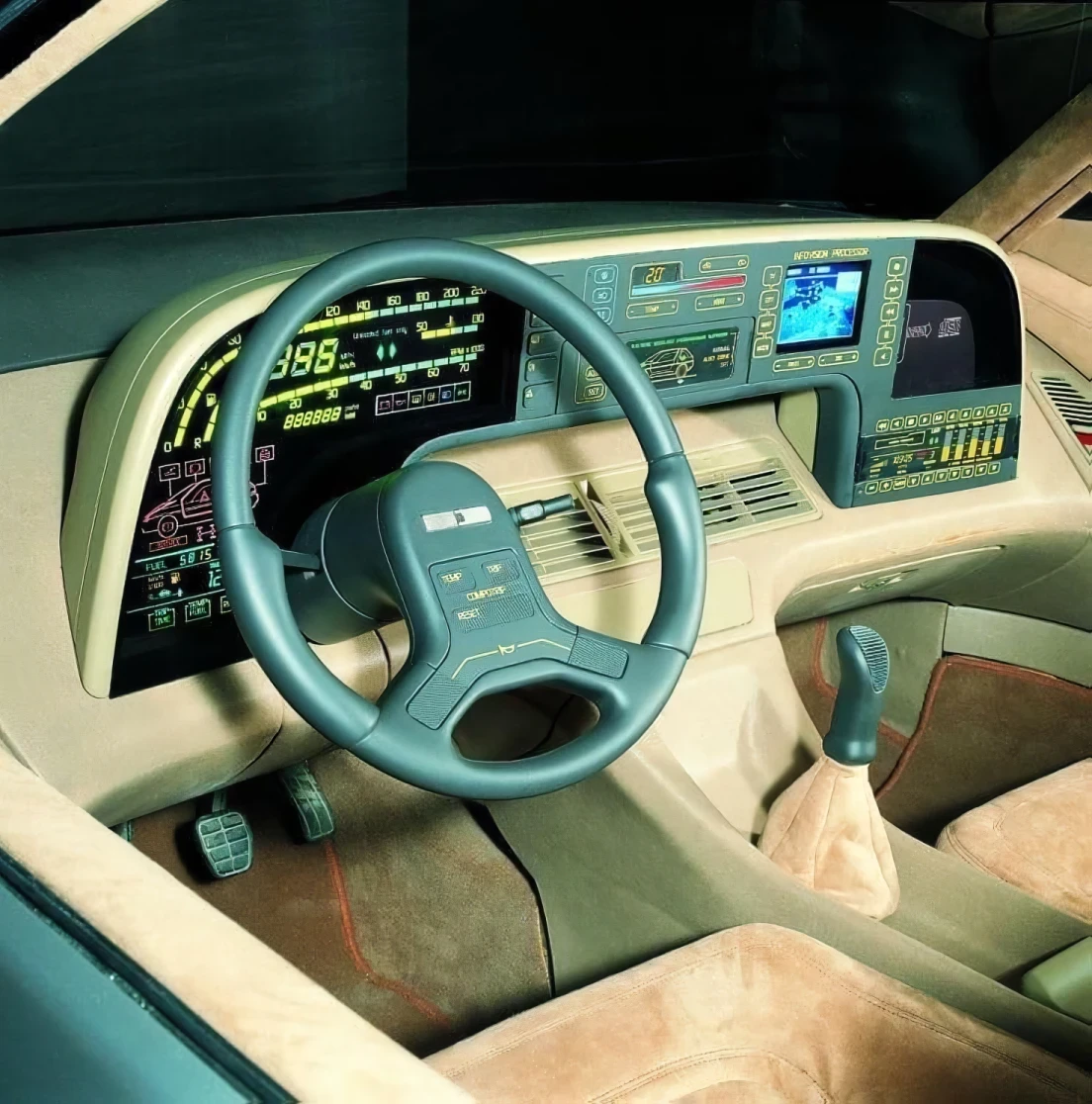
Interior from the 1986 Volkswagen "Orbit" concept car (more in post)

preview

EDIT: Wait, stop everything! I have something to say, mates:

I try to spread my posts amongst a smorgasbord of communities I find worthy of supporting, but I can tell you frankly, if the following StarTrek TOS movie post is valued so little, then to me, this community is worth the same as that one.

It’s a fun movie scene, or do you disagree?
piefed.social/…/this-isn-t-reality-this-is-fantas…


"As you know my friends, it all begins with “fine, Corinthian leather…!”

www.youtube.com/results?search_query=montalban+co…

Well… actually:

The Orbit was a further refinement of previous Italdesign concepts such as the Alfa Romeo New York Taxi (1976), Lancia Megagamma (1978), Capsula (1982) and Together (1984). The concept was built on a Volkswagen Golf Mk2 platform, specifically the new “Syncro.” The goal was to produce a car around 4m in length. The concept was 15cm taller than the existing Volkswagen Golf and featured a large amount of glass.

The Orbit would be developed further into the Italdesign Machimoto, shown the same year. --WP


assets.dyler.com/uploads/…/volkswagen-orbit.jpg

This shot is certainly from one of the testing phases. I personally find it hilarious:


i.ytimg.com/vi/Qe8qpxvWbiw/maxresdefault.jpg

From this video:
www.youtube.com/watch?v=Qe8qpxvWbiw

0

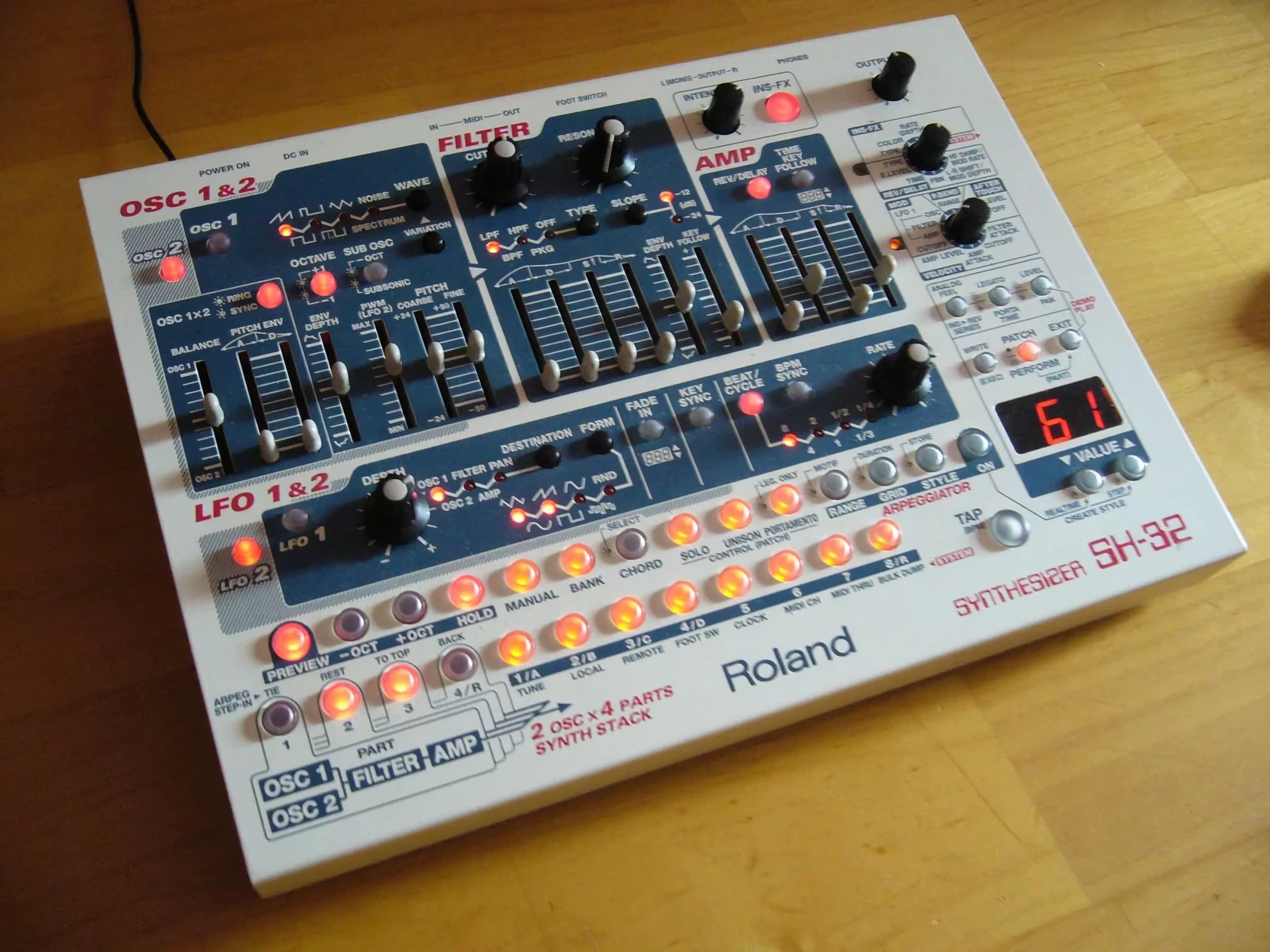
The Roland SH-32 - more than a synthesizer

preview

A polyphonic, virtual analog synth introduced by Roland in 2002. It was actually sort of a cross between a synth and a drum machine; it contained a number of built-in sampled drum sets, and was packaged in a tabletop package in a manner similar to other drum machines of its era. It was only the second virtual analog synth produced by Roland (after the JP-8000); the company was not very active in the virtual analog market in the 1990s, and this product was a departure, both functionally and stylistically, from other Roland synths of the decade.

electronicmusic.fandom.com/wiki/SH-32

0

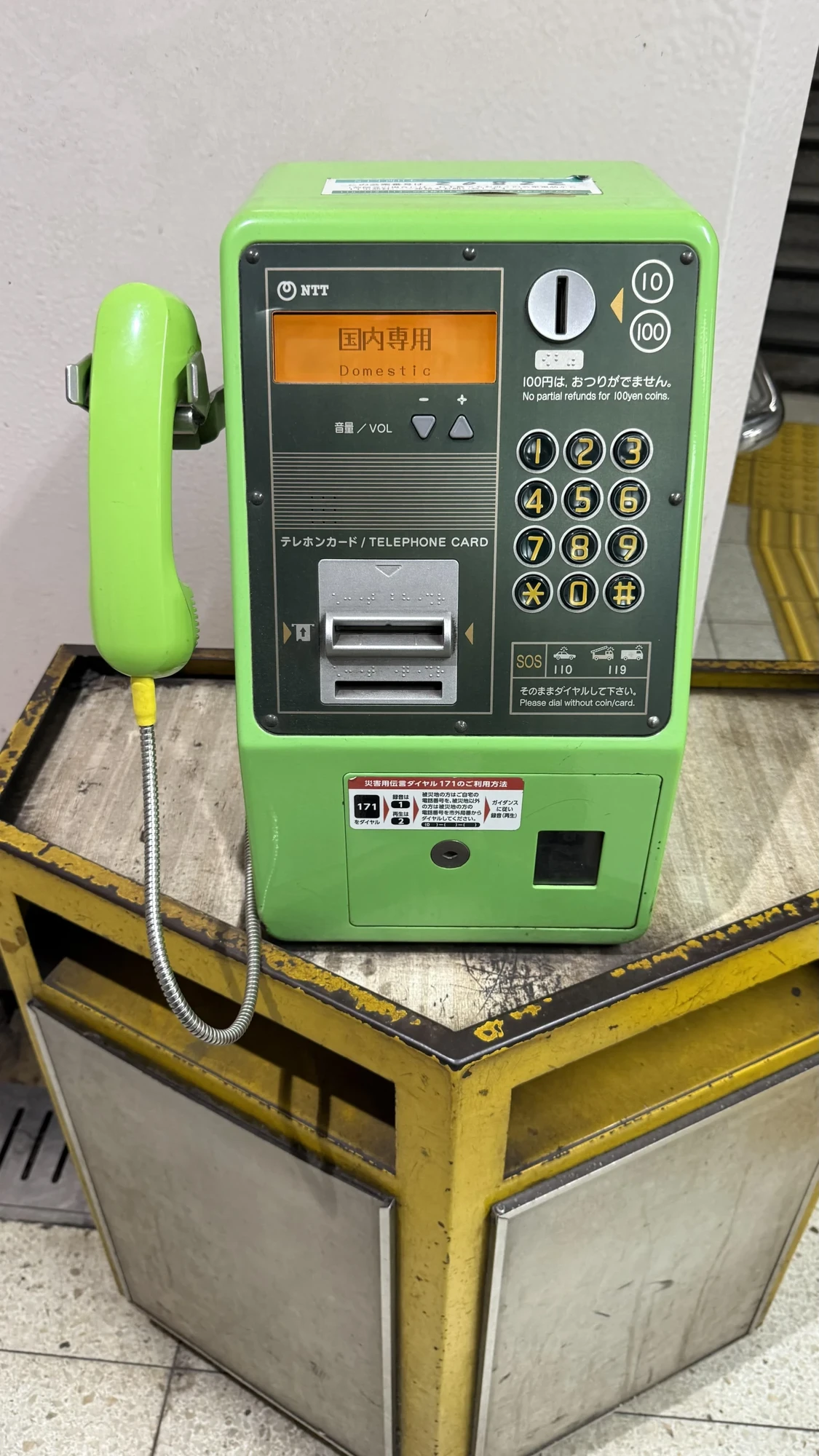
Shades of a Japanese, Star Wars phone droid? (classic green NTT public payphone, early 1980's)

preview

I’m liberating this one from the evil empire. The original poster recently saw this one at Nagoya, evidently one of the few-ish remaining ones in service. Their post title was:

Orange backlit LCD, check! Phone card slot, check! Japan in 1982 was the future! (An endangered species spotted at Nagoya station)

More examples & angles:
www.google.com/search?q=classic+green+NTT+public+…

0

Kinda looks like the activity & fitness module (Mitsuki Nakamura)

preview

More of his stuff:
www.google.com/search?q=Mitsuki+Nakamura+art&udm=…

Nakamura worked as art director on a number of anime works and has likewise worked as a mechanical designer.[4]

He is one of the pioneering mecha designers in the Japanese anime industry and was the first to have his name included in the end credits.[3][5][a] His best-known works as a mecha designer include Mach Five from Speed Racer, God Phoenix from Science Ninja Team Gatchaman and Time Mechabuton from Time Bokan.[3][6] Mach Five, in particular, is regarded as a masterpiece of the first Tatsunoko golden age for its outstanding design sense, and its design was so perfect that it was used almost unchanged in the 2008 live-action film Speed Racer by The Wachowskis, 40 years later.[3][7]

However, his speciality was not mecha design, but anime background art.[6] Background art plays a very important role in Japanese-style animation expression techniques. This has become increasingly the case in recent years, and Nakamura’s art was one of the factors to move in this direction.[7] His representative works as an art director include Science Ninja Team Gatchaman, Mobile Suit Gundam, and Nausicaä of the Valley of the Wind.[8][9][10]
en.wikipedia.org/wiki/Mitsuki_Nakamura

0

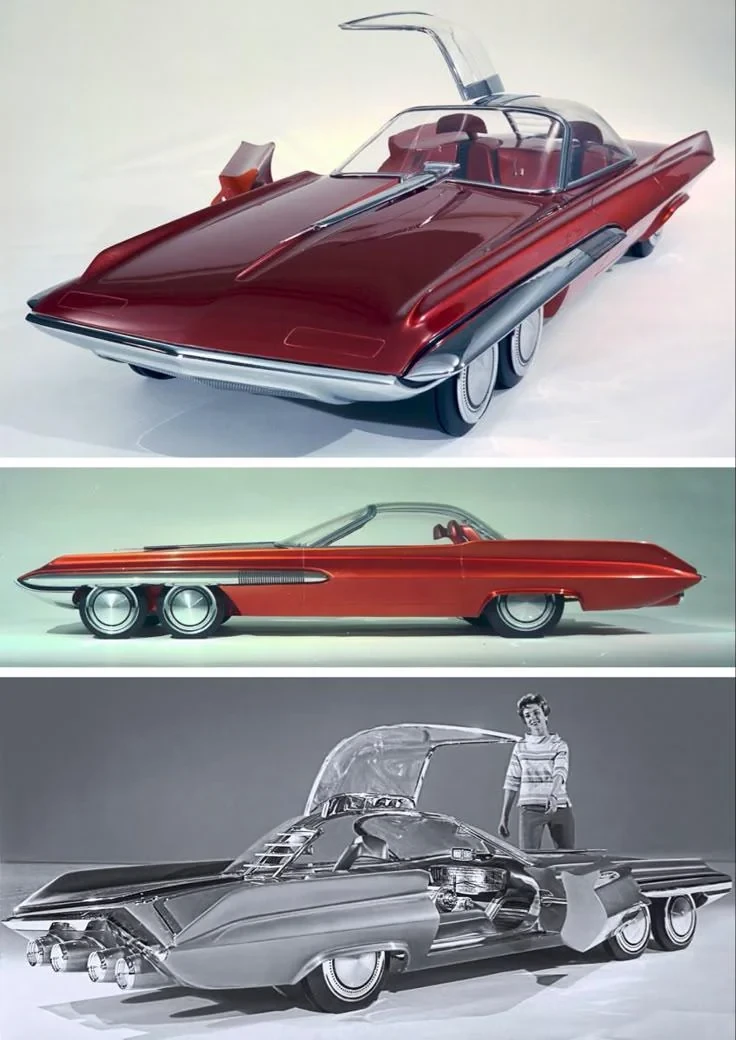
Surely this was Batman 1966's alternate car-build? (it's the 1962 Ford Seattle-ite XXI)

preview

If I understand correctly, the original Batmobile was in fact based on a 1955 Lincoln Futura concept car. Kind of wild, as the first Batman TV series launched 11yrs later!

Sorry for the lack of info / pics, but Spectrum basically crippled my internet on Monday, and I’m still trying to figure what the hell’s going on.

In any case, here’s more pics of this memorable automobile:
www.google.com/search?q=1962+Ford+Seattle-ite+XXI…

0

Retro Futuristic Battlestation (custom build)

preview

This one comes from a certain “BadBeachBuggy” over at the Evil Empire, so why not liberate it? TBH, I’m barely familiar with the whole battlestation hobby and concept, but if it delivers like this…

And what the hey, I’ll let you guess that bloke’s location:

(right-click as needed)

m.media-amazon.com/…/MV5BODYwNzcyMjIxNF5BMl5BanBn…

Yes, he’s in Stirling, Scotland! Oh, and one more, for the road. Evidently this is all modern tech btw, just dressed up in ~50’s style gear.


pic link

0

"We all live in the Yellow Sub-Sedan..." (notes in post)

preview

This piece is called “HobbyPop RoadShop” by Bruce McCall, from ~1957, from the book The Last Dream-o-Rama. Or so my research suggests. And of course, this post certainly doubles as a ‘retro-futurism’ posting, as well.

Another view:
https://static.boredpanda.com/blog/wp-content/uploads/2020/08/Draft-5f307c0c16ab2__880.jpg

(unfortunately, that double-underscore (“__”) in the URL seems incompatible with PF’s image-insertion mode, or maybe I’m doing it wrong?)

Anyway, here’s a fun mini-article going in to more detail:
paleofuture.com/…/cars-detroit-forgot-to-build-19…

Drive safe out there!

0

QUICKIE REVIEW: Casio's EG-5 electric guitar (~1985), with built-in tape player / recorder & speaker

preview

Saw this posted at the evil empire, and decided to liberate it, plus do some research. Here’s my take:

This was actually pretty dang cool for the time, letting a person jam along to accompanying music (not unlike karaoke) using only some… D cells to power the whole unit, I believe. Or one could simply use the tape recorder to grab guitar recordings for later playback. So-- good for quick demos, testing things out, and transcribing stuff on the fly, all in a very portable, lightweight form.

CONS:

  • The built-in speaker certainly did sound like crapola.
  • The neck was professional-grade, along with (arguably) the electronics, but the main body was made of thin-ish plastic that didn’t exactly inspire confidence in heavy / casual usage.

PROS:

  • This sucker had a fairly impressive range of all the core digital adjustments a pro would want, such as mixing levels, mixing volumes, basic effects (like whammy & overdrive), etc.
  • The player was NOT actually stuck with the cheap internal speaker. The EG-5 had 1/4" (amp!) and 1/8" inputs & outputs, as well as DC power input and a couple other thangs. (see lower-right in the shot below)

Here’s a magazine review:
guitarplayer.com/…/the-plug-in-and-play-performan…

And here’s me laddie, checking it out crown-to-bum, playing it a bit:
www.youtube.com/watch?v=IwL2nPMIcgw

0

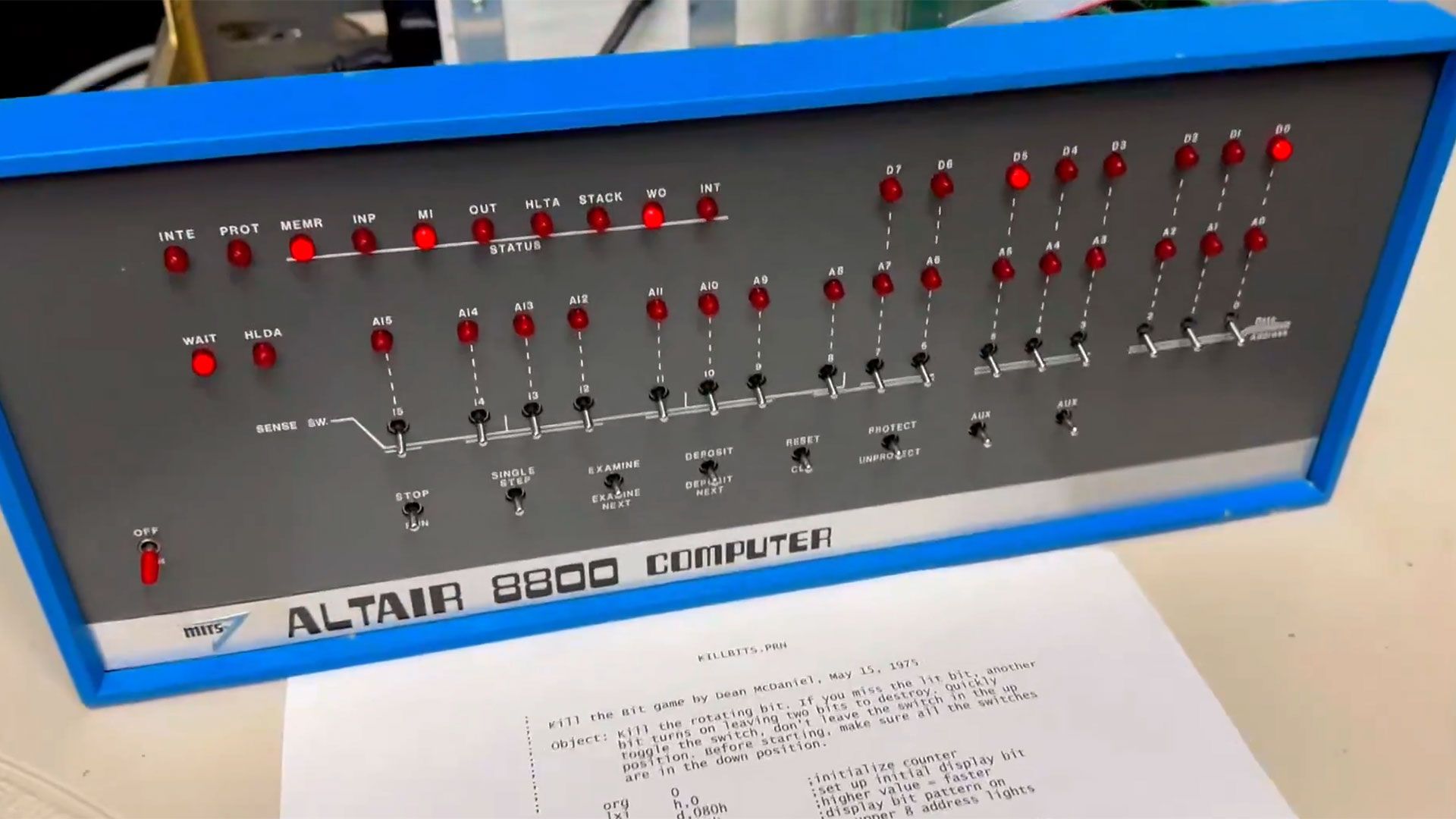
Erroneously assembled 1974 Altair 8800 computer gets fixed and enjoys first run in 2026 — Intel 8080 powered machine ran its first program 52 years later

Tom's Hardware Erroneously assembled 1974 Altair 8800 computer gets fixed and enjoys first run in 2026 — Intel 8080 powered machine ran its first program 52 years later www.tomshardware.com
0

[REPOST] Space travel to Mars by David Schleinkofer for Science Digest Magazine

preview

Original post by @crul@lemm.ee:

Source: IMG_1256 | David Schleinkofer | Flickr

Hi-res version (2309 × 2062)

I painted this for Science Digest Magazine for an article on space travel to Mars. 1980’s

Original post by @crul@lemm.ee:

Source: IMG_1256 | David Schleinkofer | Flickr

Hi-res version (2309 × 2062)

I painted this for Science Digest Magazine for an article on space travel to Mars. 1980’s

0

[REPOST] Cover for Atari User Magazine - Vol 3 Issue 08 (1987)

preview

Original post by @crul@lemm.ee:

I could not find the artist, not even on the PDF of the magazine:
Atari User Magazine Vol 3 Issue 08 by Paul Rixon - Issuu

Hi-res image from Zero Call - Battle of the Young - YouTube

Original post by @crul@lemm.ee:

I could not find the artist, not even on the PDF of the magazine:
Atari User Magazine Vol 3 Issue 08 by Paul Rixon - Issuu

Hi-res image from Zero Call - Battle of the Young - YouTube

0

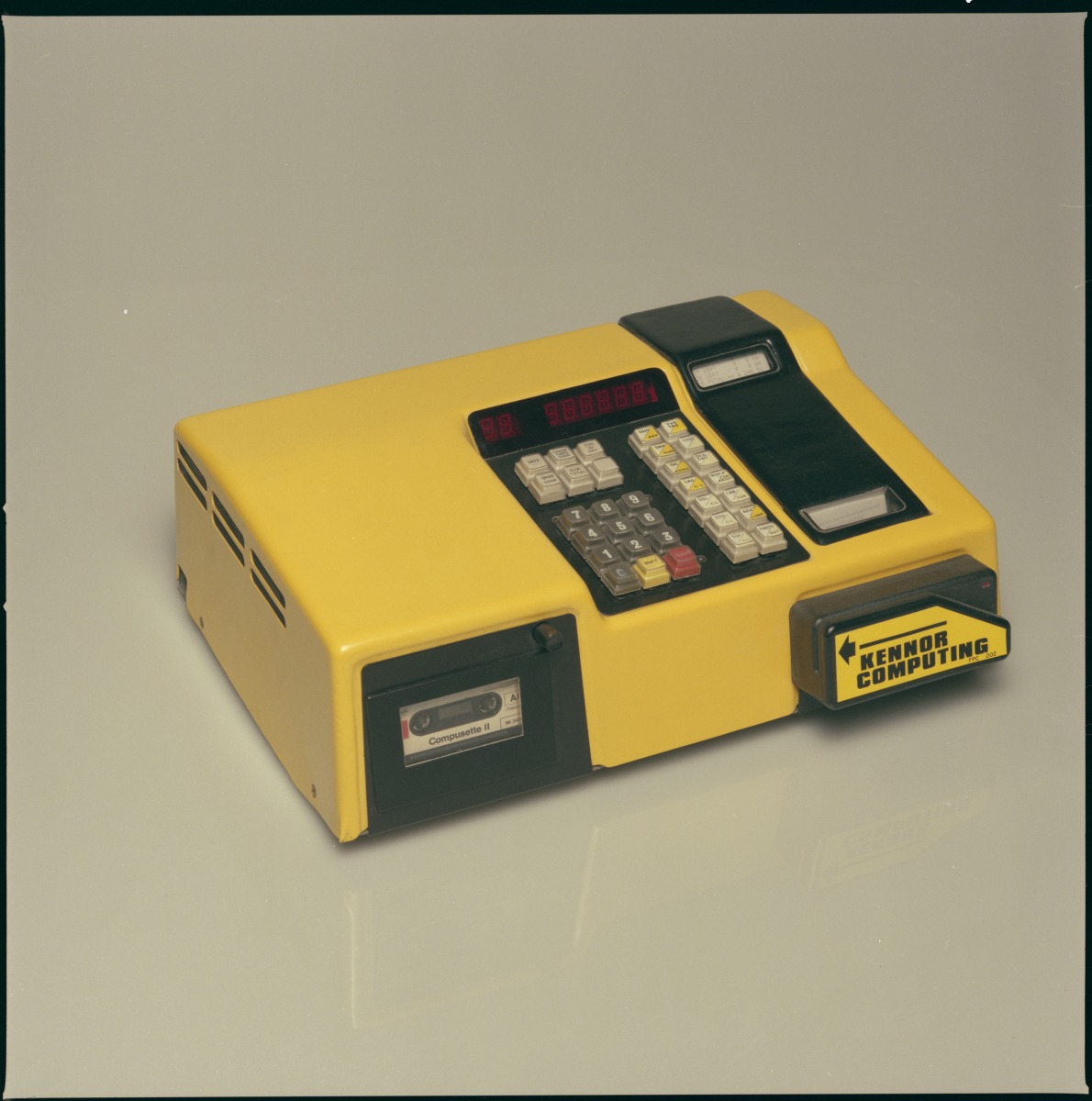
[REPOST] Accountancy machine made by Kennor Computing

preview

Original post by @crul@lemm.ee:

Source: Kennor Computing products and technician, 38 McCoy Street, Myaree, 6 April 1984. - State Library of Western Australia

More Kennor products: Encore – Kennor Computing products and technician, 38 McCoy Street, Myaree, 6 April 1984.

Via vidibit Tumblr - Kennor Computing products and technician

Seen on: Buttons & Knobs — Kennor Computing // Accounting Machine (Australia,…

0

[REPOST] Buick Reatta dashboard with touchscreen (1988–89)

preview

Original post by @crul@lemm.ee:

Source (archived): DoubleYou Digital

Another picture

 
Video: Buick Graphic Control Center In-Depth Look|Buick Electronic Control Center|CRT|Touchscreen - Neighborhood Car Reviews - YouTube

Some info from Wikipedia

> Initially (1988–89), the Reatta featured a touchscreen computer interface, marketed as the Electronic Control Center (ECC), that included radio and climate control functions, date reminder, trip computer and user-configurable overspeed alarm, as well as diagnostic access to the vehicle’s electronic systems and sensors. Later models were equipped with conventional push-button stereo and climate controls. The new system eliminated the trip computer functionality and the climate control buttons could access diagnostic information, replacing the diagnostic scanner capability formerly provided by the touchscreen. Source Buick Reatta - Wikipedia:

 
Found via @jace525@lemmy.world comment.

0

[REPOST] Paul Alexander art for an advertisement for Schneider Co 1998

preview

Original post by @crul@lemm.ee:

Seen on: Scifi Art — Paul Alexander art for an advertisement for…

Tumblr archive: retroscifiart.tumblr.com/archive
RSS Feed: retroscifiart.tumblr.com/rss

Hi-res image from: Paul Alexander art for Schneider Co. advertisements (1998) : RetroFuturism

Original post by @crul@lemm.ee:

Seen on: Scifi Art — Paul Alexander art for an advertisement for…

Tumblr archive: retroscifiart.tumblr.com/archive
RSS Feed: retroscifiart.tumblr.com/rss

Hi-res image from: Paul Alexander art for Schneider Co. advertisements (1998) : RetroFuturism

0

[REPOST] Italdesign concept: Together (1984)

preview

Original post by @crul@lemm.ee:

Oficial page with more info: Project: Together - 1984 - Italdesign

Source of the image: Dasdritteauge - carinteriors: 1984 Italdesign Together concept

Original post by @crul@lemm.ee:

Oficial page with more info: Project: Together - 1984 - Italdesign

Source of the image: Dasdritteauge - carinteriors: 1984 Italdesign Together concept

0

[REPOST] Klaus 4096 Meister by prokhorVLG

preview

Original post by @crul@lemm.ee:

Source: Klaus 4096 Meister by prokhorvlg

From the linked post:
www.sunset-system.com/posts/klaus-meister

Interfacer robot designed by Klaus GmbH, a Coalition company based in West Germany.
// The 4096 Meister is the perfect example of a typical German robot - widely considered to be elegant and expertly crafted, but with a somewhat older and simpler user experience than their American-based competitors.

CAPTION // A Klaus 4096 Meister carries a Kaizen television set.

DeviantArt profile: www.deviantart.com/prokhorvlg/gallery
DeviantArt RSS Feed

0

[REPOST] “Kludge” Omnidirectional Mobile Robot – John M. Holland (1983)

preview

Original post by @crul@lemm.ee:

Source with a lot of info, references, schematics and pictures:

1983 - “Kludge” Omnidirectional Mobile Robot - John M. Holland (American) - cyberneticzoo.com

Original post by @crul@lemm.ee:

Source with a lot of info, references, schematics and pictures:

1983 - “Kludge” Omnidirectional Mobile Robot - John M. Holland (American) - cyberneticzoo.com

0

[REPOST] Glitch Black — Inspired by Syd Mead's Blade Runner concept art

preview

Original post by @crul@lemm.ee:

Source: Glitch Black — Inspired by Syd Mead’s Blade Runner concept art /…

Tumblr archive: glitchblackmusic.tumblr.com/archive
RSS Feed: glitchblackmusic.tumblr.com/rss

Original post by @crul@lemm.ee:

Source: Glitch Black — Inspired by Syd Mead’s Blade Runner concept art /…

Tumblr archive: glitchblackmusic.tumblr.com/archive
RSS Feed: glitchblackmusic.tumblr.com/rss

0

[REPOST] Max Headroom's (Matt Frewer) Electronic Gadgets and Tools (1987 - 1988)

preview

Original post by @crul@lemm.ee:

Source with more photos: MAX HEADROOM (1987 - 1988) - Max Headroom’s (Matt Frewer) Electronic Gadgets and Tools - Current price: $550

Disc holder with eighteen 3 ½” floppy disks

Description

> A collection of Max Headroom’s (Matt Frewer) electronic gadgets and tools from the cult favorite TV series Max Headroom. The grouping of electronic gadgets and tools includes a stripe of rainbow striped cables, an Archer video stabilizer/RF Modulator, a cassette tape recorder shaped like a VHS tape, a blue and black vinyl disc holder with eighteen 3 ½” floppy disks, a ‘Network 23’ access key and a motherboard and touch panel on outside, a molded door panel with peephole and keypads, a practical padlock with a number pad and working red light on side, and a practical saw-like hand held device with a light-up panel and rotating blade that spins when the red button is depressed and is housed in a red leather and metal case with belt loop. The collection is in very good, production-used condition overall, with the lock and spinning blade devices still functional. > > Max Headroom (Matt Frewer) hosts his own talk show, throughout which he uses various gadgets in his capacity as ‘the world’s first computer-generated TV host’. > > Dimensions: (Largest) 12” x 7” x 2” (30 cm x 17 cm x 5 cm); (Smallest) 3 ½” x 3 ½” (9 cm x 9 cm)

0

[REPOST] ドラキュラ退治キット (Dracula extermination kit) by 絵を描くPETER @peter6409

preview

Original post by @crul@lemm.ee:

Source:

ドラキュラ退治キットの絵を描いた。
I drew a picture of a Dracula extermination kit.

Original post by @crul@lemm.ee:

Source:

ドラキュラ退治キットの絵を描いた。
I drew a picture of a Dracula extermination kit.

0

[REPOST] Sony MSX HitBit-201 (1984)

preview

Original post by @crul@lemm.ee:

Source of the image: elle mundy: “this is the future they stole from us” - Mastodon

Some info, pictures and screenshots: Sony HB-201 - MSX Wiki

Original post by @crul@lemm.ee:

Source of the image: elle mundy: “this is the future they stole from us” - Mastodon

Some info, pictures and screenshots: Sony HB-201 - MSX Wiki

0

[REPOST] Citroën Éole dashboard 1985/1986

preview
Another photo

I could not find the original source of the images.

Some info from Motor Car: Citroën Eole concept (1986):

The Aeolus is a concept car based on a platform of Citroën CX , entirely designed by computer from Geoffrey Matthews drawings. (…) It’s the first concept car to take advantage of a fully computerized design.

(…) Inside, four passengers can relax in a comfortable environment, and the central console has a flat panel that combines PC and phone features. game console , Hi-Fi set and CD player . 

0

[REPOST] The Information Age by Eddie Mendoza

preview

Original post by @crul@lemm.ee:

Source: The Information Age by eddie-mendoza

personal retrofuturistic concept

DeviantArt profile: www.deviantart.com/eddie-mendoza/gallery

DeviantArt RSS Feed

Original post by @crul@lemm.ee:

Source: The Information Age by eddie-mendoza

personal retrofuturistic concept

DeviantArt profile: www.deviantart.com/eddie-mendoza/gallery

DeviantArt RSS Feed