
0

Looking for a few additional mods

preview

Please pm me if interested. Will be checking your post/comment history to attempt to assure a fit with preserving a gently moderated community with objective neutrality on all health-related mattets.

Please pm me if interested. Will be checking your post/comment history to attempt to assure a fit with preserving a gently moderated community with objective neutrality on all health-related mattets.
0

Office light may throw off the body’s daily rhythm

Earth.com Office light may throw off the body’s daily rhythm www.earth.com
preview

In a study of day-active rats, an hour of simulated daylight at noon helped restore activity rhythms weakened by fluorescent office lighting.

I know rodents aren’t tiny humans, but I think we can all agree office lighting is terrible.

In a study of day-active rats, an hour of simulated daylight at noon helped restore activity rhythms weakened by fluorescent office lighting.

I know rodents aren’t tiny humans, but I think we can all agree office lighting is terrible.

0

Women with autoimmune diseases often misdiagnosed for 4 years or more

NBC News Women with autoimmune diseases often misdiagnosed for 4 years or more www.nbcnews.com
preview

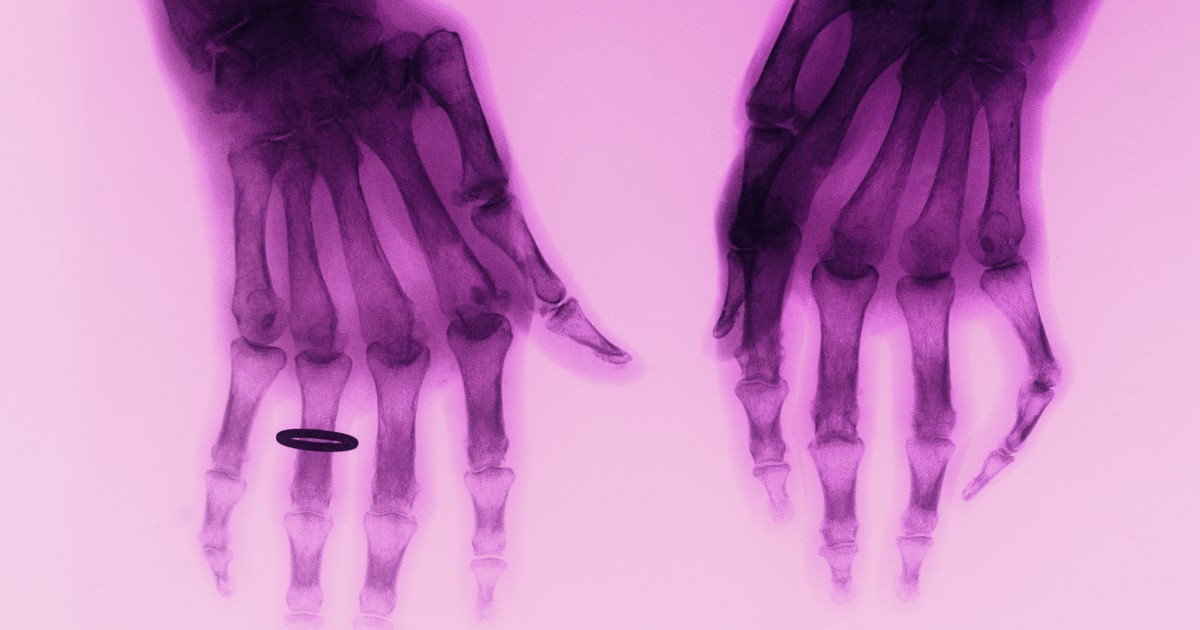
An online survey by British researchers found that it took women with an autoimmune disorder about four years to get a diagnosis, while it took men around three months to less than a year.

It adds to previous research showing disparities in diagnosis between men and women with autoimmune disorders.

“Women in particular felt not listened to or not heard or not believed by their medical professionals,” said Sydnae Taylor, a doctoral researcher at the University of Oxford in the U.K. and co-author of the study published recently in eClinicalMedicine.

Autoimmune diseases — including Type 1 diabetes, multiple sclerosis, inflammatory bowel disease and psoriasis — occur when the immune system mistakenly attacks the body. More than 23 million people in the U.S. have an autoimmune disease, and most of them are women.

Autoimmune thyroid disease, which includes Hashimoto’s, was the most common type reported by women in the survey. It typically causes fatigue, unexplained weight gain and sensitivity to cold, among other symptoms.

Autoimmune conditions can affect anyone but are more common in women than in men, according to the federal Office on Women’s Health. For example, around 90% of people with lupus are women, according to the Lupus Foundation of America.

It’s not clear why women are more at risk. Research from the Mayo Clinic has suggested differences in the microbiome, sex hormones and that women’s bodies produce higher levels of antibodies that are associated with autoimmune disorders. A 2024 Stanford Medicine study found clues in a molecule connected to the X chromosome.

Because many of the disorders share similar symptoms in the early stages — fatigue, dizziness, low-grade fever, as well as stress, anxiety and depression — they can be difficult to diagnose.

Women and men have similar symptoms, but with women specifically, “they develop over time, so it’s often hard to recognize right at the beginning,” said Dr. Saira Z. Sheikh, the director of the UNC Rheumatology Lupus Clinic in Chapel Hill, North Carolina. Symptoms can appear during childhood and last throughout adulthood.

0

Pill that mimics Viagra can slow Alzheimer’s progression, study suggests

the Guardian Pill that mimics Viagra can slow Alzheimer’s progression, study suggests www.theguardian.com
preview

Experts call trial results of medication that slowed cognitive decline by almost a third ‘very promising’

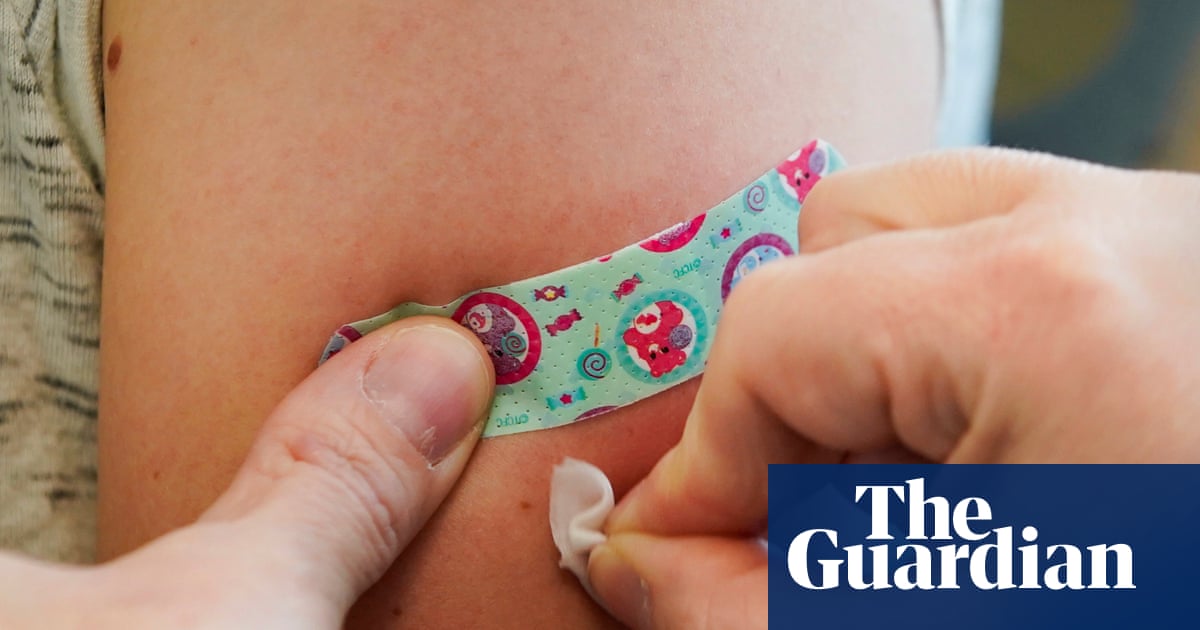
A pill that mimics Viagra by relaxing blood vessels and increasing blood flow to the brain can slow cognitive decline in people with Alzheimer’s disease by almost a third, a global study suggests.

Alzheimer’s is the most common form of dementia, a condition that is forecast to affect 153 million people worldwide by 2050. There is currently no cure.

In a stage three trial spanning 13 countries, including the UK, researchers found the tablet AR1001 slowed decline by 31% in patients with early Alzheimer’s disease not receiving any other treatment.

Experts

Experts call trial results of medication that slowed cognitive decline by almost a third ‘very promising’

A pill that mimics Viagra by relaxing blood vessels and increasing blood flow to the brain can slow cognitive decline in people with Alzheimer’s disease by almost a third, a global study suggests.
Alzheimer’s is the most common form of dementia, a condition that is forecast to affect 153 million people worldwide by 2050. There is currently no cure.

In a stage three trial spanning 13 countries, including the UK, researchers found the tablet AR1001 slowed decline by 31% in patients with early Alzheimer’s disease not receiving any other treatment.

Experts

0

Association Between Bowel Movement Pattern and Cognitive Function

PubMed Central (PMC) Association Between Bowel Movement Pattern and Cognitive Function: Prospective Cohort Study and a Metagenomic Analysis of the Gut Microbiome pmc.ncbi.nlm.nih.gov
preview

cross-posted from: lemmy.world/post/54525272

cross-posted from: lemmy.world/post/54525269

We followed 112,753 men and women (women: 87.6%) with a mean age of 67.2 years at baseline (NHS: 76 years, NHSII: 59 years, HPFS: 75 years) for a median follow-up of 4 years (NHSII and HPFS: 4 years, NHS: 2 years). Compared with those with BM once daily, participants with BM frequency every 3+ days had significantly worse objective cognitive function, equivalent to 3.0 (95% confidence interval [CI],1.2–4.7) years of chronological cognitive aging. We observed similar J-shape dose-response relationships of BM frequency with the odds of subjective cognitive decline and the likelihood of having more subsequent subjective cognitive complaints (both pnonlinearity < 0.001). BM frequencies of every 3+ days and ≥twice/day, compared with once daily, were associated with the odds ratios of subjective cognitive decline of 1.73 (95% CI 1.60–1.86) and 1.37 (95% CI 1.33–1.44), respectively. BM frequency and subjective cognitive decline were significantly associated with the overall gut microbiome configuration (both p < 0.005) and specific microbial species in the 515 participants with microbiome data. Butyrate-producing microbial species were depleted in those with less frequent BM and worse cognition, whereas a higher abundance of proinflammatory species was associated with BM frequency of ≥twice/day and worse cognition.

0

Measles is no longer considered eliminated in the US and Mexico

preview

The U.S. has lost its measles-free status, international health officials said Tuesday, as the highly contagious virus once relegated to medical textbooks has spread — largely among the unvaccinated — at the highest rate in more than 30 years.

Mexico also lost its measles-elimination status, following a resurgence of the virus there that included a massive outbreak in Chihuahua state. Bolivia, too, lost its status.

The Pan American Health Organization declaration has few practical implications and is largely symbolic, but it marks a sharp turnabout in a disease largely controlled through decades of scientific advances. It also may be seen as the beginning of an era in which diseases of the past become deadly problems for the modern world.

0

Menopause symptoms aren’t always taken seriously. These female lawmakers plan to change that

the Guardian Menopause symptoms aren’t always taken seriously. These female lawmakers plan to change that www.theguardian.com
preview

“I am more than lubrication,” Shusterman said. “I am a dynamic, smart, hardworking woman who wants to continue to feel good, so I can join my contemporaries, get back to work, and change things.”

In September, she was joined by dozens of women at a rally at the state capitol, as she announced a suite of bills aimed at helping menopausal people in Pennsylvania have a better experience than she had. The legislation, which would mandate insurance coverage for menopausal care, bolster public education around menopause and more, is one of the most ambitious in the country. But it’s also part of a larger movement.

Almost half of American women between the ages of 40 and 60 experienced menopausal symptoms last year, according to a recent federal study. These symptoms, like hot flashes and vaginal dryness, can interfere with people’s sex lives, moods and even their ability to work. Still, only about 16% of the women in the study took any prescription medication for their symptoms – a reflection, advocates say, of barriers to access and a lack of awareness around a period of life that’s too often been ignored or dismissed.

“It is still so taboo,” said Cheryl Bergman, executive director of the Michigan Women’s Commission, which released a report on menopause policy earlier this year. “Most of the time I bring the conversation up with men, even progressive men, they take a step back. They just literally step away from it.”

Now a group of lawmakers and activists, many of them women in their 40s and 50s, are working to break that taboo, opening up a new frontier in reproductive health policy. And they’re notching real victories, even in a time of dwindling access to reproductive health care around the country. In states from Rhode Island to Utah, lawmakers have passed measures to expand insurance coverage for hormone therapy, protect menopausal workers from discrimination on the job, and more.

In Pennsylvania, “we’re going to continue pressing until these bills become law,” Shusterman said. “This is about feeling yourself again.”

0

Fossil-fuel industry accused of violating Colorado law over not disclosing drilling chemicals

the Guardian Fossil-fuel industry accused of violating Colorado law over not disclosing drilling chemicals www.theguardian.com
preview

The fossil-fuel industry is violating Colorado law by not disclosing which chemicals it uses in drilling, a new analysis by the FracTracker Alliance nonprofit alleges, and state records show it has used illegal or dangerous compounds while fracking.

Drilling chemicals can include xylene, toluene, benzene, Pfas, and other dangerous toxicants, industry records and literature from other regions show. A first-in-the-nation 2022 Colorado law requires fossil-fuel operators and their suppliers to make public all chemicals used in “downhole oil and gas production”. But regulators have exempted compounds used in drilling, claiming that drilling is not part of production.

FracTracker contends this exemption contradicts the widely held definition of production, including that implied in Colorado’s regulatory literature.

0

Global Coalition Launched to 'Take Down Pesticides,' Particularly Paraquat | Common Dreams

Common Dreams Global Coalition Launched to &#39;Take Down Pesticides,&#39; Particularly Paraquat | Common Dreams www.commondreams.org
preview

The Take Down ++Pesticides++coalition ++announced++ on Monday is calling for a global “agricultural shift away from petroleum-derived pesticides and towards proven ++organic++ and agroecological alternatives,” with a particular focus on paraquat, a weedkiller “already banned in over 70 countries and linked to ++Parkinson’s disease++, ++thyroid cancer++, and ++neurological harm to children++.”

The coalition—which includes Alianza Nacional de Campesinas, Coming Clean, Pesticide Action & ++Agroecology++ Network (PAN), and dozens of other organizations—wants policymakers worldwide to crack down on pesticides, but its first ++public statement++highlights actions under US President ++Donald Trump++, who has repeatedly betrayed his campaign promise to “Make America Healthy Again.”

0

They sought care at a world-class hospital. Hundreds of women say a doctor there abused them

preview

cross-posted from: sh.itjust.works/post/70022034

The scans had picked up concerning masses in the now-65-year-old woman’s uterus. She was terrified it was uterine cancer, so she contacted Cedars-Sinai Medical Center, a world-class hospital in Los Angeles, in 2016. She was referred to one of their recommended, in-network gynecologists Dr. Barry Brock.

The appointment, however, became just one visit cited in a series of complaints filed by McGrath Kavinoky LLP involving more than 200 women who have accused Brock of sexual assault and harassment during gynecological exams. They’re suing the now-retired doctor as well as Cedars-Sinai for failing to act on multiple reports of his alleged abuse.

According to McGrath Kavinoky LLP, Brock, 76, has been accused by more than 500 former patients of making lewd comments during pelvic and physical exams, completing internal exams without gloves, fondling his patients breasts and genitals excessively and forcing them to change into privacy gowns while he watched them undress. The accusations date back to 1986, and the lawsuit alleges that the assaults span his entire 40 year career at Cedars-Sinai. According to the lawsuit, many patients sought care from Brock because of his affiliation with Cedars-Sinai and his specialization in high-risk pregnancies, including women who were cancer survivors and women with autoimmune disorders.

“The type of behavior alleged about Dr. Barry Brock is counter to Cedars-Sinai’s core values and the trust we strive to earn every day with our patients,” a spokesperson for Cedars-Sinai wrote in a statement to USA TODAY. “Dr. Brock no longer has privileges to practice medicine at Cedars-Sinai. We recognize the legal process must now take its course, and we remain committed to Cedars-Sinai’s sacred healing mission and to serving our community.”

In Brock’s office, the lawsuit alleges that the 65-year-old woman’s pelvic exam was unchaperoned and lasted almost the entirety of the appointment, and that Brock kept his fingers inside of her while touching her breasts. She told him about her symptoms, an array of digestive issues and stomach pain, with bloating so intense she couldn’t fit into her clothing. But he dismissed them, she said.

Brock assured her that the tumors in her uterus were benign fibroids, according to the lawsuit. When she asked if they could be removed, he told her that “no doctor would ever do that,” the woman recalled. The surgery would create a scar that would make her “look terrible in a bikini," he said, according to the lawsuit.

The strangeness of the appointment, and the uneasiness it stirred, didn’t fully hit her until Brock left the room.

“I sat up. I noticed there was blood on the floor. That is when I noticed how much pain I was in,” she told USA TODAY, revisiting that experience now 10 years later. USA TODAY is withholding her name, as well as the names of others in this story, as it our policy not to reveal the identities of those who allege sexual abuse. "That violation was traumatizing, and it took me four more years before I ever saw a gynecologist (again).”

In 2020, she had to seek gynecological care again after discovering a small lesion on her vulva. She called Cedars-Sinai for another referral and spoke about her experience with Brock. She requested to only see female doctors, and was eventually diagnosed with a rare invasive cancer. She said she told “every single doctor” about her experience with Brock.

“No one ever asked me to file a report or told me how to. No one had anything to say, there was very little reaction to my story at all,” she said. “I wonder if I hadn’t had that experience with Brock where I was terrified to expose myself to another gynecologist, would that cancer have been caught sooner?”

0

‘Orwellian’: HIV scientist’s ordeal lays bare Trump officials’ interference in grant-making

the Guardian ‘Orwellian’: HIV scientist’s ordeal lays bare Trump officials’ interference in grant-making www.theguardian.com
preview

Researchers forced to scrap original studies as NIH rethinks grants not in ‘alignment’ with administration’s priorities

The process has injected uncertainty, confusion and woe into scientific grant-making at the NIH over the past two years. Renegotiations force program officers, who typically take pride in shepherding critical research, to flag grants on topics the Trump administration disfavors. Even as they do so, they must guess what the “no-no” words are: NIH director Jay Bhattacharya has repeatedly denied a list of banned words exists.

Data shared exclusively with the Guardian shows re-negotiations surged in the first two years of the Trump administration. In 2023, only 154 of more than 40,000 grants up for renewal changed their titles, abstracts or public health statements: 0.4% of all grants, according to an analysis by Grant Witness, an independent group that tracks canceled government grants.

Those changes increased 21-fold during the Trump administration. In 2025, 8.6% of all grants changed year-to-year, or more than 3,401 of the more than 39,000 grant continuations awarded by NIH. In 2026, 8.5% of all continuing grants changed, or 3,006 of the agency’s nearly 35,500 grants, according to an analysis by Grant Witness.

0

New research reveals that menstrual blood contains thousands of proteins, hormones and immune cells and could become a powerful tool for detecting HPV, endometriosis, and other health conditions

PeakD New research reveals that menstrual blood contains thousands of proteins, hormones and immune cells and could become a powerful tool for detecting HPV, endometriosis, and other women's health conditions. | PeakD peakd.com
preview

One interesting development took place in February 2026. A study published in The BMJ involved 3,068 women in China and aimed to find out whether menstrual blood could be used to detect HPV, the virus responsible for almost all cases of cervical cancer.

Instead of being collected through regular cervical sampling by a healthcare worker, menstrual blood samples were gathered with the help of a special absorbent collection device.

Results looked promising: It was similar to traditional healthcare professional-collected cervical HPV screening.

And why does it matter? Because cervical screenings can be challenging, humiliating or stressful for some women. Some women also have problems with health access, disability, prior trauma or cultural factors. A trustworthy menstrual blood test will allow women to do a painless screening on their own.

HPV detection is only one research area. In 2012, experts found 1,061 proteins in menstrual blood, which made it clear that menstrual blood is unique from the molecular composition perspective. The current research revolves around the possibility of using menstrual blood in the following areas: Endometriosis and its specific markers. Hormones and reproductive health. Ovarian reserve, including AMH. Cervical cancer and HPV. Other fields with the use of the specific proteins and molecular markers.

Medical technology experts are also developing specialised tools and collection devices to make this research possible.

Spotting a promising biomarker is one thing; turning it into a clinically validated diagnostic test is quite another. Most of these applications still need plenty of further research, and menstrual blood testing isn’t ready to replace established cervical screening just yet.

However, this research is very relevant because if successfully developed and implemented, it could help numerous women by making the screening test accessible, which would prevent late diagnoses, potentially prevent cancer and most importantly, save lives.

0

Cancer research, more in peril after Trump cuts

The Seattle Times Cancer research at UW and Fred Hutch in peril after Trump cuts www.seattletimes.com
preview

“Historically, the N.I.H. has awarded these grants based on scientific merit after a rigorous review by experts in the relevant fields. But under Mr. Trump, political appointees have exerted extraordinary control over the grant-making process in a bid to eliminate spending seen as ‘woke,’ and to exert pressure on Harvard University and other elite universities that the president accuses of antisemitism and liberal indoctrination.”

“Historically, the N.I.H. has awarded these grants based on scientific merit after a rigorous review by experts in the relevant fields. But under Mr. Trump, political appointees have exerted extraordinary control over the grant-making process in a bid to eliminate spending seen as ‘woke,’ and to exert pressure on Harvard University and other elite universities that the president accuses of antisemitism and liberal indoctrination.”

0

Trump administration planning to reimburse doctors treating vaccine ‘injury’

the Guardian Trump administration planning to reimburse doctors treating vaccine ‘injury’ www.theguardian.com
preview

Experts warn that sweeping changes elevate health secretary RFK Jr’s anti-vaccine agenda and personal profit

The Trump administration is finalizing a rule to reimburse doctors who diagnose, treat and counsel patients with side effects from vaccines in what experts believe is an attempt to undermine trust in vaccines and to create an evidence base on their purported risks.

Robert F Kennedy Jr, the secretary of the US Department of Health and Human Services (HHS), also announced the creation of a vaccine “injury” research center at the National Institutes of Health and has sought to reshape the Vaccine Injury Compensation Program (VICP) – actions that point to Kennedy’s longtime activism against vaccination as well as the profits he and his network have made from vaccine lawsuits.

Kennedy and his allies have also profited from growing misinformation peddled through books, paid speaking events and the supplement industry.

0

FDA quietly shelves Trump’s flagship drug fast-track program amid agency chaos

The Independent FDA quietly shelves Trump’s flagship drug fast-track program amid agency chaos www.independent.co.uk
preview

The Food and Drug Administration has shelved the fast-track drug review initiative launched during the Trump administration by former Commissioner Marty Makary

No new drugs have been given a voucher under the FDA’s fast-track review program since Marty Makary left the agency in May. According to internal documents and six sources familiar with the matter, the initiative has now been shelved. The shelving of the National Priority Voucher program has not been previously reported.

The Commissioner’s National Priority Voucher program was launched in June 2025, during the Trump administration. Its aim was to compress drug review timelines to as little as one to two months for therapies addressing national priorities, such as urgent unmet health needs. Once presented as a bold fix for U.S. pharmaceutical regulation, the initiative has effectively stalled.

Critics, however, pointed to possible preferential treatment for companies meeting Donald Trump’s demands, such as offering drugs at lower prices. The program has been left adrift, offering a stark window into the internal chaos, infighting, and lack of steady leadership that has plagued the FDA, which has been without a commissioner since May.

0

Molecular signal in blood helps detect early risk for ovarian cancer, study finds

the Guardian Molecular signal in blood helps detect early risk for ovarian cancer, study finds www.theguardian.com
preview

For decades, ​efforts to detect ovarian cancer earlier have focused on finding smaller tumors, the researchers noted in their report published on Tuesday in Nature Medicine.

“We asked a fundamentally different question: What if we could identify the earliest molecular warning signs before invasive cancer even develops?” study leader Rajan Gogna of the Hoag Family Cancer Institute in ⁠Newport Beach, California, said in a statement.

Ovarian cancer often begins with microscopic changes in the lining of the fallopian tubes. The precancerous lesions are known as serous tubal intraepithelial carcinoma.

The new study found that women with this precursor condition have elevated blood levels of an RNA molecule called Tu-Stroma.

When researchers measured Tu-Stroma in blood, they detected STIC in 92.3% of affected women ⁠and correctly identified 98.2% of healthy women.

In women with genetic risk factors for ovarian cancer, approximately 72% of positive results would be accurate, while negative results would be correct nearly 100% of the time, they reported.

“For women at high risk, this ​could transform how we approach prevention,” co-author Dr Esha Madan, also of Hoag, said in a statement.

0

New prostate cancer screening guidelines include regular testing for most older men

NBC News New prostate cancer screening guidelines include testing for most middle-aged men www.nbcnews.com
preview

The American Cancer Society aims to reverse rising rates of advanced prostate cancer with a major change in guidance for prostate-specific antigen, or PSA.

As rates of advanced prostate cancer continue a worrisome rise, the American Cancer Society is recommending that most men ages 50 to 69 get screened every other year. Those at higher risk, including Black men and others with close-family histories of the disease, should get the prostate-specific antigen blood test annually.

Men ages 70 to 74 should discuss with healthcare providers whether the PSA test makes sense for them, based on their health and life expectancy, according to the ACS.

The new guidelines, published Thursday in CA: A Cancer Journal for Clinicians, are the latest pendulum swing in screening standards for prostate cancer, which is the second-leading cause of cancer death among men, behind lung cancer.

0

BMI alternative for identifying obesity ‘could prevent misdiagnosis in millions’

the Guardian BMI alternative for identifying obesity ‘could prevent misdiagnosis in millions’ www.theguardian.com
preview

Combining body mass index with other measurements and tests would lead to better care and outcomes, experts say

An alternative to BMI for diagnosing obesity could prevent misdiagnosis in millions of people worldwide, according to doctors who found it more accurately distinguished healthy people from those with harmful excess body fat.

Medical experts have long considered body mass index a blunt instrument for defining obesity, leading to concerns that substantial numbers of people with excess body fat are missed while others who are healthy are wrongly diagnosed.

The new approach, which combines BMI with other body measurements and organ function tests, suggests BMI alone misses obesity in 5-9% of adults, while wrongly diagnosing the condition in as many as 3%.

“This misclassification can account for tens of millions of people, so the inaccuracy of BMI is a big problem at scale and also for individuals,” said Francisco Rubino, a professor of metabolic and bariatric surgery at King’s College London.

0

US could lose measles-free status soon as RFK Jr’s pushes anti-vaccine agenda

the Guardian ‘A tremendous step backwards’: US could lose measles elimination status under RFK Jr’s leadership www.theguardian.com
preview

Country is in the middle of worst measles outbreak since 1991, with more than 5,400 cases nationally

The United States could lose its measles elimination status this week, an event likely to cement health secretary Robert F. Kennedy Jr’s legacy of meddling in vaccine policies amid the worst outbreak of the virus in the US in 35 years.

If the US loses its measles-free status, it would join Canada and several European and Asian nations that had eliminated the disease only for it to return.

“That is a tremendous step backwards,” said Dr Paul Offit, director of the Vaccine Education Center, an attending physician in the division of infectious diseases at Children’s Hospital of Philadelphia, and a prominent critic of Kennedy.

A panel of eight independent experts will consider the epidemiological evidence in Washington DC, part of a group called the Pan American Health Organization (PAHO), a regional branch of the World Health Organization (WHO). The PAHO director will make the final call.

0

The Trump Administration’s Pro-Cancer Agenda

The Trump Administration’s Pro-Cancer Agenda www.nrdc.org
preview

The Trump administration is waging a concerted attack on the nation’s responsibility to protect the public against toxics and radiation, deliberately ignoring that cancer that kills more than 600,000 Americans every year, according to a new analysis released today by NRDC (Natural Resources Defense Council).

The Trump Administration’s Pro-Cancer Agenda details how this administration has undermined protections from cancer, all to help the chemical, oil, coal, and nuclear industries. Americans could face an extraordinary increase in exposure to carcinogens as a result.

MAHA.

0

The physical aftermath of sexual assault is often dismissed — even by doctors

The 19th The physical aftermath of sexual assault is often dismissed — even by doctors 19thnews.org
preview

Lauren Weingarten says that the time period after she was raped was a blur; she felt like she was in a new body as her mind processed what had been done to her. She doesn’t remember when the shooting pain in her pelvis started, just that it was suddenly there.

At first, she didn’t want to deal with it because it reminded her of what happened. No one was talking about the kind of pain she was experiencing. It was embarrassing to even acknowledge.

She avoided leaving her home, fearful she would collapse from an unpredictable pain attack. She was urinating over 30 times a night. Eventually, it interfered with her life so significantly that she had no choice but to seek help from a physician. But when she finally worked up the courage to talk about her debilitating symptoms, Weingarten said she was dismissed. So she went to another doctor. And another. But her problems kept being minimized, and the pain stayed.

Finally, years later, Weingarten met a woman doctor who took her seriously. This doctor said that pelvic pain is common for survivors of sexual assault, and referred her to pelvic floor physical therapy, a practice Weingarten had never heard of before. She went on to need several procedures, and still deals with pelvic pain today.

“The assault left me disabled,” Weingarten said. “It’s heartbreaking to think that all of this is because somebody made the decision to rape me, and yet I’m the one who has to deal with this constant physical reminder — something that I have to live with for the rest of my life.”

Now Weingarten is a victim advocate who leads workshops and support groups for survivors of abuse and sexual violence. She began hearing similar experiences of physical pain after assault being brushed aside. When she decided to share her experience with her online community, she was overwhelmed with comments and private messages thanking her for talking about a taboo subject.

Sexual assault is a disabling experience, but usually the conversation is restricted to mental health, not physical changes. Pelvic pain can impact anyone, but biases about women’s health can lead patients with vulvas to get dismissed more frequently. Studies show the physiological origins of gynecological pelvic pain are poorly studied and frequently overlooked by doctors in favor of blaming mental illness; the medical establishment also has a long history of gaslighting women about their health.

0

Where Do Our Generic Drugs Come From? We Dug to Find Out.

ProPublica We Know Where Our Food and Clothes Are Made. Why Not Our Prescriptions? www.propublica.org
preview

cross-posted from: lemmy.world/post/54241584

These days, we know where almost everything comes from. Everyday items like food, clothes and pens all carry labels listing where things are grown, manufactured or even designed.

So why is it so hard to find where prescription drugs are made?

That question set off a 14-month investigation into where our medications are made, how the FDA polices drug manufacturers and what happens when inspectors report issues inside factories.

The vast majority of prescriptions filled in the United States are for generic drugs, which are often far cheaper than brand-name alternatives.

For years, Congress, doctors and watchdog groups have questioned the quality of generic drugs made overseas. India produces about half of all generics used in the U.S., but the labels on pill bottles often don’t list where a drug is manufactured. Inspection reports describe unsafe manufacturing conditions at generic drug factories, but the Food and Drug Administration redacts the names of the medications made in those factories. That means if drugs made in errant factories wind up in your medicine cabinet, you’d have no way of knowing.

0

FDA adds rare vision-loss warning to popular GLP-1 drugs

preview

Popular weight loss drugs including Ozempic and Wegovy will carry a new warning about a possible rare side effect that can sometimes lead to permanent vision loss, U.S. health regulators announced Monday.

The Food and Drug Administration said the risk will be added to the labeling of all GLP-1 drugs, the blockbuster medications used to treat obesity, diabetes and several other medical conditions. The class includes a dozen injectable or pill-based drugs, including widely used brands like Zepbound and Mounjaro.

The eye condition, known as non-arteritic anterior ischemic optic neuropathy, can cause significant vision loss. The problem, which has been reported with all GLP-1 drugs, is caused by decreased blood flow to the optic nerve, although the underlying cause isn’t understood, the FDA said.

0

UW Medicine-led ovarian cancer vaccine enters phase II trial: Healthlink

preview

cross-posted from: sh.itjust.works/post/69616213

Kim Polk was 51 when she was diagnosed with ovarian cancer.

“I didn’t think I would live to be 60,” Polk said.

It was 2009 when doctors told her the cancer was stage three.

“When the doctor told me there was a six percent survival rate, I thought, you know, I’m done for,” Polk said.

But Polk fought it, and today, she’s here to tell her story.

“Here I am, 15 years later. And I’m healthy as a horse,” Polk said.

Polk had a hysterectomy and received chemotherapy, including a chemo infusion clinical trial at a hospital in Colorado.

Then, in 2012, Polk, who lives in Wyoming, heard about a phase one clinical trial happening at the University of Washington in Seattle.

“So my husband and I booked a flight and we went, and that’s how I got into it,” Polk said.

The trial was for an experimental cancer vaccine that targets ovarian cancer.

“What this vaccine is aimed to do is to eradicate any cells left in your body that have that malignant potential,” said Dr. Nora Disis.

Disis is director of the Cancer Vaccine Institute at UW Medicine, which has been a pioneer of researching cancer vaccines.

“The vaccine has already been through earlier trials, where the results were quite promising for preventing disease recurrence. So this trial is formally asking that question,” Disis said.

They’re now entering a second phase of a clinical trial for an ovarian cancer vaccine, similar to the one Polk took part in. This phase is specifically seeking ovarian cancer patients who are in remission, among other factors.

The vaccine targets a specific protein linked to ovarian cancer cells.

“The way that the vaccine works is it starts the immune response at that protein, but creates a commotion in the tumor that causes the immune response to extend to other immunogenic proteins that are expressed in the cancer,” Disis said.

That protein, known as CA 125, is one of the strongest indicators of ovarian cancer cells, according to Disis. The vaccine being researched enables the body’s immune system to attack that specific protein and stop the cancer from coming back.

0

Stimulant overdoses on the rise as opioid deaths decline, but treatment is complex

the Guardian Stimulant overdoses on the rise as opioid deaths decline, but treatment is complex www.theguardian.com
preview

More people recognize opioid overdoses, but education about stimulant overdoses hasn’t been as clear-cut

Overdoses involving stimulants are on the rise in many parts of the country, according to recently available data from the Centers for Disease Control and Prevention, but experts say recognizing and responding to them is more complex when compared with opioid overdoses.

“The rate of overdose decline was not nearly what we expected” in California, said Dr Taylor Nichols, an emergency and addiction medicine physician based in Sacramento.

Nichols said that stimulants “filled the gap” left by declining fentanyl overdoses. Methamphetamine and cocaine are the most common illicit stimulants.

0

AI Slop presented as cancer advice

preview

At the risk of giving it more publicity than it deserves, I want to bring attention to Biohacking Cancer: A Clear, Strategic Guide to Helping Your Body Heal. I am convinced this book is AI slop presented as medical facts by a quack falsely presenting herself as an oncologist.

I have serious concerns about the author’s medical credentials, the scientific credibility of the book’s cancer-related claims, and the lack of apparent independent review by qualified oncology physicians. To be clear, she is not a physician, and she has no formal training I can find in oncology.

What concerns me most is that the book currently has a five-star rating based on a very small number of reviews that seems to be from friends and family following the release of a new book. They’re potentially giving vulnerable cancer patients a false sense of medical credibility. I don’t think the reviews accurately reflect the content and hide the potential significant harm.

Here’s my ask: If you care about cancer patient safety, help bring transparency to this book. Read the available material, investigate the author’s credentials, scrutinize the medical claims, and leave an honest, independent review.

Cancer patients deserve informed decisions, qualified medical guidance, and hope grounded in science. They shouldn’t have to sort through AI slop and artificially inflated ratings to find it.

0

New ‘high safety’ chemicals in plastic food packaging linked to lower birth weight, study finds

the Guardian New ‘high safety’ chemicals in plastic food packaging linked to lower birth weight, study finds www.theguardian.com
preview

Exposure to a new generation of allegedly “safe” plasticizers is linked to lower birth weight and fetal development complications, which could cause serious health problems later in life, a new peer-reviewed study found.

As the health risks in exposure to common phthalate plasticizers became clear over the last few decades, industry began switching to a new type of chemical, called Dinch, that it claimed was a “high safety”, nontoxic alternative. It is widely used in soft plastic food packaging in the United States and European Union, and is found in children’s toys, medical devices, some textiles, flooring and other consumer goods.

But it may not be as safe as industry has claimed, the New York University Langone Health analysis of federal US health data suggests. There is a dearth of research into Dinch health risks, though what exists points toward the chemicals being hormone disruptors that can impact kids’ development.

0

Md Anderson spends $3.4 billion

Chron A massive MD Anderson expansion is coming to Houston. Here&#x27;s what&#x27;s planned www.chron.com
preview

MD Anderson spending $3.4 billion to expand.

they found that money after they laid off people even though they blame insurance on high cost. Aren’t you glad it didn’t affect them?

Expansion

MD Anderson spending $3.4 billion to expand.

they found that money after they laid off people even though they blame insurance on high cost. Aren’t you glad it didn’t affect them?

Expansion

0

Wisconsin Infant Marks Third U.S. Measles-Related Death This Week: ‘Tragedy’

preview

On Thursday, Nov. 5, the Wisconsin Department of Health Services (DHS) announced that an infant has died of measles amid the ongoing outbreak in the southwestern region of the state.

This marks the first measles-related death in the state in more than 35 years.

“It is with a heavy heart we are reporting the first death of an infant connected with a measles outbreak in Wisconsin in many years. My heart is broken for the family,” DHS Secretary Kirsten Johnson said in a release. “Any death of a child is a tragedy and even more so when it is related to a vaccine-preventable disease. Measles can cause serious illness and death, and it is important for all Wisconsinites to evaluate their risk and take steps to protect themselves and their family.”

There have been at least two more measles-related deaths reported this week.

On Wednesday, Nov. 4, the Pennsylvania Department of Health (DOH) confirmed that an unvaccinated resident died after contracting measles — the sixth person in the state to die of the infectious disease this year.

Additionally, on Monday, Nov. 2, the New York State Department of Health and Lewis County Public Health announced in a joint statement that a child died of measles, marking “the first known measles-associated death in New York State in more than 30 years.”

Measles cases in the U.S. have hit a 35-year high as vaccination coverage drops well below levels that would help halt the spread of the virus. As of Oct. 30, there have been 4,852 confirmed cases of the wildly infectious illness, per the U.S. Centers for Disease Control. That more than doubles the number of cases in all of 2025. And in 2024, there were only 285 cases.

0

Men’s poorer health outcomes persist worldwide but remain largely absent from health policy

Men&rsquo;s poorer health outcomes persist worldwide but remain largely absent from health policy www.gla.ac.uk
preview

The research team analysed Global Burden of Disease data from 1990 to 2023 and estimated that disability-adjusted life years (DALYs), that is, years of healthy life lost, were 16% higher among males than females in 2023.

In most countries, social and structural determinants of health, such as employment and education, strongly influence life expectancy and disability in men. Marginalisation, for example through incarceration or homelessness, further exacerbates these disparities.

The authors say that, although biology plays a role, several causes of adverse health in men are preventable. These preventable factors include social expectations of what it means to be a man, male-dominated power systems, and commercial influences.

Even so, policy attention has been limited: the first dedicated national men’s health policy was not adopted until 2008 in Ireland, and only a handful of countries have followed. The authors suggest this ongoing neglect has created a gap, one that companies and influencers in the manosphere can exploit to shape how men’s health is understood and addressed.

In response, the Series calls for men’s health to be embedded in existing structures, such as universal health coverage and health and social policies at all levels. It also urges better data – advancing men’s health requires the collection and analysis of intersectional disaggregated data so that structurally marginalised men are made visible and their needs addressed.

Professor Vittal Katikireddi, Professor of Public Health & Health Inequalities at the University of Glasgow, and an author of the study, said: “While men’s health is surprisingly poor, these poor health outcomes occur most often among men experiencing poverty, discrimination or other forms of social disadvantage. This research demonstrates the need for men’s health to be addressed within health policy, alongside broader efforts to improve the health for everyone.”

The authors also stress that attention to men’s health issues should not be viewed as a competition with efforts to improve women’s health or address wider gender injustices. They say progress is more likely when men’s health is framed as contributing to shared public goods, such as economic security and social cohesion, rather than as a separate claim on investment.

0

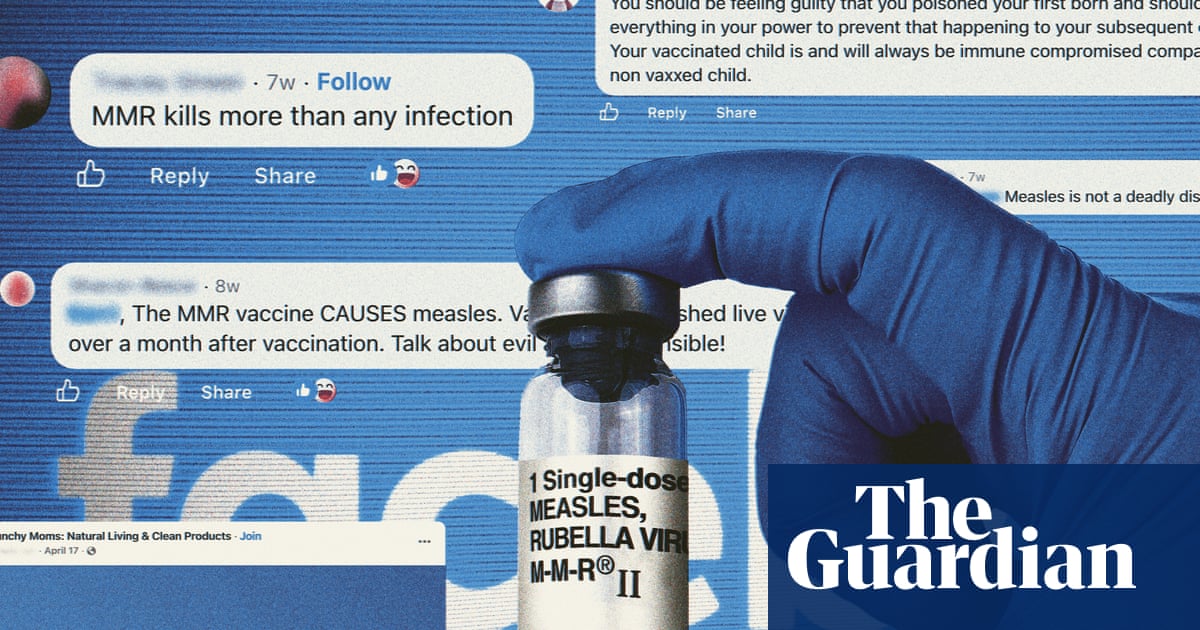
Measles, mumps and misinformation: how Crunchy Moms became ‘the most dangerous’ group on Facebook

the Guardian Measles, mumps and misinformation: how Crunchy Moms became ‘the most dangerous’ group on Facebook www.theguardian.com
preview

Meta says it removes content that could cause imminent physical harm – but nearly half a million members have joined a group that regularly promotes misinformation

Meta says it removes content that could cause imminent physical harm – but nearly half a million members have joined a group that regularly promotes misinformation

0

Did Facebook just read your prescription? Users dragging Meta to court to find out

Cybernews Meta health data lawsuit over patient tracking advances cybernews.com
preview

cross-posted from: lemmy.world/post/54061090

“A group of Facebook users says Meta was aware of receiving user data from hundreds of medical providers without users’ knowledge or consent.

Users recognized at least 664 hospital systems and health provider websites from which Meta received patient information…”

0

Wisconsin infant is US’ third measles-related death this week

preview

An infant in Wisconsin has died in connection with an large, ongoing measles outbreak, the state health department said Thursday. The death marks the first measles-related death in Wisconsin in more than 35 years and the third reported in the US this week.

An infant in Wisconsin has died in connection with an large, ongoing measles outbreak, the state health department said Thursday. The death marks the first measles-related death in Wisconsin in more than 35 years and the third reported in the US this week.

0

Few Repercussions for Oil Firm's Continued Leaks After Couple's Death From Toxic Gas

Inside Climate News Few Repercussions for Oil Firm&#039;s Continued Leaks After Couple&#039;s Death From Toxic Gas - Inside Climate News insideclimatenews.org
preview

Aghorn pleaded guilty and paid a $1 million fine after a worker and his wife were killed by toxic hydrogen sulfide in 2019. Regulators are still finding violations at its facilities.

Aghorn pleaded guilty and paid a $1 million fine after a worker and his wife were killed by toxic hydrogen sulfide in 2019. Regulators are still finding violations at its facilities.

0

Trump takes 500 actions to weaken cancer protections, new report says

the Guardian Trump takes 500 actions to weaken cancer protections, new report says www.theguardian.com
preview

Amid a surge in early onset cancer, the Trump administration has taken more than 500 actions to systematically dismantle protections against carcinogens once in place across the federal government, an October report alleges.

The Natural Resources Defense Council report, and comments from current and former officials from the Environmental Protection Agency, bring into focus how myriad changes in federal rules or protocol will dramatically increase the public’s exposure to carcinogens. These are taking effect at a time when some forms of early onset cancer are spiking by about 30% per decade.

MAHA.

0

CVS Health to split pharmacy chain from health insurance

the Guardian CVS Health to split pharmacy chain from health insurance www.theguardian.com
preview

CVS Health, the largest US healthcare conglomerate valued at $117bn, has announced its plans split off its pharmacy chain from its health insurance and benefits businesses, ending an era in which healthcare companies grew into vast conglomerates.

In their announcement on Wednesday, CVS Health said they will split off its 9,000 pharmacies, in-store clinics and mail order prescription business into a business named CVS Pharmacy.

A second company will keep the name CVS Health and house the major insurer Aetna and the giant pharmacy benefits manager Caremark, along with other businesses that provide home visits and primary care to older people.

The company has come under pressure from lawmakers and regulators over concerns that the healthcare giants, including CVS Health, UnitedHealth Group and Cigna, have become too dominant, leading to higher medical costs. The three companies control roughly 80% of the market. CVS Health in particular generated over $400bn in revenue last year.

0

Blood pressure medication recalled across US

The Independent Blood pressure medication recalled across US www.independent.co.uk
preview

A New Jersey-based drug company is recalling thousands of bottles of medication for high blood pressure after they failed to meet federal quality standards.

The recall affects bottles of Olmesartan Medoxomil, Amlodipine, and Hydrochlorothiazide manufactured by Macleods Pharma USA and distributed nationwide.

It covers 3,528 30-count bottles from lot 12251163A and 216 90-count bottles from lot 12251163B; both lots expire 31 May 2027.

0

Washington state resident dies from bird flu following exposure to infected cattle

preview

A person in Washington state has died from complications of the bird flu, the first such U.S. death in a year.

The Yakima County resident, who had previous health conditions, was exposed to avian influenza at a dairy with infected cattle and had been hospitalized. The person died Sunday, county health officials said.

Two other U.S. deaths have been tied to bird flu since it became a national public health concern in 2024. The first, announced in January 2025, was an elderly person in Louisiana who had a version of bird flu known as H5N1. The other, in Washington state, died in November 2025 from a rarer version called H5N5.

0

Approval of a cheap version of HIV-prevention shot lenacapavir raises hopes in low-income countries

preview

The U.S. Food and Drug Administration has approved a generic version of the world’s only twice-a-year shot to prevent HIV — a big step toward making the drug available inexpensively and more quickly in 120 low- and middle-income countries.

The announcement was made on Monday morning by the manufacturer and organizations that helped to speed up development of the medication, called lenacapavir.

The drug is expected to cost $40 a year per person in the countries where it will be available, the same price as daily preventive pills available now. But the shots are much more convenient than the pills because they’re needed much less frequently and they nearly eliminated new infections in two groundbreaking studies of people at high risk.

0

For the first time, four major US medical groups say a woman’s period should be treated as a vital sign for her heart

Tech paper For the first time, four major US medical groups say a woman&#039;s period should be treated as a vital sign for her heart - Tech paper tech-paper.com
preview

The groups are the American Heart Association, the American Academy of Pediatrics, the American College of Obstetricians and Gynecologists and the Society for Maternal-Fetal Medicine. The most striking change in their guidance is how it treats periods. It recognizes menstrual cycle patterns as a female-specific vital sign for heart health. Heavy or irregular bleeding can be an early marker of cardiovascular risk, for example as a sign of polyendocrine metabolic ovarian syndrome, the condition long known as polycystic ovary syndrome, or PCOS.

Pregnancy gets the same treatment. The groups describe it as a biological stress test that can unmask heart risk that was there all along. High blood pressure in pregnancy, preeclampsia, gestational diabetes, preterm birth, a small baby or stillbirth are now listed as female-specific risk enhancers, and the 2026 American Heart Association and American College of Cardiology cholesterol guideline includes pregnancy-related factors in women’s risk assessments.

“Women experience their healthcare across clinical specialties, but it often is fragmented or disconnected,” said Sadiya Khan of Northwestern University, who chaired the writing group. The guidance, she said, recognizes that women’s heart health is shaped by transitions men never go through: periods, pregnancy, perimenopause and menopause.

The framework splits a woman’s life into four stages defined by hormones: the years around the first period, roughly ages 8 to 15; the years of regular cycles, roughly 15 to 44; perimenopause, roughly 45 to 51; and postmenopause. Each stage comes with its own warning signs, and the guidance asks pediatricians, gynecologists, obstetricians and cardiologists to pass what they learn along instead of starting from scratch. The guidance came out alongside a presidential advisory that sets out the life-stage framework and a science advisory calling for specialized women’s heart centers.

The second finding is about a gap that already exists. Only about 60% of US women who had blood pressure complications in pregnancy get follow-up care for their blood pressure within six months of giving birth, and the groups call for immediate action on that. Cardiovascular conditions now account for more than a third of maternal deaths in the United States.

The guidance also calls perimenopause a cardiovascular turning point, when cholesterol and metabolism can shift, and notes that postmenopause can make up as much as 40% of a woman’s life. Most heart attacks, strokes and heart failure in women happen in those years, and the groups say more than 80% of them are preventable if action is taken early. That fits a pattern our readers have followed, from postpartum depression and later heart disease to endometriosis symptoms doctors miss and which form of hormone therapy is safest.

0

As a historic measles outbreak hits Pennsylvania Amish country, more show openness to vaccines

preview

Amish and Mennonite shoppers in conservative dress mingled with shoppers from the wider public on a recent Friday at a vast outdoor market here, where vendors sold colorful pumpkins and mums, fry pies and squash, sports jerseys and Barbie accessories.

Such interactions are common in Lancaster County in central Pennsylvania, home to the largest Amish population in the U.S. — and the epicenter of the nation’s worst measles outbreak in 35 years. While they avoid many types of civic engagement for religious reasons, the Amish — like many other groups vulnerable to measles across the nation — are not truly separate.

“We are all interconnected,” said Dr. Diego Hijano of St. Jude Children’s Research Hospital.

0

Families in the US are opting for earlier measles vaccinations amid outbreak

the Guardian Families in the US are opting for earlier measles vaccinations amid outbreak www.theguardian.com
preview

Giving the second shot soon after the first aligns with what some other countries, such as Germany, the United Kingdom and France, recommend – and the US Centers for Disease Control and Prevention (CDC) also says it’s an option.

“More parents have heard about doing it ‘early’,” said Elias Kass, a naturopathic physician and vaccine advocate in Seattle, Washington. The CDC typically recommends giving the first MMR shot after age one and the second between the ages of four and six. But Kass began recommending the MMRV shot, which combines the second MMR and chickenpox (varicella) into one, at 15 months of age when measles cases began increasing a few years ago.

0

Democratic lawmakers decry OSHA’s push to roll back worker respiratory protections

the Guardian Democratic lawmakers decry Osha’s push to roll back worker respiratory protections www.theguardian.com
preview

Elizabeth Warren and others joined by unions and industry experts in warning against the weakening of regulations

The senator Elizabeth Warren, the congresswoman Ilhan Omar and several other Democratic lawmakers are calling on the Occupational Safety and Health Administration (OSHA) to abandon a rollback of respirator mask regulations, a change the lawmakers say would weaken worker protections against hazardous substances.

Under the proposed rules, employers would face fewer requirements to provide workers with respirators masks when working with substances including “lead, asbestos, formaldehyde and inorganic arsenic, among other chemicals”, the lawmakers wrote in a letter to the Osha assistant secretary, David Keeling, a former UPS and Amazon executive.

The agency is also trying to end a requirement for employers to provide medical evaluations to employees who wear specific types of respirators in their work, the letter noted.

0

Anyone know how to get a prescription w/o a high cost doctors visit?

preview

Its a non scheduled prescription but last time I saw a doctor they hit me for 300$ just to send a script. I’ve been taking it for years but recent changes have made it difficult to get a GP

Thank you in advance

Its a non scheduled prescription but last time I saw a doctor they hit me for 300$ just to send a script. I’ve been taking it for years but recent changes have made it difficult to get a GP

Thank you in advance

0

Woman dies after ChatGPT allegedly tells her to stop taking epilepsy medication: lawsuit

preview

Bowen Wan’s family has filed a lawsuit against ChatGPT’s parent company, claiming the bot told her to taper off her epilepsy medication, which led to her death

The family of a woman who died after she stopped taking her epilepsy medication has filed a lawsuit against an AI company they claim encouraged her to taper off taking the lifesaving drug.

Bowen Wan began messaging ChatGPT in February 2023, finding companionship in the AI bot, The New York Times reports. She was 28 and living in Seattle, far from her native rural Chinese village, Jiangsu. She asked the chatbot for medical advice after her severe epilepsy led to disability leave from her software job at Amazon.

When she was then laid off in November 2025, Wan began searching for a new job so she could maintain her green card — but was concerned that the side effects of her epilepsy medication, lamotrigine, might impact her ability to work. The lawsuit claims ChatGPT advised her to taper off taking the lamotrigine.

0

Doctor removes prostate from 35 miles away in first telerobotic surgery in US

the Guardian Doctor removes prostate from 35 miles away in first telerobotic surgery in US www.theguardian.com
preview

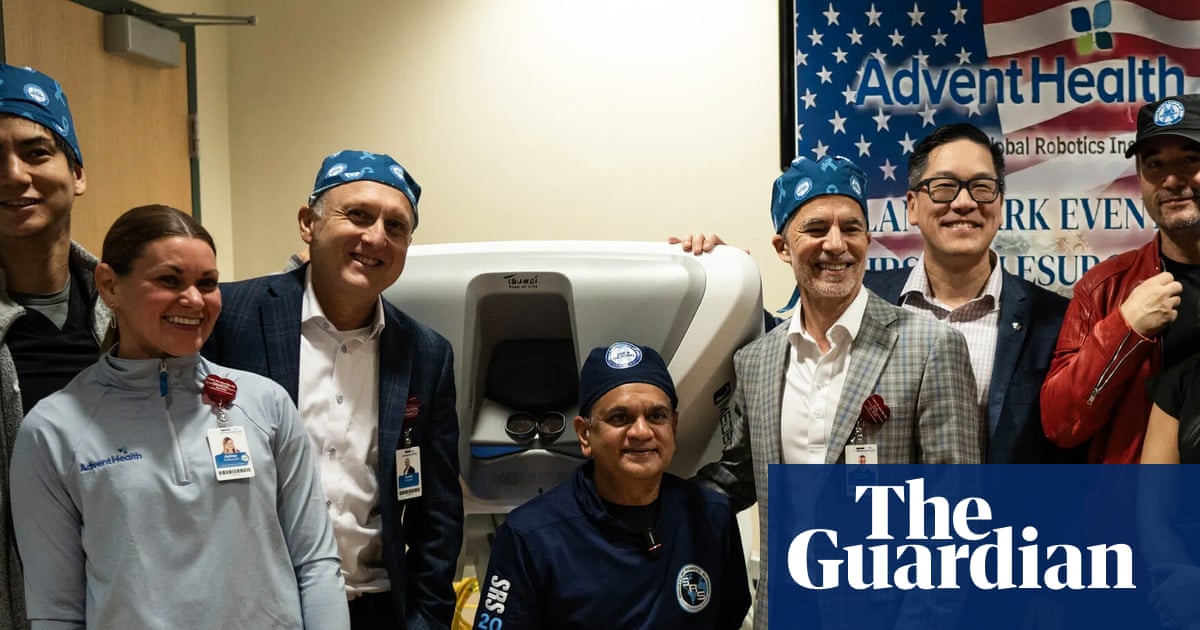
The patient was at a facility in Minneola, Florida, while the surgeon operated remotely from another facility

A Florida surgeon has performed the first telerobotic operation between two US hospitals, removing the prostate of a man with cancer from 35 miles away, according to officials.

Dr Vipul Patel, founder and medical director of the Global Robotics Institute at AdventHealth Celebration in suburban Orlando, on Sunday performed an investigational robotic prostatectomy on a 66-year-old prostate cancer patient who volunteered for a clinical study evaluating a robotic telesurgery system.

The patient, identified as Mark, was at an AdventHealth facility in Minneola, Florida, while Patel operated remotely from another AdventHealth facility in the community of Celebration. Study co-principal investigator and surgeon Marcio Moschovas provided onsite support to Mark during the procedure, an AdventHealth news release said.

0

How dismissed symptoms can push patients to breaking point

University of East Anglia How dismissed symptoms can push patients to breaking point www.uea.ac.uk
preview

A new study uncovers concerns about misdiagnosis, stigma and inconsistent care for people with autoimmune diseases who are also diagnosed with functional neurological disorder (FND).

It also reveals deep disagreements between clinicians over FND diagnoses.

The research team say better communication, multidisciplinary working and more holistic care are needed to improve patient outcomes.

Lead author Dr Melanie Sloan, from UEA’s Norwich Medical School and the Department of Public Health at the University of Cambridge, said: “FND is a recognised neurological condition that can cause symptoms such as weakness, shaking, changes in movement or feeling, and non-epileptic seizures.

“These symptoms are real and are not made up or under a person’s control.

“We wanted to better understand the challenges of diagnosing complex neurological symptoms in autoimmune diseases, and why patients and clinicians can sometimes see things very differently.

“Ultimately, our aim was to identify practical ways to improve communication, reduce distress and help ensure patients receive the most appropriate care and support.”