0

In Zimbabwe, trusted local guardians help communities coexist with lions

Conservation news In Zimbabwe, trusted local guardians help communities coexist with lions news.mongabay.com
preview

cross-posted from: news.abolish.capital/post/93616

Conservation biologist and founder of the nonprofit Wildlife Conservation Action, Moreangels Mbizah joins the Mongabay Newscast this week to detail her work helping reduce human-wildlife conflict between African lions and communities in Zimbabwe. The group began working only six years ago in two wards of Nyaminyami rural district, and since then has recorded a 98% reduction in conflict incidents there. Across the districts of Mbire and Binga, conflict has decreased by 53%. To accomplish this, WCA has pioneered a “community guardian” model. Known as “Batabilili,” these guardians are trained by the organization and implement a range of mitigation measures, including helping farmers secure livestock in above-ground kraals, monitoring lion movement, and conducting community meetings. “They are trusted because they come from these communities, and they are their children, their brothers and sisters,” Mbizah says. “They are part of the community fabric, so that makes it really important in terms of the buy-in and the ideas and the decisions that are being made when it comes to lion conservation.” She says this has also helped reduce retaliatory killings of lions for preying on livestock, because community members’ concerns are directly addressed by a trusted member. “There’s no one that is supporting them when they incur these losses. No one comes to see and to support, to provide … emotional or psychological support when a conflict incident happen[s]. So we wanted to change that,” Mbizah says. “They always felt that [the] wildlife authority, they care about wildlife and they don’t care about…This article was originally published on Mongabay


From Conservation news via This RSS Feed.

0

[Video] A plan to save Bali’s lost fireflies

Conservation news A plan to save Bali's lost fireflies news.mongabay.com
preview

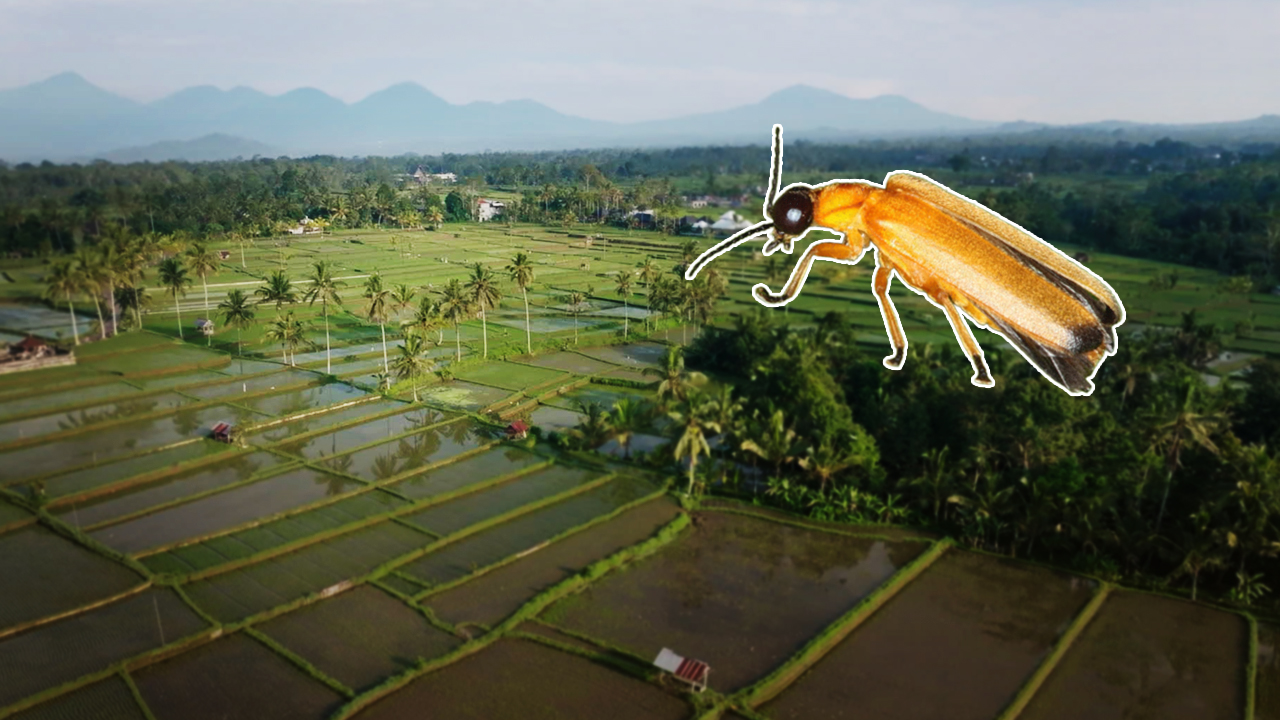
BALI — Indonesia. Wayan Wardika used to see “clouds of fireflies” as a child growing up among the rice fields of Bali, Indonesia. But 40 years later, he realized that the fireflies in his village had all but disappeared.

Fireflies in Southeast Asia are vanishing due to habitat loss, light pollution, pesticide use, and climate change—and the same is happening in rapidly developing Bali.

Which is a loss for us all, as fireflies are both ecologically and culturally significant.

In 2020, Wayan decided to bring the fireflies back, by launching Indonesia’s only firefly conservation initiative called Bring Back the Light. He and his small team of scientists focuses on breeding fireflies to return to the wild.

also see article terra-cultura.com/wayan-wardika-bringing-back-the…

news.mongabay.com/…/a-plan-to-save-balis-vanishin…

bringbackthelight.org

0

13 Great Indigenous Writers to Read and Celebrate

preview

Louise Erdrich

Joy Harjo

Richard Wagamese

Tommy Orange

Robin Wall Kimmerer

Natalie Diaz

Dennis E. Staples

Layli Long Soldier

N. Scott Momaday

Elise Paschen

Terese Marie Mailhot

Leslie Marmon Silko

Sherman Alexie

Louise Erdrich

Joy Harjo

Richard Wagamese

Tommy Orange

Robin Wall Kimmerer

Natalie Diaz

Dennis E. Staples

Layli Long Soldier

N. Scott Momaday

Elise Paschen

Terese Marie Mailhot

Leslie Marmon Silko

Sherman Alexie
0

Crystalyne Curley to be first woman to lead Navajo Nation - ICT

ICT Crystalyne Curley to be first woman to lead Navajo Nation - ICT ictnews.org
preview

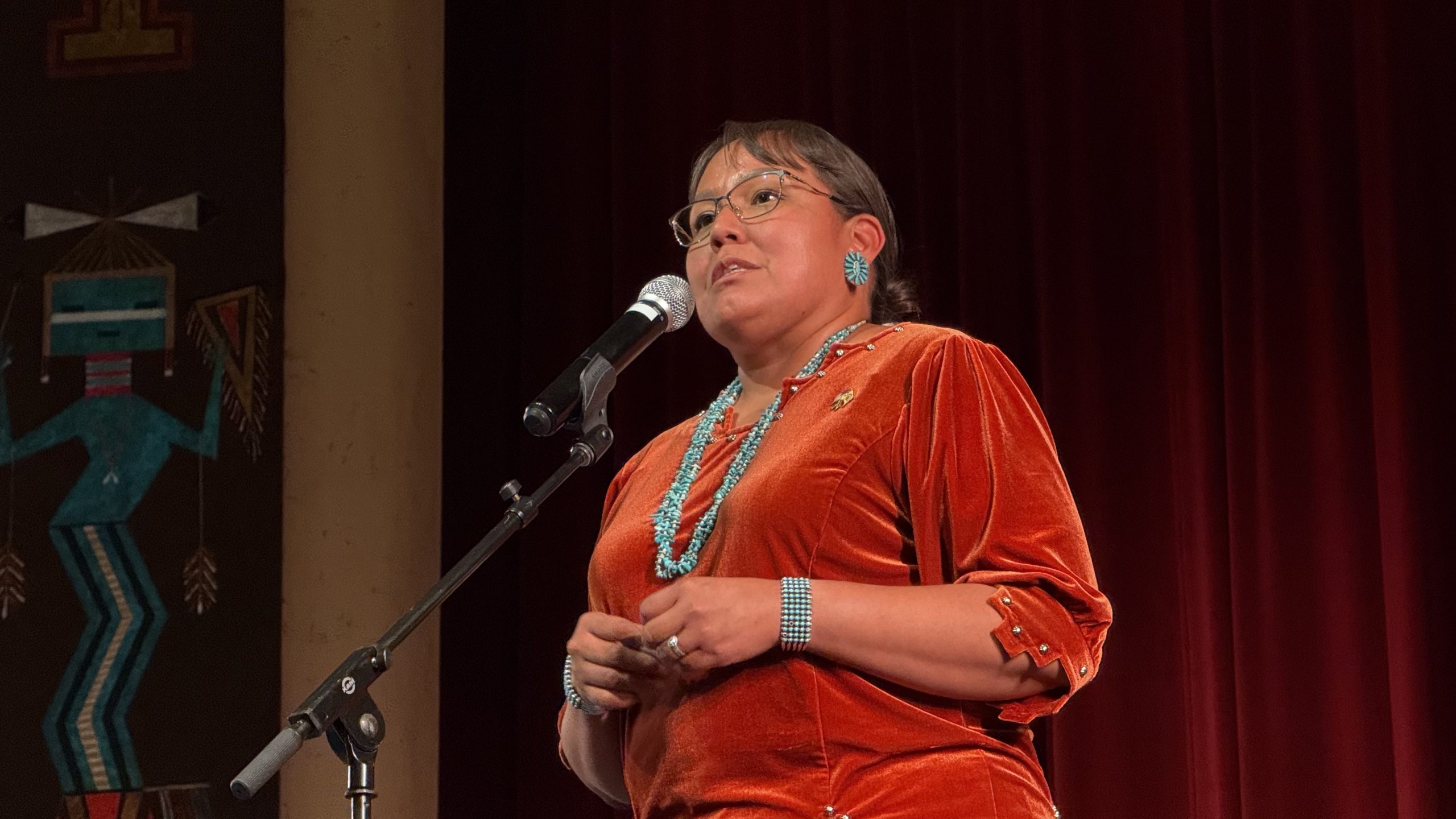
“To bring our ideas out there,” she said. “We needed a woman. We’re the ones who give out information, reports when the men come home. Then what do they do, they take our ideas, the woman’s ideas, they go back out there to work and they tell each other: ‘This is what my wife said. This is what my mother said.’”

also see navajotimes.com/…/crystalyne-curley-chris-deschen…

an interview from recently with Curley azfamily.com/…/crystalyne-curley-outlines-plan-pr…

0

[Audio] For Australia’s Indigenous Desert Alliance, caring for Country starts with a story

Conservation news For Australia’s Indigenous Desert Alliance, caring for Country starts with a story news.mongabay.com
preview

This week on the Mongabay Newscast, Samantha Murray, CEO of the Indigenous Desert Alliance, joins the program to discuss the IDA’s recent nomination for an Earthshot Prize. The alliance is a network of 70 ranger teams across the Australian desert, covering 270 million hectares (667 million acres), an area almost as large as Argentina. This makes it the largest Indigenous-led conservation corridor on the planet.

Murray and her network of 885 rangers have helped restore biodiversity to 140 million hectares (346 million acres) of land over the past four years using the practice of cultural burning, a cultural and ecological management practice that has been present in Aboriginal culture for millennia. The IDA administers this through its “Right Way Desert Fire” program.

0

A First Nation community in Canada is using a data center to preserve its heritage

Pittsburgh Post-Gazette A First Nation community in Canada is using a data center to preserve its heritage www.post-gazette.com
preview

“Our language is one of the biggest things that most First Nations across the country are losing,” said Wiikwemkoong Chief Tim Ominika. “We will have our knowledge keepers, our language speakers who may be moving on to the spirit world, but their legacy is still going to be protected for many years to come by having our own data systems in place and protecting that.”

The idea of digital sovereignty has gained momentum in places like Europe, where leaders are wary of the widespread influence of American Big Tech. For the Wiikwemkoong First Nation and other Indigenous communities, it is also about asserting authority over their own information after historically being excluded from its collection and use by colonizers.

0

Descendants of Edward Gunter gather to honor him at his gravesite

preview

Gunter was born in October 1789 near present-day Guntersville, Alabama, the son of John Gunter, a white trader, and Catherine, a Cherokee woman. He died at his home northwest of Tahlequah on April 17, 1842, after a prolonged illness. He was only fifty-two years old and had lived in the new Cherokee Nation for just over three years. He was laid to rest in the family cemetery.

Heather Vanderzee traveled from Columbus, Ohio, to honor her fourth great-grandfather.

“He helped lead during a very painful turning point in the Cherokee Nation. I’m grateful for the opportunity to honor him today,” she said. “My great-grandmother was very proud of her Cherokee heritage, and she wrote lots of letters, so we always heard her stories, and I grew up reading them, and it caught on with my mother and I. It’s a passion of ours too.”

0

Cherokee Nation introduces initiative to combat period poverty in schools

preview

“I have always tried to look at ways that the Cherokee Nation could bridge gaps, and this is something that I feel like not a lot of people talk about,” Glory said. “Period poverty is a very real thing that affects students and women alike. It’s something that we don’t talk about enough, and I also think that this will help students bring this into a conversation more.”

“I have always tried to look at ways that the Cherokee Nation could bridge gaps, and this is something that I feel like not a lot of people talk about,” Glory said. “Period poverty is a very real thing that affects students and women alike. It’s something that we don’t talk about enough, and I also think that this will help students bring this into a conversation more.”

0

In Michigan, 3 tribes are on a mission to bring back a fish that disappeared 100 years ago

Grist In Michigan, 3 tribes are on a mission to bring back a fish that disappeared 100 years ago grist.org
preview

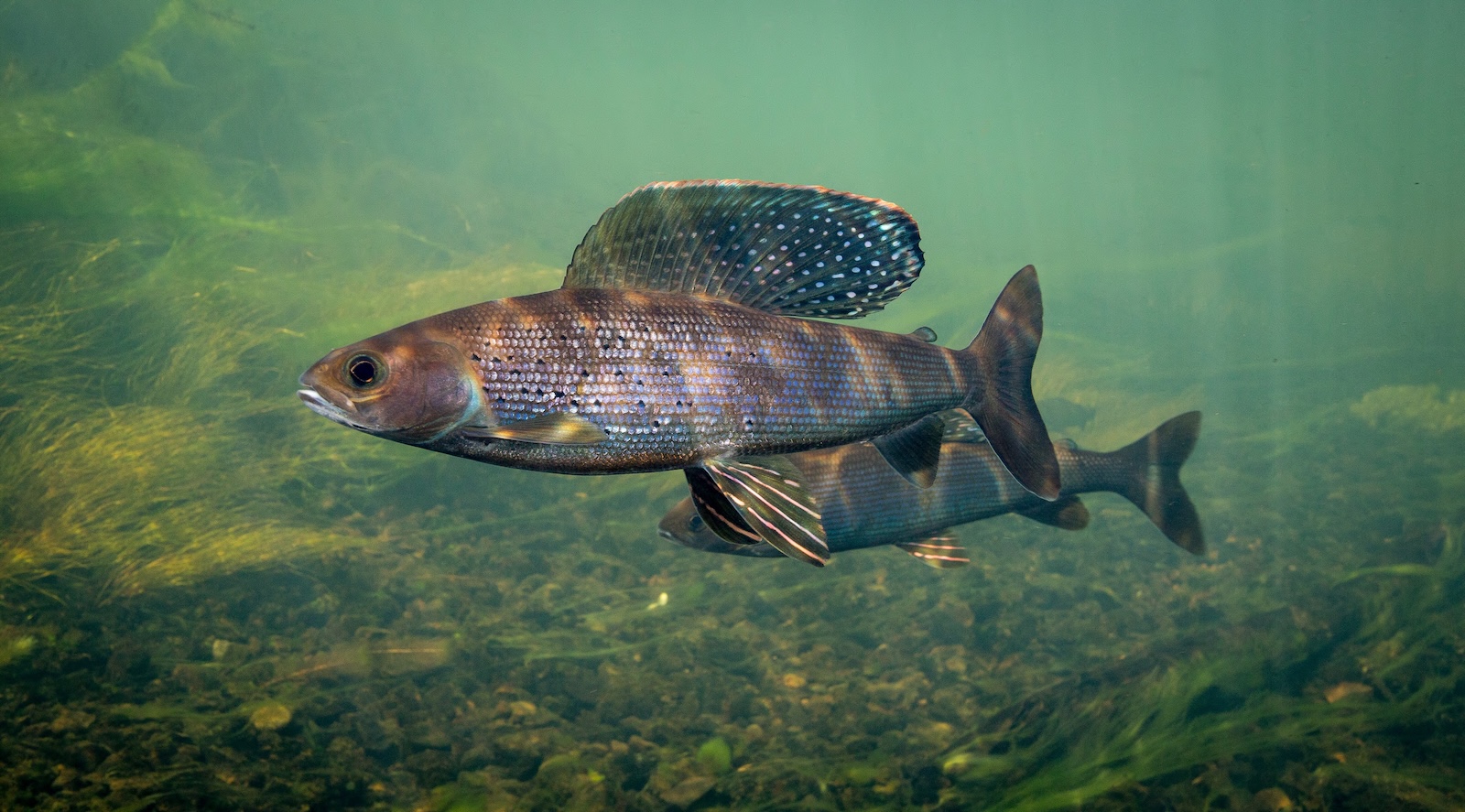
“Some of these might be catchable by the end of next year,” Leask said. “I don’t know what their growth will look like in the wild.”

That’s because Arctic grayling haven’t been seen in Michigan waters for almost a century. By the 1930s, industrial activity like logging and overfishing, along with competition from non-native fish, had decimated their numbers. But three northern Michigan tribes and the state are trying to change that by reintroducing the fish to local waters.

“Our taking care of them and helping them to reestablish their population helps us to reestablish ourselves, our culture, and our traditions,” said Tina Frankenberger, the Grand Traverse Band’s tribal environmental resiliency lead.

Their work joins broader efforts by tribes around the country to restore native species — from salmon to oysters to condors — that are culturally and economically important, while also strengthening the ecosystems that these species depend on against threats like climate change.

0

Want to save the rainforest? Empower Indigenous people, says this leader

World Economic Forum Want to save the rainforest? Empower Indigenous people, says this leader | World Economic Forum www.weforum.org
preview

‘One of the most important lessons that everybody should understand is the word ‘enough’.’

Indigenous cultures have a lot to teach the world, says Indonesian rainforest activist Bustar-Maitar. And the first thing is to respect nature by taking from it only what you need.

Maitar enjoyed a successful career with Greenpeace, winning ‘zero deforestation’ pledges from major multinationals. But he was drawn back to Papua to fight for forests there - and also, through his EcoNusa-foundation, to defend the rights, culture and livelihoods of Indigenous communities, from which will emerge the next generation of forest stewards.

The World Economic Forum’s Indigenous Peoples’ Knowledge and Leadership Network aims to bring generations of Indigenous knowledge and stewardship into global decision-making. Learn more.

0

Indigenous Peoples’ Day: Leonard Peltier on Resistance, New Film & Fighting for Freedom

Democracy Now! Indigenous Peoples’ Day: Leonard Peltier on Resistance, New Film & Fighting for Freedom www.democracynow.org
preview

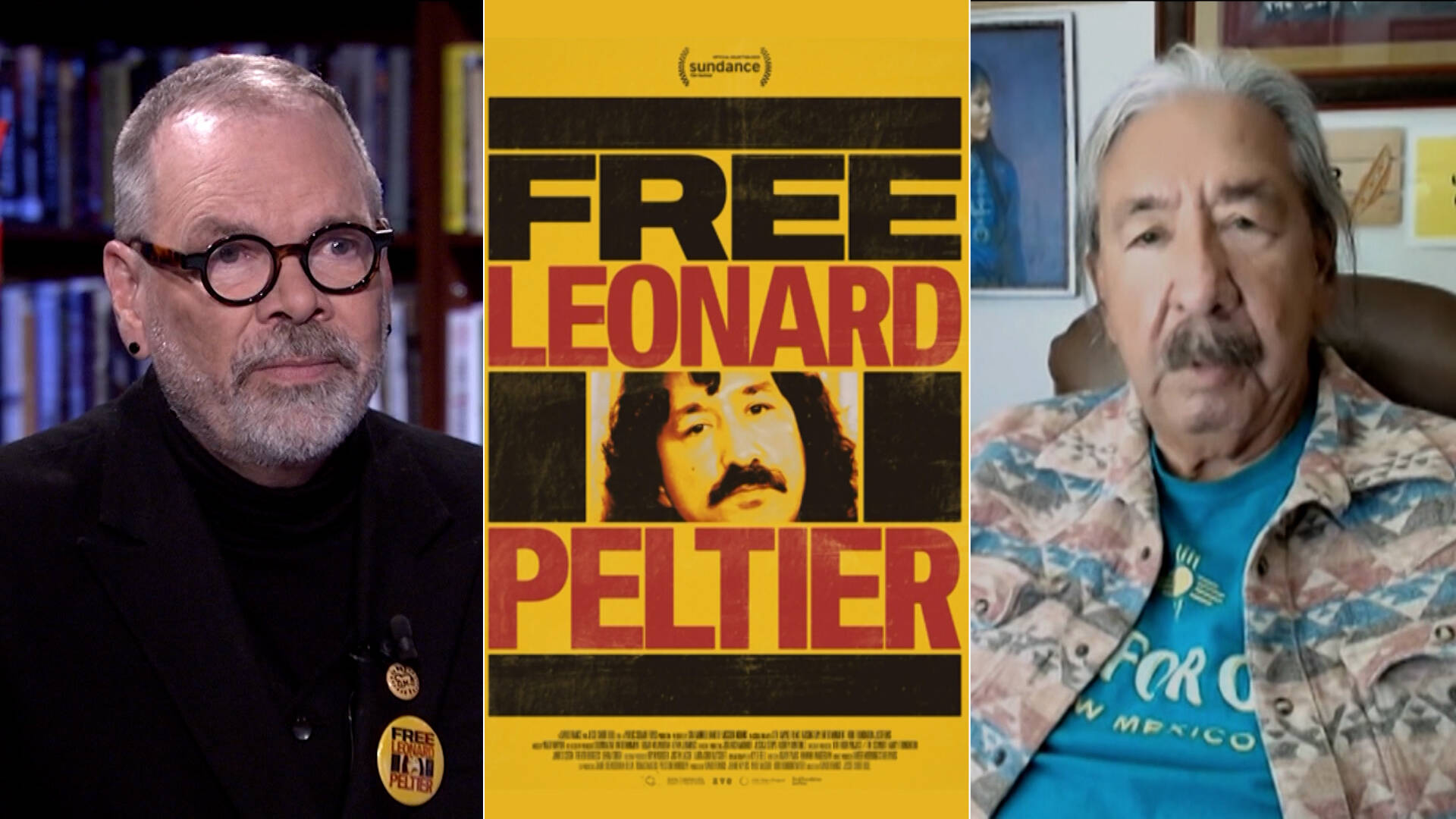
On Indigenous Peoples’ Day, we feature a conversation with one of the world’s most prominent champions for Indigenous rights, Leonard Peltier. “Indigenous Day is a day that’s been long overdue for any type of recognition,” says Peltier. “I am not going to give up, because we are not free yet. We are in danger. Trump and these organizations, they’re talking about doing away with our reservations and our treaties and everything else. … We’re going to stay here. You’re not going to get rid of us.”

Peltier is a longtime political prisoner who spent nearly half a century behind bars for a crime he says he did not commit — the 1975 fatal shooting of two FBI agents. In the final hours of his administration last year, President Biden commuted Peltier’s sentence, but his conviction has not been overturned, and he remains under home confinement on the Turtle Mountain Band of Chippewa Reservation in Belcourt, North Dakota.

0

Science, Indigenous knowledge team up to restore Canada’s kelp. (Sea otters help, too.)

Conservation news Science, Indigenous knowledge team up to restore Canada's kelp. (Sea otters help, too.) news.mongabay.com
preview

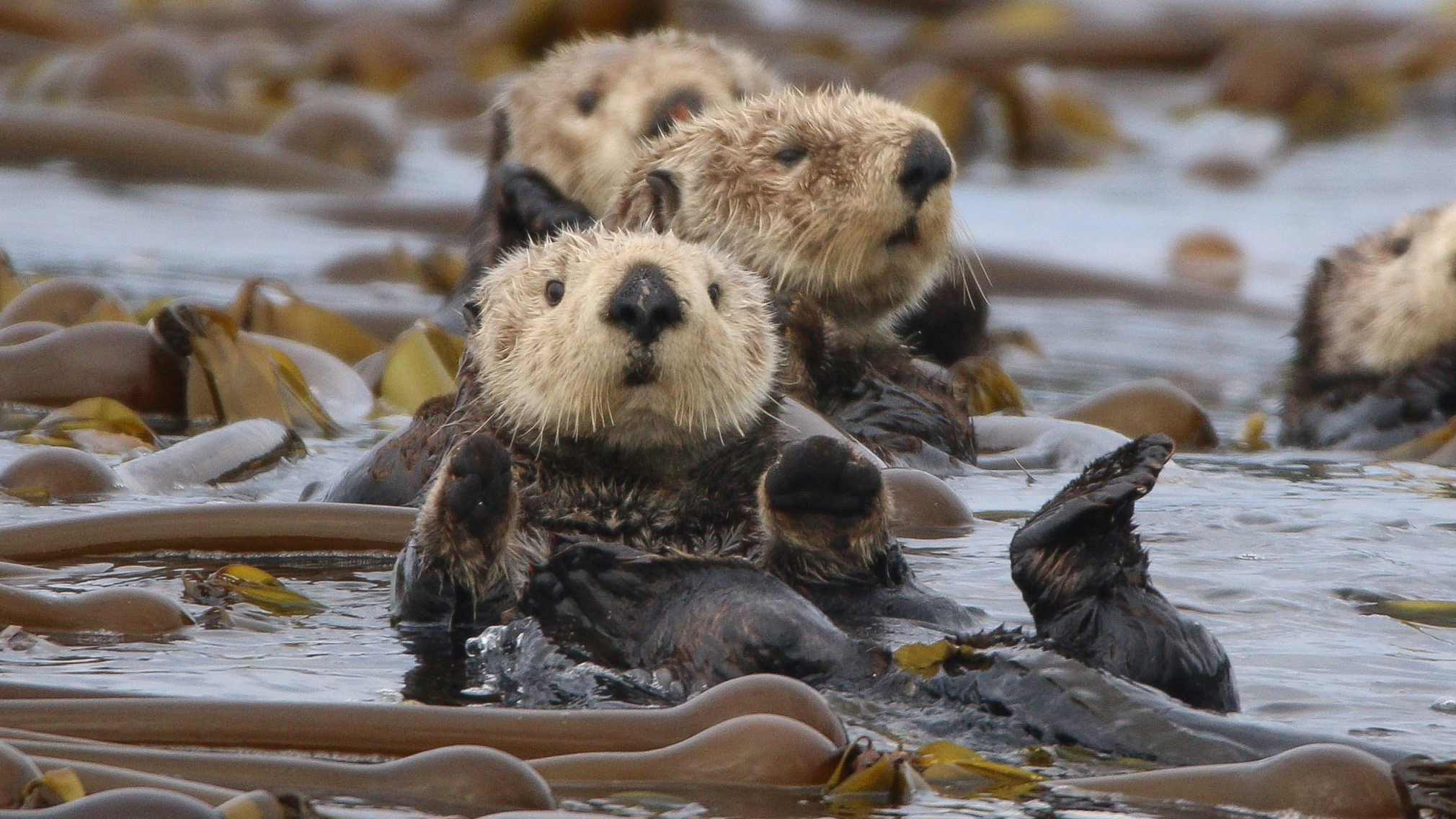
Considering that the global value of the ecosystem services kelp provides is estimated at around $500 billion annually, these losses are significant. Kelp forests provide food and shelter for marine mammals, fish and invertebrates; they buffer wave energy along the shoreline and sequester carbon. Remove kelp, and the system unravels.

According to Masso, one of the reasons the Tla-o-qui-aht chose to join this project was because sea otters (Enhydra lutris) were returning to the region. “The otter played a big role in establishing our kelp forest,” Masso said. Historically, the Tla-o-qui-aht didn’t hunt the otter because they knew it ate the sea urchin, which fed on the kelp.

But European fur traders did.

0

Wild edible plants diversity and indigenous knowledge in Farta District, Ethiopia

Nature Wild edible plants diversity and indigenous knowledge in Farta District, Ethiopia - Scientific Reports www.nature.com
preview

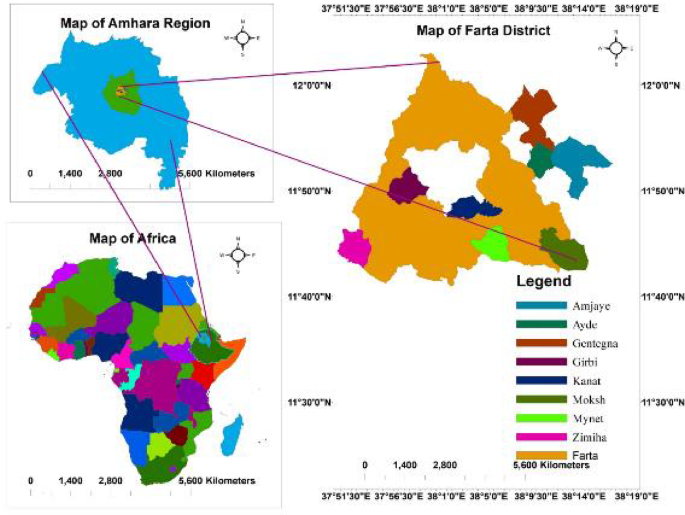
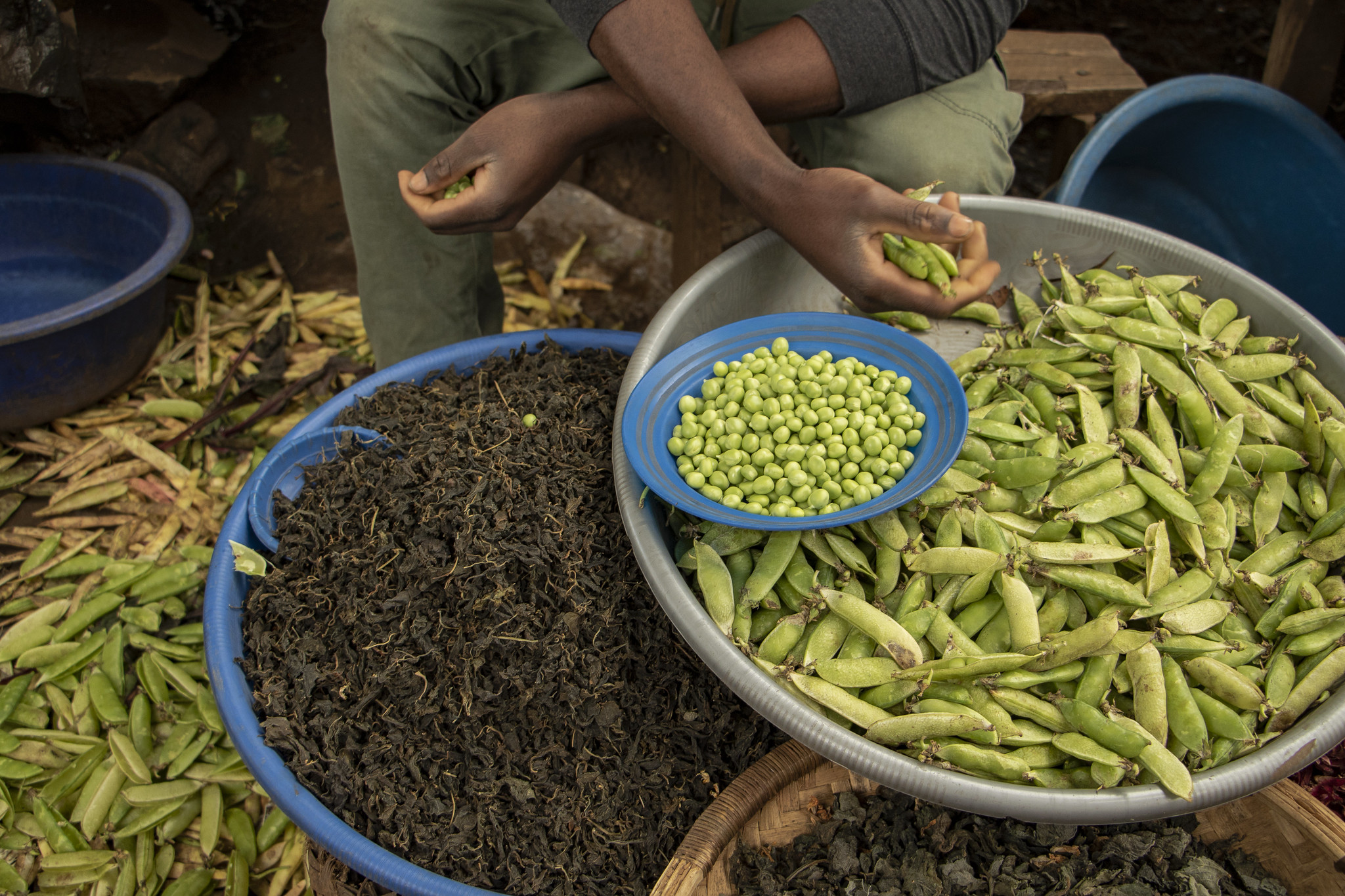
The observed taxonomic diversity highlights the potential contribution of Wild Edible Plants to food security, climate resilience, and sustainable livelihoods. A diverse wild food resource base can reduce dependence on a limited number of cultivated crops and provide alternative food sources during environmental stress, seasonal shortages, and crop failure64–67. Furthermore, the presence of edible species across multiple families and ecological niches increases resource availability across different habitats and seasons.

The findings also demonstrate the important role of indigenous knowledge in the identification, utilization, and conservation of WEP resources. The recognition and utilization of 50 edible species by local communities reflect a welldeveloped ecological knowledge system developed through long-term interactions with the surrounding environment.

Similar indigenous knowledge systems have been documented in other parts of Ethiopia and among indigenous communities worldwide68–72. However, increasing agricultural expansion, urbanization, market-oriented livelihood changes, and changing food preferences may threaten both WEP resources and associated traditional knowledge, emphasizing the importance of continued documentation and integration of indigenous knowledge into conservation and rural development strategies.

0

Indigenous knowledge helps reveal the ties between reefs and mangroves

Conservation news Indigenous knowledge helps reveal the ties between reefs and mangroves news.mongabay.com
preview

Among the most important findings in the study was the interconnectedness between reef and mangrove ecosystems for sustaining fisheries — an aspect long recognized in Bardi Jawi traditional ecological knowledge. The overall project and its findings also guided the design of both the IPA and marine park.

Among the most important findings in the study was the interconnectedness between reef and mangrove ecosystems for sustaining fisheries — an aspect long recognized in Bardi Jawi traditional ecological knowledge. The overall project and its findings also guided the design of both the IPA and marine park.

0

Invaders storm Indigenous Amazon land, threatening isolated people

Conservation news Invaders storm Indigenous Amazon land, threatening isolated people news.mongabay.com
preview

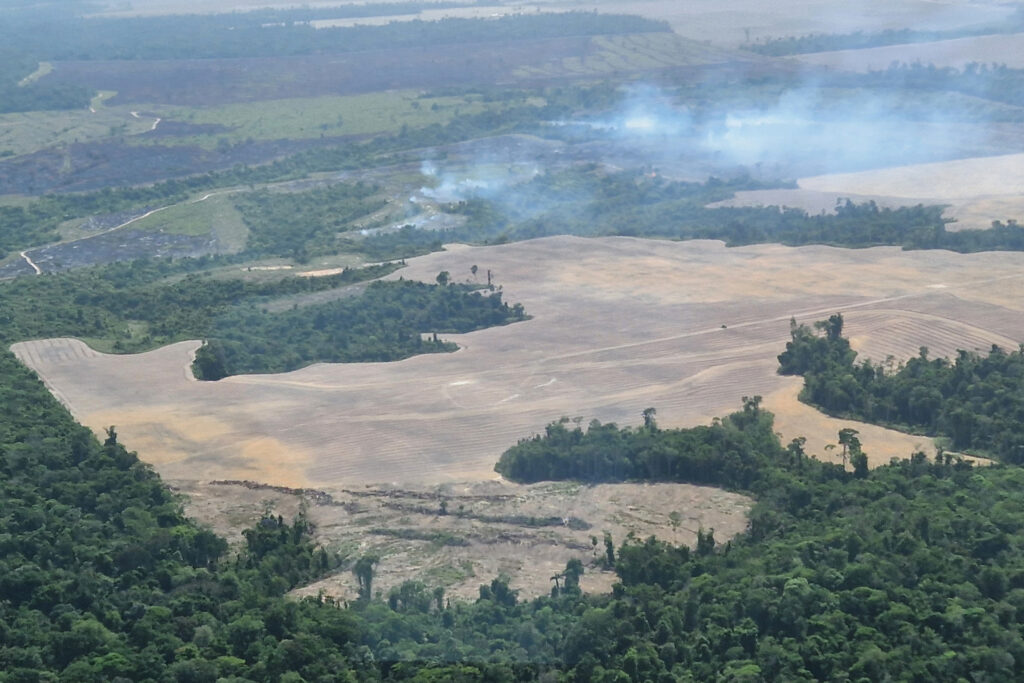
Federal prosecutors and the Public Defender’s Office have warned of an imminent risk of violent confrontation and possible genocide against the isolated Igarapé Ipiaçava people.

Since 2011, a series of temporary land-use restriction orders, which prohibit unauthorized individuals from entering Ituna/Itatá, protected the vulnerable population. Brazil’s Indigenous Affairs Agency, Funai, renewed the precautionary measure in 2025.

0

Why Is Anti-Indigenous Racism on the Rise? | The Walrus

The Walrus Why Is Anti-Indigenous Racism on the Rise? | The Walrus thewalrus.ca
preview

by Michelle Cyca

Introduction:

Over the August long weekend in Alberta, a banner appeared on a fence northwest of Edmonton, proclaiming “The Indians have done nothing in 100 years and now they wanna tell us how to run Alberta.” No one was sure who put it up—a local separatist group contacted by APTN denied responsibility—or which “Indians” were supposedly giving the province unwanted advice. But the sentiment was clear, and emblematic of current attitudes toward Indigenous people across this country.

A decade ago, in the salad days of Justin Trudeau’s reign, truth and reconciliation were embraced as a necessary step toward a brighter future; understanding Canada’s shameful treatment of Indigenous people was key to addressing the persistent inequities facing First Nations, Metis, and Inuit communities. In 2021, there was a global outpouring of grief as several communities, beginning with Tḱemlúps te Secwépemc, announced they had identified hundreds of probable graves at former residential school sites. A new federal holiday was created to honour residential school survivors; Canadians bought orange shirts and began acknowledging that “every child matters.”

But today, many Canadians feel the pendulum has swung too far; acknowledgement of residential school history is one thing, but concrete measures to address injustices are quite another. It seems many Canadians believed residential schools were the only federal crime to atone for, perhaps because we don’t have a holiday commemorating illegal land expropriation or underpayment of treaty annuities.

Of course, there have always been Canadians who bristle at Indigenous people exercising their legal rights, but a wider shift is underway. A combination of factors—the flagging economy, the brain-rotting fumes of disinformation permeating social media, rising extremism in Canadian politics—are tipping the scales when it comes to public discourse on Indigenous issues. Many Canadians are aggrieved and anxious, and everywhere they look, they see reasons to blame Indigenous people for their problems. There’s a sense that the sputtering national project of reconciliation has taken something away from them and that Indigenous rights must be quashed to restore their sense of security and prosperity.

0

Why the Andoque of the Amazon fear the seductive dolphin | Aeon Essays

Why the Andoque of the Amazon fear the seductive dolphin | Aeon Essays aeon.co
preview

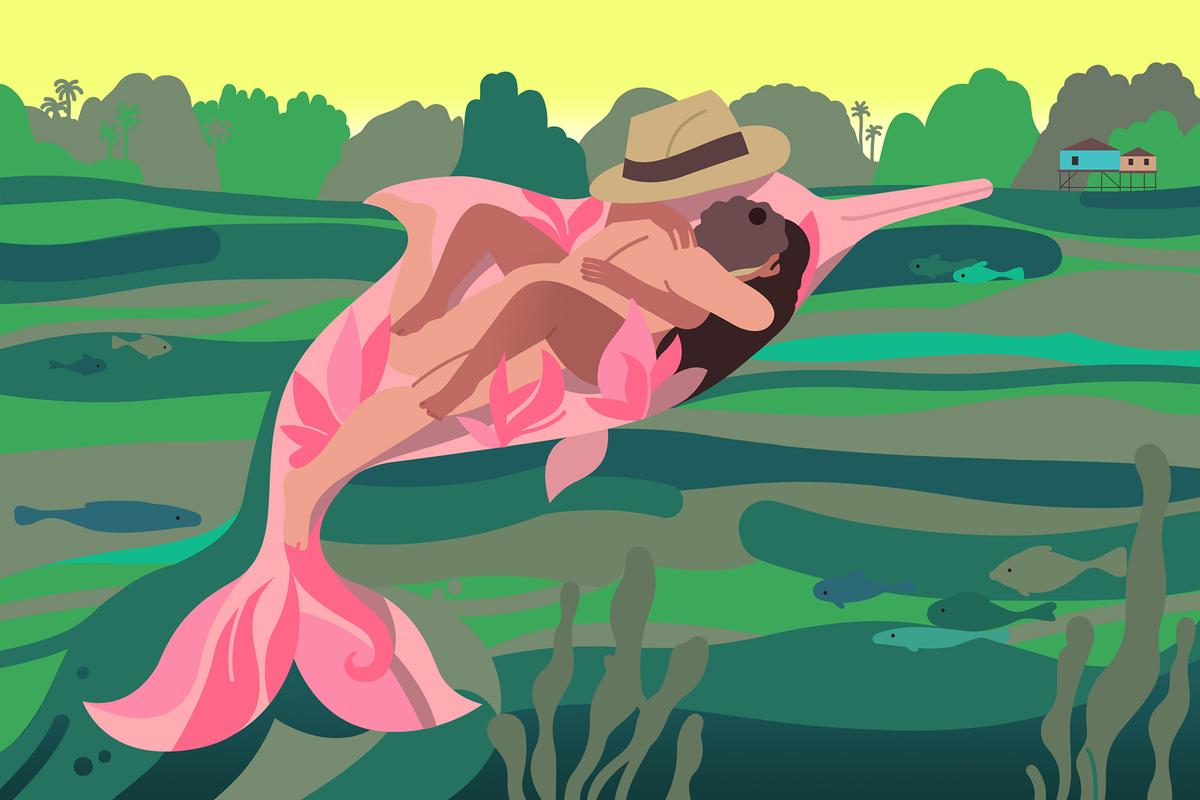
What initially drew me to Amazonia was the tendency of its Indigenous inhabitants to consider the forest and river where they lived as a delicate society populated by beings similar, in crucial respects, to humans. An ecology of persons. This is what led me to Andoque territory in 2018, and why I spent more than a year living with families like Rosa’s. I had set out as an anthropologist seeking to study their notions of power, and how this power is bound up with nonhuman persons – like dolphins. For the Andoque, these beings may wear the bodies of trees, plants, animals and insects, but they have wishes, thoughts, fears and cultural customs like humans do. What would power look like in such a world, I wondered. A deeper interest lay hidden within the word ‘power’ – hidden, back then, even from myself. I longed for a first-hand encounter with something truly powerful: the dangerous web of life and death that makes up the forest; the intricate wisdom of a people attuned to it. I wanted to bask in that power. I wanted to admire it, decipher it, crash against it.

But the world of the Andoque had been battered long before I arrived. Far from the postcard ‘isolated tribe’, they place relations with whites at the centre of their culture. ‘Whites’ is a term that, for them, refers not to skin colour but simply to anyone external to the forest and its ways. These outsiders are closely linked in Andoque mythology with the Caquetá river mouth, as it was from there, where the water meets the main Amazon River, that European merchants first arrived as early as the 17th century.

0

Local knowledge guides rediscovery of spinach pipefish, not seen in four decades

Conservation news Local knowledge guides rediscovery of spinach pipefish, not seen in four decades news.mongabay.com
preview

Those efforts paid off on June 18, 2026, when local fisherwoman Helen Asu showed up with two spinach pipefish she caught with her umben, a traditional hand net. She’d been out fishing for prawns on the Sepik River in Imbando, a village in East Sepik province.

Helen Asu, a local fisherwoman who caught the two spinach pipefish that made the rediscovery possible, with her umben. Image courtesy of New Guinea Binatang Research Centre.

0

Trump’s Land Grab is the Latest Chapter of Indigenous Cultural Genocide

Trump’s Land Grab is the Latest Chapter of Indigenous Cultural Genocide www.currentaffairs.org
preview

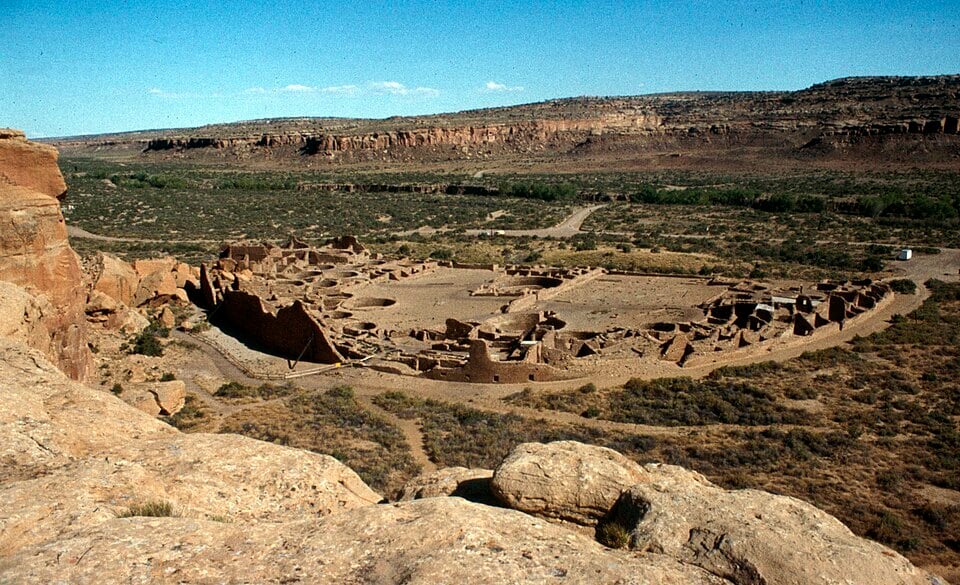
A day later, the administration announced plans to slash protections for an important buffer zone surrounding Chaco Canyon in New Mexico, opening the land to, you guessed it, even more oil and gas leasing. If approved, the still-protected area of Chaco Canyon—which is a UNESCO World Heritage Site, a sacred ceremonial site for the Pueblo Peoples for over 2,000 years, and which contains evidence of human occupation dating back to 900 BCE—will sit directly next to these new extraction sites, causing irreversible damage. The zdministration’s contention that Chaco Canyon, Bears Ears, Grand Staircase-Escalante, and surely future sites on the executioner’s block, have no “historical significance” is false. They are important not only to our American history, but humanity’s. To add insult to stupidity, the administration then limited the public commenting period on their decision to 14 days. To put this into perspective, the average commenting period is between 60 and 75 days. Boy, oh boy, do they want to lease that land, and boy, oh boy, did they anticipate that people would have something to say about it.

A day later, the administration announced plans to slash protections for an important buffer zone surrounding Chaco Canyon in New Mexico, opening the land to, you guessed it, even more oil and gas leasing. If approved, the still-protected area of Chaco Canyon—which is a UNESCO World Heritage Site, a sacred ceremonial site for the Pueblo Peoples for over 2,000 years, and which contains evidence of human occupation dating back to 900 BCE—will sit directly next to these new extraction sites, causing irreversible damage. The zdministration’s contention that Chaco Canyon, Bears Ears, Grand Staircase-Escalante, and surely future sites on the executioner’s block, have no “historical significance” is false. They are important not only to our American history, but humanity’s. To add insult to stupidity, the administration then limited the public commenting period on their decision to 14 days. To put this into perspective, the average commenting period is between 60 and 75 days. Boy, oh boy, do they want to lease that land, and boy, oh boy, did they anticipate that people would have something to say about it.

0

First Nation buys recently-built Marriott hotel in Downtown Nanaimo

Daily Hive First Nation buys recently-built Marriott hotel in Downtown Nanaimo | Daily Hive | Urbanized dailyhive.com
preview

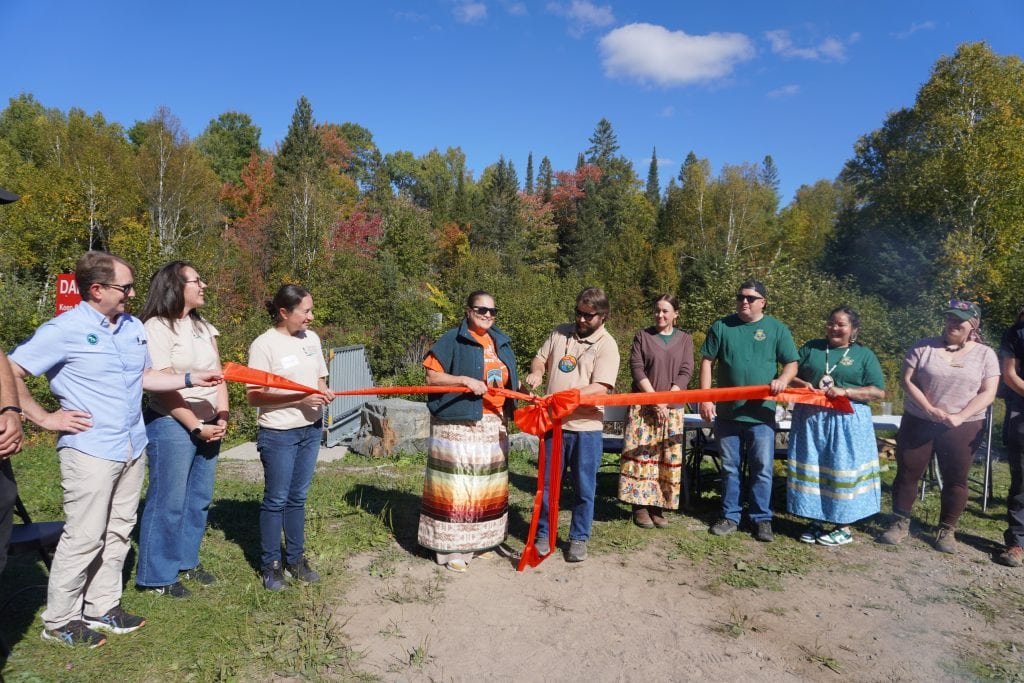
Snuneymuxw First Nation has acquired the remaining ownership stake in the Courtyard by Marriott Nanaimo, bringing the Downtown Nanaimo hotel property entirely under the First Nation’s control.

The acquisition was completed through Petroglyph Development Group (PDG), the First Nation’s wholly owned economic development corporation. The hotel had previously been jointly owned with Utah-based real estate investment firm PEG Companies.

0

The sinking of the MV Barima puts Guyanese inequities under a global spotlight

The Conversation The sinking of the MV Barima puts Guyanese inequities under a global spotlight theconversation.com
preview

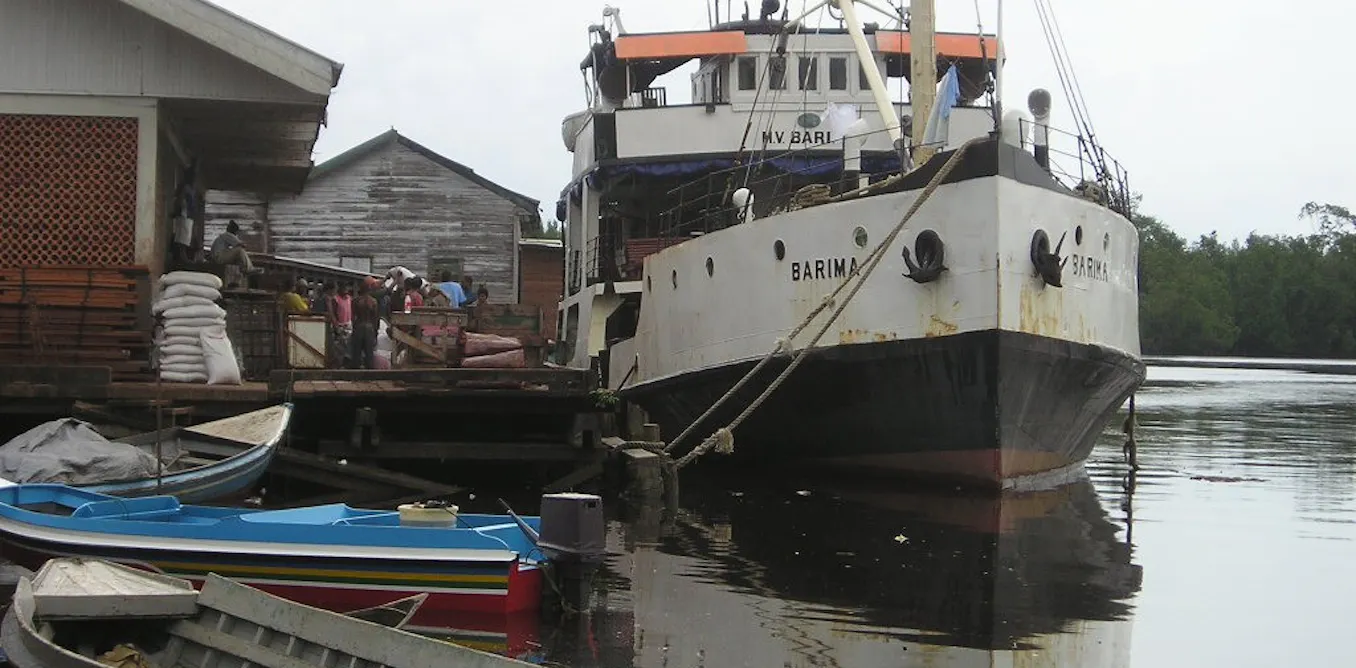
Frequent travellers of a Guyanese ferry that sunk in July allege routine overloading, unsecured cargo and engine failures.

The MV Barima — an 87-year-old ferry owned and operated by the state of Guyana — recently sank off the country’s coast on its way from the country’s capital of Georgetown to Port Kaituma, a journey of about 18 to 24 hours.

Port Kaituma is a gateway to what’s known as the North West District that borders Venezuela, where outsider gold and manganese interests dominate Indigenous territory.

The ferry’s passengers — the majority are Indigenous people unable to afford the cost of speed boat or air travel — sleep on the floor among the cargo loaded for government and private-sector interests, or in hammocks slung wherever there is space.

In total, 76 passengers and crew survived, while 73 bodies were recovered before the government called off the search by French Navy divers for the estimated 30 to 50 people still missing.

Many of the passengers were Indigenous children returning home for school holidays.

0

‘It's an incredibly exciting time’ - ICT

ICT ‘It's an incredibly exciting time’ - ICT ictnews.org
preview

“I think there is not only an interest in renewed ancestral recipes, but also there’s been this wonderful uptick in people figuring out their own way,” Terry said. “You know,

I don’t just have to eat wild rice with berries and maple syrup. I am capable of like elevating this or transforming it or there’s so much food science to be relearned about all of these ingredients. It’s actually an incredibly exciting time.”

The Indigenous food sovereignty movement has helped elevate awareness of the benefits and importance of traditional foods, Terry said.

0

Explainer: The Pueblo Revolt of 1680 - ICT

ICT Explainer: The Pueblo Revolt of 1680 - ICT ictnews.org
preview

In 2005, the statue was revealed and Po’pay became the first person represented in the National Statuary Hall Collection to be born on what would become American soil.

Fragua said each item near or on Po’pay symbolizes Pueblo culture and tradition.

“On his back are the scars that remain from the whipping he received for his participation and faith in the Pueblo ceremonies and religion,” Fragua wrote in the statue’s description.

0

Ivory Coast celebrates return of sacred 'talking drum' looted by France | Africanews

Africanews Ivory Coast celebrates return of sacred 'talking drum' looted by France | Africanews www.africanews.com
preview

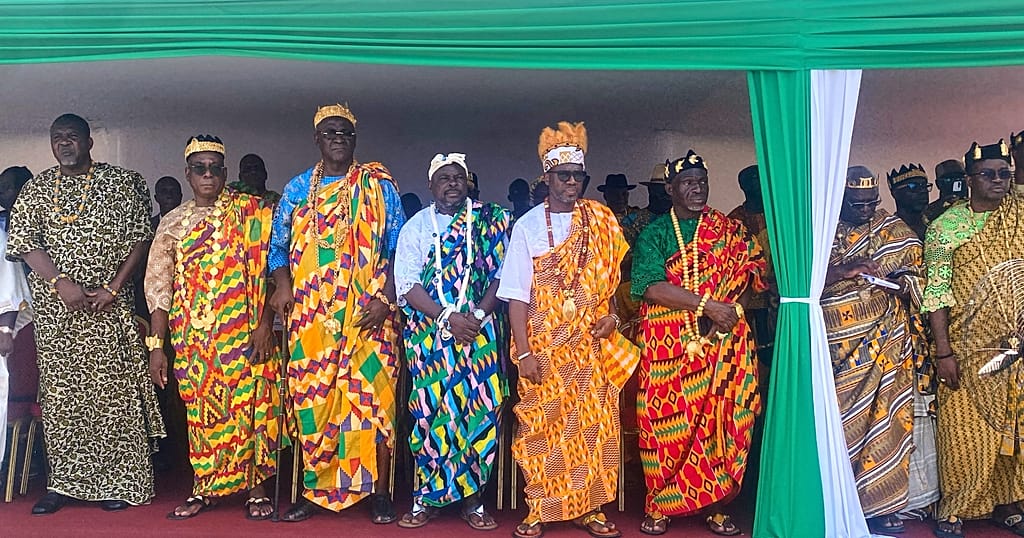
The Djidji Ayokwe, a sacred “talking drum” which was looted by French colonial troops in 1916 and taken to France, arrived back in its home village in Ivory Coast on Friday.

The ceremony, on Ivory Coast’s national independence day holiday, was the first time today’s Ivorians were able to see it.

The imposing wooden drum, more than three metres (10 feet) long and weighing 430 kilogrammes, was used by the Ebrie tribe to transmit messages.
…

It is one of hundreds of stolen artefacts Paris is preparing to send back to Africa, aided by the approval in May of a new French law.

The Djidji Ayokwe, a sacred “talking drum” which was looted by French colonial troops in 1916 and taken to France, arrived back in its home village in Ivory Coast on Friday.

The ceremony, on Ivory Coast’s national independence day holiday, was the first time today’s Ivorians were able to see it.

The imposing wooden drum, more than three metres (10 feet) long and weighing 430 kilogrammes, was used by the Ebrie tribe to transmit messages.

…

It is one of hundreds of stolen artefacts Paris is preparing to send back to Africa, aided by the approval in May of a new French law.

0

In the Okanagan desert, snakes offer lessons on protecting a fragile ecosystem

Indiginews In the Okanagan desert, snakes offer lessons on protecting a fragile ecosystem indiginews.com
preview

With their numbers continuing to dwindle by the turn of the 21st century, the original creators of the cultural centre decided to choose a different approach.

“Instead of removing them and destroying their home, killing them and having fear of them, it was, ‘How about we start researching them? Figuring out how we can help them and support them?’” Bower said.

“It’s just nice to know that even way back in 2002, there was still that love and care for snakes.”

The resulting program has spent more than two decades studying the snakes and helping restore their place in public understanding. The centre was built within a living cultural landscape, she added, and its role was never limited to interpreting the past.