showing posts tagged #open_christian — clear

0

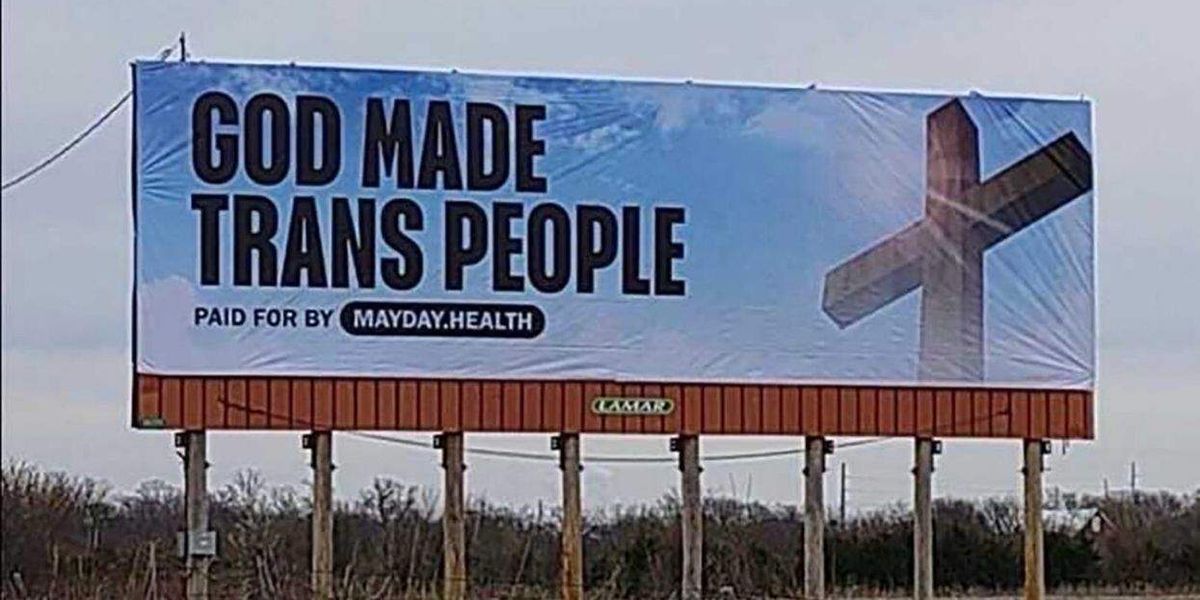
Christian books affirming homosexuality or transgender people

preview

Please, feel free to share any books you have found that fit this description in the comments of this post. I may add them to the post body.

Books I’ve found:

  • God and the Gay Christian, by Matthew Vines. This is the book that inspired me to be openly gay. I would encourage everyone here to buy the book if they are interested in reading it, although I did find an online copy.
  • The Bible’s Yes to Same-Sex Marriage, by Mark Achtemeier.
  • Bible, Gender, Sexuality, by James Brownson.

Books from the comments:

  • None so far!
0

Resources for Furthering Understanding of Our Faith

preview

Hi everyone, I do wish everyone the best day/evening! h Here are a few resources I use, please post what you find helpful:

earlyjewishwritings.com

earlychristianwritings.com *

www.myjewishlearning.com

www.chabad.org

*Corrected second URL.

biblicalhebrew.org

Hi everyone, I do wish everyone the best day/evening! h Here are a few resources I use, please post what you find helpful:

earlyjewishwritings.com

earlychristianwritings.com *

www.myjewishlearning.com

www.chabad.org

*Corrected second URL.

biblicalhebrew.org

0

open_christian@lemmy.ca resources list

preview

open_christian@lemmy.ca resources list 

LGBTQ+ resources 

https://www.thetrevorproject.org/

https://truecolorsunited.org/

https://glaad.org/resourcelist/

www.queerliberationlibrary.org

LGBTQ+ friendly churches 

https://www.gaychurch.org/find_a_church/

https://www.inclusive-church.org/church-directory/

Find a Church | Is Your Church Clear?

LGBTQ+ positive religious resources 

https://www.lgbtchristianresources.com/

https://lgbtqfamilyacceptance.org/faith-based-resources/

https://www.queertheology.com/

Faith resources

https://www.biblegateway.com/

https://patriciaadderley.com/20-best-christian-websites-to-grow-in-faith/

Christian Resources - Christian.net

Proverbs 31 Ministries

General resources  

en.wikipedia.org/…/List_of_suicide_crisis_lines?w… mega list 

US: https://humantraffickinghotline.org/en/report-trafficking

US: https://www.feedingamerica.org/find-your-local-foodbank

US: 988 US suicide hotline

The last 3 are US specific if you would like please comment your local version of needed programs or websites. I have attempted to vet the resources and websites provided If you are aware with any problems with any of these let me know as well thank you and have a wonderful day!

0

FAQ ported from Reddit (will be updated in future)

preview

VIEWS HERE MAY NOT REFLECTED EXACT VIEWS OR POLICIES OF open_christian@lemmy.ca this is temporary and a Lemmy FAQ will be created in the coming months FREQUENTLY ASKED QUESTIONS If you have any question, please check it hasn’t been covered below before messaging the mods.

  1. General What is Christianity?

Christianity, in its broadest sense, is faith in the first century Jewish teacher Jesus of Nazareth, who was called “Christ” (χριστος) by Greek-speakers, and “Messiah” (מָשִׁיחַ) by Hebrew-speakers (both terms meaning that he was “anointed”, or specially appointed by God). Christian faith can refer to faith in Jesus Christ’s teachings, but often includes faith in him personally, and in what he achieved through his life, death, and resurrection.

Most Christians are Trinitarian, meaning that they believe Jesus was not just a mortal man, but also the eternal God incarnated on earth. A minority of Christians reject this, and they are referred to as Unitarian.

Christianity is still the world’s largest religion, with 2.8 billion followers. The majority of these belong to the Catholic Church (~1.3 billion), while the next largest united Church is the Eastern Orthodox Church (~220 million). Various Protestant Churches together make up approx. 1 billion followers.

Ultimately different people will understand Christianity in different ways, and practice it in different ways. That’s fine. The mods have their personal beliefs and understanding of Christianity, but we want to be as broad and inclusive as possible. So anyone who identifies as a Christian in any way will be welcomed in fellowship and love. What is Progressive Christianity?

There is no agreed definition, and this is kind of the point. It is characterised by a general inclusivity, tolerance of diversity, and openness to different interpretations and faith journeys. It allows a range of varying doctrines and worship practices depending on the individual’s conscience, culture, and reason. However, alongside our faith in Christ, a few other positions are usually held in common.

Firstly, Progressives will generally be LGBTQ+ Affirming, and they will stand up for the rights, and the full equality and inclusion of minorities, the poor, and the oppressed.

Secondly, Progressives will generally not consider themselves beholden to any human authority, either a particular church, leader, tradition, creed, doctrine, or even scripture, though they may honour, respect, and seek guidance from some or all of them. Progressives generally have a more open approach to scripture, not insisting on the doctrine of Biblical Inerrancy, but willing to interpret the texts through a variety of methods.

And thirdly, Progressives will generally seek dialogue and respect with other faiths, though there is a diversity of opinion on the spiritual truths of other religions. What is Scripture?

Scripture is a collection of ancient writings that have been collected and used by communities of believers, who came to accept them as carrying a special authority for the understanding of their faith. This collection is called a “canon”.

Different communities of Christians have different canons of scripture. But on the whole the majority of writings are agreed on and held in common. Which Translation should I use?

The standard answer is that the best translation is the one you read!

There are hundreds of published translations, and each have their pros and cons. The mods will allow quotes and discussions from any translation you wish, however bad it is (naming no names, The Message). You can even include your own personal translation if you wish. Commenters will then be welcome (even encouraged) to compare and contrast the submitted quote with other translations, or even the original texts, however they wish.

Ultimately, using more than one translation is the best way to get a sense of the meaning of the original text, like looking at a jewel from different angles to catch the light in different ways.

However, if you are confused by the sheer number of translations available, a good standard is the New Revised Standard Version (NRSV). This was produced by a broad team of scholars from a wide variety of traditions and backgrounds, so provides a good sense of what is generally accepted. It has its faults, as all translations do, but it is a solid version to use as a base text for study. The current “updated edition” is called the NRSVUE, but apart from some minor updates, this is largely the same text as the NRSV. What is the original text? Should I read that instead?

Unfortunately we do not have the original text of any of the writings of the Bible. Because they were written so long ago, and paper is fragile and perishes over time, all we have are copies of copies. Furthermore, due to the problems of humans trying to copy texts by hand, our surviving copies sometimes disagree with one another.

Why then don’t we use the earliest copy we have? The earliest are three very early complete (or almost) Greek translations of the Bible from the 4th century CE. However they also disagree with one another in places. We also have fragments of earlier Greek copies, and they have some disagreements. The earliest Hebrew mansucript of the Old Testament we have is the “Masoretic Text”, with the earliest complete mansucript dated to dated to the 10th century CE. (The New Testament was written in Greek, so that is more reliable in that sense).

We have found a remarkable store of texts of the Old Testament written in Hebrew which predate even the earliest Greek Bibles (known as the Dead Sea Scrolls) but these are fragmentary, and show variances. They provide an excellent source for scholars, but on their own they cannot be used to reconstruct the entire original Hebrew Bible.

Ultimately, scholars can compare and contrast all of these sources, and use scientific, historical, and linguistic analysis to reconstruct a “critical text”. The most widely-used for the New Testament is the Nestle-Aland Novum Testamentum Graece, currently on its 28th edition. For the Old Testament translators usually follow the Masoretic Text and correct it against the Greek and Dead Sea Scrolls where appropriate.

If you wish to read the critical text (or any of the early manuscripts), you should, but first you’ll need to learn Ancient Hebrew and Ancient Greek, which few can boast of. How can I know how to interpret a text?

There are many ways of interpreting any passage. A particular method of interpretation is called a hermeneutic. The following summary of various methods isn’t intended to be exclusive, but can be used as a helpful starting point.

The “Letter” of the Text

Literal This doesn’t just mean “factual” but refers to the original intended meaning of the author. Historical, cultural, linguistic, and literary context can help understand what the author originally meant. For instance, when a passage mentions Jerusalem, the author is often referring to the historical physical city.

In common discourse this method is generally split into different interpretations depending on the recognised genre of the text. Examples of these Biblical genres are: History, Prophecy, Apocalypse, Poetry, Psalm, Theology, Myth, Allegory, Drama, Wisdom, Biography, Epistle, Gospel, Hagiography

The “Spirit” of the Text This involves moving beyond the Literal and understanding the spiritual or figurative meaning that the text has for ourselves. This is traditionally divided into three senses.

Typological This looks for figures of Christ or the Church throughout the scriptures. For instance, Jerusalem can often be interpreted as a symbolic figure for the Christian Church.

Moral This seeks to interpret a passage as a guide for our own behaviour. For instance, Jerusalem can often also be interpreted as a metaphor for our own soul.

Anagogical or Eschatological This is the interpretation that looks towards the perfected Kingdom of God. For instance, Jerusalem can often also be interpreted as the perfected Kingdom God has promised. How can I find a Church to attend?

This is a common question, and /u/JusticeMercyLove has helpfully put together the following guide:

Finding a New Church

Perhaps you are looking for a new progressive church/congregation. Or, perhaps you have moved to a new location and are looking for a new progressive church/congregation. I see and hear this question occasionally and have been developing some guidelines. Let’s begin our conversation by saying that finding a new church is one of the most difficult and personal dilemmas that we encounter. Add in one or more family members and possible outcomes are multiplied with each addition.

As I see it, here are a few considerations for where you may consider going to church. I have learned that you cannot fully trust the denomination’s stance on certain beliefs or issues when picking out a local congregation. For example, the denomination may say that they are “Open and Affirming” as well as committed to justice. However, the people in a local congregation may never consider having an LGBTQIA+ pastor or council member. Here’s another example. The denominational website may utilize women, minorities, and be supportive of refugee resettlement. However, the people of the local congregation may never consider a woman minister, have no minority members, and stay away from the Hispanic support centre in the area.

It is important to understand that “Welcoming” means different things to different people and to different congregations. Even the phrase, “Open and Affirming” can also mean different things to different people and congregations.
    A. “Open and Affirming” should mean that all are welcome to fully participate and serve and to be fully considered for leadership positions. This includes all LGBTQIA+, women, Black, Brown, all minorities – everyone!
    B. Unfortunately, “Open and Affirming” can sometimes be advertised by the church more as an aspirational position. In other words, perhaps the congregation is taking steps toward being Open and Affirming, but not all members are fully supportive of this. Perhaps the pastor or the council is pushing for it, but the congregation is dragging their heels. Sadly, when LGBTQIA+ individuals begin to engage with this type of a congregation and develop relationships, they can be re-traumatized when the congregation rejects them for a position of leadership or rejects a proposed Open and Affirming program.
    C. Welcoming can mean that everyone is welcome to attend (and even participate in some programs), but are rejected for prominent or leadership roles. Therefore, one thing to pay attention to in large churches with many staff positions is whether they have women, LGBTQIA+, Black, Brown, and other minorities in key leadership positions. Or, do they limit women to be the “Children’s Pastor.” Look at members of the church board.
    D. Welcoming can sometimes be a key advertising tool to attract new people, whether they are truly welcoming or not. Still, most of these congregations roll out the welcome mat simply to get new people in the door. Then, it’s bait and switch time. The more involved someone gets, the more one learns the unwritten expectations, beliefs, doctrines, and those things that will disqualify persons from serving as they desire.

Music is important to many people. Some like choirs. Some like a full rock band. Some like old hymns. Some like Gregorian chants. Some like Kum-Ba-Yah choruses.

If you are coming to higher churches (think Catholic, Episcopal, UCC/Congregational, PCUSA/Presbyterian, ELCA/Lutheran, and United Methodist churches), please be aware:
A. There may still be some people, sometimes a majority, who support MAGA/right-wing politics.
B. They may often use litanies and responsive readings, written prayers,
C. Sermons can typically be written and follow the lectionary, and
D. They may often utilize regular rituals and follow the seasons of the church year.

If you are coming to lower churches (think Baptist, Evangelical Free, Nazarene, Wesleyan, Assembly of God, Pentecostal, “Global Methodists,” and independent churches), please be aware:
A. Depending on the area, sometimes above 70% of their members tend to support MAGA/right-wing politics.
B. Preachers can sometimes focus on “Bible-Based preaching” which parses out how they apply the Bible to our lives today - in their opinion. They may have notes, but do not typically read their sermons.
C. Prayers are rarely written.
D. Litanies and responsive readings are rare.
E. They tend to shun rituals, unless it has to do with the offering protocols. 🙂

There are a few denominations (and congregations) which tend to be more conservative in their view of the Bible and yet more progressive socially and politically. These include progressive Mennonites, Quakers, some Church of the Brethren, and American Baptist churches. Of course, that does not mean that all local congregations adhere to these denominational positions - watch the continuums.

Variables:
A. In general churches in rural areas or small communities tend to be more conservative on the continuum. Urban churches tend to be more progressive. Of course there are always exceptions to this.
B. In many denominations, the pastor often seems to have a significant role in the positions and stances taken by the congregation. For example, if a pastor tends to be more progressive, then over time, the congregation tends to lean that way also. By the same token, a pastoral change can bring about huge changes, sometimes to the chagrin of the congregation. For example, this happened in some Southern Baptist congregations (in the USA) about 30 years ago, when they made a concerted move toward fundamentalism.
C. The social make-up of the congregation is important to most people looking for a new church. Unfortunately, this takes some time for visitors to fully grasp. Do you want to be where prominent members of the community worship actively? Or, would you rather hang out with the blue collar crowd. This is different in every community and town.
D. The distance you are willing to travel must be considered from two different perspectives. First, if you only attend worship at most once per week, you may be willing to travel a ways, in order to find the church you want to attend. However, if you anticipate being regularly involved in additional activities connected with the church (like at a community food pantry or homeless centre), then you may not want to travel very far.

A few suggestions.
A. Where do some of your friends attend? Ask them about how they feel about where they go.
B. Does the church you are considering have activities that you are interested in?
C. How involved in the community is the church you are attending?

There are some people that consider it their purpose to be a loving, progressive voice in a congregation that has not yet fully adopted this position. I’m not sure it is healthy to be a loving, progressive voice in a congregation that is 100% MAGA/right-wing and is overtly vocal in their opposition to LGBTQIA+ and all Democrats/progressives. Unless you believe yourself to be a modern-day Jeremiah, do not attempt this. On the other hand, I do believe that it is possible for some loving, progressive churchgoers to attend a congregation that has a diverse and mixed group of conservatives and progressives who are at least willing to listen to one another. Each person must decide this for themselves.

Finally, it is okay just to attend sometimes. I left evangelicalism for good at the end of 2016. I could not attend any longer, in order to salvage my mental health and my faith. I did not attend church regularly for a few years. I attended a PCUSA with my dad when I visited him and appreciated that congregation. I attended perhaps a few times a year, and always sat in the back, and left early. I ended up discovering a wonderful congregation near my home that I continue to grow into and learn more about. Are we perfect? No, neither one of us is. But it is good for me, and good for them. I even became a member a couple years ago. And if you happen to visit a church that doesn't suit you, it is okay to say, "Let's not do that again." 🙂

Peace, Love, and Justice, sjb 2025 02 09 p.s. please message me if you have corrections or suggestions for this guide. ty 2. OpenChristian’s Intentions and Conduct Why don’t many of you believe in the doctrine of Biblical Inerrancy, what’s wrong with it?

This is too complicated a subject to go into detail here unfortunately. If you are interested then check out some of the books and resources in the wiki for full discussions of this. Particularly Keith Ward or Bradley Jersak’s books.

The problem, in brief, is that the doctrine prohibits any other interpretation of scripture than the Inerrentist one. Ultimately many will take the perspective that we shouldn’t prejudge how scripture should be read, or assume that all the scriptural texts should be read the same way. What happens if I break the Rules?

We intend this Sub to be a friendly and welcoming place to all. However, we will not tolerate intolerance. Our Rules are intended to protect everyone, and ensure all of us are free to participate without fear or offense.

Mods will be free to judge each incident on a case-by-case basis, but for transparency our response to any post which breaks a Rule will follow the below guidelines as far as possible:

An accidental or minor offence will be deleted but no further action taken. Repeated or more serious offences will recieve a suspension between 48 hours to 14 days, depending on the severity of the offence. This is intended to provide space for tempers to cool, and people to reflect on their actions.

We would hope that this would result in an apology to the offended party when the suspension is lifted, Furthermore, if a poster responds to mod action with maturity, regret, and apology, this will go a long way towards a less-harsh approach.

There are cases where we would have zero tolerance though. This would be e.g. oppressive language such as homophobia, anti-semitism, or misogyny, hate-speech, support of illegal acts, or direct promotion of conspiracy theories or extreme harmful ideology (e.g. white supremacy). This kind of post will result in a permanent ban. What is the expected conduct for the Moderators?

Mods should be expected to act fairly, openly, and respectfully to everyone.

We will do our best but we are human and can make mistakes. If you believe we have been unfair, unclear, or direspectful to anyone then any action can be appealed by messaging the mods as a group and another mod will reply to you to confirm or overturn the action.

Mods generally should be expected not to moderate a discussion with another redditor in which they also participate. And when a mod is in direct disagreement with another redditor, another mod will generally be asked to carry out any required mod action to avoid the impression of unfairness or abuse of mod powers.

Mods should be expected to provide a clear reason for any deletion of posts, suspensions or bans.

However, we may sometimes forget to do this, so please just ask us if so.

Mods should be expected to take prompt action against any comment that is offensive, disrespectful, or harmful to anyone.

However, we cannot spot everything, so please use the Report button. This alerts us that there's a problem and we can address it much quicker. We do not want to leave hurtful or harmful comments up for any longer than necessary.
  1. Resources for Frequently Asked Questions If you are Christians, why don’t you believe that homosexuality is a sin?

    From Queer Grace: “Why do some Christians think it’s ok to be gay when the Bible says it isn’t?”

    From Queer Theology: “Is it really OK?”

    From the Reformation Project: A summary of the Biblical case for LGBT affirmation

    From the Reformation Project: The need for reform on LGBT issues

    This essay, which tackles relevant Bible passages one at a time, responding to various arguments against LGBTQ inclusion.

What do you believe about transgender people?

From Queer Theology: "Transgender and Christian?"

From the Human Rights Campaign: What does the Bible say about transgender people?

The many excellent comments in this thread.

How can you be pro-feminist and Christian?

Men, Women and Biblical Equality

Why You Should Be a Christian Feminist

Why Not Have a Woman Preach?

Humility without Hierarchy: Mutual Submission in Marriage

Who Was Junia?

What do you all believe about premarital sex?

Thread: Where does the Bible specifically say no premarital sex?

Thread: Should intimacy be saved for marriage?

Thread: Sex Before Marriage

Should Christians date non-Christians?

Thread: How do you feel about being in a relationship with / marrying a non-christian?

Thread: Is it ok to marry someone who isn't Christian?

I’m a Christian but I am also interested in tarot cards, crystals, astrology, etc. What do you all think?

Thread: New-Age Nonsense?

Thread: So, I would like all of your opinions on Christians who practice neo-paganism.

I am LGBTQ+/Affirming but I’m troubled about this passage that seems to condemn homosexuality. Can I post about it for discussion?

Please check our resources and FAQ first, and you can search our past posts for several previous threads explaining the Affirming argument for every passage you’re thinking of.

While we don’t want to ban discussion of any controversial passage, we will be very sensitive to such posts as we are well aware that they are used by trolls to JAQ-off as a bad-faith tactic. If for example Leviticus 18:22 is posted without any accompanying contextual information, or clear pro-LGBTQ+ commentary the mods will most likely remove it to be safe. 4. Simple answers for simple questions I am LGBTQ+, but I’m not sure whether I accept open and affirming theology. Am I welcome here?

Yes, absolutely. We have celibate LGBTQ+ Christians who participate here. Just be sure to respect Rule 1b from the sidebar. I am new to Christianity / exploring my gender or sexual identity / confused and lonely. Can I post about that here?

YES! Introduce yourself and be a part of our community. I don’t consider myself a Christian, can I still post?

YES! You also are very welcome. While this sub is intended as a place primarily for Christians, anyone who has any interest in reading the Bible for any reason is welcome to join us. Whether you are simply curious what it says, or find parts of it inspiring to your own faith journey, whatever that may be, please participate and contribute freely.

All we ask is that you don’t make any comment overtly disparaging or insulting Christianity. But that’s just good manners; we won’t demand you follow Christianity yourself. I believe in some conservative theology/biblical inerrancy. Can I still post?

YES! You are welcome too! While this is a space intended primarily for progressive Christians and progressive interpretations of scripture, any and all poeple and readings of scripture are acceptable, and can provide a helpful contrast and comparison, All we ask is that you don’t try to proselytise about conservative doctrines or insist that the conservative interpretation is the only “right” way to interpret the Bible. I’ve seen a comment I disagree with. Am I allowed to refute it?

The idea of the sub is to allow open discussion from anyone who wishes to post. To nurture a friendly and welcoming space for this we want to encourage everyone to respect each other and communicate in love and fellowship. We’re not interested in attacks, arguments, or divisive debates.

You can always post your own interpretation but you wouldn’t be allowed to say that anyone else’s interpretation is wrong. You also shouldn’t say anything like, “This interpretation is the only correct one”, or “All other interpretatons are false”. That would break Rule 5 (“Be Respectful and Polite”), even if your comment isn’t directed at a specific redditor. How can you call yourself “Open” when your rules censor certain opinions

The Open in our title refers to being open to those commonly excluded from the Church - specifically LGBTQ+, women, or any other oppressed minorities. It does not give carte blanche for hate speech, bigotry, or incivility. I disagree with LGBTQ+/liberals/feminism/CRT/science etc.

And you’re free to do so. But in the words of Paul, “whatever you believe about these things keep between yourself and God.” (Rom 14:22 NIV). If you have legitimate and respectful questions then you can ask them bu this isn’t the place for forcing debate on these issues. I want to post something but I’m not sure if its allowed.

Check the rules and this FAQ, If you’re still not sure then just message the mods. We’re friendly people and we’d love to help you. I’m very angry with the Church/Christianity/Christians and need to vent

You are free to do so, venting is healthy, and there is much in the Church today that can (and should) be legitimately criticised. Just make sure you don’t accidently imply that all Christians/Churches etc are the same as those who have hurt/angered you, or even all within a particular denomination/movement/tradition. That is prejudice, and we discourage that. I think you are all a bunch of sinners and you’re going to hell.

Ok. We already know that many people think this about us, so you don’t need to post about it here. This is not the subreddit for you, so move along. Last revised by Naugrith 3 months ago

0

Your Voices Matter: Let's Enliven Our Community!

preview

Hey everyone,

I just wanted to remind everyone that this space is open for all of us to share our thoughts, experiences, and discussions. As the creator and a mod here, I want to assure you that there is no gatekeeping. Everyone, whether you’re a user or a fellow mod, is encouraged to post freely.

I’ve noticed that I’m often the only one posting, and while there are comments, it would be wonderful to see more activity from all of you. Your voices and perspectives are what make this community vibrant, so don’t hesitate to start a conversation or share something you think is important.

Let’s work together to make this space as lively and supportive as it can be!

Thanks, and looking forward to seeing more posts!

0

Looking for Potential Mods

preview

As the title says, I’m looking for some potential mods to help run this community.

If you are interested, then please drop a comment to this post explaining why you believe that you would be a good fit for mod.

As the title says, I’m looking for some potential mods to help run this community.

If you are interested, then please drop a comment to this post explaining why you believe that you would be a good fit for mod.

0

Looking forward to Advent

preview

I’m looking forward to Advent, which starts 29 November.

For all who celebrate, if you’d like to share a devotional or comments for an advent day, that would be lovely.

Hope, peace, joy, and love to you all.

I’m looking forward to Advent, which starts 29 November.

For all who celebrate, if you’d like to share a devotional or comments for an advent day, that would be lovely.

Hope, peace, joy, and love to you all.

0

Musings on Interfaith Marriages

preview

I posted this elsewhere as a comment, but I thought I would post it here for feedback. I want to hear what people think of my view. It is okay if you disagree with me; I am just sharing how I view God and spousal relationships. My goal in this post is to share my thoughts rather than to preach.

I’m posting this because I’d like to here people’s thoughts on this. Here goes: I would not marry a person who is not a Christian.

My greatest fear is marrying someone who then apostacizes. I don’t want my heart to break that way, to love someone so personally and deeply and know they will cease to be.*

It isn’t that I would have any qualm with a difference in tradition or culture that would come with a partner from a different faith, but that I’d love them knowing they would die. That is a great and terrible grief, and is the same grief I believe God felt for every person**; the grief that compelled him to send Christ.

Let me know what you think.

*There are multiple beliefs about Hell/Hades/Sheol/Gehenna. Mine is annihilationism.

**I believe that God is Love Itself (1 John 4:20)—how can he be without grief at our suffering? No one has so much sorrow as God, who witnesses the death of his beloved children.

0

Who are some interesting people who appear in Bible you don’t see people talking about

preview

there are over 3000 people mentioned by name in the Bible. From the people everyone knows to the obscure people mentioned in passing what people/peoples do you wish were talked about more and find their part in the Bible or their life outside of it worth talking about

there are over 3000 people mentioned by name in the Bible. From the people everyone knows to the obscure people mentioned in passing what people/peoples do you wish were talked about more and find their part in the Bible or their life outside of it worth talking about

0

Dolly Parton, 79, Shares Powerful Message About LGBTQ+ Community and ‘Fine Christians’

preview

This is a message from a year before her death we lost a true and wonderful person to both the Christian community and a ally to the LGBTQ+ community

This is a message from a year before her death we lost a true and wonderful person to both the Christian community and a ally to the LGBTQ+ community

0

How many churches have you been to?

preview

Hello all,

I went to a different church than I normally do for Sunday service today because a friend of my was preaching. This made me wonder how many churches have you attended? I’ve been to a single one for a majority of my life for Sunday service what about it you?

Hello all,

I went to a different church than I normally do for Sunday service today because a friend of my was preaching. This made me wonder how many churches have you attended? I’ve been to a single one for a majority of my life for Sunday service what about it you?

0

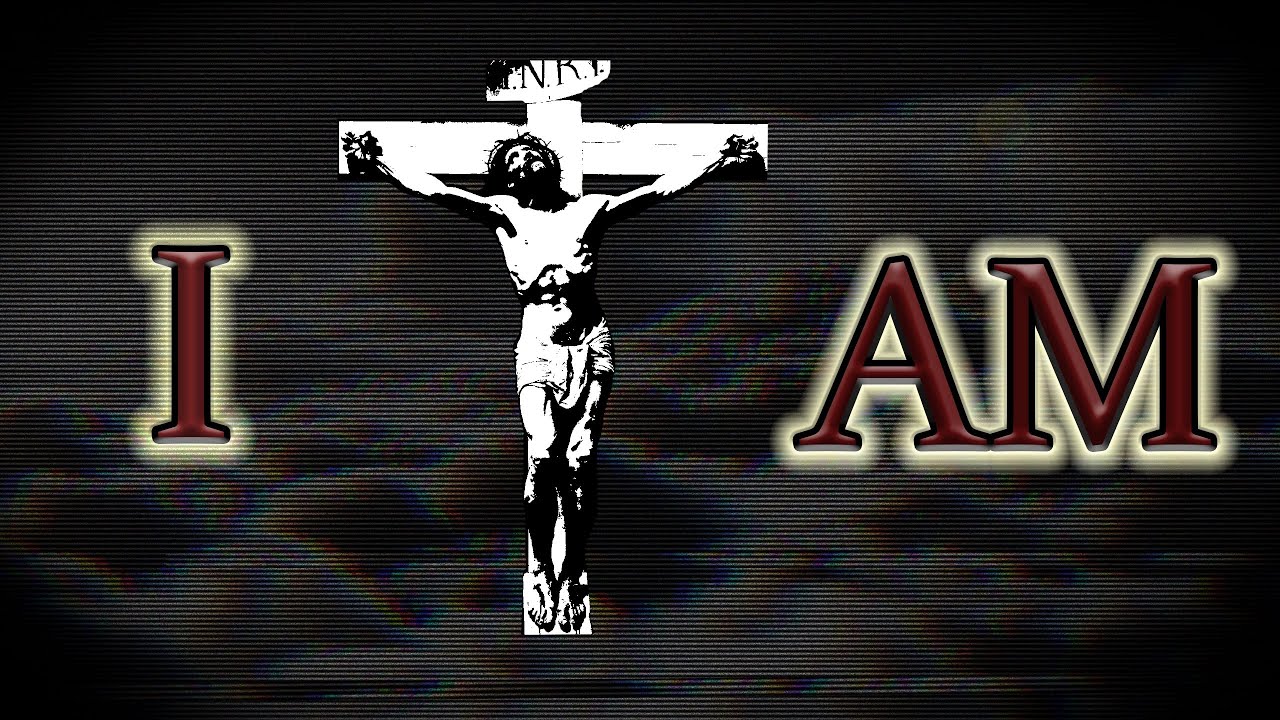
Apparently there is a game on Steam, where you play as Yeshua

play · youtube.com
YouTube I Am Jesus Christ - What happens in this game? youtube.com
preview

I’ve never played it, but I just saw this YouTube short about it.

Apparently, it’s well done, and very respectful, if not a little bit janky.

It was apparently made by 5 people.

I’ve never played it, but I just saw this YouTube short about it.

Apparently, it’s well done, and very respectful, if not a little bit janky.

It was apparently made by 5 people.

0

Happy Easter!

preview

I hope everyone has a good Easter this year here’s a piece of scripture for the day

The angel said to the women, “Do not be afraid, for I know that you are looking for Jesus, who was crucified. He is not here; he has risen, just as he said. Come and see the place where he lay. Then go quickly and tell his disciples: ‘He has risen from the dead and is going ahead of you into Galilee. There you will see him.’ Now I have told you.” So the women hurried away from the tomb, afraid yet filled with joy, and ran to tell his disciples.

Matthew 28:5-8

0

"Satan" is a job title, not a name — and an anime figured this out before most churches did

preview

Something that’s stuck with me for a while: the word Satan isn’t actually a name.

It’s a Hebrew title or role — ha-satan (הַשָּׂטָן) — meaning adversary, accuser, opponent, or something like a prosecuting judge. It’s a function, not an identity.


Yet in most contexts I’ve encountered (ie books, horror movies, etc), “Satan” gets used as if it’s just a synonym/unanimous for the Devil, or interchangeable with Lucifer, Beelzebub, etc.

That’s a bit like calling someone “the Prosecutor” as if that is their name — rather than their role.


What’s interesting to me is that this distinction actually shows up in the Hebrew Bible pretty clearly.

In Job, ha-satan reads more like a member of the divine council with a specific adversarial function, not a singular embodiment of evil.

The conflation with Lucifer (itself a mistranslation/interpretation from Isaiah 14) seems to have happened gradually through later Christian tradition.


Weirdly/funnily enough, the anime High School DxD — of all things — actually handles this more accurately than most sermons/media I’ve seen / heard.

The show uses titles like “Satan Lucifer,” “Satan Leviathan,” “Satan Asmodeus,” and “Satan Beelzebub,” treating Satan as a rank or title held by different individuals rather than a single being’s name.

(Link for the curious: highschooldxd.fandom.com/wiki/Four_Great_Satans)


I’m curious how people here think about this.

Do you draw a distinction between Satan-as-title and Satan-as-entity in your own faith or reading of scripture?

Has the blurring of that line had any theological consequences worth examining?

Not trying to be provocative — genuinely just a concept I think deserves more attention.


SOME MORE INFORMATION:

www.biblicalarchaeology.org/…/who-is-satan/

hebrewwordlessons.com/…/satan-adversary-is-not-a-…

bereanunderground.org/…/satan-in-hebrew-bible

0

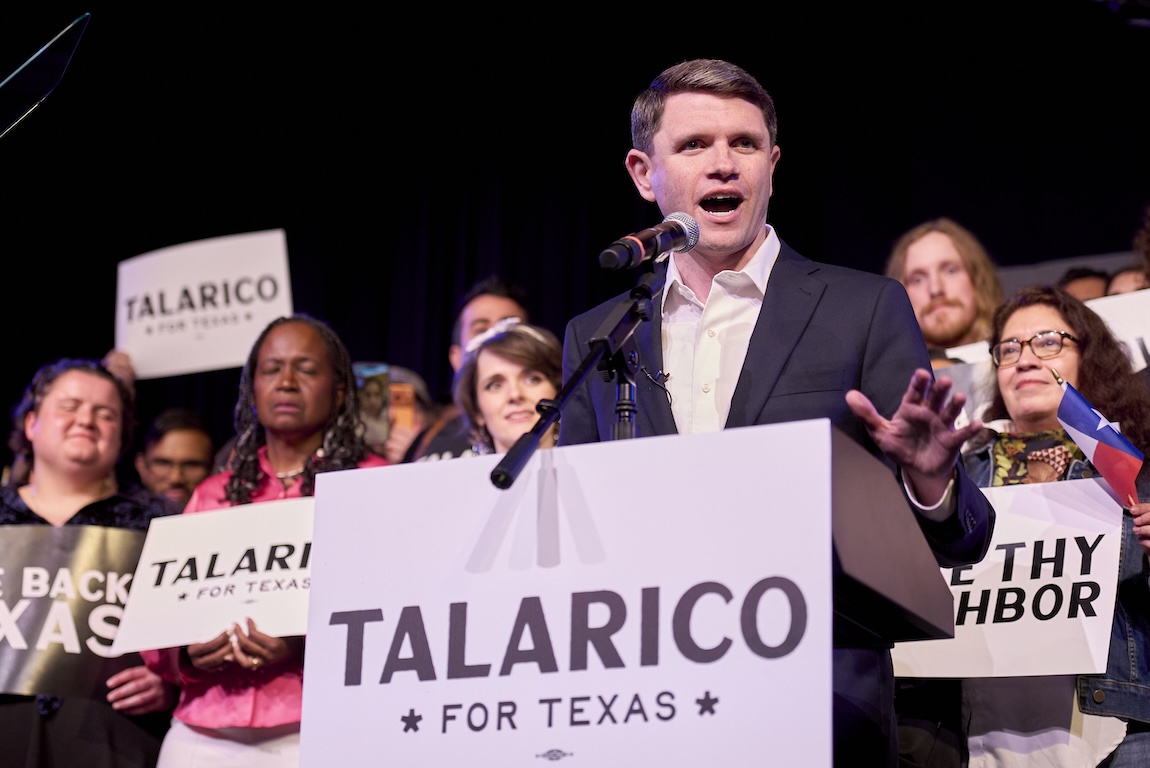
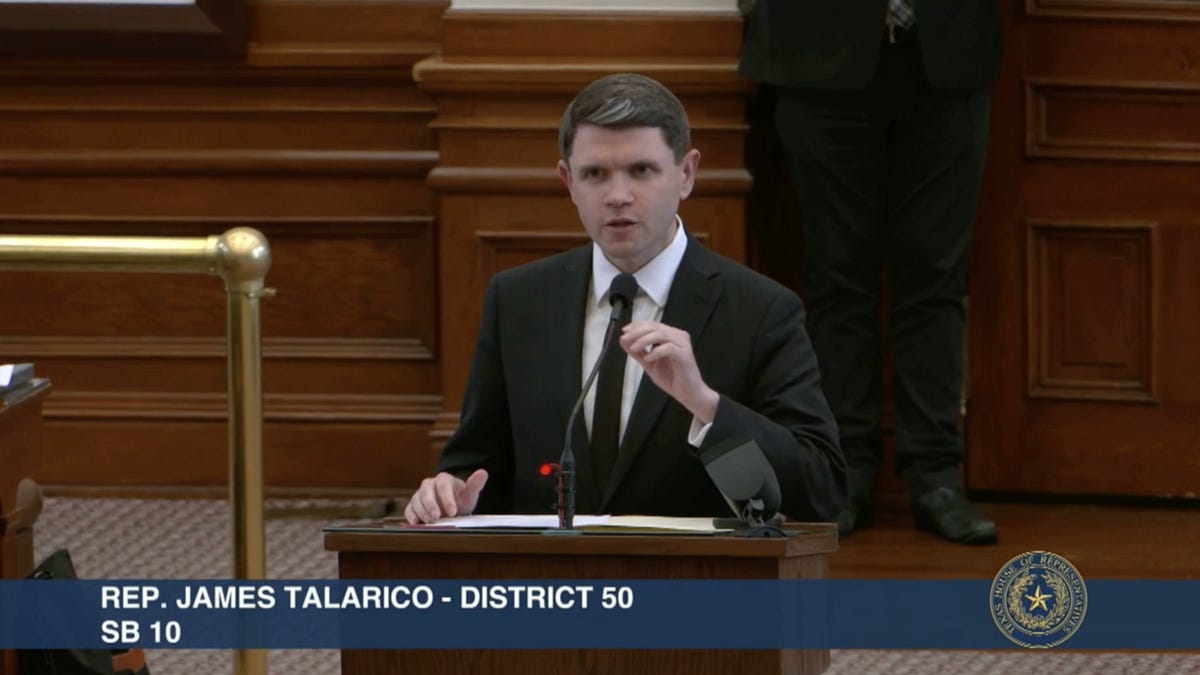
Senate hopeful James Talarico responds to pastor who wants him killed: 'I still love you'

San Antonio Current Senate hopeful James Talarico responds to pastor who wants him killed: 'I still love you' www.sacurrent.com
preview

by Stephanie Koithan

After the pastor of Trump Defense Secretary Pete Hegseth’s Nashville church said on a podcast that he wants Texas Democrat James Talarico dead, the U.S. Senate hopeful has responded with a message of love.

Evangelical Pastor Brooks Potteiger, who’s been described as Hegseth’s closest spiritual adviser, repeatedly attacked Talarico last week on the podcast Reformation Red Pill, HuffPost reported. The show is hosted by congregant and former pastoral intern Joshua Haymes.


“I pray that God kills him,” Haymes said of Talarico, who represents the Austin area in the Texas House. “Ultimately, that means killing his heart and raising him up to new life in Christ. If it would not be within God’s will to do so, stop him by any means necessary.”

Potteiger concurred, adding, “We want him crucified with Christ.”

On the podcast, Haymes also said that he puts Talarico in the category of “public enemies,” or those you "are not called to love.


However, rather than answering hate with hate, Talarico - a Presbyterian seminarian - responded with a message of love.

“Jesus loves. Christian Nationalism kills,” Talarico said Wednesday in an emailed statement. “You may pray for my death, Pastor, but I still love you. I love you more than you could ever hate me.”

The 36-year-old Talarico, who’s running for Republican U.S. Sen. John Cornyn’s seat in the upper chamber, is a former San Antonio schoolteacher who planned on becoming a pastor before entering the political arena.

0

Please read Pontius Pilate's letter, re benJoseph, & compare it with another-source, who gives the same nature for Pontius Pilate.. _ /\ _

preview

scriptural-truth.com/…/Pilates_letterTo_Caesar.pd…

is the lettre, as linked above…

& the book which provides the SAME nature for Pontius Pilate, which contradicts both the Synoptic-gospel’s ( can’t remember which one, sorry ) order to deem Pontius Pilate to be of the same alignment as Herod, AND the Nicene-Creed, which doubles-down on convicting Pilate.

This is evidence, that lettre, not mere-opinion.

That it so absolutely contradicts the biblical conviction of Pilate, is significant.

That Suddi, in the book, also says of Pilate what Pilate’s lettre says, … isn’t going to be dismissed by me as “mere coincidence”.

The meanings of Pilate are simply too unusual for me to deem them to be bogus.

www.kobo.com/ca/en/ebook/jesus-and-the-essenes

Notice that even the hair-color is corroborated between the 2 sources.

( remember: King David was a redhead, so this strange-for-the-region hair-color would be more-likely in descendants of David. )

The repeated evidence in the New Testament of Pilate’s warring FOR RuleOfJustLaw, against RuleOfLegalism, IS significant, too.

So, that 1 gospel which orders us to convict him in our hearts, is contradicting its own previously-listed evidence when it is doing-so.

Please have “eyes to see” what true-values show, in the evidences.

Pilate was one of The Good Guys™.


Just offering you a gift/treasure which showed me more of the REAL benJoseph, whom I find valuable…

Salut, Namaste, & Kaizen, & Gratitude-to-Pontius-Pilate, too.

  ( :

_ /\ _

0

James Talarico is a really normal Christian (thank God).

James Talarico is a really normal Christian (thank God). jesusurbanist.substack.com
preview

Progressive Christianity feels novel today largely because conservative evangelicalism has become so politically dominant. For many Americans, “Christian” now defaults to megachurch pastors, culture-war pundits, and politicians invoking God while stripping away rights. That version of Christianity is loud, centralized, and extremely well funded.

Progressive Christianity feels novel today largely because conservative evangelicalism has become so politically dominant. For many Americans, “Christian” now defaults to megachurch pastors, culture-war pundits, and politicians invoking God while stripping away rights. That version of Christianity is loud, centralized, and extremely well funded.

0

What's your favorite verse?

preview

I’ve got a number of ones that have really stuck with me but one of the top ones has been Psalm 23:4

Yea, though I walk through the valley of the shadow of death, I will fear no evil: for thou art with me; thy rod and thy staff they comfort me.

I’ve got a number of ones that have really stuck with me but one of the top ones has been Psalm 23:4

Yea, though I walk through the valley of the shadow of death, I will fear no evil: for thou art with me; thy rod and thy staff they comfort me.

0

A roundtable with faith leaders and Rep DeLauro grew contentious, with many clergy calling for the abolishment of ICE, and DeLauro preferring to reform the agency.

Connecticut Public DeLauro to pressing clergy: 'I will not vote to abolish ICE' www.ctpublic.org
preview

“I would rather you vote for what is morally correct,” Davidson said.

“Don’t talk to me about my own morality,” DeLauro shot back.

“Don’t tell your constituents what they can and can’t talk to you about,” replied Rev. Nathan Empsall. “What you are voting for is not moral.”

“I would rather you vote for what is morally correct,” Davidson said.

“Don’t talk to me about my own morality,” DeLauro shot back.

“Don’t tell your constituents what they can and can’t talk to you about,” replied Rev. Nathan Empsall. “What you are voting for is not moral.”

0

Saint Valentine

Saint Valentine - Wikipedia en.wikipedia.org
preview

I knew about everyone’s favorite Saint Nicholas but I wasn’t aware about Saint Valentine. I hope everyone has a good Valentine’s Day next week!

I knew about everyone’s favorite Saint Nicholas but I wasn’t aware about Saint Valentine. I hope everyone has a good Valentine’s Day next week!

0

Letter from the Episcopal Bishops

preview

This email was forwarded to me for some reason, and I figured it might be good to share it here.

A message to our fellow Americans

We, the undersigned bishops of The Episcopal Church, write today out of grief, righteous anger, and steadfast hope.

What happened a week ago in Minnesota and is happening in communities across the country runs counter to God’s vision of justice and peace. This crisis is about more than one city or state—it’s about who we are as a nation. The question before us is simple and urgent: Whose dignity matters?

In the wake of the tragic deaths of two U.S. citizens, Alex Pretti and Renee Good, we join Minnesotans and people across the nation in mourning two precious lives lost to state-sanctioned violence. We grieve with their families, their friends, and everyone harmed by the government’s policies. When fear becomes policy, everyone suffers.

We call on Americans to trust their moral compass—and to question rhetoric that trades in fear rather than the truth. As Episcopalians, our moral compass is rooted firmly in the Gospel of Jesus Christ.

This is what we know. Women were shoved to the ground, children torn from their families, and citizens silenced and demeaned for exercising their constitutional rights. These actions sow fear, cast doubt, and wear us down with endless noise.

We cannot presume to speak for everyone or prescribe only one way to respond. For our part, we can only do as Jesus’ teaching shows us.

A Call for Action

This is a moment for action. We call on people of faith to stand by your values and act as your conscience demands.

We urge the immediate suspension of ICE and Border Patrol operations in Minnesota and in any community where enforcement has eroded public trust. Because the rule of law is weakened, not strengthened, when power is exercised without restraint.

We also call for transparent, independent investigations of the people killed—investigations centered on truth, not politics. Justice cannot wait, and accountability is essential to healing.

We call on the elected officials of our nation to remember the values that we share, including the rule of law. Rooted in our Constitution, it ensures that law—not the arbitrary will of individuals—governs us all, protecting individual rights, ensuring fairness, and maintaining stability.

A Shared Commitment

Every act of courage matters. We must keep showing up for one another. We are bound together because we are all made in the image of God. This begins with small, faithful steps.

As bishops in the Episcopal Church, we promise to keep showing up—to pray, to speak, and to stand with every person working to make our communities just, safe, and whole. We are committed to making our communities safer and more compassionate:

● So children can walk to school without fear.

● So families can shop, work, and worship freely.

● So we recognize the dignity of every neighbor—immigrant communities, military families, law

enforcement officers, nurses, teachers, and essential workers alike.

You may feel powerless, angry, or heartbroken right now. Know that you’re not alone. Each of us has real power: community power, financial power, political power, and knowledge power. We can show up for our neighbors, support small businesses and food banks, contact elected officials and vote, and learn our rights so we can speak up peacefully without fear.

Choosing Hope

The question before us is simple and urgent: Whose dignity matters?

Our faith gives a clear answer: everyone’s.

Safety built on fear is an illusion. True safety comes when we replace fear with compassion,

violence with justice, and unchecked power with accountability. That’s the vision our faith calls

us to live out—and the promise our country is meant to uphold.

In the face of fear, we choose hope.

By the grace of God, may this season of grief become a season of renewal. May courage rise from lament, and love take root in every heart.

  1. † The Rt. Rev Gladstone B. Adams, III, X Bishop of Central New York (Retired)

  2. † The Rt. Rev. Laura J. Ahrens, Bishop Suffragan of Connecticut

  3. † The Rt. Rev. Diana D. Akiyama, Bishop of Oregon

  4. † The Rt. Rev. David A. Alvarez, VI Bishop of Puerto Rico (Retired)

  5. † The Rt. Rev. Lucinda Beth Ashby, Bishop of El Camino Real

  6. † The Rt. Rev. David C. Bane, IX Bishop of Southern Virginia (Retired)

  7. † The Rt. Rev. J. Scott Barker, Bishop of Nebraska

  8. † The Rt. Rev. Cathleen Bascom, Bishop of Kansas

  9. † The Rt. Rev. Jennifer Baskerville-Burrows, Bishop of Indianapolis

  10. † The Rt. Rev. Nathan D. Baxter, Bishop of Central Pennsylvania (Retired)

  11. † The Rt. Rev. Mark Beckwith, X Bishop of Newark (Retired)

  12. † The Rt. Rev. Barry L. Beisner, Bishop Provisional Missionary Diocese of Navajoland

  13. † The Rt. Rev. Patrick W. Bell, Bishop of Eastern Oregon

  14. † The Rt. Rev. Scott Anson Benhase, OA, X Bishop of Georgia (Retired)

  15. † The Rt. Rev. Mark Allen Bourlakas, Assistant Bishop of Virginia

  16. † The Rt. Rev. Thomas E. Breidenthal, IX Bishop of Southern Ohio (Retired)

  17. † The Rt. Rev. Jennifer Brooke-Davidson, Assistant Bishop of North Carolina

  18. † The Rt. Rev. C. Franklin Brookhart, Assisting Bishop of Los Angeles

  19. † The Rt. Rev. Kevin S. Brown, Bishop of Delaware

  20. † The Rt. Rev. Thomas J. Brown, Bishop of Maine

  21. † The Rt. Rev. Susan Brown Snook, Bishop of San Diego

  22. † The Rt. Rev. Diane M. Jardine Bruce, Bishop Suffragan of Los Angeles (Retired)

  23. † The Rt. Rev. Mariann Edgar Budde, Bishop of Washington

  24. † The Rt. Rev. Elías García Cárdenas, Bishop of Colombia

  25. † The Rt. Rev. Paula E. Clark, Bishop of Chicago

  26. † The Rt. Rev. Angela Maria Cortiñas, Bishop Suffragan of West Texas

  27. † The Rt. Rev. Matthew Cowden, Bishop of West Virginia

  28. † The Rt. Rev. James E. Curry, Bishop Suffragan of Connecticut (Retired)

  29. † The Rt. Rev. Michael B. Curry, XXVII Presiding Bishop of the Episcopal Church (Retired)

  30. † The Rt. Rev. Joe Morris Doss, X Bishop of New Jersey (Retired)

  31. † The Rt. Rev. Ian T. Douglas, Assisting Bishop of Massachusetts

  32. † The Rt. Rev. DeDe Duncan-Probe, Bishop of Central New York

  33. † The Rt. Rev. J. Zache Duracin, Bishop of Haiti (Retired)

  34. † The Rt. Rev. Mark D.W. Edington, Bishop in charge of the Convocation of Episcopal

Churches in Europe

  1. † The Rt. Rev. Dan Edwards, XII Bishop of Nevada (Retired)

  2. † The Rt. Rev. C. Christopher Epting, VIII Bishop of Iowa (Retired)

  3. † The Rt. Rev. Douglas Fisher, Bishop of Western Massachusetts

  4. † The Rt. Rev. Jeff W. Fisher, Bishop Suffragan of Texas

  5. † The Rt. Rev. Robert L. Fitzpatrick, Bishop of Hawai’i

  6. † The Rt. Rev. James E. Folts, VIII Bishop of West Texas (Retired)

  7. † The Rt. Rev. Jonathan H. Folts, Bishop of South Dakota

  8. † The Rt. Rev. R. William Franklin, Assisting Bishop of Long Island

  9. † The Rt. Rev. Sally French, Bishop of New Jersey

  10. † The Rt. Rev. J. Michael Garrison, X Bishop of Western New York (Retired)

  11. † The Rt. Rev. Alan M. Gates, XVI Bishop of Massachusetts (Retired)

  12. † The Rt. Rev. Wendell N. Gibbs, Assisting Bishop of Southern Ohio

  13. † The Rt. Rev. Mary D. Glasspool, Assisting Bishop of Massachusetts

  14. † The Rt. Rev. Susan E. Goff, Bishop Suffragan of Virginia (Retired)

  15. † The Rt. Rev. William O. Gregg, VI Bishop of Eastern Oregon (Retired)

  16. † The Rt. Rev. Daniel G. P. Gutiérrez, Bishop of Pennsylvania

  17. † The Rt. Rev. Douglas Hahn, VII Bishop of Lexington (Retired)

  18. † The Rt. Rev. Michael Hanley, X Bishop of Oregon (Retired)

  19. † The Rt. Rev. John T.W. Harmon, Bishop of Arkansas

  20. † The Rt. Rev. Gayle Elizabeth Harris, Assistant Bishop of Virginia

  21. † The Rt. Rev. Scott B. Hayashi, XI Bishop of Utah (Retired)

  22. † The Rt. Rev. Susan B. Haynes, Bishop of Southern Virginia

  23. † The Rt. Rev. Matthew Heyd, Bishop of New York

  24. † The Rt. Rev. Rayford B. High, Jr., Bishop Suffragan of Texas (Retired)

  25. † The Rt. Rev. Mark Hollingsworth, Jr., XI Bishop of Ohio (Retired)

  26. † The Rt. Rev. Barry R. Howe, VII Bishop of West Missouri (Retired)

  27. † The Rt. Rev. Carlye J. Hughes, Bishop of Newark

  28. † The Rt. Rev. Michael B. Hunn, Bishop of the Rio Grande

  29. † The Rt. Rev. Robert W. Ihloff, XIII Bishop of Maryland (Retired)

  30. † The Rt. Rev. James I. Jelinek, VIII Bishop of Minnesota (Retired)

  31. † The Rt. Rev. Don E. Johnson, III Bishop of West Tennessee (Retired)

  32. † The Rt. Rev. Deon Johnson, Bishop of Missouri

  33. † The Rt. Rev. Anne B. Jolly, Bishop of Ohio

  34. † The Rt. Rev. Charles I. Jones, VII Bishop of Montana (Retired)

  35. † The Rt. Rev. David Colin Jones, Bishop Suffragan of Virginia (Retired)

  36. † The Rt. Rev. W. Michie Klusmeyer, VII Bishop of West Virginia (Retired)

  37. † The Rt. Rev. W. Nicholas Knisely, SOSc, Bishop of Rhode Island

  38. † The Rt. Rev. Chilton Knudsen, VIII Bishop of Maine (Retired)

  39. † The Rt. Rev. James E. Krotz, IX Bishop of Nebraska (Retired)

  40. † The Rt. Rev. Philip N. LaBelle, Bishop of Olympia

  41. † The Rt. Rev. Stephen T. Lane, Bishop Provisional of Western New York,

  42. † The Rt. Rev. Mark Lattime, Bishop of Alaska,

  43. † The Rt. Rev. Jeffrey Lee, XII Bishop of Chicago (Retired)

  44. † The Rt. Rev. Edward L. Lee, Jr., Bishop of the Great Lakes (Retired)

  45. † The Rt. Rev. Frank S. Logue, Bishop of Georgia

  46. † The Rt. Rev. Craig Loya, Bishop of Minnesota

  47. † The Rt. Rev. Kym Lucas, Bishop of Colorado

  48. † The Rt. Rev. Shannon MacVean-Brown, Bishop of Vermont

  49. † The Rt. Rev. F. Clayton Matthews, Bishop Suffragan of Virginia (Retired)

  50. † The Rt. Rev. J. Scott Mayer, Bishop of Northwest Texas

  51. † The Rt. Rev. Dorsey McConnell, VIII Bishop of Pittsburgh (Retired)

  52. † The Rt. Rev. Jack McKelvey, VII Bishop of Rochester (Retired)

  53. † The Rt. Rev. Jeffrey W. Mello, Bishop of Connecticut

  54. † The Rt. Rev. Juan Carlos Quiñonez Mera, Bishop of Central Ecuador

  55. † The Rt. Rev. Rodney Michel, Bishop Suffragan of Long Island (Retired)

  56. † The Rt. Rev. Betsey Monnot, Bishop of Iowa

  57. † The Rt. Rev. Robert O’Neill, X Bishop of Colorado (Retired)

  58. † The Rt. Rev. Todd Ousley, Bishop Provisional of Wyoming

  59. † The Rt. Rev. Jacob W. Owensby, Bishop of Western Louisiana

  60. † The Rt. Rev. George E. Packard, Bishop Suffragan of Armed Forces and Federal Ministries

(Retired)

  1. † The Rt. Rev. Bonnie A. Perry, Bishop of Michigan

  2. † The Rt. Rev. Kenneth L. Price, Jr., Assisting Bishop of Southern Ohio

  3. † The Rt. Rev. Brian N. Prior, X Bishop of Minnesota (Retired)

  4. † The Rt. Rev. Lawrence C. Provenzano, Bishop of Long Island

  5. † The Rt. Rev. John Rabb, Bishop Suffragan of Maryland (Retired)

  6. † The Rt. Rev. Rayford J. Ray, Bishop of Northern Michigan

  7. † The Rt. Rev. David G. Read, Bishop of West Texas

  8. † The Rt. Rev. Jennifer Reddall, Bishop of Arizona

  9. † The Rt. Rev. Poulson Reed, Bishop of Oklahoma

  10. † The Rt. Rev. Gretchen Rehberg, Bishop of Spokane

  11. † The Rt. Rev. David Rice, Bishop of San Joaquin

  12. † The Rt. Rev. Austin K. Rios, Bishop of California

  13. † The Rt. Rev. Ann Ritonia, Bishop Suffragan of Armed Forces and Federal Ministries for the

Episcopal Church

  1. † The Rt. Rev. Bavi (Nedi) Rivera, VII Bishop of Eastern Oregon (Retired)

  2. † The Rt. Rev. Phoebe A. Roaf, Bishop of West Tennessee

  3. † The Rt. Rev. Gene Robinson, IX Bishop of New Hampshire (Retired)

111.† The Rt. Rev. Samuel S. Rodman, Bishop Diocesan of North Carolina

  1. † The Rt. Rev. Catherine S. Roskam, Bishop Suffragan of New York (Retired)

  2. † The Rt. Rev. Kathryn M. Ryan, Bishop Suffragan of Texas

  3. † The Rt. Rev. Audrey C. Scanlan, Bishop Diocesan of the Susquehanna

  4. † The Rt. Rev. Alan Scarfe, IX Bishop of Iowa (Retired)

  5. † The Rt. Rev. Carrie Schofield-Broadbent, Bishop of Maryland

  6. † The Rt. Rev. Gordon P. Scruton, VIII Bishop of Western Massachusetts, (Retired)

  7. † The Rt. Rev. Brian Seage, Assisting Bishop of Texas

  8. † The Rt. Rev. James J. Shand, X Bishop of Easton (Retired)

  9. † The Rt. Rev. Kara Wagner Sherer, Bishop of Rochester

  10. † The Rt. Rev. Allen Shin, Bishop Suffragan of New York

  11. † The Rt. Rev. Mark S. Sisk, XV Bishop of New York (Retired)

  12. † The Most Rev. Melissa M. Skelton, Bishop Provisional of Olympia (Retired)

  13. † The Rt. Rev. Rob Skirving, Bishop of East Carolina

  14. † The Rt. Rev. John McKee Sloan, XI Bishop of Alabama (Retired)

  15. † The Rt. Rev. William E. Smalley, VIII Bishop of Kansas (Retired)

  16. † The Rt. Rev. Andrew D. Smith, XIV Bishop of Connecticut (Retired)

  17. † The Rt. Rev. George Wayne Smith, X Bishop of Missouri (Retired)

  18. † The Rt. Rev. Douglas E. Sparks, Bishop of Northern Indiana

  19. † The Rt. Rev. Phyllis Spiegel, Bishop of Utah

  20. † The Rt. Rev. Marty Stebbins, Bishop Diocesan of Montana

  21. † The Rt. Rev. E. Mark Stevenson, Bishop Diocesan of Virginia

  22. † The Rt. Rev. William H. Stokes, XII Bishop of New Jersey (Retired)

  23. † The Rt. Rev. George Sumner, XII Bishop of Dallas (Retired)

  24. † The Rt. Rev. Eugene Taylor Sutton, Assisting Bishop of Washington

  25. † The Rt. Rev. G. Porter Taylor, VI Bishop of Western North Carolina (Retired)

  26. † The Rt. Rev. John Harvey Taylor, Bishop of Los Angeles

  27. † The Rt. Rev. Jos Tharakan, Bishop of Idaho

  28. † The Rt. Rev. Brian Thom, Bishop of North Dakota

  29. † The Rt. Rev. Morris K. Thompson, Jr., XI Bishop of Louisiana (Retired)

  30. † The Rt. Rev. John S. Thornton, XI Bishop of Idaho (Retired)

  31. † The Rt. Rev. Martin G.Townsend, IX Bishop of Easton, MD (Retired)

  32. † The Rt. Rev. Megan Traquair, Bishop of Northern California

  33. † The Rt. Rev. Michael L. Vono, IX Bishop of the Rio Grande (Retired)

  34. † The Rt. Rev. Pierre W. Whalon, IX Bishop in charge of the Convocation of Episcopal Churches

in Europe (Retired)

  1. † The Rt. Rev. Kristin Uffelman White, Bishop of Southern Ohio

  2. † The Rt. Rev. Keith B. Whitmore, V Bishop of Eau Claire (Retired)

  3. † The Rt. Rev. Julia E. Whitworth, Bishop Diocesan of Massachusetts

  4. † The Rt. Rev. Arthur B. Williams, Jr., Bishop Suffragan of Ohio (Retired)

  5. † The Rt. Rev. Jeremiah D. Williamson, Bishop of Albany

  6. † The Rt. Rev. Ruth Woodliff-Stanley, Bishop of South Carolina

  7. † The Rt. Rev. Wayne P. Wright, X Bishop of Delaware (Retired)

  8. † The Rt. Rev. Rob Wright, Bishop of Atlanta

  9. † The Rt. Rev. George D. Young, III, III Bishop of East Tennessee (Retired)

0

100 Clergy arrested for nonviolent noncooperation at MAP

play · cbsnews.com
CBS News Clergy members arrested at MSP while protesting ICE in Minneapolis www.cbsnews.com
preview

Well, it’s happened. The state has moved on to arresting peaceful clergy en masse

Clergy members arrested at MSP while protesting ICE in Minneapolis

By

Aki Nace

January 23, 2026 / 12:59 PM CST / CBS Minnesota

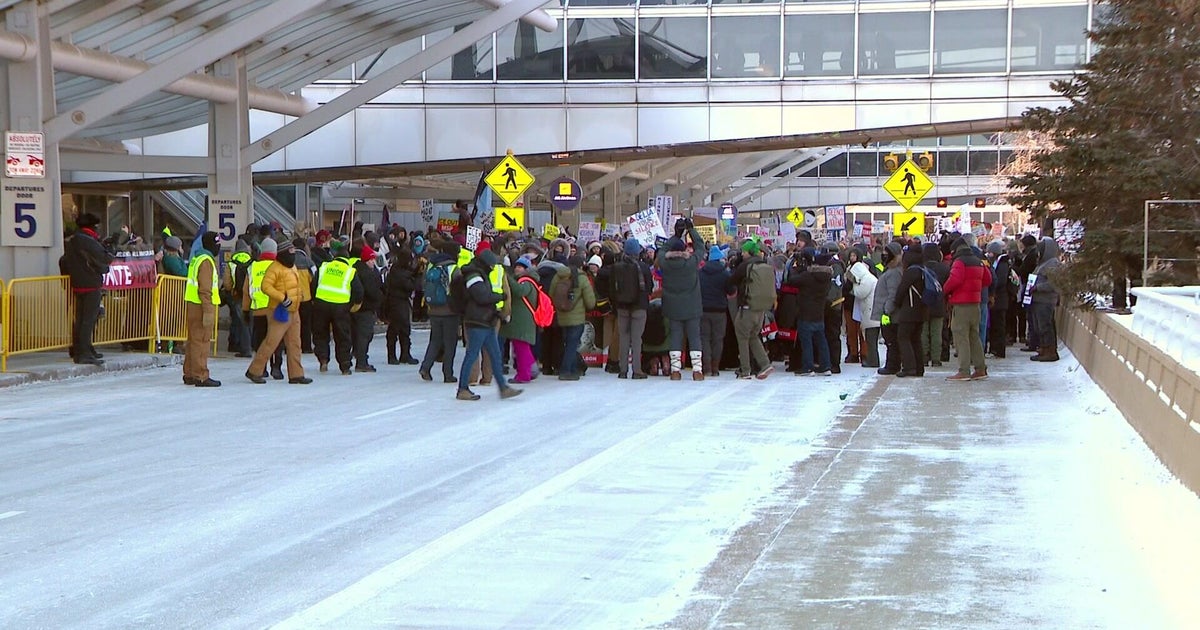
Dozens of faith leaders were arrested while protesting at Minneapolis-St. Paul International Airport Friday, organizers say, as part of an effort to call for an end to Immigration and Customs Enforcement arrests in the area.

The protesters were calling on airlines, particularly Delta and Signature Aviation, to “stand with Minnesotans in calling for ICE to immediately end its surge in the state”.

They say an estimated 2,000 people have been deported through the airport. Metropolitan Airports Commission leaders say they cannot legally restrict access to the airport for public or private aircraft operations.

Union members also said 12 airport workers have been arrested by ICE.

Protesters sang and prayed together while sharing the stories of people who have been detained by ICE. During the protest, “roughly 100” clergy members were arrested, organizers said.

0

"For the past 50 years, the religious right convinced a lot of Christians in America that the two most important issues were abortion and homosexuality".

preview

If you have been to other countries, Christians don’t go to Abortion clinics to scream to people there. That’s an American phenomenon!

If you have been to other countries, Christians don’t go to Abortion clinics to scream to people there. That’s an American phenomenon!