0

tech larping and grass touching

play · youtube.com
YouTube tech larping and grass touching www.youtube.com
preview

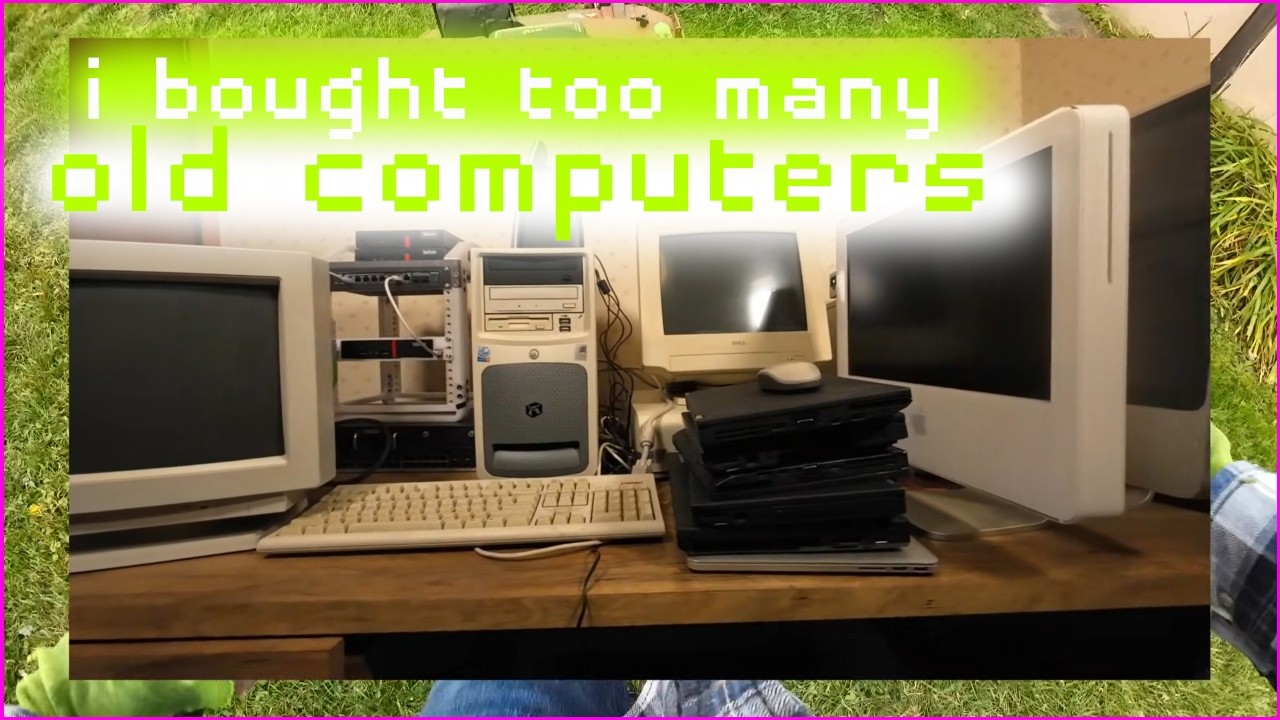
this is a show-n-tell of all the hardware I bought over the summer (including some cool accessories like a thinkpad classic keyboard usb converter) which I picked up when I wasn’t busy cutting grass (I touch a lot of grass) and going through why I bought it!

this is a show-n-tell of all the hardware I bought over the summer (including some cool accessories like a thinkpad classic keyboard usb converter) which I picked up when I wasn’t busy cutting grass (I touch a lot of grass) and going through why I bought it!

0

Enable tethered internet access to your Pocket PC PDA using OpenBSD

preview

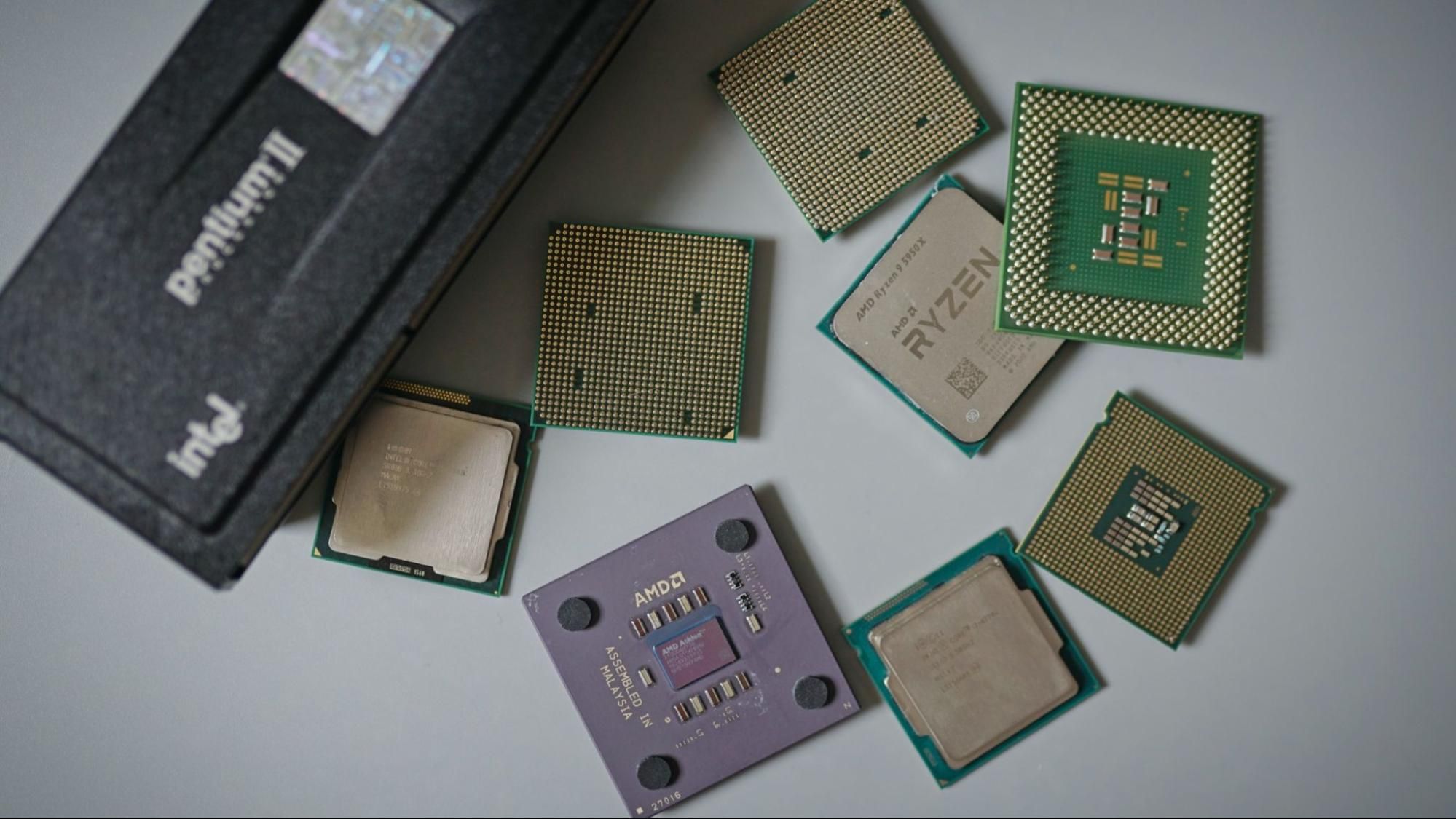
Nostalgia for a more relaxed era of computing can drive one to resurrecting ancient protocols, breathing in solder fumes, and exploring old-new networking technologies on OpenBSD.


Original on the Gemini protocol

Nostalgia for a more relaxed era of computing can drive one to resurrecting ancient protocols, breathing in solder fumes, and exploring old-new networking technologies on OpenBSD.
Original on the Gemini protocol

0

My favourite PowerMac is a Nintendo Wii

preview

(This is a guest post by Rairii)

So today I reached a nice milestone in one of my projects: my work porting classic Mac OS to PowerPC systems with what I affectionately call ArtX chipsets (Nintendo GameCube, Wii, eventually Wii U; the GameCube’s Flipper integrated chipset was very much designed by ArtX as it was effectively finished when ATI acquired the company, and the Wii’s Vegas (and its later revision Bollywood) and Wii U’s Latte are effectively straight successors) reached the desktop for the first time, most likely the first time since the CHRP clone era that someone outside of Apple brought up classic Mac OS on a new system to the desktop. Despite still being nowhere near ready for a public release, I want to talk about the challenges I faced with this project so far.
(This is a guest post by Rairii)

So today I reached a nice milestone in one of my projects: my work porting classic Mac OS to PowerPC systems with what I affectionately call ArtX chipsets (Nintendo GameCube, Wii, eventually Wii U; the GameCube’s Flipper integrated chipset was very much designed by ArtX as it was effectively finished when ATI acquired the company, and the Wii’s Vegas (and its later revision Bollywood) and Wii U’s Latte are effectively straight successors) reached the desktop for the first time, most likely the first time since the CHRP clone era that someone outside of Apple brought up classic Mac OS on a new system to the desktop. Despite still being nowhere near ready for a public release, I want to talk about the challenges I faced with this project so far.

0

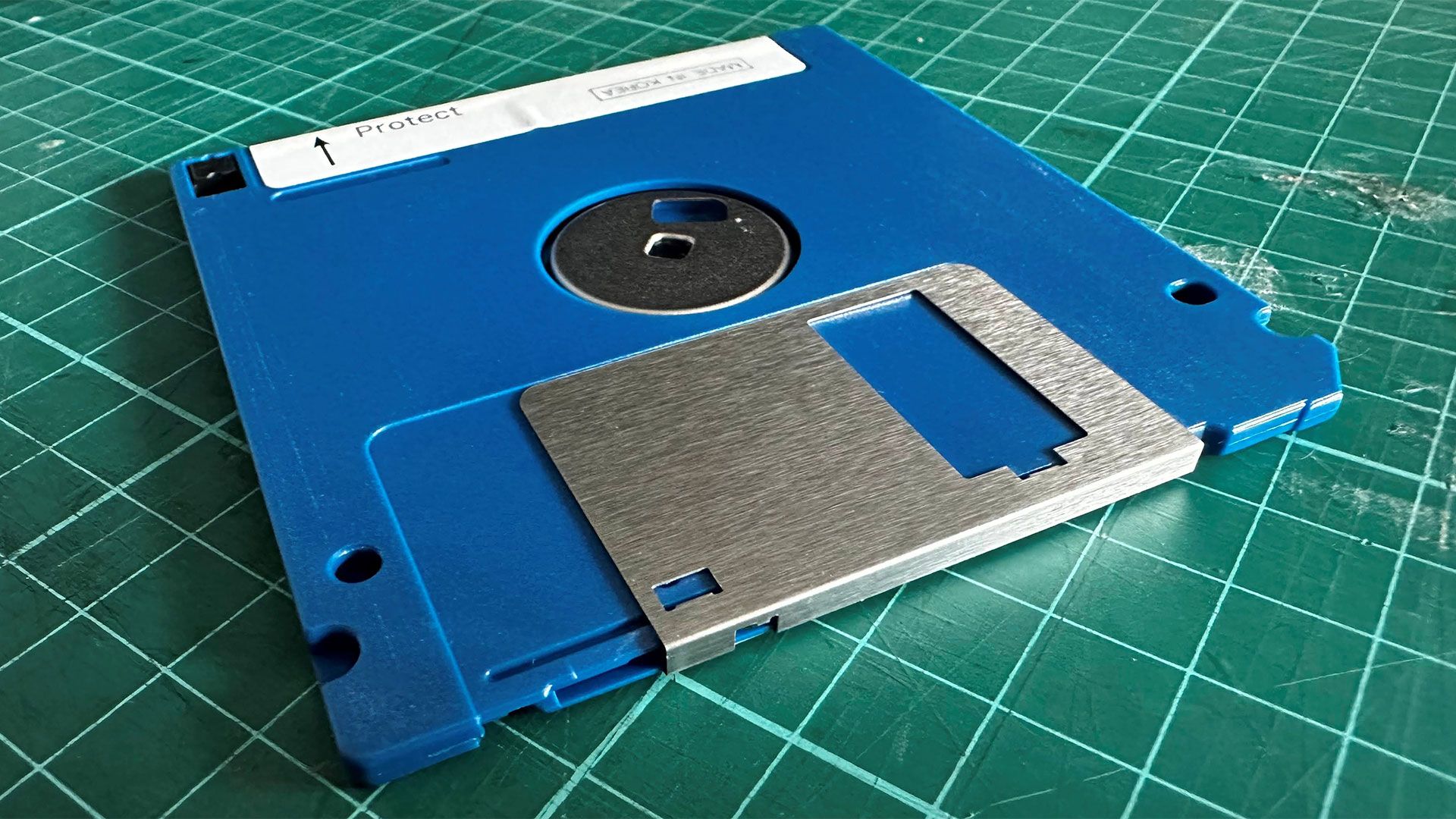
HamsterOS jams a 32-bit GUI operating system in a single 1.44 MB floppy disk — retro OS for 386-era hardware should make for easy living with DOS machines and software

Tom's Hardware HamsterOS jams a 32-bit GUI operating system in a single 1.44 MB floppy disk — retro OS for 386-era hardware should make for easy living with DOS machines and software www.tomshardware.com
preview

And yet, let us not forget that the Amiga had preemptive multitasking in 1985.

And yet, let us not forget that the Amiga had preemptive multitasking in 1985.

0

DOS 3.3 Really was bare bones.

preview

cross-posted from: https://lemmy.world/post/46782285

So yesterday I pulled out my old “luggable” IBM 5155 because I wanted to know if I could use it as a Terminal for a terminal.

I have previously successfully connected a Psion 5mx over a null modem to a Raspberry Pie. Figured it would be cool to see if I can get it working on this behemoth as well. I have DOS 3.3 on a 5.25” floppy and another with some supplementary software for DOS 3.3. And wow, not a lot of software included. CTTY won’t let me set Baud rate, parity och bit size. So it just freezes, and the CONNECT application doesn’t throw up errors either but just sort of is there, regardless of settings.

Anyway will in the future get my self a carrier card for a CF -to-IDE so I can throw DOS 6.6 and PROCOMM on it and see if that gets me anywhere. Unless any of you folks have any tips or scathing criticism on my lack of knowledge of DOS.

0

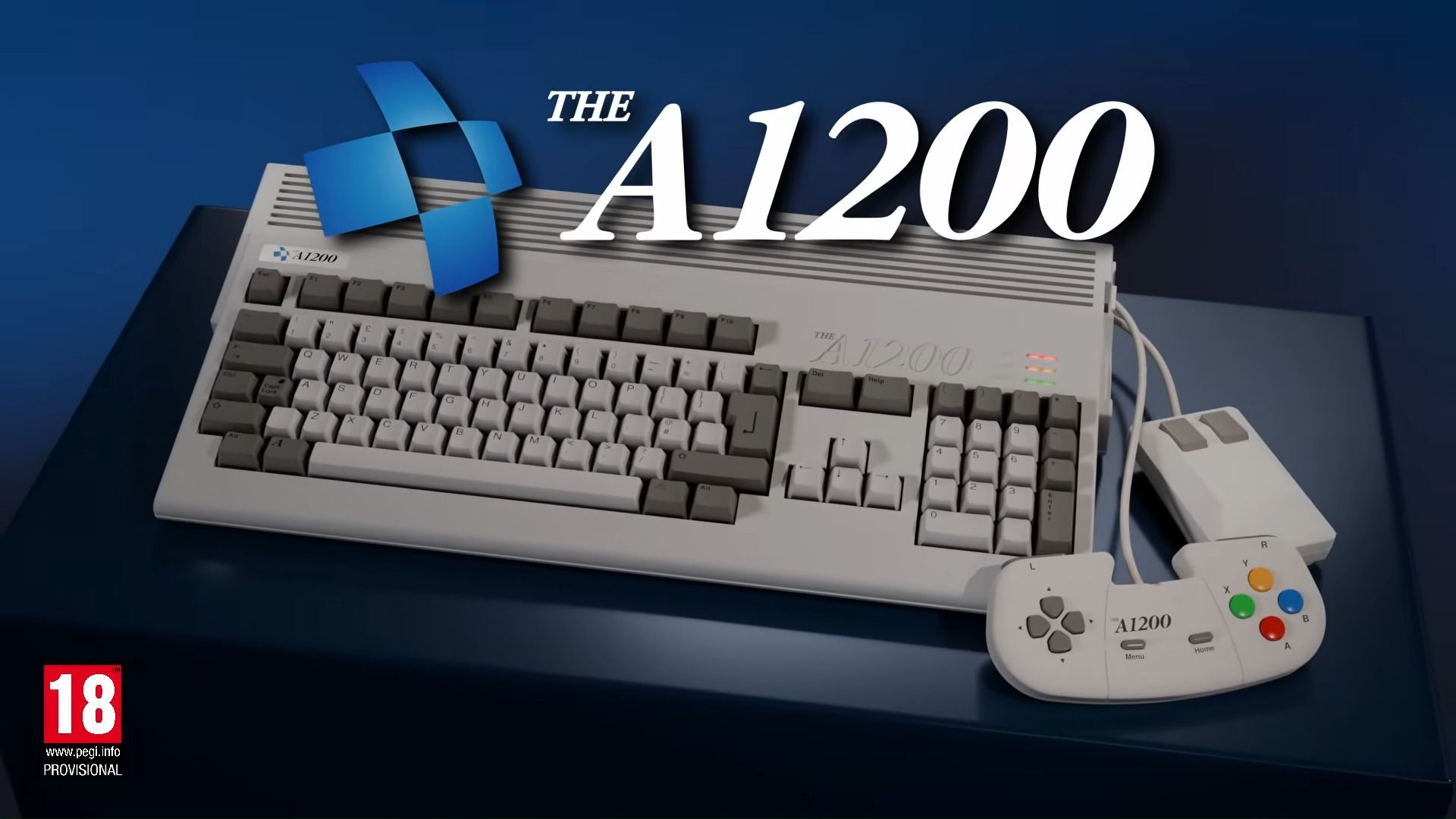
Commodore Amiga-emulating The A1200 retro computer delayed nearly half a year by ‘global chip shortages’ — Retro Games Ltd says it will use the extra time to finesse the software

Tom's Hardware Commodore Amiga-emulating TheA1200 retro computer delayed nearly half a year by ‘global chip shortages’ — Retro Games Ltd says it will use the extra time to finesse the software www.tomshardware.com
preview

Originally scheduled for a mid-June release, the makers now insist it will be available from December 4, 2026, with no changes to the machine specs or pricing.

Originally scheduled for a mid-June release, the makers now insist it will be available from December 4, 2026, with no changes to the machine specs or pricing.

0

40 years ago we entered the megabit memory era with IBM’s DRAM breakthrough — a major leap beyond the 64 kilobit chips common at the time

Tom's Hardware 40 years ago we entered the megabit memory era with IBM’s DRAM breakthrough — a major leap beyond the 64 kilobit chips common at the time www.tomshardware.com
preview

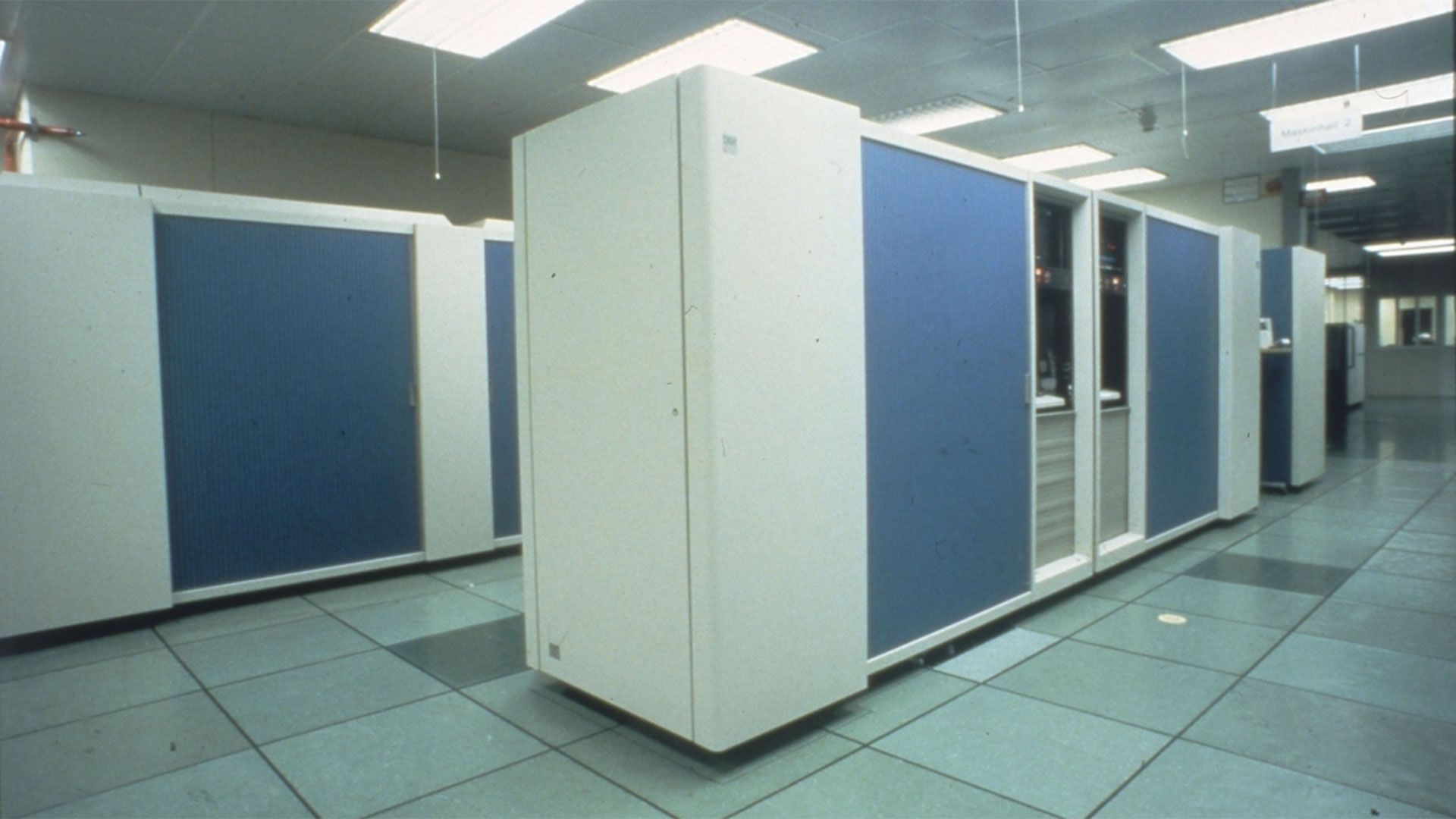
IBM framed the announcement as American tech fighting back against Japan’s increasing domination of the memory market.

IBM framed the announcement as American tech fighting back against Japan’s increasing domination of the memory market.

0

Windows 3.1 on a Modern AM5-Based PC is Surprisingly Usable

Hackaday Windows 3.1 On A Modern AM5-Based PC Is Surprisingly Usable hackaday.com
preview

Crossposted from https://ibbit.at/post/217882

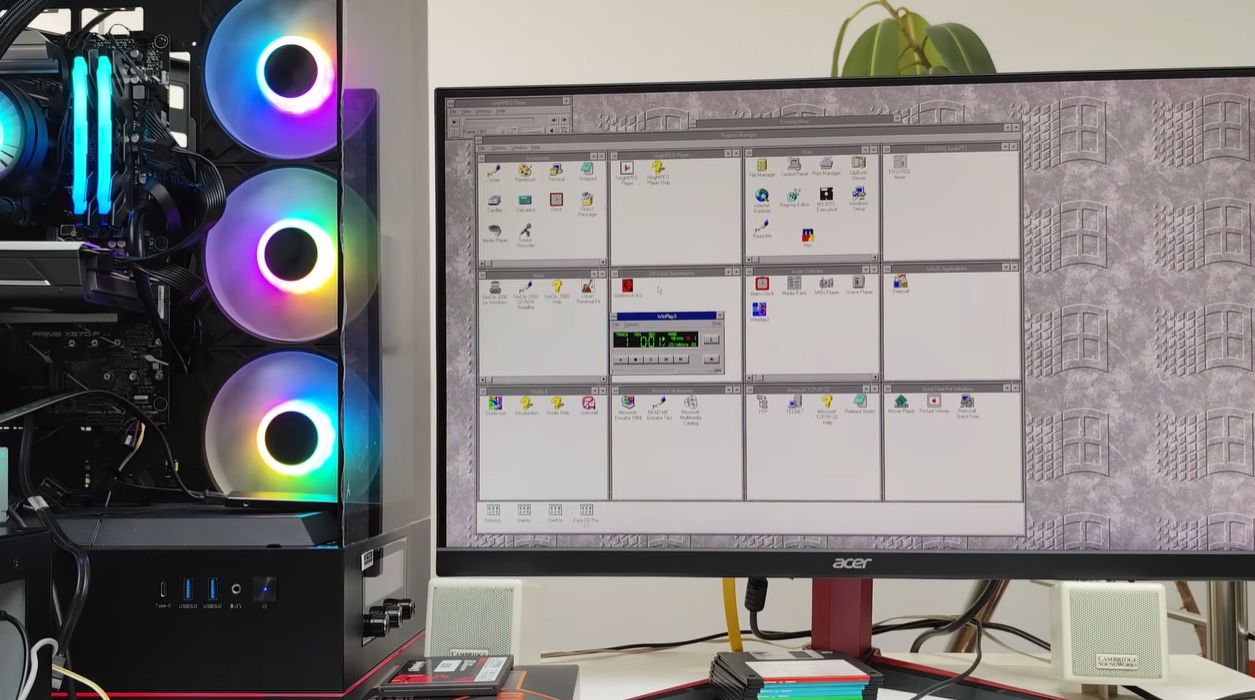
Although Windows 95 stole the show, Windows 3.0 was arguably the first version of Windows that more or less nailed the basic Windows UI concept, with the major 3.1 update being quite recognizable to a modern-day audience. Even better is that you can still install Win3.1 on a modern x86-compatible PC and get some massive improvements along the way, as [Omores] demonstrates in a recent video.

The only real gotcha here is that the AMD AM5 system with Asus Prime X670-P mainboard is one of those boards whose UEFI BIOS still has the ‘classic BIOS’ Compatibility Support Module (CSM) option. With that enabled, Win 3.1 installs without further fuss via a USB floppy drive from a stack of ‘backup’ floppies that someone made in the early 90s. [Omores] also tried it with CSMWrap, but with this USB to PS/2 emulation didn’t work.

Windows 3.1 supports ‘enhanced mode’ by default, which adds virtual memory and multi-tasking if you have an 80386 CPU or better. To fix crashing on boot and having to use ‘standard mode’ instead, the ahcifix.386 fix for the responsible SATA issue by [PluMGMK] should help, or a separate SATA expansion card.

For the video driver the vbesvga.drv by [PluMGMK] was used, to support all VESA BIOS Extensions modes. This driver has improved massively since we last covered it and works great with an RTX 5060 Ti GPU. There’s now even DCI support to enable direct GPU VRAM access for e.g. video playback, with audio also working great with only a few driver-related gotchas.


From Blog – Hackaday via this RSS feed

0

Presenting: SUDO for DOS

Codeberg.org sudo.com codeberg.org
preview

An implementation of sudo for DOS, to run the given command with full privileges. It can be used to edit important system files, run disk partitioning tools, and so on!

An implementation of sudo for DOS, to run the given command with full privileges. It can be used to edit important system files, run disk partitioning tools, and so on!

0

Former Xbox Front Man Major Nelson Just Joined the Company Behind the Commodore 64 Retro Revival

IGN Former Xbox Front Man Major Nelson Just Joined the Company Behind the Commodore 64 Retro Revival - IGN www.ign.com
preview

Former Xbox community chief Larry Hryb, aka Major Nelson, has joined the company behind the Commodore 64 revival as Community Development Advisor after he was laid off from game engine Unity in January.

Commodore reemerged last year after being acquired by Peri Fractic, current CEO and President, and released its first new piece of hardware in more than 30 years, the Commodore 64 Ultimate. IGN loved it, awarding it a 10 in our Commodore 64 Ultimate review. “The Commodore 64 Ultimate lovingly recreates the best-selling personal computer of all time with smart modern tweaks and pixel-perfect 8-bit joy,” we said.

0

When Apple Took Ultra-Portable Too Far... in 1992 [21:27] | Action Retro

play · youtube.com
YouTube Apple's Crazy 1992 Computer-in-a-Computer www.youtube.com
preview

To celebrate MARCHintosh, today we’re restoring a very special Italian-market PowerBook Duo 230.

To celebrate MARCHintosh, today we’re restoring a very special Italian-market PowerBook Duo 230.

0

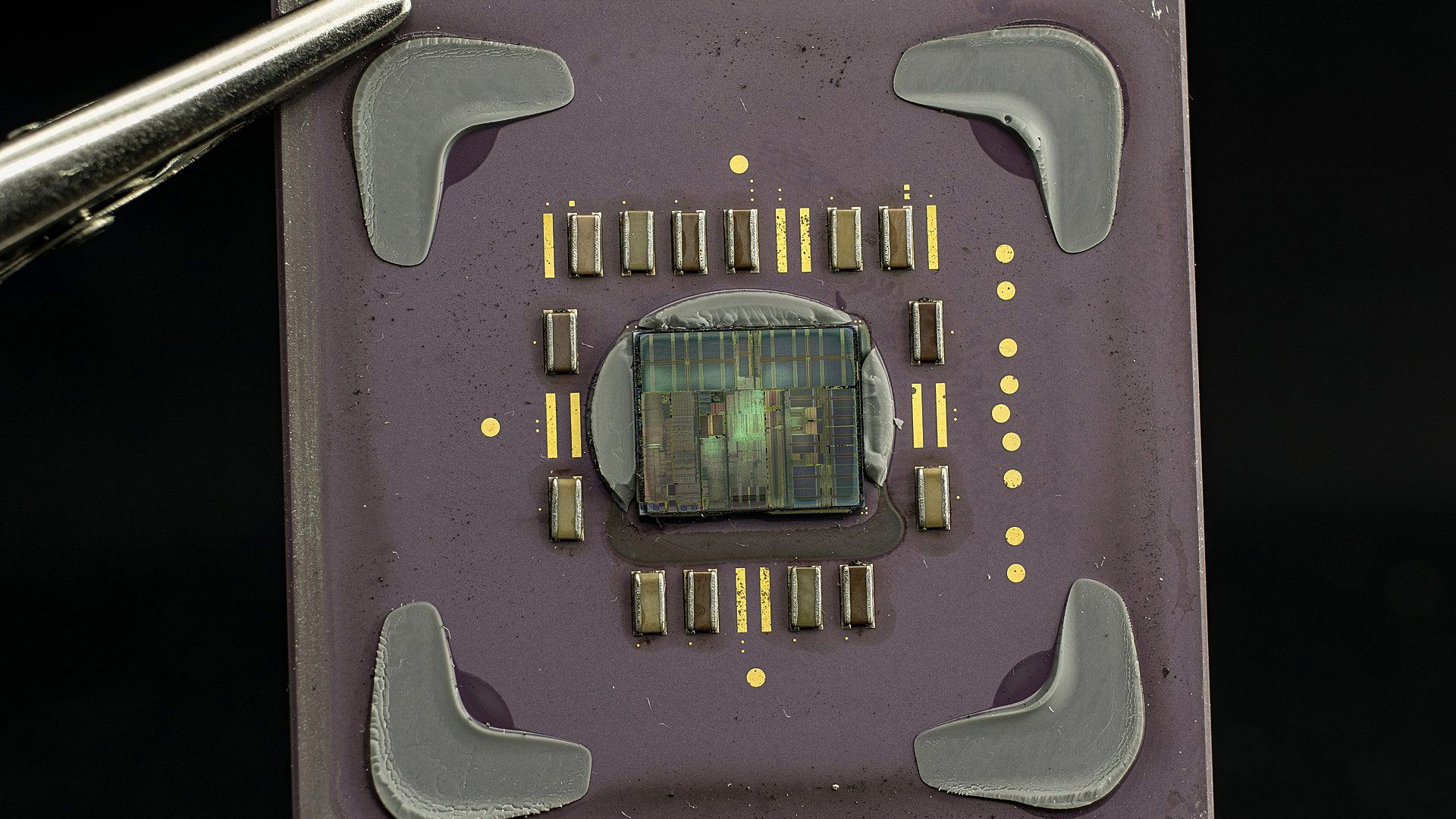
AMD’s K6-III ‘Sharptooth’ debuted this week in 1999 with on-die L2 cache to savage the Intel Pentium II — it also held the line against the Pentium III

Tom's Hardware AMD’s K6-III ‘Sharptooth’ debuted this week in 1999 with on-die L2 cache to savage the Intel Pentium II — it also held the line against the Pentium III www.tomshardware.com
0

PSA: You can use your motherboard's HD Audio for DOS games in Windows 98/ME now thanks to WDMHDA, an HD Audio driver for Windows 98SE / ME

GitHub GitHub - andrew-hoffman/WDMHDA: HD Audio driver for Windows 98SE / ME github.com
preview

(Thanks to /u/O_MORES for posting this elsewhere)

There’s a brand new HD audio driver for Windows 98/Me called WDMHDA.

Since it’s a WDM driver, it will play nice with the Sound Blaster Emulation Layer built into Windows 98/ME (sbemul.sys).

And it actually works. Here’s Windows 98 and this codec tested on a Ryzen 9 PC: https://youtu.be/uhWyH0TsrCc

0

Anyone other young people into Retro Computing?

preview

I feel like I’m kind of alone in this. I was born in 2004 so the two retro computers I tinker with the most (a C64 and a 486 clone) are way older than I am. Are there any other younger retro enthusiasts who never grew up with the hardware but are into it now?

Also this is my first post on Lemmy, so I’m sorry if this is out of place here.

0

“Can my 2001 SPARC server host a website in 2026?” A: yes (if Cloudflare is okay.. yikes)

I'm Hosting a Website on a SPARC Server in My Garage (OpenBSD + Cloudflare Tunnels) rup12.net
preview

TL;DR: .. hosting a website on a 25-year-old Sun Netra X1 SPARC server running OpenBSD 7.8. The setup includes: Noctua fan mods for quiet operation, httpd serving static HTML/CSS, OpenBSD’s pf firewall with default-deny rules, and Cloudflare tunnels to expose it safely without port forwarding. The server pulls ~55MB of RAM and serves pages from my garage. Check it out live at sparc.rup12.net - because why not?

Well, the guy licks Cloudflare’s boots. Fuck that. He doesn’t understand the problem with that. So perhaps the real answer is NO, if he depends on Cloudflare Inc.

0

The Chaplet HALiKAN Lives! Vintage 80s Laptop Restored [20:25] | LGR

play · youtube.com
YouTube Classic Laptop Lives Again! 3D Printed Chaplet Halikan Rebuild www.youtube.com
preview

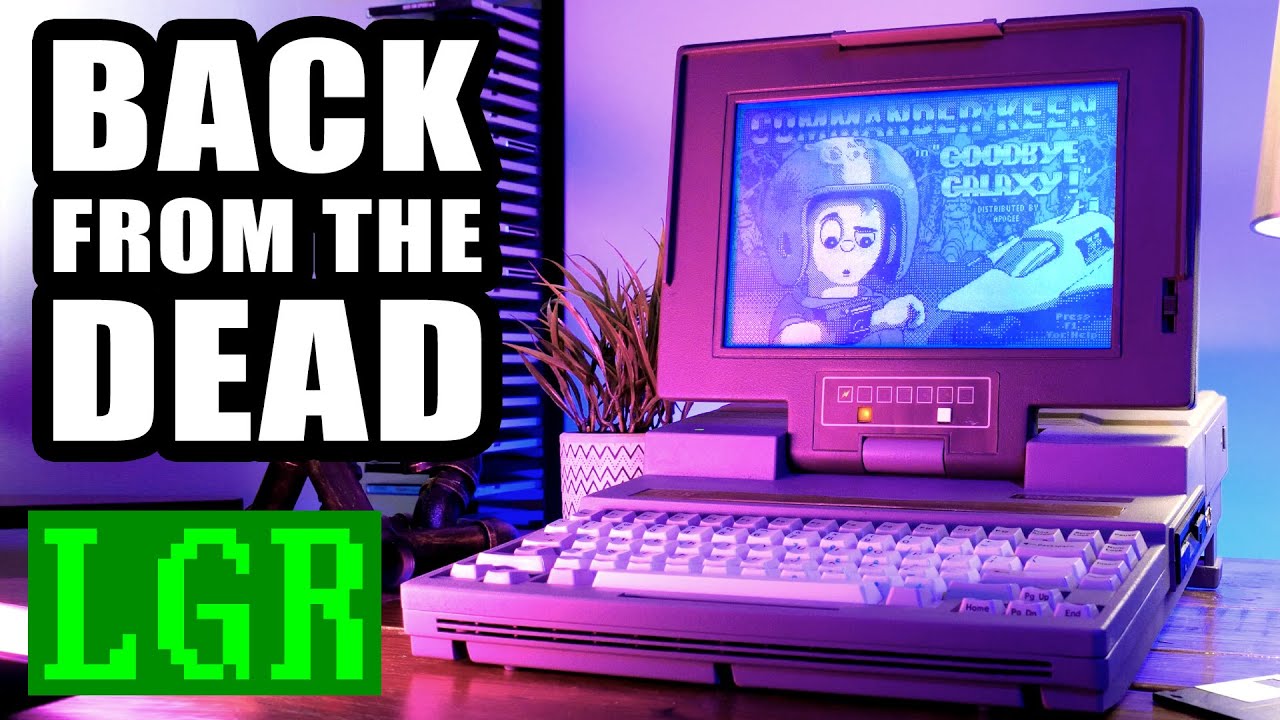
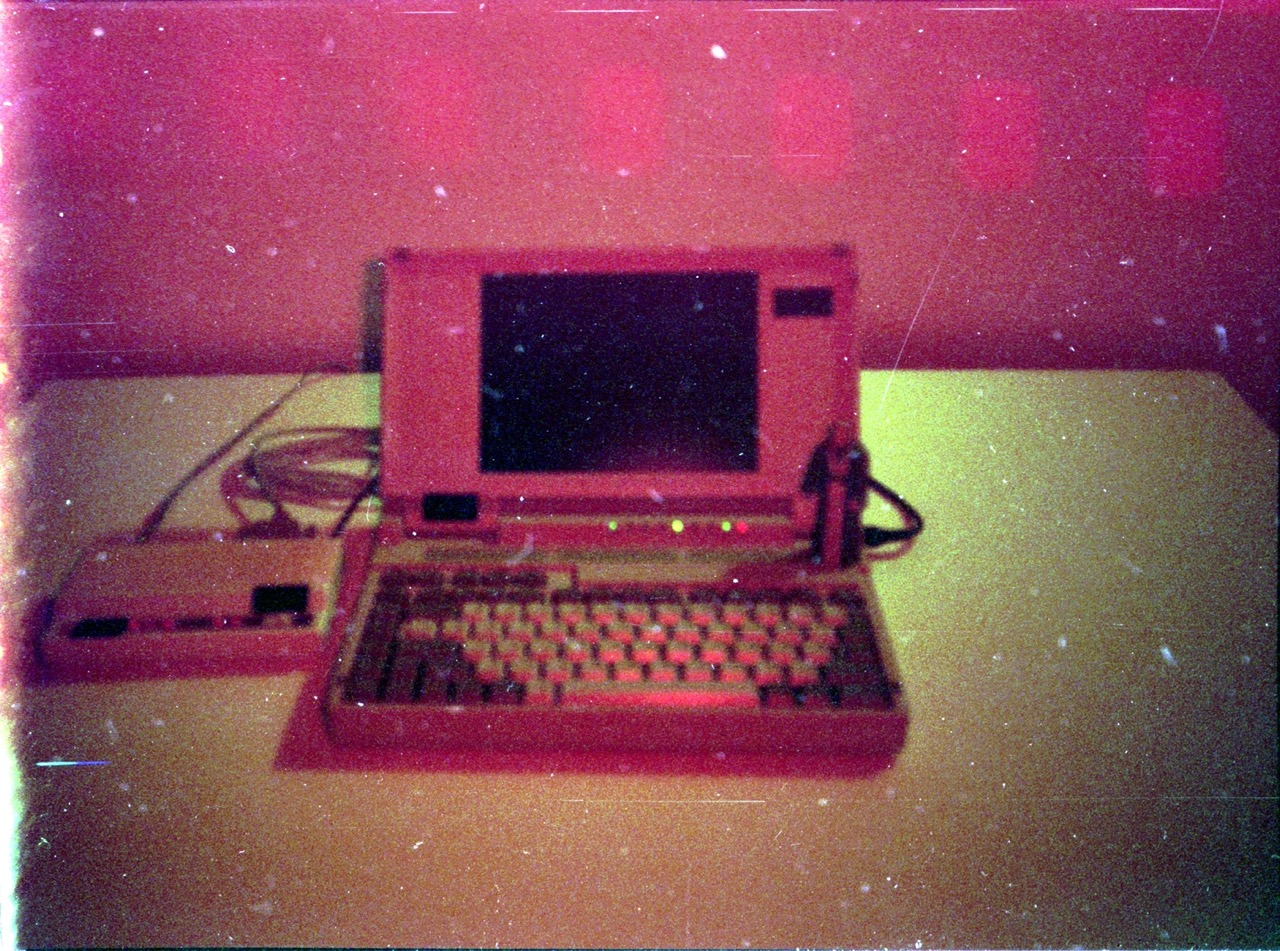
This poor broken mess of an 80s laptop has been rebuilt and it’s better than ever! The rare Chaplet Halikan LA-30A is an interesting machine on its own, but this one’s story of breaking into a thousand pieces and being restored by the talented PolyMatt takes it to another level. His video went into the rebuild process, but this one dives into using the PC itself, its odd quirks, the company behind it, and its small but fascinating place in computer history.

This poor broken mess of an 80s laptop has been rebuilt and it’s better than ever! The rare Chaplet Halikan LA-30A is an interesting machine on its own, but this one’s story of breaking into a thousand pieces and being restored by the talented PolyMatt takes it to another level. His video went into the rebuild process, but this one dives into using the PC itself, its odd quirks, the company behind it, and its small but fascinating place in computer history.

0

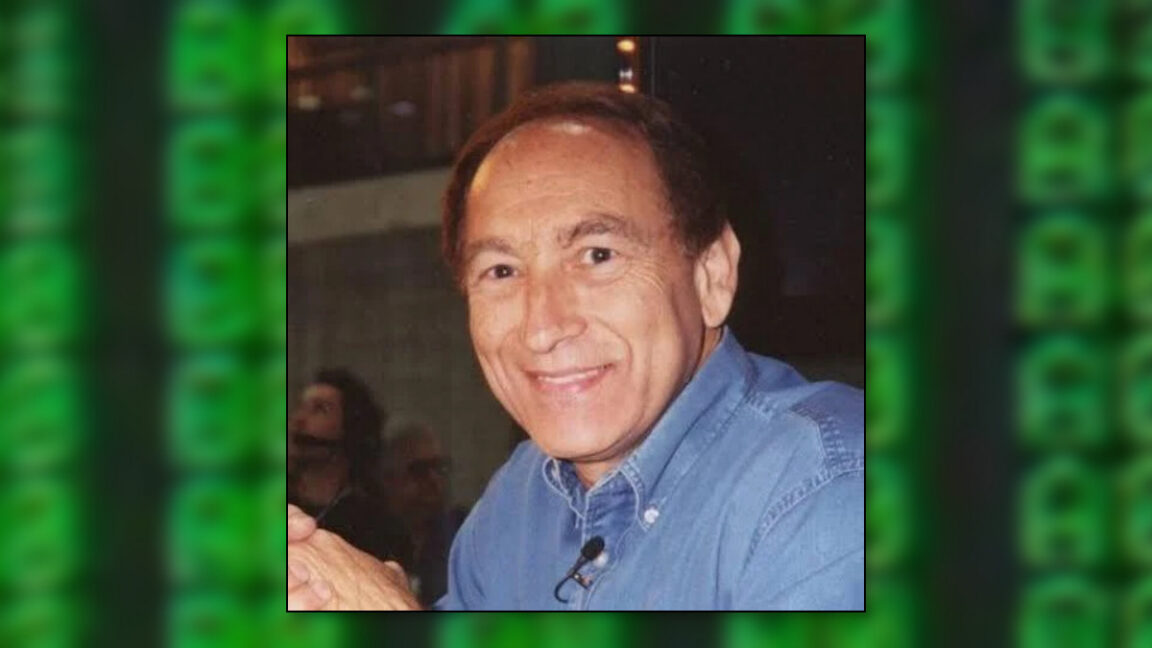
Stewart Cheifet, PBS host of Computer Chronicles who broadcast the PC revolution, dies at 87

Ars Technica Stewart Cheifet, PBS host who chronicled the PC revolution, dies at 87 arstechnica.com
preview

I’m quite late to finding out about this, but it’s quite awful to learn. I was hoping he’d be able to complete his documentary of Gary Kildall, but that may never happen now.

He died on December 28th of last year from the flu.

Rest in peace, Stewart.

I’m quite late to finding out about this, but it’s quite awful to learn. I was hoping he’d be able to complete his documentary of Gary Kildall, but that may never happen now.

He died on December 28th of last year from the flu.

Rest in peace, Stewart.