#transgender

posts tagged #transgender

0

Transgender Woman Defies Kansas's Extreme Bathroom Ban In Act Of Civil Disobedience At State Capitol

Transgender Woman Defies Kansas's Extreme Bathroom Ban In Act Of Civil Disobedience At State Capitol www.erininthemorning.com
preview

cross-posted from: hexbear.net/post/8137444

cross-posted from: news.abolish.capital/post/39745

Topeka Capital Journal

Erin In The Morning is a reader-supported publication. To receive new posts and support my work, consider becoming a subscriber.

Samantha Boucher openly defied the state laws of Kansas when, in the presence of the Governor and the police, she walked into the bathroom in an act of civil disobedience.

Boucher is the founder and executive director of Trans Liberty and a transgender woman. The bathroom was in the Kansas statehouse. The morning was March 31st: the Transgender Day of Visibility.

The police showed her the way. Governor Laura Kelly, who Boucher encountered along the way, accepted a gracious thanks from Boucher. Kelly had tried to veto the bathroom ban bill that Boucher was now defying, but she was overridden by a heavily conservative state legislature.

“I think this would be extremely dangerous for a Kansan to do, but … I’m more than happy to put myself at that risk if it means that somebody else doesn’t have to, because eventually someone would try this,” Boucher told the Topeka Capital-Journal. “I’m really interested to see what the attorney general chooses to do here.”

@topekacapitaljournal

The Topeka Capital-Journal on Instagram: "A transgender activis…

Boucher’s modest protest transpired as the state crackdowns on trans people escalated: banning them from using bathrooms in public buildings that don’t match their sex assigned at birth, instituting a “bounty” to incentivize snitching on trans people who use the “wrong” restroom and institutions that don’t sufficiently sex-check people at the bathroom door, and most notably, revoking transgender people’s driver’s licenses if they don’t match their sex assigned at birth. Those caught with the “wrong” gender on their driver’s license could face criminal charges, making it the most extreme anti-trans ID law in the country.

None of this deterred Boucher. “I commend her for calling attention to state-sanctioned discrimination and for her bravery in challenging those who support such discrimination to put their votes into action,” Rep. Abi Boatman of Kansas’ 86th district in Wichita, told Erin in the Morning.

Boatman is one of a handful of transgender state lawmakers in the country; she is not legally allowed to use the women’s restroom in her own place of work at the Capitol, and she cannot drive to work with an ID that accurately depicts her gender.

Boucher left yesterday a free woman, but Kansas authorities are investigating the matter.

Others are not so lucky. Transgender and cisgender people alike have been caught up in the anti-trans panic—people have been harassed and filmed in the bathroom, accosted by police or security guards, physically assaulted, and arrested after using the restroom, even in states with no such “bathroom ban” on the books.

Some of these instances have been planned protests; others were unsuspecting patrons and private citizens simply using the restroom. That’s because these laws rely on piecemeal enforcement, vigilante bathroom police, self-censorship, and above all, fear.

The political landscape is especially dangerous for Black and brown trans people, who face disproportionate levels of violence and police brutality.

As Boucher approached the restrooms on the second floor, she encountered Governor Laura Kelly, who was attending an unrelated event. Boucher told the Governor what she was about to do.

“In regard to SB 244, I will use the restroom 3 times, triggering a misdemeanor,” Boucher said. “I appreciate your veto.”

Kelly commended her—and apologized. “I am very sorry that you and others have been put in this situation,” Kelly said.

According to the law, Boucher could face criminal charges as well as a $1,000 civil penalty.

Boucher was the first openly trans federal campaign manager, as per her social media. In 2019, she oversaw Democratic candidate Kimberly Graham’s Senate campaign in Iowa ahead of the June primaries. She is the founder and executive director of Trans Liberty, a trans equality PAC.

“What I hope to have accomplished here, and in whatever I become embroiled in as a result, is making sure that the nation doesn’t forget that this is happening here,” Boucher said as per local press reports. “This is unprecedented, and it cannot be allowed to stand.”

Erin In The Morning is a reader-supported publication. To receive new posts and support my work, consider becoming a subscriber.


From Erin In The Morning via This RSS Feed.

0

Romanian Court Forces State To Recognize Trans Man's Identity In Historic Ruling

Romanian Court Forces State To Recognize Trans Man's Identity In Historic Ruling www.erininthemorning.com
preview

cross-posted from: hexbear.net/post/8129913

cross-posted from: news.abolish.capital/post/39411

Arian Mirzarafie-Ahi alături de avocata sa, Iustina Ionescu

ACCEPT Romania

Erin In The Morning is a reader-supported publication. To receive new posts and support my work, consider becoming a subscriber.

On Transgender Day of Visibility, a Romanian appellate court ordered the government to recognize a transgender man’s gender identity on state documents—the first known court enforcement of a landmark 2024 ruling by the Court of Justice of the European Union. That ruling requires all member states to recognize legal gender changes obtained elsewhere in the bloc. The Bucharest Tribunal’s decision is final and cannot be appealed. While the ruling directly applies only to transgender people who obtained gender recognition documents in another EU country, it sets a significant precedent in a nation that ranks dead last among all 27 EU member states on LGBTQ+ rights, according to ILGA-Europe’s 2025 Rainbow Map.

The case centers on Arian Mirzarafie-Ahi, a transgender man with dual British and Romanian citizenship who was born in Romania and moved to the United Kingdom in 2008. Arian began his transition in the UK in 2016 and obtained a gender recognition certificate in 2020, while the UK was still treated as an EU member state during the Brexit transition period. Romania’s own gender recognition procedure was not a viable option—the European Court of Human Rights found in 2021 that the country had no “clear and foreseeable” framework for gender recognition and had forced transgender people into an “impossible dilemma” by requiring surgery that was either unwanted or unavailable domestically. ACCEPT Romania estimates fewer than 50 people have successfully changed their civil status documents in the country in the last 20 years.

When Arian attempted to register his UK gender change with Romanian authorities in 2021, they refused. He sued. The Romanian court sent the legal question to the Court of Justice of the European Union (CJEU) for a binding interpretation, and in October 2024, the CJEU ruled that Romania’s refusal violated EU law—holding that “gender, like a first name, is a fundamental element of personal identity” and that forcing a citizen to carry conflicting identities across member states was an illegal barrier to free movement.

Even after the CJEU’s ruling, Romania resisted. When the case returned to domestic courts, three government agencies—the Cluj Personal Records Directorate, the Civil Status Service, and the General Directorate for Personal Records—appealed a lower court’s order to comply. The Bucharest Tribunal rejected all three appeals on March 31, making the order final: Romania must recognize gender changes from other EU member nations.

“The legal process we accompanied Arian through over the past several years has, at last, reached a conclusion that does him justice. More than a personal victory, the ruling confirmed by the Bucharest Tribunal is a major step toward respecting the rights of all transgender people in Romania,” said lawyer Iustina Ionescu in a press release by ACCEPT Romania. “Romanians who have obtained a final gender recognition decision in another member state will no longer need to go through Romania’s arduous procedure. We call on the Ministry of Internal Affairs and the Ministry of Justice to adopt a clear, fast, and accessible procedure for changing documents for all Romanian transgender citizens—regardless of whether they have lived in other EU member states—as the European Court of Human Rights has required since 2021 in X and Y v. Romania.” (Translated from Romanian.)

The ruling has significance well beyond Romania. Because the underlying CJEU decision is binding on all 27 EU member states, the Romanian court’s enforcement serves as a practical test case for how the principle will be applied across the bloc. ILGA-Europe’s Senior Strategic Litigation Advisor Marie-Hélène Ludwig called the decision “a victory for the many trans people in the EU who are still refused identity documents matching their gender identity and are forced to live with different identities when crossing borders,” adding that since “Romania has resisted implementing the CJEU ruling in the Coman case for eight years, it is particularly important to see a Romanian court giving practical effects to a CJEU ruling.” The organization said it is now monitoring implementation in other EU countries. Three member states—Hungary, Bulgaria, and Slovakia—have effectively banned legal gender recognition entirely through laws, court decisions, or constitutional amendments, all of which now run contrary to the CJEU’s evolving jurisprudence.

The ruling does have significant limitations. It applies only to transgender people who obtained legal gender recognition in another EU member state—it does not help trans Romanians who have never left the country and remain trapped in Romania’s domestic procedure, which the European Court of Human Rights condemned in 2021 but which remains unchanged. As the Reuters noted in its analysis of the underlying CJEU decision, “as the litigation in this case was focused on freedom of movement rights, it means the process for Romanian citizens seeking to change legal gender remains unchanged.” Ionescu’s statement directly addressed this gap, calling on the Romanian government to create a procedure for all transgender citizens “regardless of whether they have lived in other EU member states.” ACCEPT has already begun distributing template legal forms for other trans people with cross-border documents to file their own requests.

Erin In The Morning is a reader-supported publication. To receive new posts and support my work, consider becoming a subscriber.


From Erin In The Morning via This RSS Feed.

0

Is it immoral for me to ask for funds for at least DIY HRT?

preview

cross-posted from: lemmygrad.ml/post/11165143

I’m trying to make sure I am doing this all correctly.

Maybe it should be exclusively DIY and not through official channels, which may be more expensive, right?

I am aiming to start HRT by the end of April.

I don’t know any DIY channels in Virginia or what the cheapest ones are.

I also want to save money for laser and electrolysis. I am sure there are places in Virginia that give it.

I was going to get funds (about $40 in total) for a pepper spray can to defend myself with and some OTC meds for my gastrointestinal health, but eh, I was told recently that I should stop that so I did.

What if it’s something a bit more pressing like where I will get my estradiol from? Is that good enough or nah?

0

In Morocco but will return to Virginia. Any DIY HRT services that may come in handy I should know about?

preview

cross-posted from: lemmygrad.ml/post/11110393

I don’t know when I am going to start HRT exactly immediately when I come back. I am in a trans group therapy, erm, group. I have done about 10 sessions so far.

I wanted to do HRT by the end of 2026. A friend in Oklahoma wants me to start now and seems a bit insistent about it, which makes me uneasy because I want it to be solely my choice, and I don’t want to feel like I’m pressed into it. Frankly, I do want to not just do DIY, but also through “official” channels. Also, I don’t know if I will use a syringe, but idk. Maybe I will take a pill instead or use gel, idk. A pill would be ideal but it’s apparently not as strong or not as effective. So, of course, I should get used to the idea of syringes (even though I hate syringes along with surgery and, well, anything related to “body horror”).

I came out to my Mom (for the third time, mind you) and she seemed a lot more supportive of it each time.

My two brothers don’t know, including one who is in particular very rightwing and racist (he has pale skin, I have brown skin). I might get a pepper spray can and attach it to a keychain, just in case, which I am afraid might escalate things but I also need something to defend myself with against two people that are stronger than me, if or when I inevitably cross them. So, uh, yeah, we’ll see what happens.

I might have to cut ties with the other half of my family now (Mom’s side). Ties with my Dad’s side have been largely cut off since the divorce, good riddance (Dad was or is an abuser and my two siblings are loyal to him). Might have to say goodbye to my Babanne since she won’t understand either, I think.

Anything else I should know before I start? The LGBTQ+ community in Virginia is hella small, divided, and, honestly, a bit confused politically. So yeah, my possible circle of friends will probably shrink by, well, a lot.

Ah well. It is what it is.

If you have any resources on DIY in Virginia that I may miss or might be obscure, let me know! Cheers!

0

Now Safe in Canada but My Trans Refugee Family Still Needs Help

preview

cross-posted from: hexbear.net/post/7971854

cross-posted from: hexbear.net/post/7971853

cross-posted from: hexbear.net/post/7967513

Hi family,

Some of you remember me from when I used to post here for mutual aid. I wanted to come back and share an update and also ask for support again.

For the past 5 years I was under UNHCR protection moving through different refugee camps. I lived in Kakuma Refugee Camp in Kenya and later in Gorom Refugee Camp in South Sudan. Life there was extremely difficult. Many of us faced violence, police brutality, discrimination and constant insecurity. Those years were some of the hardest in my entire life.

Eventually my case was processed through UNHCR and the Canadian embassy and I was given the opportunity to resettle in Canada. I’m now here and safe which I’m deeply grateful for. However adjusting has not been easy. The weather, environment and everything changing including leaving my queer family in danger so suddenly has been emotionally overwhelming. I’m still trying to find my footing.

Before coming to Canada, I had a GoFundMe that many of you supported. The funds from that campaign were not just helping me, they were also helping some of my fellow refugees and the sisters I lived with in the South Sudan . Unfortunately the GoFundMe was closed while I was traveling and settling here due some circumstances.

The people I left behind are still struggling deeply. One of them is a 16 year old trans who is HIV positive and was also a beneficiary of the support we were raising. Right now they are facing rent deadlines and have very little food. Knowing this has been weighing heavily on me. A GoFundMe was started for Them and it will be help a few of others they stay with.

They need upto 850 in rent which as a new immigrant in Canada can’t afford.

I’m coming back to this community because I know many of you care about refugees and queer people who are still stuck in dangerous situations.

If anyone is able to support in any way even something small it would go directly toward helping them cover rent and food while they continue trying to stay safe.

Please consider supporting my queer family through the link in my Bio/ profile

Thank you for reading,remembering me and always showing compassion to people who have so little support in the world.

With pleasure, CyaraKaira

0

Federal Judge Rules Aetna's Blanket Denial Of Facial Surgery For Trans Women Is Sex Discrimination

Federal Judge Rules Aetna's Blanket Denial Of Facial Surgery For Trans Women Is Sex Discrimination www.erininthemorning.com
preview

cross-posted from: hexbear.net/post/7905990

cross-posted from: news.abolish.capital/post/34015

Aetna Office Bldg II | Aetna is one of the many companies wi… | Flickr

Montgomery County Planning Commission // Creative Commons

Erin In The Morning is a reader-supported publication. To receive new posts and support my work, consider becoming a subscriber.

On Sunday, a federal judge ruled that Aetna’s categorical denial of facial feminization surgery for transgender women constitutes sex discrimination under the Affordable Care Act. The landmark ruling, handed down in the U.S. District Court for the District of Connecticut, is believed to be the first federal court order requiring a major private insurer to make individualized coverage determinations for gender-affirming facial surgery rather than automatically rejecting every claim as “cosmetic.” The case was brought by six transgender women who sought coverage for facial feminization surgery to treat severe gender dysphoria but were denied under Aetna’s Clinical Policy Bulletin 0615, which categorically excludes all gender-affirming facial procedures from coverage. Though the preliminary injunction applies to only two of the six plaintiffs, the class action is pending, and the court’s legal reasoning will serve as a powerful precedent for transgender women denied facial surgery coverage nationwide.

“To be clear, the issue is not whether Aetna’s policy exclusion prohibits this type of gender-affirming care, but rather that Aetna’s policy exclusion prohibits only transgender individuals, the only individuals who can experience gender dysphoria, from receiving this type of gender-affirming care. Thus, when Aetna decided that facial gender-affirming procedures “performed as a component of a gender transition [were] not medically necessary and cosmetic,” Aetna prohibited only transgender individuals from seeking this medical care, and thus discriminated on the basis of sex,” wrote Judge Bolden in his ruling.

The ruling was made on behalf of two patients, Dr. Jamie Homnick and Dr. Gennifer Herley, both transgender women seeking gender-affirming facial surgery. Both reported severe depression, suicidality, and intensifying gender dysphoria related to facial masculinization—the result of not having access to puberty blockers or hormone therapy early in life. Both were denied categorically under CPB 0615, which does not evaluate requests for gender-affirming facial surgery on the basis of medical necessity but instead denies them altogether, regardless of a patient’s individual medical circumstances or whether their treating physicians have deemed the procedures medically necessary.

The court leaned on the Supreme Court’s decision in Bostock v. Clayton County and Title IX, as incorporated into Section 1557 of the Affordable Care Act, to find that Aetna’s exclusion constitutes sex discrimination. The court reasoned that to deny a facial surgery claim under CPB 0615, Aetna must first determine whether the patient is transgender—which necessarily requires considering their sex assigned at birth. If a person assigned male at birth seeks facial reconstruction to treat a congenital condition or traumatic injury, Aetna evaluates the claim for medical necessity. If that same person seeks the same procedures to treat gender dysphoria, Aetna denies it automatically. Change the reason for the surgery—which is inextricable from the patient’s sex assigned at birth—and the coverage determination changes. That, the court held, is textbook sex discrimination. Notably, the court also addressed the Supreme Court’s ruling in United States v. Skrmetti, which upheld state bans on gender-affirming care for minors under the Equal Protection Clause, finding that it did not disturb Bostock’s application to insurance discrimination claims under the ACA.

Gender-affirming facial surgery can be a critical part of a transgender person’s care. A UCLA study published in the Annals of Surgery found that transgender patients who received facial feminization surgery reported significantly better outcomes across several measures of psychosocial health, including reduced anxiety, depression, and social isolation. The World Professional Association for Transgender Health recognizes FFS as medically necessary for many transgender women. Some states, including Colorado, Washington, and Oregon, explicitly prohibit insurers from categorically excluding facial feminization surgery and require that claims be evaluated on a case-by-case basis for medical necessity. Most states, however, leave it up to individual insurers—and many, like Aetna, have maintained blanket exclusions. This ruling may change that calculus, giving transgender women denied coverage a legal framework to challenge categorical exclusions nationwide.

Though the ruling applies to only two patients for now, the plaintiffs are seeking class certification, which could broadly impact every transgender woman on an Aetna plan who has been denied coverage for facial surgery. Members of the same legal team—Advocates for Trans Equality, Wardenski PC, and Cohen Milstein—successfully challenged Aetna’s categorical exclusion of breast augmentation for transgender women in 2021, resulting in a settlement that changed the insurer’s general policy. If this case follows the same trajectory, it could force Aetna to add facial feminization surgery to its list of potentially covered gender-affirming procedures. More broadly, the court’s holding that categorical exclusions of gender-affirming facial surgery constitute sex discrimination under the Affordable Care Act gives transgender women across the country a legal framework to challenge similar denials from other insurers.

You can see the full decision here:

Gordon Order Granting Pi Denying Mtd

419KB ∙ PDF file

Download

Download

Erin In The Morning is a reader-supported publication. To receive new posts and support my work, consider becoming a subscriber.


From Erin In The Morning via This RSS Feed.

0

San José State University Sues Trump Admin Over Anti-Trans Threats—Refusing to Capitulate

San José State University Sues Trump Admin Over Anti-Trans Threats—Refusing to Capitulate www.erininthemorning.com
preview

cross-posted from: hexbear.net/post/7905996

cross-posted from: news.abolish.capital/post/34033

Your Guide to San Jose State University

San Jose State University // California.com

Erin In The Morning is a reader-supported publication. To receive new posts and support my work, consider becoming a subscriber.

San José State University in California has filed a scathing lawsuit against the Trump Administration’s Department of Education, rejecting the regime’s attempts to use the crisis it manufactured over transgender athletes as a vessel for even more repressive and consequential anti-LGBTQ crackdowns.

San José State, a college about an hour’s drive south of San Francisco, became a flashpoint of the right’s obsession with trans youth after a student athlete was outed on the national stage. The Trump regime investigated SJSU for supposed civil rights violations, arguing that the athlete’s mere presence on the team infringed on the rights of the other women and Title IX.

The “resolution” proposed by the Department’s Office of Civil Rights (OCR) would have the university ban trans women from women’s sports teams, bathrooms, locker rooms, and dorm rooms, in violation of state law; strip trans women of their athletic medals and honors; issue apology letters to any presumed-cisgender woman who competed with a trans athlete; and adopt the GOP’s definition of “sex” in every aspect of campus life going ahead. If they don’t comply, they could lose federal funding.

Instead, San José State went on the offense. They’re suing.

Federal agencies have cajoled countless institutions of higher education into some form of capitulation since the beginning of Trump’s renewed term. UPenn, Brown, Northwestern and other elite colleges have made bargains sacrificing anything from trans athletes to life-saving care for trans youth to preserve their federal funding.

In SJSU’s lawsuit, filed late last week, the university emphasized it would follow all applicable laws, but that the law is not the basis of Trump’s investigation; transphobia is.

According to Iris, a San José State graduate student and president of the student-led campus group Trans Talk, the unapologetic lawsuit represents much-needed support for trans students—especially at a time when other universities are bending the knee to Trump’s anti-trans agenda.

“Appeasement doesn’t work,” Iris told Erin in the Morning. *“*They just come back for more. So standing up now is really important.”

(Iris requested her last name be omitted due to safety and privacy concerns.)

The lawsuit itself challenges Trump’s anti-trans threats on the grounds that it constitutes government overreach, that it violates the Administrative Procedure Act, and that it is downright unconstitutional. It attempts to retroactively punish SJSU over Trumpian policies it did not break, in part because the supposed violations pre-date the President’s current term.

In fact, San José State was not just permitted to, but legally obligated to follow trans inclusive policies.

“[T]here is no question that SJSU’s conduct was required by Ninth Circuit law and the federal government’s own guidance at the time,” the complaint reads. California also retains some of the strongest equal rights laws in the country for transgender Americans. Therefore, Trump’s threat to hold critical funding hostage over trans athletes is “not because SJSU violated the law,” the complaint reads, “but because SJSU followed the law.”

Yet the goal posts keep moving, and the Department of Education is threatening to pull funding from any college or university that doesn’t adhere—at times, retroactively—to its contortion of Title IX. Its “proposal” seeks to force the school to redefine “sex,” and Title IX itself, based on unscientific, arbitrary, and politically-charged rhetoric:

An excerpt from the proposal by the Department of Education, which SJSU rejected.

This proposal would target trans people “in all practices, policies and procedures” at the university. This includes “intimate facilities, such as locker rooms, bathrooms, student housing, and overnight accommodations,” which would have to be divided “strictly on the basis of sex,” the proposal says.

Proposed settlement agreement rejected by SJSU

In response, the lawsuit takes a bold stance in challenging the very premises of Trump’s anti-trans crusade, pulling back the curtain on the right-wing smear campaign against trans people. In this case, for example, anti-trans activists pearl-clutched about the necessity of separating teams by “sex” on the basis of “safety,” positioning women as so much weaker than men that their mere co-presence on the court is a physical danger.

In reality, the men’s and women’s teams often play against each other for practice at SJSU and other colleges, the complaint says. Like many of these high-profile clashes over trans athletes, the issue was never gender parity or sex separation. It was always about pushing the needle further and further to the right and sequestering trans people from public life.

This lawsuit comes after over a year of legal back-and-forth, culminating in the OCR’s “Proposed Resolution Agreement,” which—among other provisions—requires SJSU to publicly agree that it violated Title IX, discriminate against trans athletes moving ahead, rebuke trans-inclusive language, and send out apology letters to presumed-cisgender athletes expressing “remorse” for welcoming trans student athletes.

It’s the same playbook federal officials used at the University of Pennsylvania against champion swimmer Lia Thomas, who is trans, and whose fifth-place tie at a swim meet led to the anti-trans activism career of Riley Gaines.

Among other infringements, SJSU argues this is a brazen violation of the Constitutional right to free speech.

“The First Amendment forbids such compelled speech, except when it survives strict scrutiny,” the lawsuit reads. Trump’s proposal demands that SJSU “express[es] certain sentiments, like remorse” with “particular individuals of the government’s choosing […] in the way the government wants.”

In a statement to the press, the California State University system, which oversees SJSU, made clear its commitment to standing up for its students. “The federal government may not punish the CSU for conduct that complied with binding federal law and the government’s own guidance at the time,” it reads.

“Therefore, the CSU will not agree to accept the terms of the Proposed Resolution Agreement,” it continued. “The CSU remains unwavering in its commitment to fostering an inclusive, respectful, and safe environment for all students, faculty, and staff—including members of our LGBTQ+ community.”

Erin In The Morning is a reader-supported publication. To receive new posts and support my work, consider becoming a subscriber.

Editors Note: Erin Reed, who owns and runs Erin In The Morning but did not write this piece, recently took a paid speaking engagement at SJSU.


From Erin In The Morning via This RSS Feed.

cross-posted from: hexbear.net/post/7905996

cross-posted from: news.abolish.capital/post/34033

Your Guide to San Jose State University

San Jose State University // California.com

Erin In The Morning is a reader-supported publication. To receive new posts and support my work, consider becoming a subscriber.

San José State University in California has filed a scathing lawsuit against the Trump Administration’s Department of Education, rejecting the regime’s attempts to use the crisis it manufactured over transgender athletes as a vessel for even more repressive and consequential anti-LGBTQ crackdowns.

San José State, a college about an hour’s drive south of San Francisco, became a flashpoint of the right’s obsession with trans youth after a student athlete was outed on the national stage. The Trump regime investigated SJSU for supposed civil rights violations, arguing that the athlete’s mere presence on the team infringed on the rights of the other women and Title IX.

The “resolution” proposed by the Department’s Office of Civil Rights (OCR) would have the university ban trans women from women’s sports teams, bathrooms, locker rooms, and dorm rooms, in violation of state law; strip trans women of their athletic medals and honors; issue apology letters to any presumed-cisgender woman who competed with a trans athlete; and adopt the GOP’s definition of “sex” in every aspect of campus life going ahead. If they don’t comply, they could lose federal funding.

Instead, San José State went on the offense. They’re suing.

Federal agencies have cajoled countless institutions of higher education into some form of capitulation since the beginning of Trump’s renewed term. UPenn, Brown, Northwestern and other elite colleges have made bargains sacrificing anything from trans athletes to life-saving care for trans youth to preserve their federal funding.

In SJSU’s lawsuit, filed late last week, the university emphasized it would follow all applicable laws, but that the law is not the basis of Trump’s investigation; transphobia is.

According to Iris, a San José State graduate student and president of the student-led campus group Trans Talk, the unapologetic lawsuit represents much-needed support for trans students—especially at a time when other universities are bending the knee to Trump’s anti-trans agenda.

“Appeasement doesn’t work,” Iris told Erin in the Morning. *“*They just come back for more. So standing up now is really important.”

(Iris requested her last name be omitted due to safety and privacy concerns.)

The lawsuit itself challenges Trump’s anti-trans threats on the grounds that it constitutes government overreach, that it violates the Administrative Procedure Act, and that it is downright unconstitutional. It attempts to retroactively punish SJSU over Trumpian policies it did not break, in part because the supposed violations pre-date the President’s current term.

In fact, San José State was not just permitted to, but legally obligated to follow trans inclusive policies.

“[T]here is no question that SJSU’s conduct was required by Ninth Circuit law and the federal government’s own guidance at the time,” the complaint reads. California also retains some of the strongest equal rights laws in the country for transgender Americans. Therefore, Trump’s threat to hold critical funding hostage over trans athletes is “not because SJSU violated the law,” the complaint reads, “but because SJSU followed the law.”

Yet the goal posts keep moving, and the Department of Education is threatening to pull funding from any college or university that doesn’t adhere—at times, retroactively—to its contortion of Title IX. Its “proposal” seeks to force the school to redefine “sex,” and Title IX itself, based on unscientific, arbitrary, and politically-charged rhetoric:

An excerpt from the proposal by the Department of Education, which SJSU rejected.

This proposal would target trans people “in all practices, policies and procedures” at the university. This includes “intimate facilities, such as locker rooms, bathrooms, student housing, and overnight accommodations,” which would have to be divided “strictly on the basis of sex,” the proposal says.

Proposed settlement agreement rejected by SJSU

In response, the lawsuit takes a bold stance in challenging the very premises of Trump’s anti-trans crusade, pulling back the curtain on the right-wing smear campaign against trans people. In this case, for example, anti-trans activists pearl-clutched about the necessity of separating teams by “sex” on the basis of “safety,” positioning women as so much weaker than men that their mere co-presence on the court is a physical danger.

In reality, the men’s and women’s teams often play against each other for practice at SJSU and other colleges, the complaint says. Like many of these high-profile clashes over trans athletes, the issue was never gender parity or sex separation. It was always about pushing the needle further and further to the right and sequestering trans people from public life.

This lawsuit comes after over a year of legal back-and-forth, culminating in the OCR’s “Proposed Resolution Agreement,” which—among other provisions—requires SJSU to publicly agree that it violated Title IX, discriminate against trans athletes moving ahead, rebuke trans-inclusive language, and send out apology letters to presumed-cisgender athletes expressing “remorse” for welcoming trans student athletes.

It’s the same playbook federal officials used at the University of Pennsylvania against champion swimmer Lia Thomas, who is trans, and whose fifth-place tie at a swim meet led to the anti-trans activism career of Riley Gaines.

Among other infringements, SJSU argues this is a brazen violation of the Constitutional right to free speech.

“The First Amendment forbids such compelled speech, except when it survives strict scrutiny,” the lawsuit reads. Trump’s proposal demands that SJSU “express[es] certain sentiments, like remorse” with “particular individuals of the government’s choosing […] in the way the government wants.”

In a statement to the press, the California State University system, which oversees SJSU, made clear its commitment to standing up for its students. “The federal government may not punish the CSU for conduct that complied with binding federal law and the government’s own guidance at the time,” it reads.

“Therefore, the CSU will not agree to accept the terms of the Proposed Resolution Agreement,” it continued. “The CSU remains unwavering in its commitment to fostering an inclusive, respectful, and safe environment for all students, faculty, and staff—including members of our LGBTQ+ community.”

Erin In The Morning is a reader-supported publication. To receive new posts and support my work, consider becoming a subscriber.

Editors Note: Erin Reed, who owns and runs Erin In The Morning but did not write this piece, recently took a paid speaking engagement at SJSU.


From Erin In The Morning via This RSS Feed.

0

Stuck in Kerala with nothing but my phone and my truth. My family says I'm a 'demon' and the news is so scary... how do I survive as a 24yo trans girl? 🥺🏳️‍⚧️

preview

Click that youtube video link and watch my video to know what happened, guys 🥹🏵️🫂 It’s only around 2 minutes long 🥹🌼

Click that youtube video link and watch my video to know what happened, guys 🥹🏵️🫂 It’s only around 2 minutes long 🥹🌼

0

It's beautifully raining outside and I just can't go out there and play 😭 (24yo trans girl 🏳️‍⚧️)

preview

Click that youtube video link and watch my video to know what happened, guys 🥹🏵️🫂 It’s only around 2 minutes long 🥹🌼

Click that youtube video link and watch my video to know what happened, guys 🥹🏵️🫂 It’s only around 2 minutes long 🥹🌼

0

Kansas Sends Letters To Trans People Demanding The Immediate Surrender Of Drivers Licenses

Kansas Sends Letters To Trans People Demanding The Immediate Surrender Of Drivers Licenses www.erininthemorning.com
preview

cross-posted from: news.abolish.capital/post/31110

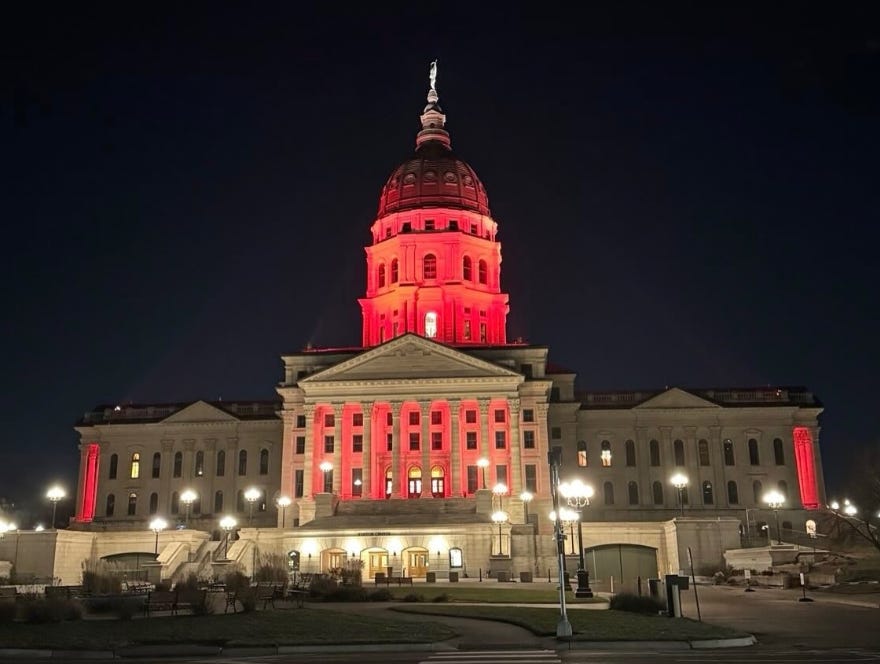
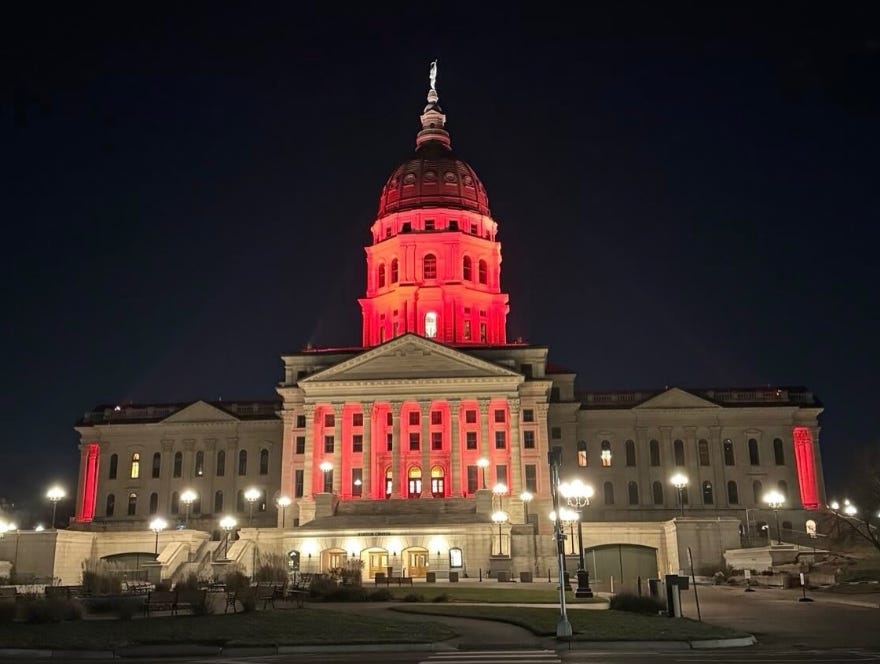
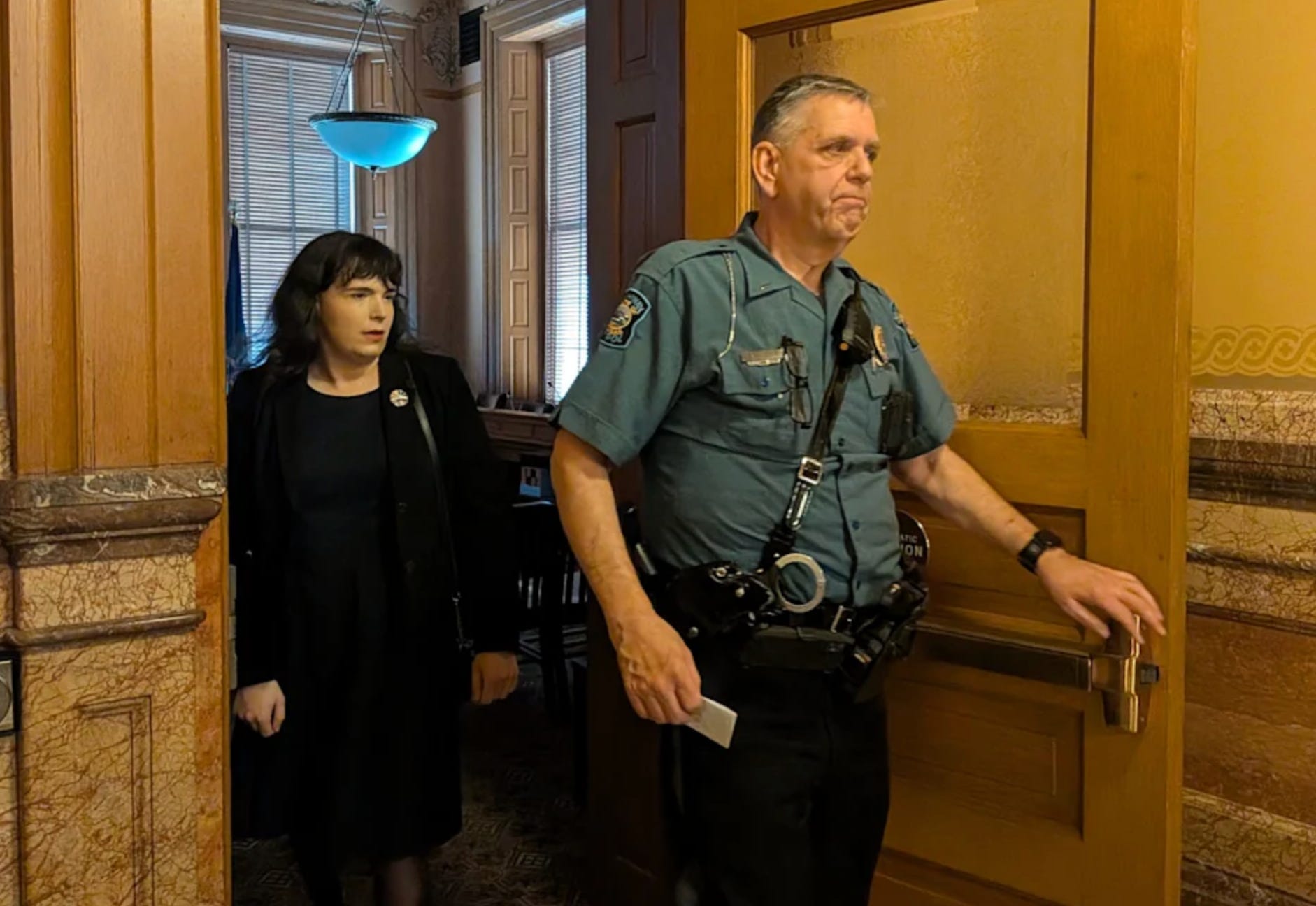
Kansas Sate Capitol // farzinvousoughian

Erin In The Morning is a reader-supported publication. To receive new posts and support my work, consider becoming a subscriber.

Today, transgender people across Kansas are reporting receiving letters from the Kansas Division of Vehicles stating that they must surrender their driver’s licenses and that their current credentials will be considered invalid upon the law’s publication in the Kansas Register on Thursday. Should any transgender person be caught driving without a valid license, they could face a class B misdemeanor carrying up to six months in jail and a $1,000 fine. Kansas already requires county jails to house inmates according to sex assigned at birth. The letter, obtained by Erin in the Morning, marks one of the most significant erosions of transgender civil rights in the United States to date.

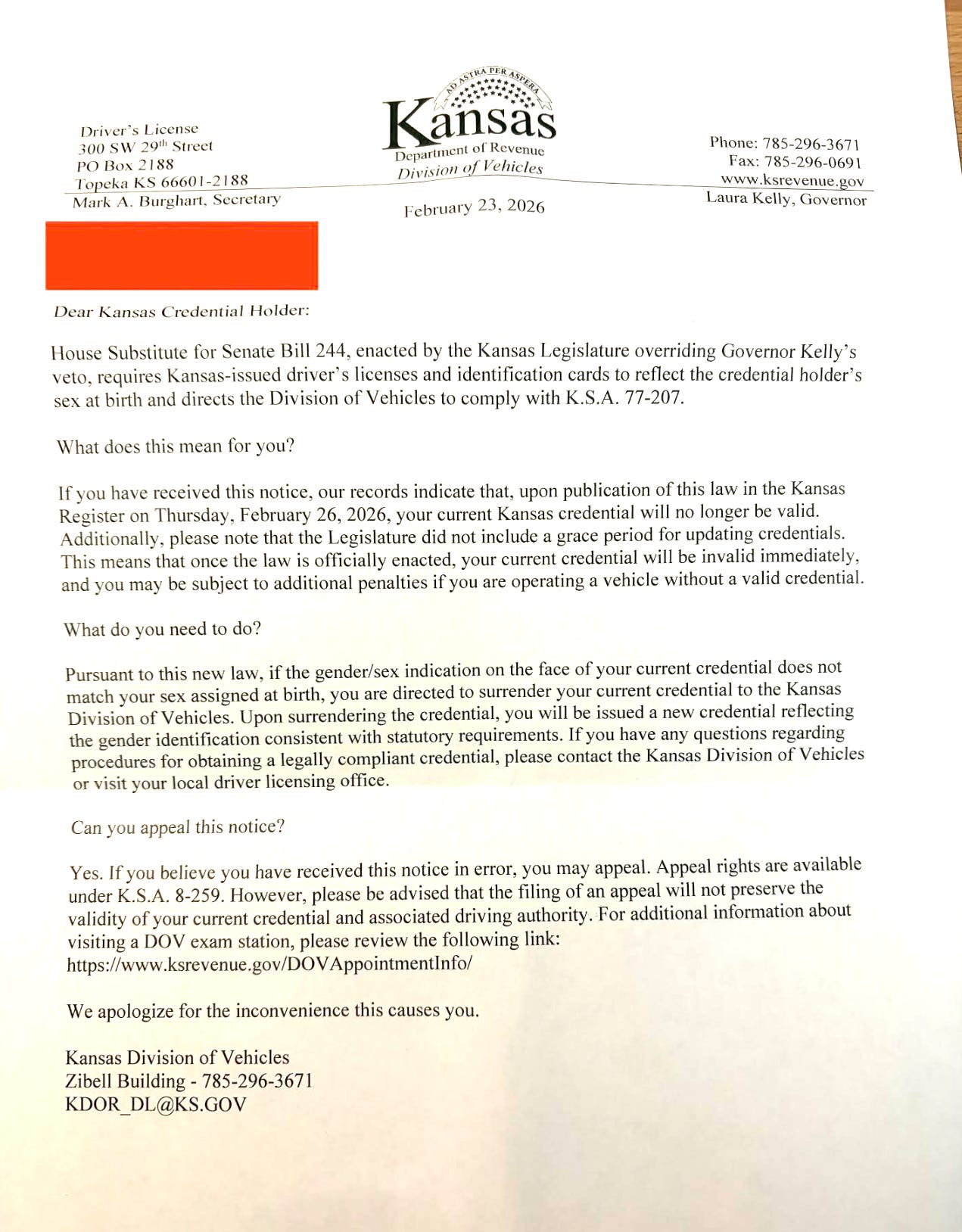
The letter, which has been reported to Erin In The Morning by a Kansas-based activist, states that under House Substitute for Senate Bill 244, Kansas-issued driver’s licenses and identification cards must now reflect the credential holder’s “sex at birth.” It warns that upon the law’s publication in the Kansas Register on Thursday, February 26, current credentials for affected individuals “will no longer be valid.” The Legislature, the letter notes, “did not include a grace period for updating credentials,” and anyone operating a vehicle without a valid credential “may be subject to additional penalties.” Those whose gender marker does not match their sex assigned at birth are directed to surrender their current credential to the Division of Vehicles for reissuance.

You can see the full letter here:

SB 244, also known as the “bathroom bounty” bill, contained heavy identification document bans as well. The bill was rushed through the Kansas Legislature in January using a “gut and go” procedure that bypassed nearly all public input on its key provisions. Governor Laura Kelly vetoed the bill on February 13, calling it “poorly drafted,” but the Legislature overrode her veto days later. In addition to the driver’s license provisions, the law bans transgender people from using bathrooms matching their gender identity in public buildings and creates a bathroom bounty hunter system allowing citizens to sue transgender people they encounter in restrooms for at least $1,000 in damages, including potentially in private restrooms. The bill takes effect immediately upon publication in the Kansas Register rather than the standard July 1 effective date—giving transgender Kansans just days between the override and the invalidation of their identity documents.

The consequences for noncompliance could escalate quickly. Under Kansas law, driving without a valid license is a class B misdemeanor punishable by up to six months in jail and a $1,000 fine—though first-time offenders are more likely to face a citation and fine. A conviction, however, triggers an automatic 90-day license suspension. If a person drives during that suspension, they face a charge of driving on a suspended license, which carries a mandatory minimum of five days in jail. Kansas already requires county jails to house inmates by sex assigned at birth.

The Kansas letters arrive amid an accelerating nationwide campaign to strip transgender people of accurate identification documents. The Trump administration has barred transgender Americans from obtaining passports that reflect their gender identity, a policy the Supreme Court allowed to take effect in November. The Social Security Administration has similarly stopped permitting gender marker updates. At the state level, Florida, Texas, Indiana, and other states have moved to block gender marker changes on driver’s licenses or birth certificates. But Kansas appears to be the first state to go further than simply blocking future changes—it is actively invalidating previously issued documents and demanding their surrender.

As a result of this extreme anti-transgender law, the state of Kansas has seen its status deteriorate to a “Do Not Travel” warning in the EITM Trans Risk Map. Transgender people should exercise extreme caution when traveling through the state, and those already living there should take immediate steps to legally protect themselves in the face of laws that could strip their driving privileges, expose them to criminal penalties, and subject them to thousand-dollar bounties simply for using a restroom. For most transgender people who do not already live in Kansas, the risk is now too great to travel there at all.

Erin In The Morning is a reader-supported publication. To receive new posts and support my work, consider becoming a subscriber.


From Erin In The Morning via This RSS Feed.
cross-posted from: news.abolish.capital/post/31110

Kansas Sate Capitol // farzinvousoughian

Erin In The Morning is a reader-supported publication. To receive new posts and support my work, consider becoming a subscriber.

Today, transgender people across Kansas are reporting receiving letters from the Kansas Division of Vehicles stating that they must surrender their driver’s licenses and that their current credentials will be considered invalid upon the law’s publication in the Kansas Register on Thursday. Should any transgender person be caught driving without a valid license, they could face a class B misdemeanor carrying up to six months in jail and a $1,000 fine. Kansas already requires county jails to house inmates according to sex assigned at birth. The letter, obtained by Erin in the Morning, marks one of the most significant erosions of transgender civil rights in the United States to date.

The letter, which has been reported to Erin In The Morning by a Kansas-based activist, states that under House Substitute for Senate Bill 244, Kansas-issued driver’s licenses and identification cards must now reflect the credential holder’s “sex at birth.” It warns that upon the law’s publication in the Kansas Register on Thursday, February 26, current credentials for affected individuals “will no longer be valid.” The Legislature, the letter notes, “did not include a grace period for updating credentials,” and anyone operating a vehicle without a valid credential “may be subject to additional penalties.” Those whose gender marker does not match their sex assigned at birth are directed to surrender their current credential to the Division of Vehicles for reissuance.

You can see the full letter here:

SB 244, also known as the “bathroom bounty” bill, contained heavy identification document bans as well. The bill was rushed through the Kansas Legislature in January using a “gut and go” procedure that bypassed nearly all public input on its key provisions. Governor Laura Kelly vetoed the bill on February 13, calling it “poorly drafted,” but the Legislature overrode her veto days later. In addition to the driver’s license provisions, the law bans transgender people from using bathrooms matching their gender identity in public buildings and creates a bathroom bounty hunter system allowing citizens to sue transgender people they encounter in restrooms for at least $1,000 in damages, including potentially in private restrooms. The bill takes effect immediately upon publication in the Kansas Register rather than the standard July 1 effective date—giving transgender Kansans just days between the override and the invalidation of their identity documents.

The consequences for noncompliance could escalate quickly. Under Kansas law, driving without a valid license is a class B misdemeanor punishable by up to six months in jail and a $1,000 fine—though first-time offenders are more likely to face a citation and fine. A conviction, however, triggers an automatic 90-day license suspension. If a person drives during that suspension, they face a charge of driving on a suspended license, which carries a mandatory minimum of five days in jail. Kansas already requires county jails to house inmates by sex assigned at birth.

The Kansas letters arrive amid an accelerating nationwide campaign to strip transgender people of accurate identification documents. The Trump administration has barred transgender Americans from obtaining passports that reflect their gender identity, a policy the Supreme Court allowed to take effect in November. The Social Security Administration has similarly stopped permitting gender marker updates. At the state level, Florida, Texas, Indiana, and other states have moved to block gender marker changes on driver’s licenses or birth certificates. But Kansas appears to be the first state to go further than simply blocking future changes—it is actively invalidating previously issued documents and demanding their surrender.

As a result of this extreme anti-transgender law, the state of Kansas has seen its status deteriorate to a “Do Not Travel” warning in the EITM Trans Risk Map. Transgender people should exercise extreme caution when traveling through the state, and those already living there should take immediate steps to legally protect themselves in the face of laws that could strip their driving privileges, expose them to criminal penalties, and subject them to thousand-dollar bounties simply for using a restroom. For most transgender people who do not already live in Kansas, the risk is now too great to travel there at all.

Erin In The Morning is a reader-supported publication. To receive new posts and support my work, consider becoming a subscriber.


From Erin In The Morning via This RSS Feed.

0

"You Outlaw It": Heritage Foundation President Announces Intent To Outlaw All Trans Adult Care

"You Outlaw It": Heritage Foundation President Announces Intent To Outlaw All Trans Adult Care www.erininthemorning.com
preview

cross-posted from: hexbear.net/post/7691718

cross-posted from: news.abolish.capital/post/29122

PBD Podcast

Erin In The Morning is a reader-supported publication. To receive new posts and support my work, consider becoming a subscriber.

On Tuesday, the president of the billionaire-backed Heritage Foundation, Kevin Roberts, appeared on the influential far-right PBD podcast to discuss gender-affirming care. During his appearance, he echoed usual far-right anti-transgender talking points, including linking being transgender to being inherently violent. Then, the conversation turned towards what the Heritage Foundation was working on when it comes to the future of transgender people. It was during this shift that Roberts darkly announced that his solution to being transgender was simple: “You outlaw it,” and that the organization was working to ban gender-affirming care at all ages through an incremental process he described as “radical incrementalism.”

“But where there continues to be disagreement is on what you do with adults. At Heritage, we believe that so-called transgender surgery is bad for anybody because of what you saw in Rhode Island yesterday,” said Roberts, referencing a domestic violence shooting at a Rhode Island ice rink the day before. “There does seem to be a mounting body of evidence that suggests a correlation between that surgery at any age, mental health issues, and increasingly, although we’re running the numbers on this at Heritage, acts of violence. We have to come to grips with that as a society, in a way that transcends left versus right, because this really is about the human condition.” “How do you address this, though?” replied host Patrick Bet-David. “You outlaw it,” Roberts responded.

Then, when asked if transgender adults should have their medication taken away, Roberts endorsed the idea, stating, “We like that idea, too. One of the reasons is that we not only work in coalitions, but we often work toward an ultimate goal via incremental steps—sometimes people will call us radical incrementalists. We’re willing to take a quarter of the enchilada if we can keep working there. So if that’s the kind of thing that policymakers can agree on left and right, Heritage would be fully supportive of that, knowing that ultimately we have an ideal position that would be much stronger than that.”

See the clip here:

The Heritage Foundation is the conservative think tank behind Project 2025, which calls for cutting federal funding for gender-affirming care for both children and adults and equates being transgender to pornography. The organization has been a driving force behind anti-transgender legislation nationwide, with its staffers directly assisting in the drafting and promotion of state-level care bans and its analysts testifying in statehouses. Heritage is funded through a web of dark money networks, including DonorsTrust, which gave the foundation $365,000 specifically earmarked for “Going On Offense On Gender Ideology.” Its board includes billionaire conservative megadonor Rebekah Mercer, while board member Sean Fieler has funneled at least $18 million since 2010 to anti-abortion and anti-LGBTQ+ organizations, including a group that supported Uganda’s law criminalizing homosexuality with the death penalty.

The organization’s open call for gender-affirming care bans for all ages echoes earlier conversations among conservative legislators in places like Ohio and Michigan for similar policy goals. In a leaked Twitter Space from January 2024, legislators behind anti-trans bills, including Representative Gary Click of Ohio—the sponsor of the state’s youth care ban—openly discussed how their plan was to end gender-affirming care for everyone. “In terms of endgame, why are we allowing these practices for anyone?” asked Michigan Representative Josh Schriver, in a conversation referring specifically to adults. Click, who has ties to the Heritage Foundation, confirmed the strategy: “We have to take one bite at a time, do it incrementally.” Roberts’ language on PBD is strikingly similar—his “radical incrementalism” and willingness to “take a quarter of the enchilada” mirrors Click’s “small bites” almost word for word, suggesting a coordinated long-term strategy towards adult care bans.

It is significant that the conversation happened on the PBD podcast. Hosted by Patrick Bet-David, the show reaches millions through its combined YouTube channels. The podcast has provided a platform for far-right figures to promote conspiracy theories and anti-LGBTQ+ rhetoric, including guests who have argued that homosexuality is a “worldview” being “inflicted” on children. That the head of the organization behind Project 2025 chose this venue to openly call for outlawing gender-affirming care for adults suggests a growing comfort by the organization to be more open about its plans.

Gender-affirming care bans have been increasingly targeting adults. In 2023, Florida’s SB 254 banned nurse practitioners from providing gender-affirming care, resulting in 80% of trans adult care being eliminated overnight. That same year, Missouri Attorney General Andrew Bailey issued an emergency rule targeting transgender people of all ages with requirements so onerous they amounted to a de facto ban; it was blocked in court and withdrawn after roughly three weeks. In 2025, Puerto Rico signed the most extreme care ban in the United States or its territories, criminalizing care for anyone under 21 with penalties of up to 15 years in prison. And of course, Trump’s recent executive orders ban gender affirming care to the age of 19.

One thing is clear: gender-affirming care bans have never been about science, despite attempts by far-right organizations to launder their lobbying efforts through pseudoscientific hate groups and overseas “reviews.” Rather, it’s always been about hate. That much is made clear by the openly-stated agenda of a billionaire-funded political machine that has always been working towards one goal: the elimination of transgender people from public life. The only thing that has changed is that they are now saying it out loud.

Erin In The Morning is a reader-supported publication. To receive new posts and support my work, consider becoming a subscriber.


From Erin In The Morning via This RSS Feed.
0

Trans Bathroom Ban Bills Now Expanding To Private Businesses

Trans Bathroom Ban Bills Now Expanding To Private Businesses www.erininthemorning.com
preview

cross-posted from: hexbear.net/post/7678790

cross-posted from: news.abolish.capital/post/28787

undefined

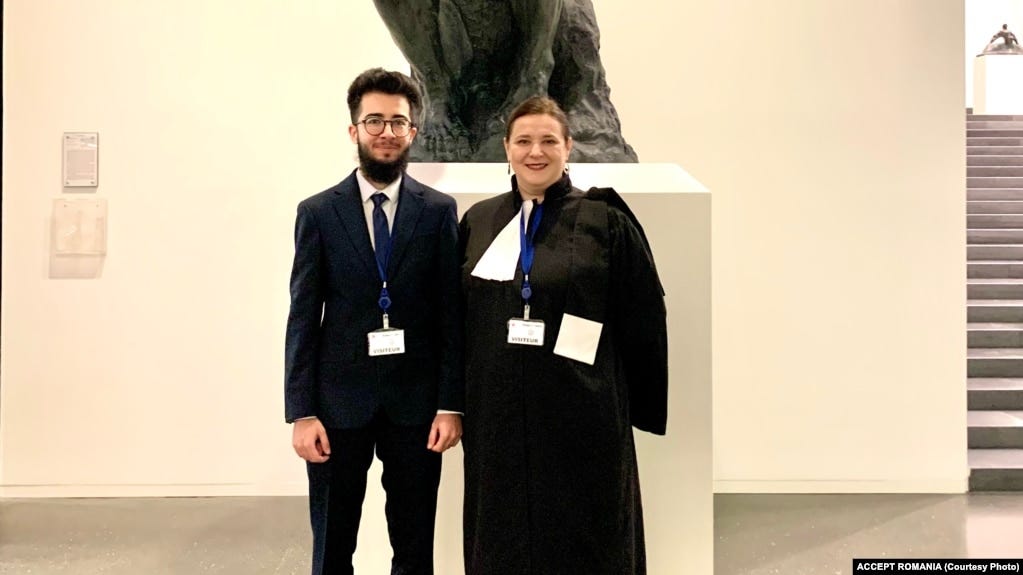
Idaho Capitol // Wikimedia Commons

Erin In The Morning is a reader-supported publication. To receive new posts and support my work, consider becoming a subscriber.

In the modern anti-transgender panic, several states have passed laws banning transgender people from restrooms consistent with their gender identity. Early bills focused primarily on K-12 schools, but the scope quickly expanded. Some states extended bans to even private colleges and universities. Others adopted sweeping “government building” prohibitions, barring transgender people from restrooms in all publicly owned facilities—a far broader category than it sounds, encompassing airports, rest stops, and other everyday spaces. A few states went further still, adding punitive enforcement mechanisms; Florida, for example, attached criminal penalties to its ban. Yet one category remained largely untouched: private business bathrooms. That exception is now collapsing. Multiple states are advancing a new generation of bathroom bills that would extend these bans into private businesses for the first time.

The first clear sign that private business bathrooms could be targeted came this year in Kansas. At the end of January, the state passed SB 244 and HB2426 through a rushed “gut-and-go” process designed to bypass portions of public hearings. The legislation drew attention for several reasons, including provisions revoking the driver’s licenses of transgender people and forcing them to obtain new ones reflecting their assigned sex at birth. But another provision—first identified by Erin In The Morning and later confirmed by legal and advocacy organizations in Kansas and nationally—was even more alarming. The bill appeared to create a mechanism allowing so-called bathroom bounty hunters to sue transgender people encountered in any restroom, whether in a government-owned building or a private business. With little warning, Kansas had advanced what looked to be the first measure directly threatening transgender people’s access to private business bathrooms.

Although the bill was vetoed, Republicans hold enough seats in the Kansas Legislature to potentially override that veto. If they do, the measure would take effect quickly. Transgender Kansans would not only be forced to scramble for updated identification documents reflecting their assigned sex at birth, but would also have to navigate daily life by mapping trips around the availability of gender-neutral bathrooms. Any transgender person who simply continues using the restroom they have always used could face lawsuits seeking substantial damages from individuals eager to weaponize the law for harassment—or profit.

Now, it appears these kinds of bills are spreading. In Idaho, a separate measure—House Bill 607—is scheduled to be heard in committee today and similarly targets transgender people’s access to private business bathrooms. The bill would allow lawsuits against any “place of public accommodation” that permits transgender people to use restrooms consistent with their gender identity. While it does not include the criminal penalties or explicit bounty-style provisions seen elsewhere, its practical effect would be sweeping: private businesses across the state could face legal risk simply for allowing transgender people to use the restroom. The scope of bathroom bans is no longer confined to schools or government buildings. It is expanding.

Erin In The Morning has identified additional bills in state legislatures across the country. In Indiana, HB 1198 would apply to any public restroom—whether privately owned or government-run—and would establish criminal penalties for anyone who “knowingly or intentionally enters a restroom that is designated to be used” by someone of a different assigned sex at birth. In Missouri, HB 2314 would weaponize the state’s Human Rights Act against private businesses that allow transgender people to use restrooms consistent with their gender identity, effectively turning a civil rights law into a tool for restricting transgender rights. And in Idaho, yet another proposal would not only bar private businesses from permitting transgender people to use certain restrooms but would also impose criminal penalties on violators.

It is worth noting that, so far, anti-transgender bathroom bans have had uneven real-world enforcement. In K-12 schools—where administrators wield significant authority—they have been highly effective at policing transgender students. In colleges and public buildings, however, enforcement has been far more sporadic, with only a handful of documented expulsions from restrooms in states like Texas and Florida. But this next wave of legislation could fundamentally alter that balance. By targeting private businesses and imposing civil or criminal liability directly on transgender individuals, these bills move enforcement out of institutional hands and into the realm of lawsuits and vigilantism. And history offers a warning: once a new anti-trans legal strategy gains traction in one state, it rarely stays there.

Erin In The Morning is a reader-supported publication. To receive new posts and support my work, consider becoming a subscriber.


From Erin In The Morning via This RSS Feed.

0

launch 🏴gif's artidote collective 🏴

🐍⛑️ gif's artidote 🐍⛑️ 🐍⛑️ gif's artidote 🐍⛑️ gifsartidote.life
preview

gif"s artidote is seeking an antidote to toxicity through art, music, community events, discussion, activism, mutial aid & solidarity.

to that end i have set up a collective.

check it out here, and if you’re inspired, come join me!

opencollective.com/gifs-artidote

through my personal activities as a 🏳️‍⚧️ artist, blogger, student crim/psy & community activism i am seeking to create a (local & global) community collective to de-toxify human behaviour by starting with my self & encouraging others to do the same.

i live by my motto: change the world, start with your self.

read more on my website’s home,- & about pages.

i am working on a manifesto but due to my own limitations that’s a work in progress.

i need others’ contributions & i am only just starting out so if you like my ideas, come join me & contribute.

i am based in teesside, north yorkshire, england & this initiative is starting in my own local community, but my aim is to create a global network of people who commit to the manifesto we create, debate & maintain together.

i only take the initiative, & set out a basis, but as we grow this #collective, through discussion & debate based on anarchist principles, i hope the collective will take lead & develop independently. 🏳️‍🌈

0

Trans Youth Suicides Skyrocketed In UK After Care Drawdown; Government Covers It Up

Trans Youth Suicides Skyrocketed In UK After Care Drawdown; Government Covers It Up www.erininthemorning.com
preview

cross-posted from: hexbear.net/post/7607832

cross-posted from: news.abolish.capital/post/26257

a person holding a pink and blue flag next to a building

Photo by ev on Unsplash

Erin In The Morning is a reader-supported publication. To receive new posts and support my work, consider becoming a subscriber.

In 2024, whistleblowers familiar with internal discussions at the Tavistock gender clinic in the United Kingdom revealed to the Good Law Project that employees were privately alarmed by a spike in suicides among transgender youth following severe restrictions on care in the aftermath of the Bell v Tavistock ruling. This information was never made public, with administrators concerned that it could cause reputational damage to the clinic. Following the Good Law Project’s reporting, the UK government commissioned a report, known as the Appleby Report, that claimed there were only a handful of suicides and denied any increase, with many anti-trans political figures and activists then patting themselves on the back and absolving themselves of any blame. Now, after years of fighting for the data, the Good Law Project has received responses to freedom of information requests from the National Child Mortality Database (NCMD) and discovered that the government report significantly undercounted transgender youth suicides: deaths rose roughly fivefold in the immediate aftermath of the Bell v Tavistock ruling, with a devastating 22 trans kids taking their own lives in a single year.

The data, obtained through a freedom of information request to the NHS-funded National Child Mortality Database, paints a devastating picture. Between 2019 and 2025, 46 trans children under the age of 18 died by suicide in England. The year-by-year breakdown is stark: 5 in 2019-20, 4 in 2020-21, 22 in 2021-22, and 10 in 2022-23, with the remaining spread in the later years. The massive spike in 2021-22 follows directly on the heels of the Bell v Tavistock ruling in December 2020, after which NHS England imposed restrictions on gender-affirming care for young trans people. By contrast, the Appleby Report—the government’s official response to inquiries from whistleblowers about rising suicides—examined only the narrow pool of youth who had actually become patients of the Gender Identity Development Service (GIDS) at the Tavistock, finding just 12 total suicides over six years including adults. The NCMD data captures nearly four times as many deaths among children alone. Importantly, for later years, suicide reports have not been completed, and it is likely that some of the numbers for later years will rise significantly.

The gap between the Appleby Report, which was used to absolve the government of any culpability in trans youth deaths, and the Good Law Project’s freedom of information request is no accident, but rather, a deliberate framing choice. The Appleby Report only examined patients of GIDS. But in the aftermath of the Bell v Tavistock ruling, wait times for GIDS appointments skyrocketed, now sitting at an estimated average of 25 years. Youth who were suffering no longer saw a pathway to gender-affirming care. Referrals stalled. Diagnoses became increasingly impossible to obtain. As restrictions piled on, these young people saw their future pathways to obtaining gender-affirming care shuttered in front of them. These youth were ignored in the Appleby report.

More alarming is what appears to be an explicit attempt to cover up trans youth suicide deaths. Those who seek to restrict gender-affirming care also seek to restrict any information showing those restrictions may lead to harm. Among the far right, claims have emerged that transgender youth are in no danger of suicide from the withdrawal of gender-affirming care, but this could not be further from the truth. Numerous studies have shown high suicidality among trans youth and increasing suicidality in places where anti-trans legislation has taken root. Rather than report honestly on the impact of their policies, the UK government appears to have tried to cover it up.

“Those of us in or close to the trans community have been to the funerals of those we love. And we have wept together for those we have been unable to save on Trans Day of Remembrance. We know the truth – we see it with our own eyes. And, to us, the decision by Wes Streeting to commission a review into suicides which downplayed the scale of these tragedies was unforgivable. His report denied the reality of trans deaths, as Streeting’s ban on puberty blockers denied the reality of trans lives,” reads the Good Law Project report.

The UK government fought hard to keep transgender suicide data from the public, and now, two years after its attempt to bury the deaths of children, that data is out. Even what has been released is limited: the NCMD’s own response indicates that its methodology may not capture all transgender youth suicides in the country, meaning the true toll is likely higher. But what is now known is the grisly impact that anti-trans restrictions have had on the youth of England. And in the United States, where a similar effort to restrict gender-affirming care is underway across the nation, it is likely that similar devastation is unfolding, unreported and silent.

You can view the Good Law Project’s report here, and the NCMD and UK government data responses here and here.

Erin In The Morning is a reader-supported publication. To receive new posts and support my work, consider becoming a subscriber.


From Erin In The Morning via This RSS Feed.

cross-posted from: hexbear.net/post/7607832

cross-posted from: news.abolish.capital/post/26257

a person holding a pink and blue flag next to a building

Photo by ev on Unsplash

Erin In The Morning is a reader-supported publication. To receive new posts and support my work, consider becoming a subscriber.

In 2024, whistleblowers familiar with internal discussions at the Tavistock gender clinic in the United Kingdom revealed to the Good Law Project that employees were privately alarmed by a spike in suicides among transgender youth following severe restrictions on care in the aftermath of the Bell v Tavistock ruling. This information was never made public, with administrators concerned that it could cause reputational damage to the clinic. Following the Good Law Project’s reporting, the UK government commissioned a report, known as the Appleby Report, that claimed there were only a handful of suicides and denied any increase, with many anti-trans political figures and activists then patting themselves on the back and absolving themselves of any blame. Now, after years of fighting for the data, the Good Law Project has received responses to freedom of information requests from the National Child Mortality Database (NCMD) and discovered that the government report significantly undercounted transgender youth suicides: deaths rose roughly fivefold in the immediate aftermath of the Bell v Tavistock ruling, with a devastating 22 trans kids taking their own lives in a single year.

The data, obtained through a freedom of information request to the NHS-funded National Child Mortality Database, paints a devastating picture. Between 2019 and 2025, 46 trans children under the age of 18 died by suicide in England. The year-by-year breakdown is stark: 5 in 2019-20, 4 in 2020-21, 22 in 2021-22, and 10 in 2022-23, with the remaining spread in the later years. The massive spike in 2021-22 follows directly on the heels of the Bell v Tavistock ruling in December 2020, after which NHS England imposed restrictions on gender-affirming care for young trans people. By contrast, the Appleby Report—the government’s official response to inquiries from whistleblowers about rising suicides—examined only the narrow pool of youth who had actually become patients of the Gender Identity Development Service (GIDS) at the Tavistock, finding just 12 total suicides over six years including adults. The NCMD data captures nearly four times as many deaths among children alone. Importantly, for later years, suicide reports have not been completed, and it is likely that some of the numbers for later years will rise significantly.

The gap between the Appleby Report, which was used to absolve the government of any culpability in trans youth deaths, and the Good Law Project’s freedom of information request is no accident, but rather, a deliberate framing choice. The Appleby Report only examined patients of GIDS. But in the aftermath of the Bell v Tavistock ruling, wait times for GIDS appointments skyrocketed, now sitting at an estimated average of 25 years. Youth who were suffering no longer saw a pathway to gender-affirming care. Referrals stalled. Diagnoses became increasingly impossible to obtain. As restrictions piled on, these young people saw their future pathways to obtaining gender-affirming care shuttered in front of them. These youth were ignored in the Appleby report.

More alarming is what appears to be an explicit attempt to cover up trans youth suicide deaths. Those who seek to restrict gender-affirming care also seek to restrict any information showing those restrictions may lead to harm. Among the far right, claims have emerged that transgender youth are in no danger of suicide from the withdrawal of gender-affirming care, but this could not be further from the truth. Numerous studies have shown high suicidality among trans youth and increasing suicidality in places where anti-trans legislation has taken root. Rather than report honestly on the impact of their policies, the UK government appears to have tried to cover it up.

“Those of us in or close to the trans community have been to the funerals of those we love. And we have wept together for those we have been unable to save on Trans Day of Remembrance. We know the truth – we see it with our own eyes. And, to us, the decision by Wes Streeting to commission a review into suicides which downplayed the scale of these tragedies was unforgivable. His report denied the reality of trans deaths, as Streeting’s ban on puberty blockers denied the reality of trans lives,” reads the Good Law Project report.

The UK government fought hard to keep transgender suicide data from the public, and now, two years after its attempt to bury the deaths of children, that data is out. Even what has been released is limited: the NCMD’s own response indicates that its methodology may not capture all transgender youth suicides in the country, meaning the true toll is likely higher. But what is now known is the grisly impact that anti-trans restrictions have had on the youth of England. And in the United States, where a similar effort to restrict gender-affirming care is underway across the nation, it is likely that similar devastation is unfolding, unreported and silent.

You can view the Good Law Project’s report here, and the NCMD and UK government data responses here and here.

Erin In The Morning is a reader-supported publication. To receive new posts and support my work, consider becoming a subscriber.


From Erin In The Morning via This RSS Feed.

0

Mary Bridge Children’s Hospital In WA Shuts Down Youth Gender Clinic Amidst Federal Funding Threat

Mary Bridge Children’s Hospital In WA Shuts Down Youth Gender Clinic Amidst Federal Funding Threat www.erininthemorning.com
preview

cross-posted from: hexbear.net/post/7496507

cross-posted from: news.abolish.capital/post/23727

Mary Bridge Children’s Hospital // Dane Meyere

Erin In The Morning is a reader-supported publication. To receive new posts and support my work, consider becoming a subscriber.

The MultiCare Mary Bridge Children’s Hospital in Tacoma, Washington, notified patients on Monday that it would be closing its pediatric gender health clinic due to political and legal attacks on trans-affirming care. It will begin winding down operations immediately.

“Over the last year we have worked to find options that would allow us to continue to care for this important group of patients. But recent developments at the Federal level now threaten to cut off Medicare and Medicaid payments to MultiCare’s entire health system if we continue offering these services,” the message sent to patients, signed by MultiCare CEO Bill Robertson, reads. “Without those payments, our organization would cease to exist.”

Patients who are 18 and older will be redirected to their primary care physician for hormone replacement therapy, while minors already on puberty blockers or HRT will have to consult their health care team for options—seemingly outside the MultiCare system. A spokesperson told Erin in the Morning that behavioral health care, such as psychotherapy, will continue to be offered.

The stoppage is “due to recent escalations at the federal level to eliminate medical interventions to treat gender dysphoria for minors nationwide, as well as investigations and significant penalizations of health care organizations that provide such care,” the spokesperson confirmed.

Numerous health care institutions are indeed [being probed by federal authorities](19thnews.org/…/gender-affirming-care-youth-hospit…, and the ensuing litigation can indeed be costly. However, the Trump regime has yet to actually make good on its threat of successfully withdrawing Medicaid and Medicare funding from a hospital for providing gender-affirming care.

At the same time, the majority of MultiCare patients rely on Medicaid and Medicare. This includes more than 300 primary, urgent, pediatric, and specialty care locations across Washington, Idaho, and Oregon, as well as 13 hospitals.

MultiCare told Erin in the Morning that this loss of funding could undermine the entire health system’s ability to operate.

“We recognize how important this care is to our gender health clinic patients and have a sense of the impact this will have on you and your family,” MultiCare’s CEO said in his Monday message to patients.

In September, doctors at Mary Bridge Children’s gender clinic stopped accepting new patients or writing new prescriptions for puberty blockers and hormone regimens. This was devastating for parents like Sierra, a mom from Kitsap County whose 12-year-old daughter is transgender. Pseudonyms have been provided due to safety and privacy concerns surrounding Sierra’s child.

“Based on my interactions with the medical staff at Mary Bridge, they’re heartbroken,” Sierra told Erin in the Morning. “They don’t support what the leadership is doing, although all of us, including me, understand they need federal funding in order to stay open.”

Sierra says many families like hers, especially in progressive areas of Washington, figured their care would be safeguarded from federal threats by state anti-discrimination laws.

“Trans children are the sacrificial lamb here,” she said. “In order to keep the show going, that’s what’s happening.”

However, what arguably amounts to an appeasement strategy simply falls short. If trans kids are deemed acceptable collateral, anyone could be next. We already know that Trump is also waging war on vaccines, mental health medications, and abortion, to name just a few kinds of care on the chopping block.

“People like me—maybe they don’t have trans kids, but they’re very liberal, very progressive—think, ‘Well, we’re in Washington, so we’re okay,’” Sierra told Erin in the Morning.

“That’s absolutely false. No one is safe until everybody is.”

The White House is continuing to target safe havens for trans youth—but the presence of institutions (or lack thereof) who are ready and willing to fight for the trans community has been consequential.

Hospitals, universities, and states that resisted executive overreach have not gone unscathed, but they have scored meaningful victories. A class action lawsuit in California successfully safeguarded patients’ data against a drummed-up subpoena aimed at Children’s Hospital Los Angeles. Maine sued and secured federal funding for school lunches in spite of Trumpian threats to cut it over the state’s defense of its trans students. And Boston Children’s Hospital took the feds to task after the Department of Justice came knocking. A judge quashed that subpoena in court.

Erin In The Morning is a reader-supported publication. To receive new posts and support my work, consider becoming a subscriber.


From Erin In The Morning via This RSS Feed.

0

Trans Help, DIY, PSAs, and Resources Thread

preview

cross-posted from: hexbear.net/post/3016455

Hey folks, hoping to have a semi-permanent thread for compiling resources to make finding really cool posts easier. Please suggest links and info in the comments below. I consider this necessary because there’s a lot of things we would like pinned but obviously things get very crowded quickly. This thread will start sparse and I will edit new things in as people suggest them.


Trans Chemist Series

These posts are done by a Hexbear user that I have verified as legit, offering unique information about trans DIY hrt, including quality sources, sanitation, storage recommendations. Verified by very expensive industrial chemistry equipment.


DIY Electrolysis Series

There posts are also done by a Hexbear user that is making an open source DIY electrolysis setup.


PSAs


Site Surveys


Links

  • genderdysphoria.fyi (this link has allegedly been problematic deep into the past, but seems to have cleaned up a lot)

  • /r/transdiy wiki archive : archive.md/gDgj1

  • /r/transwiki wiki archive : archive.md/OzyAk

  • trans australia : trans.au

  • haircuts for trans people : strandsfortrans.org

  • .Do It Yourself - Hormone Replacement Therapy - Very Basic Information Thread on DIY HRT. https://hexbear.net/post/8763710, guide to using Monero, a private cryptocurrency

  • www.transacademy.org - Trans Academy is a VRChat group that provides help/community for trans people. Among other things, they do free bi-weekly voice training seminars (in VRChat but also streamed on Discord and Twitch) and make-up tutorials (on Discord), and the classes include content for transmasc, enby, transfem peeps. VRChat is free and doesn’t require VR (using the desktop or android app), but you can also participate in most of the class stuff through the Discord.


Webrings and Friends