

0
0


Not on this instance? Enter your own instance's domain to go straight to following c/boycottchina@sopuli.xyz there.

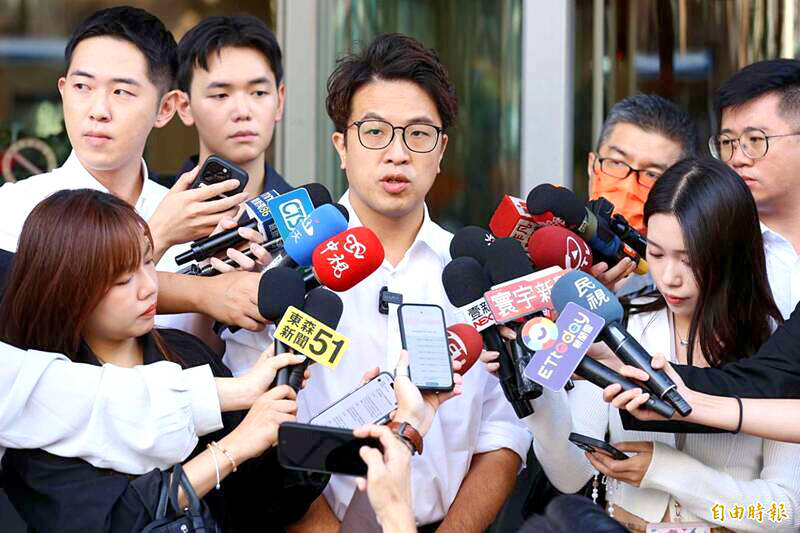

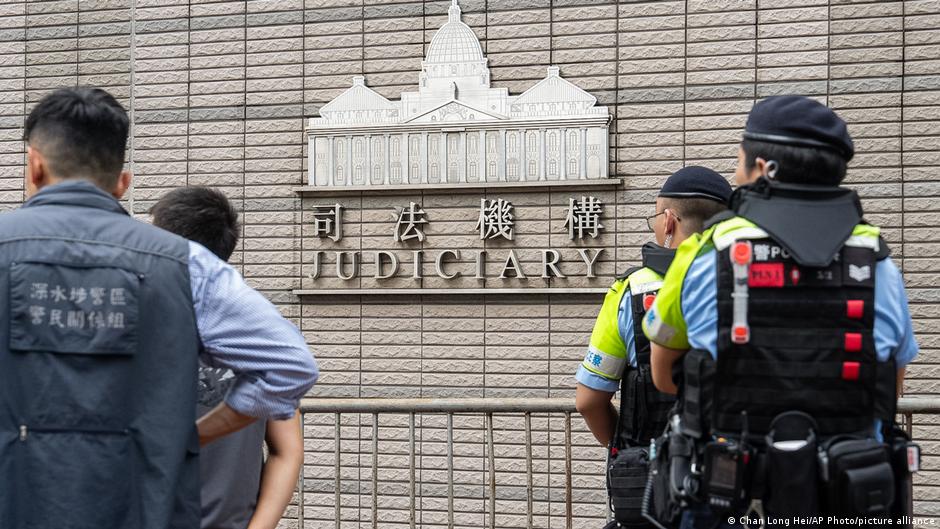
A Hong Kong court sentenced three activists — who for years organized vigils in remembrance of China’s 1989 Tiananmen Square crackdown — to prison for terms ranging from five to more than seven years on Friday in a case that is widely seen as a barometer of the city’s freedoms as Beijing clamps down on dissent.
A Hong Kong court sentenced three activists — who for years organized vigils in remembrance of China’s 1989 Tiananmen Square crackdown — to prison for terms ranging from five to more than seven years on Friday in a case that is widely seen as a barometer of the city’s freedoms as Beijing clamps down on dissent.

Hong Kong used to be one of the only places in Chinese territory where people could gather to mark the 1989 crackdown.
Hong Kong used to be one of the only places in Chinese territory where people could gather to mark the 1989 crackdown.

Russia gets most of the attention when it comes to malicious use of social media by state actors. The protests in Hong Kong have made clear China is using the same playbook.
Russia gets most of the attention when it comes to malicious use of social media by state actors. The protests in Hong Kong have made clear China is using the same playbook.

100% mainlander scum soldiers
100% mainlander scum soldiers
They do a lot of manufacturing!
They do a lot of manufacturing!


cross-posted from: mander.xyz/post/51621587
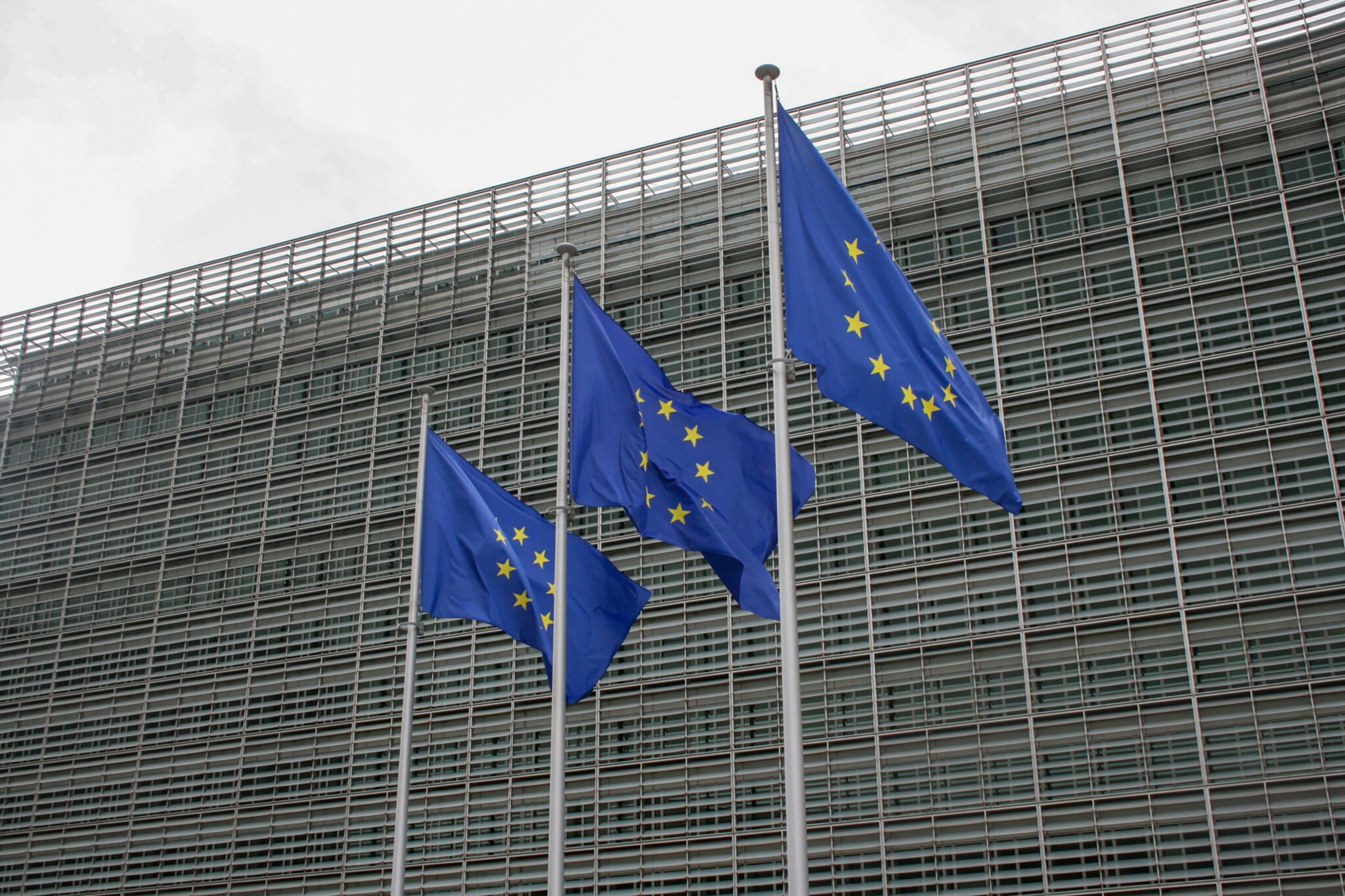
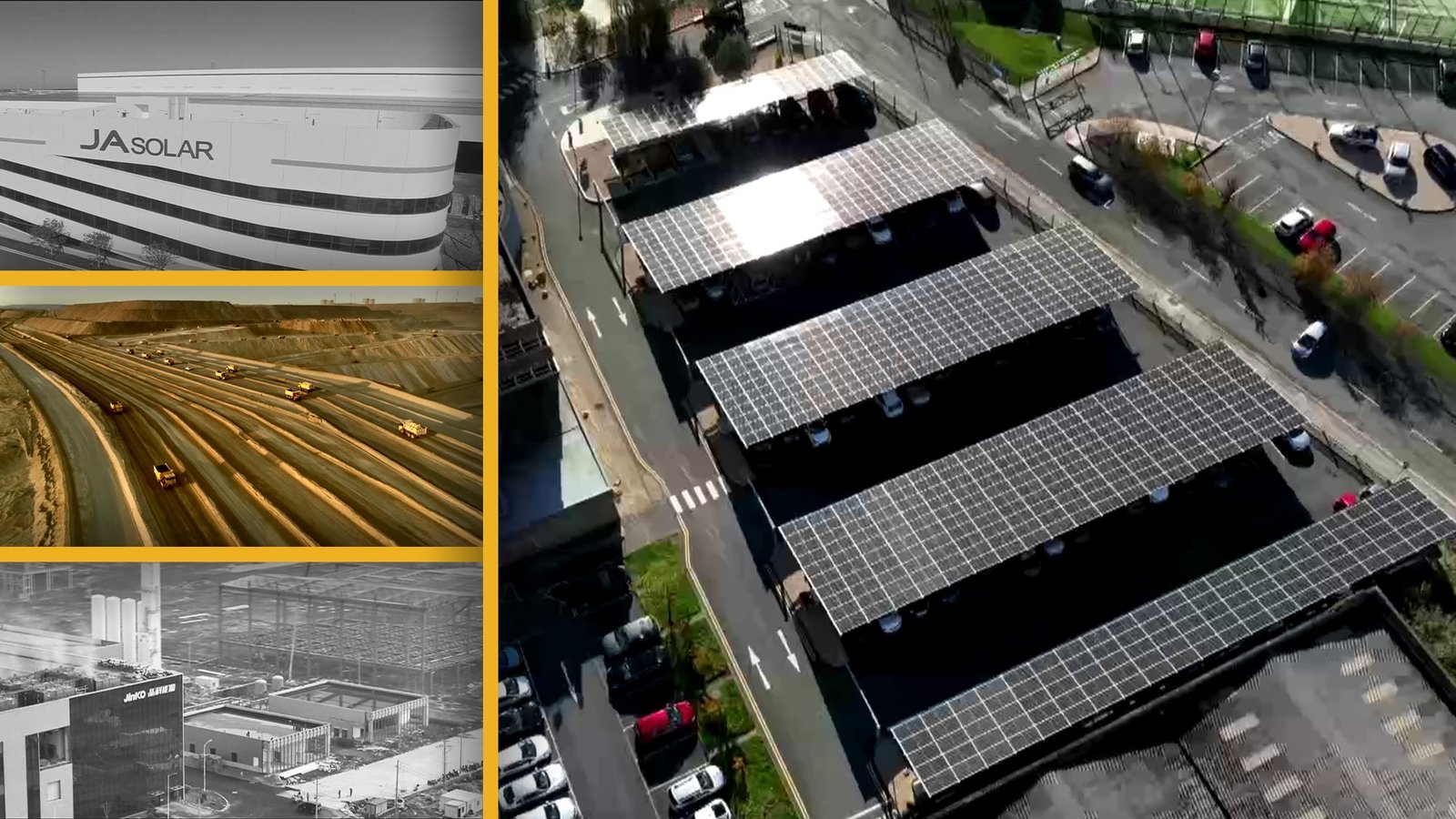
The European Commission has decided to restrict EU funding, including through the European Investment Bank and European Investment Fund, for solar, wind, and energy storage projects using inverters from so-called high-risk countries, namely China, Russia, Iran, and North Korea, citing cybersecurity risks.
…
For projects outside the EU and not connected, or planned to be connected, to the EU grid, inverters from high-risk suppliers should be phased out by 15 April 2027. Technologies covered include inverters across all renewable energy applications. The rules also apply globally to companies owned or controlled by those countries.
…
According to [EU] documents, the Commission notes “Energy storage systems / Power Conversion Systems (PCS) are explicitly included,” which places EU-backed battery energy storage projects on notice, particularly those relying on integrated PCS supply from Chinese and other suppliers.
In terms of sourcing, many batteries that are supplied from Asian sources include all-in-one options that package the batteries and cells with the PCS. For those projects that are now facing bans on inverters, sourcing lists may be constrained or require changes.
Christoph Podewils, Secretary General of the European Solar Manufacturing Council (ESMC), confirmed to ESS News that the decision doesn’t have exemptions based on power class.
“It’s really a strict regulation, without many loopholes… It also concerns inverters supplied from entities under control of the high-risk countries, so for instance, a company producing, in Europe, inverters belonging to a Chinese entity.”
…

cross-posted from: mander.xyz/post/47318634
Nexperia’s Chinese owner Wingtech has lost a court battle to regain control of the Dutch chipmaker, prolonging a crisis that has threatened to bring some European car factories to a halt.
The Amsterdam appeal court instead upheld an earlier decision to suspend its Chinese chief executive, hand power to EU-based directors and investigate allegations of mismanagement.
The court “finds that there are valid reasons to doubt the sound policy and conduct of business at Nexperia and orders an investigation”, it said in a press release.
The Dutch government temporarily seized control of Nijmegen-based Nexperia in September, saying there was a threat to security of supply in Europe because of the actions of chief executive Zhang Xuezheng.
His shareholding was handed over to a trust, though he retained the economic benefits.
…
The court’s Enterprise Chamber found “indications of negligent conduct involving a conflict of interest”, the press release said. “Furthermore, there are indications that Nexperia’s director, under threat of impending sanctions, changed the strategy without consulting the other board members; agreements with the Ministry of Economic Affairs were no longer followed, the powers of European officials were curtailed, and their resignations were announced,” the court said.
It will now appoint two investigators, who will work for about six months, the court said.
…

TikTok’s “addictive design” is in breach of European Union law, according to preliminary findings published by the European Commission on Friday.
It said addictive features included infinite scroll, autoplay, push notifications and TikTok’s own “highly personalized” content recommendation system.
The European Commission also alleged TikTok failed in adequately assessing “how these addictive features could harm the physical and mental wellbeing of its users, including minors and vulnerable adults.”
…
cross-posted from: mander.xyz/post/46378824
cross-posted from: mander.xyz/post/46182440
The European Union said Tuesday it plans to phase out gear supplied by companies based in “high risk” countries from critical infrastructure such as high-speed telecom networks, in a move seen as targeting Chinese companies including Huawei and ZTE.
Brussels’ proposed measures to tighten up cybersecurity come amid rising concerns that the bloc’s 27 member countries are vulnerable both to the dominance of Chinese high tech manufacturing and U.S. Big Tech services.
Under the draft legislation released by the EU’s executive commission, telecom equipment from so-called high risk suppliers in third countries would be phased out within three years.
The proposals don’t mention any countries or companies by name, but the term “high risk” has been previously used to refer to countries like China, home to tech giant Huawei. The company is the world’s biggest maker of networking equipment but has long been banned from the United States.
…
The bloc’s executive said in 2023 that EU countries were justified in restricting or excluding Huawei and ZTE, another Chinese tech company sanctioned by the U.S., because they posed higher risks. But previous EU measures for 5G cybersecurity were recommended or voluntary, which resulted in uneven application across the bloc, with some countries buying Chinese gear while others shunned it.
…
[Back in the fall 2025, China banned European suppliers Ericsson and Nokia over national security concerns.]

cross-posted from: …europe.pub/…/folks-tell-the-european-commission-…
The commission is asking for your feedback on open source. Help them to understand the importance!
cross-posted from: …europe.pub/…/folks-tell-the-european-commission-…
The commission is asking for your feedback on open source. Help them to understand the importance!



cross-posted from: lemmy.world/post/40210545
Retired Chinese official Li Chuanliang was recuperating from cancer on a Korean resort island when he got an urgent call: Don’t return to China, a friend warned. You’re now a fugitive.
Days later, a stranger snapped a photo of Li in a cafe. Terrified South Korea would send him back, Li fled, flew to the U.S. on a tourist visa and applied for asylum. But even there — in New York, in California, deep in the Texas desert — the Chinese government continued to hunt him down with the help of surveillance technology.


cross-posted from: lemmy.sdf.org/post/37001579
United Nations High Commissioner for Human Rights Volker Turk has raised serious concerns over “ongoing infringements” on the rights of people living in Tibet and called to align legislation and policies with international human rights law.
Addressing the 59th session of the Human Rights Council in Geneva, the UN Human Rights Commissioner (OHCHR) detailed a grave assessment of the current global landscape.
He asserted that he has continued to engage directly with China on a wide range of issues.
Raising concerns about the human rights violations in China, Turk highlighted the lack of progress on much-needed legal reform to ensure compliance with international human rights law.
“In Tibet, there are ongoing infringements on cultural and other rights. I call for the release of all individuals detained for exercising their rights and to align legislation and policies with international human rights law,” the UN human rights chief stated.
[…]
In his speech, Mr. Turk also emphazised “worrying reports” of violations in Xinjiang, including undue prison sentences, incommunicado detention, and restrictions on fundamental rights.
“In Hong Kong, the continued application of national security laws raises serious concerns about the shrinking of civic space,” he added.
[…]




cross-posted from: lemmy.ca/post/44985805
cross-posted from: lemmy.ca/post/44985805

cross-posted from: lemmy.sdf.org/post/35409657
A new report – co-written by Labour Campaign for Human Rights (LCHR) and the Labour Foreign Policy Group (LFPG) – has put forward a series of recommendations to increase awareness of CCP activities in Britain and disentangle the private sector from finance backed by the Chinese state.
The recent threat to British Steel – owned by conglomerate Jingye Group – triggered alarm over how Chinese companies leverage control within UK infrastructure. If the steel furnace in Scunthorpe had stopped operating, Britain would have been the only country in the G7 without the power to produce virgin steel domestically.
Luke Akehurst, Labour MP for North Durham, told PoliticsHome economic objectivies today should not be pursued in ways which “lead to insecurity tomorrow”.
“The public are rightly cautious about UK engagement with China under the CCP regime and the government should be too,” he said. “The upcoming ‘China audit’ is an opportunity for a new, clear-eyed approach to dealing with the CCP’s economic, political and geopolitical reach.”

Vietnam and Thailand have upgraded their ties to the highest level of diplomatic cooperation – a move that analysts say reflects Hanoi’s strategy of deepening regional ties even as it quietly ranks its partners’ strategic weight using a “two-tiered stratification system”.
The new Comprehensive Strategic Partnership (CSP), formalised during Thai Prime Minister Paetongtarn Shinawatra’s visit to Hanoi last Friday, places Thailand among a growing list of countries with which Vietnam has strengthened its diplomatic framework in recent years.

