103
In Ukraine, distributed renewables foil Russia’s assaults
EnergyTransition.org
In Ukraine, distributed renewables foil Russia’s assaults | EnergyTransition.org
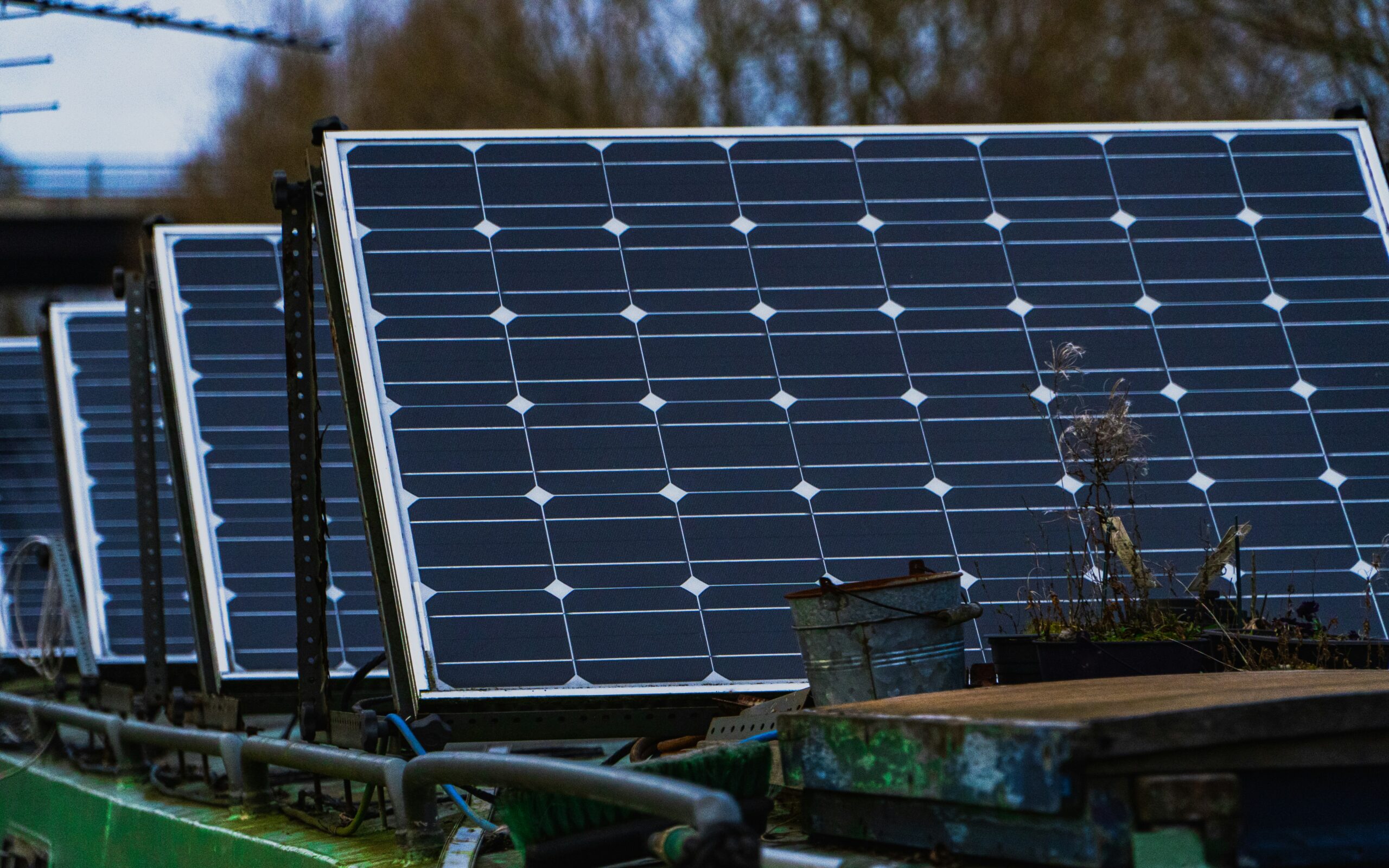
In an easterly suburb of Mykolaiv, drinking water flowed from kitchen taps, as it has since last year thanks to a small off-grid solar field tucked inconspicuously into its midst. Paul Hockenos reports.
energytransition.org
7 comments
log in to comment.
As a Kyiv resident, the past year we’ve barely had any power cuts compared to the previous 2. Distribution of power generation is working.
Great to hear! Really good example of the importance of decentralisation of vital utilities.
I assume a large part of it is solar? How are you getting on in the winters? Small generators?
Solar makes up a large portion, yes. In winter it’s tougher, but there is a number of distributed smaller generators installed or on their way to installation across the city. Some install personal generators in or right outside of their apartments, but that’s generally an unsafe practice.
The real struggle is for residents of tall apartment buildings that fully rely on electricity to power elevators, heating and water pumps. Often residents would pool their money to install generators and batteries, subsidized by city administration.
Good to hear that you’re getting by. Somehow this reminds me of the Bear Grylls meme
Which incidentally isn’t bad advice, but he acts so much like he is hot shit on TV when you guys are the true survivalists.
Is there a concerted effort behind it? Is it individual people that are doing it? I read a lot about Ukraine and a lot about renewables but i never stumbled upon that!
As I’ve mentioned in another reply, it’s a bit of both. There’s residents buying their own generators and batteries (either for their apartment or the whole building), government subsidizing or compensating the cost of such purchases for citizens and businesses, as well as foreign help in a way of small-scale distributed generators.
Thanks!