
14
preview
This list could be a good starting point to determine which city is best for those who have to work to live.
This list could be a good starting point to determine which city is best for those who have to work to live.

Not on this instance? Enter your own instance's domain to go straight to following c/europe@feddit.org there.

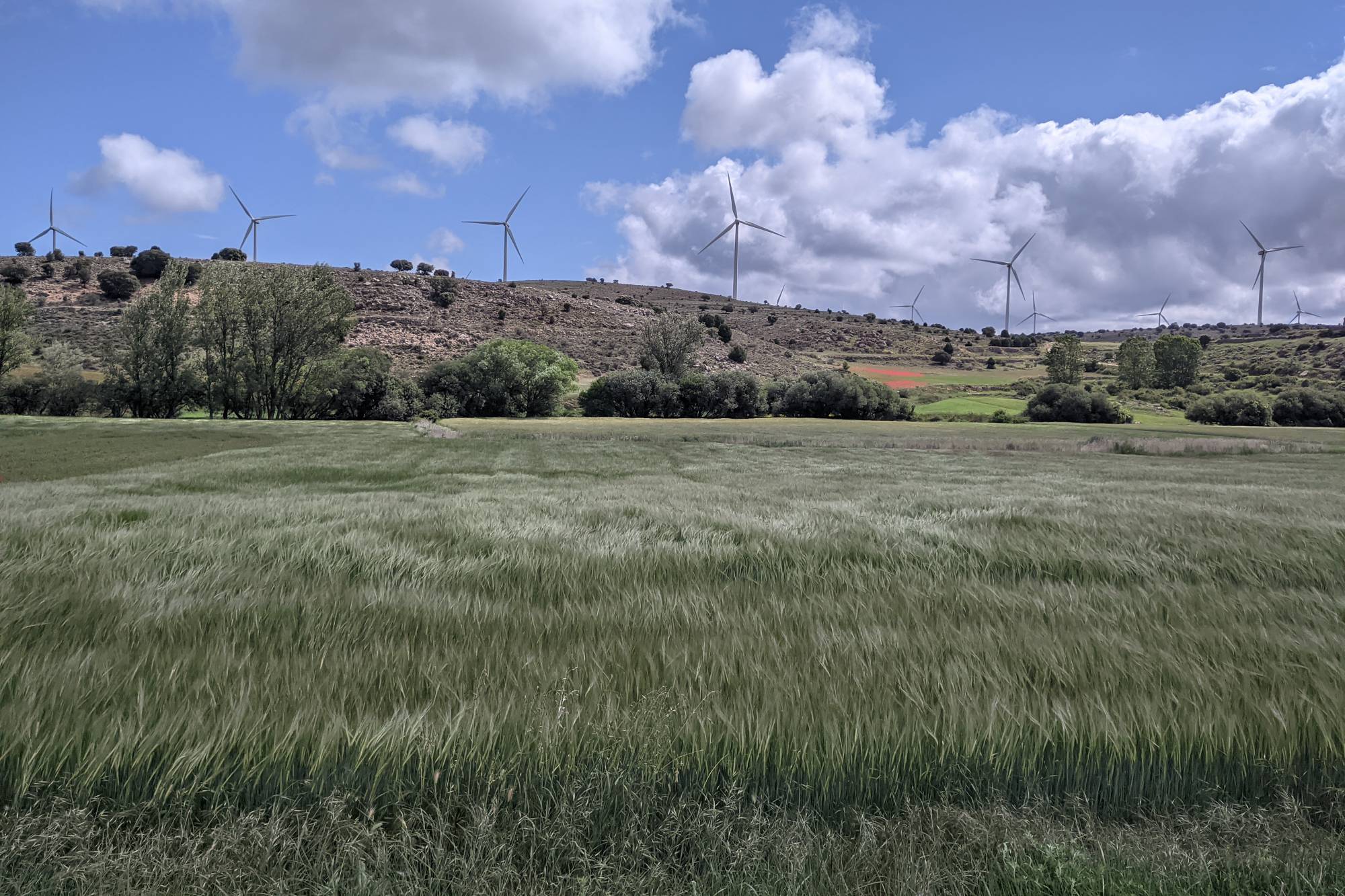
20 famous European road trips, each coloured by whether a car towing a caravan may drive it: 10 the whole road, 7 with a bypass, 3 not at all (Stelvio, the Amalfi coast road, the Lake District’s Hardknott/Wrynose loop).
A few things that surprised me while reading the rules:
Rules read on 5 Nov from the road authorities and operators (where only a secondary source says it, the page says so). Each road is priced for car, car + caravan, motorhome and motorcycle: copilot.travel/maps/famous-road-trips Corrections welcome.
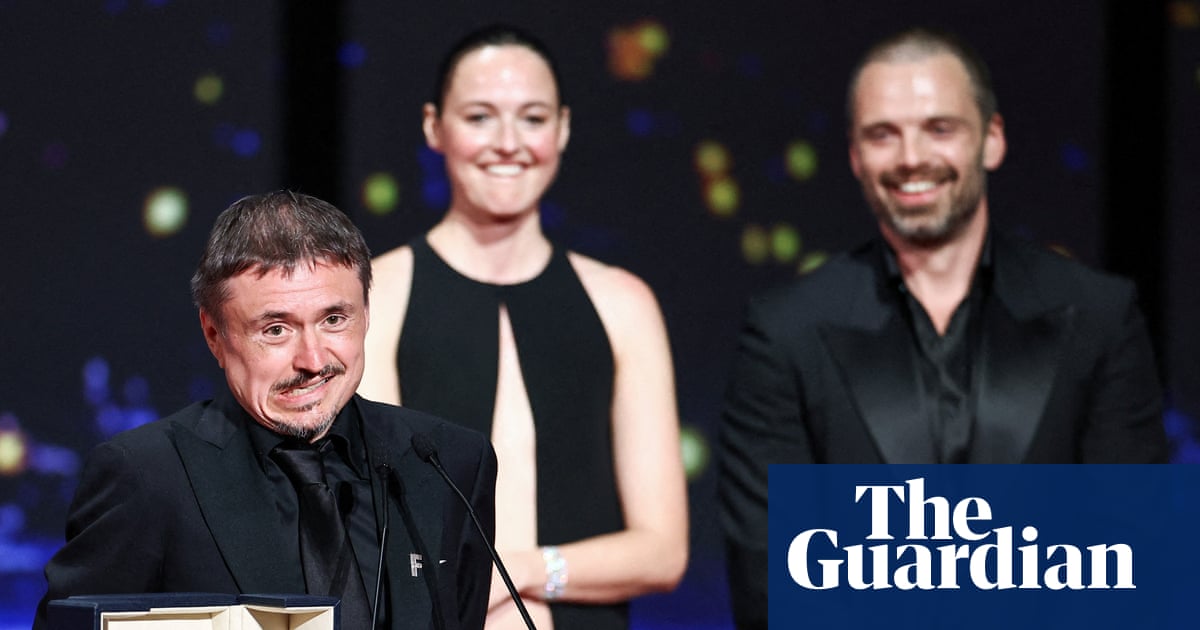
“But Fjord – and this is the other reason Mungiu’s encounter with Barroso is relevant – is not just a film about globalisation, but also one shaped by a globalised economy. It is an international co-production of the kind that Mungiu’s delegation had warned the European Commission about, shot in Norway and edited in Romania, its sound designed in Finland and mixed in Denmark. It’s also his first English-language film, and the first to star two Oscar-nominated A-listers, Sebastian Stan and Renate Reinsve”
“But Fjord – and this is the other reason Mungiu’s encounter with Barroso is relevant – is not just a film about globalisation, but also one shaped by a globalised economy. It is an international co-production of the kind that Mungiu’s delegation had warned the European Commission about, shot in Norway and edited in Romania, its sound designed in Finland and mixed in Denmark. It’s also his first English-language film, and the first to star two Oscar-nominated A-listers, Sebastian Stan and Renate Reinsve”

The russian state propaganda machine operates by systematically expoiting existing social anxieties,economic fears and politician division in targeted countries. Instead of creating completely new lies, it amplifies domestic grievances and pushed core narratives, such as portraying democratic nations as unstable or failed states.
To maximize its react, the russia utilizes a combination of mainstream proxy media,social channels, and coordinated networks of automated bots and human trolls. These actors distort historical events, provoke emotional outrage, and erode public trust in democratic institutions.
The main objective of russian propaganda model is not just to spread specigic falsehoods, but to fragment society,create widespread confusion, and weaken public resilience against foreign influence.
This list could be a good starting point to determine which city is best for those who have to work to live.
This list could be a good starting point to determine which city is best for those who have to work to live.


Germany’s carmakers are now trying to shift engineering east, both to stay competitive in the Chinese market as well as to integrate technologies developed there into cars sold abroad.
Volkswagen said a year ago that it could now design cars from start to finish in China at its centre in Hefei.
Both BMW and VW have said they hope to export vehicles from China into other parts of the Asia-Pacific region.
The low-cost Volkswagen ID.Every1, slated for European launch in 2027, will meanwhile have an electric motor made in China.


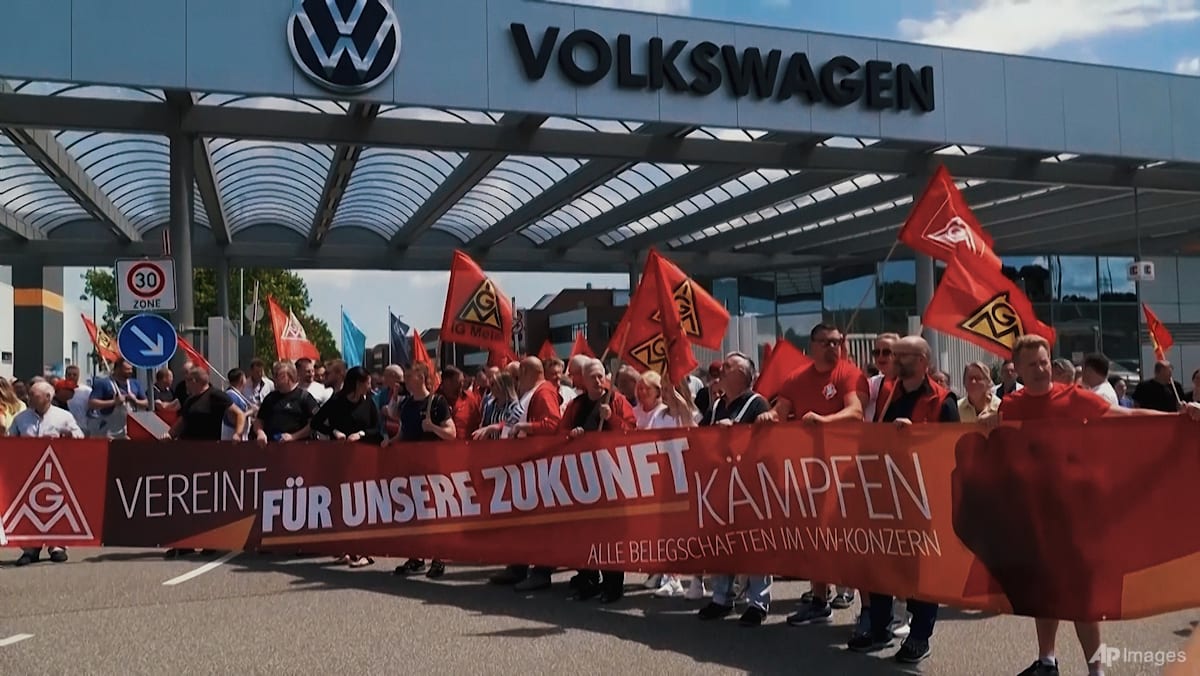
Many European leaders blame part of the industrial decline on a China Shock 2.0. They point to the trade deficit, alongside Germany’s loss of 10,000 to 15,000 manufacturing jobs every month, as evidence of the growing pressure on European industry.
Meanwhile, European companies cutting jobs at home are expanding their operations in China despite mounting domestic pressure. Volkswagen, for example, has announced plans to cut 100,000 jobs by 2030, citing high costs, weak demand and fierce competition from Chinese carmakers.
Yet the German automotive giant continues to invest heavily in China, including 3.5 billion euros in its research and development hub in Hefei, its largest R&D facility outside Germany, and 2.4 billion euros in a joint venture with Chinese technology company Horizon Robotics.
Joerg Wuttke, a partner at the DGA-Albright Stonebridge Group and ex-president of the EU Chamber of Commerce in China, argues that European companies have little choice but to deepen their presence in China.
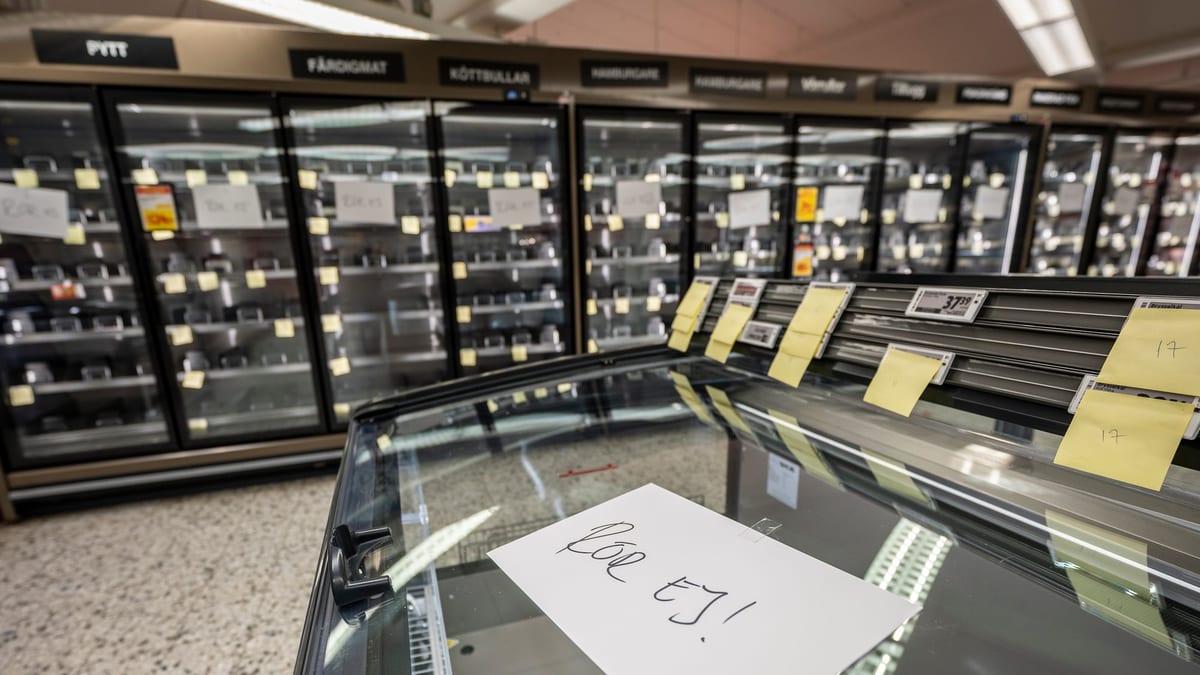
two pro-Russian hacker groups (Noname057(16) and Z-Pentest) claimed they carried out cyberattacks on store fridges and freezers across Europe. They messed with the remote systems to raise the temperatures, forcing Swedish supermarkets like Coop and ICA to throw away a bunch of spoiled food. However, cybersecurity experts note that these groups might just be exaggerating or taking credit for security flaws that were already there.
two pro-Russian hacker groups (Noname057(16) and Z-Pentest) claimed they carried out cyberattacks on store fridges and freezers across Europe. They messed with the remote systems to raise the temperatures, forcing Swedish supermarkets like Coop and ICA to throw away a bunch of spoiled food. However, cybersecurity experts note that these groups might just be exaggerating or taking credit for security flaws that were already there.
Ukrainian anti-corruption investigators accused senior security officials on Wednesday of shielding a network of illegal businesses ranging from scam centres to drugs, part of an expanding probe that could stoke tensions between key law enforcement agencies.
Top employees of Ukraine’s SBU security service, the National Police and the Prosecutor General’s Office have taken bribes to protect the criminal ring, even helping to plan attacks and kidnappings, the National Anti-Corruption Bureau (NABU) said.
The Bank of England is expected to raise interest rates Thursday for the first time in over three years in order to tackle the inflation shock caused by the Iran war.
The Bank of England is expected to raise interest rates Thursday for the first time in over three years in order to tackle the inflation shock caused by the Iran war.

BMW signalled a potential for losses after slashing its profit margin to between -0.5% and 0.5% this year and blamed fourth-quarter costs tied to the restructuring that includes 8,000 job cuts in its home market.
BMW signalled a potential for losses after slashing its profit margin to between -0.5% and 0.5% this year and blamed fourth-quarter costs tied to the restructuring that includes 8,000 job cuts in its home market.

cross-posted from : lemmy.zip/post/74460923
cross-posted from : lemmy.zip/post/74460923
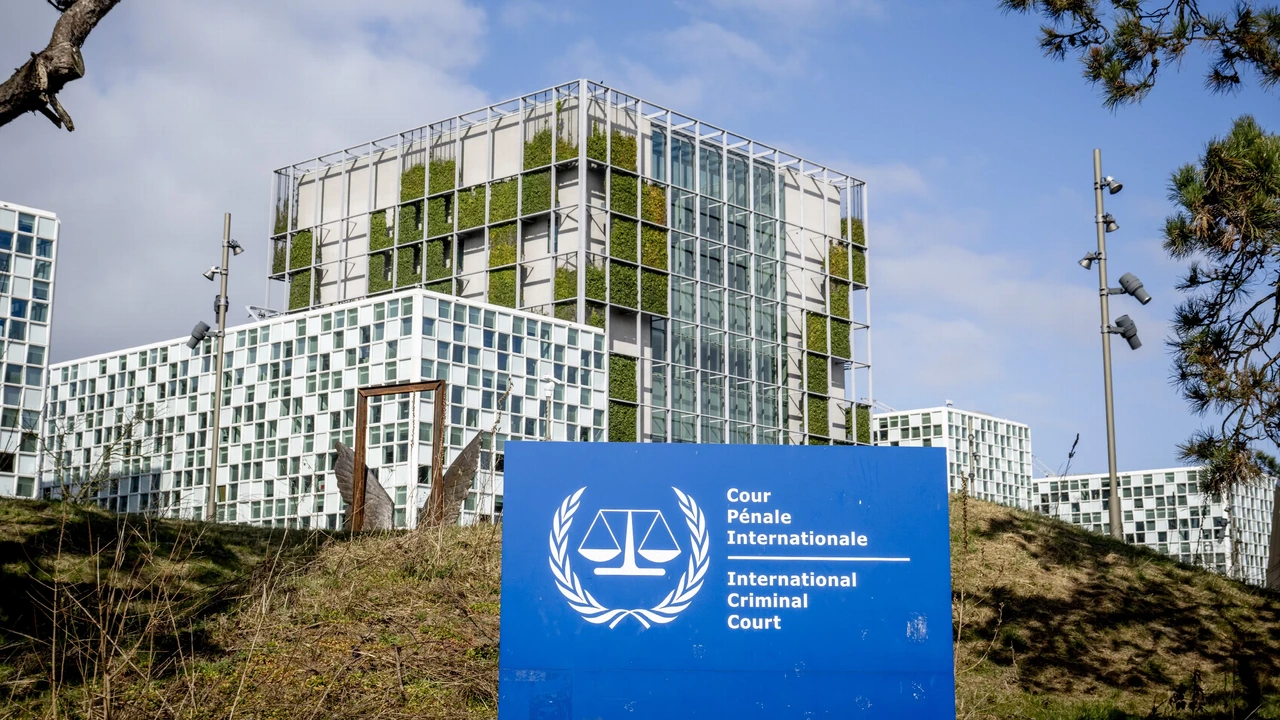
At least 20 human rights organizations have had their cooperation with the Hague-based International Criminal Court (ICC) since last year severely limited or completely discontinued.
This is evident from a tour of the research platform Investico and the German medium Süddeutsche Zeitung at a hundred non-profit organizations, in collaboration with the weekly magazine The Green Amsterdammer.
#Note: Original title in NL (NOS); “Organisaties voor mensenrechten breken onder Amerikaanse druk met Strafhof”. See comments for full translation.


Lol
Lol
MI5 chief Ken McCallum apologised last year after the agency provided untrue information about a right-wing extremist who was a covert human intelligence source, sometimes referred to as an agent.
A BBC investigation found the MI5 agent, referred to in court as “Agent X”, had abused two former partners and told one of them, known only as “Beth”, that he worked for MI5 in order to terrorise her.

cross-posted from: sh.itjust.works/post/69393818
cross-posted from: sh.itjust.works/post/69393818
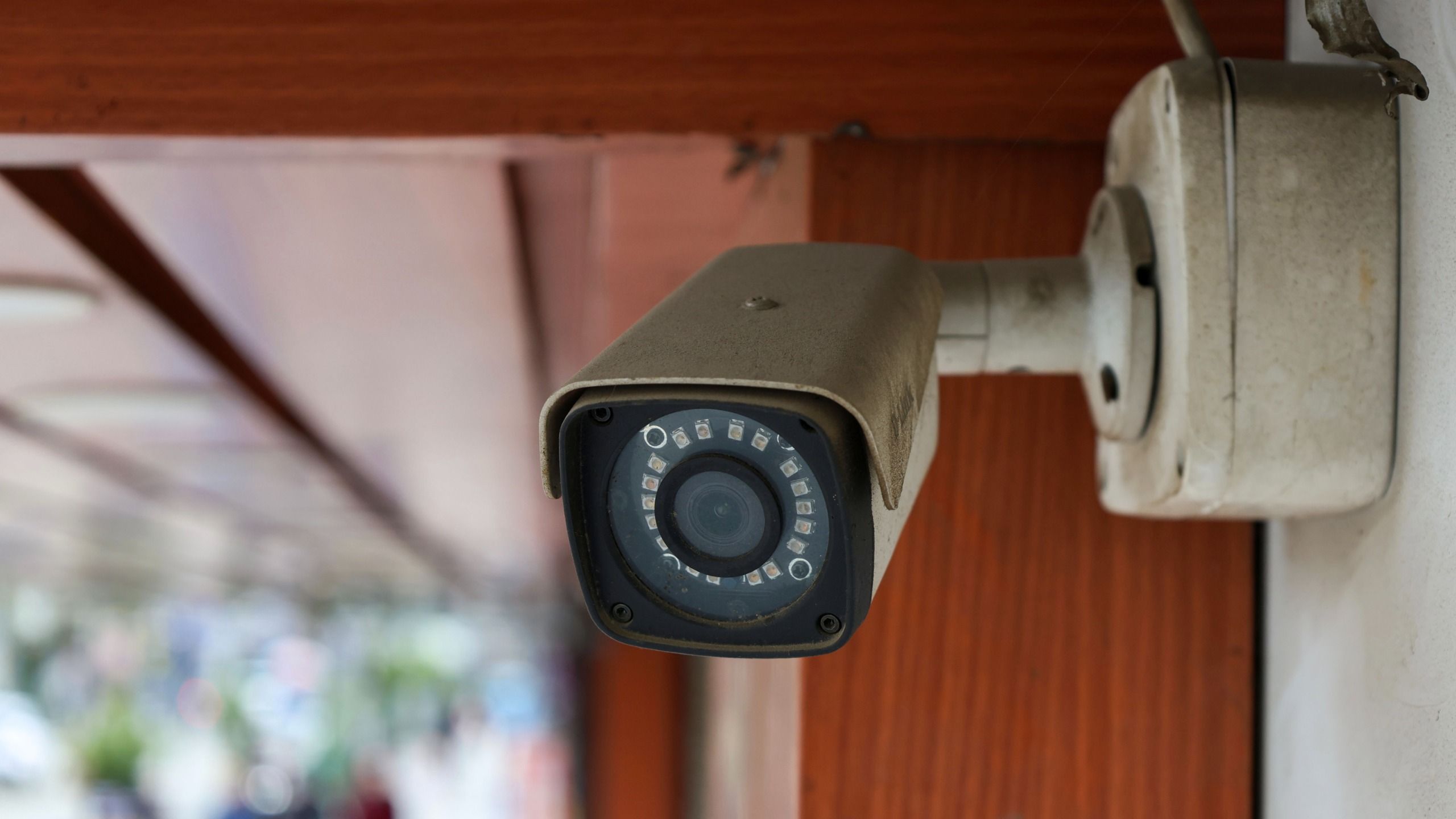
A routine run for vitamins ended with an innocent man being escorted out of Home Bargains, branded a shoplifter. The ordeal left him feeling “isolated”. “I was scared to go into a shop,” he said.
Miles away at a local Budgens, a shopper’s husband was left “shaking from head to toe” after watching his wife be accused of stealing meat from a store they hadn’t set foot in for months.
Neither had broken the law. Instead, both were victims of private facial recognition systems that have quietly rolled out across UK high streets in recent years.

Controversial phone extraction systems made by Israeli company Cellebrite have become a go-to technology for law enforcement across Europe. Statewatch has mapped more than 150 public contracts worth a total of €69 million since 2023, including purchases funded by the EU.
Controversial phone extraction systems made by Israeli company Cellebrite have become a go-to technology for law enforcement across Europe. Statewatch has mapped more than 150 public contracts worth a total of €69 million since 2023, including purchases funded by the EU.

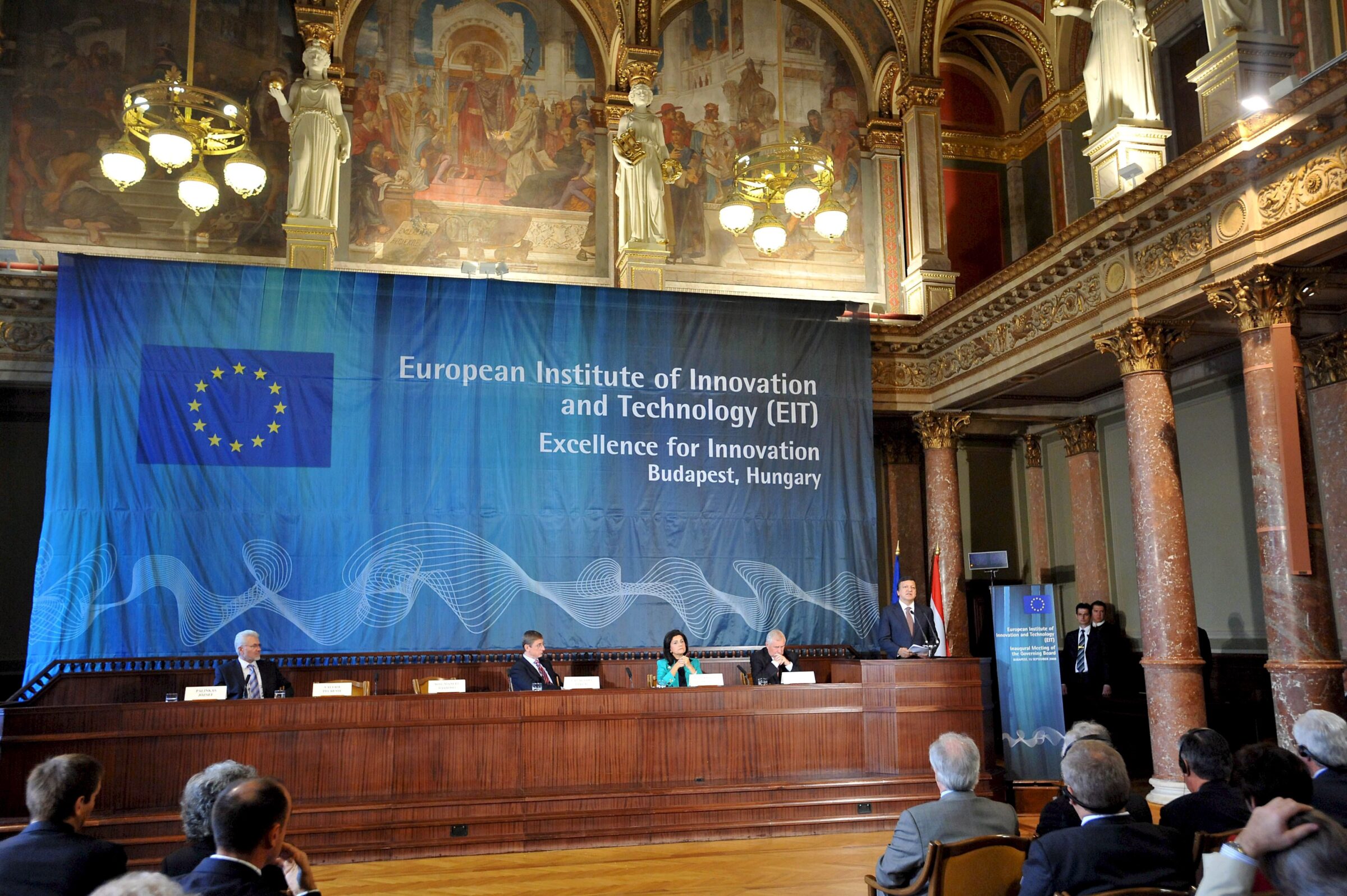
The European Institute of Innovation & Technology (EIT), which received €435m in taxpayer money in 2025, is the only EU agency out of a total of 43 whose accounts did not yield a “clean opinion” in the most-recent audit.
The accounts of the innovation hub did not properly reflect an €8.7m recovery uncertainty, according to a report by European Court of Auditors (ECA) last week.
The legal proceedings in Germany relating to the Volkswagen diesel emissions fraud have stalled, more than 11 years after the scandal came to light.
The legal proceedings in Germany relating to the Volkswagen diesel emissions fraud have stalled, more than 11 years after the scandal came to light.
Interior Minister Alexander Dobrindt pinned the blame for the unrest on “violent left-wing groups and troublemakers from migrant communities,” in comments echoed by other conservative politicians
Interior Minister Alexander Dobrindt pinned the blame for the unrest on “violent left-wing groups and troublemakers from migrant communities,” in comments echoed by other conservative politicians

Might be satire. It’s the Danes at it again.
Might be satire. It’s the Danes at it again.
cross-posted from: lemmy.zip/post/74310044
cross-posted from: lemmy.zip/post/74310044
The Trump administration tries to micromanage the domestic politics of American allies.
The Trump administration tries to micromanage the domestic politics of American allies.


For Novaya Gazeta, a bastion of free press in Moscow, the end has come. “They killed us,” the editorial team of Dmitry Muratov, co-winner of the 2021 Nobel Peace Prize (with Philippine journalist Maria Ressa), warned on Friday, October 30. “They” refers to the special services of the FSB (Federal Security Service, successor to the Soviet-era KGB). In a letter published by Le Monde, current editor-in-chief Sergei Sokolov described the “coordinated operation” carried out over recent weeks against Russia’s last outspoken media outlet.
“Deprived of means of subsistence and under constant threat of repression,” Novaya Gazeta can no longer continue its work as it had managed to do over nearly five years of war. “On November 9, we will turn off the lights in our home, where we have lived for 30 years. We will shut down the servers and leave,” wrote Sokolov. “The newspaper no longer exists.”
‘They killed us’: The farewell letter by Russia’s free newspaper ‘Novaya Gazeta,’ forced by authorities to close In March 2022, blocked by authorities after its opposition to Russia’s invasion of Ukraine, Novaya Gazeta (originally a thrice-weekly print publication) chose to halt all publication temporarily. Since then, it found other ways to operate. Exiled journalists founded Novaya Gazeta Europe to continue their reporting. This autonomous outlet will continue to exist. In Moscow, despite bans and threats, Muratov and his team persist publishing in other formats, mainly on the internet and through an occasional print version with fewer than 1,000 copies, the threshold above which registration as a media outlet is required.
In recent months, the pressure escalated against the Moscow newsroom, which, since the newspaper’s founding in 1993, had tirelessly investigated corruption, state violence and human rights violations. For five years, the team resisted from Potapovsky Lane, the newspaper’s historic headquarters. But on April 9, the police conducted a 13-hour search and seizure operation at those offices, confiscating computers, electronic devices and many important documents from Muratov’s safe. They arrested one journalist, Oleg Roldugin, who was placed under house arrest pending trial. Charged with “illegally collecting and disseminating computer information containing personal data,” he faces up to six years in prison.
‘Foreign agents’
Then, in September, the courts added Novaya Gazeta to its list of foreign agents. Muratov was already designated as such – number 665 in the register maintained by the Ministry of Justice, where around one hundred names, mostly journalists and contributors to the newspaper, have since been added. Unlike many other independent publications, Novaya Gazeta had so far avoided this classification, which, reminiscent of the Soviet-era label “enemies of the people,” imposes countless Kafkaesque formalities. On October 15, the noose tightened further. Sokolov, already arrested in 2024 and prosecuted for “discrediting the armed forces” over an article, was detained by police. After a search at his Moscow home, he was questioned for several hours by the Investigative Committee. Reporters Without Borders denounced “new escalation in the authorities’ relentless campaign against this emblematic independent Russian media outlet.”
Journalists in Russia: ‘It’s much more dangerous today than it was under perestroika’ Released, Sokolov immediately returned to the newspaper. But, in his own words, Novaya Gazeta has since found itself in a “killing zone,” with its journalists “surrounded on all sides by security services.” A special operation targeted the newsroom. The same day it received an eviction notice demanding its departure from its historic headquarters, the authorities simultaneously disabled the donation system that, for five years, had allowed the outlet to receive reader financial support.
“We can no longer exist,” Muratov warned as early as October 20, at an event in Paris organized by Le Monde and the Théâtre de la Ville in tribute to Anna Politkovskaya, murdered on October 7, 2006, outside her Moscow home and one of six Novaya Gazeta journalists killed under Putin’s regime. “Does Article 29 of the Russian Constitution, ‘Censorship is prohibited,’ not sound today like a grim joke?” the editorial team denounced in its farewell letter. “The real betrayal is when the state betrays its own Constitution. And that betrayal is a crime unfolding right now, before the entire world. The assassination of Novaya Gazeta is further proof.” In Russia, more than 30 journalists from various media outlets are currently in prison. Factual but cautious, meticulously complying with increasingly repressive laws and practicing growing self-censorship, Novaya Gazeta had managed to survive since 2022. This is no doubt thanks to the international stature of Muratov’s Nobel Peace Prize; he is one of the newspaper’s founders. For a long time, it was also due to the personality of one of its shareholders, Mikhail Gorbachev, the last Soviet leader and architect of Perestroika, who died on August 30, 2022. These two moral guarantees, by October 2026, were not enough to save Novaya Gazeta from the FSB’s operation