
0

The heavy-footed herd helping conservation in the Lake District

BBC News The heavy-footed herd helping conservation in the Lake District www.bbc.co.uk
preview

As the season’s first snow cloaks the Lake District fells, there is one particular herd of cows thriving in the frosty weather.

The herd of 53 “hardy” Scottish-bred Belted Galloways and Luings have roamed RSPB’s Wild Haweswater for some years, emulating the wild herbivores before the bronze age, as part of a conservation grazing project.

The large, heavy-footed animals trample denser, more dominant vegetation allowing delicate plants and young trees to grow, its site manager Glen Swainson said.

0

Teesside conservationists search for European eels in River Tees

BBC News Teesside conservationists search for European eels in River Tees www.bbc.co.uk
preview

Conservationists have spent summer and autumn searching for critically endangered eels to tag as they begin their downstream migration.

The Tees Rivers Trust have found 12 large eels by fyke netting, a method of catching eels with a cylindrical net, around the River Tees catchment.

The team managed to electronically tag 10 of them and the largest was 60cm (23ins) in length and weighted 435g (0.9lbs).

0

Natural Resources Wales / Nature-based project brings big changes to Carmarthenshire river

Natural Resources Wales / Nature-based project brings big changes to Carmarthenshire river naturalresources.wales
preview

The Afon Dunant near Llandovery has been restored to flow more naturally thanks to a creative habitat restoration project.

Natural Resources Wales’ (NRW) Four Rivers for LIFE project has recently completed habitat restoration works on the Afon Dunant, a tributary of the River Tywi Special Area of Conservation (SAC).

This summer, a 700-metre stretch of the river was restored to improve river habitat, restore ecosystem functioning, and provide natural flood management benefits.

0

Declining wildlife figures show UK nature is 'disappearing from the places where it should be thriving' | LBC

LBC Declining wildlife figures show UK nature is 'disappearing from the places where it should be thriving' | LBC www.lbc.co.uk
preview

Farmland bird populations have declined by almost two-thirds (63%) since 1970, and by 12% in the five years since 2020, according to the annual update to UK biodiversity indicators.

Seabird populations have more than halved since 1986, with the Arctic skua declining strongly, while upland birds have declined by almost a fifth (19%) since 1994, with species such as peregrine falcon and whinchat among those struggling, the data show.

Butterfly species that rely entirely on woodland habitats to live, feed and breed have declined by 60% since 1990, with declines continuing in recent years, which experts say are mainly due to the loss, fragmentation and degradation of their woodland habitats.

0

From bats to beach-nesting birds - new projects to help wildlife recover across land, coast and rivers | Hampshire and Isle of Wight Wildlife Trust

preview

Some of Hampshire’s most threatened wildlife and habitats are set to benefit from new Species Recovery Programme funded conservation projects, supporting recovery across land, coast and rivers.

As part of the Species Recovery Programme, and matched by substantial contributions from project partners, Hampshire & Isle of Wight Wildlife Trust is working with partners on four projects to restore rare species and habitats on land, along the coast and in freshwater environments. These include work to support grey long-eared bats, white-clawed crayfish, beach nesting birds and species-rich chalk grassland.

Through the Government’s ‘Wild Again: Restoring England’s Wildlife’ initiative, more than 350 threatened species will benefit from the largest ever investment in recovering England’s wildlife. Delivered by Natural England, the programme is investing £60 million in 130 projects that will help recover species ranging from mammals, birds and freshwater wildlife to rare plants, fungi and invertebrates. Through habitat restoration, captive breeding and species reintroductions, the projects will tackle habitat loss, safeguard fragile ecosystems such as ancient woodland and chalk streams, and help restore nature-rich landscapes across England.
Some of Hampshire’s most threatened wildlife and habitats are set to benefit from new Species Recovery Programme funded conservation projects, supporting recovery across land, coast and rivers.

As part of the Species Recovery Programme, and matched by substantial contributions from project partners, Hampshire & Isle of Wight Wildlife Trust is working with partners on four projects to restore rare species and habitats on land, along the coast and in freshwater environments. These include work to support grey long-eared bats, white-clawed crayfish, beach nesting birds and species-rich chalk grassland.

Through the Government’s ‘Wild Again: Restoring England’s Wildlife’ initiative, more than 350 threatened species will benefit from the largest ever investment in recovering England’s wildlife. Delivered by Natural England, the programme is investing £60 million in 130 projects that will help recover species ranging from mammals, birds and freshwater wildlife to rare plants, fungi and invertebrates. Through habitat restoration, captive breeding and species reintroductions, the projects will tackle habitat loss, safeguard fragile ecosystems such as ancient woodland and chalk streams, and help restore nature-rich landscapes across England.

0

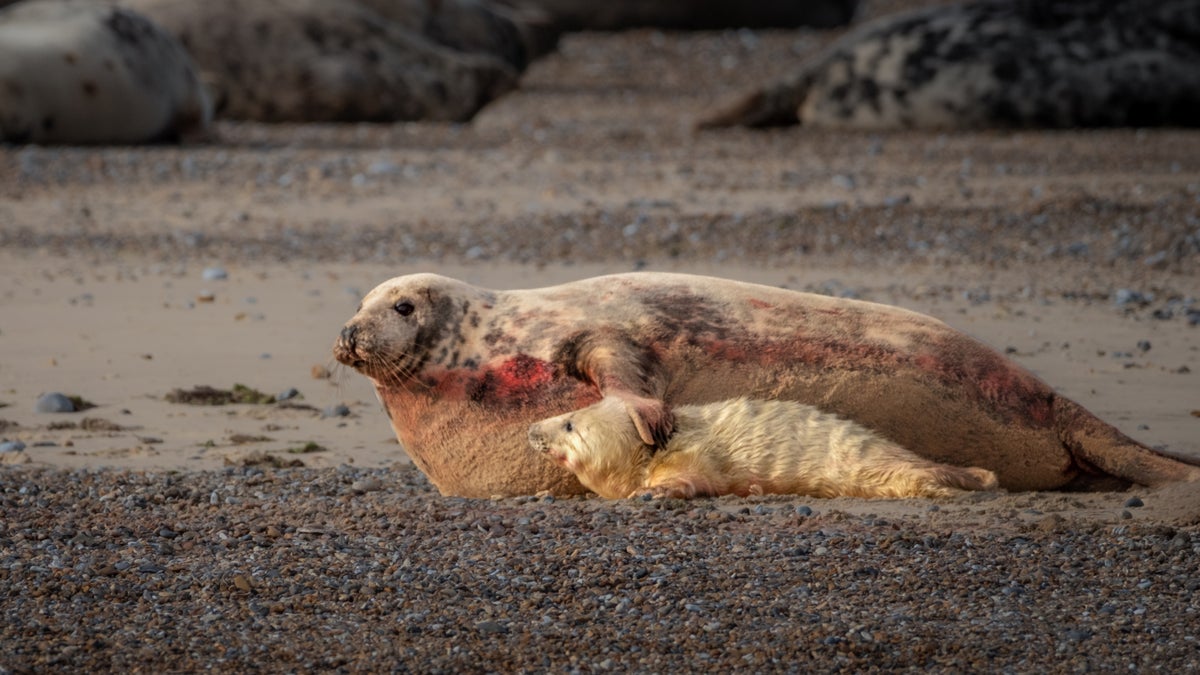
'Seal-cam' promises free, front-row seat as pupping season begins in country's biggest grey seal colony

National Trust Press Release | Media www.nationaltrust.org.uk
preview

Audiences everywhere are being given the chance to witness one of England’s most spectacular natural events – seal pupping – as a popular live ‘seal-cam’ returns to the country’s largest grey seal colony.

Put live during Friday’s Microsoft outage, the seal cam at Blakeney Point in Norfolk has already attracted thousands of viewers, who spent more than 645 hours watching the livestream in its first 24 hours as the first seal pups arrived.

The camera will provide a free front-row seat as an anticipated 10,000 grey seals haul out onto the four-mile-long shingle spit to give birth to thousands of pups, overseen by a team of six National Trust rangers and more than 30 volunteers.

0

New survey shows Tay and Forth beaver population expanding

NatureScot New survey shows Tay and Forth beaver population expanding www.nature.scot
preview

The beaver population in the Tayside and Forth catchments is continuing to expand, according to Scotland’s largest ever survey of the species.

The survey, published today, found there are now 349 confirmed beaver territories and 56 possible territories across the survey area – a total of up to 405.

That marks a significant increase on previous surveys, which recorded 39 territories in 2012, rising to 114 in 2017-2018 and 251 in 2020-2021.

0

Experts explore returning beavers to River Waveney in Suffolk

BBC News Experts explore returning beavers to River Waveney www.bbc.co.uk
preview

A river separating two counties could become home to beavers as work begins to explore where a colony could be introduced.

The River Waveney Trust is in conversation with Natural England and other agencies about potentially reintroducing the river-dwelling mammals along the River Waveney.

The 59-mile (95km) waterway rises in Redgrave and Lopham Fen in Suffolk and heads east, creating a border between Norfolk and Suffolk as it flows out into the River Yare at Great Yarmouth.

0

Lincolnshire Wildlife Trust secures cash for Hawthorpe reserve

BBC News Lincolnshire Wildlife Trust secures cash for Hawthorpe reserve www.bbc.co.uk
preview

A wildlife trust has raised money to buy a large grassland habitat and turn it into a nature reserve.

Lincolnshire Wildlife Trust said public donations worth £400,000 meant it was able to secure 215 acres (87 hectares) of land near Hawthorpe.

The trust was previously awarded a £1m grant from Biffa Award, as part of the Landfill Communities Fund, towards the purchase.

0

Anglian Water begins work on £30m scheme to cut sewage spills

BBC News Anglian Water begins work on £30m scheme to cut sewage spills www.bbc.co.uk
preview

Work has started on a £30m project aimed at reducing sewage spills in Lincolnshire.

Anglian Water said it was upgrading its sewage treatment works in Boston with a new storm tank, capable of holding 4.5 million litres of water, and installing an extra pump at East Side Pumping Station to reduce wastewater overflows during heavy rainfall.

The company said it also planned to install an ultraviolet (UV) treatment system at the site in 2028 to reduce bacteria in treated wastewater.

0

Plan aims to restore wildlife habitats across Staffordshire

Lichfield Live | Lichfield Community Media CIC Plan aims to restore wildlife habitats across Staffordshire lichfieldlive.co.uk
preview

A NEW plan to restore wildlife habitats across Staffordshire is set to be debated by councillors.

The Local Nature Recovery Strategy sets out Staffordshire County Council’s priorities and identifies where action could make the biggest difference to nature across the area.

It includes targets to create 500 hectares of woodland and 10km of native hedgerow.

0

Breeding success for Leicestershire swift nesting project

BBC News Breeding success for Leicestershire swift nesting project www.bbc.co.uk
preview

Officials behind a swift conservation project in Leicestershire have found evidence of breeding attempts in nest boxes placed across the county.

More than 360 nest boxes were installed as part of the joint venture between Leicestershire County Council’s Swift Action for Swifts project and the Leicestershire and Rutland Ornithological Society (LROS).

The team behind the project to boost the swift population said monitoring of the boxes is continuing, but a total of six breeding attempts have been confirmed.

0

Endangered salmon leap back after Lake District bends restored

BBC News Endangered salmon leap back after Lake District bends restored www.bbc.co.uk
preview

An endangered breed of salmon is making a recovery after a stream in the Lake District was rewiggled.

Swindale Beck was straightened in the 1800s to increase land for farming, but the quicker-moving water scoured away the gravel banks needed by Atlantic salmon to lay their eggs.

A decade after the restoration project between the RSPB and United Utilities, an Environment Agency survey found fry - newly hatched salmon - at three locations showed numbers had more than doubled in the past two years.

0

Return of the wild oyster: conservationists bring shellfish back from local extinction off Scottish coast

the Guardian Return of the wild oyster: conservationists bring shellfish back from local extinction off Scottish coast www.theguardian.com
preview

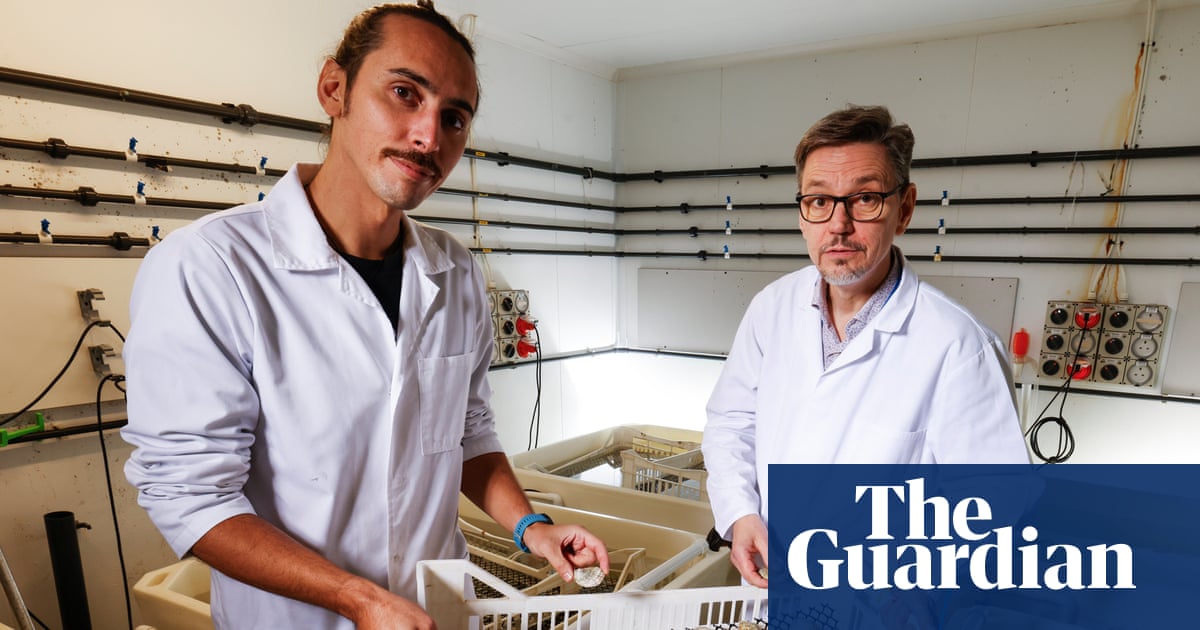
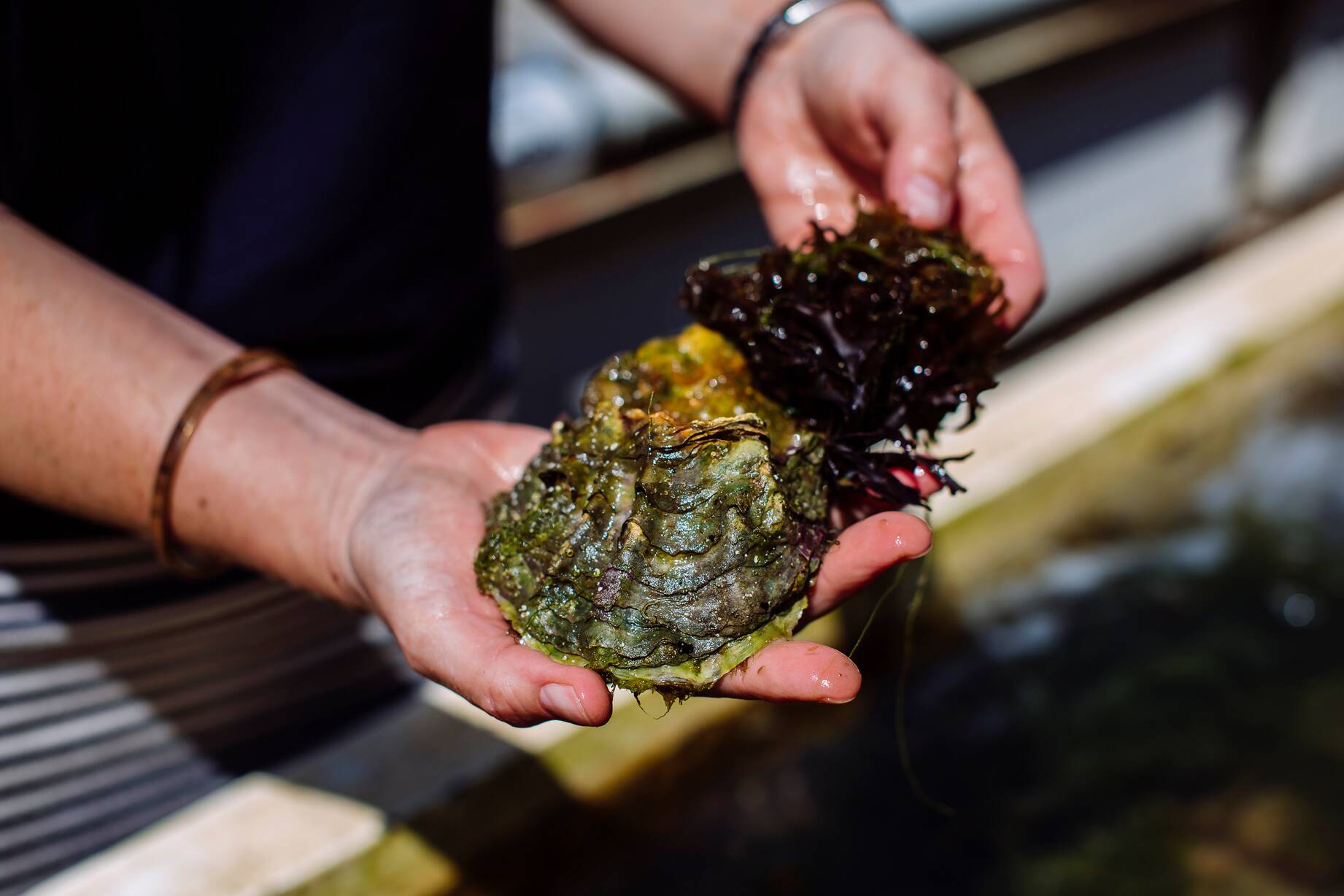
The baby oysters, with their rough cream-coloured shells and ragged edges, are about the size of a 50 pence piece. But off the north-east coast of Scotland, they are proof of a breakthrough in marine conservation.

For the first time in the UK, scientists have succeeded in breeding wild oysters at a site where they had been locally extinct for more than a century, in the Dornoch Firth north of Inverness.

The marine conservationists hope that about 4m native European flat oysters (Ostrea edulis) will soon colonise the restoration site, heralding a remarkable turnaround for the species.

0

Free trees given out to help grow butterfly population in Hull

BBC News Free trees given out to help grow butterfly population in Hull www.bbc.co.uk
preview

A community project aiming to increase the butterfly population is giving away small trees for people to plant.

Butterfly City, in Hull, which was set up in 2019 by Hull City Council and supported by Hull West and Haltemprice MP Emma Hardy, said people would be able to collect free alder buckthorn saplings from nine pick-up points across the city in a bid to help boost the numbers of Brimstone butterflies.

Director Sean Clough said the group was giving away 1500 buckthorns free to residents, community groups, schools and organisations to plant.

0

A season of hope for Curlews in North Wales

preview

For many people, the bubbling call of the Curlew is one of the most welcome signs that spring has returned. Yet despite being one of our most cherished upland birds, Curlew numbers have dropped by roughly 80% since 1990. This year’s results, however, offer real encouragement and reflect the hard work of farmers, landowners, volunteers and conservationists working together to secure a brighter future for Curlews across the uplands of Ysbyty Ifan and Hiraethog.

The project recorded an estimated 55 breeding pairs across the project area, up from 41 breeding pairs in 2025.

For everyone involved in the project, these figures provide a welcome boost and offer hope that Curlews can continue to recover across these upland landscapes. While the species remains a significant conservation concern, the increase in breeding pairs suggests that efforts to improve conditions for Curlews across the project area are having a positive impact.

0

A new £5.98m project aims to save Scotland's rainforest by helping remote communities thrive

preview

A £5.98 million award from The National Lottery Heritage Fund will help restore Scotland’s globally rare rainforest while supporting some of the country’s most fragile rural communities.

The five-year project, Our Rainforest Futures, will create a new generation of rainforest guardians across Scotland’s west coast including via three ‘hubs’ – in Torridon, Morvern and Mid-Argyll. Through the project local people will gain skills, training and work opportunities while helping restore one of Britain’s rarest habitats in areas already facing population decline and workforce shortages.

Our Rainforest Futures is an Alliance for Scotland’s Rainforest project led by the Woodland Trust Scotland. Project partners are Argyll Countryside Trust, Community Woodlands Association, Plantlife, RSPB Scotland and SRUC. Our vision is a national movement of rainforest custodians equipped and enabled to save Scotland’s rainforest.

0

Bristol aims to become UK’s first ‘wetland city’ and reduce flood risk

the Guardian Bristol aims to become UK’s first ‘wetland city’ and reduce flood risk www.theguardian.com
preview

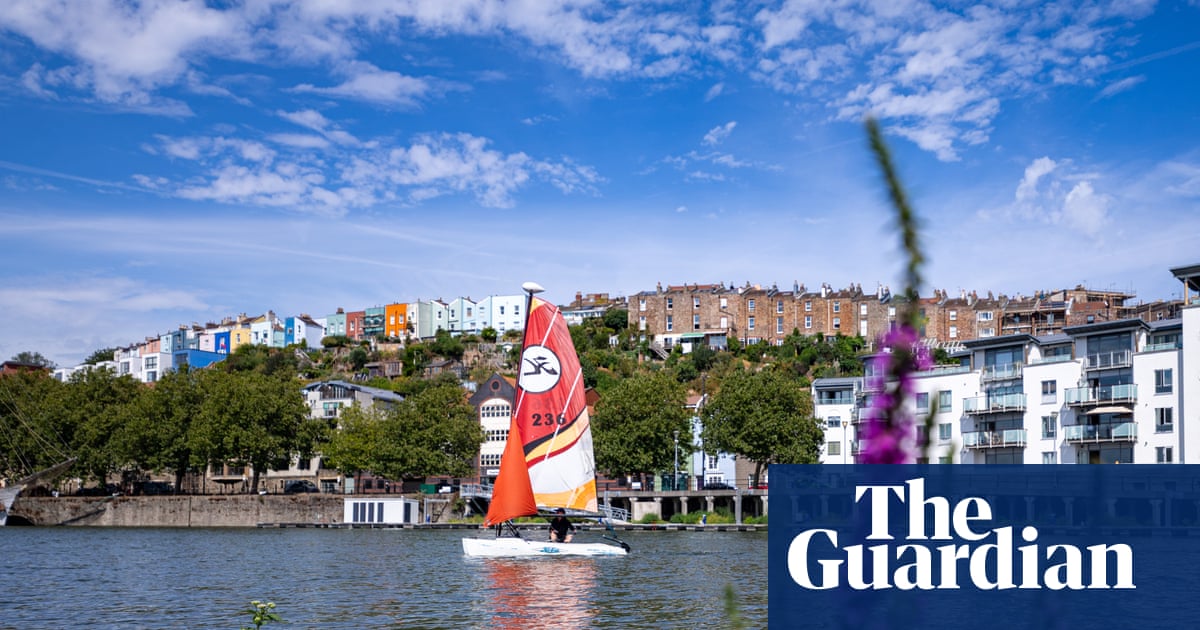
Bristol could become home to the UK’s first “wetland city” thanks to a charity’s efforts to create vast wildlife corridors that will reduce flood risk and give people more access to green and blue spaces.

The Wildfowl & Wetlands Trust (WWT) said the five-year initiative would include more than 200 projects to restore and create wetlands across the city. These will range from small household rainwater ponds and street-level rain gardens to restoring river habitats, reconnecting rivers with their floodplains, and creating new wetlands.

It hopes to achieve wetland city accreditation under the Ramsar convention, the international treaty on wetland conservation, which recognises cities that protect and make wise use of their urban wetlands.

0

Sewage spills in Scotland: Has your local river or sea been polluted?

BBC News Sewage spills in Scotland: Has your local river or sea been polluted? www.bbc.co.uk
preview

More than 76,000 sewage spills were recorded after new monitoring equipment was installed at waste overflow sites in Scotland, BBC analysis suggests.

The addition of 1,009 sewer monitors in 2024 increased the proportion of the Scottish Water network being monitored from 6% to 30%.

Now the latest figures have revealed tens of thousands of spills which would previously have been unrecorded, including hundreds at beauty spots like Loch Lomond.

0

Rewilding sessions in Hastings help us feel calmer, children say

BBC News Rewilding sessions in Hastings help us feel calmer, children say www.bbc.co.uk
preview

Children in East Sussex have described their outdoor rewilding sessions as helping them to feel calmer.

Project Rewild, which receives support from BBC Children in Need, is based in Hastings and offers children the opportunity to connect with the natural world, whatever the weather, during half-term.

George, one of the youngsters taking part, told BBC South East: "It’s about being outside, making friends and enjoying the nature.

0

Land near Anglesey Abbey back with National Trust after 60 years

BBC News Land near Anglesey Abbey back with National Trust after 60 years www.bbc.co.uk
preview

A 370-acre (150-hectare) area of land on the edge of Cambridge has been returned to the care of the National Trust - for the first time in 60 years.

The area - known as Northfield - runs alongside the opposite side of Quy Road towards Bottisham, seven miles (11km) from the city and close to Anglesey Abbey.

The National Trust hopes to restore the natural site to create new wildlife habitats and improve community access to green space.

0

England moves closer to large-scale restoration of native oyster reefs

University of Portsmouth England moves closer to large-scale restoration of native oyster reefs www.port.ac.uk
preview

England is a step closer to restoring native oyster reefs across its coastal and estuarine waters, following the publication of a new report identifying where large-scale restoration could be most feasible and beneficial.

Once widespread around our coasts, native oyster reefs have suffered dramatic declines over the last two centuries. Restoring these remarkable ecosystems could play a vital role in marine nature recovery, boosting biodiversity, improving water quality and helping to create healthier, more resilient coast.

The report commissioned by the Environment Agency through the Restoring Meadows, Marsh and Reef (ReMeMaRe) Initiative, has been delivered through a collaboration between the University of Portsmouth, ZSL (Zoological Society of London) (founding partners of the Native Oyster Network UK and Ireland), The University of Edinburgh and Herriot-Watt University.

0

Seabirds amongst hardest hit by avian influenza outbreaks

preview

Outbreaks of Highly Pathogenic Avian Influenza (HPAI) can cause large population losses across a wide range of bird species. By combining data from 40 different mass mortality events across the world, new research shows that some bird groups, such as gulls, terns and other seabirds, appear more likely to suffer significant population losses, than others, such as waterfowl.

HPAI is a contagious, and potentially deadly, viral infection which spreads between birds through saliva, nasal secretions, droppings, predation and scavenging. Where outbreaks occur, thousands of birds can die, causing an initial drop in population size.

Researchers at the RSPB collated datasets from across the world where bird populations were monitored before, during and after HPAI outbreaks which occurred pre-2020.

0

Severe winter takes toll on Farne Islands seabirds as annual census reveals mixed fortunes

Radware Page www.nationaltrust.org.uk
preview

Annual bird counts on the Farne Islands have revealed mixed fortunes for the internationally important seabird colonies, with declines recorded among puffins and several other species following an exceptionally difficult winter in the north Atlantic.

Annual bird counts on the Farne Islands have revealed mixed fortunes for the internationally important seabird colonies, with declines recorded among puffins and several other species following an exceptionally difficult winter in the north Atlantic.

This year’s count by National Trust rangers recorded declines in several species. European shags recorded one of the steepest declines, falling 42% from 96 to 56 breeding pairs. Arctic terns fell 27%, from 519 to 377 breeding pairs, northern fulmars declined 21%, from 235 to 186 breeding pairs, and common guillemots fell 11%, from 44,059 to 39,059 individuals.

Annual bird counts on the Farne Islands have revealed mixed fortunes for the internationally important seabird colonies, with declines recorded among puffins and several other species following an exceptionally difficult winter in the north Atlantic.

Annual bird counts on the Farne Islands have revealed mixed fortunes for the internationally important seabird colonies, with declines recorded among puffins and several other species following an exceptionally difficult winter in the north Atlantic.

This year’s count by National Trust rangers recorded declines in several species. European shags recorded one of the steepest declines, falling 42% from 96 to 56 breeding pairs. Arctic terns fell 27%, from 519 to 377 breeding pairs, northern fulmars declined 21%, from 235 to 186 breeding pairs, and common guillemots fell 11%, from 44,059 to 39,059 individuals.

0

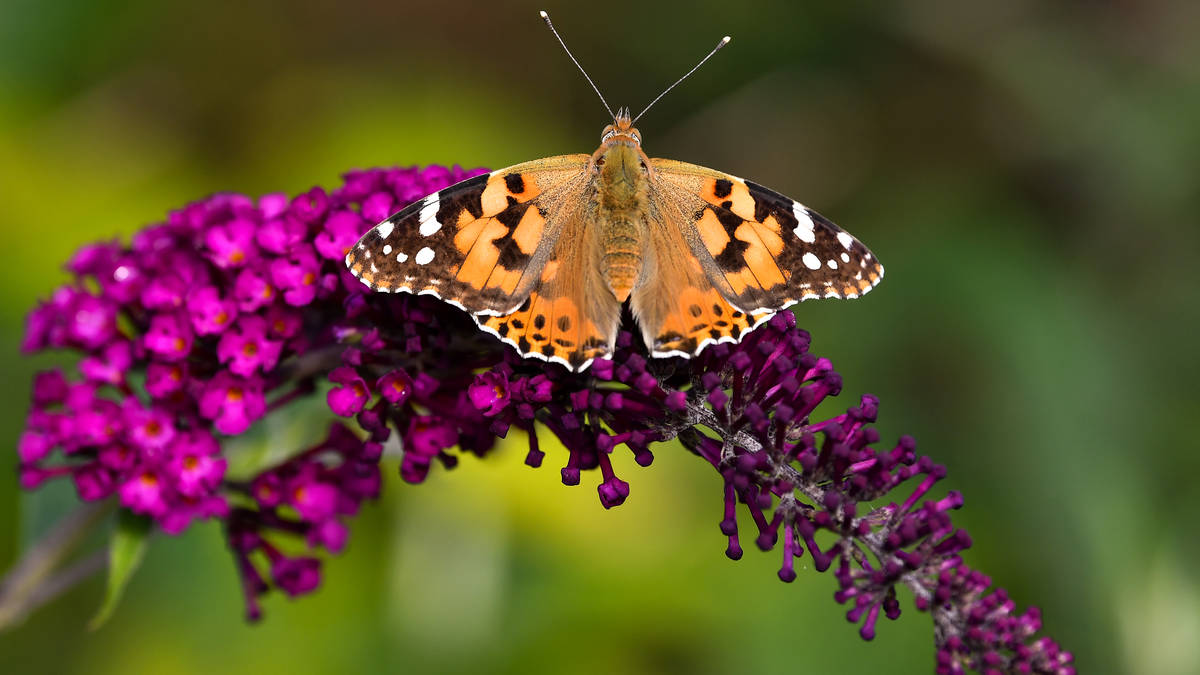
Butterfly's 900% boom in Corby wood as larvae 'turbo-charged'

BBC News Butterfly's 900% boom in Corby wood as larvae 'turbo-charged' www.bbc.co.uk
preview

A wildlife charity says numbers of a rare butterfly in a wood have “boomed”, exploding by 922% after it was reintroduced.

Butterfly Conservation (BC) said it had recorded 746 Wood Whites at Fineshade Wood in Rockingham Forest, near Corby, Northamptonshire, compared to just 73 in 2025.

Twenty adult Wood Whites, a butterfly classified as endangered in Great Britain, external, had been taken to the Forestry England site in 2024 from Hazelborough Forest and Bucknell Wood, close to Silverstone.

0

Some PFAS chemicals are declining in English rivers but others are appearing | New Scientist

New Scientist Some PFAS chemicals are declining in English rivers but others are appearing | New Scientist www.newscientist.com
preview

The concentration of two of the most well-studied PFAS forever chemicals are showing a strong downward trend in English rivers. The finding adds to a mixed story for the power of global restrictions.

The levels of perfluorooctanesulfonic acid (PFOS) and perfluorooctanoic acid (PFOA) in English rivers have fallen by 30 per cent and 29 per cent, respectively, over the past decade, according to a new report by scientists at the Environment Agency (EA), a UK government green regulator.

Both of these human-made chemicals take a long time to break down in the environment. The International Agency for Research on Cancer recently designated PFOA as carcinogenic to humans, and both forever chemicals have been linked to reproductive health and developmental impacts as well as other serious health issues.

0

Climate anxiety rising amongst young people after a record summer

BBC News How hot summer leaves young people anxious about climate change www.bbc.co.uk
preview

Millions of children across the UK say climate change is impacting their wellbeing after relentless heatwaves, wildfires and flooding.

Teenagers have said this year’s extreme heat has left them feeling “powerless” and “hopeless” for the future, with experts explaining that climate anxiety is a sense of fear and worry linked to the changing climate.

Rebecca Fulford, 21, from Gloucestershire, said: “Often it feels like young people have the most expectation on them to take action. However they also have the least power.”

0

House martin nests scheme expanded in Hampshire to combat decline

BBC News House martin nests scheme expanded in Hampshire to combat decline www.bbc.co.uk
preview

Up to 900 artificial nest “cups” for threatened house martins are set to be installed in Hampshire as part of a conservation project.

The birds migrate from Africa each spring and are on the UK’s Red List of endangered bird species. They are thought to have suffered from a lack of wet mud to build nests during the extreme heat in the summer.

Following a pilot project, The Hampshire House Martins Project is offering free cups which save the birds time and energy compared to building their own mud nests.

0

Natural Resources Wales / Major restoration work improves vital habitat on Pembrokeshire river

Natural Resources Wales / Major restoration work improves vital habitat on Pembrokeshire river naturalresources.wales
preview

A stretch of the Cleddau River Special Area of Conservation (SAC), has been restored by Natural Resources Wales’s (NRW) Four Rivers for LIFE project.

500 tonnes of boulders were reintroduced into 650 metres of the Afon Wern - a key tributary of the protected Cleddau River SAC with the aim of improving the river habitat, supporting wildlife and restoring more natural river processes.

This stretch of the Afon Wern has suffered from dredging in the past, and surveys of the river by staff confirmed this, as the boulders that had been removed were found along the riverbank.

0

Nature recovery project slows the flow

preview

Scottish Woodlands is involved in an exciting nature recovery project at Glen Dye Moor in Aberdeenshire.

The scheme is designed to slow the flow of the Water of Dye, a tributary of the River Dee, and enhance biodiversity in the area.

Scottish Woodlands is involved in an exciting nature recovery project at Glen Dye Moor in Aberdeenshire.

The scheme is designed to slow the flow of the Water of Dye, a tributary of the River Dee, and enhance biodiversity in the area.

0

Project to restore Scotland’s ‘precious’ rainforest gets £6m in lottery funding

Shropshire Star Project to restore Scotland’s ‘precious’ rainforest gets £6m in lottery funding www.shropshirestar.com
preview

Despite being one of Britain’s most biodiverse habitats, only around 30,000 hectares of Scotland’s rainforest remains.

A project to help restore Scotland’s “internationally significant” rainforest while supporting rural communities has received nearly £6 million in lottery funding.

Our Rainforest Futures will see “rainforest guardians” created across Scotland’s west coast, through hubs at Torridon and Morvern in the Highlands, and at mid-Argyll in Argyll and Bute.

0

Fylde’s Saltmarsh Wins National Award for Protecting our Coast and its Wildlife – Fylde Council

preview

Fylde’s coastline is now officially among the best in the country for nature, after the Fylde Saltmarsh Project won a national award at the CIRIA Biodiversity Challenge Awards 2026.

The win was announced at a ceremony on Thursday 5 November. It celebrates the work to restore the saltmarsh at Fairhaven after the new sea wall was built. The project used innovative nature-based techniques to strengthen this unique habitat, so it can help protect our coast from the sea while giving birds, plants and wildlife a richer place to live.

The project has explored installing sediment traps made from biodegradable potato starch and using plants grown in a nearby nursery. These measures are intended to repair damaged areas of saltmarsh, rather than extend the marsh into new areas.

0

Rare flowers rescued from eroded coastline at Culbin Sands

BBC News Rare flowers rescued from eroded coastline at Culbin Sands www.bbc.co.uk
preview

Conservationists say thousands of rare flowers have been saved from falling into the sea on the Moray coast.

In the UK, the one-flowered wintergreen can only be found in pine woodlands in north-east Scotland.

More than half the entire population of the star-shaped flower have been lost over the last 50 years.

0

The Gloucestershire swan sanctuary fighting climate change

BBC News The Gloucestershire swan sanctuary fighting climate change www.bbc.co.uk
preview

Most people know rainforests are vital in the fight against climate change, but now scientists say wetlands could be even more important.

Saltmarshes, mangrove swamps and wetlands can absorb carbon “four times faster than trees”, according to the charity the Wildfowl and Wetlands Trust (WWT).

Celebrating 80 years since WWT’s first wetland bird reserve was founded at Slimbridge, in Gloucestershire, the charity’s leaders have called for one million hectares of wetlands to be restored across the world.

0

Charity wants Thames Valley bee, bird and butterfly population boost

BBC News Charity wants Thames Valley bee, bird and butterfly population boost www.bbc.co.uk
preview

A charity wants to raise £70,000 for a project aimed at boosting wildlife populations on farmland in the Thames Valley.

The Berkshire, Buckinghamshire and Oxfordshire Wildlife Trust (BBOWT) said the money would form part of its Nature Recovery Fund and would be used to tackle falling numbers of birds, bees and butterflies.

The trust said farmland bird populations had fallen by 63% since 1970, while half of the UK’s 27 bumblebee species were in decline.

0

Dormice 'thrive' at Killerton National Trust site in Devon

BBC News Dormice 'thrive' at Killerton National Trust site in Devon www.bbc.co.uk
preview

Habitat work and a monitoring scheme have helped hazel dormice thrive at a National Trust site, despite declines elsewhere, experts have said.

Killerton National Trust has 100 nest boxes across its estate in Devon. Rangers weigh and record details of each mouse between April and October.

The trust said the animals “continue to thrive” in the area - a sign it was “doing something right” by creating a “healthy, diverse and well-connected habitat for wildlife”.

0

Dormouse numbers may be helped by warmer summers - survey

BBC News Dormouse numbers may be helped by warmer summers - survey www.bbc.co.uk
preview

Dormouse numbers may be recovering in England and Wales after years of decline, offering a rare piece of good news for one of our best-loved mammals.

The animal has disappeared from much of the countryside with conservationists warning of a long-term collapse in its population.

However, new data suggests dormouse numbers increased between 2020-2025, a period that coincided with warmer springs and summers.

0

North Pennines National Landscape prepares for climate change

BBC News North Pennines National Landscape prepares for climate change www.bbc.co.uk
preview

Climate change readiness and helping people access the countryside are among priorities in a five-year plan for a national landscape.

The North Pennines National Landscape Management Plan 2026-31 has been adopted by the Cumberland, Westmorland and Furness, County Durham and Northumberland councils.

Work to ensure the North Pennines was “as prepared as possible for future climate challenges” included restoring peatland to help reduce flooding and equipping farmers with wildfire fighting equipment such as drones.

0

Meet the people saving England’s peatlands

preview

As the clouds begin to break over the horizon on the Southern Pennines and a ray of sunlight peeks out, the slosh of rain boots can be heard trekking up the hill on this chilly morning in Yorkshire.

With wind gusts reaching up to 30mph and the rain looming in the distance, 25 local volunteers gather near the unique rock formations at Bridestones Moor for a first-of-a-kind peatland restoration project.

“This is special,” says Anthony Arak, one of the founders of Bridestones Rewilded, of the project. The not-for-profit community interest company bought the 114-acre moorland from a private landowner two years ago to restore and protect it from overfarming.

0

National Trust votes to seek banking partner more in tune with its environmental policies

the Guardian National Trust votes to seek banking partner more in tune with its environmental policies www.theguardian.com
preview

The National Trust has voted overwhelmingly to seek a new banking partner in a significant victory for members who have long argued that its relationship with Barclays was at odds with its commitment to protecting the natural world.

The resolution, passed at the charity’s annual general meeting on Saturday with the backing of its board of trustees, instructs the organisation to begin a competitive tendering process for its banking arrangements.

That process will, for the first time, centre on the condition that the new bank demonstrates a positive commitment to protecting biodiversity and reducing the human-induced climate crisis.

0

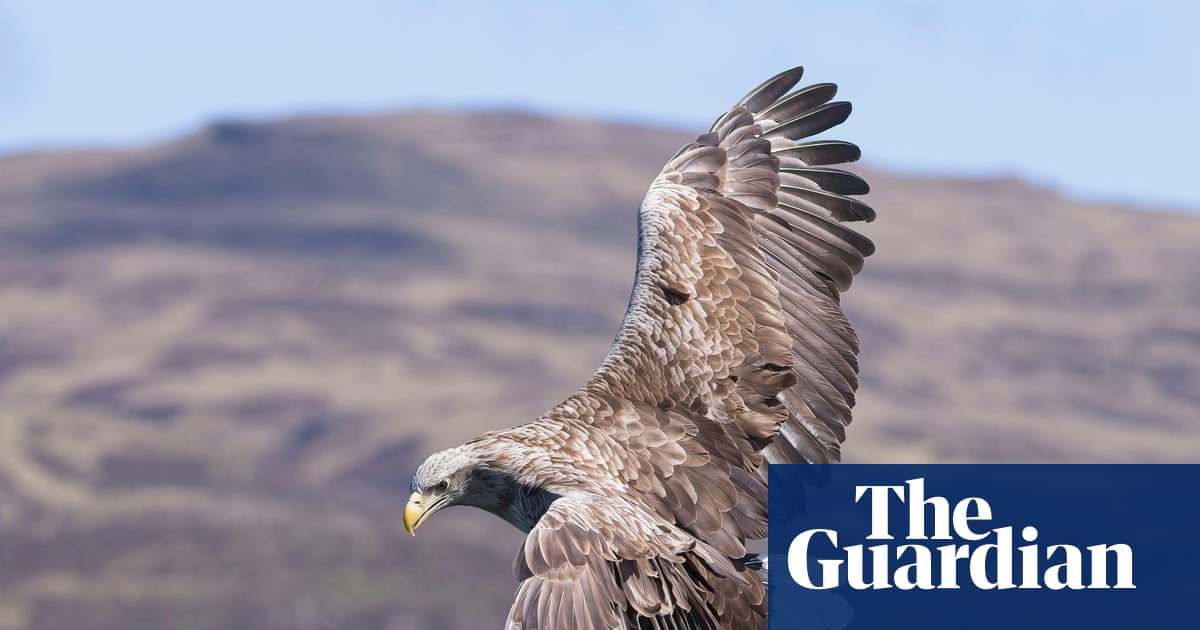
Reintroduction of white-tailed eagles puts seabird colonies at risk of wipeout, say experts

the Guardian Reintroduction of white-tailed eagles puts seabird colonies at risk of wipeout, say experts www.theguardian.com
preview

White-tailed eagles reintroduced into England and Wales imperil endangered seabird populations and risk wiping out some colonies, ecologists and conservationists are warning.

Puffins, guillemots, razorbills, fulmars and kittiwakes are among the birds for which breeding populations could collapse if large numbers of white-tailed eagles are released, according to some academics and conservationists.

“Amidst all the excitement and enthusiasm for reintroducing white-tailed eagles, the fact that these birds will probably destroy our seabird colonies seems to have been completely overlooked,” said Tim Birkhead, an emeritus professor of ecology and evolution at the University of Sheffield.

0

Record year for pine marten sightings in Wales

preview

A UK wildlife group says it’s recorded the highest number of pine marten sightings since it began surveying an ancient forest in Wales. The small, furry mammals are rarely seen; they’re elusive, coming out at dusk or night to hunt their prey and the Vincent Wildlife Trust says more of them indicates the health of the forest is improving.

A UK wildlife group says it’s recorded the highest number of pine marten sightings since it began surveying an ancient forest in Wales. The small, furry mammals are rarely seen; they’re elusive, coming out at dusk or night to hunt their prey and the Vincent Wildlife Trust says more of them indicates the health of the forest is improving.

0

Campaign to turn Blean woods into part of ‘England’s largest connected woodland’

Kent Online Campaign to turn Blean woods into part of ‘England’s largest connected woodland’ www.kentonline.co.uk
preview

Politicians have thrown their weight behind proposals to turn a much-loved landscape into the country’s “largest area of protected, interconnected woodland”.

The area around Canterbury is home to several large areas of woodland known as Blean Woods, most of which are prized ancient woodlands.

Politicians have thrown their weight behind proposals to turn a much-loved landscape into the country’s “largest area of protected, interconnected woodland”.

The area around Canterbury is home to several large areas of woodland known as Blean Woods, most of which are prized ancient woodlands.

0

Record sightings of rare moth in Glen Affric

BBC News Record sightings of rare moth in Glen Affric www.bbc.co.uk
preview

A record number of sightings have been made of a moth that is found almost exclusively in Glen Affric in the Highlands.

The Affric Twitcher, also known by its scientific name Choreutis diana, is one of the UK’s rarest species of moth.

A local recorder, Mike Taylor, saw 43 adult moths during a two-day visit to the glen - the highest number for the area since records began in 2021.

0

Work to restore New Forest wildfire site gets under way

BBC News Work to restore New Forest wildfire site gets under way www.bbc.co.uk
preview

Restoration work has begun at the site of a devastating wildfire in a national park.

More than 1 sq km (247 acres) of the New Forest was destroyed after a fire spread from a blazing van on 9 August.

The fire caused damage to rare heathland and an ancient woodland, as well as burning through a surface layer of peat in some of the boggy areas, reducing their ability to store carbon.

0

Shake-up for English water companies welcomed by nature charity

preview

The Wildlife Trusts has welcomed the news that eight new regional water councils will be set up in England to give public and local leaders a direct say in how water companies deliver for their area.

The new regional water councils will bring local leaders, customers and businesses together to set the priorities for their region, helping shape billions of pounds of investment in water and flood infrastructure.

Decisions about the water system are currently taken nationally, despite communities facing very different challenges. The new councils will change that, giving communities and local leaders a stronger voice over priorities including sewage and water quality, flooding, drought and future water supplies. Mayors will also receive new powers through the strengthened Water Bill to hold water companies to account for their performance.

0

Buglife News ~ Over 50k people tell Google to ‘search elsewhere’ and spare nature

preview

A petition with almost 55,000 signatures was handed into Google’s flagship London office today, calling on it to withdraw controversial data centre plans for an Essex Local Wildlife Site, but they refused to accept it.

Google’s proposed Thurrock Data Centre campus would destroy much of the 52-hectare Arena Essex Local Wildlife Site, which is home to hundreds of species of invertebrate, including the Brown-banded Carder Bee (Bombus humilis) and Dingy Skipper butterfly (Erynnis tages), Red Listed Nightingales (Luscinia megarhynchos) and Endangered Broad-leaved Cudweed (Filago pyramidata).

Nestled in a former quarry and wedged between the Mardyke Valley and Lakeside Retail Park, this unique wildlife haven has thrived almost unnoticed, alongside speedway at the Arena Essex Raceway until the track closed in 2018. Studies have revealed that the proposals would emit more carbon than an international airport, alongside increasing water demand in an area of exceptional drought stress, while offering few benefits for the local community.

0

Wildlife paying the price for noise pollution, Queen’s study finds

preview

New research by Queen’s University Belfast has found that noise pollution is having increasingly significant impacts on the development, behaviour and mortality of species worldwide.

The paper, published today in Science, is an analysis of 214 experimental studies on 177 aquatic and terrestrial species across six continents.

It shows that noise pollution changes physiology, development, or behaviour in 80% of the species studied, reduces fitness and abundance, and disrupts predator-prey interactions.

0

Kent wildlife park keeper finds rare coral fungus on fallen log

BBC News Kent wildlife park keeper finds rare coral fungus on fallen log www.bbc.co.uk
preview

A rare fungus once thought extinct in Britain has been discovered at a wildlife park in Kent.

The crown-tipped coral fungus was spotted growing on a fallen log at Wildwood Trust near Canterbury by a keeper near the rabbit enclosure.

Also known as candelabra coral, the fungus went 116 years without a confirmed sighting before being rediscovered in Suffolk in 2012, heritage officer Steve Kirk said.

0

Warming UK seas could ‘fundamentally reshape marine ecosystems’ – report

the Guardian Warming UK seas could ‘fundamentally reshape marine ecosystems’ – report www.theguardian.com
preview

Warming seas around the UK and the wider north-east Atlantic could destabilise marine food webs, weaken ocean health and jeopardise food security by 2050, according to a four-year study.

Scientists who projected the impact of climate breakdown on four key groups of marine life crucial to maintaining ocean ecosystems in the region said their results challenged assumptions that in middle latitudes, such as the UK, marine biodiversity was likely to increase across the board.

Instead, their projections highlight a predator-prey imbalance that could “fundamentally reshape marine ecosystems” in unforeseen ways, they said.