0

follow from another instance
Not on this instance? Enter your own instance's domain to go straight to following c/netbsd@lemmy.sdf.org there.

0

0
0
preview
As I mentioned in a previous post, I been unhappy with the direction the tech industry has been in for a long time. The enshitfication and AI deluge is not something I can do much about, but I can change what I use even if in the grand scheme of things it means very little, it does mean a lot to me.
As I mentioned in a previous post, I been unhappy with the direction the tech industry has been in for a long time. The enshitfication and AI deluge is not something I can do much about, but I can change what I use even if in the grand scheme of things it means very little, it does mean a lot to me.
0
0
0
0
0

Here's The Beef
My Current NetBSD Laptop Setup
perotti.org
preview
Just over five months ago (an entirely too long of a time), I installed NetBSD onto my laptop. With my reintroduction to it, I set out to make NetBSD work the way I want it to work. I am the first to admit that I have a love/hate relationship with configuration; I love to tweak settings, but hate that I never settle for the first (or second, or third, or…) attempt at customization. I have been changing things up on this laptop almost on a daily basis, and there is no shortage of buttons to push, knobs to twist, or switches to toggle when it comes to any open-source product. To be fair, the same can be said of most non-libre software as well.
Just over five months ago (an entirely too long of a time), I installed NetBSD onto my laptop. With my reintroduction to it, I set out to make NetBSD work the way I want it to work. I am the first to admit that I have a love/hate relationship with configuration; I love to tweak settings, but hate that I never settle for the first (or second, or third, or…) attempt at customization. I have been changing things up on this laptop almost on a daily basis, and there is no shortage of buttons to push, knobs to twist, or switches to toggle when it comes to any open-source product. To be fair, the same can be said of most non-libre software as well.
0
0
preview
atto is a screen-based text editor. It serves as an alternative to vi(1)
for users who are not accustomed to text editors with separate insertion
and editing modes, and includes support for editing UTF-8 text.
This was added to the base system in NetBSD-current according to this post on their Mastodon account.
0
0
preview
There might be time you want to have a sensible space in that untangible mess that is modern World Wide Web. The choices run slim and at some point there are ~three operating systems that you can trust having on your server.
I’ll describe here the quick and proven route for running a NetBSD 11 web server - the ‘stock’ way with bozohttpd that requires only one additional package for HTTPS2. It probably won’t do if you expect heavy traffic, but for homebrew projects and small scale communities it should do just fine.
0

preview
It’s the fashion these days — in November 2026 anyway. I’m kicking the tires on NetBSD 11.
It’s the fashion these days — in November 2026 anyway. I’m kicking the tires on NetBSD 11.
0
preview
mastodon.sdf.org/@netbsd/117473734072004396
Hello, please immediately run the following commands on your NetBSD installations:
certctl untrust /usr/share/certs/mozilla/all/emSign_Root_CA_-_C1.pem
certctl untrust /usr/share/certs/mozilla/all/emSign_ECC_Root_CA_-_C3.pem
mastodon.sdf.org/@netbsd/117473734072004396
Hello, please immediately run the following commands on your NetBSD installations:
certctl untrust /usr/share/certs/mozilla/all/emSign_Root_CA_-_C1.pem
certctl untrust /usr/share/certs/mozilla/all/emSign_ECC_Root_CA_-_C3.pem
0
preview
Please bear with me as I am a NetBSD noob.
I am booting NetBSD from a USB, but I can never get past the root device prompt? It shows pk0, pk1, pk2, halt, reboot, and a few other options. I’ve left the USB for a few minutes and nothing has happened. Does the installer start on its own? Usually Linux installers go straight to the install (or in the case of Arch, an install prompt). I’ve reflashed the USB once to no avail.
0

theregister
NetBSD may have found a new role: The AI-free FOSS OS
www.theregister.com
0

LinuxLinks
FreeLinX – independent Linux distribution with NetBSD userland - LinuxLinks
www.linuxlinks.com
preview
FreeLinX is an independent Linux distribution built around the Linux kernel, a NetBSD-derived userland, the musl C library, and the LLVM toolchain.
FreeLinX is an independent Linux distribution built around the Linux kernel, a NetBSD-derived userland, the musl C library, and the LLVM toolchain.
0
preview
racoon2 is a system to exchange and install security parameters for IPsec. It consists of an IKEv1/IKEv2 key exchange daemon, a security policy management daemon, and a Kerberos-based key exchange daemon. The project lives at zoulasc/racoon2 and is being modernized so that it can serve as a reliable L2TP/IPsec or IKEv2 VPN server on NetBSD and Linux for built-in Windows, iOS and Android VPN clients.
racoon2 is a system to exchange and install security parameters for IPsec. It consists of an IKEv1/IKEv2 key exchange daemon, a security policy management daemon, and a Kerberos-based key exchange daemon. The project lives at zoulasc/racoon2 and is being modernized so that it can serve as a reliable L2TP/IPsec or IKEv2 VPN server on NetBSD and Linux for built-in Windows, iOS and Android VPN clients.
0

Rubenerd
Rubenerd: Diff’ing NetBSD and FreeBSD ZFS zpool features
www.rubenerd.au
preview
I’ve been backing up my home directories on my NetBSD machines to my FreeBSD backup server using rsync(1). But I’ve been experimenting with using ZFS for /home on NetBSD, so I thought it made sense to use zfs send for backups to the FreeBSD machine instead.
I’ve been backing up my home directories on my NetBSD machines to my FreeBSD backup server using rsync(1). But I’ve been experimenting with using ZFS for /home on NetBSD, so I thought it made sense to use zfs send for backups to the FreeBSD machine instead.
0
0
0
0

MeanMicio
NetBSD 11 from scratch
meanmicio.org
0
0
0
0
0
preview
We are organising a NetBSD/pkgsrc summit at EuroBSDCon 2026 taking place September 9-13, 2026 in Brussels, Belgium.
Additional details about the conference can be found at the official website: 2026.eurobsdcon.org
We are organising a NetBSD/pkgsrc summit at EuroBSDCon 2026 taking place September 9-13, 2026 in Brussels, Belgium.
Additional details about the conference can be found at the official website: 2026.eurobsdcon.org
0
preview
2026Q2 Binary packages now exist for pkgsrc NetBSD 11.0 RC.
I found waiting a few days from now before updating can avoid some odd issues.
2026Q2 Binary packages now exist for pkgsrc NetBSD 11.0 RC.
I found waiting a few days from now before updating can avoid some odd issues.
0

How-To Geek
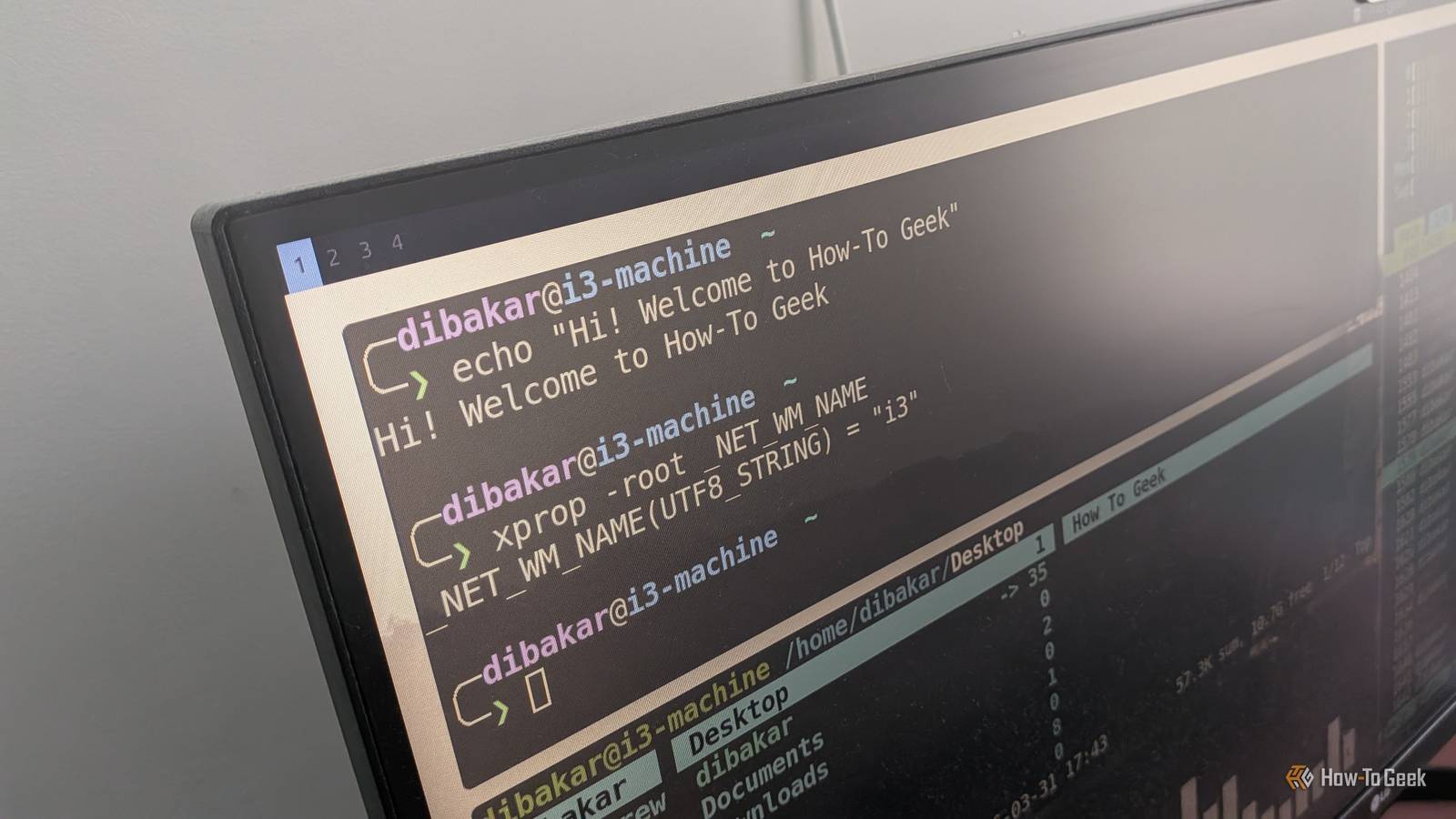
I tried NetBSD as a desktop, and it felt like stepping into the '90s in a good way
www.howtogeek.com
preview
Crossposted from lemmy.bestiver.se/post/1219443
Crossposted from lemmy.bestiver.se/post/1219443
0

preview
I needed that to installl NetBSD on a low cost VPS, then decided to share it.
Totally vibe coded
I needed that to installl NetBSD on a low cost VPS, then decided to share it.
Totally vibe coded
0
0
0
0
0
preview
www.netbsd.org/releases/…/NetBSD-11.0.html NetBSD RC1 is available. I upgraded from 10.1 to 11.0 RC1 on Feb 16. No issues so far, in fact, I find RC1 works better than 10.1 One noticeable improvement is Playing Audio from local files or from streams. On 10.1 once in a while the audio would slow down and get garbled. On 11.0 RC1, no issues at all, I have been streaming for hours for the last few days on end to see if I could get that to happen on RC1. But playing/streaming audio no issues. :) Looks like a solid release!
www.netbsd.org/releases/…/NetBSD-11.0.html NetBSD RC1 is available. I upgraded from 10.1 to 11.0 RC1 on Feb 16. No issues so far, in fact, I find RC1 works better than 10.1 One noticeable improvement is Playing Audio from local files or from streams. On 10.1 once in a while the audio would slow down and get garbled. On 11.0 RC1, no issues at all, I have been streaming for hours for the last few days on end to see if I could get that to happen on RC1. But playing/streaming audio no issues. :) Looks like a solid release!
0
Rust in the Kernel, and other odd decisions · benzblog
bentsukun.ch
0


preview
Hi, If you are looking for a VPS hosting service compatible with NetBSD amd64, dedirock.com makes it pretty easy : - full virtio devices - qemu vCPU (KVM - custom iso file uploading - boot from cdrom that actually works - VNC remote access during installation phase What can I say, it has been a long time since I hadn’t toyed with NetBSD on a VPS. That was surprisingly easy. No need to boot in rescue mode, overwrite the default Linux OS with a NetBSD bootstrap and tweaks dozen things. Nope, just boot, install, done. __,gnnnOCCCCCOObaau,_ root@localhost _._ __,gnnCCCCCCCCOPF"‘’ OS: NetBSD (N\\XCbngg,._____.,gnnndCCCCCCCCCCCCF"___,___ Kernel: amd64 NetBSD 10.1 \N\\XCCCCCCCCCCCCCCCCCCCCCCCCCCCCCCCCCCCCCCOOOOPYvv. Uptime: 34m \N\\XCCCCCCCCCCCCCCCCCCCCCCCCCCCCCCCPF"‘’ Packages: 69 \N\\XCCCCCCCCCCCCCCCCCCCCCCCCCOF"’ Shell: sh \N\\XCCCCCCCCCCCCCCCCCCCCOF"’ Disk: 1.8G / 14G (13%) \N\\XCCCCCCCCCCCCCCCPF"’ CPU: QEMU Virtual version 2.5+ @ 2.6GHz \N\\“PCOCCCOCCFP”" RAM: 606MiB / 1958MiB \N\ \N\ \N\ \NN\ \NN\ \NNA. \NNA, \NNN, \NNN\ \NNN\ \NNNA
Hi, If you are looking for a VPS hosting service compatible with NetBSD amd64, dedirock.com makes it pretty easy : - full virtio devices - qemu vCPU (KVM - custom iso file uploading - boot from cdrom that actually works - VNC remote access during installation phase What can I say, it has been a long time since I hadn’t toyed with NetBSD on a VPS. That was surprisingly easy. No need to boot in rescue mode, overwrite the default Linux OS with a NetBSD bootstrap and tweaks dozen things. Nope, just boot, install, done. __,gnnnOCCCCCOObaau,_ root@localhost _._ __,gnnCCCCCCCCOPF"‘’ OS: NetBSD (N\\XCbngg,._____.,gnnndCCCCCCCCCCCCF"___,___ Kernel: amd64 NetBSD 10.1 \N\\XCCCCCCCCCCCCCCCCCCCCCCCCCCCCCCCCCCCCCCOOOOPYvv. Uptime: 34m \N\\XCCCCCCCCCCCCCCCCCCCCCCCCCCCCCCCPF"‘’ Packages: 69 \N\\XCCCCCCCCCCCCCCCCCCCCCCCCCOF"’ Shell: sh \N\\XCCCCCCCCCCCCCCCCCCCCOF"’ Disk: 1.8G / 14G (13%) \N\\XCCCCCCCCCCCCCCCPF"’ CPU: QEMU Virtual version 2.5+ @ 2.6GHz \N\\“PCOCCCOCCFP”" RAM: 606MiB / 1958MiB \N\ \N\ \N\ \NN\ \NN\ \NNA. \NNA, \NNN, \NNN\ \NNN\ \NNNA
0
0
0
0
Rubenerd
Rubenerd: I have more NetBSD than FreeBSD installs
rubenerd.com
0
0

Using sandboxctl for program sandboxing in NetBSD
eugene-andrienko.com
0

YouTube
Adventures in porting a Wayland Compositor to NetBSD and OpenBSD by Jeff Frasca
youtu.be
0

YouTube
The NetBSD Packet FilterNPFby Emmanuel Nyarko
youtu.be
preview
A new BSDCan video has been posted: The NetBSD Packet Filter(NPF)by Emmanuel Nyarko One of NetBSD’s goal with network security is to upgrade NPF with lots of useful features and then be used as the primary packet filter. In this talk, As NetBSD’s current primary maintainer of NPF, I will reveal the improvements I have added to NetBSD’s NPF packet filter. I will also reveal Further improvements in relation to performance and the direction of the project to reaching completion.\ \ For more information, please visit: \ www.bsdcan.org/2025/\ - and -\ bsdcan.org/…/timetable-The-NetBSD-Packet.html
A new BSDCan video has been posted: The NetBSD Packet Filter(NPF)by Emmanuel Nyarko One of NetBSD’s goal with network security is to upgrade NPF with lots of useful features and then be used as the primary packet filter. In this talk, As NetBSD’s current primary maintainer of NPF, I will reveal the improvements I have added to NetBSD’s NPF packet filter. I will also reveal Further improvements in relation to performance and the direction of the project to reaching completion.\ \ For more information, please visit: \ www.bsdcan.org/2025/\ - and -\ bsdcan.org/…/timetable-The-NetBSD-Packet.html
0

YouTube
Flipping Bits Memory Errors in the Machine by Taylor Campbell
youtu.be
preview
A new BSDCan video has been posted: Flipping Bits: Memory Errors in the Machine by Taylor Campbell We’ve all heard stories of the dreaded cosmic ray angrily flipping bits in your RAM. But how much does it matter, really? And, more importantly, how do you tell?\ \ This talk will cover an overview of hardware architecture around detecting and correcting memory errors, software support for handling them and other types of hardware errors, and stories of memory errors in the real world.\ \ And, if the stars align (specifically, the cosmic-ray-generating supernovae), perhaps we’ll have a live demo.\ \ For more information, please visit: \ www.bsdcan.org/2025/\ - and -\ bsdcan.org/…/timetable-Flipping-Bits-Memory.html
A new BSDCan video has been posted: Flipping Bits: Memory Errors in the Machine by Taylor Campbell We’ve all heard stories of the dreaded cosmic ray angrily flipping bits in your RAM. But how much does it matter, really? And, more importantly, how do you tell?\ \ This talk will cover an overview of hardware architecture around detecting and correcting memory errors, software support for handling them and other types of hardware errors, and stories of memory errors in the real world.\ \ And, if the stars align (specifically, the cosmic-ray-generating supernovae), perhaps we’ll have a live demo.\ \ For more information, please visit: \ www.bsdcan.org/2025/\ - and -\ bsdcan.org/…/timetable-Flipping-Bits-Memory.html
0

YouTube
An embedded dev kit for EndBASIC with NetBSD by Julio Merino
youtu.be
preview
A new BSDCan video has been posted: An embedded “dev kit” for EndBASIC with NetBSD by Julio Merino In this talk, I’d like to present how I took EndBASIC and built a NetBSD-based embedded device that boots into this interpreter in just a few seconds. EndBASIC is a side project of mine that implements a retro-looking BASIC environment. Up until now, this featured a web interface and a desktop interface – but I wanted to offer a prebuilt image for the Raspberry Pi that booted almost-immediately and was resilient to reboots. You know, like the computers of the 1980s, because I believe such a simplified environment can help with learning the basics of programming. For this project, I picked NetBSD as the core due to its great cross-building features and then implemented new backends for EndBASIC to leverage NetBSD’s native features. In particular, I wrote a driver for NetBSD’s wscons framebuffer to have graphics output without having to even start X11. The result is that I can build a full disk image from my Linux development box for NetBSD, write it to an SD card, and have a Pi boot straight into EndBASIC in about 5 seconds. What’s more: the whole of EndBASIC is written in Rust, and cross-compiling it from Linux x86_64 to NetBSD aarch6 is challenging. I bridged this gap with qemu and automated the whole thing so that I can build images end-to-end without even looking. Having proper cross-build support would be desirable, and I’ll cover that. I can also cover the contributions that this project led to upstream NetBSD, which actually made me recover my account and come back to contributing. I’m actively working on this project and, from now through June, things may change significantly and I might have new things to talk about and demonstrate. For example, I want to integrate with NetBSD’s WiFi stack, or SPI to leverage a tiny LCD. But for now, that’s what I can offer for this talk! For more information, please visit: www.bsdcan.org/2025/ - and - www.bsdcan.org/…/timetable-An-embedded-dev.html
A new BSDCan video has been posted: An embedded “dev kit” for EndBASIC with NetBSD by Julio Merino In this talk, I’d like to present how I took EndBASIC and built a NetBSD-based embedded device that boots into this interpreter in just a few seconds. EndBASIC is a side project of mine that implements a retro-looking BASIC environment. Up until now, this featured a web interface and a desktop interface – but I wanted to offer a prebuilt image for the Raspberry Pi that booted almost-immediately and was resilient to reboots. You know, like the computers of the 1980s, because I believe such a simplified environment can help with learning the basics of programming. For this project, I picked NetBSD as the core due to its great cross-building features and then implemented new backends for EndBASIC to leverage NetBSD’s native features. In particular, I wrote a driver for NetBSD’s wscons framebuffer to have graphics output without having to even start X11. The result is that I can build a full disk image from my Linux development box for NetBSD, write it to an SD card, and have a Pi boot straight into EndBASIC in about 5 seconds. What’s more: the whole of EndBASIC is written in Rust, and cross-compiling it from Linux x86_64 to NetBSD aarch6 is challenging. I bridged this gap with qemu and automated the whole thing so that I can build images end-to-end without even looking. Having proper cross-build support would be desirable, and I’ll cover that. I can also cover the contributions that this project led to upstream NetBSD, which actually made me recover my account and come back to contributing. I’m actively working on this project and, from now through June, things may change significantly and I might have new things to talk about and demonstrate. For example, I want to integrate with NetBSD’s WiFi stack, or SPI to leverage a tiny LCD. But for now, that’s what I can offer for this talk! For more information, please visit: www.bsdcan.org/2025/ - and - www.bsdcan.org/…/timetable-An-embedded-dev.html
0
Codeberg.org
musCATv1
codeberg.org