0

OnePlus confirms shutdown in the US and Europe, ending months of speculation

Ars Technica OnePlus confirms shutdown in the US and Europe, ending months of speculation arstechnica.com
preview

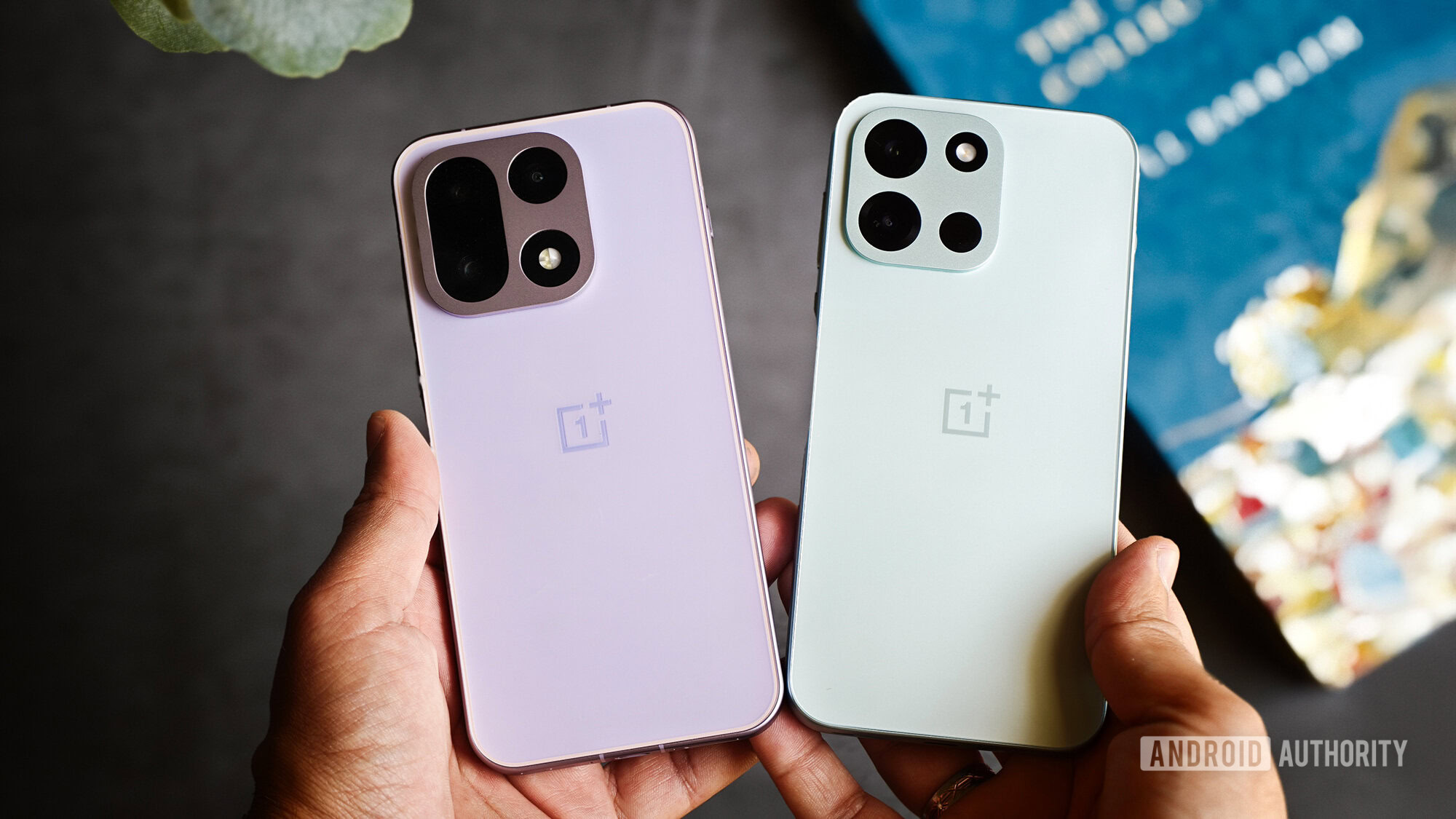
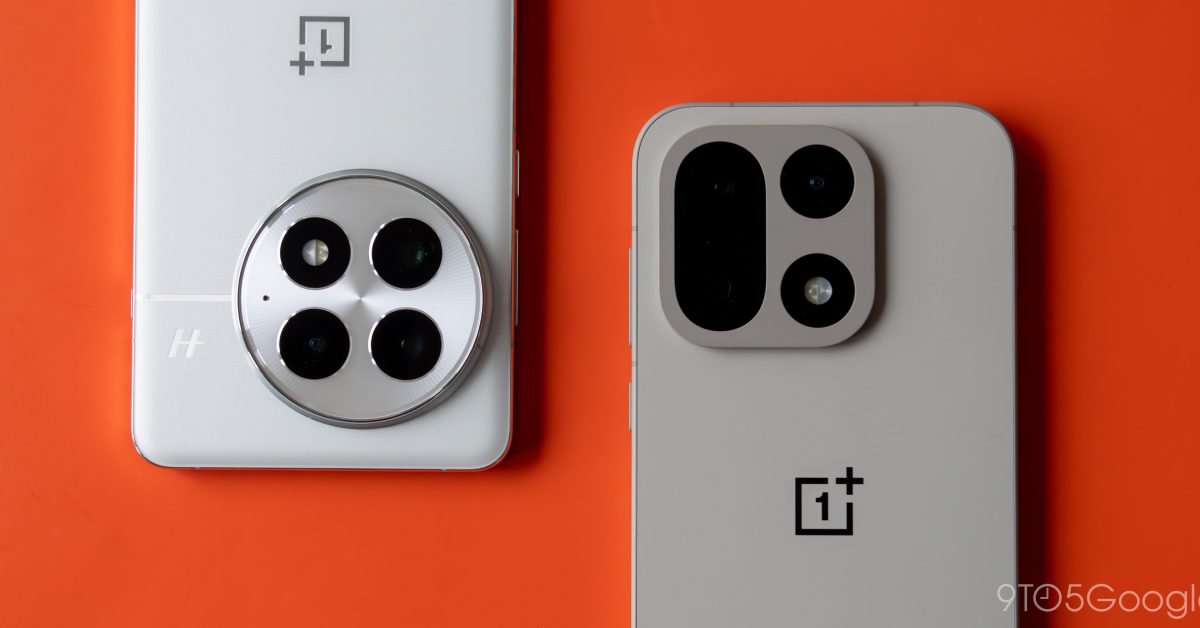
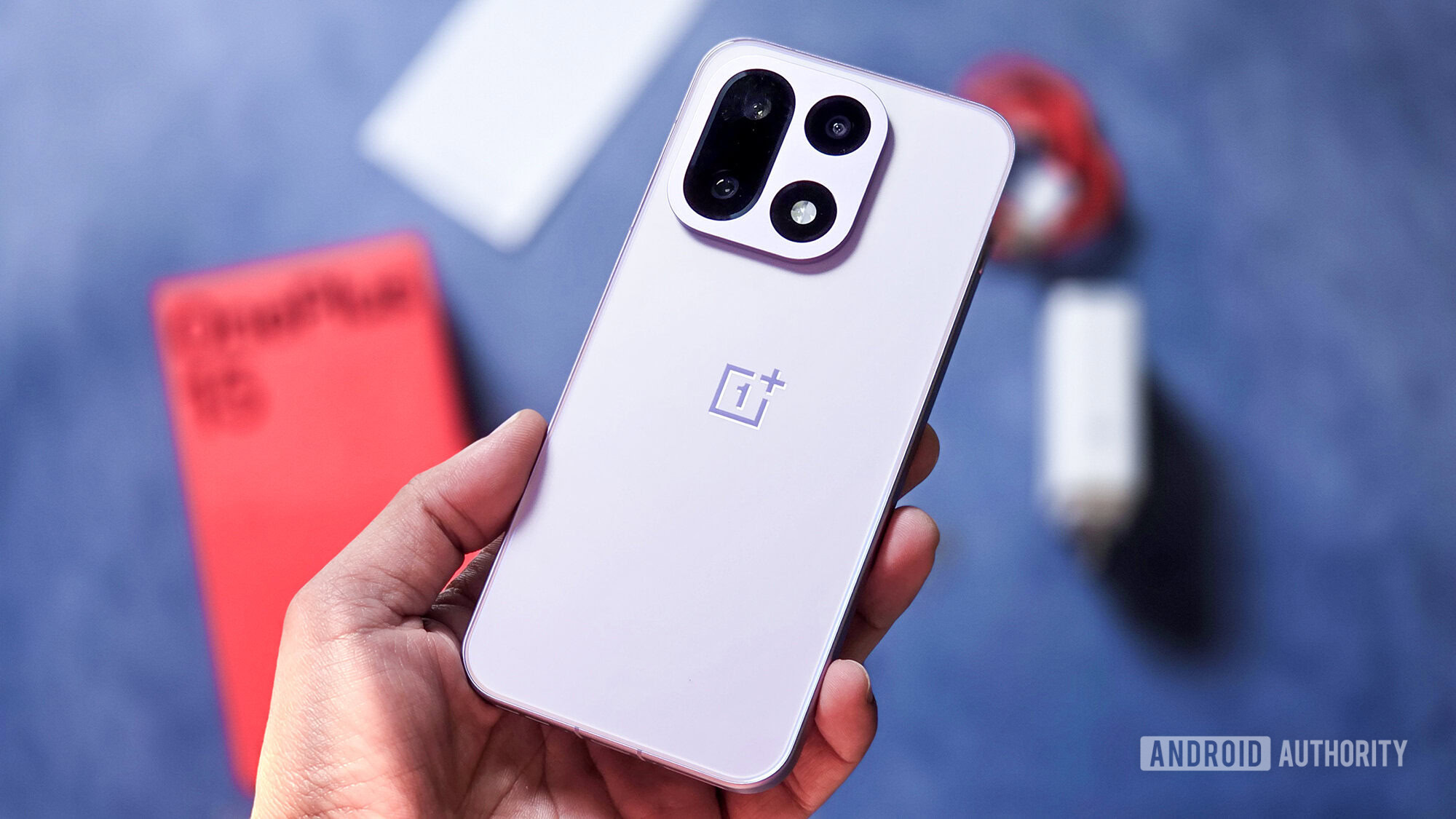
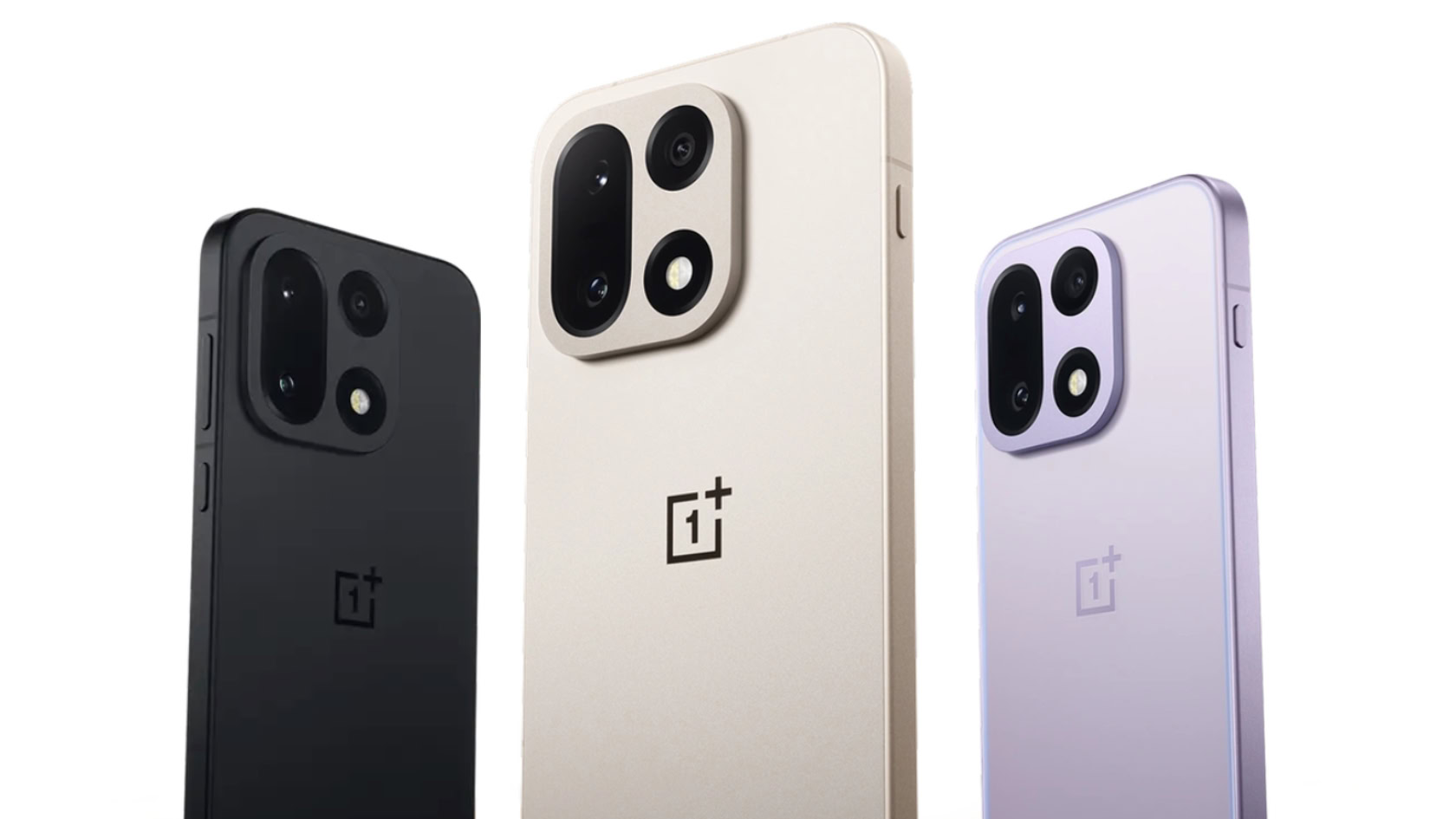
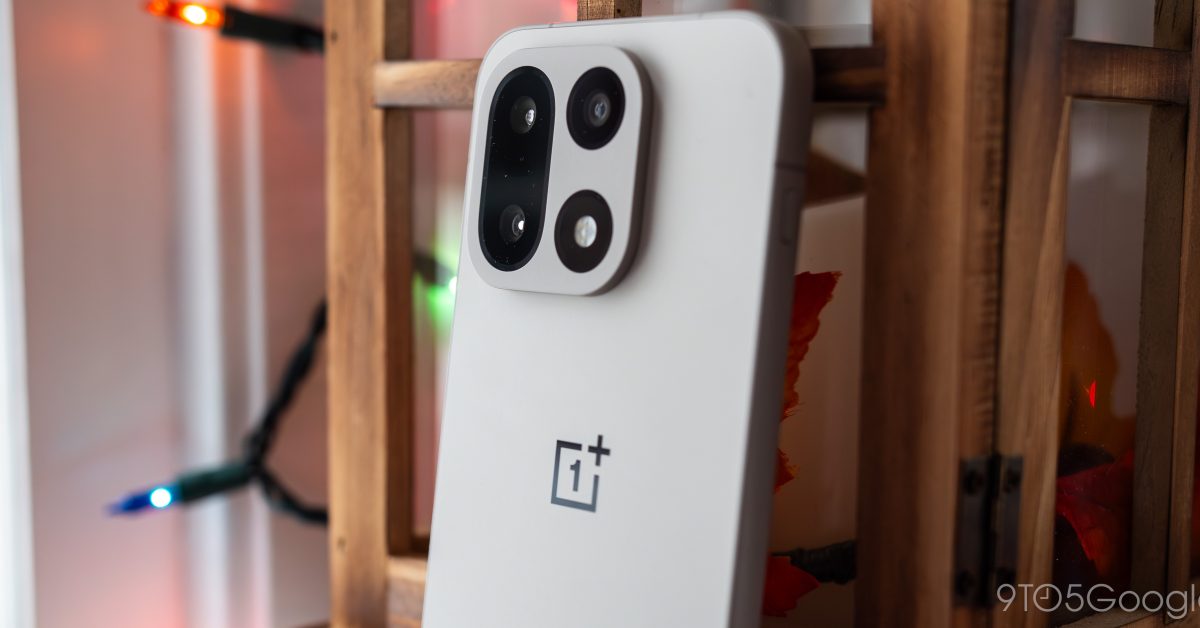
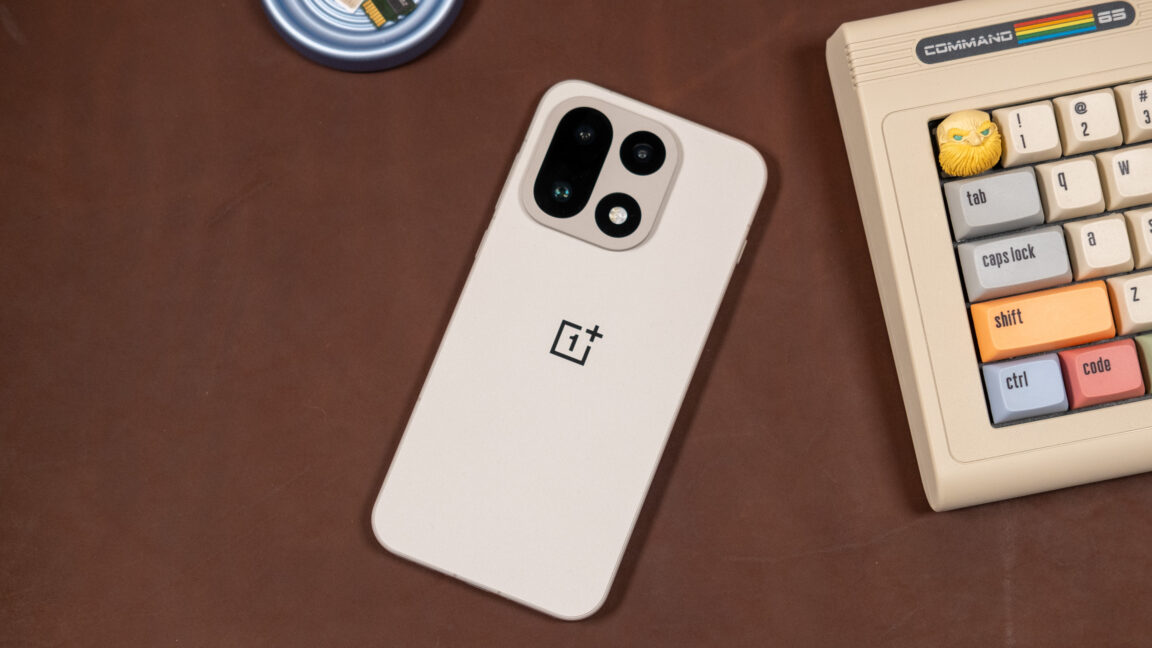
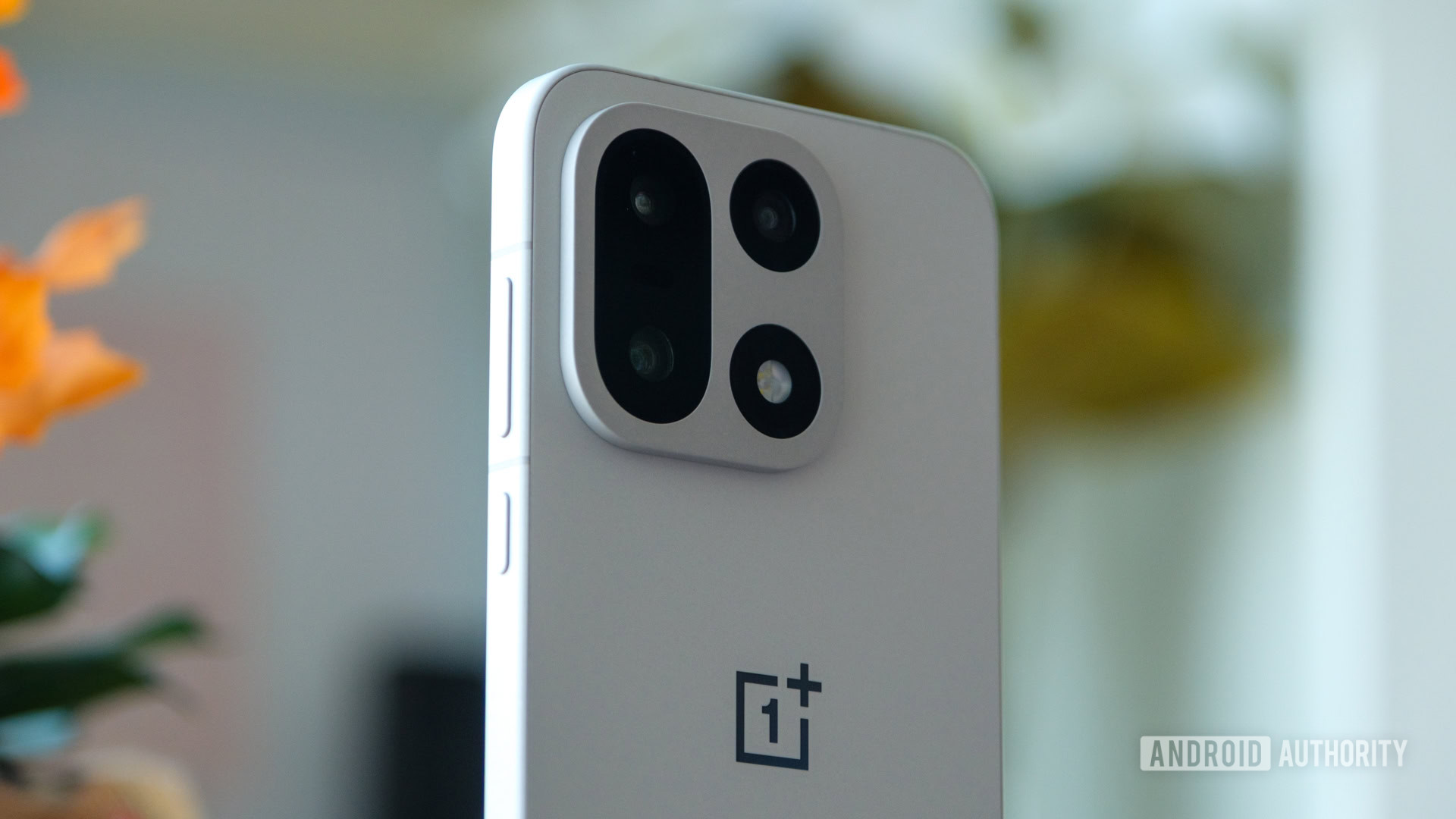
OnePlus arrived on the scene in 2014 with brash marketing and a compelling pitch: What if your phone was cheaper and faster? More than a decade later, the market is much different, and so is OnePlus. Confirming months of rumors and speculation, OnePlus has confirmed it’s ending phone releases in North America and Europe.

OnePlus arrived on the scene in 2014 with brash marketing and a compelling pitch: What if your phone was cheaper and faster? More than a decade later, the market is much different, and so is OnePlus. Confirming months of rumors and speculation, OnePlus has confirmed it’s ending phone releases in North America and Europe.

0

OnePlus patches updates for two years then leaves you stranded — that's planned obsolescence with extra steps

preview

Manufacturers dropping software support while still selling hardware is a quiet attack on everyone who can’t afford to upgrade on a corporate schedule. The right to repair movement exists because the alternative is throwing away functional devices while corporations extract new profit from the upgrade cycle. Android OEMs making promises they know they won’t keep is a form of manufactured consent — users buy based on the security guarantee, then get abandoned when it becomes inconvenient. Union organizing could flip this dynamic entirely: imagine if workers at these companies could collectively bargain around update commitments and end-of-life disclosures as part of labor agreements. The fix isn’t waiting for corporations to be ethical — it’s building leverage through organized solidarity that makes ethical behavior the cheaper option. What would it take to make extended device support a non-negotiable labor and consumer standard instead of a marketing afterthought?
Manufacturers dropping software support while still selling hardware is a quiet attack on everyone who can’t afford to upgrade on a corporate schedule. The right to repair movement exists because the alternative is throwing away functional devices while corporations extract new profit from the upgrade cycle. Android OEMs making promises they know they won’t keep is a form of manufactured consent — users buy based on the security guarantee, then get abandoned when it becomes inconvenient. Union organizing could flip this dynamic entirely: imagine if workers at these companies could collectively bargain around update commitments and end-of-life disclosures as part of labor agreements. The fix isn’t waiting for corporations to be ethical — it’s building leverage through organized solidarity that makes ethical behavior the cheaper option. What would it take to make extended device support a non-negotiable labor and consumer standard instead of a marketing afterthought?
0

OnePlus killed 'never settle' the moment it started removing what users actually depend on

preview

OxygenOS 15 dropped parallel apps and the work profile partition without warning, and the response from the community was immediate. Users reported losing functionality they relied on daily, and the replies from OnePlus amounted to “trust us, it’s better now.” That answer has never been good enough from any OEM and it shouldn’t start here.

Custom ROM development on OnePlus hardware has gotten harder with each generation as the boot chain locks down further. The argument that locked bootloaders protect users from security threats falls apart when you notice that same threat model permits carrier bloatware to persist untouched. Nobody protecting you, just limiting what you can do with your own hardware.

The “never settle” slogan feels like a punchline now. Each release removes something instead of adding it. Screen-off gestures vanish. The shelf gets rebranded and buried. The bootloader remains locked on carrier variants despite years of community requests. At some point the pattern stops being coincidence.

OnePlus is not unique in this. Most Android OEMs treat customization as a feature to phase out rather than a reason people buy their hardware. The difference is that OnePlus built its early reputation on being different, which makes the retreat more visible and the disappointment more acute. When a company starts from a position of claimed openness, closing down hurts more than if it never opened at all.

Support windows vary wildly across carrier and unlocked variants of the same device. Users who bought an unlocked OnePlus 12 expecting uniform updates got a different experience depending on where they purchased it. That fragmentation punishes people for trying to make an informed purchase. When did buying a phone require reading the fine print on your carrier’s update agreement?

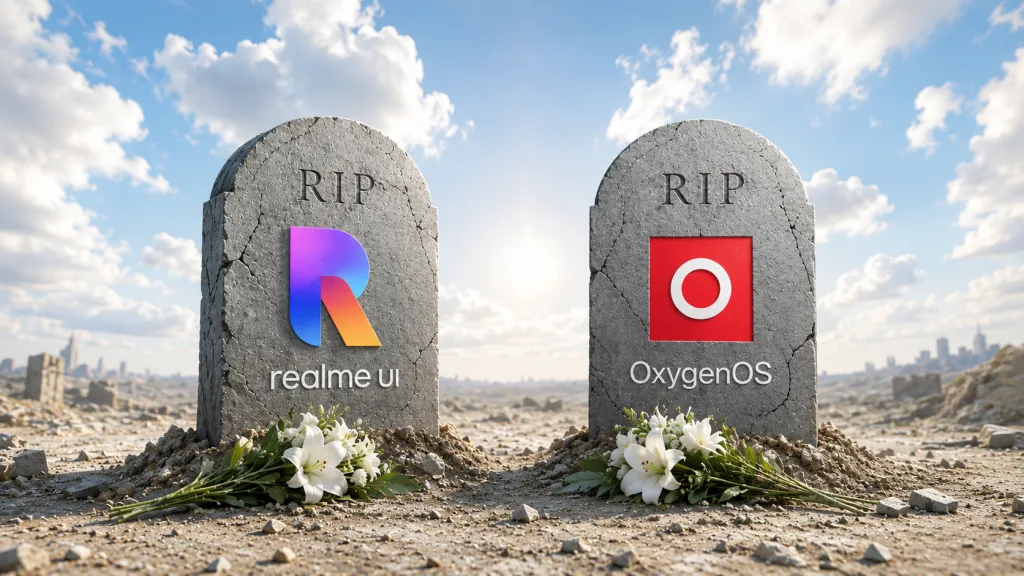
The real question: how long does OxygenOS survive as a “flagship killer” identity when each release moves further from the priorities that made it worth choosing?

#TechLiberation #FOSS #Privacy #Android #OxygenOS

0

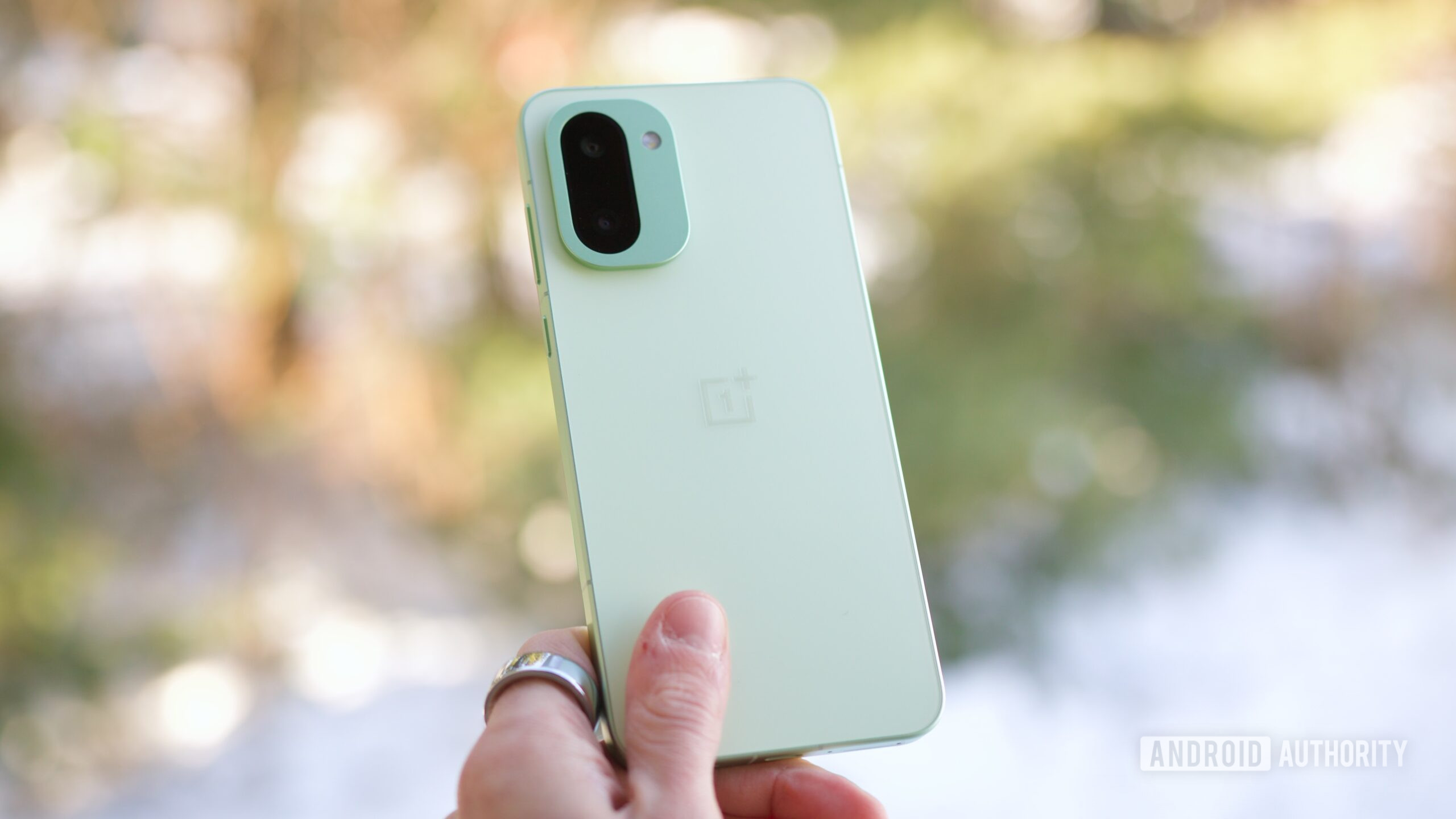
Leaving One+ ecosystem, decent phones & nightmare support & service [Dying again after 2 months out for repair]

preview

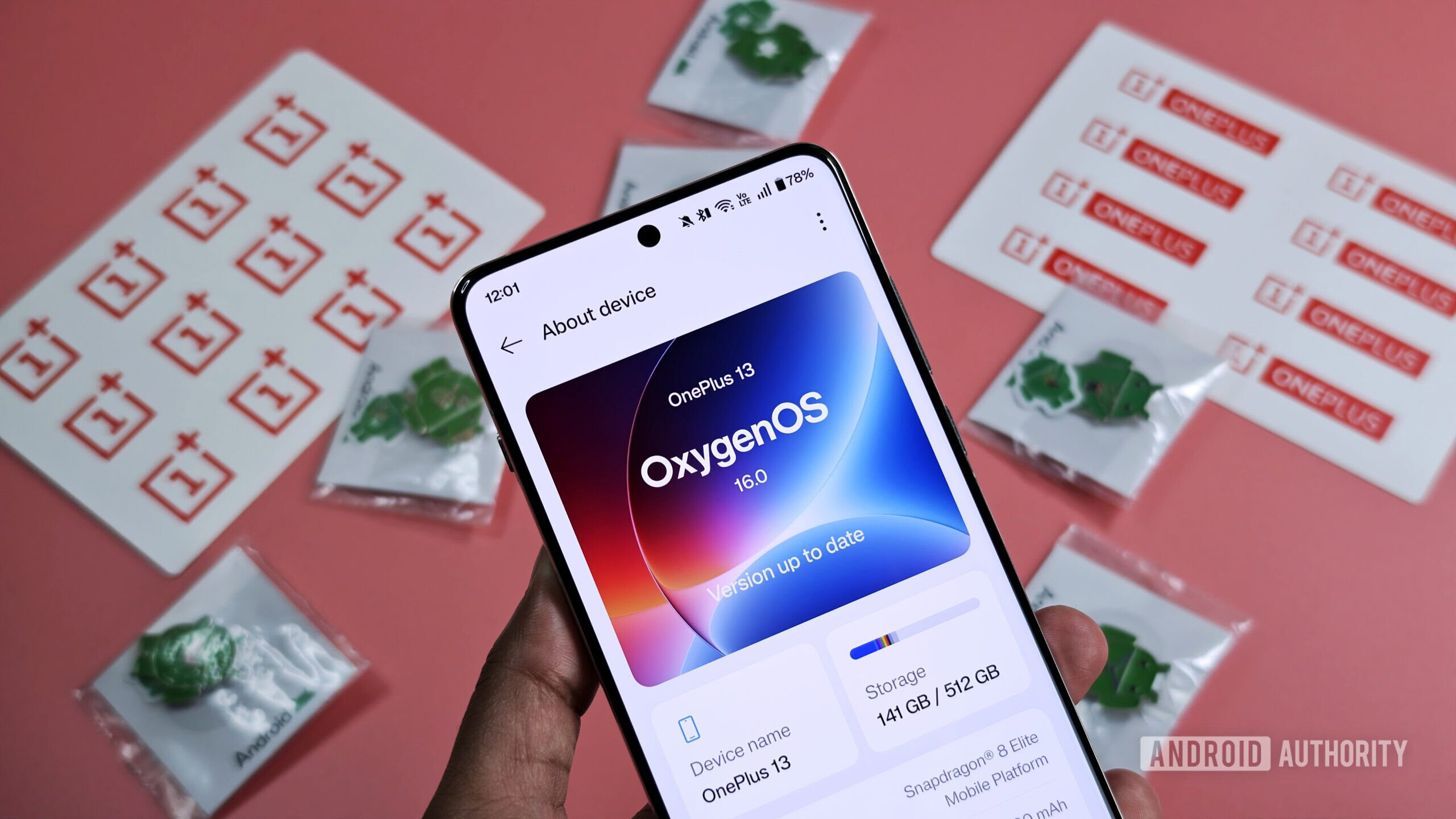
Hi! The Oxygen 16 OTA rendered the touchscreen on my 12 Pro unusable and it took weeks to qualify me for repair return, then their service contractor had the phone for a month without communication, then they shipped it back without packing material in a smashed box left outdoors in double-digit-below-zero weather without labeling warning not to do that, and they had removed and retained the SIM tray rendering the phone inoperable in any event. I had to buy a third party SIM tray, then mine arrived back from them after weeks of numerous unanswered emails, followed by an offer of a $10 gift voucher. On balance, entirely awful experience.

I live in a remote, rural area where being without reliable communication is death-defying.

That was about three weeks ago and now the same thing is happening: the touchscreen is becoming unresponsive. I can turn the display off but it only comes on after random number of attempts. I could shut down to bootloader (I think? I get that confused with Recovery. It’s the one with language selection.) but then I can’t get it to properly reboot because that too requires a tap.

When I can get it to reboot the touchscreen sometimes works fine for awhile (a shrinking while). But sometimes not. Attempting to reboot is taking up a large part of my day.

Thinking of a Pixel 10; any thoughts?

Any strongly-held suggestions, particularly on my backup/restore options, going to a different phone?

Very sad to leave OnePlus. We have had several. I feel they owe me a new phone. I’d be happy with a reconditioned 12 or up, if it just worked. But I am not envisioning that likelihood.

0

WORKAROUND: How to bypass the Icon layout restrictions of OOS Launcher

preview

Hey all,

I wanted to share a new workaround I found. TL;DR see “WORKAROUND BEGINS HERE”

Many of us are annoyed by the very limited nature of OOS launcher.

One such limitation is the number of icons you can have on the home screen: Either 4x6 or 5x6

I remembered seeing some YT videos of some iOS mods that used widgets with launchers built-in and that got me to thinking about doing this in Android.

WORKAROUND BEGINS HERE

Sure enough, I found a program that lets you make a widget launcher that even works with custom icon packs!

The free app is called Quickshort: play.google.com/store/apps/details?id=com.atolpha…

I have no relation to this app/dev. This app will let you put many icons inside the widget, with spacing as you desire.

STEPS:

  1. Install Quickshort and run.

  2. If you use a custom icon pack, go to Shortcut Settings in the app and choose your icon pack.

  3. From there, it is easier to create your shortcuts first, to each app.

  4. After your shortcuts are created, create a “group”.

  5. Add your shorcuts to the group.

  6. There are options to adjust background transparency, remove labels, etc in the group settings.

  7. You will note there is an option at the bottom of the group page to reorder the shortcuts.

  8. Save your group and add your widget to homescreen.

A few notes:

  1. The screenshot attached is an example of what it looks like for me within OOS launcher.

  2. You’ll note that the page dot is missing. That’s because I’m using a wallpaper from the Backdrops app. It seems that if the wallpaper has only a tiny amount of white in the spot where that dot is, OOS launcher ignores it and doesn’t turn the dot black.

  3. My icon pack, if anyone wants to know is something I made in Icon Pack Studio. It’s called “Flat Clean Light”. It’s nothing fancy and entirely free. Search for it in Icon Pack Studio.

Enjoy!