0

follow from another instance
Not on this instance? Enter your own instance's domain to go straight to following c/unitedkingdom@feddit.uk there.

0

the Guardian
Expert behind NHS children’s gender services review says she cannot back conversion practices ban
www.theguardian.com
preview
The bill, published in June and currently undergoing parliamentary scrutiny, seeks to ban abusive practices that aim to change someone’s sexual orientation or gender identity in England and Wales. People found guilty of such abuse could face an unlimited fine and up to five years in prison.
The bill, published in June and currently undergoing parliamentary scrutiny, seeks to ban abusive practices that aim to change someone’s sexual orientation or gender identity in England and Wales. People found guilty of such abuse could face an unlimited fine and up to five years in prison.
0

Scene Magazine
Leeds rape support service, Good Law Project and trans women launch court battle to keep services trans inclusive
www.scenemag.co.uk
preview
A legal challenge has been launched against the Equality and Human Rights Commission’s (EHRC) updated code of practice, with campaigners arguing it could force women’s organisations to exclude trans women or risk legal action.
The claim has been brought by Support After Rape & Sexual Violence Leeds (SARSVL), alongside two trans women, one of whom is blind. The challenge is being supported by the Good Law Project and is being pursued by solicitors at Leigh Day.
0


preview
Link to defending isranational law x.com/HudaAmmori/status/2122664509831622734
Link to defending isranational law x.com/HudaAmmori/status/2122664509831622734
0


Reward of £10,000 offered by Crimestoppers in hunt for sex attacker
www.bbc.com
0

Businessman at centre of Thurrock Council scandal tracked to Bucharest
www.bbc.com
0

the Guardian
Beckham firm sues after fragrance found for sale in discount store
www.theguardian.com
0

the Guardian
Ministers accused of ‘gambling with safety’ for not knowing cost of NHS maternity unit repairs
www.theguardian.com
0

the Guardian
Actors in UK to get more rights over their ‘digital replicas’ in deal on AI protections
www.theguardian.com
0
the Guardian
Burnham says Brexit has dramatically diminished Britain’s global standing
www.theguardian.com
0
the Guardian
Expert behind NHS children’s gender services review says she cannot back conversion practices ban
www.theguardian.com
0

the Guardian
Who are the Neets? UK youth job crisis in five charts
www.theguardian.com
0

Press Gazette
Top UK news providers of the last year recognised by British Journalism Awards
pressgazette.co.uk
0

the Guardian
‘Near-philistine’: fury greets plan to move Shakespeare Institute from Stratford-upon-Avon
www.theguardian.com
0
the Guardian
Police ‘retreating from streets’ due to major funding crisis, chief constables say
www.theguardian.com
0

Police probe after Queen Victoria pyramid cairn at Balmoral vandalised
www.bbc.com
0

Warning as electric bike and scooter incidents rise in South East
www.bbc.com
0

Middle East Eye
Britain's definition of 'anti-Muslim hostility' protects the state, not those being targeted
www.middleeasteye.net
preview
This year marked a quarter of a century since the beginning of the “war on terror”, and in that time, the British state has built one of the most extensive counter-extremism systems in the world.
Also this year, Britain produced - for the first time - an official definition of what it calls “anti-Muslim hostility”. It would be easy to treat these as separate stories, one about security and the other about community relations - but a new report from Cage International argues that they are not.
The definition has been shaped so precisely around the security state that, read closely, it functions less as a protection for Muslims than as a protection for the institutions that have spent two decades treating them as suspects.
The key, as the report sets out, lies in a single word that runs through every part of the definition: intent. Anti-Muslim hostility, as the government defines it, means intentionally engaging in criminal acts against Muslims, or stereotyping them “with the intention of encouraging hatred.” It means discrimination where the conduct “is intended to disadvantage Muslims in public and economic life”.
Discrimination rarely announces itself this way. The Islamophobia Response Unit, a charity that handles discrimination casework, has warned that the threshold excludes most of the cases it sees: bias, institutional barriers, and recruitment processes that quietly filter out applicants with Muslim names.
Professor Nasar Meer of the University of Glasgow has identified the omission of the systemic and structural as the definition’s central weakness. Amina Easat-Daas, a politics lecturer at De Montfort University in Leicester, has warned that it creates a hierarchy of racism.
The intent requirement does more than leave victims of everyday discrimination without recourse; it draws a line around the state itself. Institutions acting under statutory duties do not, in the language of the definition, intend to encourage hatred. They are following policy, and that is exactly where the most consequential Islamophobia in Britain lives.
0

the Guardian
UK blood services issue urgent appeal for donations as winter approaches
www.theguardian.com
0

the Guardian
Burnham pledges early intervention and ‘benefits backstop’ to tackle youth jobs crisis
www.theguardian.com
0

the Guardian
‘Visceral response’: flag campaigns inspire anti-racism organising across England
www.theguardian.com
0
the Guardian
Ministry of Justice investigating Russell Brand message from prison claiming he is not guilty
www.theguardian.com
0
the Guardian
Two charged after man run over by van during flags incident in Birmingham
www.theguardian.com
0


the Guardian
Boots to begin prescribing medical cannabis in UK
www.theguardian.com
0

BBC News
Russell Brand prison message claiming innocence being investigated, No 10 says
www.bbc.co.uk
0

Home Office Tried to Shut Down Tribune Event, Documents Reveal
tribunemag.co.uk
0


EurekAlert!
Rise in young people out of work and education largely driven by ill health
www.eurekalert.org
preview
cross-posted from: feddit.online/…/rise-in-young-people-out-of-work-…
cross-posted from: feddit.online/…/rise-in-young-people-out-of-work-…
0

Real Media - The View From Below
'Women Against Rape' mark 50 years of resistance and organising - Real Media - The View From Below
realmedia.press
0
the Guardian
Women prosecuted for abortions hail ‘historic day’ after receiving pardon
www.theguardian.com
0

GOV.UK
90,000 young people furthest from work to be given guaranteed job, no matter where they live
www.gov.uk
preview
cross-posted from: feddit.online/…/90000-young-people-furthest-from-…
cross-posted from: feddit.online/…/90000-young-people-furthest-from-…
0
the Guardian
NHS England deletes ‘misleading’ claim 137 trusts benefiting from Palantir AI tools
www.theguardian.com
0

Ex-Met Police inspector lied about wife's death in Barbados hotel room, BBC learns
www.bbc.com
0

Thousands turn out in Edinburgh to protest against AI data centres
www.bbc.com
0

Smokers risking 'rat poison' tobacco amid illegal trade boom
www.bbc.com
0
the Guardian
‘Nobody else is going to save us’: the direct action group taking on the UK’s banks, bailiffs and water firms
www.theguardian.com
0
the Guardian
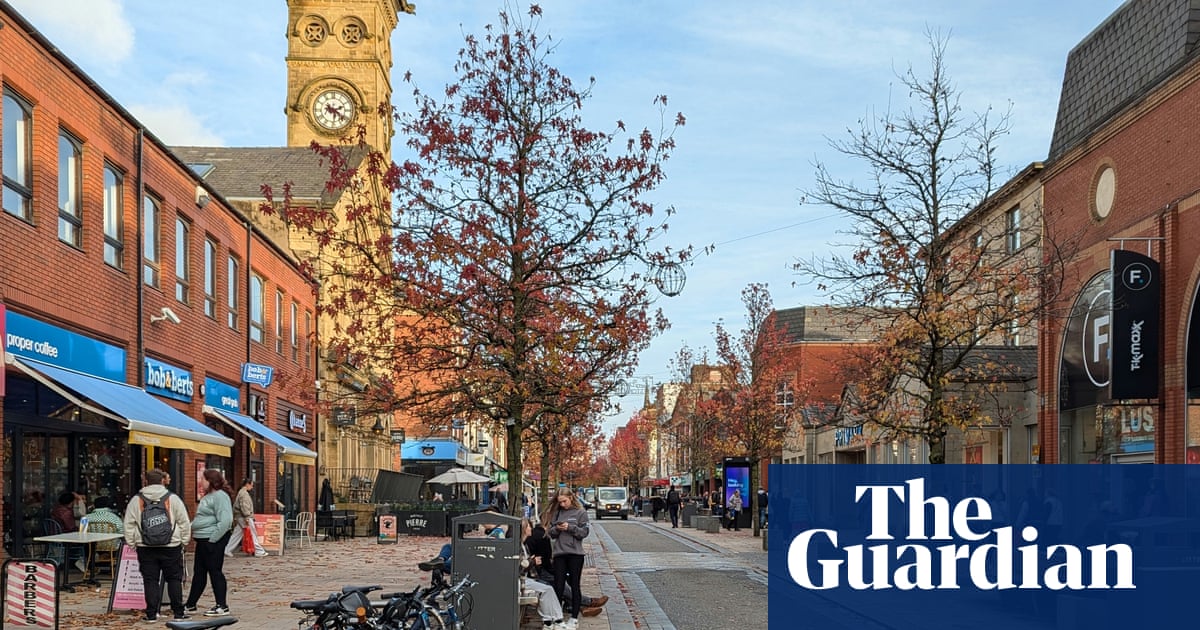
Rip out ugly clutter to help revive UK high streets, says thinktank
www.theguardian.com
0
the Guardian
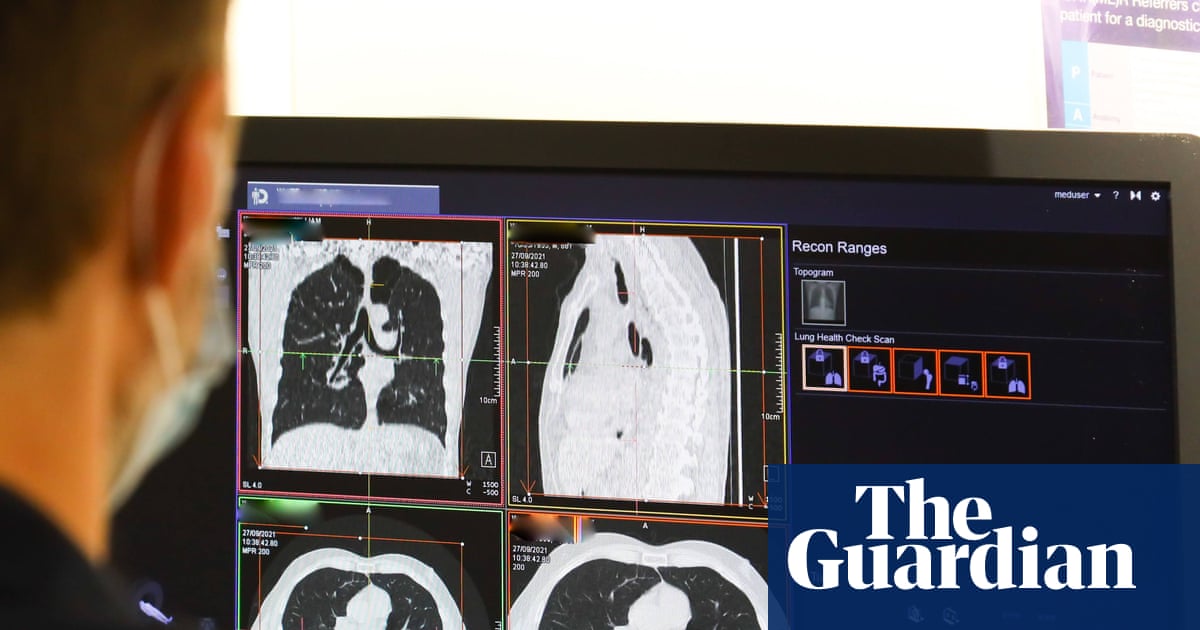
NHS England on track to miss key cancer treatment target by 10,000 patients
www.theguardian.com
0
the Guardian
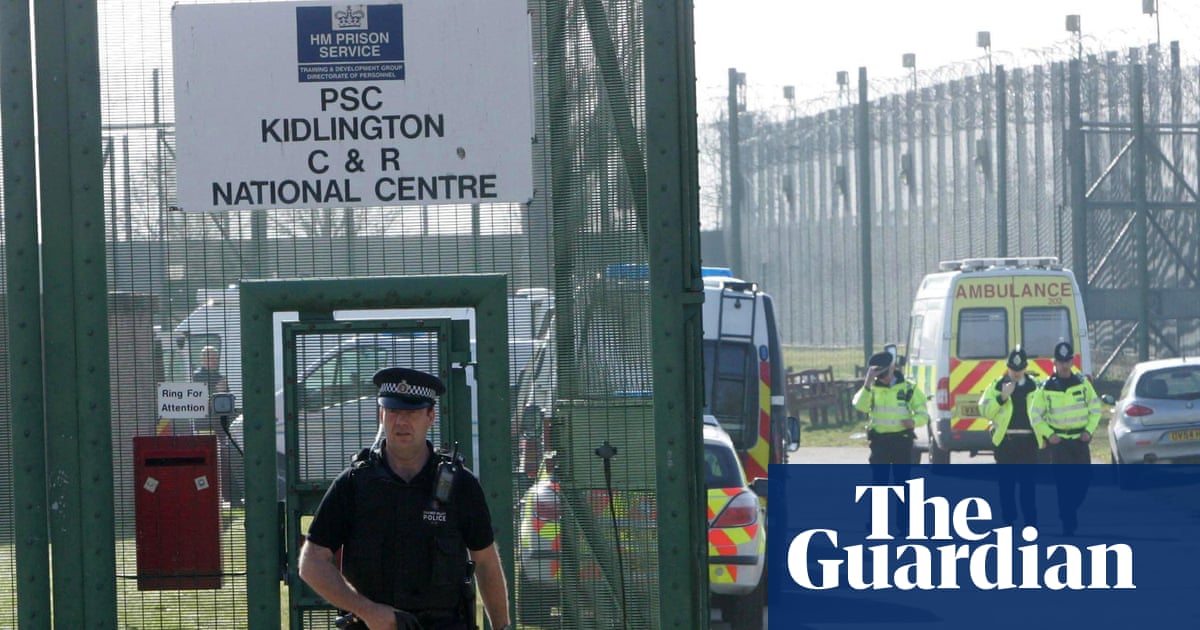
Planned asylum seeker detention centre next to Oxfordshire sewage works criticised
www.theguardian.com
0
the Guardian
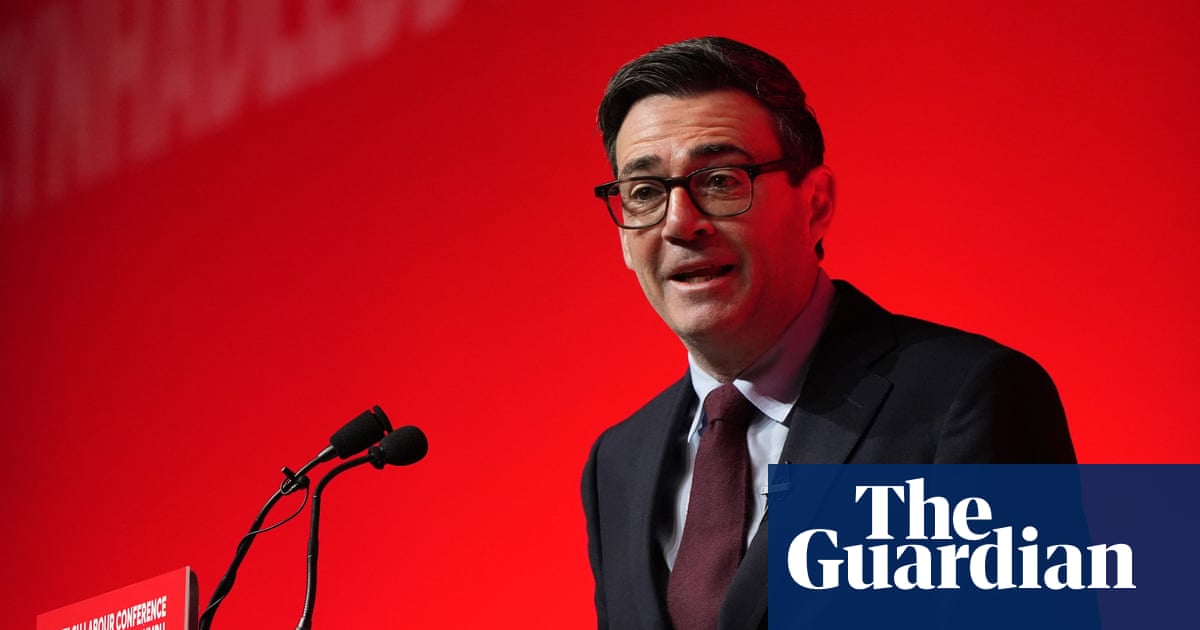
Andy Burnham says UK has ‘lost more than we gained’ through Brexit
www.theguardian.com
0


BBC News
'Ding dong' over silencing of Wolstanton church chimes
www.bbc.co.uk
preview
People don’t buy houses next to a church if church bells are going to bother them.
Sounds like another case of someone moves into a quaint civil parish, then is upset at it being a quaint civil parish
People don’t buy houses next to a church if church bells are going to bother them.
Sounds like another case of someone moves into a quaint civil parish, then is upset at it being a quaint civil parish
0
The Independent
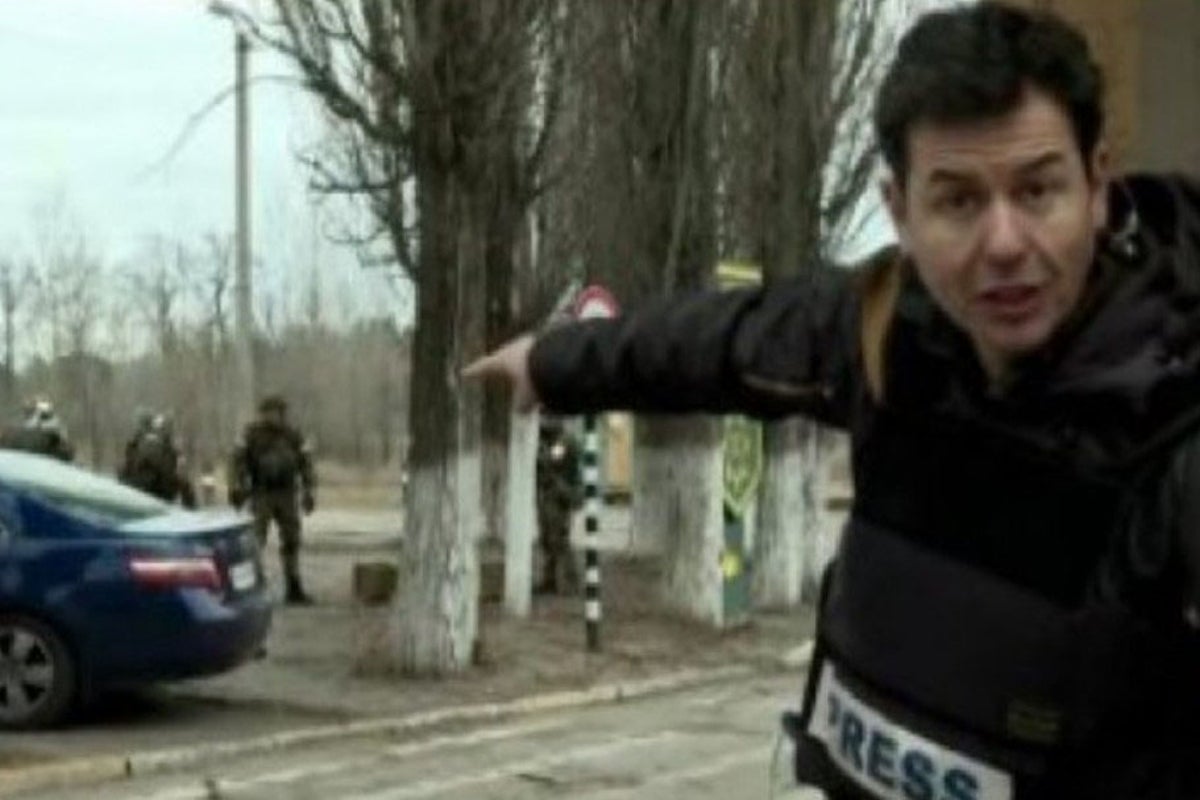
CNN war correspondent sues Borough Market for £1.7m after slipping on food
www.independent.co.uk
preview
A war correspondent who survived grenades in Ukraine, bombs in Beirut and being held at gunpoint in Libya - only to be hospitalised after slipping on spilt food at London’s trendy Borough Market - is suing for £1.6million compensation.
He crashed to the ground, sustaining a bad fracture of his ankle, which he says left him with ongoing pain and forced him to move to the UK from his Moscow base, which he says has impacted on his earning power.
The trustees, which run the market as a non-profit organisation, have admitted liability for the accident, but are set to contest the amount in damages Mr Chance is due.
0

Sophie Molly Reports
University of Reading Supports Transphobic Hate Speech
sophie-molly-reports.beehiiv.com
preview
Julie Bindel targeted a trans woman online with the folowing tweet:
“You are a monster. a sadistic. grotesque. sorrv excuse for a human being. I wish vou the very worst. Now fuck right off - I never want to see your hideous name again. As my friend Martina Navratilova said. it’s a shame you didn’t call yourself, Tess. One day you will pay for what you’ve done.”
Roxy Tickle (She/Her) responded to her tweet with:
“I’m sorry … are you threatening me?”
Bindel responded with:
“Why? Are you going to sue me? Call the police on me? Just try it, laddo. And ves, I absolutely AM threatening you. And I am calling you a sexual predator.”
West Yorkshire Police Fail To Investigate
The University’s unequivocal endorsement of Bindel’s hate speech against Roxy’s protected characteristic of Gender Reassingment as defined in the UK Equality Act, 2010 is not the first defense of Bindel’s hate speech.
0

Fifteen taken to hospital after deliberate fire at Glasgow flats
www.bbc.com
0

the Guardian
No 10 considering expanding under-25s benefits overhaul to older age groups
www.theguardian.com
0

Young people should have legal guarantee of job or training, Milburn tells BBC
www.bbc.com
0

Former Hamas bodyguard guilty of Birmingham knife attack
www.bbc.com
0

the Guardian
Microsoft outage hits hospitals, GPs, schools and police across UK
www.theguardian.com
0
the Guardian
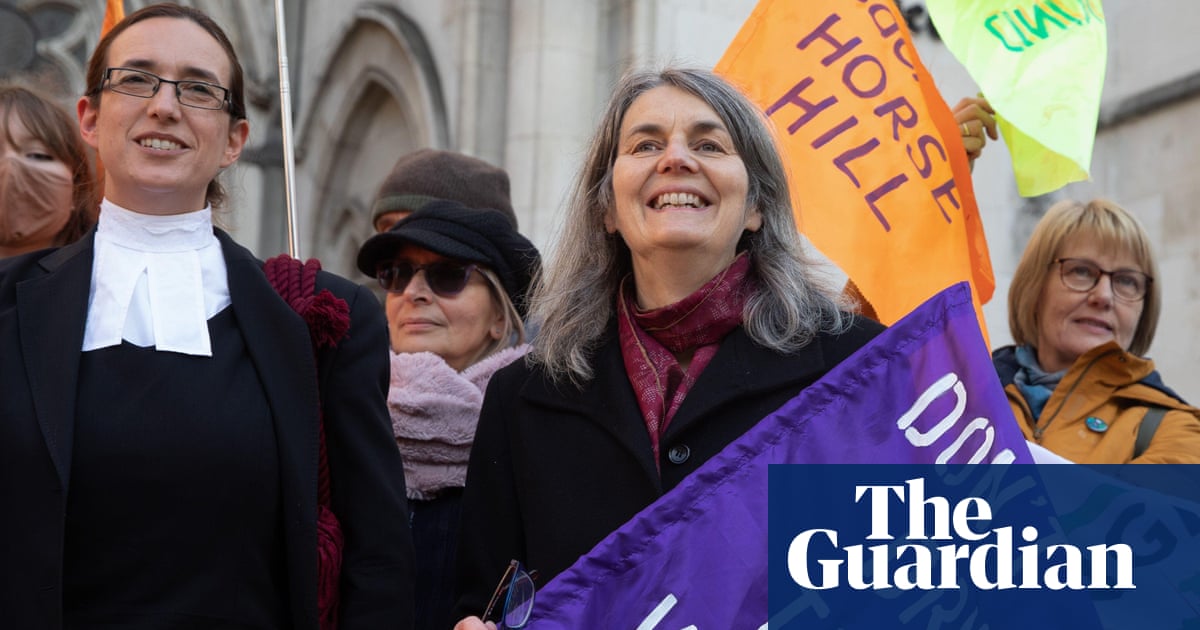
Right to make green challenges to planning decisions under threat, say UK lawyers
www.theguardian.com
0

the Guardian
Hundreds of children in England prescribed weight-loss jabs, figures show
www.theguardian.com