#britishradio

posts tagged #britishradio

0

Lovecraft Investigations: Crowley

preview

cross-posted from: feddit.uk/post/27495977

The audiodrama that has got a few mentions on here before switches from BBC Radio 4 to Kickstarter. Not sure why, as it has gone down well at the Beeb but that is how they are doing things.

cross-posted from: feddit.uk/post/27495977

The audiodrama that has got a few mentions on here before switches from BBC Radio 4 to Kickstarter. Not sure why, as it has gone down well at the Beeb but that is how they are doing things.

0

BBC apologises for failing to stop DJ Tim Westwood's 'bullying and misogynistic behaviour'

preview

The BBC has apologised after it “missed opportunities that might have led to action” following claims of “bullying and misogynistic behaviour” against former Radio One star Tim Westwood.

It comes after the publication of an independent external review into Westwood’s conduct while he was working for the corporation.

The review did not find “significant BBC knowledge of allegations or concerns about sexual misconduct” by the DJ, but concluded “a range of factors… ought to have alerted” the broadcaster to the possibility he might “present a risk to young women and girls”.

Westwood did not take part in the review. In a statement for the report sent through his solicitors, he strongly denied his behaviour “ever amounted to bullying or harassment”, and said some people “behaved poorly” towards him.

…

The review, carried out by barrister Gemma White KC, cost approximately £3.3m.

It included contributions from more than 120 people and highlights several allegations which Ms White said showed there was a “considerable body of evidence either known to, or available to” the BBC which raised questions about Westwood’s conduct.

…

Ms White’s report said “many people” also raised concerns about the way Westwood treated people on air, including jokes about women’s breasts, and the review team listened to a selection of his 1Xtra drivetime shows during their investigations.

“There are repeated examples of Tim Westwood discussing, or referring to, the bodies of those who were in the studio with him and of jokes at their expense,” Ms White wrote.

However, she added: “I did not hear of any allegation of inappropriate sexual contact with BBC colleagues and no BBC employee who worked with Tim Westwood told me that they regarded inappropriate sexualised language that Tim Westwood is alleged to have used about them to be a sexual advance.”

0

X Man: The Elon Musk Origin Story - BBC Radio 4

BBC BBC Radio 4 - X Man: The Elon Musk Origin Story www.bbc.co.uk
preview

cross-posted from: feddit.uk/post/24753096

The story of Elon Musk, the way it’s usually told, makes him sound like a fictional character, a comic-book superhero - or supervillain. He’s the world’s richest man, and now an adviser to the US President. He uses X - his social media platform - to berate politicians he doesn’t agree with around the world.

He plans to put chips in people’s brains, and to save the world by colonising Mars. Musk’s visions of the future seem to stem from the science fiction that has fired his imagination since he was a boy. But what’s the real story, the true history, behind the comic book? Back in 2021 Harvard History Professor and New Yorker Writer Jill Lepore became fascinated by this question.

So she made a Radio 4 podcast which tried to explain Musk through the science fiction he grew up with - tales of superheroes with origin stories that seemed to influence how he understands his own life. So much has happened since then that we decided to update that series - and add three new episodes, too. Because Musk keeps changing, and so does what Lepore calls ‘Muskism’ - his brand of extreme capitalism and techno-futurism. And strangely, his origin story keeps changing, too.

How can understanding these fantasy stories - some of them a century old - help us understand the future Musk wants to take us to?

Well worth a listen, especially episode 2:

Musk is reinventing himself as a kingmaker for the United States and the world. He wants to shape the future. But in this episode, Lepore goes back to his past - to his childhood and family history. As a boy growing up in apartheid South Africa, Musk developed a fascination with science fiction - especially Douglas Adams’ The Hitchhiker’s Guide to the Galaxy. One of Musk’s grandfathers was the leader of a strange sci-fi inspired movement known as Technocracy. Technocrats found democracy in adequate to modernity, and wanted engineers and scientists to run governments. Lepore argues Technocracy bears an uncanny resemblance to some things going on today in Silicon Valley and Washington today: from de-regulation of the economy to the rise of crypto-currency.

0

Sliced Bread: Protein Powder - BBC Radio 4

BBC BBC Radio 4 - Sliced Bread, Protein Powder www.bbc.co.uk
preview

cross-posted from: feddit.uk/post/23525241

Listener Helen from Manchester got in touch to ask about Protein Powders, as she considered replenishing her supply that she’s been taking after long distance runs.

She wanted to know if Whey or Plant-based protein really can help her build and repair muscle, whether there’s a set amount she should be having, if one type is better than the other, or if she could just get the protein she needs from her food – and save on buying another bag?

Greg Foot brings back Professor of Human Physiology, Sport and Exercise Sciences at Liverpool, John Moores University, Graeme Close to answer Helen’s questions, tell us what our body needs and uses protein for, and whether it really can deliver ‘Gainz’ (with a Z.)

0

The World War Two soldier buried in Germany without his brain

The World War Two soldier buried in Germany without his brain www.bbc.com
preview

cross-posted from: feddit.uk/post/23053486

Scottish soldier Donnie MacRae died as a German prisoner of war during World War Two - but it was not until almost 80 years later that his family discovered he had been buried without his brain.

Donnie died in a PoW hospital in 1941 and because he had suffered with a rare neurological condition an autopsy was performed on his body.

During the post-mortem, his brain and part of his spinal cord were removed and sent to the Kaiser Wilhelm Institute for Psychiatry in Munich to be used for research.

His body was buried by the Germans and later reburied by the Allies in the Commonwealth War Graves cemetery in Berlin but no-one knew his brain had been removed.

In total, about 160 small slices of Donnie’s brain and spinal cord have been kept in the archives of the Munich research centre - since renamed the Max Planck Institute for Psychiatry - ever since.

A BBC Radio 4 documentary - Shadow of War: A Tainted Anatomy - looks at why this happened and at the work being carried out to reunite the remains with the soldier in his grave.

0

The Dead of Winter by Sarah Clegg, Episode 1: Lords of Misrule - BBC Radio 4

BBC BBC Radio 4 - The Dead of Winter by Sarah Clegg, Episode 1: Lords of Misrule www.bbc.co.uk
preview

When we think about Christmas, we probably picture mangers, glowing fireplaces, carol singers and snow-covered hills. But behind all this, there’s something much darker lurking in the shadows.

In her new book, The Dead of Winter, Sarah Clegg peels back the wrapping paper of modern Christmas to reveal the creepy creatures and customs hiding underneath. Beyond the jollity and bright enchantment of the festive season, there lurks a darker mood - one that has found expression over the centuries in a host of strange and unsettling traditions.

Cambridge-trained historian Sarah delves deep into the folklore of the Christmas season in Europe, detailing the way its terrifying past continues to haunt and entertain us now in the 21st Century. She experiences many of these traditions first-hand joining wassailing celebrations in Wales and attempting a Swedish Year Walk. She also explores the tension between darkness and light that lies at the heart of winter celebrations and argues that we need both the comforting glow of the hearth and the thrilling chill of ghost stories.

Today, Sarah introduces us to some of the ghastly and ghoulish creatures from ancient European Christmas folklore.

0

Uncanny Christmas, Christmas Special: Uncanny Live with Reece Shearsmith - BBC Radio 4

BBC BBC Radio 4 - Uncanny, Uncanny Christmas, Christmas Special: Uncanny Live with Reece Shearsmith www.bbc.co.uk
preview

Horror fan Reece Shearsmith joins Danny to discuss some brand-new listener cases, recorded live at the Royal Festival Hall at UncannyCon.

Horror fan Reece Shearsmith joins Danny to discuss some brand-new listener cases, recorded live at the Royal Festival Hall at UncannyCon.

0

Uncanny Christmas, Christmas Special: Return to Luibeilt - Radio 4

BBC BBC Radio 4 - Uncanny, Uncanny Christmas, Christmas Special: Return to Luibeilt www.bbc.co.uk
preview

Christmas 1973, and two young climbers experienced the most terrifying night of their lives in a bothy in the Scottish mountains. The events that took place that night would haunt one of those young men, Phil, for the rest of his life.

In 2021, Phil told Danny Robins his story, and it became one of the most popular episodes of Uncanny to date. Now, for this special Christmas episode and five decades on from Phil’s original experience, Danny is strapping on his rucksack and heading for the Highlands, to take Phil back to where it all happened.

Is whatever haunted Luibeilt still there? Will Danny survive the night?

0

The History Podcast, The Lucan Obsession - BBC Radio 4

BBC BBC Radio 4 - The History Podcast, The Lucan Obsession www.bbc.co.uk
preview

cross-posted from: feddit.uk/post/19576514

One winter’s night, 50 years ago, a crime took place that obsessed the nation.

Lord Lucan is said to have killed the family nanny, attacked his wife and vanished.

Newspapers ran wild with lurid detail and it became a story hardwired into British culture.

Why did this case capture the British imagination, and spark one of the greatest unsolved mysteries of the 20th Century?

Alex von Tunzelmann unpacks the story of our obsession, taking us into a dizzying world of high stakes gambling and exclusive London clubs, powerboat racing and pet tigers. It’s also a dark realm of bankruptcy, gaslighting and stalking, and at its heart, a story with a violent and very tragic death.

She tries to get to the bottom of this case, meeting eyewitnesses from the '70s, people caught up in the crime, and those who just can’t let it go.

Told and retold, the facts of the Lucan story have got lost. Alex discovers a hall of mirrors where truth and lies have distorted themselves into new myths and new mysteries. Was the truth obscured by booze and backhanders, class deference and journalist spin? As the stories and conspiracies swirl around her, Alex herself gets caught up in the Lucan obsession.

Across the series she unearths long forgotten tapes and letters, piecing together the fragments of the legend to discover why the Lucan myth still holds such power.

0

Pilgrim by Sebastian Baczkiewicz, Belle Meadow Fayre - BBC Radio 4

BBC BBC Radio 4 - Pilgrim by Sebastian Baczkiewicz, Belle Meadow Fayre (Part 1) www.bbc.co.uk
preview

cross-posted from: feddit.uk/post/19390099

A Pilgrim two-part special by Sebastian Baczkiewicz.

Each year at Belle Meadow Fayre, the Greyfolk meet to celebrate the burial of John Barleycorn, a ritual to mark autumn’s end. But this year there’s a problem: Old Johnny John John has gone missing.

Autumn shows no sign of abating and without the sacred ceremony at Belle Meadow, winter will not come. The Greyfolk are angry. It’s down to Pilgrim to find Old Johnny John John and face down his kidnapper, the rogue faerie Kara.

Pilgrim, cursed with immortality by the King of the Greyfolk, is forever forced to walk between the human world and the world of Faerie in a never-ending quest to preserve the uneasy balance between the two.

Part 2

0

Uncanny, Halloween: Trilogy of Terror, Halloween Special: Meadow Cottage - BBC Radio 4

BBC BBC Radio 4 - Uncanny, Halloween: Trilogy of Terror, Halloween Special: Meadow Cottage, Part 1 www.bbc.co.uk
preview

cross-posted from: feddit.uk/post/19360621

A brand new case for Halloween. Helen, her husband and baby son move into a 200 year-old house in the Lake District. At first all is fine, but one October morning they open their front door to find a pile of small stones on their doorstep.

The odd incident sets into motion a series of terrifying events that lasts for the next 18 years…

That’s part 1 and part 2 is also available:

For the last of our chilling Halloween episodes, we return to Meadow Cottage for the gripping second half of this brand new investigation into a terrifying haunting in the Lake District that spanned two decades.

As Helen’s young son Jake grows up, events take an even more sinister turn. What is going on in that house?

0

Uncanny, Halloween: Trilogy of Terror, Halloween Special with Stewart Lee - BBC Radio 4

BBC BBC Radio 4 - Uncanny, Halloween: Trilogy of Terror, Halloween Special with Stewart Lee www.bbc.co.uk
preview

cross-posted from: feddit.uk/post/19302241

A special Halloween episode full of new cases to investigate. Danny is joined by Evelyn Hollow and guest expert, celebrated writer and comedian Stewart Lee, a lover of ghost stories and weird folklore. Can they explain these strange real-life stories of the paranormal?

0

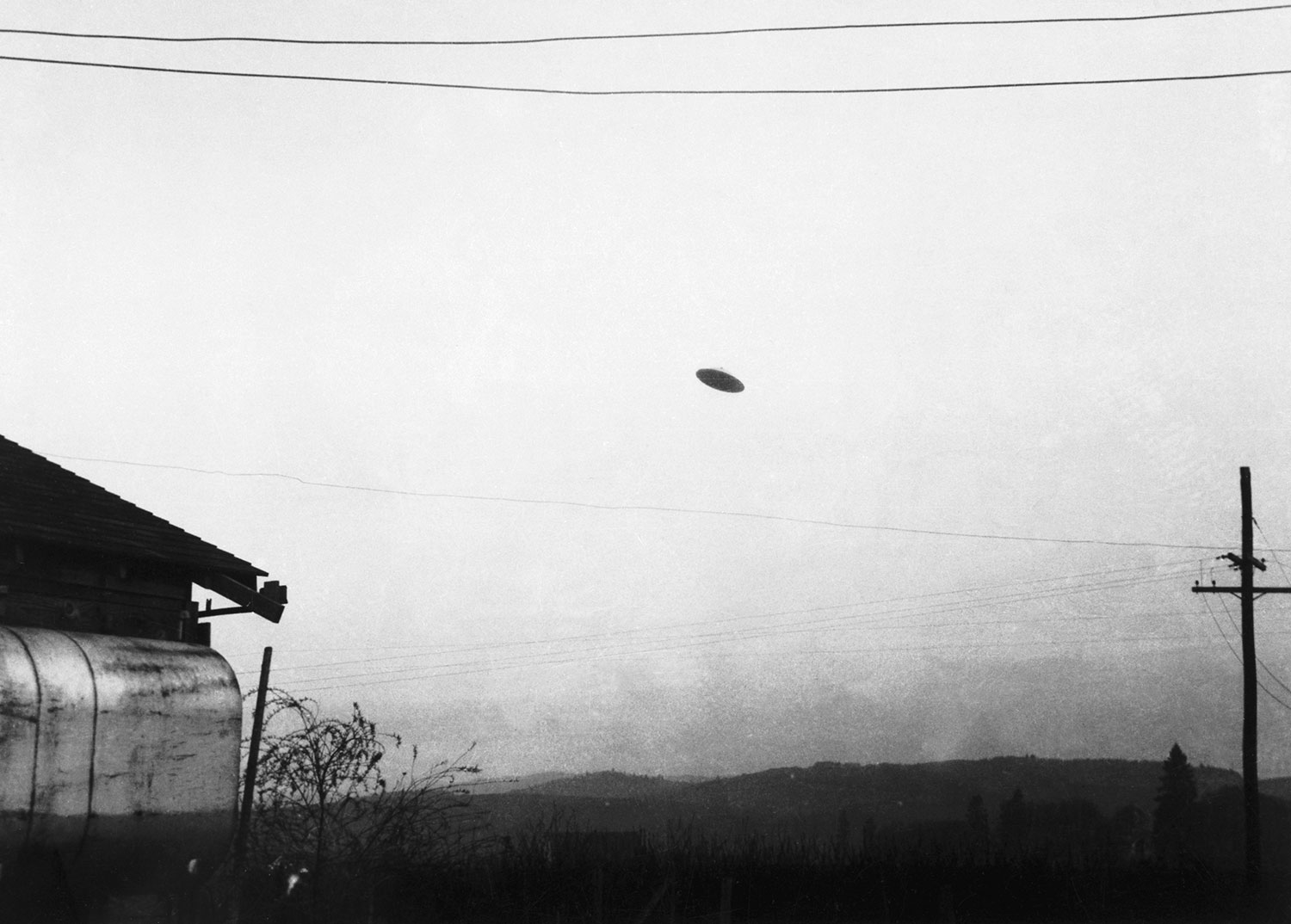
This UFO testimony had me hooked [Radio 4]

The Spectator This UFO testimony had me hooked www.spectator.co.uk
preview

cross-posted from: feddit.uk/post/18821588

In October 1964, a young man was driving to a dance in Hamburg, Pennsylvania, when his radio began to pick up a strange frequency. At first he thought it was just tuning in to a local channel, but then voices came through discussing some kind of nuclear war – and issuing bomb reports.

Recalling the incident decades later, the driver described the simultaneous appearance of a star overhead followed by the sudden realisation that he could see through the floor of his car.

‘I hadn’t done any dope, I wasn’t doing any beer,’ he adds so casually that you feel inclined to believe him. And yet his body felt like jelly. The episode only lasted what seemed like five or ten minutes, but on arriving at the dance, the man realised that the half-hour journey had actually taken nearly two hours. He never found a logical explanation for what had happened.

Between 1980 and 1992, a Cornell graduate from Ohio named John P. Timmerman travelled across America with a recorder and case of cassette tapes. Diversifying from his day job as the owner of an air-conditioning business, he spent his weekends conducting interviews in shopping malls as a volunteer for the Center for UFO Studies. In each mall he visited, he asked shoppers whether they had ever experienced anything inexplicable. The jellified driver was just one of nearly 1,200 people he spoke to across the course of his peculiar career.

We Are Not Alone, which airs on BBC Radio 4 this Sunday evening, replays a selection of these interviews in one continuous stream. There is no introduction – and no explanation – and the only interruptions during the programme are the clicks of a tape ending, the ‘this is side two, cassette one’, type markers made by Timmerman himself and, in the final three minutes, some appreciative reflections from Timmerman’s son. I became quickly hooked.

What struck me, in particular, was how many of the close encounters described took place when people were travelling. Aliens, it would seem, are fascinated by human transport. One woman spoke of a saucer-like object with multi-coloured lights zooming towards her car and disappearing only when another car came into sight. A man with 40 years’ experience in the aviation industry assessed that the sophisticated flying object he saw had no jet engine and was manifestly ‘not from this Earth’.

Many reports released in recent years offer more comprehensive descriptions of sightings than those gathered by Timmerman. But the raw beauty of some of the latter nevertheless astounds.

The captain of a commercial jet summoned the most striking image of the glow he observed while flying north of the Grand Canyon. It was ‘something like the light of the Aurora Borealis’, he recalled, ‘only it was encompassing most of the western sky’. Within it appeared a sphere ‘about the size of a moon when it comes over the horizon’. The moon itself was half-full and directly overhead.

On his journey, Timmerman inevitably encountered some cranks. Top marks go to the woman who informed him that UFOs live inside mountains and only come out at night. ‘How did you know this?’ Timmerman asked her. ‘A lady told me on the bus,’ she replied.

But for the most part, the people recorded were characterised by their wonder and yearning for something beyond what the eye usually sees. The fascination you hear in their voices is as captivating as the stories themselves. The programme will leave you gazing skywards.
You can listen on Radio 4.

cross-posted from: feddit.uk/post/18821588

In October 1964, a young man was driving to a dance in Hamburg, Pennsylvania, when his radio began to pick up a strange frequency. At first he thought it was just tuning in to a local channel, but then voices came through discussing some kind of nuclear war – and issuing bomb reports.

Recalling the incident decades later, the driver described the simultaneous appearance of a star overhead followed by the sudden realisation that he could see through the floor of his car.

‘I hadn’t done any dope, I wasn’t doing any beer,’ he adds so casually that you feel inclined to believe him. And yet his body felt like jelly. The episode only lasted what seemed like five or ten minutes, but on arriving at the dance, the man realised that the half-hour journey had actually taken nearly two hours. He never found a logical explanation for what had happened.

Between 1980 and 1992, a Cornell graduate from Ohio named John P. Timmerman travelled across America with a recorder and case of cassette tapes. Diversifying from his day job as the owner of an air-conditioning business, he spent his weekends conducting interviews in shopping malls as a volunteer for the Center for UFO Studies. In each mall he visited, he asked shoppers whether they had ever experienced anything inexplicable. The jellified driver was just one of nearly 1,200 people he spoke to across the course of his peculiar career.

We Are Not Alone, which airs on BBC Radio 4 this Sunday evening, replays a selection of these interviews in one continuous stream. There is no introduction – and no explanation – and the only interruptions during the programme are the clicks of a tape ending, the ‘this is side two, cassette one’, type markers made by Timmerman himself and, in the final three minutes, some appreciative reflections from Timmerman’s son. I became quickly hooked.

What struck me, in particular, was how many of the close encounters described took place when people were travelling. Aliens, it would seem, are fascinated by human transport. One woman spoke of a saucer-like object with multi-coloured lights zooming towards her car and disappearing only when another car came into sight. A man with 40 years’ experience in the aviation industry assessed that the sophisticated flying object he saw had no jet engine and was manifestly ‘not from this Earth’.

Many reports released in recent years offer more comprehensive descriptions of sightings than those gathered by Timmerman. But the raw beauty of some of the latter nevertheless astounds.

The captain of a commercial jet summoned the most striking image of the glow he observed while flying north of the Grand Canyon. It was ‘something like the light of the Aurora Borealis’, he recalled, ‘only it was encompassing most of the western sky’. Within it appeared a sphere ‘about the size of a moon when it comes over the horizon’. The moon itself was half-full and directly overhead.

On his journey, Timmerman inevitably encountered some cranks. Top marks go to the woman who informed him that UFOs live inside mountains and only come out at night. ‘How did you know this?’ Timmerman asked her. ‘A lady told me on the bus,’ she replied.

But for the most part, the people recorded were characterised by their wonder and yearning for something beyond what the eye usually sees. The fascination you hear in their voices is as captivating as the stories themselves. The programme will leave you gazing skywards.
You can listen on Radio 4.

0

BBC Radio 4 - D-Day: The Last Voices

preview

cross-posted from: feddit.uk/post/12690353

Eighty years on: the story of D-Day as it unfolds, using rediscovered testimonies of those who were there, on all sides.

cross-posted from: feddit.uk/post/12690353

Eighty years on: the story of D-Day as it unfolds, using rediscovered testimonies of those who were there, on all sides.

0

Brooklyn by Colm Tóibín - BBC Sounds

BBC BBC Sounds - Brooklyn by Colm Tóibín - Available Episodes www.bbc.co.uk
preview

Ahead of the adaptation of Colm Tóibín’s new novel Long Island, the BBC have made the previous book, Brooklyn, available on Sounds.

Ahead of the adaptation of Colm Tóibín’s new novel Long Island, the BBC have made the previous book, Brooklyn, available on Sounds.

0

BBC Radio 4 - AntiSocial: 'Anglo-Saxon' and racism

BBC BBC Radio 4 - AntiSocial, 'Anglo-Saxon' and racism www.bbc.co.uk
preview

cross-posted from: feddit.uk/post/12355384

Should the term “Anglo-Saxon” be dropped because it’s been adopted by racists?

People online are angry because a history journal has dropped “Anglo-Saxon” from its title. Critics say it is pandering to American academics who are unduly worried about the term being used by white supremacists. The journal says that’s got nothing to do with it. It’s part of an ongoing debate about whether “Anglo Saxon” is useful and appropriate. How did the argument start? Where did the term actually come from? And how has it been used in modern times to talk about race?

One of the guests has a YouTube video on the topic.

0

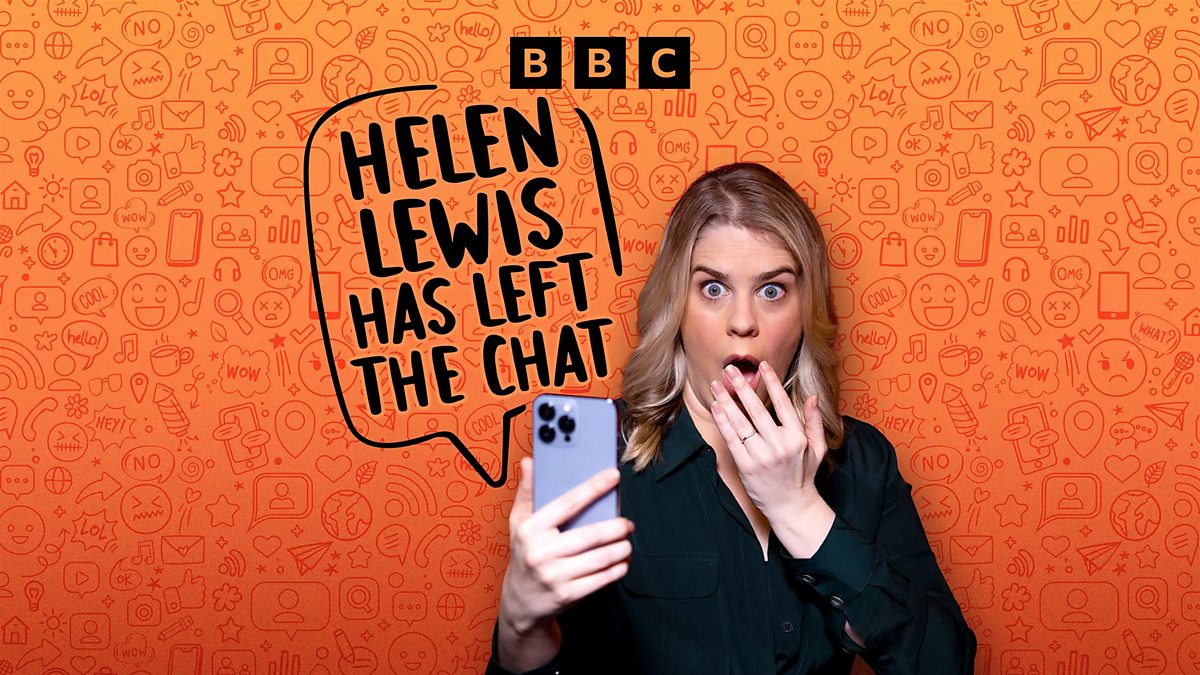
Influenced, Helen Lewis Has Left the Chat, Left the Chat: No 2. Fax Machines and Foxy Natashas

BBC BBC Radio 4 - Influenced, Helen Lewis Has Left the Chat, Left the Chat: No 2. Fax Machines and Foxy Natashas www.bbc.co.uk
preview

In 2016, amid the post-EU referendum chaos, one man had an idea. His name was Steve Baker, and he was a low-profile Tory MP. But his WhatsApp group - the home of the hard Brexiteers - soon became the most powerful force in British politics. Sam Coates of Sky News thinks that political WhatsApp groups like Baker’s helped bring down three Conservative prime ministers in a row.

The second of these, Boris Johnson, was a “WhatsApp addict”, according to his former chief of staff Dominic Cummings. And so, during Covid when Number 10 was still using fax machines to get NHS data, everyone turned to instant messaging instead. Forget “sofa government”, this was even more informal - as well as faster, more fluid and full of swearing.

But, Helen Lewis asks Cummings, is this really the best way to govern a country? What about the possibility of leaks, hacks - and conveniently lost messages when an inquiry rolls around?

0

BBC Radio 4 - AntiSocial, Racism and the countryside

BBC BBC Radio 4 - AntiSocial, Racism and the countryside www.bbc.co.uk
preview

cross-posted from: feddit.uk/post/10077697

Rural parts of the UK have recently been described as ‘colonial’, predominantly white spaces, where members of ethnic minorities feel unwelcome, sparking a debate about whether the countryside is racist.

Data shows that the rural population is 97% white, much more so than in towns and cities, so might that be an explanation for some people feeling out of place? Why has a prominent museum rehung some of its paintings, adding context about the nationalist sentiment some of them might evoke? And how did this debate start in the first place? We track its evolution and the contested evidence at the heart of it.

Previous report.

0

JACK fm is planning a return to the UK radio scene

preview

The company behind the JACK fm brand in the UK has announced the station will return – when they want.

The local JACK fm stations in Oxford were sold to Bauer in 2023 and either closed or rebranded, meaning the end of the name after 16 years.

However, OXIS Media kept the rights to use the name in future, and it turns out the intention is to make a comeback, playing what they want.

In an email blast this morning, Oxis Media said: “Stop the presses, hold your horses, and maybe even pause that mid-life crisis you’ve been joking about because we’ve got news that’ll make your old vinyls skip a beat.

“Yes, you guessed it or maybe you didn’t because you were too busy arguing about why Pink Floyd broke up? – JACK fm is strapping back on its electric guitar, cranking up the amp, and will be returning with our legendary mantra: “Playing play what we want!”

The ‘new’ JACK says it will play Classic Tracks & Hidden Gems, and tells us to “dust off that internet connected device” suggesting it will be internet-based.

We’ve asked JACK for more details but in typical JACK style, they’re not telling us what we want.

0

BBC News - Steve Wright: Radio 2 presenter dies aged 69

BBC News Steve Wright: BBC Radio 2 presenter dies aged 69 www.bbc.co.uk
preview

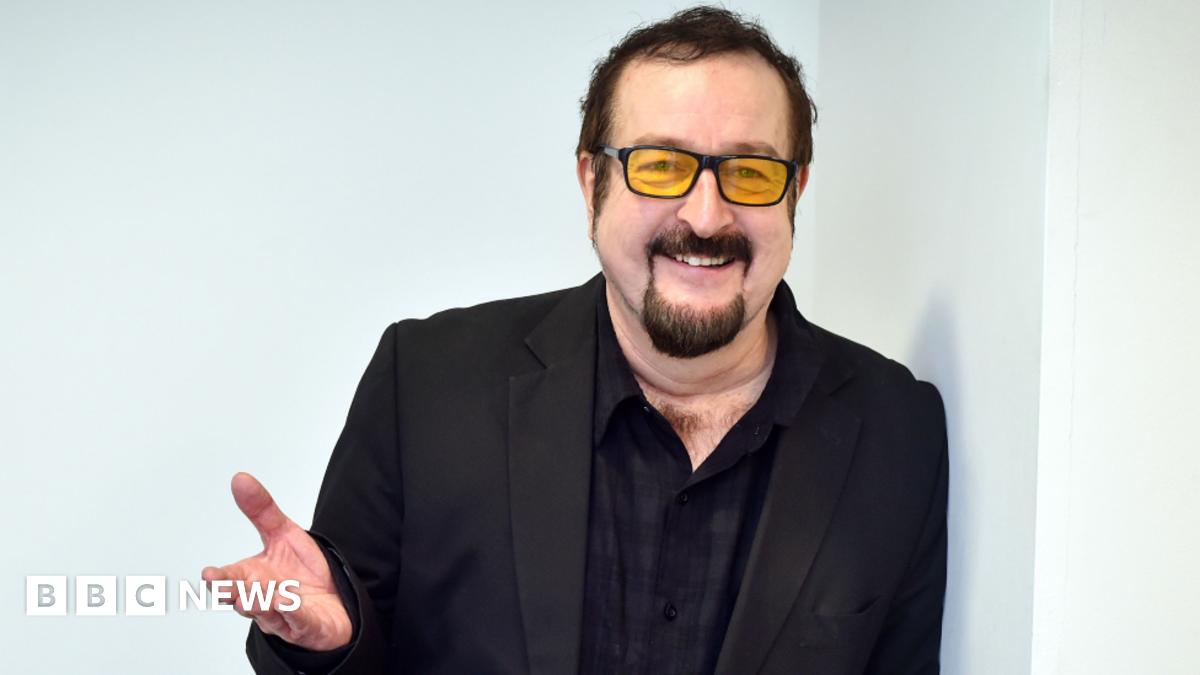
DJ Steve Wright, who presented programmes for BBC Radio 1 and Radio 2 for more than four decades, has died at the age of 69.

DJ Steve Wright, who presented programmes for BBC Radio 1 and Radio 2 for more than four decades, has died at the age of 69.

0

Radio 2 spin-off among four new stations planned by BBC

BBC News Radio 2 spin-off among four new stations planned by BBC www.bbc.co.uk
preview

cross-posted from: feddit.uk/post/7659335

The BBC has announced plans to launch a new Radio 2 spin-off station focusing on music from the 1950s, 60s and 70s.

It is one of four new radio stations the corporation intends to launch on DAB+ and online via BBC Sounds in an effort to attract new audiences.

0

Drinking three cups of green tea a day can reduce risk of dementia, doctor says

play · large-cdn.ex.co
Independent TV Drinking three cups of green tea a day can reduce risk of dementia, doctor says www.independent.co.uk
preview

cross-posted from: feddit.uk/post/7260235

Drinking three cups of green tea a day can help reduce the risk of dementia, a doctor has revealed.

Michael Mosley discussed the benefits of drinking green tea on his BBC Radio 4 podcast Just One Thing, released today (24 January).

He spoke to Dr Edward Okello from the Human Nutrition Research Centre at the University of Newcastle about how green tea can boost brain power and health.

Professor Okello explained that there is a chemical in green tea called epigallocatechin gallate (EGCG) that kills off an enzyme in the brain cells that harms our mind.

The episode is here.

0

Ian Hislop’s Oldest Jokes review — chortling through history

preview

Something to cheer a January of storms, floods and diverted flights: Ian Hislop on the history of jokes. If my editors scrapped the rest of this review and printed just that sentence I think readers would be persuaded that there was something worth listening to this week.

Ian Hislop’s Oldest Jokes(on BBC Sounds and Radio 4) starts with the first English joke. Or the first joke about the English. Confronted with some attractive slaves in a marketplace Pope Gregory I is supposed to have quipped “non Angli sed Angeli” (“not Angles but angels”). Hislop is delighted by this.

More hesitant is Jonathan Wilcox (author of the unpromisingly titled Humour in Old English Literature), who hesitantly concedes that old English literature contains jokes that “might have been perceived possibly by some to have been funny”. But nothing can disrupt Hislop’s optimism. He chortles his way through the double entendre-ridden Anglo-Saxon riddles preserved in the Exeter Book: “A curious thing hangs by a man’s thigh … it is stiff and hard … When the man lifts his own garment he intends to greet with the head of his hanging object that familiar hole.” The polite answer is “key”. You may guess the rude one.

I also enjoyed the following exchange. Hislop: “Tell me about any other jokes. Are there any in the Anglo-Saxon chronicles?”

Expert: “Pffft. Not really.”

Main page in Radio 4

0

Huge auction of vinyl from BBC archives to take place this month

NME Huge auction of vinyl from BBC archives to take place this month www.nme.com
preview

Run by Omega Auctions – who have been granted access to the BBC archives – the listing is filled with rare vinyl, equipment and BBC memorabilia, ready for a hefty series of online sales. The auction is a treasure trove for vinyl collectors and BBC fans.

Things on offer include hard-to-find analogue kits and essential LPs which have been sourced from one of the best music archives in the world. Speaking about the collection, Omega Auctions tweeted: “This does not constitute the entirety of the BBC’s vinyl archive which is very much still intact. This is largely the duplicate copies of LPs – so that collection can be moved and better stored for the future.”

Auction link

0

Great Lives: John Gray on JG Ballard (BBC Radio 4)

BBC BBC Radio 4 - Great Lives, John Gray on JG Ballard www.bbc.co.uk
preview

cross-posted from: feddit.uk/post/5860007

Philosopher John Gray chooses as his great life the iconic British writer of dystopian and speculative fiction, J.G. Ballard, in conversation with the author’s daughter Bea Ballard.

cross-posted from: feddit.uk/post/5860007

Philosopher John Gray chooses as his great life the iconic British writer of dystopian and speculative fiction, J.G. Ballard, in conversation with the author’s daughter Bea Ballard.

0

Doctor Who: The Wilderness Years (BBC Radio 4)

BBC BBC Radio 4 - Doctor Who: The Wilderness Years www.bbc.co.uk
preview

Matthew Sweet tells the extraordinary story of the hiatus between Doctor Who’s cancellation in 1989 and its spectacular revival in 2005.

Matthew Sweet tells the extraordinary story of the hiatus between Doctor Who’s cancellation in 1989 and its spectacular revival in 2005.

0

The World of the Wicker Man (Radio 4 Extra)

The World of the Wicker Man www.bbc.co.uk
preview

cross-posted from: feddit.uk/post/5089833

To celebrate 50 years since the cult horror The Wicker Man came to our cinemas, BBC Radio 4 Extra is ‘sacrificing’ its normal evening schedule to bring you five hours of drama, comedy, documentaries and conversations connected to this unique film, its cast and its music.

The evening will be presented by writer, paranormal psychologist and Celtic pagan, Evelyn Hollow (Uncanny and The Battersea Poltergeist), who will be introducing highlights such as the world radio debut of an adaptation of The Wicker Man starring Brian Blessed (21:05) and the first broadcast of Christopher Lee’s Desert Island Discs in over 25 years (20:15).

Evelyn will also be offering up archive featuring among others, Edward Woodward, Britt Ekland and Ingrid Pitt, and in a specially recorded interview Evelyn will be speaking to the Olivier award-winning actress - who not only played the mischievous schoolgirl Daisy Pringle in the film, but who also sang on some of The Wicker Man’s iconic songs - Lesley Mackie (18:45 & 20:55). Come, it is time to keep your appointment with The World of The Wicker Man…

0

Classic FM’s Pet Classics returns to help keep anxious pets calm and relaxed during this year’s fireworks

Classic FM Classic FM’s Pet Classics returns to help keep anxious pets calm and relaxed during this year’s fireworks www.classicfm.com
preview

It’s the time of year for spectacular displays around the country, but for many of our pets, the loud sounds and bright lights can make them feel nervous and anxious.

That’s why at Classic FM, we bring you special shows of relaxing classical music to help keep you and your furry and feathered friends calm and reassured around Bonfire Night.

Classic FM’s Pet Classics returns for its sixth year on-air and will be hosted by our weekend presenter and dog-lover Charlotte Hawkins.

0

Surrey bank clerk turned MI5 Spy – The extraordinary story of Eric Roberts

BBC BBC Radio 4 - History's Heroes - Surrey bank clerk turned MI5 Spy – The extraordinary story of Eric Roberts www.bbc.co.uk
preview

One episode delves into the mystery of MI5 agent ‘Jack King’. During World War II, a network of British fascists gathered secret information that might help the Nazi cause and hasten their own country’s defeat. They thought they were passing these secrets to Jack King, a Gestapo officer who had been planted in England. In 2014, files revealed ‘Jack’ was a man called Eric Roberts – a top secret agent who really worked for MI5.

So who was the man behind ‘Jack King’? How did he infiltrate fascist groups? Was there really a ‘fifth column’ aiming to undermine Britain from within? And if it didn’t exist… would MI5 have to invent it?.

0

You Must Listen - remake of Nigel Kneale's lost tale comes to Radio 4

CultBox You Must Listen - remake of Nigel Kneale's lost tale comes to Radio 4 cultbox.co.uk
preview

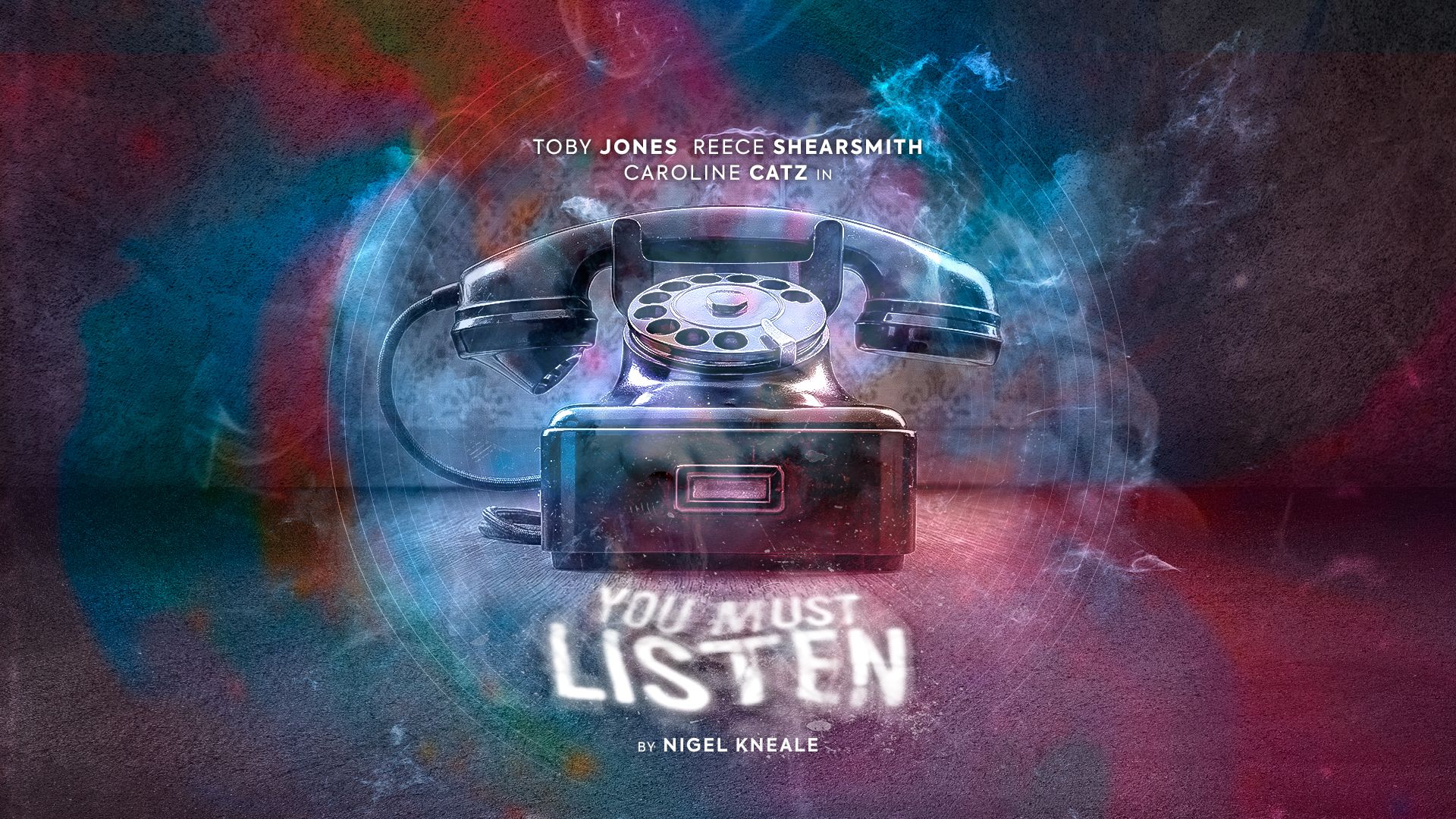
Originally broadcast in September 1952, You Must Listen was written by Nigel Kneale, one of the most admired English science-fiction writers of the last century. His Quatermass trilogy continues to influence generations of admirers and filmmakers, among them Russell T Davies and John Carpenter.

Before his television career, Kneale’s radio drama paved the way for what was to come. It explores many of the same themes that he later addressed in Quatermass, The Stone Tape and The Road, of the paranormal coming into collision with modern science.

For this version, audio producers Bafflegab have returned to Kneale’s original script – fortunately kept by the late writer as no recording of the original play exists.

Here’s the premise for You Must Listen:

A solicitor’s office has a new phone line connected, but the staff keep hearing a woman’s voice on the phone. Engineer Frank Wilson is called to fix the problem, and gradually the disturbing story of the woman starts to emerge.

This modern version stars Toby Jones, Reece Shearsmith, Caroline Catz, Jessie Cave and John Scougall. Also in the cast are Jason Barnett, Jacqueline King, Dan Starkey and Becky Wright.

0

BBC Radio 4 - Seriously... - The strange true story behind The Da Vinci Code

BBC BBC Radio 4 - Seriously... - The strange true story behind The Da Vinci Code www.bbc.co.uk
preview

Twenty years ago The Da Vinci Code gripped the world with the notion that Jesus Christ married, had a secret honeymoon in France and sired a hidden line of future European rulers. You probably know the story. After all – Dan Brown’s conspiracy thriller sold 80 million copies within five years of its release and spawned a film franchise.

But the story you may not know is that key parts of the theory have their origins not in the archives of The Vatican, but in the vaults of the BBC. Kevin Core, producer of Seriously’s Archive on 4: The Holy Blood, tells us the story of the fraud that sparked a conspiracy movement.

0

Woman who took home DNA test discovers her real father is not an anonymous donor but in fact a removals man from Essex

preview

cross-posted from: feddit.uk/post/2226061

A shocked woman discovered with an at-home DNA test that her real father was a removals man from Essex whose sperm had been used without his permission by a Harley Street fertility doctor.

The disturbing story is set to be revealed in The Gift, a new BBC radio series which will air from next Monday.

It explores how millions of Britons and others across the world have taken tests sold by firms including Ancestry.co.uk and 23andMe, often after being given them as presents from friends and family.

It’s a classic sensationalist (and over-long, I had to cut it in half) headline from the Daily Fail but it’s a pretty sensational story of sperm theft but all properly researched and soberly presented and I’d recommend that you listen to the Radio 4 episode, it’s a real rollercoaster ride.

The premise of the series is that a lot of British people have taken home DNA tests for genealogical purposes and, while everyone is warned to be careful in case you uncover some hidden family secret, there are some extreme cases which are even more unexpected.

0

The Immortals: meet the billionaires forking out for eternal life

the Guardian The Immortals: meet the billionaires forking out for eternal life www.theguardian.com
preview

Until recently, Bryan Johnson was paying hundreds of thousands of dollars to infuse one litre of his teenage son’s youthful plasma into his own ageing blood stream every month. “I’ve never paid more attention to what he’s eating … because that was going into my body,” the 46-year-old American tech entrepreneur says on new podcast The Immortals. He also pumped his own plasma into his 70-year-old father’s body to help improve his declining physical and cognitive health: “It was one of the most meaningful moments in his entire life. And it was the same for me.” Johnson continues to pay $2m a year for a research team to investigate how we can live longer – and he is certainly not the only rich guy in Silicon Valley dedicated to the search for eternal life.

“It took us ages to find somebody to talk to us,” says technology reporter and psychologist Aleks Krotoski, who hosts the BBC Radio 4 series. “Strangely, people who take the blood of the young are a bit reserved … ”

0

BBC Radio 2 loses 1 million listeners since Ken Bruce departure

the Guardian BBC Radio 2 loses 1 million listeners since Ken Bruce departure www.theguardian.com
preview

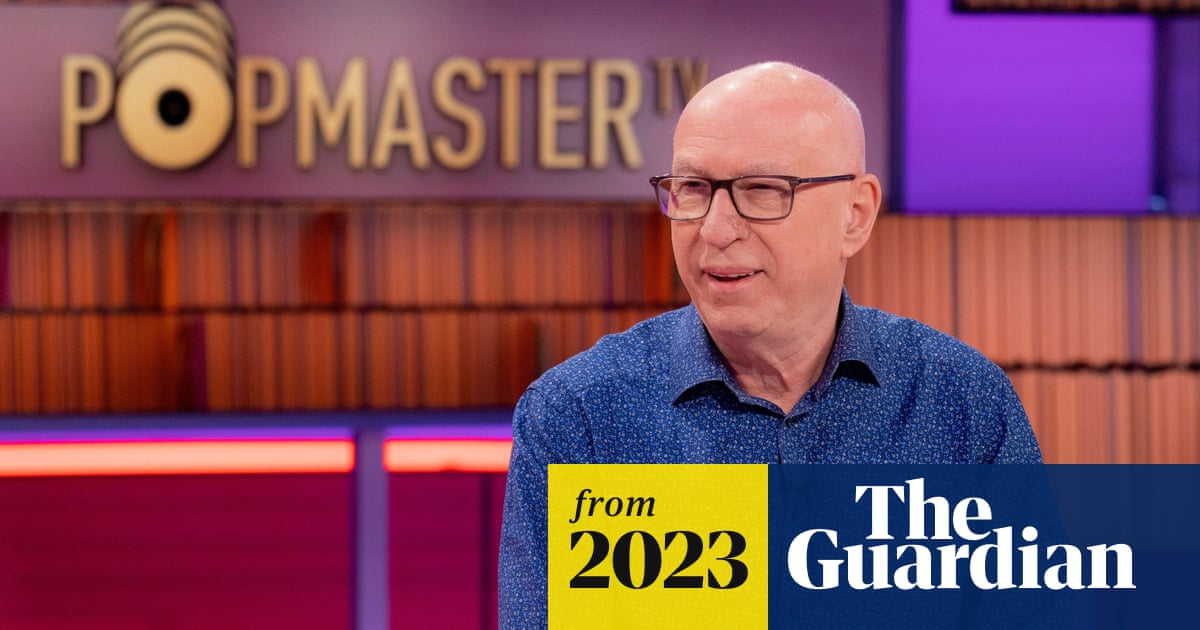
BBC Radio 2 lost more than a million listeners since Ken Bruce left the station for commercial rival Greatest Hits Radio, according to official audience data.

Bruce spent three decades presenting the same mid-morning timeslot on Radio 2, where his mild-mannered style and Popmaster music quiz helped build the biggest audience in British radio.

Yet BBC bosses failed to nail down their most popular presenter on a new contract, enabling Bruce to jump ship to Greatest Hits Radio to present a show in a similar timeslot. Bruce was also able to take Popmaster from the BBC to his new employer, after personally securing the trademark during the 1990s.

The move has turned out to be an enormous success for Bruce and Greatest Hits Radio, with quarterly Rajar figures showing his new show reached 3 million listeners a week between April and June.

0

Brand-new satire coming to BBC Radio 4 with six Friday Night Comedy specials

Podnews Brand-new satire coming to BBC Radio 4 with six Friday Night Comedy specials podnews.net
preview

This fresh take on the satirical comedy slot will feature new programmes from the likes of Rachel Parris, who will kick off the series with a range of comic characters including digital stars Rosie Holt and Michael Spicer; Dom Joly, who will take a mischievous approach to investigating the week’s biggest stories; Ria Lina, bringing a global perspective to the news with comedians from around the world sharing news from their countries; Catherine Bohart, who will take a deep dive into the roots of a news story; Rhys James, bringing his trademark quick wit to interrogate the news; and Andrew Hunter Murray hosts the latest creation from The Skewer’s Jon Holmes, which takes aim at the way the news is packaged and presented.

The specials will be broadcast in Radio 4’s popular Friday Night Comedy slot this summer, between series of Dead Ringers and The News Quiz. Friday Night Comedy is also hugely popular on BBC Sounds – last quarter, it was among the top ten on demand radio programmes and top twenty most-downloaded programmes globally. Each special will be available after broadcast, first on BBC Sounds and on RSS soon after.