0
preview
Interesting review of the X4 pro. I really liked the nuance they gave vs all the positive reviews you see online.
Interesting review of the X4 pro. I really liked the nuance they gave vs all the positive reviews you see online.
posts tagged #ebookreaders
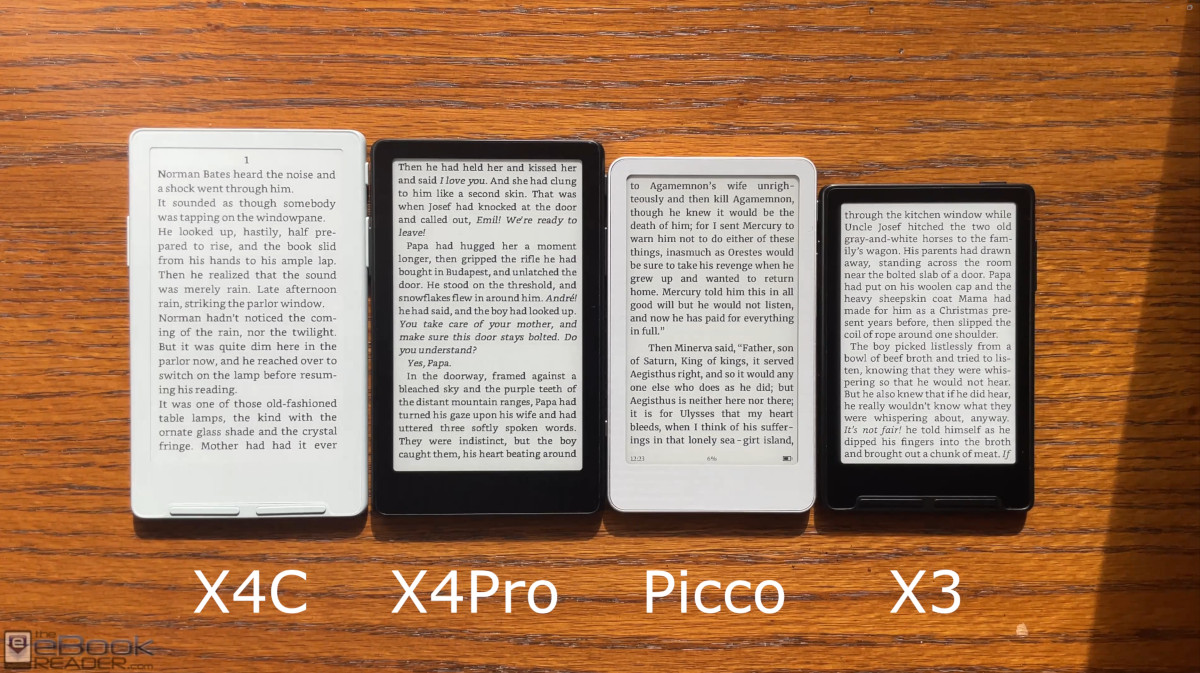


Interesting review of the X4 pro. I really liked the nuance they gave vs all the positive reviews you see online.
Interesting review of the X4 pro. I really liked the nuance they gave vs all the positive reviews you see online.

The Xteink X4 is a cheap, locked-down pocket e-reader. CrossPoint, a community open-source firmware, turns it into the reader it should have shipped as, and installing it takes one click in a browser, provided you buy the right unit.
The Xteink X4 is a cheap, locked-down pocket e-reader. CrossPoint, a community open-source firmware, turns it into the reader it should have shipped as, and installing it takes one click in a browser, provided you buy the right unit.
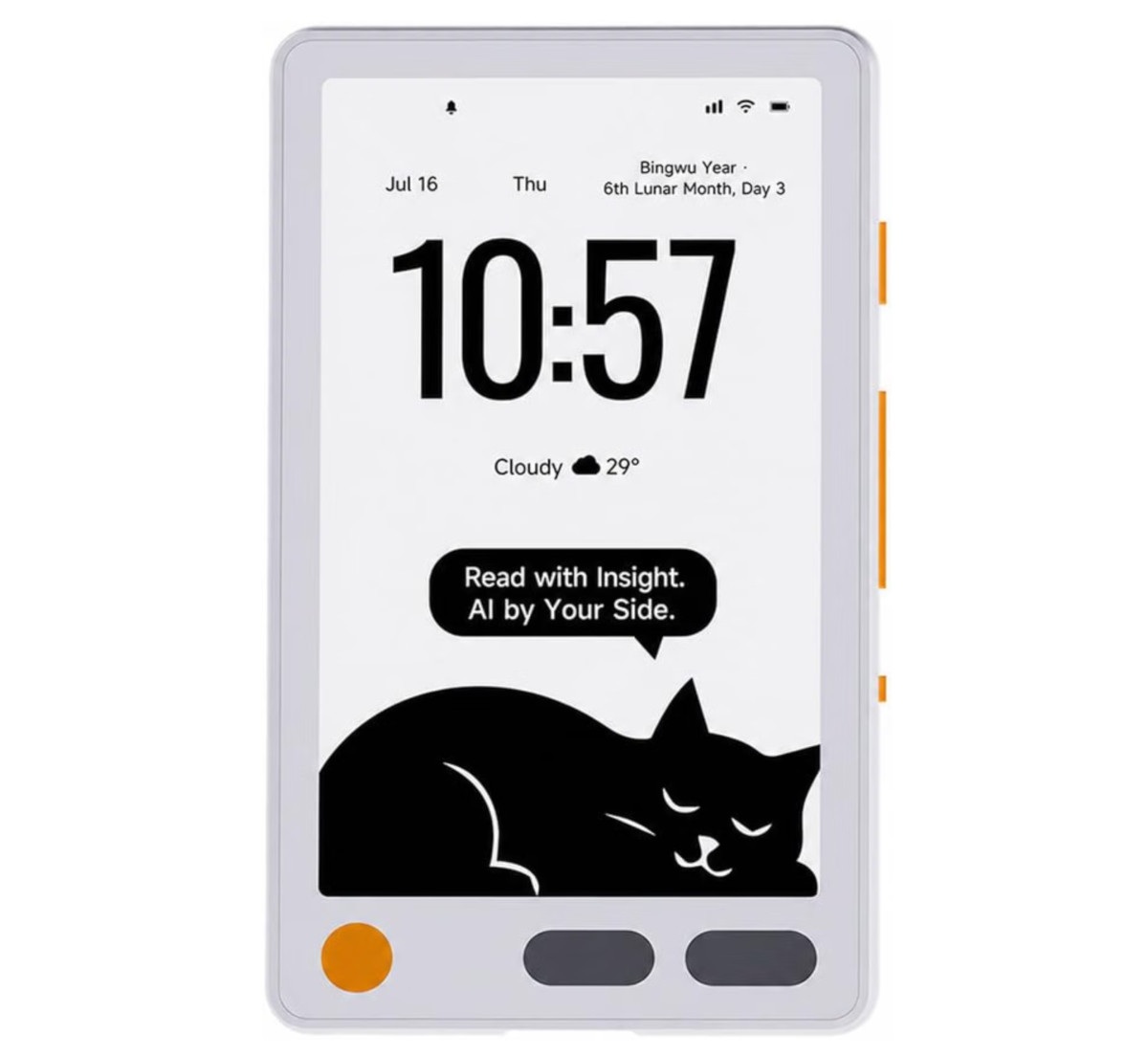
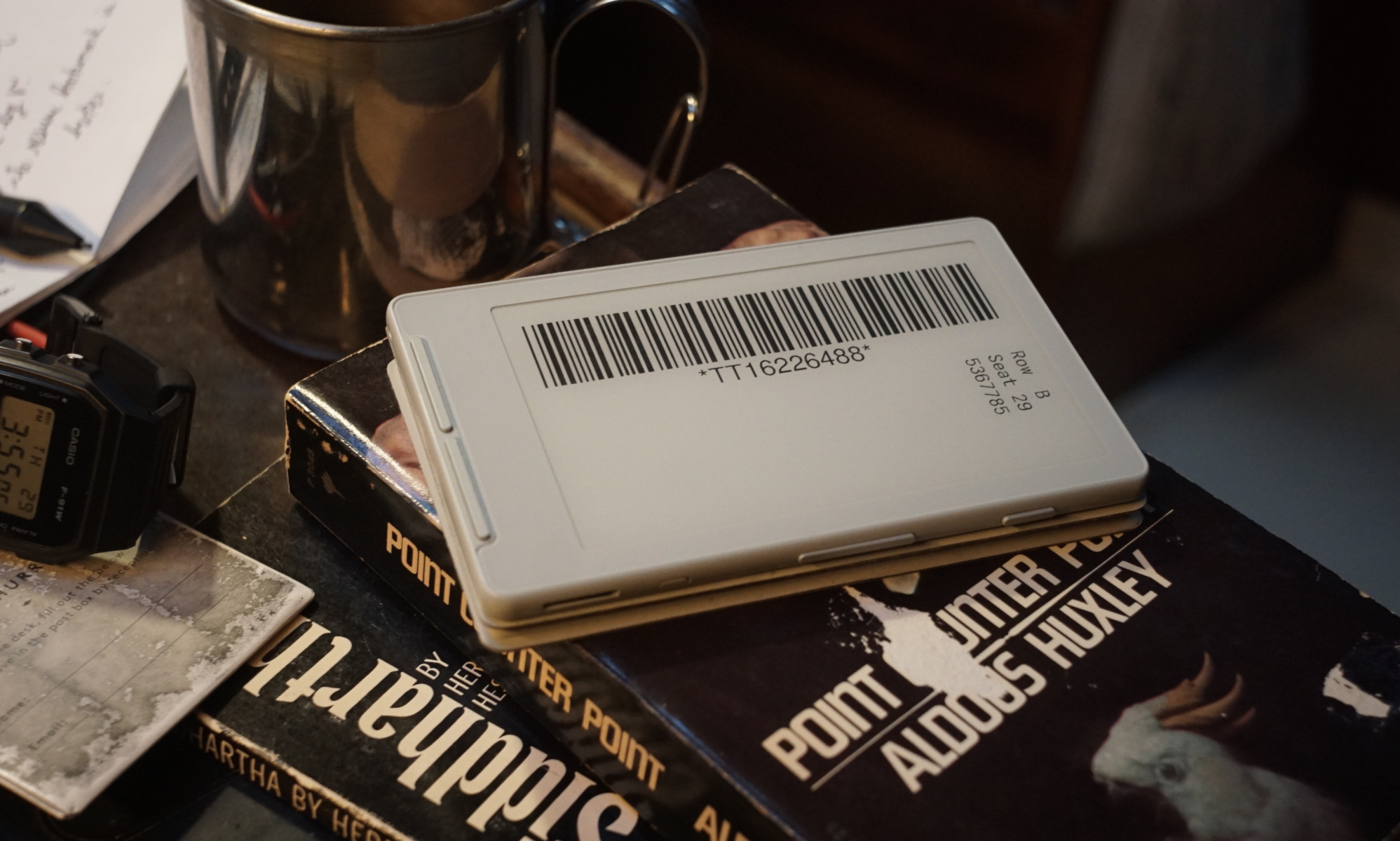
Throught it was neat someone ported uxn OS to the XTE INK 4
Video here: www.youtube.com/watch?v=aERzNvtfeG8
Throught it was neat someone ported uxn OS to the XTE INK 4
Video here: www.youtube.com/watch?v=aERzNvtfeG8

Determine the appropriate jailbreak for your combination of circumstances.
Determine the appropriate jailbreak for your combination of circumstances.

From reddit:
I love my Diptyx eReader dearly, but I wanted something with touchscreens and a frontlight. So I decided to make my own little compact dual-screen eReader, and here’s the result!
It’s basically two XTEINK X4 Pro readers held magnetically into a custom 3D-printed, book-like case. The case has eight small magnets that give it a satisfying snap when it closes. The two devices communicate wirelessly through a custom fork of CrossPoint. Turning a page on either reader updates both screens so they show consecutive pages - no cable connecting them!
The readers pop out for charging and microSD access.
If anyone wants to try it, you can flash the firmware here and find the case files and assembly instructions on MakerWorld.
You can see more pictures here.
It’s working really well so far and I really love it. If anyone else winds up trying this, please let me know!
casualducko.github.io/crosspoint-xteink/
makerworld.com/…/3503017-xteink-x4-pro-dual-scree…
From reddit:
I love my Diptyx eReader dearly, but I wanted something with touchscreens and a frontlight. So I decided to make my own little compact dual-screen eReader, and here’s the result!
It’s basically two XTEINK X4 Pro readers held magnetically into a custom 3D-printed, book-like case. The case has eight small magnets that give it a satisfying snap when it closes. The two devices communicate wirelessly through a custom fork of CrossPoint. Turning a page on either reader updates both screens so they show consecutive pages - no cable connecting them!
The readers pop out for charging and microSD access.
If anyone wants to try it, you can flash the firmware here and find the case files and assembly instructions on MakerWorld.
You can see more pictures here.
It’s working really well so far and I really love it. If anyone else winds up trying this, please let me know!
casualducko.github.io/crosspoint-xteink/
makerworld.com/…/3503017-xteink-x4-pro-dual-scree…




Some info prefacing all this:
Crosspoint: crosspointreader.com - Community open source ebook reader firmware that extends functionality.
Diptyx: diptyx.dev - open source and (mostly) open hardware 2 page ebook reader.
A person (casualducko) has been hard at work, making crosspoint working on the Dyptyx ebook reader: github.com/casualducko/crosspoint-diptyx
I was able to test it in its VERY experimental stages. After a week all I can say is that it works REALLY well! It looks like its mostly the X4 code with some custom code for Diptyx buttons and functionality. It helps that these ESP32 devices are all very similar under the hood.
Some highlights:
New fonts!
All of the fonts downloaded no issues. It was very easy.

Wifi works now!
You can do all the things like managing your library, syncing with Koreader, OPDS, and other such functionality.

Main screen
The main screen looks good. Getting back into a book is easy to work with.

OPDS works for Gutenberg and my own library.

Crosspoint Sync also works on the setup. I was able to hobble together a script that auto-pulls down my book progress into BookWyrm once a day. (Are you on bookwyrm? Follow me on Bookwyrm! DM me for the deets!)

Anyway hope you all have a great weekend. Ill probably be fiddling with this new firmware for a while.
Some info prefacing all this:
Crosspoint: crosspointreader.com - Community open source ebook reader firmware that extends functionality.
Diptyx: diptyx.dev - open source and (mostly) open hardware 2 page ebook reader.
A person (casualducko) has been hard at work, making crosspoint working on the Dyptyx ebook reader: github.com/casualducko/crosspoint-diptyx
I was able to test it in its VERY experimental stages. After a week all I can say is that it works REALLY well! It looks like its mostly the X4 code with some custom code for Diptyx buttons and functionality. It helps that these ESP32 devices are all very similar under the hood.
Some highlights:
New fonts!
All of the fonts downloaded no issues. It was very easy.
Wifi works now!
You can do all the things like managing your library, syncing with Koreader, OPDS, and other such functionality.
Main screen
The main screen looks good. Getting back into a book is easy to work with.
OPDS works for Gutenberg and my own library.
Crosspoint Sync also works on the setup. I was able to hobble together a script that auto-pulls down my book progress into BookWyrm once a day. (Are you on bookwyrm? Follow me on Bookwyrm! DM me for the deets!)
Anyway hope you all have a great weekend. Ill probably be fiddling with this new firmware for a while.
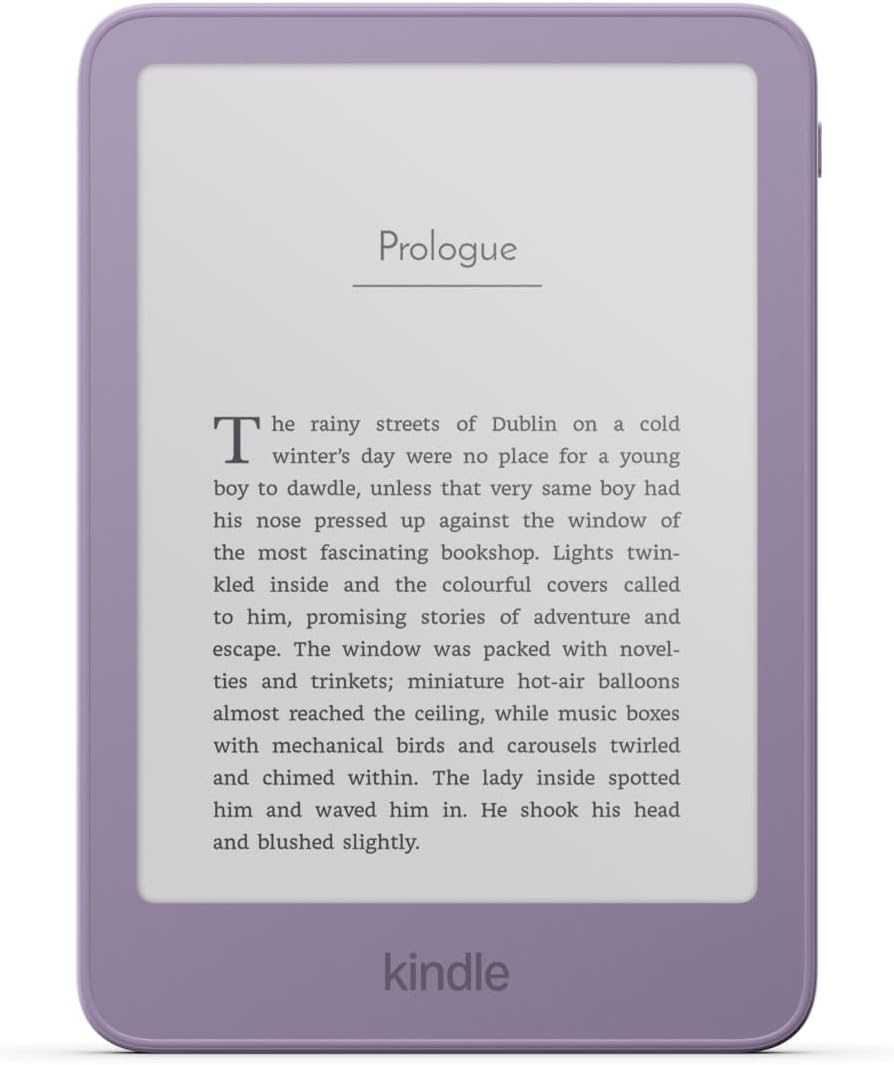

Article isn’t about ebooks and ebook readers specifically, but it’s an interesting look at reading habits and how they change and how publishers react.
Article isn’t about ebooks and ebook readers specifically, but it’s an interesting look at reading habits and how they change and how publishers react.
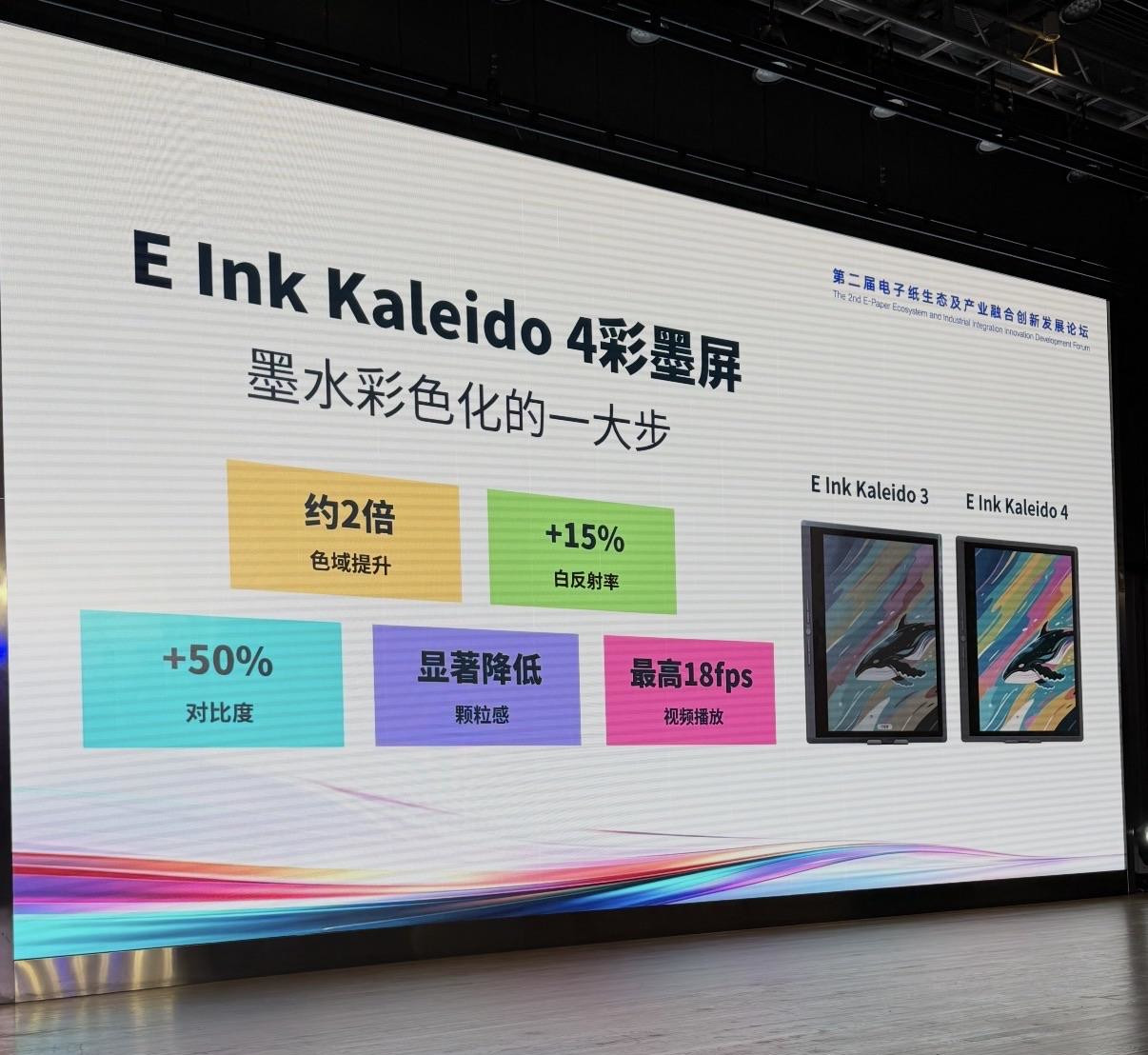
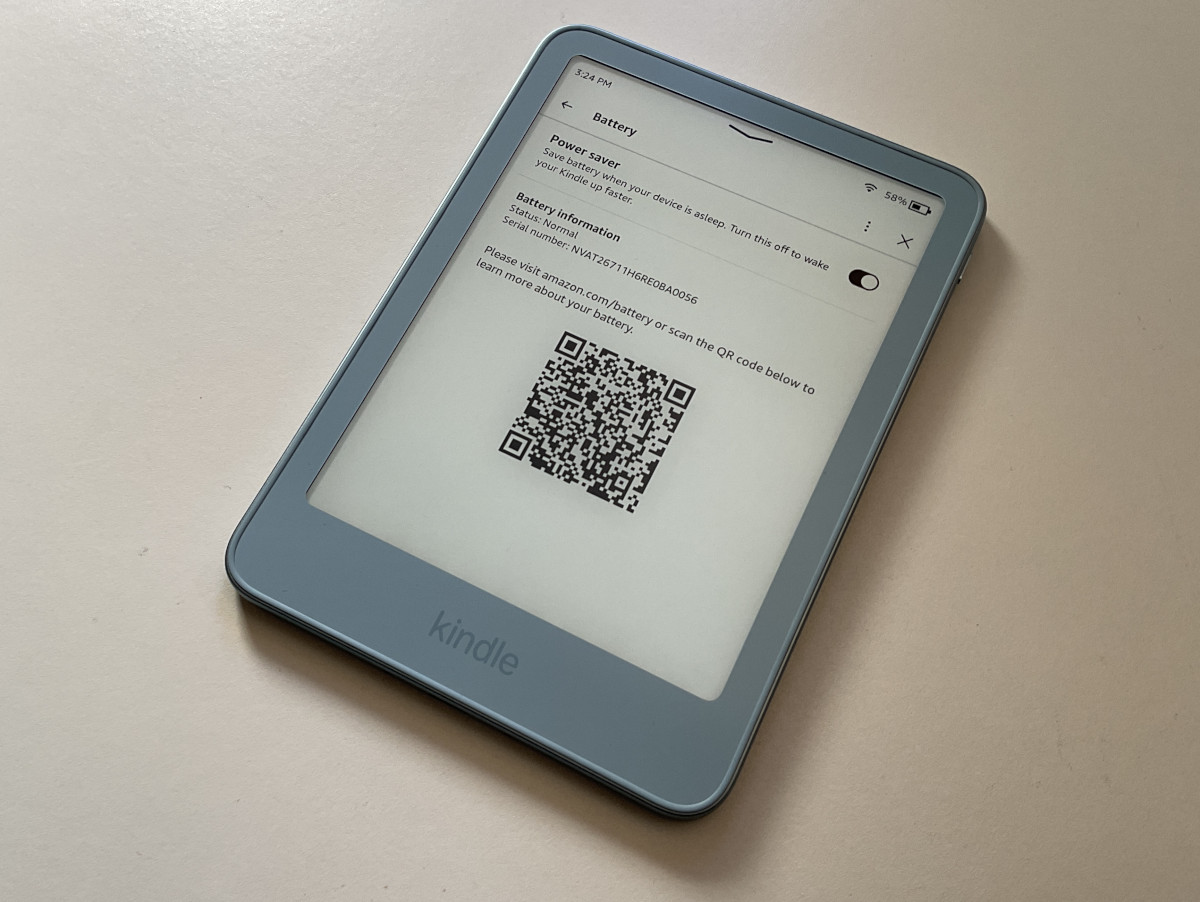
One of the cool things about the new Kindles for 2026 is they were designed to have removable back panels so you can easily replace the internal battery when it wears out.
It’s weird because Amazon seems to be going out of their way to avoid advertising the fact that the new Kindles have user-replaceable batteries—you’d think that would be a positive marketing point to exploit—but so far they’re being coy about it.
There is this new Amazon Kindle Battery Guide page that was recently added to the help section of Amazon’s website. It lists all the new Kindles for 2026, and talks about the new Battery Status section that appears in the settings menu on the new Kindles.
To find the battery status entry on your 2026 Kindle, go to Settings > Device options > Battery > Battery information.
From there, it shows your Kindle’s battery status. There are three possible indicators: normal, battery capacity limited, and incompatible battery.
Amazon doesn’t specifically state the new Kindles have user-replaceable batteries on that page, but that’s the gist of it. And they do specifically state that on the Identify Your Kindle page, where it says “User-replaceable battery (EBR-compliant)” under the description for the new Kindles.
I was able to remove the back panel on the Kindle Ube with surprising ease. At first I was afraid I was going to break something, but then I committed to prying down on the corner with a fingernail and the back popped right off. I recorded the process to show how easy it is (video below).
The aluminum Kindles have two hex screws that have to be removed before you can take the back off of them. I’m not sure what size they are, but they’re tiny. The plastic Kindles (the purple and black colors) don’t have any screws holding the back on, but there are four Phillips head screws holding the battery in place.
I assume it’s the same story with the new Paperwhite and Colorsoft, but we’ll have to wait until they get released to know for sure.
One of the cool things about the new Kindles for 2026 is they were designed to have removable back panels so you can easily replace the internal battery when it wears out.
It’s weird because Amazon seems to be going out of their way to avoid advertising the fact that the new Kindles have user-replaceable batteries—you’d think that would be a positive marketing point to exploit—but so far they’re being coy about it.
There is this new Amazon Kindle Battery Guide page that was recently added to the help section of Amazon’s website. It lists all the new Kindles for 2026, and talks about the new Battery Status section that appears in the settings menu on the new Kindles.
To find the battery status entry on your 2026 Kindle, go to Settings > Device options > Battery > Battery information.
From there, it shows your Kindle’s battery status. There are three possible indicators: normal, battery capacity limited, and incompatible battery.
Amazon doesn’t specifically state the new Kindles have user-replaceable batteries on that page, but that’s the gist of it. And they do specifically state that on the Identify Your Kindle page, where it says “User-replaceable battery (EBR-compliant)” under the description for the new Kindles.
I was able to remove the back panel on the Kindle Ube with surprising ease. At first I was afraid I was going to break something, but then I committed to prying down on the corner with a fingernail and the back popped right off. I recorded the process to show how easy it is (video below).
The aluminum Kindles have two hex screws that have to be removed before you can take the back off of them. I’m not sure what size they are, but they’re tiny. The plastic Kindles (the purple and black colors) don’t have any screws holding the back on, but there are four Phillips head screws holding the battery in place.
I assume it’s the same story with the new Paperwhite and Colorsoft, but we’ll have to wait until they get released to know for sure.
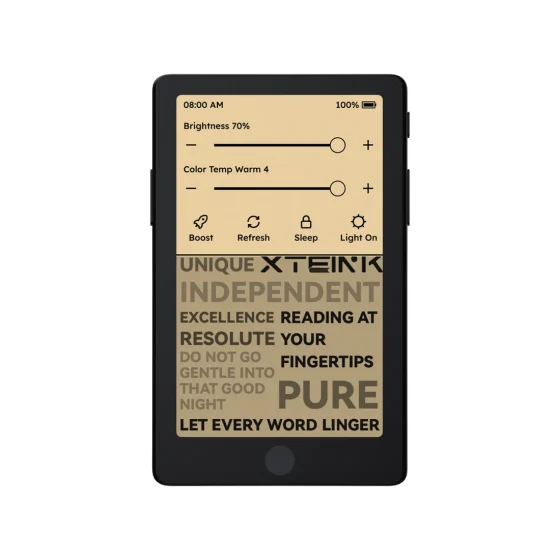

Itty bitty e-readers have become really popular, and for good reason – they are so small and convenient that you can take them everywhere…
Itty bitty e-readers have become really popular, and for good reason – they are so small and convenient that you can take them everywhere…


This is part 1 of my first customizations to my Diptyx ebook reader .
Its been a week or so since Ive really dove into the ebook reader.
First observations:
The buttons are probably the worst part of the experience. They are made of some low quality PLA that hurt my fingers. Which led me to the first customization! My wife had nail polish that works well with PLA. So slapped on a blue and it feels soo much smoother! Ive been reading even more now.
The second customization was getting a 32 GB sd card. The system only comes with a 2 GB SD. 32GB for 20$ isnt bad. I have another for 512GB that im using for my miyoo mini. So im thinking worst case ill use that one day. 32 is enough for what I want to do with it (for now).

The inside of the device. Pretty easy to read. You can see the ESP32, sd card, wires and other such here.

Not the greatest picture but you can see the size of my ring compared to the screen. It fits in my poket. This is the other side of the eink display.

1/32" to get the screws out. No instructions on that one. I had to guesstimate on that. only 10 screws in the whole system and its super solid.


Anyways yeah im having fun with this thing. Fully recommend if your a maker or want something completely open source.
First post: HERE
This is part 1 of my first customizations to my Diptyx ebook reader .
Its been a week or so since Ive really dove into the ebook reader.
First observations:
The buttons are probably the worst part of the experience. They are made of some low quality PLA that hurt my fingers. Which led me to the first customization! My wife had nail polish that works well with PLA. So slapped on a blue and it feels soo much smoother! Ive been reading even more now.
The second customization was getting a 32 GB sd card. The system only comes with a 2 GB SD. 32GB for 20$ isnt bad. I have another for 512GB that im using for my miyoo mini. So im thinking worst case ill use that one day. 32 is enough for what I want to do with it (for now).
The inside of the device. Pretty easy to read. You can see the ESP32, sd card, wires and other such here.
Not the greatest picture but you can see the size of my ring compared to the screen. It fits in my poket. This is the other side of the eink display.
1/32" to get the screws out. No instructions on that one. I had to guesstimate on that. only 10 screws in the whole system and its super solid.
Anyways yeah im having fun with this thing. Fully recommend if your a maker or want something completely open source.
First post: HERE
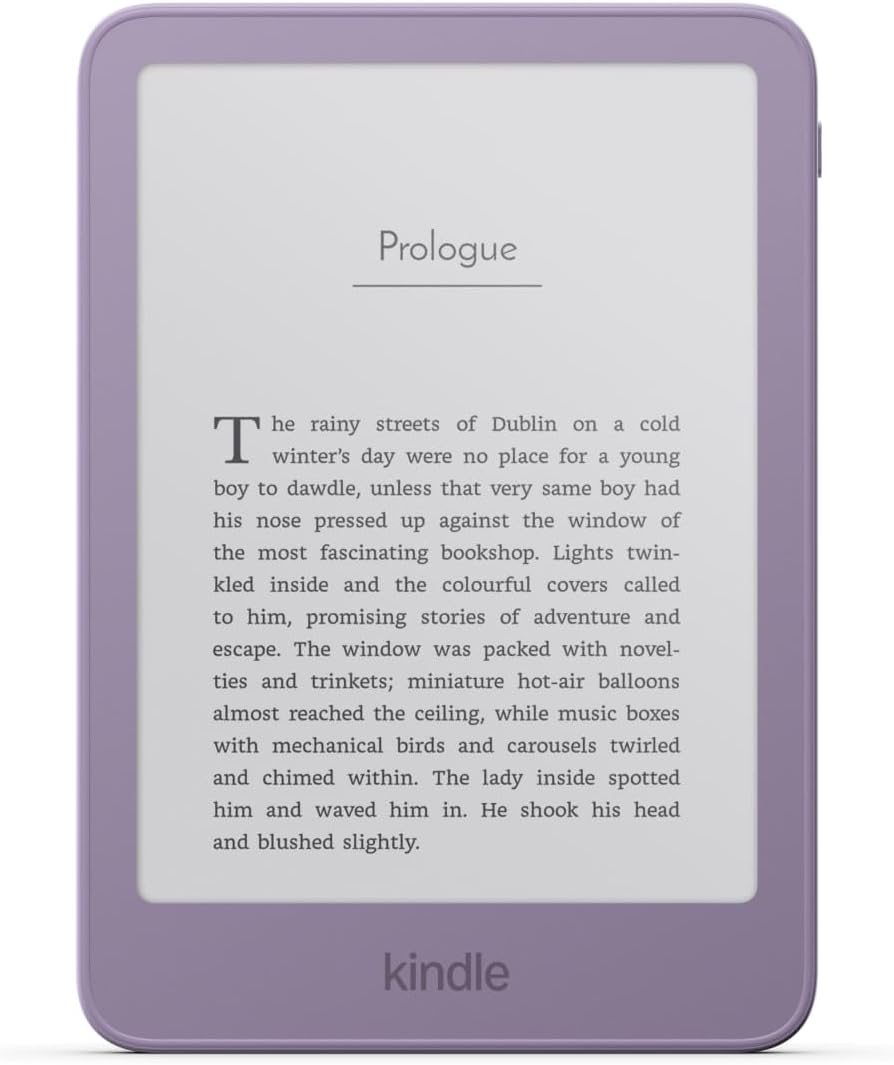
Amazon added a notice to the product pages for the new lineup of 2026 Kindles that states, “Wi-Fi and an Amazon account are required to set up your Kindle and download books”.
I thought maybe that was their way of saying that new Kindles cannot be used in an unregistered state like previous gen Kindles, but it turns out that’s not that case at all.
It’s still possible to use the new 2026 Kindles without registering them to an Amazon account, but they make you think you have to register them during the initial setup process. I forgot how to get past the registration screen since the last time I did this. At first I thought it wasn’t going to work, but I figured it out, so here’s how get past the initial setup process.
When setting up a new Kindle, there’s no obvious way to bypass the registration screen. The trick is to hold down the power button until the pop-up box appears where you can select “Restart“, and then your Kindle will boot to the homescreen instead of the registration screen.
However, you have to trigger the restart at the right time. You have to get to the screen that asks you to sign-in on the device, not the initial setup screen.
The first screen that appears asks if you want to sign-in on the device or set it up using your phone. Select the sign-in on device option, then enter your WiFi password. My Kindle downloaded a software update at this point, and then it restarted to the sign-in screen where it showed my name. That’s where you want to hold down the power button and restart.
I’m pretty sure I didn’t have to go through the process of setting up WiFi when I bypassed registration on my 12th gen Kindle Paperwhite earlier this year; I think it worked from the first screen where they ask if you want to sign-in on the device or use your phone, so something changed along the way.
Nevertheless, it’s still possible to use Kindles without registering them, despite Amazon making it seem like you have to sign-in with an Amazon account in order to use them.
You can still sideload ebooks and dictionaries and custom fonts, and use Kindles in an unregistered state if you want to. The main downside to doing so is there’s a nag screen that pops-up every time you go to the library that asks you to sign-in (I think that can be disabled if your Kindle is jailbroken), and you can’t use online features like Wikipedia lookup. But on the plus side, ad-supported models don’t show ads on the lockscreen—they show book covers instead. Another benefit with using unregistered Kindles is they no longer get software updates that break things, and you don’t have to worry about your sideloaded ebooks getting deleted if you use airplane mode for too long.
Amazon added a notice to the product pages for the new lineup of 2026 Kindles that states, “Wi-Fi and an Amazon account are required to set up your Kindle and download books”.
I thought maybe that was their way of saying that new Kindles cannot be used in an unregistered state like previous gen Kindles, but it turns out that’s not that case at all.
It’s still possible to use the new 2026 Kindles without registering them to an Amazon account, but they make you think you have to register them during the initial setup process. I forgot how to get past the registration screen since the last time I did this. At first I thought it wasn’t going to work, but I figured it out, so here’s how get past the initial setup process.
When setting up a new Kindle, there’s no obvious way to bypass the registration screen. The trick is to hold down the power button until the pop-up box appears where you can select “Restart“, and then your Kindle will boot to the homescreen instead of the registration screen.
However, you have to trigger the restart at the right time. You have to get to the screen that asks you to sign-in on the device, not the initial setup screen.
The first screen that appears asks if you want to sign-in on the device or set it up using your phone. Select the sign-in on device option, then enter your WiFi password. My Kindle downloaded a software update at this point, and then it restarted to the sign-in screen where it showed my name. That’s where you want to hold down the power button and restart.
I’m pretty sure I didn’t have to go through the process of setting up WiFi when I bypassed registration on my 12th gen Kindle Paperwhite earlier this year; I think it worked from the first screen where they ask if you want to sign-in on the device or use your phone, so something changed along the way.
Nevertheless, it’s still possible to use Kindles without registering them, despite Amazon making it seem like you have to sign-in with an Amazon account in order to use them.
You can still sideload ebooks and dictionaries and custom fonts, and use Kindles in an unregistered state if you want to. The main downside to doing so is there’s a nag screen that pops-up every time you go to the library that asks you to sign-in (I think that can be disabled if your Kindle is jailbroken), and you can’t use online features like Wikipedia lookup. But on the plus side, ad-supported models don’t show ads on the lockscreen—they show book covers instead. Another benefit with using unregistered Kindles is they no longer get software updates that break things, and you don’t have to worry about your sideloaded ebooks getting deleted if you use airplane mode for too long.
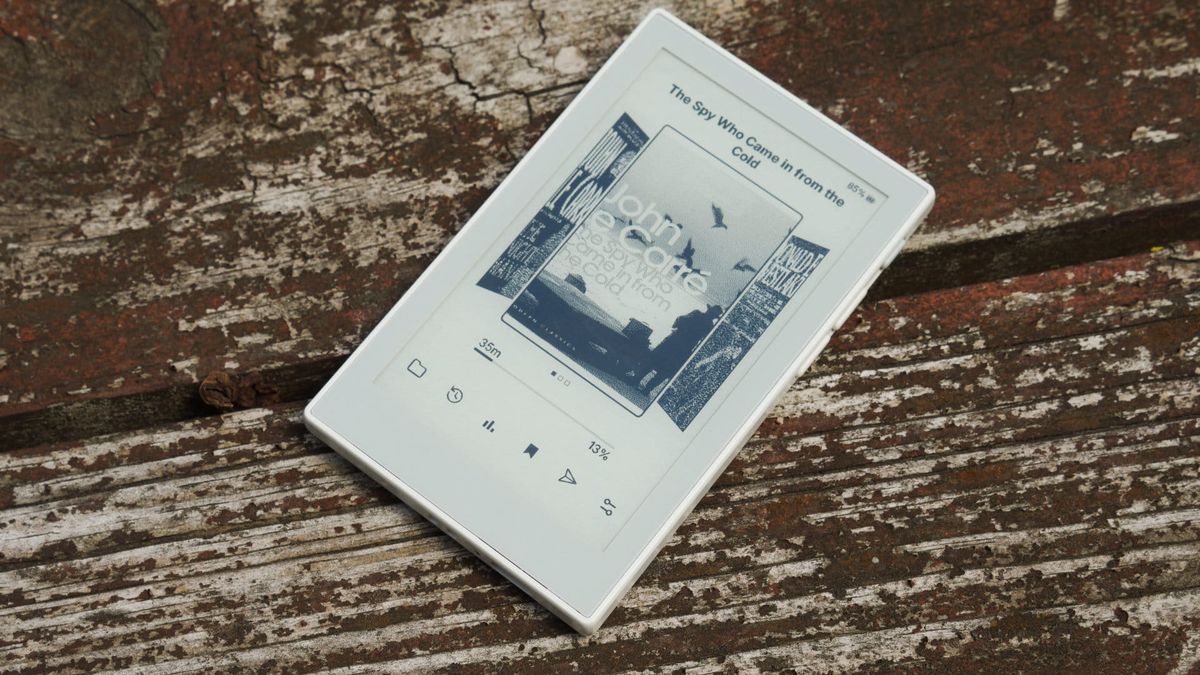
It’s about the same size as an Xteink while being a more capable device that features a touch screen, a mic, and higher pixel density, only costs $50, and Crosspoint OS (eReader software made for the Xteink X4) supports it. So it can be turned into a great little e-reader.
E-paper has been having a bit of a moment recently. First, the Boox Palma shrank the form factor of eReaders down to something a bit more pocketable and less proprietary than the Kindle. Then, open source developers seized upon and installed custom firmware on the Xteink X4 and X3, cheap no-frills eReaders that snap to the back of your phone and are just enough for many people.
The X4 was clearly a huge success, as Xteink is following this up with the X3 Pro and X4 Pro and Boox has announced their micro ereader competitor the Boox Picco.
But bare bones e-paper is anyone’s game at this point, and so Seeed Studio has thrown their hat in the game with the reTerminal Sticky, an even cheaper and more capable small magnetic eInk display that leans in on the entire angle that made the X4 a viral sensation.
It’s about the same size as an Xteink while being a more capable device that features a touch screen, a mic, and higher pixel density, only costs $50, and Crosspoint OS (eReader software made for the Xteink X4) supports it. So it can be turned into a great little e-reader.
E-paper has been having a bit of a moment recently. First, the Boox Palma shrank the form factor of eReaders down to something a bit more pocketable and less proprietary than the Kindle. Then, open source developers seized upon and installed custom firmware on the Xteink X4 and X3, cheap no-frills eReaders that snap to the back of your phone and are just enough for many people.
The X4 was clearly a huge success, as Xteink is following this up with the X3 Pro and X4 Pro and Boox has announced their micro ereader competitor the Boox Picco.
But bare bones e-paper is anyone’s game at this point, and so Seeed Studio has thrown their hat in the game with the reTerminal Sticky, an even cheaper and more capable small magnetic eInk display that leans in on the entire angle that made the X4 a viral sensation.

Free at - github.com/nicoverbruggen/libron
I’m really liking it because it’s just a smidge bolder/thicker than my other fonts, so works great on this smaller reader.
Free at - github.com/nicoverbruggen/libron
I’m really liking it because it’s just a smidge bolder/thicker than my other fonts, so works great on this smaller reader.
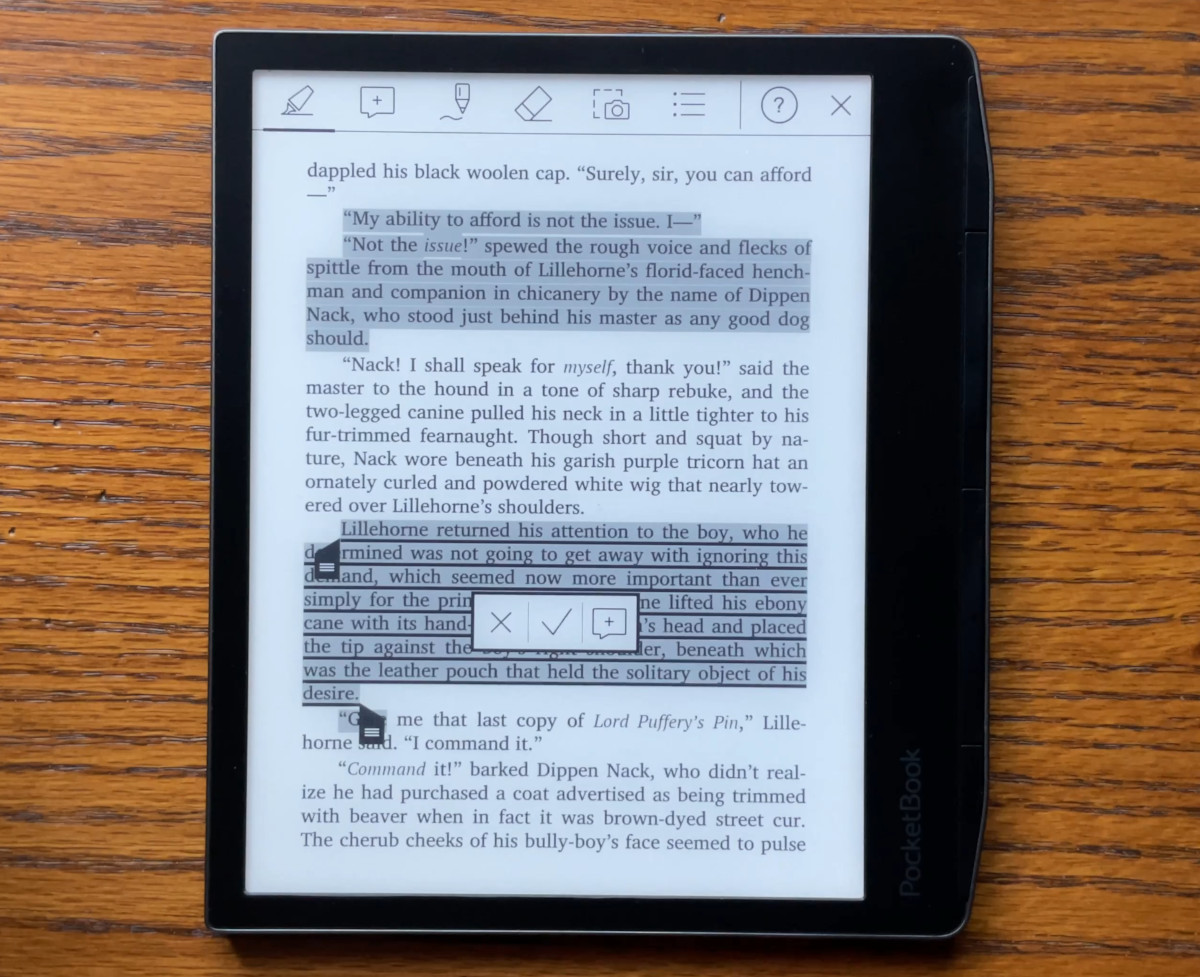
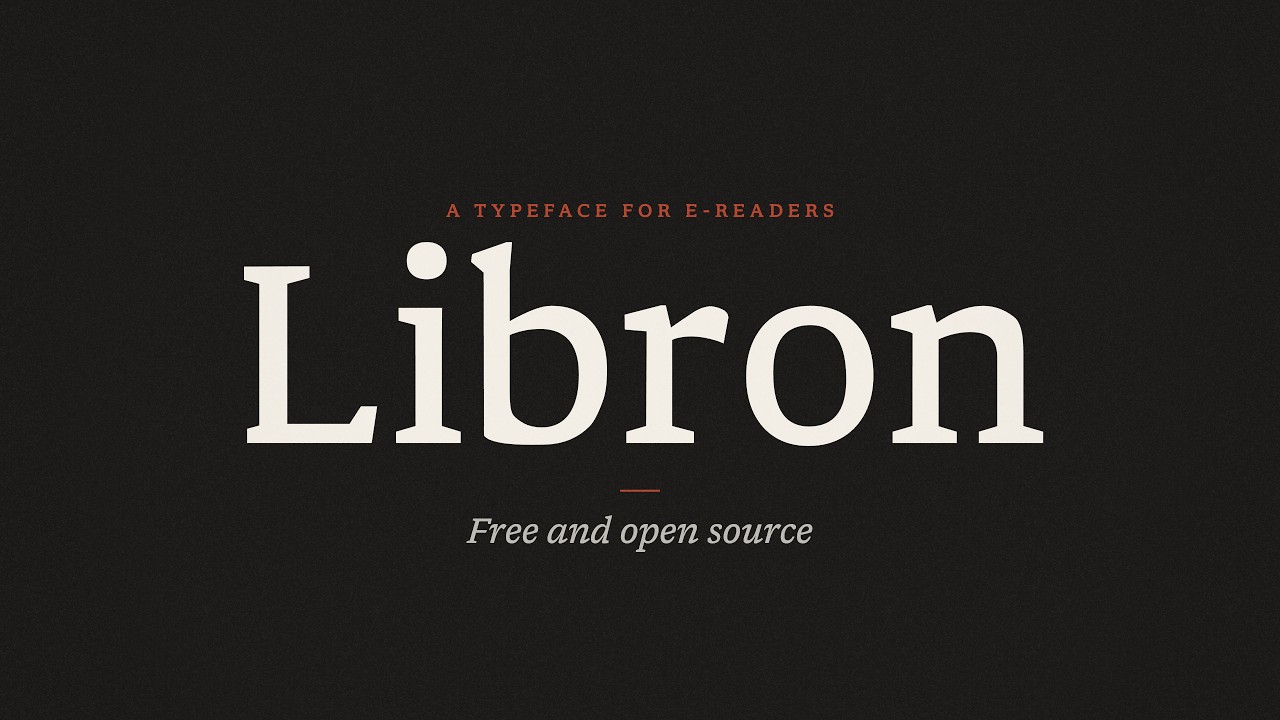
Free and open source font made specifically for ereaders and e-ink. (This isn’t me, I just thought it looked cool and wanted to share.)
github.com/nicoverbruggen/libron/releases ebook-fonts.nicoverbruggen.be
Free and open source font made specifically for ereaders and e-ink. (This isn’t me, I just thought it looked cool and wanted to share.)
github.com/nicoverbruggen/libron/releases ebook-fonts.nicoverbruggen.be


Amazon has just announced two new Kindle Paperwhite e-readers. Now thinner and lighter, with a 7-inch flush-front display, up to 12 weeks of battery life, adjustable warm light, and waterproofing. The Signature Edition adds aluminum, adaptive front lighting, 32GB of storage, and ad-free reading. Both will be available for purchase on October 28th 2026, with pre-orders opening soon.
Amazon has just announced two new Kindle Paperwhite e-readers. Now thinner and lighter, with a 7-inch flush-front display, up to 12 weeks of battery life, adjustable warm light, and waterproofing. The Signature Edition adds aluminum, adaptive front lighting, 32GB of storage, and ad-free reading. Both will be available for purchase on October 28th 2026, with pre-orders opening soon.
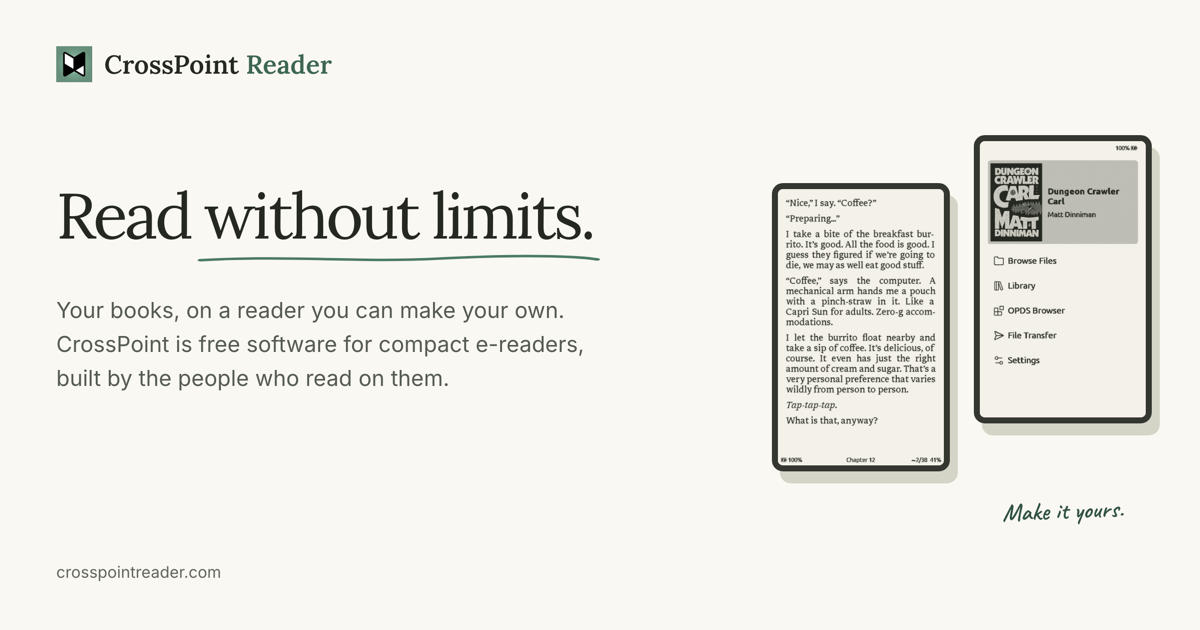
CrossPoint’s an open-source replacement operating system for certain e-readers, designed to give users more control, customization, and support for additional reading features.
I love it and for me, my Xteink 4 was useless without this OS.
BOOX Picco
M5PaperMono
Xteink X4C
Seeed Sticky
Xteink X4 Pro
Xteink X3
M5Paper
T5 E-Paper S3 Pro Lite
CrossPoint’s an open-source replacement operating system for certain e-readers, designed to give users more control, customization, and support for additional reading features.
I love it and for me, my Xteink 4 was useless without this OS.
BOOX Picco
M5PaperMono
Xteink X4C
Seeed Sticky
Xteink X4 Pro
Xteink X3
M5Paper
T5 E-Paper S3 Pro Lite