Can someone recommend an ebook with some fun shaders? I’m still learning the concepts. Maybe Gaussian blur or grayscale filters. Not interested in 3D yet.
Can someone recommend an ebook with some fun shaders? I’m still learning the concepts. Maybe Gaussian blur or grayscale filters. Not interested in 3D yet.
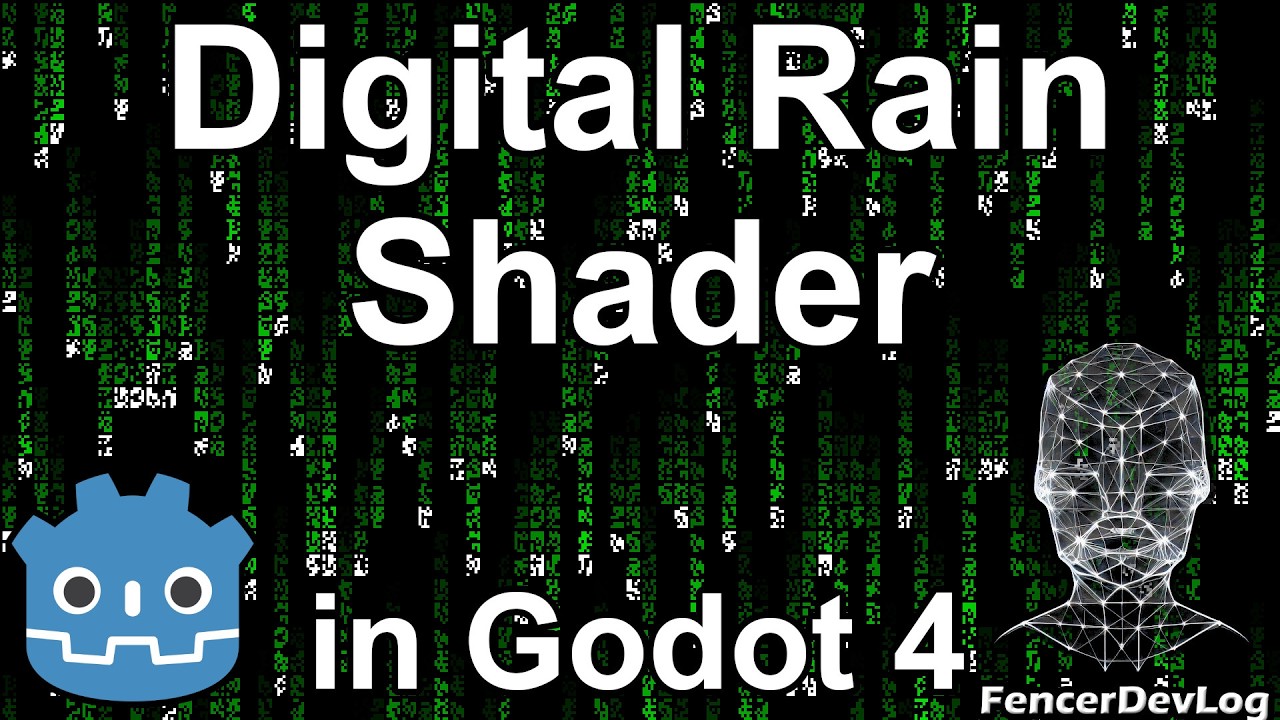
Hello, everyone! The effect we’re going to create as a shader in this video is certainly nothing original. However, I thought it would be nice to have my own implementation in the collection, as such a Matrix-like rain might come in handy for someone. It’s not a particularly difficult algorithm, so let’s put it together.
Hello, everyone! The effect we’re going to create as a shader in this video is certainly nothing original. However, I thought it would be nice to have my own implementation in the collection, as such a Matrix-like rain might come in handy for someone. It’s not a particularly difficult algorithm, so let’s put it together.
Hey all! I’ve been thinking about how to best unit-test my shader code, since TDD has been very helpful for me. But I’ve been able to find surprisingly little information. If possible, I’d love to hear from your experiences!
Hey all! I’ve been thinking about how to best unit-test my shader code, since TDD has been very helpful for me. But I’ve been able to find surprisingly little information. If possible, I’d love to hear from your experiences!
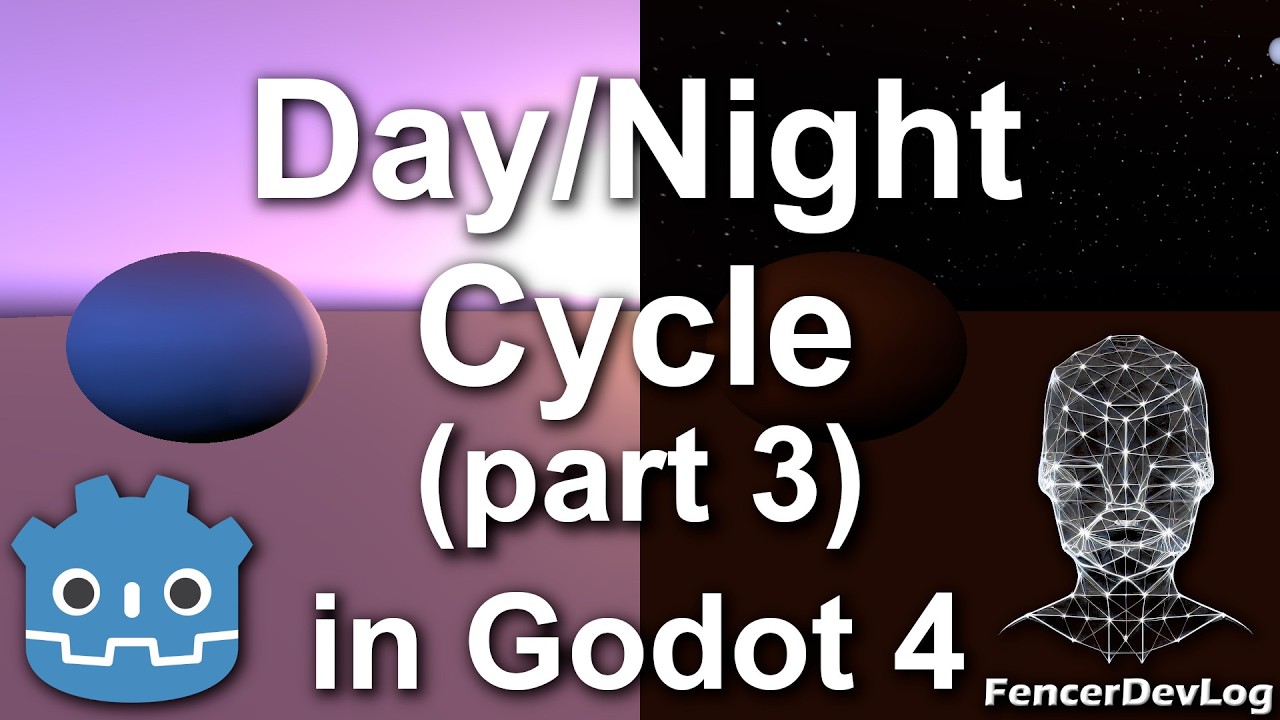
Hello, everyone! This is the third part of our mini-series dedicated to creating a sky shader to simulate day and night in Godot Engine. In the previous two parts, we finished programming the shader, and this time, we’ll look at how we can combine this effect with a real light source to make our scene look more realistic.
Hello, everyone! This is the third part of our mini-series dedicated to creating a sky shader to simulate day and night in Godot Engine. In the previous two parts, we finished programming the shader, and this time, we’ll look at how we can combine this effect with a real light source to make our scene look more realistic.
Hi Godot folks, Danny here from the Diablo 3D team. We’ve rebuilt Tristram and the first Cathedral level of the original Diablo as a first-person game in Godot 4, and the free demo is out.
A few Godot notes:
The original level generator is ported to GDScript and outputs a 2D tile grid; a builder turns it into 3D walls, arches and vaulted ceilings at 1 tile = 2 m, so every seed is a new walkable dungeon.
All game rules live in JSON tables generated from the original data by a Python pipeline; GDScript only implements the formulas.
The UI is laid out in the original 640x480 coordinates and scaled by one factor, which made ultrawide and 4K support almost free.
Strict typing (Variant-inference warnings treated as errors) caught a lot of bugs early.
What’s in the demo:
Tristram rebuilt in 3D tile for tile from the original town map, with all the townsfolk and their original lines and voices
Cathedral level 1, laid out by a port of the original level generator (a new layout every descent)
The original combat, monster and item rules (to-hit, crits, block, durability, affixes)
Warrior, Rogue and Sorcerer: sword and shield, hold-to-draw bow, Firebolt, Charged Bolt, Inferno
The 1996 interface layout (plus an optional Modern skin), ultrawide up to 5120x1440
It’s free for Windows (1.83 GB, Vulkan GPU with 6 GB+ VRAM). Download and screenshots: diablo3d.com
Happy to answer questions about any of it. Feedback on performance is especially welcome.
Hi Godot folks, Danny here from the Diablo 3D team. We’ve rebuilt Tristram and the first Cathedral level of the original Diablo as a first-person game in Godot 4, and the free demo is out.
A few Godot notes:
The original level generator is ported to GDScript and outputs a 2D tile grid; a builder turns it into 3D walls, arches and vaulted ceilings at 1 tile = 2 m, so every seed is a new walkable dungeon.
All game rules live in JSON tables generated from the original data by a Python pipeline; GDScript only implements the formulas.
The UI is laid out in the original 640x480 coordinates and scaled by one factor, which made ultrawide and 4K support almost free.
Strict typing (Variant-inference warnings treated as errors) caught a lot of bugs early.
What’s in the demo:
Tristram rebuilt in 3D tile for tile from the original town map, with all the townsfolk and their original lines and voices
Cathedral level 1, laid out by a port of the original level generator (a new layout every descent)
The original combat, monster and item rules (to-hit, crits, block, durability, affixes)
Warrior, Rogue and Sorcerer: sword and shield, hold-to-draw bow, Firebolt, Charged Bolt, Inferno
The 1996 interface layout (plus an optional Modern skin), ultrawide up to 5120x1440
It’s free for Windows (1.83 GB, Vulkan GPU with 6 GB+ VRAM). Download and screenshots: diablo3d.com
Happy to answer questions about any of it. Feedback on performance is especially welcome.
Hello, everyone! This is the second part of our tutorial on creating a sky shader in Godot 4. So far, we’ve created the daytime half of the effect, and in this episode, we’ll tackle the nighttime version.
Hello, everyone! This is the second part of our tutorial on creating a sky shader in Godot 4. So far, we’ve created the daytime half of the effect, and in this episode, we’ll tackle the nighttime version.
Hello, everyone! Are you working on a 3D game in the Godot engine and would like to simulate day and night based on the current time? This sky shader might be just what you need for your project. Let’s take a look at how it works and how to program it.
Hello, everyone! Are you working on a 3D game in the Godot engine and would like to simulate day and night based on the current time? This sky shader might be just what you need for your project. Let’s take a look at how it works and how to program it.
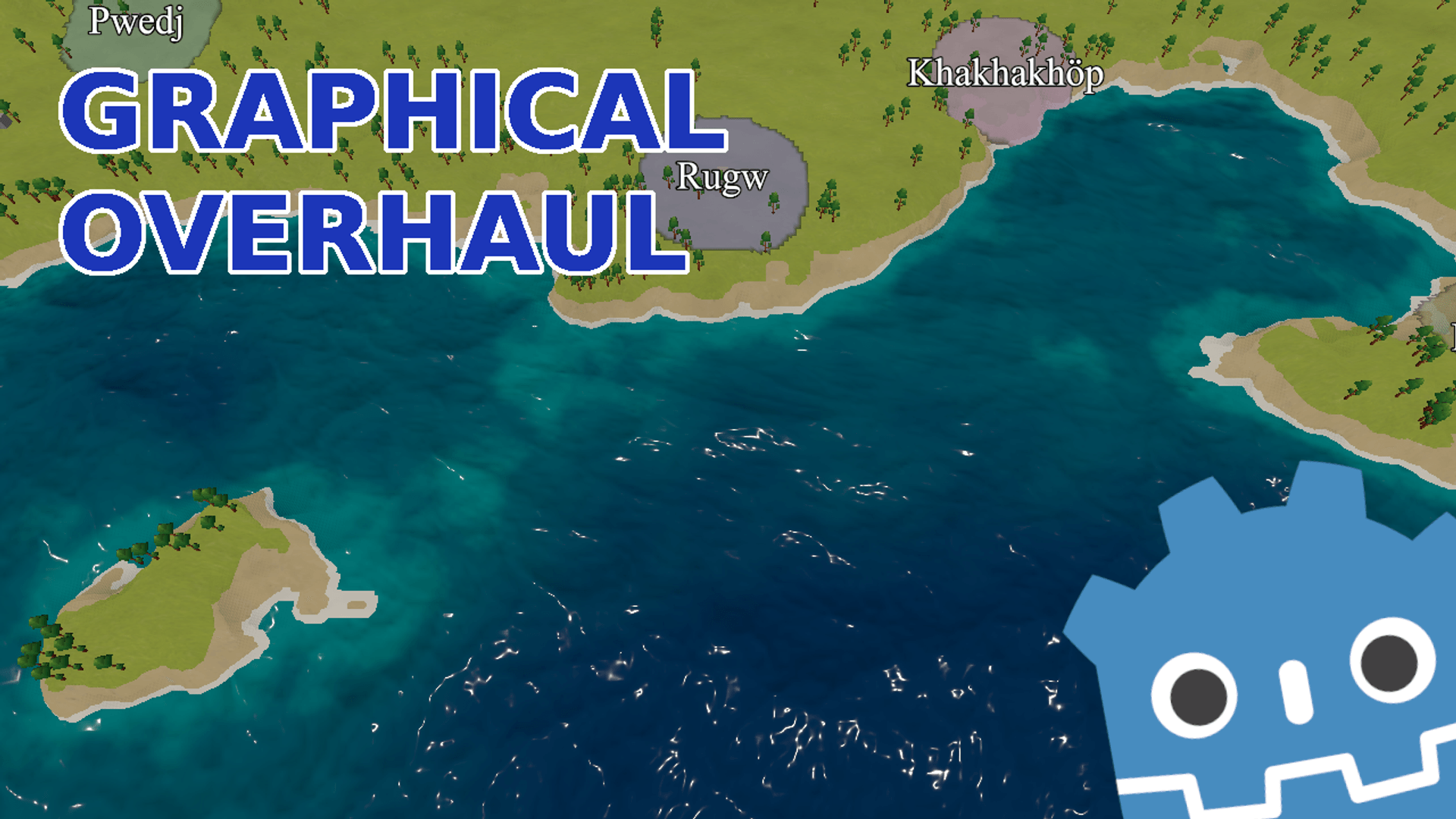
I’ve been working on this project on and off since I last shared an update (in March I think?), all done with the help of documentation, random forum threads and tutorials, without a line of code written by an LLM, just as the Pope intended. I’m very happy with how it looks now, although of course there’s still work to do. I’ve also worked on a lot of the game systems but there’s still a way to go before there’s any real gameplay to speak of.
I’ve been working on this project on and off since I last shared an update (in March I think?), all done with the help of documentation, random forum threads and tutorials, without a line of code written by an LLM, just as the Pope intended. I’m very happy with how it looks now, although of course there’s still work to do. I’ve also worked on a lot of the game systems but there’s still a way to go before there’s any real gameplay to speak of.
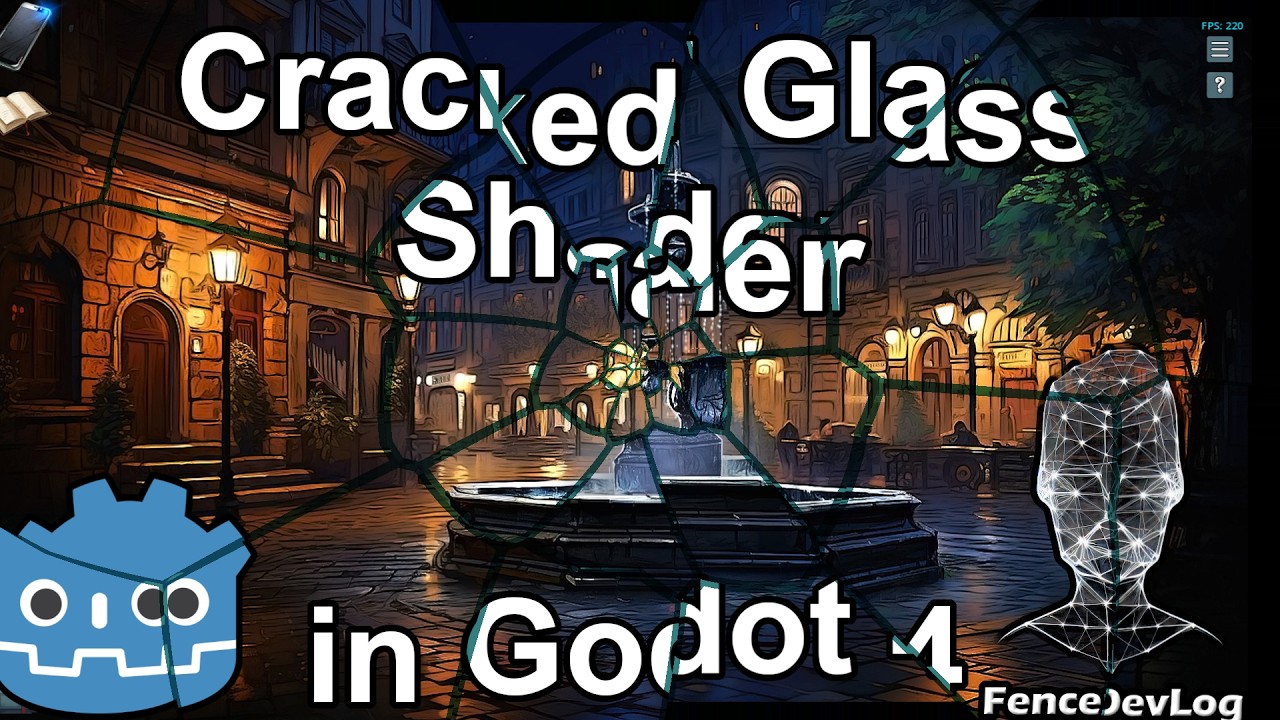
Hello, everyone! In this video, we’ll create a cracked screen or shattered glass effect through which we can observe the game scene. We’ll combine several programming techniques we’ve used in previous tutorials, and the result will definitely be worth it.
Hello, everyone! In this video, we’ll create a cracked screen or shattered glass effect through which we can observe the game scene. We’ll combine several programming techniques we’ve used in previous tutorials, and the result will definitely be worth it.