Howdy, brothers and sisters. First of all, I must admit that I’ve never been a religious person, even tho I’ve been raised in a christian (orthodox) family. Even so, I’ve always had that uncertainty and fear in me, y’know the one that some of us have at some point in our lives, the one that makes you think that you’re alone in this world and that makes you wonder about it’s meaning and all that. I love life and want to get the most out of it, and even tho I have little to no knowledge about Islam, it already feels a bit personal to me. Btw, I bought a Quran a few months back (not in arabic).
Feel free to join me on this journey of exploring Islam and leave any questions and suggestions that come to your mind. I’ll do my best to respond to all of them. Thank you!
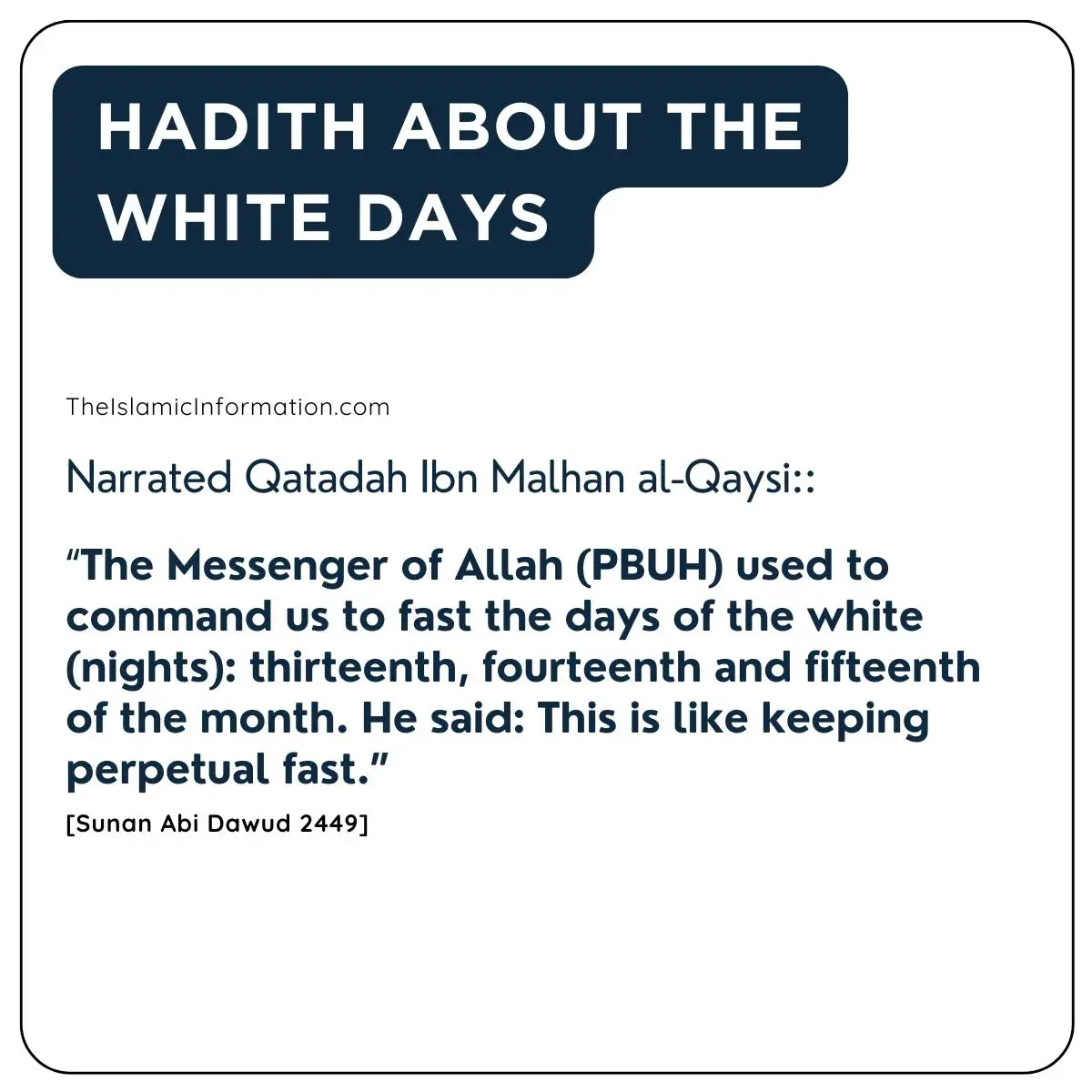
Narrated Qatadah Ibn Malhan al-Qaysi:
The Messenger of Allah (ﷺ) used to command us to fast the days of the white (nights): thirteenth, fourteenth and fifteenth of the month. He said: This is like keeping perpetual fast.
Narrated Qatadah Ibn Malhan al-Qaysi:
The Messenger of Allah (ﷺ) used to command us to fast the days of the white (nights): thirteenth, fourteenth and fifteenth of the month. He said: This is like keeping perpetual fast.
Few days ago, in a late night discussion with my friend he said he was opposed to the Prophet SAW’s conquest of Makkah. I’d never heard any such argument before. Basically, he explained, that religion shouldn’t be enforced. People will join it by themselves if it holds any truth in it. Obviously he didn’t understand the whole history of the wars, and islam wasn’t being enforced on them, but I think his gripe wasn’t with the conquest itself but rather it was about Islam not being pacifistic. His real question, maybe, was why does Islam allow for war? Shouldn’t the religion of justice and truth have the power to convince people without using force?
My sleep deprived self wasn’t able to articulate a good enough response at that time, but how would you guys respond to him?
The following pages present in English garb
Book III of the first quarter, namely, the Kitab Asrar
al-Taharah (On the Mysteries of Purity) of Al Ghazali’s The Revival of the Religious Sciences (Iḥyāʾ ʿulūm al-dīn).
The following pages present in English garb
Book III of the first quarter, namely, the Kitab Asrar
al-Taharah (On the Mysteries of Purity) of Al Ghazali’s The Revival of the Religious Sciences (Iḥyāʾ ʿulūm al-dīn).
I used to think less about animals in the past, was generally ‘human supremacist’ about it and viewed most non-household pets as nothing more than food
Only recently I started becoming more aware, and I chose vegan options whenever possible, but Eid-Al-Adha came around and we bought two cows, one to keep the other for donations.
I slit the throats of both cows, and at first I got dizzy and was unable to keep praying along, and by the second I tried to focus on the scenery instead and not think about it too much
I don’t know, it was a heavy experience, I went to wash my face but coming back to a bloody carcass and a detached head made me have a panic attack and I had to sit down to catch my breath
I don’t think I will repeat it next year, but what am I even meant to do?
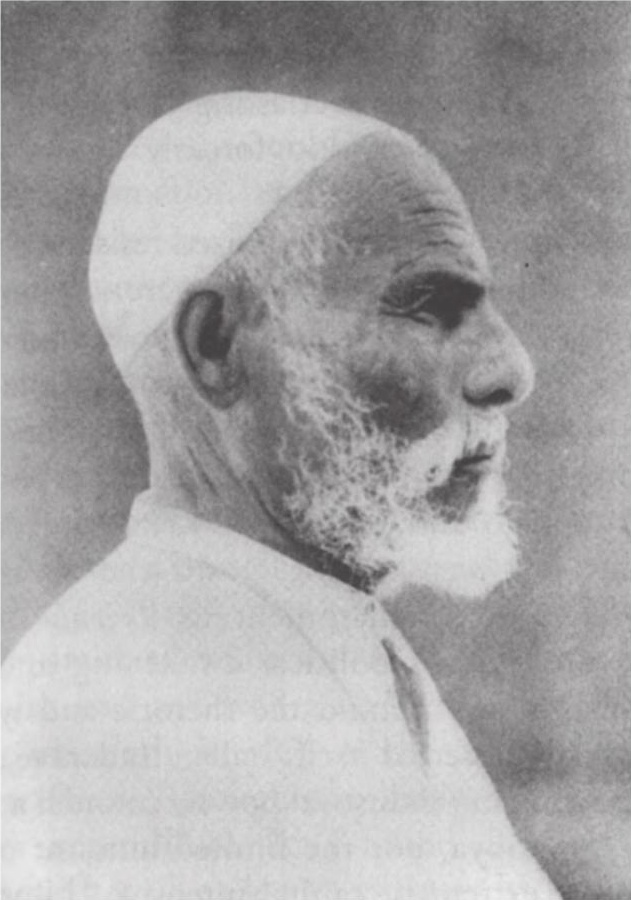
‘Omar al-Mokhtar is considered the great symbol for the Libyan resistance (Jihad) against the Italian occupation. In 1922 he reorganized the Mojahideen and re-ignited the resistance against Italy after World War I when the [Fascists] thought that they succeeded in silencing the Libyan resistance. Omar Al-Mokhtar was ill [a] couple of times and many of his comrades asked him to retire and leave the country; he was [nearly] 80 years old. But he refused and kept fighting and he deserved a name given to him as “The Lion of the Desert.” On 16 September, 1931 the [Fascists] hanged Omar Al-Mokhtar in the city of Solouq and they forced the Libyans to watch their hero be hanged. No consideration to Omar Al-Mokhtar’s old age, no consideration to international law and no consideration to world war treaties.’
(Source. Note that the ‘Mojahideen’ is not to be confused with the unrelated Afghan mujahideen.)
As paraphrased in the dramatization Lion of the Desert, to General Rodolfo Graziani:
‘We will never surrender. We win, or we die. […] You will have the next generation to fight, and after the next, the next. As for me, I will live longer than my hangman.’