0
preview
60 ft. not bad. Starship can do better.
60 ft. not bad. Starship can do better.
posts tagged #science


thought this was already taking pictures. god speed
thought this was already taking pictures. god speed



60 ft. not bad. Starship can do better.
60 ft. not bad. Starship can do better.

nyt a believable source these days? sounds like a detailed story. any guesses? everybody assumes it was a made up marketing gimmick.
nyt a believable source these days? sounds like a detailed story. any guesses? everybody assumes it was a made up marketing gimmick.
graphs look more dramatic if the scale is a couple degrees. significant, yes but
graphs look more dramatic if the scale is a couple degrees. significant, yes but



no good pics of brightening. aah
no good pics of brightening. aah

obligatory eclipse post
obligatory eclipse post
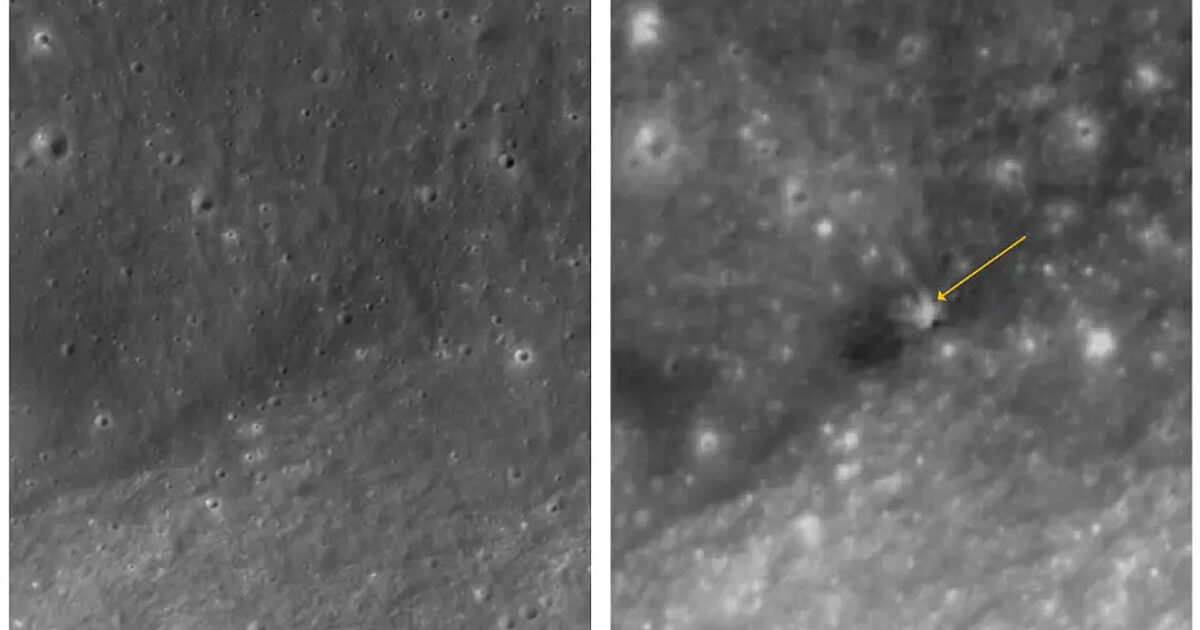
visible splat.
visible splat.

On Aug. 12, 2026, a total solar eclipse will sweep across Greenland, Iceland, northern Russia, the Atlantic Ocean, Spain, and a small corner of Portugal.
Many other places in the Northern Hemisphere will experience a partial solar eclipse that day, including parts of the northern U.S. (from Alaska to North Carolina), most of Canada, much of Europe, and northwestern Africa.
For many along the western part of the eclipse path (in mainland Europe and Africa), the Sun will set while it’s still partially eclipsed, creating an opportunity to see a sunset eclipse.
NASA will stream the eclipse live starting at 1:15 p.m. EDT on Aug. 12: www.nasa.gov/live

makes sense. i guess
makes sense. i guess

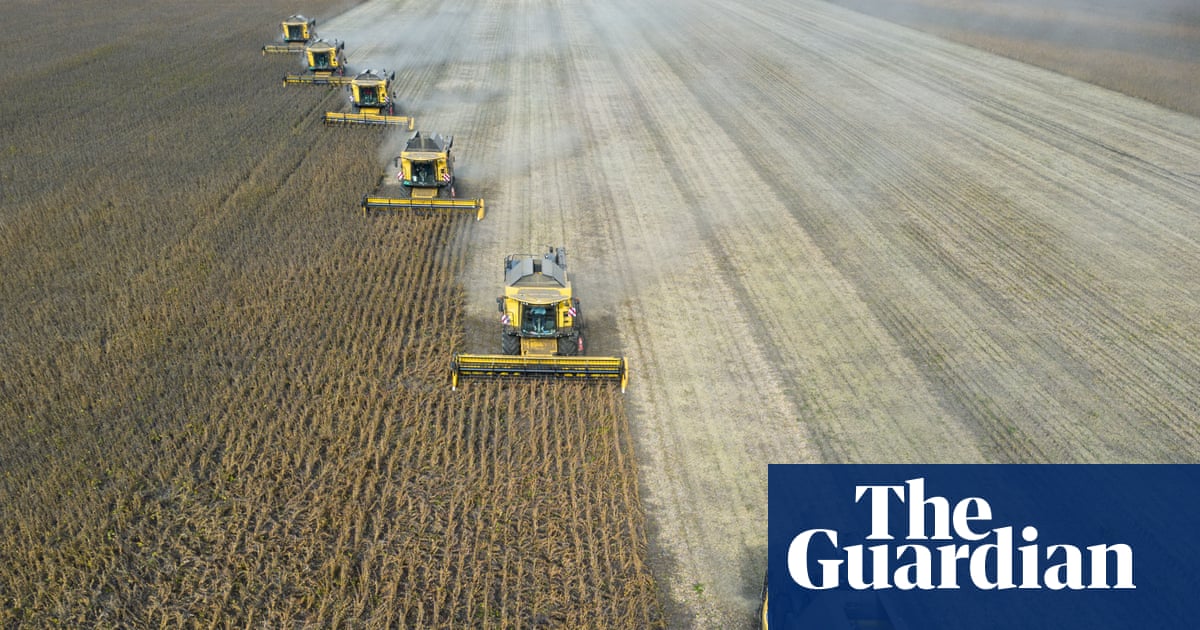
combined with gas shortages and fertilizer prices. going to be a lot of pain.
combined with gas shortages and fertilizer prices. going to be a lot of pain.

few short years ago, overnight lows were usually in the 60s. lows are now in the 70s and a few 80s and humid. central illinois.
few short years ago, overnight lows were usually in the 60s. lows are now in the 70s and a few 80s and humid. central illinois.



haven’t tried on phone yet but looks useful for id-ing stars/groups by direction and time. usually wherever I happen to be looking up. that one is west 21:37 18jun2026.
think this is Leo with Regulus

haven’t tried on phone yet but looks useful for id-ing stars/groups by direction and time. usually wherever I happen to be looking up. that one is west 21:37 18jun2026.
think this is Leo with Regulus

decent fyi vid. can download if you like. too big to waste space here. was looking for history chart.
decent fyi vid. can download if you like. too big to waste space here. was looking for history chart.
saw a few of these last night. some brighter stars i can’t see that well. different.
saw a few of these last night. some brighter stars i can’t see that well. different.

Natural ecosystems are increasingly threatened by global agricultural supply chains, and a narrow policy focus on forests has fueled agricultural expansion into ecologically significant but severely overlooked non-forest ecosystems, including grasslands and open wetlands. While a few emerging policies attempt to protect non-forest ecosystems, a globally consistent assessment of their conversion extent and drivers, especially related to livestock production and commodity-specific supply chain demand, remains lacking. Here, we conducted a spatially explicit analysis to identify pasture and cropland expansion into non-forest ecosystems between 2005 and 2020, as well as conversion-linked primary agricultural commodities and their underlying demand drivers (end uses and final market destinations). We found that the conversion rate of natural non-forest ecosystems was nearly four times that of lands with tree cover exceeding 5 m (a common forest height threshold), with Brazil contributing 13% of the global total and Russia, India, China, and the United States each contributing about 6%. While drivers varied greatly across regions, globally 50% of the conversion was linked to pasture, and 27, 17, and 6% to cropland for food, feed, and other uses (mainly bioenergy), respectively. Among conversion-linked commodities, most livestock-associated products served domestic demand, while 32% of feed crops and 20% of all crops were exported, with export shares reaching 70 to 80% in Brazil and Argentina. These findings reveal important areas for non-forest ecosystem conservation and highlight the need for integrated policies to prevent leakage across different ecosystems and different sustainable development goals while also aligning local actions with global supply chain governance.
Natural ecosystems are increasingly threatened by global agricultural supply chains, and a narrow policy focus on forests has fueled agricultural expansion into ecologically significant but severely overlooked non-forest ecosystems, including grasslands and open wetlands. While a few emerging policies attempt to protect non-forest ecosystems, a globally consistent assessment of their conversion extent and drivers, especially related to livestock production and commodity-specific supply chain demand, remains lacking. Here, we conducted a spatially explicit analysis to identify pasture and cropland expansion into non-forest ecosystems between 2005 and 2020, as well as conversion-linked primary agricultural commodities and their underlying demand drivers (end uses and final market destinations). We found that the conversion rate of natural non-forest ecosystems was nearly four times that of lands with tree cover exceeding 5 m (a common forest height threshold), with Brazil contributing 13% of the global total and Russia, India, China, and the United States each contributing about 6%. While drivers varied greatly across regions, globally 50% of the conversion was linked to pasture, and 27, 17, and 6% to cropland for food, feed, and other uses (mainly bioenergy), respectively. Among conversion-linked commodities, most livestock-associated products served domestic demand, while 32% of feed crops and 20% of all crops were exported, with export shares reaching 70 to 80% in Brazil and Argentina. These findings reveal important areas for non-forest ecosystem conservation and highlight the need for integrated policies to prevent leakage across different ecosystems and different sustainable development goals while also aligning local actions with global supply chain governance.
Background
Civet coffee is produced from coffee beans that have been consumed and excreted by civets. However, its production raises several ethical concerns. The increasing cases of adulteration create significant challenges in verifying the authenticity of civet coffee. Currently, there is no comprehensive review addressing alternative and sustainable production methods for civet coffee. This manuscript aims to fill this knowledge gap and serve as a reference for improving civet coffee fermentation.
Scope and approach
This paper explores innovative techniques for producing civet coffee while considering ethical and sustainability issues. It examines market trends and authentication methods, focusing on technologies such as electronic nose (E-Nose) technology, proton-transfer-reaction time-of-flight mass spectrometry (PTR-ToF-MS), UV–visible spectroscopy, infrared spectroscopy (NIR and FTIR), and nuclear magnetic resonance (NMR). Additionally, it discusses the health-promoting effects of civet coffee.
Key findings and conclusions
Alternative methods to the in vivo fermentation of civet coffee, using isolated bacteria (i.e., Bacillus subtilis), yeast, and fungi from the civet’s gastrointestinal tract or excreta in glass jars or bioreactors, have significantly enhanced the fermentation process. These methods resulted in improved and consistent coffee quality, flavor, and nutritional value. Technologies like e-nose PTR-ToF-MS effectively distinguish civet coffee from non-civet variants through aroma and marker profiling. Additionally, UV–Vis, NIR, FTIR, NMR, GC/MS, and GC/FID, combined with chemometrics, have demonstrated significant efficacy in distinguishing farmed and wild types of civets. Despite its high price, civet coffee continues to see a growing global demand as consumers increasingly prioritize quality, health benefits and authenticity. Innovative analytical techniques are essential for maintaining the integrity of civet coffee. However, addressing animal welfare concerns in civet coffee production is crucial to meet the expectations of ethically and susta

I haven’t seen any “news” on this, so here it is:
Lab-made “poop” coffee (advanced fermented coffee)
Background
Civet coffee is produced from coffee beans that have been consumed and excreted by civets. However, its production raises several ethical concerns. The increasing cases of adulteration create significant challenges in verifying the authenticity of civet coffee. Currently, there is no comprehensive review addressing alternative and sustainable production methods for civet coffee. This manuscript aims to fill this knowledge gap and serve as a reference for improving civet coffee fermentation.
Scope and approach
This paper explores innovative techniques for producing civet coffee while considering ethical and sustainability issues. It examines market trends and authentication methods, focusing on technologies such as electronic nose (E-Nose) technology, proton-transfer-reaction time-of-flight mass spectrometry (PTR-ToF-MS), UV–visible spectroscopy, infrared spectroscopy (NIR and FTIR), and nuclear magnetic resonance (NMR). Additionally, it discusses the health-promoting effects of civet coffee.
Key findings and conclusions
Alternative methods to the in vivo fermentation of civet coffee, using isolated bacteria (i.e., Bacillus subtilis), yeast, and fungi from the civet’s gastrointestinal tract or excreta in glass jars or bioreactors, have significantly enhanced the fermentation process. These methods resulted in improved and consistent coffee quality, flavor, and nutritional value. Technologies like e-nose PTR-ToF-MS effectively distinguish civet coffee from non-civet variants through aroma and marker profiling. Additionally, UV–Vis, NIR, FTIR, NMR, GC/MS, and GC/FID, combined with chemometrics, have demonstrated significant efficacy in distinguishing farmed and wild types of civets. Despite its high price, civet coffee continues to see a growing global demand as consumers increasingly prioritize quality, health benefits and authenticity. Innovative analytical techniques are essential for maintaining the integrity of civet coffee. However, addressing animal welfare concerns in civet coffee production is crucial to meet the expectations of ethically and susta
I haven’t seen any “news” on this, so here it is:
Lab-made “poop” coffee (advanced fermented coffee)
Recovering evidence for the intentional use of plants in the Palaeolithic is challenging due to their perishable nature as, unlike chipped stone or bone artefacts, plant remains are rarely preserved. This has created a paradigm for the Palaeolithic in which plants seldom feature, resulting in a partial and skewed perspective; in fact, plants were as essential to human life then as they are today. Here, we combine morphological and spectroscopic analyses (µ-Raman, µ-FTIR) to provide robust multiscale physical and biomolecular evidence for the deliberate pounding and grinding of Isatis tinctoria L. leaves 34–32,000 years ago. The leaf epidermis fragments were found entrapped in the topography of the used surface of unmodified pebbles, in association with use-wear traces. Although their bitter taste renders them essentially inedible, the leaves have well-recognised medicinal properties and contain indigotin precursors, the chromophore responsible for the blue colour of woad, a plant-based dye that is insoluble in water. We used a stringent approach to contamination control and biomolecular analysis to provide evidence for a new perspective on human behaviour, and the applied technical and ecological knowledge that is likely to have prevailed in the Upper Palaeolithic. Whether this plant was used as a colourant, as medicine, or indeed for both remains unknown, but offers a new perspective on the fascinating possibilities of non-edible plant use.
“Rather than viewing plants solely as food resources, as is often the case,” explains Laura Longo, archaeologist at Ca’ Foscari University of Venice, "this study highlights their role in complex operations, likely involving the transformation of perishable materials for use in different phases of daily life among Homo sapiens 34,000 years ago.
“While research continues to improve the identification of elusive plant-derived residues, typically absent from conventional studies, our multi-analytical approach opens new perspectives on the technological and cultural sophistication of Upper Paleolithic populations, who skillfully exploited the inexhaustible resource of plants, fully aware of the power of plants.”
Background/objectives: Dietary choices play an essential role in energy balance and weight gain. This systematic umbrella review investigates the association between the intake of various food groups (whole grains, refined grains, fruits, vegetables, nuts, legumes, fish, eggs, total dairy, red meat, white meat, processed meat, added sugar, and sugar-sweetened beverages) and their associations to the risk of obesity and being overweight.
Methods: We systematically searched Medline, Embase, Web of Science, and Epistemonikos for systematic reviews and meta-analyses. A total of 2925 articles were screened, and 13 articles were included in our analysis.
Results: For each food group, data included a mean of 166,100 participants and 36,760 cases, ranging from 19,885 participants and 7183 cases for red meat to 520,331 participants and 91,256 cases for nuts. Heterogeneity was high for most of the food groups except for whole grains and sugar-sweetened beverages. The quality of the most comprehensive meta-analyses was high for all food groups, except for processed meats, which was of low quality. High intakes of whole grains, legumes, nuts, and fruits are associated with a reduced risk of overweight and obesity. In contrast, high intakes of red meat and sugar-sweetened beverages are associated with increased risk of overweight and obesity. No significant results were found for the remaining food groups, and no meta-analysis was found for fish, eggs, white meat, and added sugars.
Conclusions: Diets rich in whole grains, legumes, nuts, and fruits are associated with a lower risk of developing obesity and being overweight. In contrast, diets high in red meat and sugar-sweetened beverages are associated with an increased risk of overweight and obesity.
A news article (not the best): …com.au/how-different-food-groups-impact-weight/

Previous research suggests detrimental health effects associated with consuming processed foods, including processed meats, sugar-sweetened beverages (SSBs) and trans fatty acids (TFAs). However, systematic characterization of the dose–response relationships between these foods and health outcomes is limited. Here, using Burden of Proof meta-regression methods, we evaluated the associations between processed meat, SSBs and TFAs and three chronic diseases: type 2 diabetes, ischemic heart disease (IHD) and colorectal cancer. We conservatively estimated that—relative to zero consumption—consuming processed meat (at 0.6–57 g d−1) was associated with at least an 11% average increase in type 2 diabetes risk and a 7% (at 0.78–55 g d−1) increase in colorectal cancer risk. SSB intake (at 1.5–390 g d−1) was associated with at least an 8% average increase in type 2 diabetes risk and a 2% (at 0–365 g d−1) increase in IHD risk. TFA consumption (at 0.25–2.56% of daily energy intake) was associated with at least a 3% average increase in IHD risk. These associations each received two-star ratings reflecting weak relationships or inconsistent input evidence, highlighting both the need for further research and—given the high burden of these chronic diseases—the merit of continuing to recommend limiting consumption of these foods.
Mediocre article: …cnn.com/…/processed-meats-sweet-drinks-disease-w…
While sustainable diets have predominantly been examined through the lens of individual decision-making, growing evidence underscores the critical role of relational dynamics in the adoption and maintenance of such practices. This study examined the role of relational climate (i.e. cohesion and flexibility) in governing how family units navigate dietary change. Eighty-four individuals who were pursuing a plant-forward diet participated in a 14-day smartphone-based experience sampling study, where they provided qualitative diary entries and quantitative ratings of food consumption, family support, coordination, and tension. Baseline, out-take, and 2-week follow-up surveys investigated the moderating effects of relational climate, as well as change in food consumption, dietary “stage of change,” goal achievement and commitment. Participants from balanced cohesive family systems reported receiving more support in their dietary goal, which in turn, was related to lower animal-product consumption and greater goal achievement and commitment. This work highlights the importance of family-based social support for bolstering more sustainable eating practices and offers novel insights for engaging household systems in the transition toward a greener food system.
Article about this: herbivore.club/…/when-veganism--threatens--family…
Highlights
•
Honeybee temporal removal on a small island increased nectar and pollen availability
•
Without honeybees, wild bees increased activity and changed hourly patterns
•
Without honeybees, wild bees increased nectar intake and optimized search time
•
Wild bee abundance declined ∼80% in 4 years, supporting trophic competition
Summary
High densities of managed honeybees (Apis mellifera) can threaten wild bees through exploitative competition, thus leading to population declines of the latter. Although reviews have outlined key steps to demonstrate these impacts—measuring resource overlap, changes in wild bee behavior, and population trends—studies that comprehensively address these aspects are virtually absent. We were granted access to the entire protected island of Giannutri (2.6 km2) and to the apiary (18 hives) located there during the early phase of coexistence between honeybees and wild bees. Using the island as an open-air laboratory, we experimentally manipulated honeybee pressure by closing the hives on selected days during the peak of the wild bee foraging period. In the plants most visited by pollinators, even short-term honeybee removals (11 h per day) increased nectar volume (∼60%) and pollen availability (∼30%). In the absence of honeybees, target wild bees (Anthophora dispar and Bombus terrestris) became dominant in the insect-plant visitation network, and the potential apparent competition significantly decreased. Accordingly, both species intensified their foraging activity and increased nectar suction time, a recognized proxy for the quantity of probed nectar, and Bombus terrestris also shortened the time of pollen searching. Transect monitoring revealed an alarming ∼80% decline in both species over 4 years, consistent with honeybee monopolization of floral resources, thus reducing availability for wild pollinators and altering their foraging budget. These findings underscore the risks of introducing high densities of honeybees into protected areas and emphasize the need for rigorous preventive ecological assessments.
News article version: phys.org/…/2025-03-bees-wild-honeybee-competition…

What if the biggest threat to plant-based health isn’t meat — but misinformation?
Dr. Dean Sherzai is calling for a revolution in how we advocate for vegan nutrition. Instead of relying on viral anecdotes or purity-based ideology, Sherzai makes a compelling case for data literacy, scientific integrity, and humility. He explains why dogma—even in the plant-based world—is hurting the movement and pushing people away.
Learn what it takes to rebuild trust and grow a movement that lasts. Whether you’re plant-curious, evidence-minded, or just tired of online nutrition wars, this episode of The Exam Room podcast is a refreshing take on what it takes to push whole foods plant based nutrition forward.
Chapters:
00:00 – Intro: Live from the Lotus Health Foundation Symposium
01:50 – Our crisis of data: why misinformation is the biggest threat
03:15 – Plant-based vs keto: the war of anecdotes
06:00 – Why scientific humility matters more than ideology
08:30 – How to interpret research (and why most people don’t)
12:40 – Olive oil, fish, and plant-based nuance
15:45 – Can one study change everything? No—and here’s why
17:20 – Plant based nutrition and the Mediterranean diet
20:00 – The truth about reversing Alzheimer’s
25:00 – Why reason is sticky, and memes can change minds
29:00 – Why the plant-based movement is stuck—and how to fix it
31:40 – Community health vs elitist purity culture
33:30 – Final thoughts: let’s build trust through better science

“Understanding and safeguarding the social lives of elephants is no longer optional. It’s a necessity for ensuring these magnificent animals thrive in an increasingly human-dominated world.”
Cultural knowledge is widely presumed to be important for elephants. In all three elephant species, individuals tend to congregate around older conspecifics, creating opportunities for social transmission. However, direct evidence of social learning and cultural traditions in elephants is scarce. Here, we briefly outline that evidence then provide a systematic review of how elephant societies respond to the loss of potentially knowledgeable individuals or opportunities for knowledge transfer, which we characterize as social disruption. We consider observations from 95 peer-reviewed, primary research papers that describe disruption to elephant societies or networks via the removal or death of individuals. Natural deaths were mentioned in 14 papers, while 70 detailed human-caused deaths or disruption. Grouping descriptions according to consequences for behaviour and sociality, and demography and fitness, we show that severely disrupted populations are less cohesive, may exhibit reduced fitness or calf survival and respond inappropriately to threats and predators. We suggest that severe social disruption can inhibit or break potential pathways of information transmission, providing indirect evidence for the role of social transmission in elephants. This has implications for elephant conservation amid increasing anthropogenic change across their habitats.

Purpose of Review
Dairy milk products are dominant in the market; however, plant-based milks are gaining prominence among USA consumers. Many questions remain about how plant-based milk products compare to dairy milk from a nutrition, public health, and planetary health perspective. Here, we compare the retail sales, nutrient profiles, and known health and environmental impacts of the production and consumption of dairy and plant-based milks and identify knowledge gaps for future studies. For our plant-based milk comparisons, we reviewed almond, soy, oat, coconut, rice, pea, cashew, and other plant-based milks as data were available.
Recent Findings
The retail unit price of plant-based milks was generally higher than that of cow’s milk, making it less accessible to lower-income groups. Many plant-based milks are fortified to match the micronutrient profile of dairy milk more closely. Notable differences remained, especially in protein, zinc, and potassium, depending on the base ingredient and individual product. Some plant-based milks contain added sugar to improve flavor. Plant-based milks were generally associated with lower environmental impacts (e.g., greenhouse gas emissions, water use) than cow’s milk, with the notable exception of the higher water footprint of almond milk.
Summary
This review of recent studies and consumer purchases confirmed that retail sales of plant-based milks are increasing and shifting among products. Further research is needed to better characterize the environmental impacts of newer plant-based milks, such as cashew, hemp, and pea milks; consumer attitudes and behavior towards plant-based milks; and the safety and potential health effects related to their long-term and more frequent consumption.
News article: washingtonpost.com/…/pea-milk-plant-based-nutriti…
Highlights
• Global feed supply displaces environmental impacts of livestock rearing from feed consuming to feed producing countries. • Impacts vary across countries and livestock products, with global feed trade shaping impact profiles. • The origin and type of feed consumed influence the magnitude and distribution of the impacts. • The study identifies livestock production systems qualifying as priority sustainability targets.
Driven by a growing and more affluent population, changing diets and lifestyles, the demand for livestock products is expected to surge in the next decades. Satisfying this demand will result in additional pressures on land systems. The increasingly globalized supply chains of the livestock economy will further decouple many of these impacts from the places where livestock are reared. In this study, we determined the impact intensities of global livestock production across three environmental indicators: deforestation, biodiversity loss and marine eutrophication. To this end, we used global data on the production of crops (and grass), their trade and use as feed in livestock-production systems, as well as livestock production data. We found the highest deforestation and biodiversity impact intensities in the tropics in Central and South America, Southeast Asia and Central Western Africa. In contrast, the highest values for marine eutrophication intensities were found in countries located in Northern Europe and in South and in East Asia. Our analyses show differences caused by varying efficiencies in livestock production systems and by the sourcing patterns of feed items. In grazing systems for the production of ruminant meat, for example, the resulting impact intensities are dominated by the consumption of grass. In intensive and industrialized production systems, the bulk of the deforestation and, to a lesser extent, biodiversity impacts are linked to imported soybean feed. Our results can help identify livestock production systems and countries that would qualify as priority action targets, as well as potential entry points to make their livestock production systems more sustainable. They can also be used to assist consumers in comparing impacts across and within livestock food product types. Ultimately, understanding the environmental impacts embodied in global supply chains of livestock products can help create better regulatory policies and science-based interventions for protecting terrestrial and marine ecosystems.

(no)
Main related paper:
Beneficial effects of linoleic acid on cardiometabolic health: an update - PubMed
Episode main link (you can find other podcast platforms there): theproof.com/seed-oils-dangerous-or-misunderstood…
- Omega-6 Fats and Health Overview (00:00)
- Why the Review Was Updated (01:22)
- What Is Linoleic Acid? (06:47)
- Linoleic Intake Over Time & Health Links (12:45)
- Research Methods and Key Evidence (16:25)
- Omega-6 and Inflammation Explained (41:00)
- Common Myths About Seed Oils (44:37)
- The Oxidation Concern with Seed Oils (49:20)
- Omega-6 vs Omega-3: The Real Story (53:39)
- Blood Sugar, Insulin & Linoleic Acid (01:03:48)
- Heart Health and Linoleic Benefits (01:05:44)
- Cancer Risk and Seed Oils (01:13:49)
- Public Health and Future Research (01:16:55)
- How to Use Vegetable Oils Wisely (01:25:17)
- Wrap-Up and Takeaway Advice (01:32:22)
In this episode, we cover:
- The origins of omega-6 controversy and the omega-6 to omega-3 ratio
- Whether linoleic acid is truly “pro-inflammatory”
- What the highest quality human studies say about disease risk and mortality
- Oxidation, lipid peroxidation, and the truth about heating seed oils
- How linoleic acid compares to saturated fat in terms of your risk of disease
- Why removing seed oils from the food supply could backfire
- The real drivers of chronic disease—and what actually deserves our attention
- How Dr Harris recommends you think about choosing cooking oils at the grocery store
We also address the broader issue of cherry-picked mechanistic studies and why outcome data—like heart attacks and mortality—need to be front and centre when we assess health claims. Bill brings deep expertise and scientific humility to this conversation. If you’ve felt confused by the anti-seed oil narrative, this episode will hopefully bring clarity and reduce some of the fear.

Short video by Mic🎤
Low-fat plant-based diets cause weight loss in clinical trials. However, many foods are highly processed, raising the question as to their effect on body weight. This secondary analysis assessed the associations between changes in processed food intake and weight loss in 244 overweight adults randomly assigned to a vegan (n = 122) or control group (n = 122) for 16 weeks. Three-day dietary records were analyzed using the NOVA system, which categorizes foods from 1 to 4, based on degree of processing. A repeated measure ANOVA, Pearson correlations, and a multivariate regression model were used for statistical analysis. The consumption of animal foods in categories 1–4 decreased in the vegan group, compared with the control group. Body weight decreased in the vegan group (treatment effect − 5.9 kg [95% CI -6.7 to -5.0]; Gxt, p < 0.001). Changes in consumption of animal foods in categories 1–4 were positively associated with changes in body weight: r = + 0.34; p < 0.001 for category 1; r = + 0.18; p = 0.008 for category 2; r = + 0.17; p = 0.01 for category 3; and r = + 0.22; p = 0.001 for category 4. In no NOVA category was the consumption of plant-based processed foods positively and significantly associated with weight gain. The top three independent predictors of weight loss were reduced intakes of processed, unprocessed or minimally processed, and ultra-processed animal foods. These findings suggest that replacing animal products with plant-based foods may be an effective weight-loss strategy, even when processed plant-based foods are included.
Significance
Beef is more resource intensive per gram of edible protein than most other food items. Yet, grass-fed beef is sometimes promoted as environmentally desirable based on the expectation that cattle grazing may enhance soil carbon sequestration, thus offsetting production emissions. We quantitatively examine this view by integrating empirical observations with a beef herd model that uses standard animal science equations. We find that even under optimistic rangeland sequestration, grass-fed beef is not less carbon intensive than industrial beef and 3 to 40 times as carbon intensive as most plant and animal alternatives.
Abstract
The high resource intensity of industrial beef in high-income economies has prompted growing interest in alternative, potentially lower environmental impact beef production pathways. Of those, grass feeding is promoted by some as one such alternative, but rigorous quantification of this claim is required. Motivated to bridge this knowledge gap, we integrate empirical evidence with a model based on authoritative equations governing beef cattle performance to quantify the greenhouse gas emissions of producing grass-fed beef. Because geographical specificity and dependence on agricultural intensity are key, we model widely varied herds, from extensive operations on semiarid, marginal rangelands to partially industrial, intensive ones in lusher, more accommodating settings. We find that emissions per kg protein of even the most efficient grass-fed beef are 10 to 25% higher than those of industrial US beef and 3- to over 40-fold higher than a wide range of plant and animal alternatives. Soil sequestration enhancement by rangeland grazing reduces these emissions from 280–390 to 180–290 kg CO2eq (kg protein)−1, still somewhat above industrial beef’s 180 to 220 kg CO2eq (kg protein)−1, and well above nonbeef alternatives’ 10 to 70 kg CO2eq (kg protein)−1. These differences prove robust across a broad set of combinations of grass-fed beef operation types, management practices, and ration qualities. Consequently, even with maximal credit for putative sequestration enhancement, grass-fed beef is still no less carbon intensive than industrial beef, and severalfold more intensive than nonbeef alternatives.
Highlights
•
Observers see meat alternative consumers as moral, environmentally, and health-conscious.
•
They elicit admiration, envy, fear, contempt, and anger in observers.
•
Observers associate a higher level of social exclusion and aggression with them.
•
Observers’ higher need for status contributes to greater envy and anger.
•
Observers’ need for group affiliation is not connected to their views.
Abstract
As a part of the battle against climate change, many plant-based meat alternative products have been launched in recent years—without notable success. One explanation could be that consumers of meat alternatives are seen as socially deviant from those consuming animal-based protein products. This study adopts the BIAS Map framework, which has been underutilized in the food consumption research, in order to reveal the stereotypical beliefs, emotional responses, and behavioral tendencies that consumers of meat alternatives evoke in observers. An online experiment is conducted, participants (N = 3600) from four European countries evaluate fictitious consumers using three shopping lists that include meat products and their alternatives in varying combinations. The results reveal a conflicting picture of those who are believed to favor meat alternatives. They are seen as environmentally friendly, health-conscious people who adhere to high moral standards, and are worthy of admiration. But on the contrary, they also elicit fear, contempt, and anger in observers, who as a result socially exclude and even show aggression toward them. Second, the findings produce a novel insight regarding moderation effects related to observers’ need for affiliation and status. Those high in need of affiliation demonstrate the strongest positive change in their relation to consumers who appear to favor both traditional meat products and their more modern alternatives. Additionally, those high in need of status tend to evaluate consumers favoring the modern alternatives as evoking more anger and envy, compared with consumers favoring traditional meat products. This study has several theoretical, managerial, and societal implications.
Many animal species have been shown to discriminate between individual humans in captive settings and may use a variety of cues to do so. Empirical evidence remains scarce for animals in the wild, however, particularly in aquatic contexts. For the first time, we investigated discrimination of individual humans by fish in the wild. We first trained two species of fish, saddled sea bream Oblada melanura and black sea bream Spondyliosoma cantharus, to follow a human diver to obtain a food reward. We then investigated whether they could discriminate between two human divers and follow the correct one in an operant-conditioning paradigm. We show that both species were able to quickly learn to discriminate between the two divers when they wore different diving gear. However, they showed no preference when both divers wore identical gear, suggesting that discrimination is based predominantly on visual cues from the dive gear. We discuss the implications of these results for ethical considerations and research practices.
News article: Experiments show wild fish can recognize individual divers
Between 3000 BCE and 1800 CE there were more than sixty ‘mega-empires’ that, at the peak, controlled an area of at least one million square kilometres. What were the forces that kept together such huge pre-industrial states? I propose a model for one route to mega-empire, motivated by imperial dynamics in eastern Asia, the world region with the highest concentration of mega-empires. This ‘mirror-empires’ model proposes that antagonistic interactions between nomadic pastoralists and settled agriculturalists result in an autocatalytic process, which pressures both nomadic and farming polities to scale up polity size, and thus military power. The model suggests that location near a steppe frontier should correlate with the frequency of imperiogenesis. A worldwide survey supports this prediction: over 90% of mega-empires arose within or next to the Old World’s arid belt, running from the Sahara desert to the Gobi desert. Specific case studies are also plausibly explained by this model. There are, however, other possible mechanisms for generating empires, of which a few are discussed at the end of the article.
No article to link, so let me explain:
Turchin, who studies history in a more data-science way, found that empires in the past 4000 years seem to pop up in pairs, likely as a result of the escalating arms race between agriculturalists and pastoralists. Pastoralists are used to mobility and trade (using animals for transport); agriculturalists use less land, but still have the tendency to expand for land and to secure trade routes. Obviously, expanding trade means more capital accumulation, and that applies to both. Pastoralists tend to rely on trade as they don’t live off a “carnivore diet”, but raise the “living stocks” as capital to grow wealth via trade.
The conflict is ancient and ongoing in many parts of the world, usually found as “farmer-herder conflict” in the literature.
Unrelated to the article, this is how I’m interpreting the ongoing war in Sudan, for example.
No news article for this, so I’ll just mention some points:
No news article for this, so I’ll just mention some points:
Summary
The horizontal transmission of cultural knowledge is a powerful mechanism of evolutionary change1. Across taxa, group-specific cultural traditions are expressed in diverse contexts, such as foraging, tool use, self-care and socialization2. These traditions arise when group members converge on specific behavioral phenotypes. When these behavioral phenotypes involve communicative signals, such as gestures, they are termed dialects3. However, gestural dialects are rare in non-humans3. Behavioral phenotypes and traditions can also be lost, a well-documented phenomenon in humans4, but rarely documented in non-human animals5. Here, we find that chimpanzee gestures produced in copulation solicitations show culturally established phenotypes and undergo cultural loss due to human-induced population decline.
Article about the study: Human influence has led to loss of dialects in chimpanzees, long-term study suggests