0

UPDATED: ‘I’m hoping we hit him at least once each lol’: SPD texts from 2024 killing show lack of probable cause

RANGE Media UPDATED: ‘I’m hoping we hit him at least once each lol’: SPD texts from 2024 killing show lack of probable cause www.rangemedia.co
preview

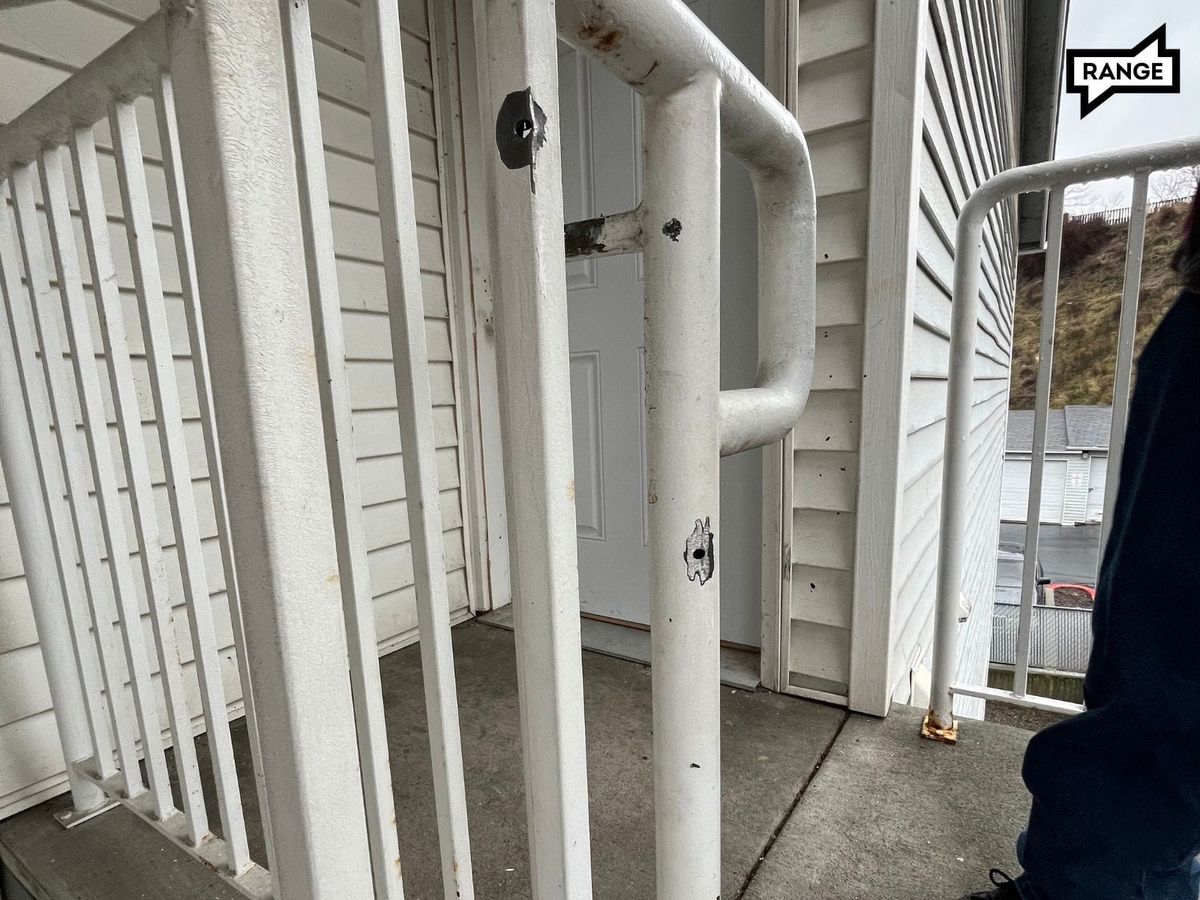
The day after Officer Daniel Valencia and three other Spokane police officers shot and killed a man as he fled into his apartment, he texted one of the others, Officer Matthew Stewart. In the texts, the two strategized: They needed a shared story about why they shot Joshua Musselman to death on December 29, 2024.

They gamed it out.

“So what’s the crime we were investigating yesterday?” Valencia wrote to Stewart. “Unlawful discharge? Haha.”

“Hahahahahahaha,” Stewart replied. “Being a douche lol.”

Each officer involved — Valencia, Stewart, Garth Craigen and Will Mitchell — would have to write a report about their actions and what they saw that day, so it was important their stories matched. As members of one of the deadliest police agencies in the US, which had just gotten a new boss in the form of Chief Kevin Hall — who was then working hard to restore community faith in the department — the snipers needed to make it clear they had a good reason for killing Musselman.

“Right,” Valencia replied. “But for reals. For the report. What’s the crime at that point? Unlawful discharge or are we doing a welfare check? Lol. Cuz no one developed pc. Huh? Lol.”

Stewart: “I would say unlawful discharge at this point.”

“Pc” refers to probable cause, a legal standard established in the Fourth Amendment of the US Constitution requiring law enforcement officers to have a strong rationale to make an arrest, search a property or seek a warrant.

But Stewart’s texts dispute the idea that Musselman was getting ready to shoot. Stewart wrote in one of his messages sent a week after the shooting that Musselman was running “so it’s a moving target at 40 yards. Not the best.” He told Valencia this to console him because, Valencia texted, he was “really pissed off … that the two of us shot 10 rounds each and the fucker only got shot four times.”

The messages in which Valencia and Stewart strategized their reports were part of a longer string of texts that started one hour and 14 minutes after they’d killed Musselman. They were filed by Rondi Thorp, the attorney for Musselman’s family, which is suing the Spokane Police Department for the killing.

“Glad to have you next to me on a gun battle,” Valencia texted the day of the shooting, even though the officers had Musselman — who never fired his airsoft rifle while police were on the scene — dramatically outgunned with their AR-15 assault rifles. “Fuck yeah brotha. Felt a lot better when you came with me.”

Stewart: “Thanks homie. I’m glad you were there too! Makes me feel better.”

He told Stewart that the shooting had made them “Brothas for life now dogg,” according to the texts. “We’ll have to meet up and get a couple of beers now.”

Stewart described the damage the shots did to Musselman. “At least one hit him in the chest, on in the pelvic girdle, and one in the shin. There were probably more but he was all bloody.”

“I’m hoping that we hit him at least once each lol,” Valencia replied.

The day after Officer Daniel Valencia and three other Spokane police officers shot and killed a man as he fled into his apartment, he texted one of the others, Officer Matthew Stewart. In the texts, the two strategized: They needed a shared story about why they shot Joshua Musselman to death on December 29, 2024.

They gamed it out.

“So what’s the crime we were investigating yesterday?” Valencia wrote to Stewart. “Unlawful discharge? Haha.”

“Hahahahahahaha,” Stewart replied. “Being a douche lol.”

Each officer involved — Valencia, Stewart, Garth Craigen and Will Mitchell — would have to write a report about their actions and what they saw that day, so it was important their stories matched. As members of one of the deadliest police agencies in the US, which had just gotten a new boss in the form of Chief Kevin Hall — who was then working hard to restore community faith in the department — the snipers needed to make it clear they had a good reason for killing Musselman.

“Right,” Valencia replied. “But for reals. For the report. What’s the crime at that point? Unlawful discharge or are we doing a welfare check? Lol. Cuz no one developed pc. Huh? Lol.”

Stewart: “I would say unlawful discharge at this point.”

“Pc” refers to probable cause, a legal standard established in the Fourth Amendment of the US Constitution requiring law enforcement officers to have a strong rationale to make an arrest, search a property or seek a warrant.

But Stewart’s texts dispute the idea that Musselman was getting ready to shoot. Stewart wrote in one of his messages sent a week after the shooting that Musselman was running “so it’s a moving target at 40 yards. Not the best.” He told Valencia this to console him because, Valencia texted, he was “really pissed off … that the two of us shot 10 rounds each and the fucker only got shot four times.”

The messages in which Valencia and Stewart strategized their reports were part of a longer string of texts that started one hour and 14 minutes after they’d killed Musselman. They were filed by Rondi Thorp, the attorney for Musselman’s family, which is suing the Spokane Police Department for the killing.

“Glad to have you next to me on a gun battle,” Valencia texted the day of the shooting, even though the officers had Musselman — who never fired his airsoft rifle while police were on the scene — dramatically outgunned with their AR-15 assault rifles. “Fuck yeah brotha. Felt a lot better when you came with me.”

Stewart: “Thanks homie. I’m glad you were there too! Makes me feel better.”

He told Stewart that the shooting had made them “Brothas for life now dogg,” according to the texts. “We’ll have to meet up and get a couple of beers now.”

Stewart described the damage the shots did to Musselman. “At least one hit him in the chest, on in the pelvic girdle, and one in the shin. There were probably more but he was all bloody.”

“I’m hoping that we hit him at least once each lol,” Valencia replied.

0

Court Ends Dragnet Electricity Surveillance Program in Sacramento

Electronic Frontier Foundation Victory! Court Ends Dragnet Electricity Surveillance Program in Sacramento www.eff.org
preview

A California judge ordered the end of a dragnet law enforcement program that surveilled the electrical smart meter data of thousands of Sacramento residents.

The Sacramento County Superior Court ruled that the surveillance program run by the Sacramento Municipal Utility District (SMUD) and police violated a state privacy statute, which bars the disclosure of residents’ electrical usage data with narrow exceptions. For more than a decade, SMUD coordinated with the Sacramento Police Department and other law enforcement agencies to sift through the granular smart meter data of residents without suspicion to find evidence of cannabis growing.

The court ruled that the challenged surveillance program was not part of any traditional law enforcement investigation. Investigations happen when police try to solve particular crimes and identify particular suspects. The dragnet that turned all 650,000 SMUD customers into suspects was not an investigation.

“[T]he process of making regular requests for all customer information in numerous city zip codes, in the hopes of identifying evidence that could possibly be evidence of illegal activity, without any report or other evidence to suggest that such a crime may have occurred, is not an ongoing investigation,” the court ruled, finding that SMUD violated its “obligations of confidentiality” under a data privacy statute.

Granular electrical usage data can reveal intimate details inside the home—including when you go to sleep, when you take a shower, when you are away, and other personal habits and demographics. In creating and running the dragnet surveillance program, according to the court, SMUD and police “developed a relationship beyond that of utility provider and law enforcement.” Multiple times a year, the police asked SMUD to search its entire database of 650,000 customers to identify people who used a large amount of monthly electricity and to analyze granular 1-hour electrical usage data to identify residents with certain electricity “consumption patterns.” SMUD passed on more than 33,000 tips about supposedly “high” usage households to police.

0

Yes, I DO have questions

preview

From the output of Google Voice’s speech-to-text software. This was part of a routine appointment reminder voicemail.

You are currently taking patience and visitors experience within our facilities regardless of vaccination status.

Well, that’s very kind of them to put up with me I guess.

If you have any questions concerning disappointment, please call our office 6650. Thank you.

Yes, I do have such questions, many of them in fact, a whole lifetime’s worth…