0
How Expanding Bike Lanes Can Actually Decrease Traffic - Cheddar Explains (5:28) - Lemmy.World
lemmy.world
@nucleative@lemmy.world

I was recently in the Bay area and tried these e-bikes from Lyft.
When you’re finished you are expected to return them to a docking zone as opposed to ditching them wherever you finish. These parking locations are all over the place and easy to find.
They get the job done and the bike is fairly pleasant to ride on flat surfaces. Hills aren’t recommended. The city is bike friendly in most areas with bike lanes all over.
If you’re looking to get around and the weather is good, I’d recommend giving them a try if you’re in SF.


And there are lots of other sizes too, such as the huge 40135 (40mm x 135mm)
And there are lots of other sizes too, such as the huge 40135 (40mm x 135mm)
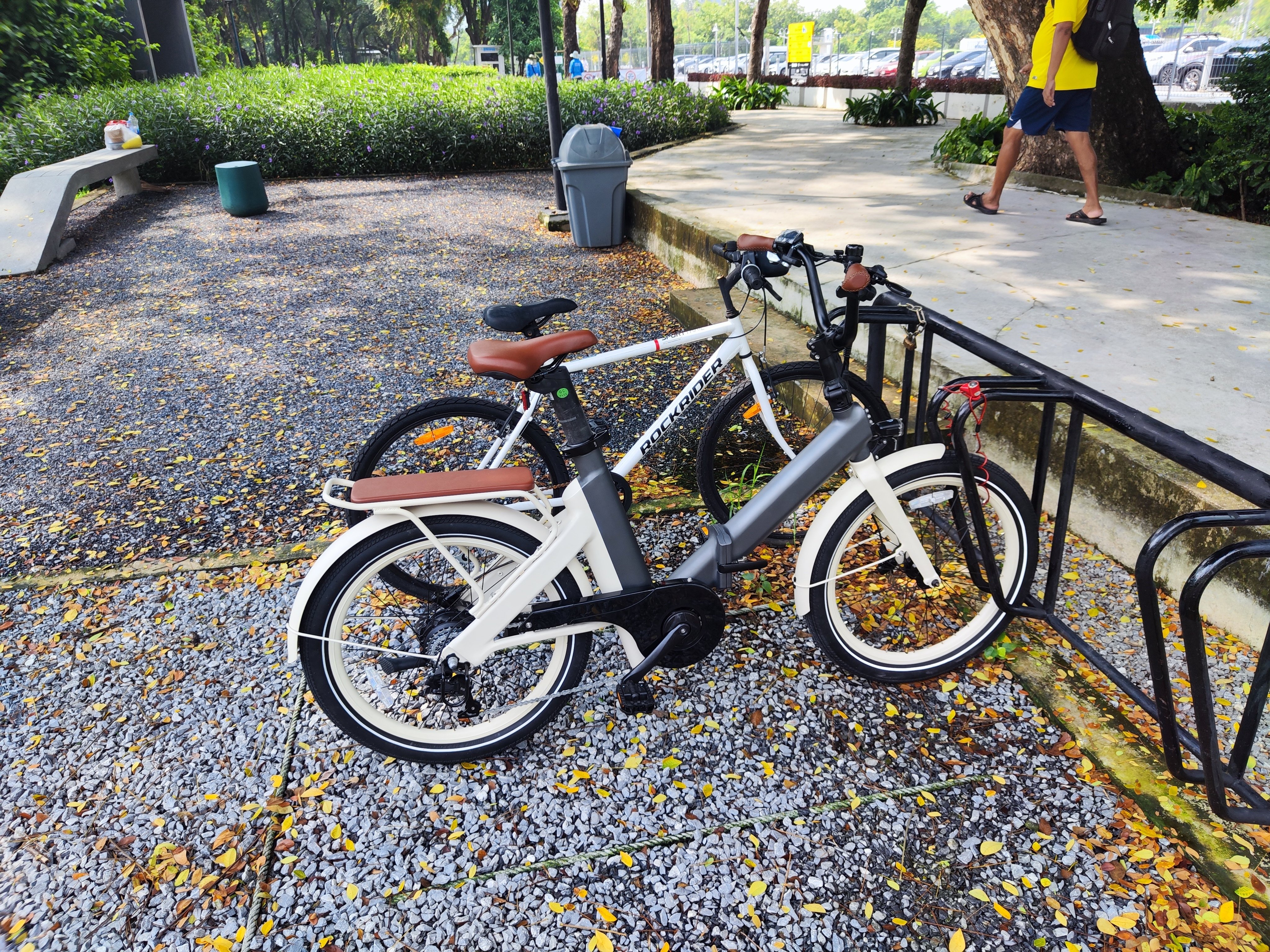
This bike has a 10ah battery in the seat post and a 7 gear derailleur. Top speed is limited to 25km but I think it can be reprogrammed to remove the limit.
This bike has a 10ah battery in the seat post and a 7 gear derailleur. Top speed is limited to 25km but I think it can be reprogrammed to remove the limit.

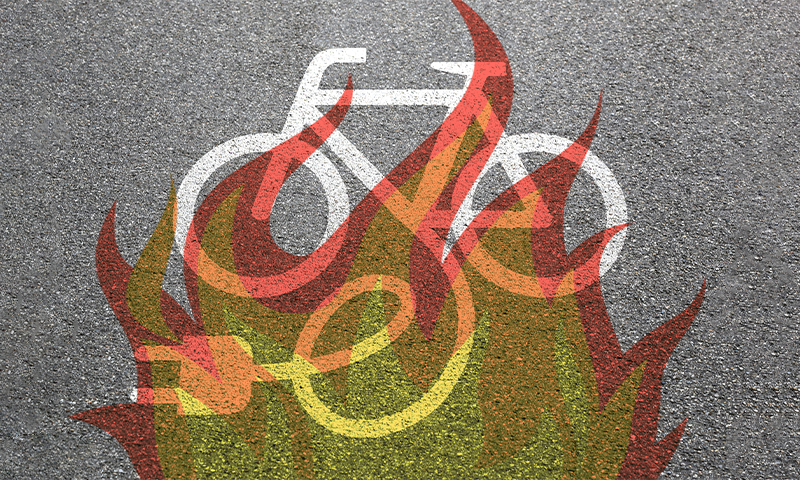
Are you doing anything to protect yourself or your home from the risk of a fire?
Are you doing anything to protect yourself or your home from the risk of a fire?
Hopefully as micro-mobility takes hold, more and more cities will create spaces for parking and charging electric vehicles.
Hopefully as micro-mobility takes hold, more and more cities will create spaces for parking and charging electric vehicles.
Solid state ceramic batteries may greatly advance the future of micro-mobility. They promise higher energy density and less susceptibility to thermal runaway and can be used in a wider temperature range.
Solid state ceramic batteries may greatly advance the future of micro-mobility. They promise higher energy density and less susceptibility to thermal runaway and can be used in a wider temperature range.

E-bikes are not bicycles
The article makes a strong assertion that e-bikes are something entirely different than regular bikes and should be regulated separately.
Do you think e-bikes should always be allowed to follow the same paths and rules as regular person-powered bicycles? Or should communities treat them as something different?
This creative way to increase the adoption of micro-mobility is similar to the tax credits offered by the US federal government around electric cars.
Is it likely to draw more interest from the community? Would you be more encouraged to purchase an e-bike if you could get a voucher?
This creative way to increase the adoption of micro-mobility is similar to the tax credits offered by the US federal government around electric cars.
Is it likely to draw more interest from the community? Would you be more encouraged to purchase an e-bike if you could get a voucher?

The era of more regulation may be upon us - if New York enacts more rules, it’s likely that other cities will follow and insurers may even begin to exclude liabilities from Lithium battery fires.
What can the industry do now to regulate itself? Is there some reasonable amount of safety regulation that can save lives without dramatically increasing costs?

Learn more about the vocabulary and various types and styles of e-bikes in this quick vid
Learn more about the vocabulary and various types and styles of e-bikes in this quick vid


Discussions about the best ebikes, how to buy, reviews, how-to and mechanical help, and more!
There is a position open for moderator, if you’re interested please send a direct message.
Discussions about the best ebikes, how to buy, reviews, how-to and mechanical help, and more!
There is a position open for moderator, if you’re interested please send a direct message.