
showing posts flaired Ply-Split — clear

0

Textiles from around the small web

preview

I added a ton of RSS feeds to our Fediverser listing a long time ago, mostly from niche textile sites, but I always feel weird posting them here since it’s not really original content. Also, is Fediverser even still a thing? It still works, but any time I try to do/add anything new, it throws an error.

Anyway, if you do RSS, that’s definitely the way to keep up with the more obscure textiles. Even the ones that don’t mention having an RSS feed are usually hosted on sites that do by default, i.e. WordPress, Blogger, etc.

For example, check out this cute nalbinded viscacha from 200 BCE to 600 CE Peru:
Ancient nalbinded plushie of a cute little mammal, in light and dark browns.

Or maybe consider a beginner ply-split braiding class coming up this August: Someone a few rows into a ply-split braided keychain in yellow.

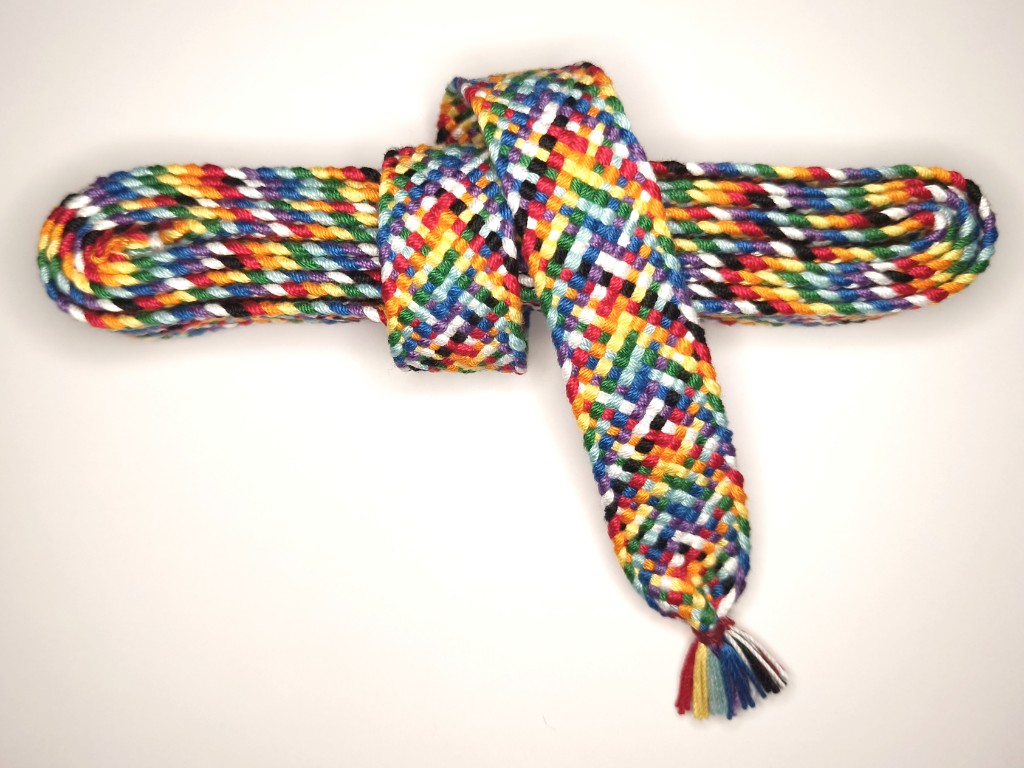
Or peep this beautiful kumihimo flat braid made on a takadai, just in time for June: A folded up long thin band of fabric in a bold stripey rainbow pattern.
I added a ton of RSS feeds to our Fediverser listing a long time ago, mostly from niche textile sites, but I always feel weird posting them here since it’s not really original content. Also, is Fediverser even still a thing? It still works, but any time I try to do/add anything new, it throws an error.

Anyway, if you do RSS, that’s definitely the way to keep up with the more obscure textiles. Even the ones that don’t mention having an RSS feed are usually hosted on sites that do by default, i.e. WordPress, Blogger, etc.

For example, check out this cute nalbinded viscacha from 200 BCE to 600 CE Peru:
Ancient nalbinded plushie of a cute little mammal, in light and dark browns.

Or maybe consider a beginner ply-split braiding class coming up this August: Someone a few rows into a ply-split braided keychain in yellow.

Or peep this beautiful kumihimo flat braid made on a takadai, just in time for June: A folded up long thin band of fabric in a bold stripey rainbow pattern.

0

There's a very active mailing list devoted to ply-split braiding!

plysplit groups.io Group groups.io
preview

To the best of my knowledge, most of the contemporary work in ply-split braiding is being done/talked about there. They have frequent show-and-tell Zoom meetings and always seem to be trying new things with the technique. Especially some of the 3D stuff, that really seems like it's at the forefront of handmade textiles in general. Of course, I'd love it if some of them would come post here too! 😝

If you haven't tried it yet, it's a very accessible craft. All you need is a tool called a "gripfid", although admittedly they can be hard to find. Once you've got one though, the whole hobby is very portable and easy to put away at a moment's notice. It lends itself well to experimenting without a pattern as well.

0

Ply-Split Braiding a bi flag themed packer

preview

This is a very versatile technique in which you use a special tool (a gripfid) to split the plies of a yarn, and then feed other yarns back through. You can do some pretty amazing colorwork and stitch patterns with it. Everything I've made so far has this very pleasant and unusual "squishiness" to it. Most commonly it's done with 4-ply yarns, splitting them in half each time, but there are tons of other variations. Linda Hendrickson's books on the topic have been a huge help! Something I do that I don't think I've seen mentioned elsewhere is dipping the free ends of the yarn segments into hot wax. This keeps them from fraying as you work, makes them easier to insert into the gripfid, and makes them less likely to come loose.

This is a very versatile technique in which you use a special tool (a gripfid) to split the plies of a yarn, and then feed other yarns back through. You can do some pretty amazing colorwork and stitch patterns with it. Everything I've made so far has this very pleasant and unusual "squishiness" to it. Most commonly it's done with 4-ply yarns, splitting them in half each time, but there are tons of other variations. Linda Hendrickson's books on the topic have been a huge help! Something I do that I don't think I've seen mentioned elsewhere is dipping the free ends of the yarn segments into hot wax. This keeps them from fraying as you work, makes them easier to insert into the gripfid, and makes them less likely to come loose.