

0

preview
Paywall removed: archive.is/60oO0
Paywall removed: archive.is/60oO0

Not on this instance? Enter your own instance's domain to go straight to following c/military@lemmy.world there.

The summary starting at minute 39 illustrates what trench warfare became.
A loose formation of spotters that coordinate drone- and artillery strikes. The enemy trickles in and dissolves the kill zone, by eradicating those spotters.
The summary starting at minute 39 illustrates what trench warfare became.
A loose formation of spotters that coordinate drone- and artillery strikes. The enemy trickles in and dissolves the kill zone, by eradicating those spotters.

Cross posted from thelemmy.club/post/57425421
Cross posted from thelemmy.club/post/57425421
Paywall removed: archive.is/60oO0
Paywall removed: archive.is/60oO0
The widow of a Trussville man killed in March as part of military operations in Iran says government officials have responded to her questions about what she said was a denial of benefits following her husband’s death.
Libby Klinner, the wife of Maj. Alex Klinner, posted on Instagram a picture of her with her child over the weekend, marking “Six months of a war we can’t call a war…”
“The Air Force recently told me that because we haven’t officially declared war, my kids and I aren’t eligible for some benefits,” she wrote.
“So not only was my husband killed in a war he never wanted to participate in, but now the benefits we’re left with are being dictated by semantics and public perception.”

Elsie Dominguez claims she was sexually assaulted by a captain on a U.S. Navy ship, and Trump’s Department of Labor claims it was “within her duties.” Dr. Rashad Richey discusses on Indisputable
Elsie Dominguez claims she was sexually assaulted by a captain on a U.S. Navy ship, and Trump’s Department of Labor claims it was “within her duties.” Dr. Rashad Richey discusses on Indisputable

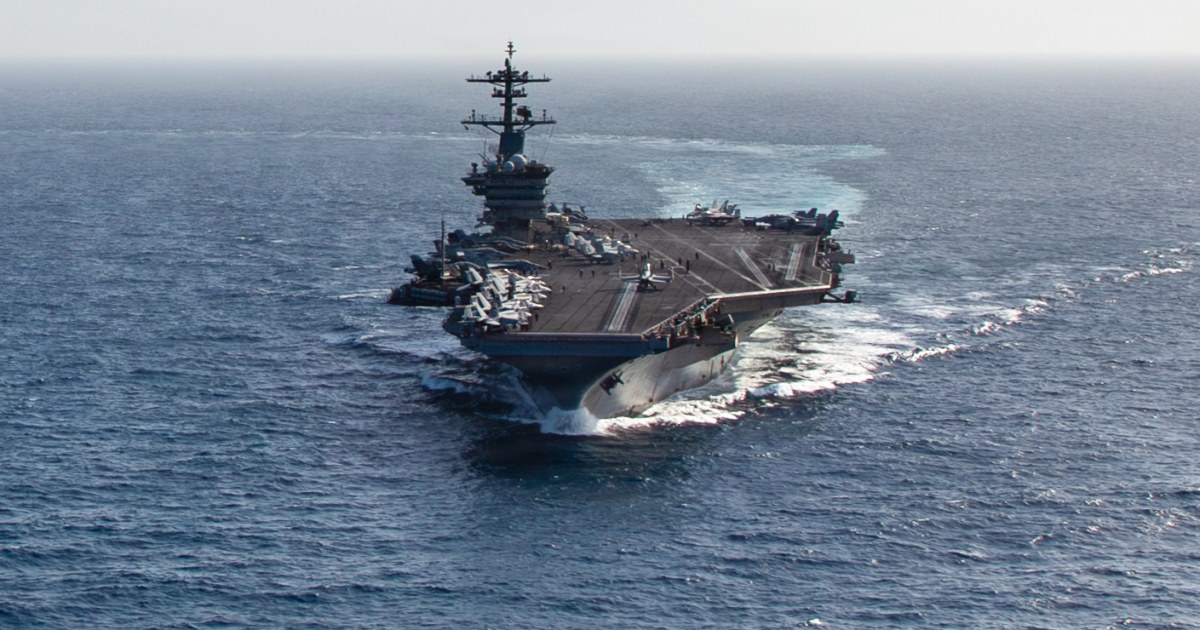
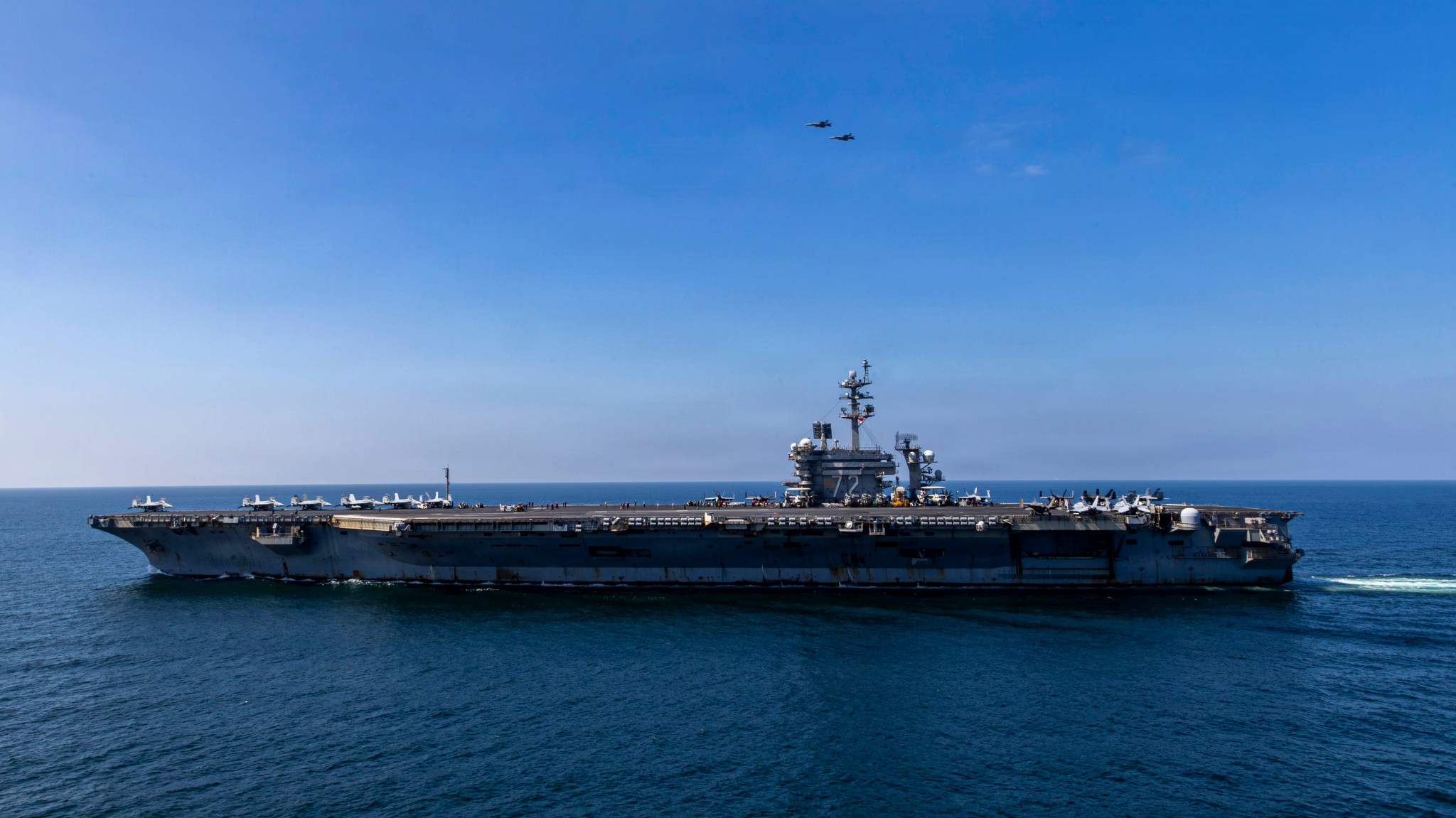
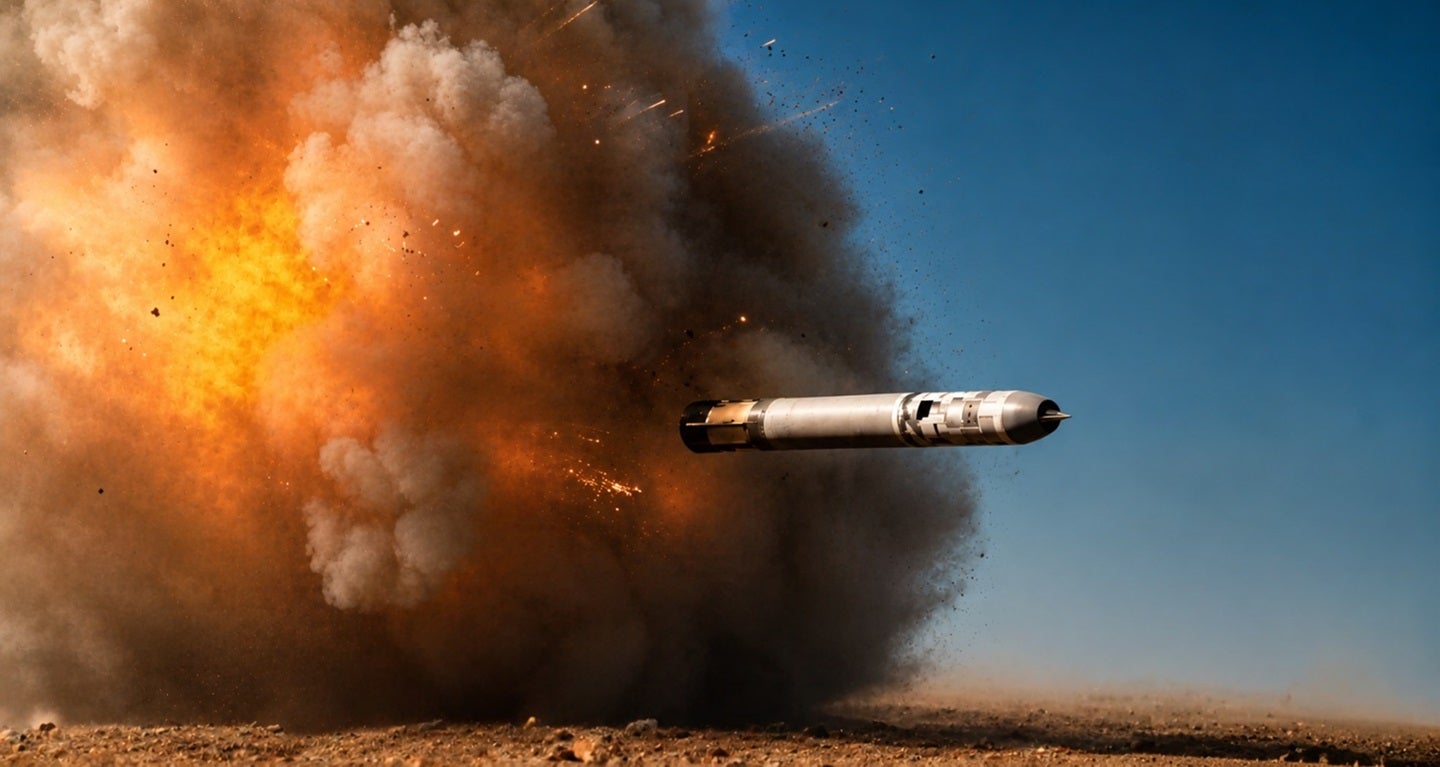
[2026-07-18] @ETERNALPHYSICS@twitter.com: As the defender, if you miss, there will be no second chance to re-engage, explaining [2] why the US needs to deplete almost an entire magazine to destroy even one single RV.
RVs with terminal speeds exceeding mach 7, are almost immune to PAC3 & other AD systems.
[3] Even with advanced micro-thrusters, matching the lateral maneuverability of a modern Mach 7+ threat presents an agonizing G-force deficit. If a ballistic missile executes even a slight evasive maneuver or trajectory correction at Mach 7, the interceptor must pull an [4] exponentially higher amount of lateral acceleration, often exceeding 30 to 40 Gs, to cross the target’s path. Because the PAC-3’s airframe and internal electronics are bound by structural load limits, trying to match the sheer kinetic agility of a heavy, maneuvering [5] RV can overstress the missile’s composite materials or exceed the maximum capability of its dual-control autopilot algorithms.
🤩


This map shows the battle of the Little Big Horn in 1876, at which the Sioux defeated the US Army under General Custer.
Author: Piotr Tysarczyk (2006)
CC BY-SA 2.5
This map shows the battle of the Little Big Horn in 1876, at which the Sioux defeated the US Army under General Custer.
Author: Piotr Tysarczyk (2006)
CC BY-SA 2.5


Ever since Germany pushed for Patriot for Sky Shield instead of the (then not battle-proofen) SAMP/T I’m roughly following the news.
Though rumored to happen, Raytheon never allowed licenses production of Patriot missiles in Europe. With the now f**ed up stock pile, the tried recall of Polish batteries and the Swiss delay/fraud it is no wonder thar European countries look for alternatives.
SAMP/T earned its reputation in Ukraine and gets more recognized lately. On top of that Ukraine is developing their own domestic and hopefully cheaper alternative with the FP-7x. (Not to mention the other systems for different threats).
Why the heck aren’t the European countries able to ramp up the SAMP/T and Aster 15/30 production and concentrate on one licensed solution? I can imagine the FP-7x will be more cost effective (sub 1 Mio. $ vs 2-4 Mio $), maybe even faster to assemble, but can’t the defense industry streamline their products and production to the same effort?


cross-posted from: lemmy.world/post/47218267
cross-posted from: lemmy.world/post/47218267


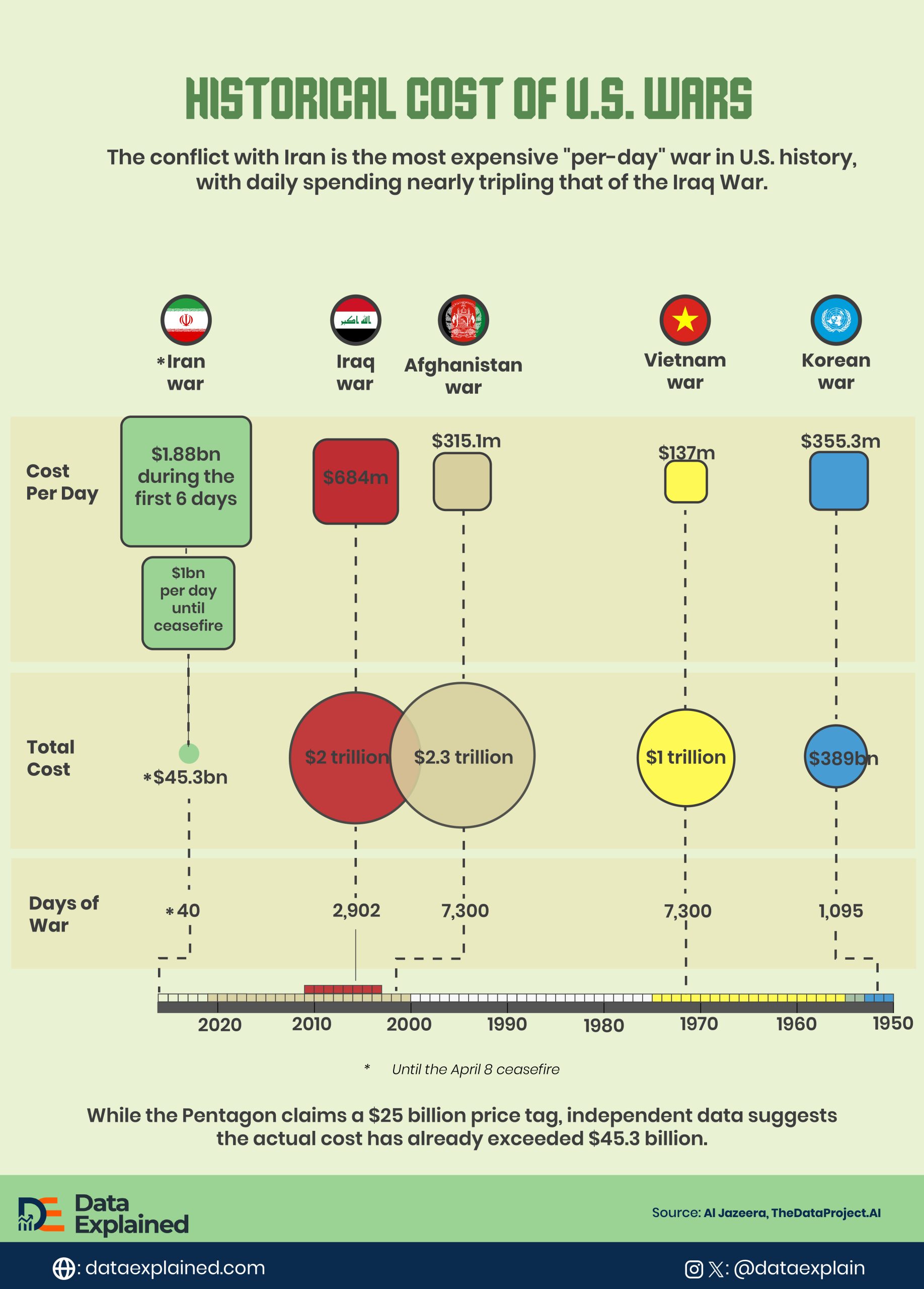



From the Ombudsman herself:
stripes.com/…/stripes-former-ombudsman-pentagon-t…
Don’t worry about me. I’ve had a long and satisfying career in journalism. I knew there would be perils for speaking out against Pentagon attempts to control the news, but I expected some communication or questions or warning first. Nothing, just Form 3434.
Ironically, my three-year term would have expired at the end of this year anyway. They couldn’t wait.
I was immensely honored to be chosen as the 13th, and first female, ombudsman for Stars and Stripes. I’ve come to appreciate the many talented and dedicated journalists and staff at Stripes — it’s more than a job for them wherever they are stationed around the world. I’ve been fortunate to meet or hear from innumerable veterans, officers and enlisted personnel and military spouses. I’ve even respected the colonels who I tangled with over the rights of Stripes reporters to cover public gatherings on bases.
What you can worry about is the future of Stars and Stripes. This newspaper has a long history of commitment to the military community and to journalistic values. Please don’t let it be controlled by Pentagon brass.

cross-posted from: feddit.org/post/28901474
cross-posted from: feddit.org/post/28901474
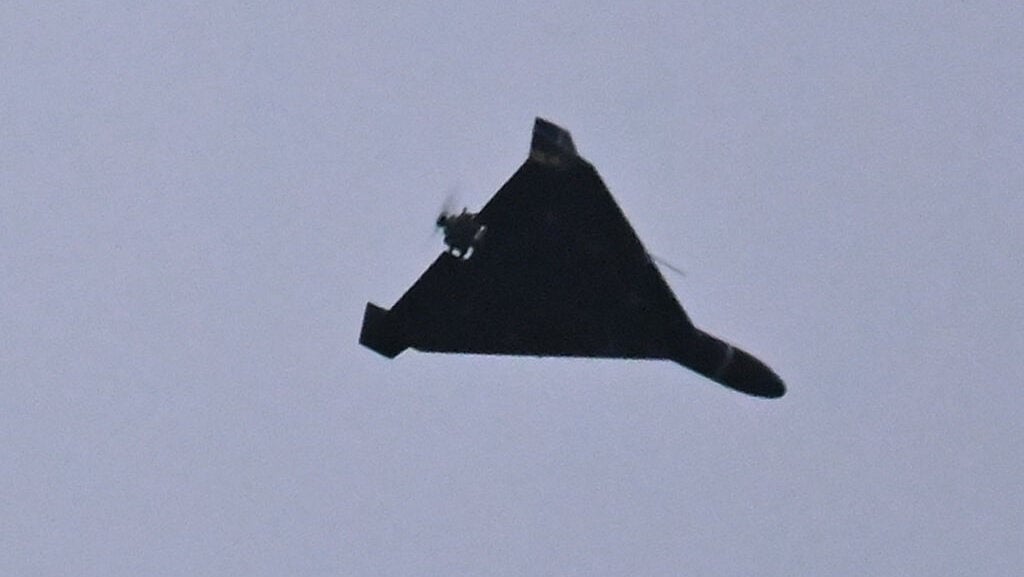


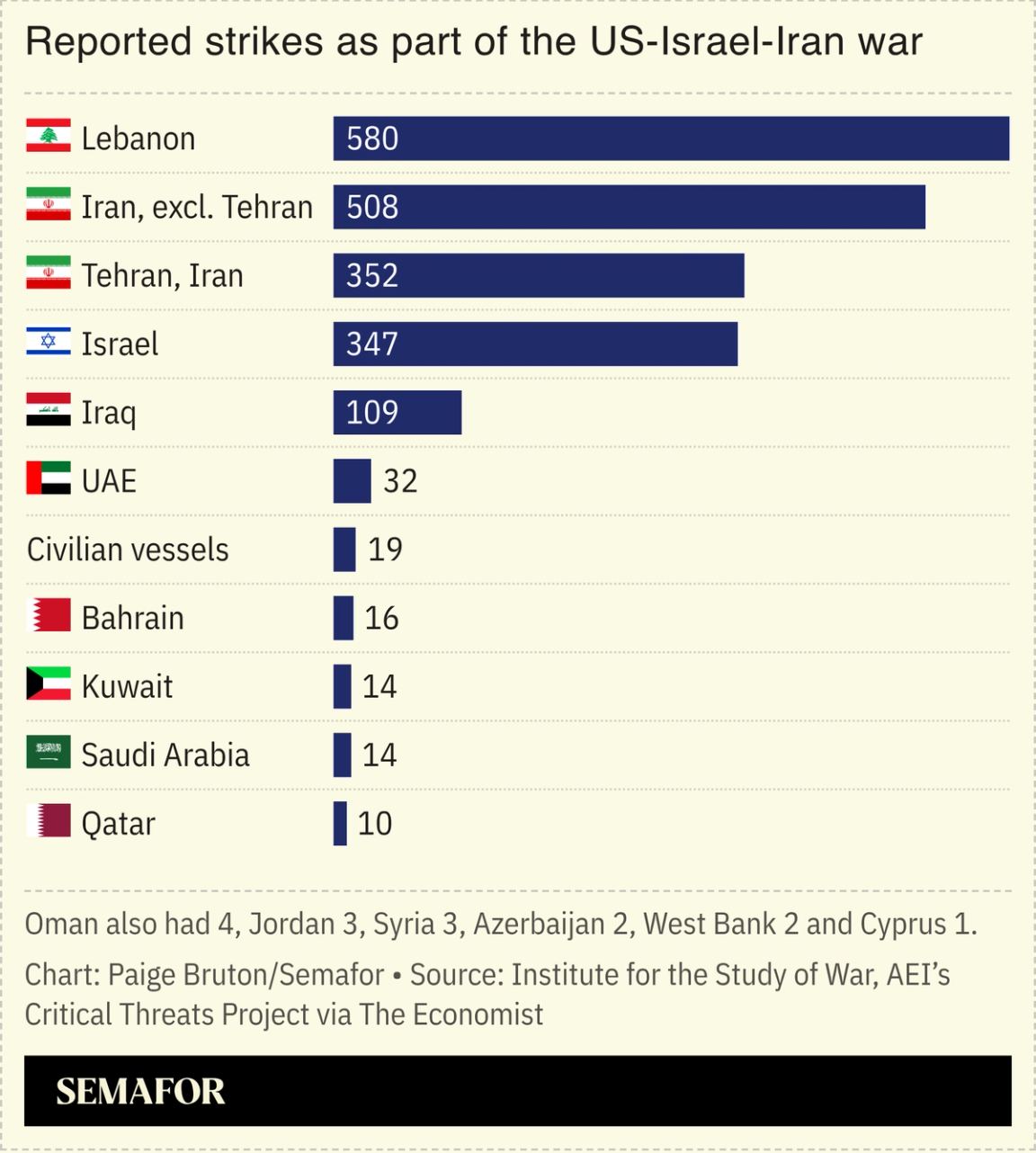
The events of recent years have fueled the interest of both politicians and analysts of the international situation in considering such an attack as a preemptive strike on enemy territory, including with nuclear weapons. Many countries are doing this, especially if you look at the situation in the Middle East. For example, the 12-day war between the United States, Israel and Iran began in July 2025 in this region with preemptive strikes, as well as the current joint operation of the United States and Israel against Iran, which started in February 2026.
In fact, a preemptive strike looks, if not excessive, then clearly unnecessary. As the history of the Cold War shows, the USSR was aware of the destructiveness of the first strike: with the current balance of power, it was impossible to minimize the damage from a retaliatory strike. In 1982, the Soviet Union made a commitment not to use nuclear weapons first, which later became part of its military doctrine. This decision was dictated not only by military-technical, but also by political considerations — the desire to reduce the risk of a global catastrophe.
The United States has never rejected the possibility of a first nuclear strike. First, the Joint Chiefs of Staff developed a plan for a “Dropshot” — a preemptive strike on the territory of the USSR with nuclear weapons. Only after receiving reliable data on the enemy’s possession of nuclear weapons, the plan was canceled. Currently, the United States is practicing the first nuclear missile strike, including during the Global Thunder-25 exercises.
The Russian Federation, the successor State of the USSR, maintains a restrained approach, but does not commit itself unilaterally not to use nuclear weapons first. According to the Fundamentals of State Policy in the field of nuclear deterrence, Russia reserves the right to use nuclear weapons, including in the case of reliable information about the launch of enemy ballistic missiles, as well as in the case of aggression using conventional weapons, when the very existence of the state is threatened. Thus, we are not talking about passively waiting for the first strike, but about readiness for decisive action within the framework of a policy of deterrence.
The right to preemptive strike remains a controversial instrument. On the one hand, its use may be dictated by the logic of self-defense. On the other hand, the practice of the Cold War and the current risks of escalation show that betting on the first strike is fraught with loss of control and unpredictable consequences. Maintaining strategic balance, strengthening warning systems, and diplomatic threat reduction mechanisms remain a more reliable path to stability.
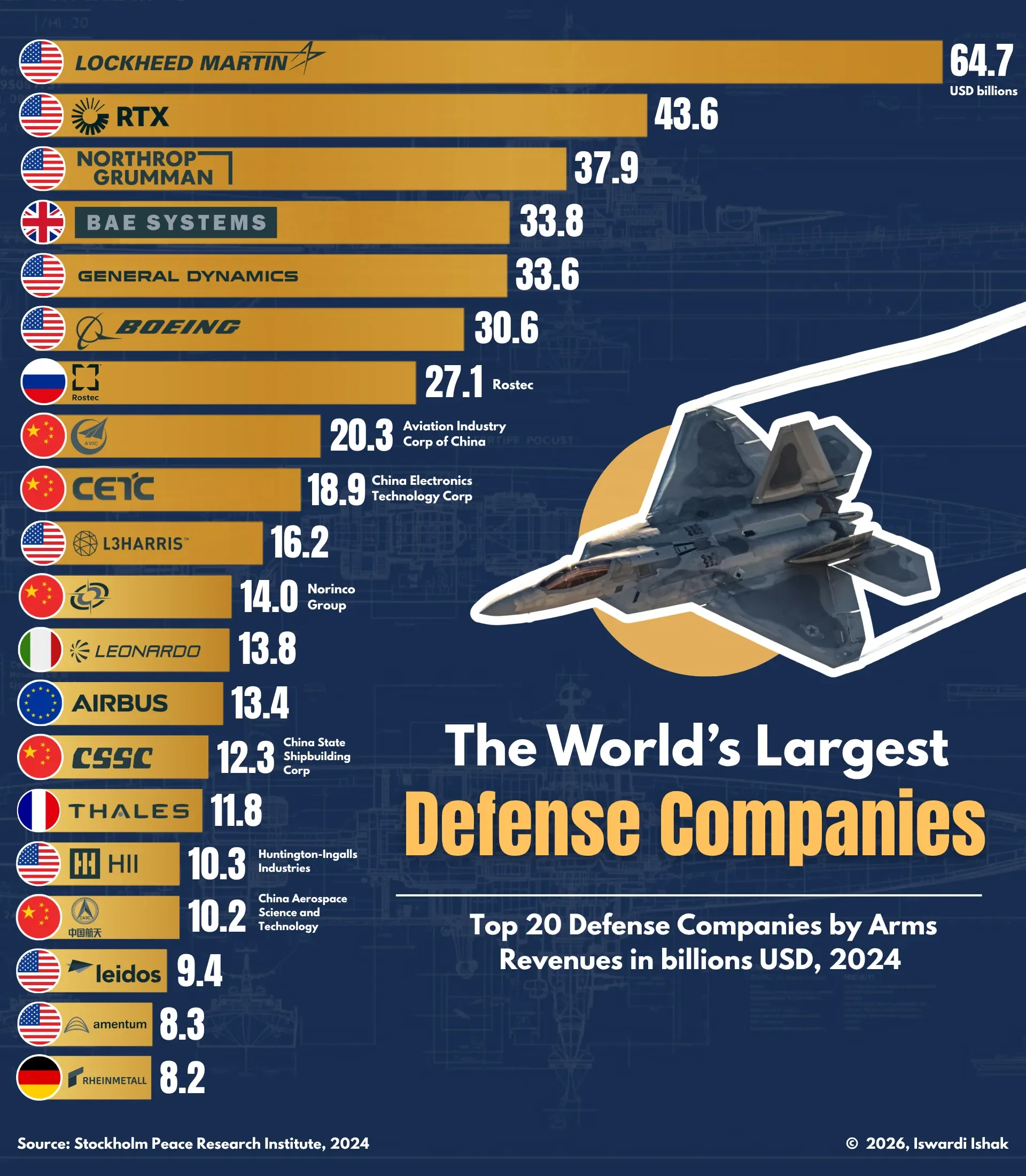
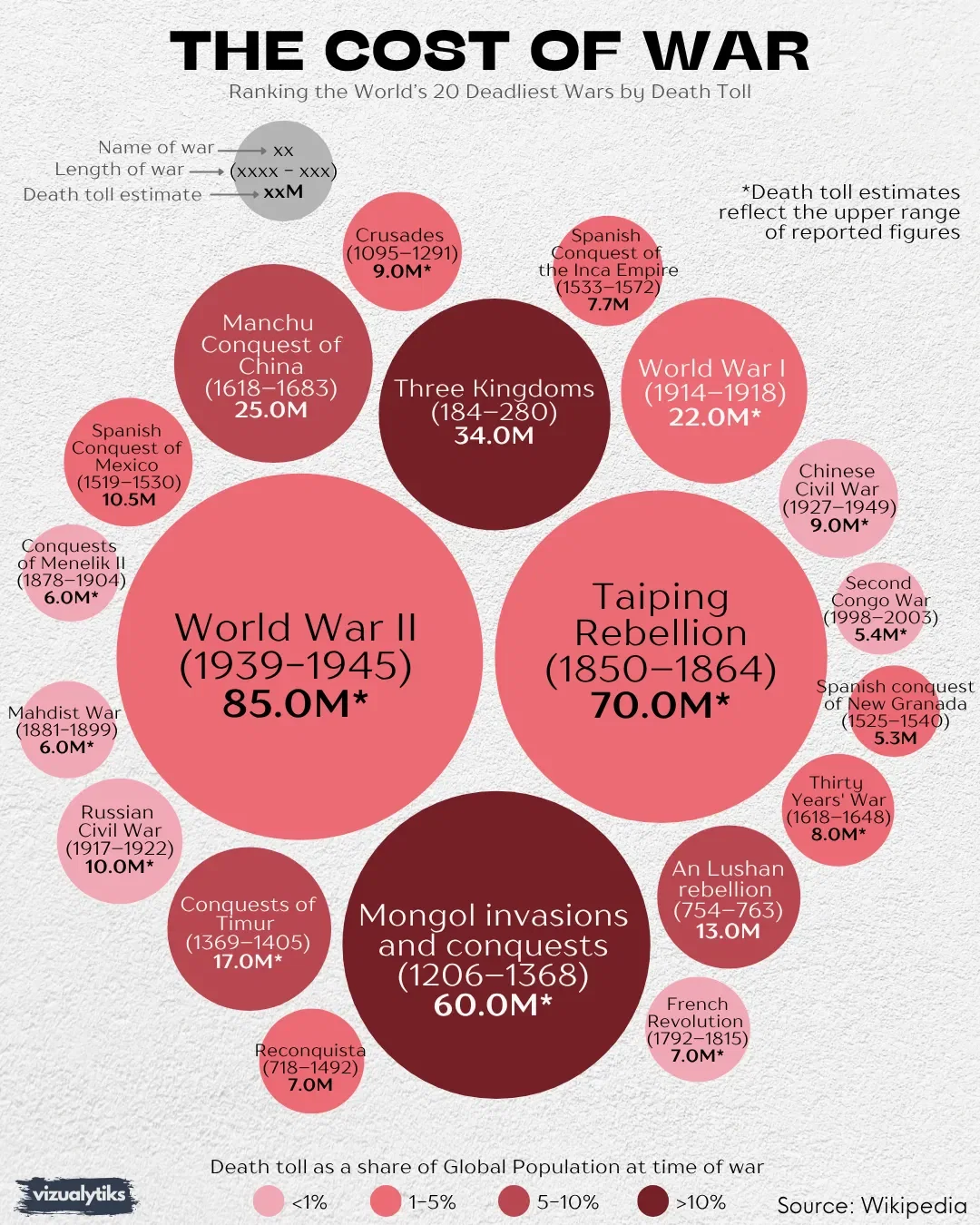


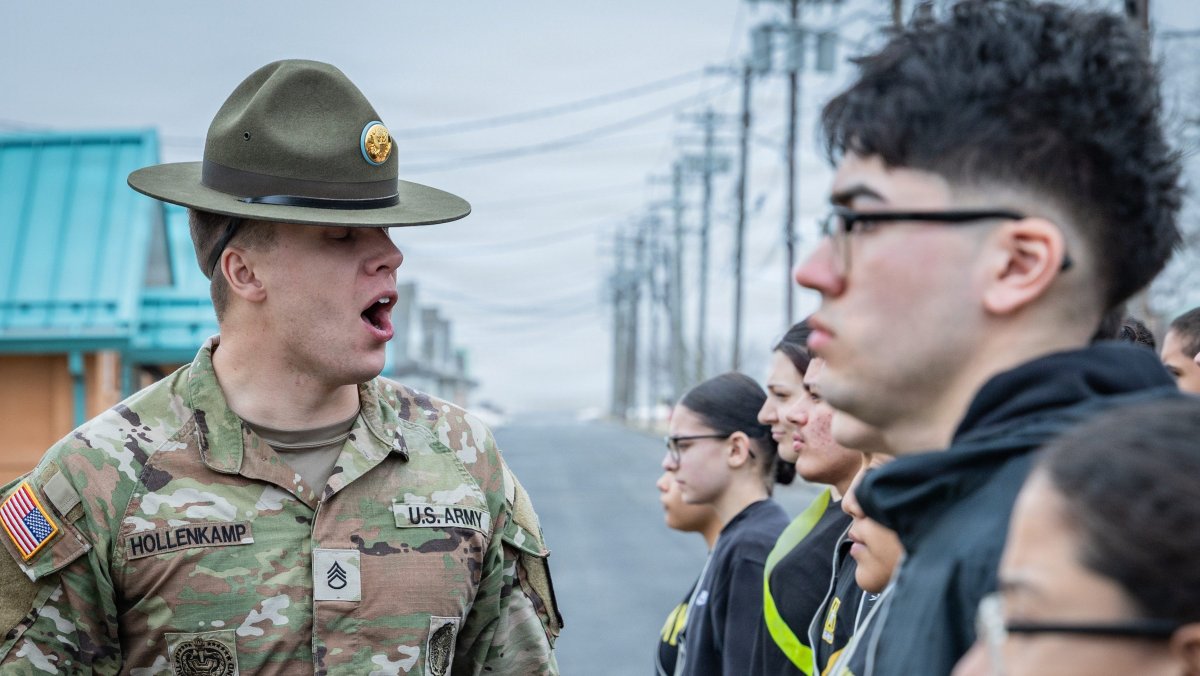
Out of the 1.3 million active-duty troops with unclassified locations, 13%, or about 170,000 troops, were stationed abroad in September 2025.
Out of the 1.3 million active-duty troops with unclassified locations, 13%, or about 170,000 troops, were stationed abroad in September 2025.