preview
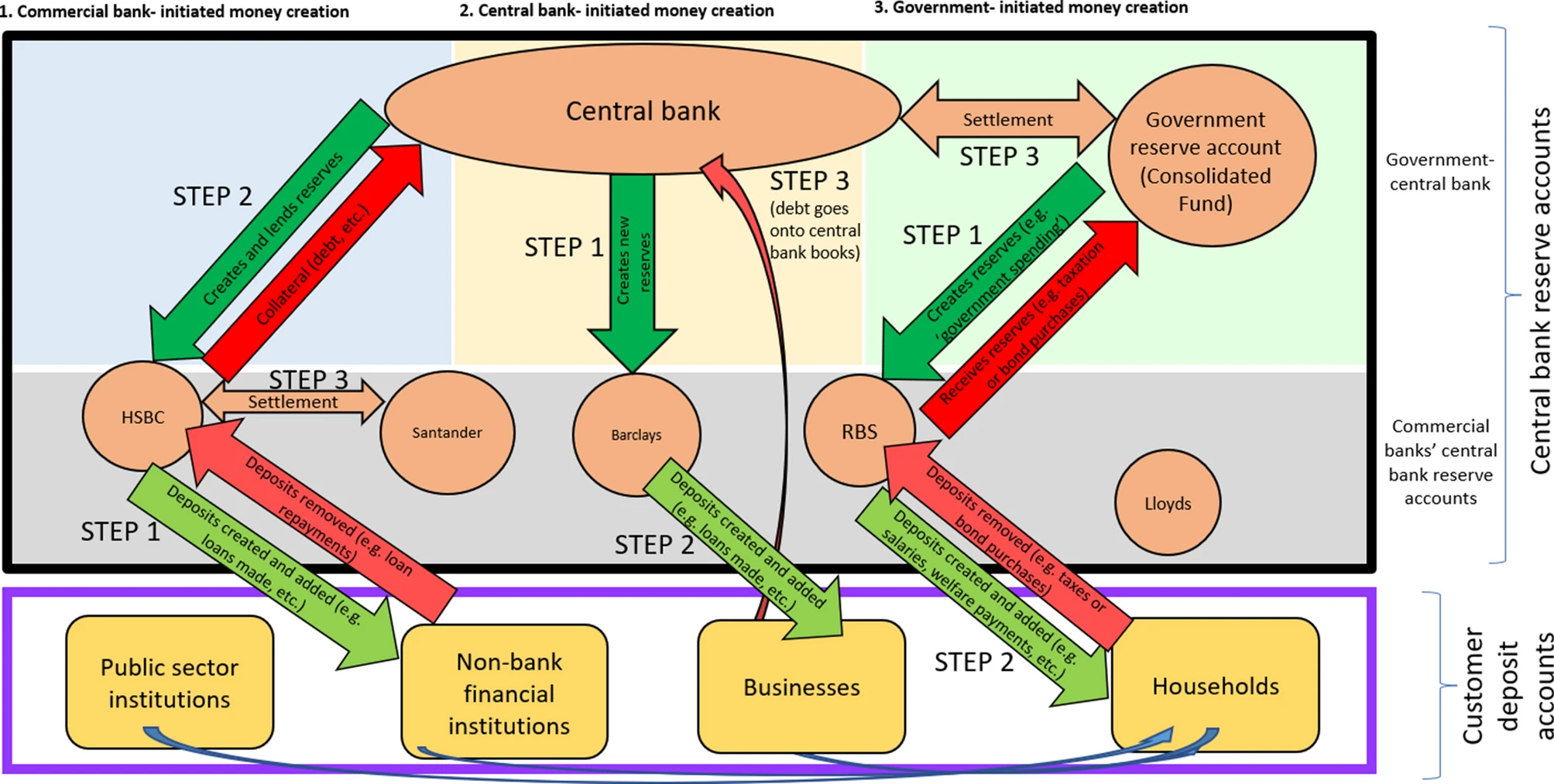
YSK this because the high amount of public debt, which has been getting a lot of attention in the US, is actually by design.
In our double-entry bookkeeping system, money is created via bank lending and government spending, adding to the economy, and is destroyed via loan repayments and taxes, subtracting from the economy.
Central banks create a wealth pump mechanism into assets through money printing, which erodes consumer purchasing power, driven by deficit spending, which creates money for the private sector.
Profits are privatized; losses are socialized.
preview
In recent weeks I have moved on to other things and don’t see myself using Lemmy as much in the future, at least not in the same capacity.
I’d like for this community to continue so I can leave things as is, but given my lack of involvement going forward, I think it would be better to appoint a new mod(s) and probably transfer ownership to one of them as well.
Thank you for allowing me to contribute. I got really into it! I’d be happy to share the resources and information I was accessing and using for posts.
All the best.
preview
preview
This map shows the battle of the Little Big Horn in 1876, at which the Sioux defeated the US Army under General Custer.
Author: Piotr Tysarczyk (2006)
CC BY-SA 2.5
This map shows the battle of the Little Big Horn in 1876, at which the Sioux defeated the US Army under General Custer.
Author: Piotr Tysarczyk (2006)
CC BY-SA 2.5
preview
preview
Dictyophorus spumans, also known as the koppie foam grasshopper, is a species of grasshopper in the family Pyrgomorphidae, indigenous to southern Africa. The name “foam grasshopper” derives from the insect’s ability to produce a toxic foam from its thoracic glands, using a combination of hemolymph with air from the grasshopper’s spiracles. Adult males are typically 4.5 to 5 cm (1.8 to 2.0 in) long and females typically 5 to 7 cm (2.0 to 2.8 in), but can grow up to a length of 8 cm (3.1 in).
Photographer: Charles J. Sharp
CC BY-SA 4.0
preview
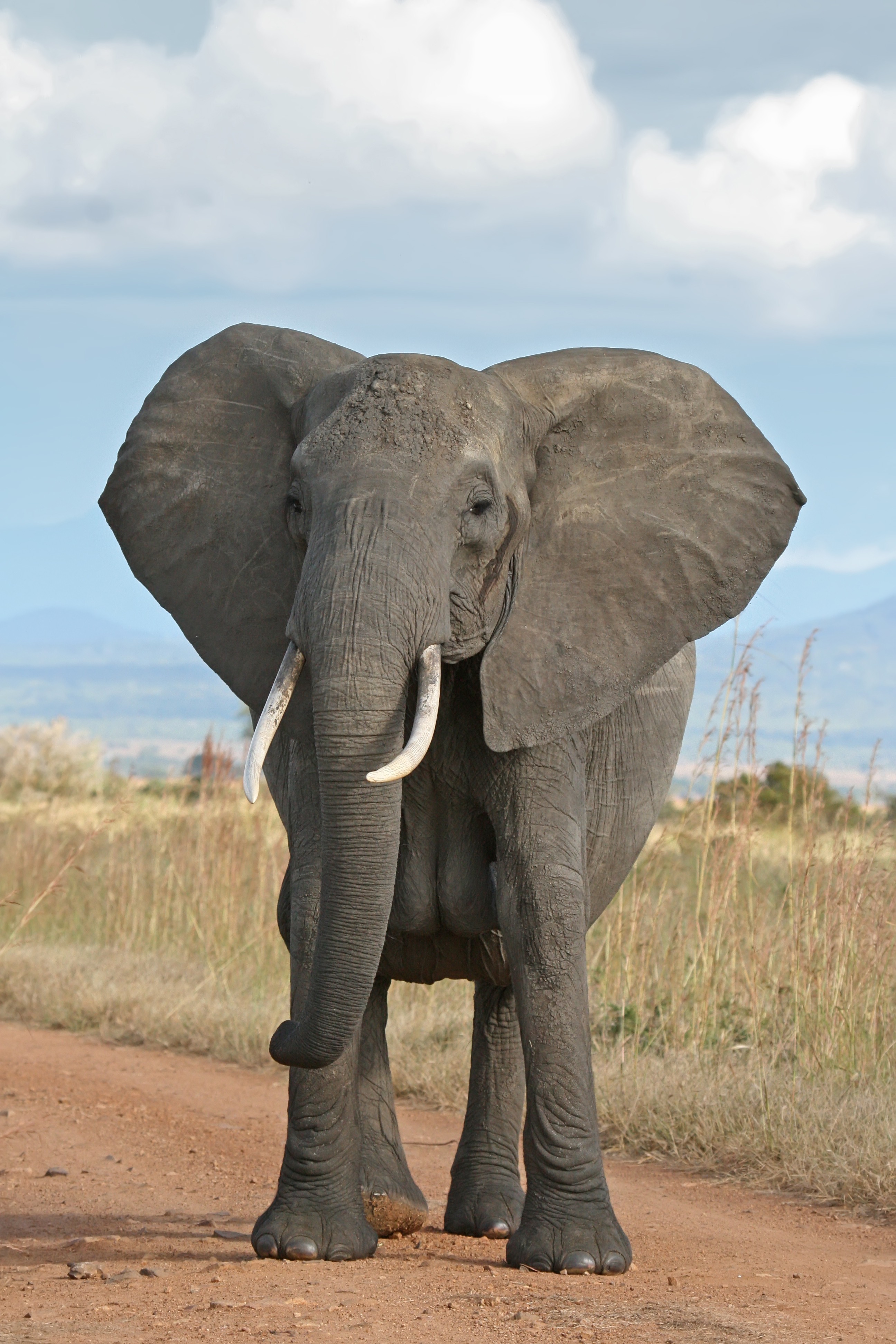
Elephants are the largest existing land animals and the only surviving members of the family Elephantidae. Three living species are recognised: the African bush elephant, the African forest elephant, and the Asian elephant. Elephants have long, flexible trunks, long tusks, large ear flaps, pillar-like legs, and grey skin. They are herbivorous, and stay near water when it is accessible. Females (cows) tend to live in family groups, which can consist of one female with her calves or several related females with offspring. After reaching adulthood, males (bulls) live separately, either alone or with other males. Elephants communicate by touch, sight, smell, and sound. Threats to their populations include poaching for their ivory tusks, habitat destruction, and conflicts with local people. Elephants are iconic in human culture and have been featured in art, folklore, religion, literature, and popular culture.
Photographer: Muhammad Mahdi Karim
GFDL 1.2