
showing posts tagged #science — clear

0

Global warming and the National Cattlemen’s Association 1986–1996

Global warming and the National Cattlemen’s Association 1986–1996 journals.plos.org
preview

In the mid-1980s, scientific studies first highlighted the role of anthropogenic methane in global warming and emissions from cows as an important source. This knowledge expanded views of responsibility for global warming beyond the fossil fuel sector. Using scientific studies, archival documents, media interviews, and various government reports, we analyzed how the National Cattlemen’s Association (NCA), a trade association for the U.S beef industry, reacted to news about its products’ impacts on global warming between 1986 and 1996. While previous studies have emphasized the role of trade associations in political lobbying, here we show that NCA responded mainly with strategic communications, including information gathering on civil society activities, commissioning academic experts to produce and share statistics that reframed scientific findings, and discursive tactics to influence politicians and the public. Despite scientific recommendations about opportunities to reduce methane emissions, we found no evidence that NCA researched or promoted any of these suggested changes to beef production. Instead, NCA treated global warming as a public relations concern that could affect consumer demand, rather than as a potentially serious consequence of beef production.

In the mid-1980s, scientific studies first highlighted the role of anthropogenic methane in global warming and emissions from cows as an important source. This knowledge expanded views of responsibility for global warming beyond the fossil fuel sector. Using scientific studies, archival documents, media interviews, and various government reports, we analyzed how the National Cattlemen’s Association (NCA), a trade association for the U.S beef industry, reacted to news about its products’ impacts on global warming between 1986 and 1996. While previous studies have emphasized the role of trade associations in political lobbying, here we show that NCA responded mainly with strategic communications, including information gathering on civil society activities, commissioning academic experts to produce and share statistics that reframed scientific findings, and discursive tactics to influence politicians and the public. Despite scientific recommendations about opportunities to reduce methane emissions, we found no evidence that NCA researched or promoted any of these suggested changes to beef production. Instead, NCA treated global warming as a public relations concern that could affect consumer demand, rather than as a potentially serious consequence of beef production.

0

Overlooked and overexploited: Extensive conversion of grasslands and wetlands driven by global food, feed, and bioenergy demand

preview

Natural ecosystems are increasingly threatened by global agricultural supply chains, and a narrow policy focus on forests has fueled agricultural expansion into ecologically significant but severely overlooked non-forest ecosystems, including grasslands and open wetlands. While a few emerging policies attempt to protect non-forest ecosystems, a globally consistent assessment of their conversion extent and drivers, especially related to livestock production and commodity-specific supply chain demand, remains lacking. Here, we conducted a spatially explicit analysis to identify pasture and cropland expansion into non-forest ecosystems between 2005 and 2020, as well as conversion-linked primary agricultural commodities and their underlying demand drivers (end uses and final market destinations). We found that the conversion rate of natural non-forest ecosystems was nearly four times that of lands with tree cover exceeding 5 m (a common forest height threshold), with Brazil contributing 13% of the global total and Russia, India, China, and the United States each contributing about 6%. While drivers varied greatly across regions, globally 50% of the conversion was linked to pasture, and 27, 17, and 6% to cropland for food, feed, and other uses (mainly bioenergy), respectively. Among conversion-linked commodities, most livestock-associated products served domestic demand, while 32% of feed crops and 20% of all crops were exported, with export shares reaching 70 to 80% in Brazil and Argentina. These findings reveal important areas for non-forest ecosystem conservation and highlight the need for integrated policies to prevent leakage across different ecosystems and different sustainable development goals while also aligning local actions with global supply chain governance.

insideclimatenews.org/…/grasslands-wetlands-gobbl…

Natural ecosystems are increasingly threatened by global agricultural supply chains, and a narrow policy focus on forests has fueled agricultural expansion into ecologically significant but severely overlooked non-forest ecosystems, including grasslands and open wetlands. While a few emerging policies attempt to protect non-forest ecosystems, a globally consistent assessment of their conversion extent and drivers, especially related to livestock production and commodity-specific supply chain demand, remains lacking. Here, we conducted a spatially explicit analysis to identify pasture and cropland expansion into non-forest ecosystems between 2005 and 2020, as well as conversion-linked primary agricultural commodities and their underlying demand drivers (end uses and final market destinations). We found that the conversion rate of natural non-forest ecosystems was nearly four times that of lands with tree cover exceeding 5 m (a common forest height threshold), with Brazil contributing 13% of the global total and Russia, India, China, and the United States each contributing about 6%. While drivers varied greatly across regions, globally 50% of the conversion was linked to pasture, and 27, 17, and 6% to cropland for food, feed, and other uses (mainly bioenergy), respectively. Among conversion-linked commodities, most livestock-associated products served domestic demand, while 32% of feed crops and 20% of all crops were exported, with export shares reaching 70 to 80% in Brazil and Argentina. These findings reveal important areas for non-forest ecosystem conservation and highlight the need for integrated policies to prevent leakage across different ecosystems and different sustainable development goals while also aligning local actions with global supply chain governance.

insideclimatenews.org/…/grasslands-wetlands-gobbl…

0

Advancements in civet coffee production and analytical techniques: From aroma profiling to market dynamics and ethical considerations

preview

Background

Civet coffee is produced from coffee beans that have been consumed and excreted by civets. However, its production raises several ethical concerns. The increasing cases of adulteration create significant challenges in verifying the authenticity of civet coffee. Currently, there is no comprehensive review addressing alternative and sustainable production methods for civet coffee. This manuscript aims to fill this knowledge gap and serve as a reference for improving civet coffee fermentation.

Scope and approach

This paper explores innovative techniques for producing civet coffee while considering ethical and sustainability issues. It examines market trends and authentication methods, focusing on technologies such as electronic nose (E-Nose) technology, proton-transfer-reaction time-of-flight mass spectrometry (PTR-ToF-MS), UV–visible spectroscopy, infrared spectroscopy (NIR and FTIR), and nuclear magnetic resonance (NMR). Additionally, it discusses the health-promoting effects of civet coffee.

Key findings and conclusions

Alternative methods to the in vivo fermentation of civet coffee, using isolated bacteria (i.e., Bacillus subtilis), yeast, and fungi from the civet’s gastrointestinal tract or excreta in glass jars or bioreactors, have significantly enhanced the fermentation process. These methods resulted in improved and consistent coffee quality, flavor, and nutritional value. Technologies like e-nose PTR-ToF-MS effectively distinguish civet coffee from non-civet variants through aroma and marker profiling. Additionally, UV–Vis, NIR, FTIR, NMR, GC/MS, and GC/FID, combined with chemometrics, have demonstrated significant efficacy in distinguishing farmed and wild types of civets. Despite its high price, civet coffee continues to see a growing global demand as consumers increasingly prioritize quality, health benefits and authenticity. Innovative analytical techniques are essential for maintaining the integrity of civet coffee. However, addressing animal welfare concerns in civet coffee production is crucial to meet the expectations of ethically and susta

I haven’t seen any “news” on this, so here it is:

Lab-made “poop” coffee (advanced fermented coffee)

0

Direct evidence for processing Isatis tinctoria L., a non-nutritional plant, 32–34,000 years ago

Direct evidence for processing Isatis tinctoria L., a non-nutritional plant, 32–34,000 years ago journals.plos.org
preview

Recovering evidence for the intentional use of plants in the Palaeolithic is challenging due to their perishable nature as, unlike chipped stone or bone artefacts, plant remains are rarely preserved. This has created a paradigm for the Palaeolithic in which plants seldom feature, resulting in a partial and skewed perspective; in fact, plants were as essential to human life then as they are today. Here, we combine morphological and spectroscopic analyses (µ-Raman, µ-FTIR) to provide robust multiscale physical and biomolecular evidence for the deliberate pounding and grinding of Isatis tinctoria L. leaves 34–32,000 years ago. The leaf epidermis fragments were found entrapped in the topography of the used surface of unmodified pebbles, in association with use-wear traces. Although their bitter taste renders them essentially inedible, the leaves have well-recognised medicinal properties and contain indigotin precursors, the chromophore responsible for the blue colour of woad, a plant-based dye that is insoluble in water. We used a stringent approach to contamination control and biomolecular analysis to provide evidence for a new perspective on human behaviour, and the applied technical and ecological knowledge that is likely to have prevailed in the Upper Palaeolithic. Whether this plant was used as a colourant, as medicine, or indeed for both remains unknown, but offers a new perspective on the fascinating possibilities of non-edible plant use.

“Rather than viewing plants solely as food resources, as is often the case,” explains Laura Longo, archaeologist at Ca’ Foscari University of Venice, "this study highlights their role in complex operations, likely involving the transformation of perishable materials for use in different phases of daily life among Homo sapiens 34,000 years ago.

“While research continues to improve the identification of elusive plant-derived residues, typically absent from conventional studies, our multi-analytical approach opens new perspectives on the technological and cultural sophistication of Upper Paleolithic populations, who skillfully exploited the inexhaustible resource of plants, fully aware of the power of plants.”

phys.org/…/2025-09-blue-indigo-year-tools-paleoli…

0

Umbrella Review of Systematic Reviews and Meta-Analyses on the Consumption of Different Food Groups and the Risk of Overweight and Obesity - PubMed

preview

Background/objectives: Dietary choices play an essential role in energy balance and weight gain. This systematic umbrella review investigates the association between the intake of various food groups (whole grains, refined grains, fruits, vegetables, nuts, legumes, fish, eggs, total dairy, red meat, white meat, processed meat, added sugar, and sugar-sweetened beverages) and their associations to the risk of obesity and being overweight.

Methods: We systematically searched Medline, Embase, Web of Science, and Epistemonikos for systematic reviews and meta-analyses. A total of 2925 articles were screened, and 13 articles were included in our analysis.

Results: For each food group, data included a mean of 166,100 participants and 36,760 cases, ranging from 19,885 participants and 7183 cases for red meat to 520,331 participants and 91,256 cases for nuts. Heterogeneity was high for most of the food groups except for whole grains and sugar-sweetened beverages. The quality of the most comprehensive meta-analyses was high for all food groups, except for processed meats, which was of low quality. High intakes of whole grains, legumes, nuts, and fruits are associated with a reduced risk of overweight and obesity. In contrast, high intakes of red meat and sugar-sweetened beverages are associated with increased risk of overweight and obesity. No significant results were found for the remaining food groups, and no meta-analysis was found for fish, eggs, white meat, and added sugars.

Conclusions: Diets rich in whole grains, legumes, nuts, and fruits are associated with a lower risk of developing obesity and being overweight. In contrast, diets high in red meat and sugar-sweetened beverages are associated with an increased risk of overweight and obesity.

A news article (not the best): …com.au/how-different-food-groups-impact-weight/

0

Health effects associated with consumption of processed meat, sugar-sweetened beverages and trans fatty acids: a Burden of Proof study

Nature Health effects associated with consumption of processed meat, sugar-sweetened beverages and trans fatty acids: a Burden of Proof study - Nature Medicine www.nature.com
preview

Previous research suggests detrimental health effects associated with consuming processed foods, including processed meats, sugar-sweetened beverages (SSBs) and trans fatty acids (TFAs). However, systematic characterization of the dose–response relationships between these foods and health outcomes is limited. Here, using Burden of Proof meta-regression methods, we evaluated the associations between processed meat, SSBs and TFAs and three chronic diseases: type 2 diabetes, ischemic heart disease (IHD) and colorectal cancer. We conservatively estimated that—relative to zero consumption—consuming processed meat (at 0.6–57 g d−1) was associated with at least an 11% average increase in type 2 diabetes risk and a 7% (at 0.78–55 g d−1) increase in colorectal cancer risk. SSB intake (at 1.5–390 g d−1) was associated with at least an 8% average increase in type 2 diabetes risk and a 2% (at 0–365 g d−1) increase in IHD risk. TFA consumption (at 0.25–2.56% of daily energy intake) was associated with at least a 3% average increase in IHD risk. These associations each received two-star ratings reflecting weak relationships or inconsistent input evidence, highlighting both the need for further research and—given the high burden of these chronic diseases—the merit of continuing to recommend limiting consumption of these foods.

Mediocre article: …cnn.com/…/processed-meats-sweet-drinks-disease-w…

0

Navigating family dynamics in the transition to a plant-forward diet: the role of social support

preview

While sustainable diets have predominantly been examined through the lens of individual decision-making, growing evidence underscores the critical role of relational dynamics in the adoption and maintenance of such practices. This study examined the role of relational climate (i.e. cohesion and flexibility) in governing how family units navigate dietary change. Eighty-four individuals who were pursuing a plant-forward diet participated in a 14-day smartphone-based experience sampling study, where they provided qualitative diary entries and quantitative ratings of food consumption, family support, coordination, and tension. Baseline, out-take, and 2-week follow-up surveys investigated the moderating effects of relational climate, as well as change in food consumption, dietary “stage of change,” goal achievement and commitment. Participants from balanced cohesive family systems reported receiving more support in their dietary goal, which in turn, was related to lower animal-product consumption and greater goal achievement and commitment. This work highlights the importance of family-based social support for bolstering more sustainable eating practices and offers novel insights for engaging household systems in the transition toward a greener food system.

Article about this: herbivore.club/…/when-veganism--threatens--family…

0

Island-wide removal of honeybees reveals exploitative trophic competition with strongly declining wild bee populations

preview

Highlights

  • •

    Honeybee temporal removal on a small island increased nectar and pollen availability

  • •

    Without honeybees, wild bees increased activity and changed hourly patterns

  • •

    Without honeybees, wild bees increased nectar intake and optimized search time

  • •

    Wild bee abundance declined ∼80% in 4 years, supporting trophic competition

Summary

High densities of managed honeybees (Apis mellifera) can threaten wild bees through exploitative competition, thus leading to population declines of the latter. Although reviews have outlined key steps to demonstrate these impacts—measuring resource overlap, changes in wild bee behavior, and population trends—studies that comprehensively address these aspects are virtually absent. We were granted access to the entire protected island of Giannutri (2.6 km2) and to the apiary (18 hives) located there during the early phase of coexistence between honeybees and wild bees. Using the island as an open-air laboratory, we experimentally manipulated honeybee pressure by closing the hives on selected days during the peak of the wild bee foraging period. In the plants most visited by pollinators, even short-term honeybee removals (11 h per day) increased nectar volume (∼60%) and pollen availability (∼30%). In the absence of honeybees, target wild bees (Anthophora dispar and Bombus terrestris) became dominant in the insect-plant visitation network, and the potential apparent competition significantly decreased. Accordingly, both species intensified their foraging activity and increased nectar suction time, a recognized proxy for the quantity of probed nectar, and Bombus terrestris also shortened the time of pollen searching. Transect monitoring revealed an alarming ∼80% decline in both species over 4 years, consistent with honeybee monopolization of floral resources, thus reducing availability for wild pollinators and altering their foraging budget. These findings underscore the risks of introducing high densities of honeybees into protected areas and emphasize the need for rigorous preventive ecological assessments.

News article version: phys.org/…/2025-03-bees-wild-honeybee-competition…

0

Meta: The Nutrition War You Don't Even Know You're In

play · youtube.com
YouTube The Nutrition War You Don't Even Know You're In www.youtube.com
preview

What if the biggest threat to plant-based health isn’t meat — but misinformation?

Dr. Dean Sherzai is calling for a revolution in how we advocate for vegan nutrition. Instead of relying on viral anecdotes or purity-based ideology, Sherzai makes a compelling case for data literacy, scientific integrity, and humility. He explains why dogma—even in the plant-based world—is hurting the movement and pushing people away.

Learn what it takes to rebuild trust and grow a movement that lasts. Whether you’re plant-curious, evidence-minded, or just tired of online nutrition wars, this episode of The Exam Room podcast is a refreshing take on what it takes to push whole foods plant based nutrition forward.

Chapters:

00:00 – Intro: Live from the Lotus Health Foundation Symposium

01:50 – Our crisis of data: why misinformation is the biggest threat

03:15 – Plant-based vs keto: the war of anecdotes

06:00 – Why scientific humility matters more than ideology

08:30 – How to interpret research (and why most people don’t)

12:40 – Olive oil, fish, and plant-based nuance

15:45 – Can one study change everything? No—and here’s why

17:20 – Plant based nutrition and the Mediterranean diet

20:00 – The truth about reversing Alzheimer’s

25:00 – Why reason is sticky, and memes can change minds

29:00 – Why the plant-based movement is stuck—and how to fix it

31:40 – Community health vs elitist purity culture

33:30 – Final thoughts: let’s build trust through better science

0

How the loss of experienced individual elephants stops knowledge transfer between generations

Phys.org How the loss of experienced individual elephants stops knowledge transfer between generations phys.org
preview

“Understanding and safeguarding the social lives of elephants is no longer optional. It’s a necessity for ensuring these magnificent animals thrive in an increasingly human-dominated world.”

Paper: Knowledge transmission, culture and the consequences of social disruption in wild elephants | Philosophical Transactions of the Royal Society B: Biological Sciences

Cultural knowledge is widely presumed to be important for elephants. In all three elephant species, individuals tend to congregate around older conspecifics, creating opportunities for social transmission. However, direct evidence of social learning and cultural traditions in elephants is scarce. Here, we briefly outline that evidence then provide a systematic review of how elephant societies respond to the loss of potentially knowledgeable individuals or opportunities for knowledge transfer, which we characterize as social disruption. We consider observations from 95 peer-reviewed, primary research papers that describe disruption to elephant societies or networks via the removal or death of individuals. Natural deaths were mentioned in 14 papers, while 70 detailed human-caused deaths or disruption. Grouping descriptions according to consequences for behaviour and sociality, and demography and fitness, we show that severely disrupted populations are less cohesive, may exhibit reduced fitness or calf survival and respond inappropriately to threats and predators. We suggest that severe social disruption can inhibit or break potential pathways of information transmission, providing indirect evidence for the role of social transmission in elephants. This has implications for elephant conservation amid increasing anthropogenic change across their habitats.

0

Dairy and Plant-Based Milks: Implications for Nutrition and Planetary Health

PubMed Central (PMC) Dairy and Plant-Based Milks: Implications for Nutrition and Planetary Health pmc.ncbi.nlm.nih.gov
preview

Purpose of Review

Dairy milk products are dominant in the market; however, plant-based milks are gaining prominence among USA consumers. Many questions remain about how plant-based milk products compare to dairy milk from a nutrition, public health, and planetary health perspective. Here, we compare the retail sales, nutrient profiles, and known health and environmental impacts of the production and consumption of dairy and plant-based milks and identify knowledge gaps for future studies. For our plant-based milk comparisons, we reviewed almond, soy, oat, coconut, rice, pea, cashew, and other plant-based milks as data were available.

Recent Findings

The retail unit price of plant-based milks was generally higher than that of cow’s milk, making it less accessible to lower-income groups. Many plant-based milks are fortified to match the micronutrient profile of dairy milk more closely. Notable differences remained, especially in protein, zinc, and potassium, depending on the base ingredient and individual product. Some plant-based milks contain added sugar to improve flavor. Plant-based milks were generally associated with lower environmental impacts (e.g., greenhouse gas emissions, water use) than cow’s milk, with the notable exception of the higher water footprint of almond milk.

Summary

This review of recent studies and consumer purchases confirmed that retail sales of plant-based milks are increasing and shifting among products. Further research is needed to better characterize the environmental impacts of newer plant-based milks, such as cashew, hemp, and pea milks; consumer attitudes and behavior towards plant-based milks; and the safety and potential health effects related to their long-term and more frequent consumption.

News article: washingtonpost.com/…/pea-milk-plant-based-nutriti…

0

A global multi-indicator assessment of the environmental impact of livestock products

preview

Highlights

• Global feed supply displaces environmental impacts of livestock rearing from feed consuming to feed producing countries. • Impacts vary across countries and livestock products, with global feed trade shaping impact profiles. • The origin and type of feed consumed influence the magnitude and distribution of the impacts. • The study identifies livestock production systems qualifying as priority sustainability targets.

Driven by a growing and more affluent population, changing diets and lifestyles, the demand for livestock products is expected to surge in the next decades. Satisfying this demand will result in additional pressures on land systems. The increasingly globalized supply chains of the livestock economy will further decouple many of these impacts from the places where livestock are reared. In this study, we determined the impact intensities of global livestock production across three environmental indicators: deforestation, biodiversity loss and marine eutrophication. To this end, we used global data on the production of crops (and grass), their trade and use as feed in livestock-production systems, as well as livestock production data. We found the highest deforestation and biodiversity impact intensities in the tropics in Central and South America, Southeast Asia and Central Western Africa. In contrast, the highest values for marine eutrophication intensities were found in countries located in Northern Europe and in South and in East Asia. Our analyses show differences caused by varying efficiencies in livestock production systems and by the sourcing patterns of feed items. In grazing systems for the production of ruminant meat, for example, the resulting impact intensities are dominated by the consumption of grass. In intensive and industrialized production systems, the bulk of the deforestation and, to a lesser extent, biodiversity impacts are linked to imported soybean feed. Our results can help identify livestock production systems and countries that would qualify as priority action targets, as well as potential entry points to make their livestock production systems more sustainable. They can also be used to assist consumers in comparing impacts across and within livestock food product types. Ultimately, understanding the environmental impacts embodied in global supply chains of livestock products can help create better regulatory policies and science-based interventions for protecting terrestrial and marine ecosystems.

0

Are Seed Oils Dangerous? Dr. Bill Harris on Omega-6 Fats Explained | The Proof Podcast EP #357

play · youtube.com
YouTube Are Seed Oils Dangerous? Dr. Bill Harris on Omega-6 Fats Explained | The Proof Podcast EP #357 www.youtube.com
preview

(no)

Main related paper:

Beneficial effects of linoleic acid on cardiometabolic health: an update - PubMed

Episode main link (you can find other podcast platforms there): theproof.com/seed-oils-dangerous-or-misunderstood…

  • Omega-6 Fats and Health Overview (00:00)
  • Why the Review Was Updated (01:22)
  • What Is Linoleic Acid? (06:47)
  • Linoleic Intake Over Time & Health Links (12:45)
  • Research Methods and Key Evidence (16:25)
  • Omega-6 and Inflammation Explained (41:00)
  • Common Myths About Seed Oils (44:37)
  • The Oxidation Concern with Seed Oils (49:20)
  • Omega-6 vs Omega-3: The Real Story (53:39)
  • Blood Sugar, Insulin & Linoleic Acid (01:03:48)
  • Heart Health and Linoleic Benefits (01:05:44)
  • Cancer Risk and Seed Oils (01:13:49)
  • Public Health and Future Research (01:16:55)
  • How to Use Vegetable Oils Wisely (01:25:17)
  • Wrap-Up and Takeaway Advice (01:32:22)

In this episode, we cover:

  • The origins of omega-6 controversy and the omega-6 to omega-3 ratio
  • Whether linoleic acid is truly “pro-inflammatory”
  • What the highest quality human studies say about disease risk and mortality
  • Oxidation, lipid peroxidation, and the truth about heating seed oils
  • How linoleic acid compares to saturated fat in terms of your risk of disease
  • Why removing seed oils from the food supply could backfire
  • The real drivers of chronic disease—and what actually deserves our attention
  • How Dr Harris recommends you think about choosing cooking oils at the grocery store

We also address the broader issue of cherry-picked mechanistic studies and why outcome data—like heart attacks and mortality—need to be front and centre when we assess health claims. Bill brings deep expertise and scientific humility to this conversation. If you’ve felt confused by the anti-seed oil narrative, this episode will hopefully bring clarity and reduce some of the fear.

0

New Study: Processed Plant Foods Don't Cause Weight Gain?

play · youtube.com
YouTube New Study: Processed Plant Foods Don't Cause Weight Gain? www.youtube.com
preview

Short video by Mic🎤

Vegan diet, processed foods, and body weight: a secondary analysis of a randomized clinical trial | Nutrition & Metabolism | Full Text

Low-fat plant-based diets cause weight loss in clinical trials. However, many foods are highly processed, raising the question as to their effect on body weight. This secondary analysis assessed the associations between changes in processed food intake and weight loss in 244 overweight adults randomly assigned to a vegan (n = 122) or control group (n = 122) for 16 weeks. Three-day dietary records were analyzed using the NOVA system, which categorizes foods from 1 to 4, based on degree of processing. A repeated measure ANOVA, Pearson correlations, and a multivariate regression model were used for statistical analysis. The consumption of animal foods in categories 1–4 decreased in the vegan group, compared with the control group. Body weight decreased in the vegan group (treatment effect − 5.9 kg [95% CI -6.7 to -5.0]; Gxt, p < 0.001). Changes in consumption of animal foods in categories 1–4 were positively associated with changes in body weight: r = + 0.34; p < 0.001 for category 1; r = + 0.18; p = 0.008 for category 2; r = + 0.17; p = 0.01 for category 3; and r = + 0.22; p = 0.001 for category 4. In no NOVA category was the consumption of plant-based processed foods positively and significantly associated with weight gain. The top three independent predictors of weight loss were reduced intakes of processed, unprocessed or minimally processed, and ultra-processed animal foods. These findings suggest that replacing animal products with plant-based foods may be an effective weight-loss strategy, even when processed plant-based foods are included.

0

US grass-fed beef is as carbon intensive as industrial beef and ≈10-fold more intensive than common protein-dense alternatives

preview

Significance

Beef is more resource intensive per gram of edible protein than most other food items. Yet, grass-fed beef is sometimes promoted as environmentally desirable based on the expectation that cattle grazing may enhance soil carbon sequestration, thus offsetting production emissions. We quantitatively examine this view by integrating empirical observations with a beef herd model that uses standard animal science equations. We find that even under optimistic rangeland sequestration, grass-fed beef is not less carbon intensive than industrial beef and 3 to 40 times as carbon intensive as most plant and animal alternatives.

Abstract

The high resource intensity of industrial beef in high-income economies has prompted growing interest in alternative, potentially lower environmental impact beef production pathways. Of those, grass feeding is promoted by some as one such alternative, but rigorous quantification of this claim is required. Motivated to bridge this knowledge gap, we integrate empirical evidence with a model based on authoritative equations governing beef cattle performance to quantify the greenhouse gas emissions of producing grass-fed beef. Because geographical specificity and dependence on agricultural intensity are key, we model widely varied herds, from extensive operations on semiarid, marginal rangelands to partially industrial, intensive ones in lusher, more accommodating settings. We find that emissions per kg protein of even the most efficient grass-fed beef are 10 to 25% higher than those of industrial US beef and 3- to over 40-fold higher than a wide range of plant and animal alternatives. Soil sequestration enhancement by rangeland grazing reduces these emissions from 280–390 to 180–290 kg CO2eq (kg protein)−1, still somewhat above industrial beef’s 180 to 220 kg CO2eq (kg protein)−1, and well above nonbeef alternatives’ 10 to 70 kg CO2eq (kg protein)−1. These differences prove robust across a broad set of combinations of grass-fed beef operation types, management practices, and ration qualities. Consequently, even with maximal credit for putative sequestration enhancement, grass-fed beef is still no less carbon intensive than industrial beef, and severalfold more intensive than nonbeef alternatives.

washingtonpost.com/…/grass-fed-beef-health-emissi…

0

Meat alternative consumers still frowned upon in Europe: Analysis of stereotypical, emotional and behavioral responses of observing others

preview

Highlights

  • •

    Observers see meat alternative consumers as moral, environmentally, and health-conscious.

  • •

    They elicit admiration, envy, fear, contempt, and anger in observers.

  • •

    Observers associate a higher level of social exclusion and aggression with them.

  • •

    Observers’ higher need for status contributes to greater envy and anger.

  • •

    Observers’ need for group affiliation is not connected to their views.

Abstract

As a part of the battle against climate change, many plant-based meat alternative products have been launched in recent years—without notable success. One explanation could be that consumers of meat alternatives are seen as socially deviant from those consuming animal-based protein products. This study adopts the BIAS Map framework, which has been underutilized in the food consumption research, in order to reveal the stereotypical beliefs, emotional responses, and behavioral tendencies that consumers of meat alternatives evoke in observers. An online experiment is conducted, participants (N = 3600) from four European countries evaluate fictitious consumers using three shopping lists that include meat products and their alternatives in varying combinations. The results reveal a conflicting picture of those who are believed to favor meat alternatives. They are seen as environmentally friendly, health-conscious people who adhere to high moral standards, and are worthy of admiration. But on the contrary, they also elicit fear, contempt, and anger in observers, who as a result socially exclude and even show aggression toward them. Second, the findings produce a novel insight regarding moderation effects related to observers’ need for affiliation and status. Those high in need of affiliation demonstrate the strongest positive change in their relation to consumers who appear to favor both traditional meat products and their more modern alternatives. Additionally, those high in need of status tend to evaluate consumers favoring the modern alternatives as evoking more anger and envy, compared with consumers favoring traditional meat products. This study has several theoretical, managerial, and societal implications.

phys.org/…/2025-03-based-diet-frowned-europe.html

0

Wild fish use visual cues to recognize individual divers

preview

Many animal species have been shown to discriminate between individual humans in captive settings and may use a variety of cues to do so. Empirical evidence remains scarce for animals in the wild, however, particularly in aquatic contexts. For the first time, we investigated discrimination of individual humans by fish in the wild. We first trained two species of fish, saddled sea bream Oblada melanura and black sea bream Spondyliosoma cantharus, to follow a human diver to obtain a food reward. We then investigated whether they could discriminate between two human divers and follow the correct one in an operant-conditioning paradigm. We show that both species were able to quickly learn to discriminate between the two divers when they wore different diving gear. However, they showed no preference when both divers wore identical gear, suggesting that discrimination is based predominantly on visual cues from the dive gear. We discuss the implications of these results for ethical considerations and research practices.

News article: Experiments show wild fish can recognize individual divers

0

A theory for formation of large empires* | Journal of Global History | Cambridge Core

Cambridge Core A theory for formation of large empires* | Journal of Global History | Cambridge Core www.cambridge.org
preview

Between 3000 BCE and 1800 CE there were more than sixty ‘mega-empires’ that, at the peak, controlled an area of at least one million square kilometres. What were the forces that kept together such huge pre-industrial states? I propose a model for one route to mega-empire, motivated by imperial dynamics in eastern Asia, the world region with the highest concentration of mega-empires. This ‘mirror-empires’ model proposes that antagonistic interactions between nomadic pastoralists and settled agriculturalists result in an autocatalytic process, which pressures both nomadic and farming polities to scale up polity size, and thus military power. The model suggests that location near a steppe frontier should correlate with the frequency of imperiogenesis. A worldwide survey supports this prediction: over 90% of mega-empires arose within or next to the Old World’s arid belt, running from the Sahara desert to the Gobi desert. Specific case studies are also plausibly explained by this model. There are, however, other possible mechanisms for generating empires, of which a few are discussed at the end of the article.

No article to link, so let me explain:

Turchin, who studies history in a more data-science way, found that empires in the past 4000 years seem to pop up in pairs, likely as a result of the escalating arms race between agriculturalists and pastoralists. Pastoralists are used to mobility and trade (using animals for transport); agriculturalists use less land, but still have the tendency to expand for land and to secure trade routes. Obviously, expanding trade means more capital accumulation, and that applies to both. Pastoralists tend to rely on trade as they don’t live off a “carnivore diet”, but raise the “living stocks” as capital to grow wealth via trade.

The conflict is ancient and ongoing in many parts of the world, usually found as “farmer-herder conflict” in the literature.

Unrelated to the article, this is how I’m interpreting the ongoing war in Sudan, for example.

0

Long-term declines in dietary nutritional quality for North American cattle (2017)

Long-term declines in dietary nutritional quality for North American cattle iopscience.iop.org
preview

No news article for this, so I’ll just mention some points:

  • PROTEIN THO
  • because of increases in GHGs, plants may grow more (“greening”), but the growth is rich in carbohydrates, leaving behind relatively a lot of other nutrients, especially Nitrogen based ones (amino acids)
  • while ruminants can digest low-nutrient plant matter better than others, it doesn’t make proteins appear out of nowhere. Large herbivores are already at the far end of "low nutrient use"
  • this will lead to lower growth rates
  • the low growth rates will mean huge losses for animal farmers, the rancher/herder types especially, the ones who rely on pastures and hay instead of concentrated feed
  • they’ll want to fertilize grasslands with nitrogen fertilizers (like planted grasslands… like lawns, which are perennial feed crops)
  • they’ll want to use more feed like soybeans
0

Signal traditions and cultural loss in chimpanzees

preview

Summary

The horizontal transmission of cultural knowledge is a powerful mechanism of evolutionary change1. Across taxa, group-specific cultural traditions are expressed in diverse contexts, such as foraging, tool use, self-care and socialization2. These traditions arise when group members converge on specific behavioral phenotypes. When these behavioral phenotypes involve communicative signals, such as gestures, they are termed dialects3. However, gestural dialects are rare in non-humans3. Behavioral phenotypes and traditions can also be lost, a well-documented phenomenon in humans4, but rarely documented in non-human animals5. Here, we find that chimpanzee gestures produced in copulation solicitations show culturally established phenotypes and undergo cultural loss due to human-induced population decline.


Article about the study: Human influence has led to loss of dialects in chimpanzees, long-term study suggests

0

What actually causes high cholesterol?

play · youtube.com
YouTube What actually causes high cholesterol? - Hei Man Chan www.youtube.com
preview

Warning: it has carnist bias recommending fish and one egg a day but points out the dangers of consuming animal products.

Warning: it has carnist bias recommending fish and one egg a day but points out the dangers of consuming animal products.

0

Gut microbiome signatures of vegan, vegetarian and omnivore diets and associated health outcomes across 21,561 individuals - Nature Microbiology

Nature Gut microbiome signatures of vegan, vegetarian and omnivore diets and associated health outcomes across 21,561 individuals - Nature Microbiology www.nature.com
preview

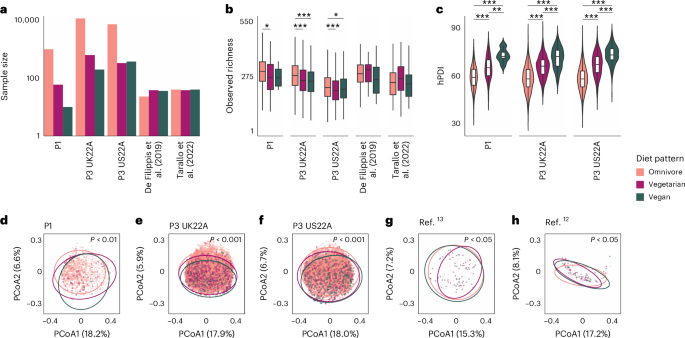
As plant-based diets gain traction, interest in their impacts on the gut microbiome is growing. However, little is known about diet-pattern-specific metagenomic profiles across populations. Here we considered 21,561 individuals spanning 5 independent, multinational, human cohorts to map how differences in diet pattern (omnivore, vegetarian and vegan) are reflected in gut microbiomes. Microbial profiles distinguished these common diet patterns well (mean AUC = 0.85). Red meat was a strong driver of omnivore microbiomes, with corresponding signature microbes (for example, Ruminococcus torques, Bilophila wadsworthia and Alistipes putredinis) negatively correlated with host cardiometabolic health. Conversely, vegan signature microbes were correlated with favourable cardiometabolic markers and were enriched in omnivores consuming more plant-based foods. Diet-specific gut microbes partially overlapped with food microbiomes, especially with dairy microbes, for example, Streptococcus thermophilus, and typical soil microbes in vegans. The signatures of common western diet patterns can support future nutritional interventions and epidemiology.


News version: Gut Microbiome Signatures of Different Diets Revealed - EMJ

0

Health in the age of disinformation

preview

To keep health as a unifying force, we must put resources into tackling health misinformation and disinformation - The Lancet

Health is political. This is what many practitioners of public and clinical health believe. Health and health policy are shaped by the political ideology of governments, whether that means more money to invest in health systems or less regulation on health-harming products. Health can also cut across political lines because health is a universally shared value. Everyone wants their loved ones to be healthy, so framing societal issues as health issues can draw people from across the political spectrum to advocate for change and policies. The health community has had successes using this strategy with, for example, the climate crisis and gun violence. Framing climate change in the context of its health implications has helped make it a more accessible and tangible topic to many people.1 Framing gun violence as a public health issue assisted in the topic becoming less politicised in some countries.2 But in recent years health has been the subject of unprecedented polarisation, begging the question: is health no longer a unifying force, but a dividing one?

0

Influencers vs Epidemiologists: Money & Fame vs Science

play · youtube.com
YouTube Influencers vs Epidemiologists: Money &amp; Fame vs Science www.youtube.com
preview

An educational video about the methods in the papers we talk about, in context.

Some papers and books are linked in the YT description.

I don’t like that “PlantChompers” switched to “Viva Longevity”, but I appreciate these types of videos.

An educational video about the methods in the papers we talk about, in context.

Some papers and books are linked in the YT description.

I don’t like that “PlantChompers” switched to “Viva Longevity”, but I appreciate these types of videos.

0

Scientists find that cavemen ate a mostly plant-based diet in groundbreaking new study

Joe.co.uk Scientists find that cavemen ate a mostly vegan diet in groundbreaking new study - JOE.co.uk www.joe.co.uk
preview

Isotopic evidence of high reliance on plant food among Later Stone Age hunter-gatherers at Taforalt, Morocco | Nature Ecology & Evolution

The transition from hunting-gathering to agriculture stands as one of the most important dietary revolutions in human history. Yet, due to a scarcity of well-preserved human remains from Pleistocene sites, little is known about the dietary practices of pre-agricultural human groups. Here we present the isotopic evidence of pronounced plant reliance among Late Stone Age hunter-gatherers from North Africa (15,000–13,000 cal BP), predating the advent of agriculture by several millennia. Employing a comprehensive multi-isotopic approach, we conducted zinc (δ66Zn) and strontium (87Sr/86Sr) analysis on dental enamel, bulk carbon (δ13C) and nitrogen (δ15N) and sulfur (δ34S) isotope analysis on dentin and bone collagen, and single amino acid analysis on human and faunal remains from Taforalt (Morocco). Our results unequivocally demonstrate a substantial plant-based component in the diets of these hunter-gatherers. This distinct dietary pattern challenges the prevailing notion of high reliance on animal proteins among pre-agricultural human groups. It also raises intriguing questions surrounding the absence of agricultural development in North Africa during the early Holocene. This study underscores the importance of investigating dietary practices during the transition to agriculture and provides insights into the complexities of human subsistence strategies across different regions.

0

The amount of energy it takes to make one hamburger is hard to believe

Earth.com The amount of energy it takes to make one hamburger is hard to believe www.earth.com
preview

The entire lifecycle of raising animals for beef production — from planting and harvesting feed crops to transportation, processing, and refrigeration — consumes a very substantial amount of energy, mostly coming from fossil fuels.

Paper:

Energy input and food output: The energy imbalance across regional agrifood systems | PNAS Nexus | Oxford Academic

Biomass was the principal energy source in preindustrial societies; their agriculture provided more energy than it required. Thus, the energy return on energy investment (EROEI) needed to be >1. Recent studies have indicated that this may not be the case for modern industrialized agrifood systems (AFSs). Although the green revolution radically improved agricultural yields, it came at the expense of increased energy inputs, mainly in the form of fossil fuels. AFSs relying on external energy pose a food security risk, an economic issue for agricultural producers, and an environmental issue for all. Previous EROEI studies investigated mainly certain groups of commodities, typically at the local or national level. Here, a comprehensive global analysis shows that current AFSs have a lower EROEI than previously estimated. Globally, EROEI has increased from 0.68 in 1995 to 0.91 in 2019. In low-income regions, AFSs are still energy sources, but their EROEI has declined with increasing wealth, reflecting the growing utilization of fossil fuels. AFSs of high-income regions are energy sinks, although their EROEI has improved. Food processing is responsible for 40% of the total energy use in the global AFS, notably larger than fertilizer, which accounts for 17%. More than half of the energy use in food processing is for livestock products that also require disproportionate energy input through their inefficient conversion of (human-edible) feed. Livestock products use 60% of energy inputs while delivering <20% of food calories.

0

Seed Oils cause Cancer?!? | Media headlines whip up panic

play · youtube.com
YouTube Seed Oils &amp; Cancer | Media headlines whip up panic www.youtube.com
preview

The paper itself:

Integration of lipidomics with targeted, single cell, and spatial transcriptomics defines an unresolved pro-inflammatory state in colon cancer

Abstract

Background Over a century ago, Virchow proposed that cancer represents a chronically inflamed, poorly healing wound. Normal wound healing is represented by a transitory phase of inflammation, followed by a pro-resolution phase, with prostaglandin (PGE2/PGD2)-induced ‘lipid class switching’ producing inflammation-quenching lipoxins (LXA4, LXB4).

Objective We explored if lipid dysregulation in colorectal cancers (CRCs) is driven by a failure to resolve inflammation.

Design We performed liquid chromatography and tandem mass spectrometry (LC–MS/MS) untargeted analysis of 40 human CRC and normal paired samples and targeted, quantitative analysis of 81 human CRC and normal paired samples. We integrated analysis of lipidomics, quantitative reverse transcription-PCR, large scale gene expression, and spatial transcriptomics with public scRNASEQ data to characterize pattern, expression and cellular localisation of genes that produce and modify lipid mediators.

Results Targeted, quantitative LC–MS/MS demonstrated a marked imbalance of pro-inflammatory mediators, with a dearth of resolving lipid mediators. In tumours, we observed prominent over-expression of arachidonic acid derivatives, the genes encoding their synthetic enzymes and receptors, but poor expression of genes producing pro-resolving synthetic enzymes and resultant lipoxins (LXA4, LXB4) and associated receptors. These results indicate that CRC is the product of defective lipid class switching likely related to inadequate or ineffective levels of PGE2/PGD2.

Conclusion We show that the lipidomic profile of CRC tumours exhibits a distinct pro-inflammatory bias with a deficiency of endogenous resolving mediators secondary to defective lipid class switching. These observations pave the way for ‘resolution medicine’, a novel therapeutic approach for inducing or providing resolvins to mitigate the chronic inflammation driving cancer growth and progression.

0

Extreme heat is forcing herders, fishers, and farmers to work overnight, an adaptation that comes with a cost

Grist Extreme heat is forcing farmers to work overnight, an adaptation that comes with a cost grist.org
preview

The result has been not adaptation, but an exodus. Most pastoralists Rabari knows, particularly younger generations, are leaving the trade, seeking employment instead as drivers or cleaners in Ahmedabad. Rabari, who organizes for women pastoralists through the Maldhari Mahila Sangathan, or the Pastoral Women Alliance, says women are most often the ones left behind to tend to the herds.

They “have to take care of their children, they have to take care of the food, and they have to take care of the water,” she said. “They face the heat, they face the floods, or the excess rain.”

[…]

“Warming past 2 degrees C, which we will experience over the next 30 years, would mean that even overnight shifts wouldn’t recover productivity,” said Zobel.


Paper:

No Reprieve: Extreme Heat at Night Contributes to Heat Wave Mortality

ehp.niehs.nih.gov/doi/full/10.1289/EHP13206

0

Harvard Study Links More Plant Proteins and Less Meat to Lower Heart Disease Risk

vegconomist.com Harvard Study Links More Plant Proteins and Less Meat to Lower Heart Disease Risk - vegconomist - the vegan business magazine vegconomist.com
preview

Dietary plant-to-animal protein ratio and risk of cardiovascular disease in 3 prospective cohorts - ScienceDirect

Abstract

Background

Dietary guidelines recommend substituting animal protein with plant protein, however, the ideal ratio of plant-to-animal protein (P:A) remains unknown.

Objectives

We aimed to evaluate associations between the P:A ratio and incident cardiovascular disease (CVD), coronary artery disease (CAD), and stroke in 3 cohorts.

Methods

Multivariable-adjusted Cox proportional hazard models were used to estimate hazard ratios (HRs) for CVD outcomes among 70,918 females in the Nurses’ Health Study (NHS) (1984–2016), 89,205 females in the NHSII (1991–2017) and 42,740 males from the Health Professionals Follow-up Study (1986–2016). The P:A ratio was based on percent energy from plant and animal protein and assessed using food frequency questionnaires every 4 y.

Results

During 30 y of follow-up, 16,118 incident CVD cases occurred. In the pooled multivariable-adjusted models, participants had a lower risk of total CVD [HR: 0.81; 95% confidence interval (CI): 0.76, 0.87; P trend < 0.001], CAD (HR: 0.73; 95% CI: 0.67, 0.79; P trend < 0.001), but not stroke (HR: 0.98; 95% CI: 0.88, 1.09; P trend = 0.71), when comparing highest to lowest deciles of the P:A ratio (ratio: ∼0.76 compared with ∼0.24). Dose–response analyses showed evidence of linear and nonlinear relationships for CVD and CAD, with more marked risk reductions early in the dose-response curve. Lower risk of CVD (HR: 0.72; 95% CI: 0.64, 0.82) and CAD (HR: 0.64; 95% CI: 0.55, 0.75) were also observed with higher ratios and protein density (20.8% energy) combined. Substitution analyses indicated that replacing red and processed meat with several plant protein sources showed the greatest cardiovascular benefit.

Conclusions

In cohort studies of United States adults, a higher plant-to-animal protein ratio is associated with lower risks of CVD and CAD, but not stroke. Furthermore, a higher ratio combined with higher protein density showed the most cardiovascular benefit.

0

A multicriteria analysis of meat and milk alternatives from nutritional, health, environmental, and cost perspectives

preview

Significance

Many meat and milk alternatives have been assessed from nutritional, environmental, and cost perspectives, but the analyses are rarely consistently combined, which limits the ability to identify cobenefits and trade-offs across domains. Our study advances each analysis and provides a comprehensive multicriteria assessment of meat and milk alternatives from nutritional, health, environmental, and cost perspectives. For a full contextualization, we compared the meat and milk alternatives to the animal products they intend to replace as well as to the unprocessed plant-based foods they are made from; we considered comparisons along multiple and complementary units of measurement, including per serving and per calorie; and we included comparisons per product as well as per overall diets in dedicated replacement analyses.

Abstract

Reducing meat and dairy intake has been identified as a necessary strategy for mitigating the high environmental impacts food systems are currently having on climate change, biodiversity loss associated with land-use changes, and freshwater use. Having a choice of dedicated meat and milk replacements available to consumers can help in the transition toward more plant-based diets, but concerns about nutritional and health impacts and high costs can impede uptake. Here, we conduct a multicriteria assessment of 24 meat and milk alternatives that integrates nutritional, health, environmental, and cost analyses with a focus on high-income countries. Unprocessed plant-based foods such as peas, soybeans, and beans performed best in our assessment across all domains. In comparison, processed plant-based products such as veggie burgers, traditional meat replacements such as tempeh, and plant milks were associated with less climate benefits and greater costs than unprocessed foods but still offered substantial environmental, health, and nutritional benefits compared to animal products. Our findings suggest that a range of food products exist that when replacing meat and dairy in current diets would have multiple benefits, including reductions in nutritional imbalances, dietary risks and mortality, environmental resource use and pollution, and when choosing unprocessed foods over processed ones also diet costs. The findings provide support for public policies and business initiatives aimed at increasing their uptake.

ucl.ac.uk/…/beans-and-peas-are-best-meat-alternat…

0

The distribution of environmental pressures from global dietary shift

The distribution of environmental pressures from global dietary shift iopscience.iop.org
preview

The production and consumption of food is one of the main drivers of environmental change globally. Meanwhile, many populations remain malnourished due to insufficient or unhealthy diets. Increasingly, dietary shifts are proposed as a means to address both environmental and health concerns. We have a limited understanding of how dietary shifts could alter where food is produced and consumed and how these changes would affect the distribution of environmental pressures both globally and across different groups of people. Here we combine new food flow data linking producing to consuming country with environmental pressures to estimate how a global shift to each of four diets (Indian, EAT-Lancet, Mediterranean, and mean Food Based Dietary Guidelines (FBDGs)) could affect environmental pressures at the global, country income group, and country level. Globally, cumulative pressures decrease under the Indian, EAT-Lancet, and Mediterranean scenarios and increase under FBDGs. On average, low income countries increase their cumulative consumption and production pressures while high income countries decrease their consumption pressures, and typically decrease their production pressures. Increases in low income countries are likely due to the nutritional inadequacy of current diets and the corresponding increases in consumption quantities with a shift to our diet scenarios. Despite these increases, we believe that three out four of our simulated dietary shifts can be seen as a net benefit by decreasing global pressures while low income countries increase pressures to adequately feed their populations. Additionally, considering principles of fairness applied, some nations are more responsible for causing historical environmental pressures and should shoulder more of the change. To facilitate more equitable shifts in global diets, resources, capacity, and knowledge sharing of sustainable agricultural practices are critical to minimize the increases in pressures that low income countries would incur to adequately feed their populations.

The production and consumption of food is one of the main drivers of environmental change globally. Meanwhile, many populations remain malnourished due to insufficient or unhealthy diets. Increasingly, dietary shifts are proposed as a means to address both environmental and health concerns. We have a limited understanding of how dietary shifts could alter where food is produced and consumed and how these changes would affect the distribution of environmental pressures both globally and across different groups of people. Here we combine new food flow data linking producing to consuming country with environmental pressures to estimate how a global shift to each of four diets (Indian, EAT-Lancet, Mediterranean, and mean Food Based Dietary Guidelines (FBDGs)) could affect environmental pressures at the global, country income group, and country level. Globally, cumulative pressures decrease under the Indian, EAT-Lancet, and Mediterranean scenarios and increase under FBDGs. On average, low income countries increase their cumulative consumption and production pressures while high income countries decrease their consumption pressures, and typically decrease their production pressures. Increases in low income countries are likely due to the nutritional inadequacy of current diets and the corresponding increases in consumption quantities with a shift to our diet scenarios. Despite these increases, we believe that three out four of our simulated dietary shifts can be seen as a net benefit by decreasing global pressures while low income countries increase pressures to adequately feed their populations. Additionally, considering principles of fairness applied, some nations are more responsible for causing historical environmental pressures and should shoulder more of the change. To facilitate more equitable shifts in global diets, resources, capacity, and knowledge sharing of sustainable agricultural practices are critical to minimize the increases in pressures that low income countries would incur to adequately feed their populations.

0

This soil is slowly burning, releasing CO2. The solution? Let water reclaim it

NPR This soil is slowly burning, releasing CO2. The solution? Let water reclaim it www.npr.org
preview

cross-posted from: lemmy.vg/post/984284

Yet it’s politically difficult to reverse practices that have been in place for many decades. Much of that drained peatland is now owned by farmers who are using it as pasture or hay fields. Most of them want to keep that land dry.

cross-posted from: lemmy.vg/post/984284

Yet it’s politically difficult to reverse practices that have been in place for many decades. Much of that drained peatland is now owned by farmers who are using it as pasture or hay fields. Most of them want to keep that land dry.

0

No, gain of function research did not cause COVID-19

Big Think No, gain of function research did not cause COVID-19 bigthink.com
preview

CW: images from fur farms

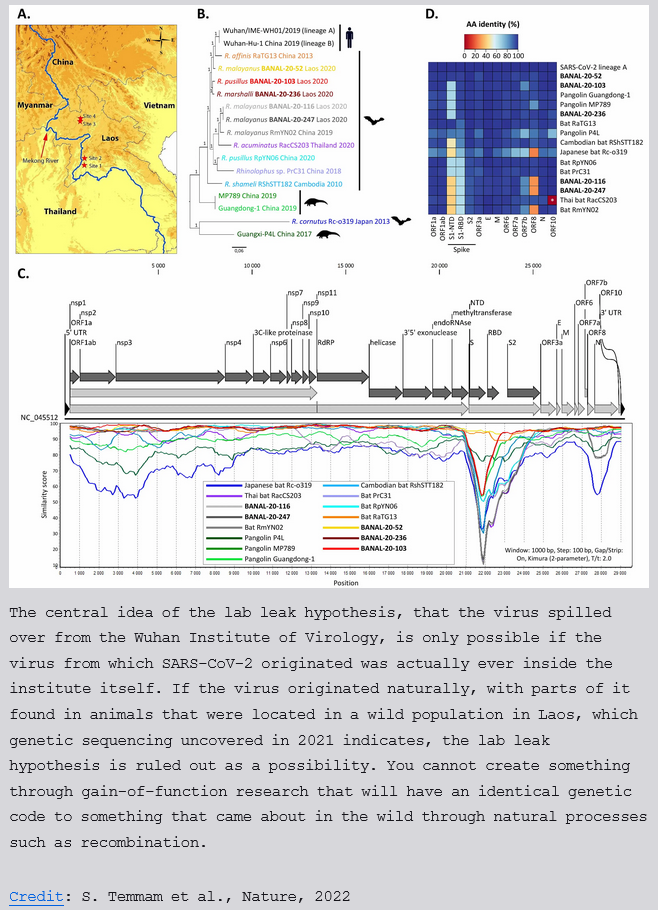
Put simply, if SARS-CoV-2 came about by frequent recombination through contact with common virus-carrying animals in the wild, we would expect it to display a mix of genome segments shared between it and several of their close cousins. However, if SARS-CoV-2 came about through manipulation in a lab, such as through gain-of-function research, we would expect a close match to one and only one “initial” strain, with the remainder of the genome failing to match any other wild strains. The discovery that SARS-CoV-2 does indeed have what biologists call a mosaic genome makes it abundantly clear that it could not have arisen through laboratory manipulation of an initial, single strain, through gain-of-function research or otherwise.

0

Breakthrough Research Explains Why Red Meat Raises Cancer Risk

Breakthrough Research Explains Why Red Meat Raises Cancer Risk vegnews.com
preview

Iron-(Fe3+)-Dependent Reactivation of Telomerase Drives Colorectal Cancers | Cancer Discovery | American Association for Cancer Research

Over-consumption of iron-rich red meat and hereditary or genetic iron overload are associated with an increased risk of colorectal carcinogenesis, yet the mechanistic basis of how metal-mediated signaling leads to oncogenesis remains enigmatic. Using fresh colorectal cancer samples we identify Pirin, an iron sensor, that overcomes a rate-limiting step in oncogenesis, by reactivating the dormant human telomerase reverse transcriptase (hTERT) subunit of the telomerase holoenzyme in an iron-(Fe3+)-dependent manner and thereby drives colorectal cancers. Chemical genetic screens combined with isothermal dose-response fingerprinting and mass spectrometry identified a small molecule SP2509 that specifically inhibits Pirin-mediated hTERT reactivation in colorectal cancers by competing with iron-(Fe3+) binding. Our findings, first to document how metal ions reactivate telomerase, provide a molecular mechanism for the well-known association between red meat and increased incidence of colorectal cancers. Small molecules like SP2509 represent a novel modality to target telomerase that acts as a driver of 90% of human cancers and is yet to be targeted in clinic.

Significance: We show how iron-(Fe3+) in collusion with genetic factors reactivates telomerase, providing a molecular mechanism for the association between iron overload and increased incidence of colorectal cancers. Although no enzymatic inhibitors of telomerase have entered the clinic, we identify SP2509, a small molecule that targets telomerase reactivation and function in colorectal cancers.

0

Prejudice Across Species Lines: Testing for a Link Between the Devaluation of Humans and Non-Human Animals| Psychology of Human-Animal Intergroup Relations

preview

People who are prejudiced against one social group also tend to be prejudiced against other social groups, that is, they show generalized prejudice. Many scholars have noted parallels between the devaluation and exploitation of certain human groups (e.g., racism, sexism, and other forms of prejudice) and the treatment of non-human animals (often referred to as speciesism), suggesting that generalized prejudice may even extend across species lines. I tested this hypothesis using panel data with large and demographically diverse participant samples and different operationalizations of the devaluation of humans and animals. Study 1 (56,759 participants from 46 European countries) revealed a positive association between human-directed prejudice and human supremacy beliefs and this association was still observed when controlling for various socio-demographic factors (e.g., gender, educational attainment, religiosity, political orientation). Study 2 (1,566 Dutch participants) revealed positive associations between human-directed prejudice and a host of attitudes, beliefs, emotional responses, and behaviors related to meat consumption. For the majority of tests, this positive association was still observed when controlling for socio-demographic factors. Thus, both studies suggest that people who devalue human groups also tend to devalue the welfare and interests of animals. The current findings support recent theorizing on the common psychological roots of human-directed and animal-directed prejudice and attest to the generality of generalized prejudice.

Article about this paper: faunalytics.org/devaluation-of-animals-is-linked-…

0

The $212 Billion Dollar Food ingredient poisoning your Brain? RE: What I've Learned

play · youtube.com
YouTube The $212 Billion Dollar Food ingredient poisoning your Brain? RE: What I&#39;ve Learned www.youtube.com
preview

Seed oils like canola give you “Oil Brain” and we would be dumb without fish according to What I’ve Learned. Let’s see if the claims add up.

The “how I failed to learn” YouTube channel is at it again.

Seed oils like canola give you “Oil Brain” and we would be dumb without fish according to What I’ve Learned. Let’s see if the claims add up.

The “how I failed to learn” YouTube channel is at it again.

0

Characterizing the Areal Extent of PFAS Contamination in Fish Species Downgradient of AFFF Source Zones

preview

Most monitoring programs next to large per- and polyfluoroalkyl substances (PFAS) sources focus on drinking water contamination near source zones. However, less is understood about how these sources affect downgradient hydrological systems and food webs. Here, we report paired PFAS measurements in water, sediment, and aquatic biota along a hydrological gradient away from source zones contaminated by the use of legacy aqueous film-forming foam (AFFF) manufactured using electrochemical fluorination. Clustering analysis indicates that the PFAS composition characteristic of AFFF is detectable in water and fishes >8 km from the source. Concentrations of 38 targeted PFAS and extractable organofluorine (EOF) decreased in fishes downgradient of the AFFF-contaminated source zones. However, PFAS concentrations remained above consumption limits at all locations within the affected watershed. Perfluoroalkyl sulfonamide precursors accounted for approximately half of targeted PFAS in fish tissues, which explain >90% of EOF across all sampling locations. Suspect screening analyses revealed the presence of a polyfluoroketone pharmaceutical in fish species, and a fluorinated agrochemical in water that likely does not accumulate in biological tissues, suggesting the presence of diffuse sources such as septic system and agrochemical inputs throughout the watershed in addition to AFFF contamination. Based on these results, monitoring programs that consider all hydrologically connected regions within watersheds affected by large PFAS sources would help ensure public health protection.

Most monitoring programs next to large per- and polyfluoroalkyl substances (PFAS) sources focus on drinking water contamination near source zones. However, less is understood about how these sources affect downgradient hydrological systems and food webs. Here, we report paired PFAS measurements in water, sediment, and aquatic biota along a hydrological gradient away from source zones contaminated by the use of legacy aqueous film-forming foam (AFFF) manufactured using electrochemical fluorination. Clustering analysis indicates that the PFAS composition characteristic of AFFF is detectable in water and fishes >8 km from the source. Concentrations of 38 targeted PFAS and extractable organofluorine (EOF) decreased in fishes downgradient of the AFFF-contaminated source zones. However, PFAS concentrations remained above consumption limits at all locations within the affected watershed. Perfluoroalkyl sulfonamide precursors accounted for approximately half of targeted PFAS in fish tissues, which explain >90% of EOF across all sampling locations. Suspect screening analyses revealed the presence of a polyfluoroketone pharmaceutical in fish species, and a fluorinated agrochemical in water that likely does not accumulate in biological tissues, suggesting the presence of diffuse sources such as septic system and agrochemical inputs throughout the watershed in addition to AFFF contamination. Based on these results, monitoring programs that consider all hydrologically connected regions within watersheds affected by large PFAS sources would help ensure public health protection.

0

The Origin of Cultivation and Proto-Weeds, Long Before Neolithic Farming

The Origin of Cultivation and Proto-Weeds, Long Before Neolithic Farming journals.plos.org
preview

Weeds are currently present in a wide range of ecosystems worldwide. Although the beginning of their evolution is largely unknown, researchers assumed that they developed in tandem with cultivation since the appearance of agricultural habitats some 12,000 years ago. These rapidly-evolving plants invaded the human disturbed areas and thrived in the new habitat. Here we present unprecedented new findings of the presence of “proto-weeds” and small-scale trial cultivation in Ohalo II, a 23,000-year-old hunter-gatherers’ sedentary camp on the shore of the Sea of Galilee, Israel. We examined the plant remains retrieved from the site (ca. 150,000 specimens), placing particular emphasis on the search for evidence of plant cultivation by Ohalo II people and the presence of weed species. The archaeobotanically-rich plant assemblage demonstrates extensive human gathering of over 140 plant species and food preparation by grinding wild wheat and barley. Among these, we identified 13 well-known current weeds mixed with numerous seeds of wild emmer, barley, and oat. This collection provides the earliest evidence of a human-disturbed environment—at least 11 millennia before the onset of agriculture—that provided the conditions for the development of “proto-weeds”, a prerequisite for weed evolution. Finally, we suggest that their presence indicates the earliest, small-scale attempt to cultivate wild cereals seen in the archaeological record.

Weeds are currently present in a wide range of ecosystems worldwide. Although the beginning of their evolution is largely unknown, researchers assumed that they developed in tandem with cultivation since the appearance of agricultural habitats some 12,000 years ago. These rapidly-evolving plants invaded the human disturbed areas and thrived in the new habitat. Here we present unprecedented new findings of the presence of “proto-weeds” and small-scale trial cultivation in Ohalo II, a 23,000-year-old hunter-gatherers’ sedentary camp on the shore of the Sea of Galilee, Israel. We examined the plant remains retrieved from the site (ca. 150,000 specimens), placing particular emphasis on the search for evidence of plant cultivation by Ohalo II people and the presence of weed species. The archaeobotanically-rich plant assemblage demonstrates extensive human gathering of over 140 plant species and food preparation by grinding wild wheat and barley. Among these, we identified 13 well-known current weeds mixed with numerous seeds of wild emmer, barley, and oat. This collection provides the earliest evidence of a human-disturbed environment—at least 11 millennia before the onset of agriculture—that provided the conditions for the development of “proto-weeds”, a prerequisite for weed evolution. Finally, we suggest that their presence indicates the earliest, small-scale attempt to cultivate wild cereals seen in the archaeological record.

0

Animal-welfare-labelled meat is not a stepping stone to animal-free diets: empirical evidence from a survey

preview

A survey is used to test a stepping stone model for meat reduction and farm animal suffering elimination. People’s preferences to eat conventional meat, animal-welfare-certified meat and plant-based meat substitutes are measured in hypothetical situations where everyone else eats certified meat or plant-based meat substitutes. These preferences reflect social norms about food. When everyone else follows a harmful social norm, such as eating conventional meat, violating this norm by following a different diet becomes costly due to social sanctions. Either the survey method has a low sensitivity to detect real stepping stones, or the survey evidence suggests that animal-welfare-labelled meat is not a stepping stone towards the reduction and elimination of animal-based meat. If people transition to eating welfare-labelled meat, they may become less likely to eliminate meat from their diet. Everyone eating welfare-labelled meat is an absorbing state, which prevents a further transition to animal-free meat substitutes. The survey shows very weak and mixed evidence that the introduction of an animal welfare label could be counterproductive for animal welfare. In the long run it could result in a locked-in equilibrium with a less harmful social norm, i.e. a suboptimal state of animal farming that still contains animal suffering.

A survey is used to test a stepping stone model for meat reduction and farm animal suffering elimination. People’s preferences to eat conventional meat, animal-welfare-certified meat and plant-based meat substitutes are measured in hypothetical situations where everyone else eats certified meat or plant-based meat substitutes. These preferences reflect social norms about food. When everyone else follows a harmful social norm, such as eating conventional meat, violating this norm by following a different diet becomes costly due to social sanctions. Either the survey method has a low sensitivity to detect real stepping stones, or the survey evidence suggests that animal-welfare-labelled meat is not a stepping stone towards the reduction and elimination of animal-based meat. If people transition to eating welfare-labelled meat, they may become less likely to eliminate meat from their diet. Everyone eating welfare-labelled meat is an absorbing state, which prevents a further transition to animal-free meat substitutes. The survey shows very weak and mixed evidence that the introduction of an animal welfare label could be counterproductive for animal welfare. In the long run it could result in a locked-in equilibrium with a less harmful social norm, i.e. a suboptimal state of animal farming that still contains animal suffering.

0

2 Diabetes Reversal Programs: 1 Winner.

play · youtube.com
YouTube Virta Health vs Salud en tu Plato: Real Patient Results www.youtube.com
preview
  • 0:00 The Virta Health approach
  • 1:30 The Salud en tu Plato approach
  • 3:58 Patient results
  • 8:11 Salud’s medical director
  • 9:16 Salud’s diet
  • 12:17 A truck driver story
  • 15:35 The Hispanic diabetes epidemic
  • 18:12 The practical side
  • 21:03 Funding the program
  • 23:14 Virta Health & ketosis don’t work

There’s a list of references in the video description. I’m not going to paste them because they’re YouTube redirection links which are personalized with tracking.

0

The highly pathogenic H5N1 virus found in U.S. dairy cattle has some characteristics that could enhance infection and transmission among mammals

Nature The highly pathogenic H5N1 virus found in U.S. dairy cattle has some characteristics that could enhance infection and transmission among mammals - Lab Animal www.nature.com
preview

This is a letter/comment on its own. Read it.

This is a letter/comment on its own. Read it.

0

Reducing climate change impacts from the global food system through diet shifts

Nature Reducing climate change impacts from the global food system through diet shifts - Nature Climate Change www.nature.com
preview

How much and what we eat and where it is produced can create huge differences in GHG emissions. On the basis of detailed household-expenditure data, we evaluate the unequal distribution of dietary emissions from 140 food products in 139 countries or areas and further model changes in emissions of global diet shifts. Within countries, consumer groups with higher expenditures generally cause more dietary emissions due to higher red meat and dairy intake. Such inequality is more pronounced in low-income countries. The present global annual dietary emissions would fall by 17% with the worldwide adoption of the EAT-Lancet planetary health diet, primarily attributed to shifts from red meat to legumes and nuts as principal protein sources. More than half (56.9%) of the global population, which is presently overconsuming, would save 32.4% of global emissions through diet shifts, offsetting the 15.4% increase in global emissions from presently underconsuming populations moving towards healthier diets.

News explainer: Changing food consumers’ choices may help cut greenhouse gases | ScienceDaily

0

Overfishing drives over one-third of all sharks and rays toward a global extinction crisis

preview

Highlights

  • •

    More than one-third of chondrichthyan fish species are threatened by overfishing

  • •

    Disproportionate threat in tropics risk loss of ecosystem functions and services

  • •

    Three species not seen in >80 years are Critically Endangered (Possibly Extinct)

  • •

    The depletion of these species has been driven by continuing demand for human food

Summary

The scale and drivers of marine biodiversity loss are being revealed by the International Union for Conservation of Nature (IUCN) Red List assessment process. We present the first global reassessment of 1,199 species in Class Chondrichthyes—sharks, rays, and chimeras. The first global assessment (in 2014) concluded that one-quarter (24%) of species were threatened. Now, 391 (32.6%) species are threatened with extinction. When this percentage of threat is applied to Data Deficient species, more than one-third (37.5%) of chondrichthyans are estimated to be threatened, with much of this change resulting from new information. Three species are Critically Endangered (Possibly Extinct), representing possibly the first global marine fish extinctions due to overfishing. Consequently, the chondrichthyan extinction rate is potentially 25 extinctions per million species years, comparable to that of terrestrial vertebrates. Overfishing is the universal threat affecting all 391 threatened species and is the sole threat for 67.3% of species and interacts with three other threats for the remaining third: loss and degradation of habitat (31.2% of threatened species), climate change (10.2%), and pollution (6.9%). Species are disproportionately threatened in tropical and subtropical coastal waters. Science-based limits on fishing, effective marine protected areas, and approaches that reduce or eliminate fishing mortality are urgently needed to minimize mortality of threatened species and ensure sustainable catch and trade of others. Immediate action is essential to prevent further extinctions and protect the potential for food security and ecosystem functions provided by this iconic lineage of predators.

0

Global shark fishing mortality still rising despite widespread regulatory change

preview

Editor’s summary

Over the past decade, the plight of the world’s sharks has received much attention, resulting in increased regulation and finning bans. However, whether this increased attention has translated into improved outcomes for sharks is unclear. Worm et al. estimated fishing-induced mortality globally and found that, overall, it has continued to increase over the past 10 years. Finning bans had little impact, but fishing regulations did reduce mortality. —Sacha Vignieri

Abstract

Over the past two decades, sharks have been increasingly recognized among the world’s most threatened wildlife and hence have received heightened scientific and regulatory scrutiny. Yet, the effect of protective regulations on shark fishing mortality has not been evaluated at a global scale. Here we estimate that total fishing mortality increased from at least 76 to 80 million sharks between 2012 and 2019, ~25 million of which were threatened species. Mortality increased by 4% in coastal waters but decreased by 7% in pelagic fisheries, especially across the Atlantic and Western Pacific. By linking fishing mortality data to the global regulatory landscape, we show that widespread legislation designed to prevent shark finning did not reduce mortality but that regional shark fishing or retention bans had some success. These analyses, combined with expert interviews, highlight evidence-based solutions to reverse the continued overexploitation of sharks.

news.mongabay.com/…/shark-fin-consumption-wanes-i…

0

Dispersal limitation induces long-term biomass collapse in overhunted Amazonian forests

preview

Significance

A standardized network of wildlife surveys across 166 Amazonian hunted and nonhunted forests, combined with basin-wide spatial modeling of central-place hunting pressure, reveal the degree to which arboreal frugivores have been extirpated by hunters and the spatial extent of overhunting for harvest-sensitive frugivore species across the Brazilian Amazon. Simulations based on data from 2,345 1-ha tree plots inventoried throughout Brazilian Amazonia then show widespread erosion of forest carbon stocks in the world’s largest tropical forest region.

Abstract

Tropical forests are the global cornerstone of biological diversity, and store 55% of the forest carbon stock globally, yet sustained provisioning of these forest ecosystem services may be threatened by hunting-induced extinctions of plant–animal mutualisms that maintain long-term forest dynamics. Large-bodied Atelinae primates and tapirs in particular offer nonredundant seed-dispersal services for many large-seeded Neotropical tree species, which on average have higher wood density than smaller-seeded and wind-dispersed trees. We used field data and models to project the spatial impact of hunting on large primates by ∼1 million rural households throughout the Brazilian Amazon. We then used a unique baseline dataset on 2,345 1-ha tree plots arrayed across the Brazilian Amazon to model changes in aboveground forest biomass under different scenarios of hunting-induced large-bodied frugivore extirpation. We project that defaunation of the most harvest-sensitive species will lead to losses in aboveground biomass of between 2.5–5.8% on average, with some losses as high as 26.5–37.8%. These findings highlight an urgent need to manage the sustainability of game hunting in both protected and unprotected tropical forests, and place full biodiversity integrity, including populations of large frugivorous vertebrates, firmly in the agenda of reducing emissions from deforestation and forest degradation (REDD+) programs.