

showing posts flaired Spacecraft — clear

0

A million data centre satellites will usher in a new era of space pollution

preview

Let’s pretend that it was possible to do a data centre in space, for a minute. What would that do to the atmosphere?
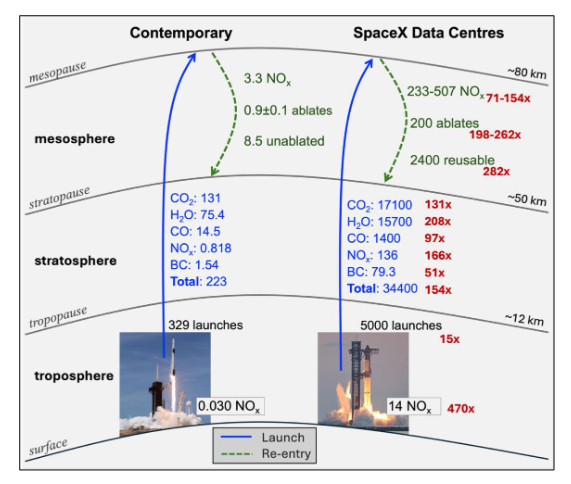
image

Related: here’s what it would do to the night sky: https://arxiv.org/pdf/2608.02757. Commentary by the author adds:

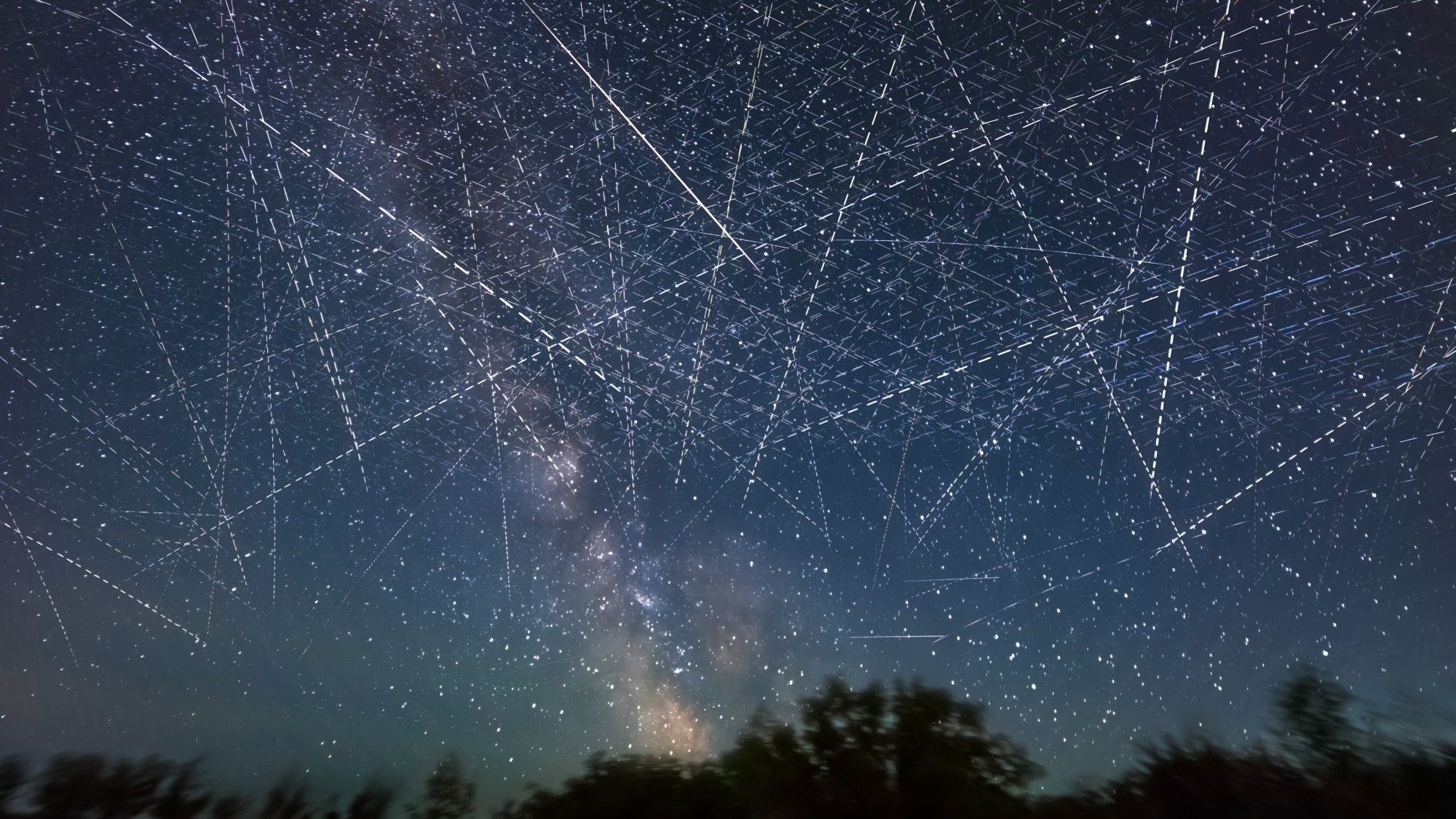
Many times more visible satellites than stars in the sky, and many of them brighter than most/all stars. This is a conservative estimate, SpaceX actually wants to make their satellites even bigger than we modelled.

Oh and:

“Fortunately,” even with the most generous possible assumptions on sizes, stationkeeping, and collision avoidance maneuvers, and ignoring ALL OTHER SATELLITES AND DEBRIS, this megaconstellation is above the runaway collision threshold all by itself and would put us into full, fast-timescale Kessler Syndrome. https://arxiv.org/pdf/2607.29644

Let’s pretend that it was possible to do a data centre in space, for a minute. What would that do to the atmosphere?

image

Related: here’s what it would do to the night sky: https://arxiv.org/pdf/2608.02757. Commentary by the author adds:

Many times more visible satellites than stars in the sky, and many of them brighter than most/all stars. This is a conservative estimate, SpaceX actually wants to make their satellites even bigger than we modelled.

Oh and:

“Fortunately,” even with the most generous possible assumptions on sizes, stationkeeping, and collision avoidance maneuvers, and ignoring ALL OTHER SATELLITES AND DEBRIS, this megaconstellation is above the runaway collision threshold all by itself and would put us into full, fast-timescale Kessler Syndrome. https://arxiv.org/pdf/2607.29644
0

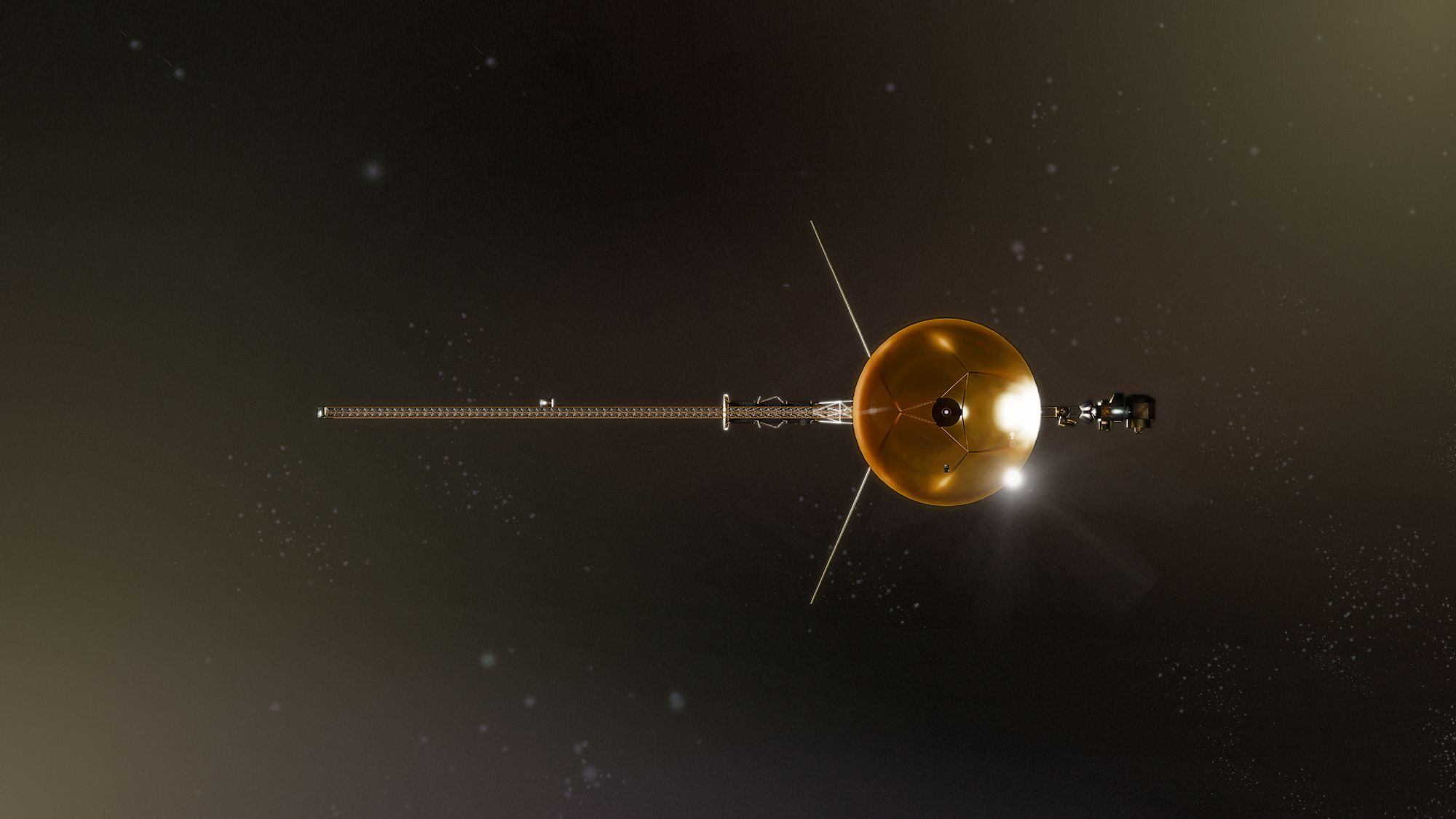
Voyager 1 has reached 1 light day from Earth!

preview

As of 5:16 EST (UTC-5), or 10:16 (UTC), Voyager 1 is now one light day away from Earth! It’s honestly amazing that, even after nearly 50 years, the Voyager probes are still operational AND are still communicating information to Earth :D

If you didn’t know, Voyager 1 and 2 were the first manmade objects to have reached interstellar space, and they explored the outer Solar System planets. Voyager 1 famously captured the first Solar System family portrait, as well as the “Pale Blue Dot” picture.

Voyager 1 explored Jupiter and Saturn, as well as a flyby of Titan, Saturn’s largest moon, while Voyager 2 explored all four giant planets (and remains the only probe to have done a close flyby of Uranus and Neptune). In less than a year, both probes will celebrate their 50 year anniversary since launch in 1977!

One light day is the distance that a photon travels in 24 hours, and the nearest stars are light years away. Space is very big indeed. It is still so incredible the things humanity has achieved!

https://science.nasa.gov/mission/voyager/voyager-1/voyager-1-what-is-a-light-day/

0

Satellites now outnumber the visible stars above most towns

Space Satellites now outnumber the visible stars above most towns www.space.com
preview

More than 700 satellites are crossing the sky over an average mid-latitude town at any moment of the night, outnumbering in many cases the stars visible to the naked eye.

More than 700 satellites are crossing the sky over an average mid-latitude town at any moment of the night, outnumbering in many cases the stars visible to the naked eye.

0

Nuclear bomb in space would disable 98 per cent of satellites within a week

ScienceAlert Study Shows a Single Nuclear Blast Could Disable 99% of Satellites in a Matter of Days www.sciencealert.com
preview

Just one nuclear explosion in space would have global and long-lasting repercussions, disabling almost every satellite and creating technological chaos from which it would take years to recover, warn experts

Just one nuclear explosion in space would have global and long-lasting repercussions, disabling almost every satellite and creating technological chaos from which it would take years to recover, warn experts

0

NASA's interstellar Voyager 1 probe is about to reach 1 light-day from Earth after nearly 50 years in space

Space NASA's interstellar Voyager 1 probe is about to reach 1 light-day from Earth after nearly 50 years in space www.space.com
preview

NASA’s long-running interstellar Voyager 1 probe will mark one light-day of distance from Earth on Nov. 18, when the spacecraft is 49 years, two months and 11 days old.

NASA’s long-running interstellar Voyager 1 probe will mark one light-day of distance from Earth on Nov. 18, when the spacecraft is 49 years, two months and 11 days old.

0

Rocket from Boeing-Lockheed firm fails mid-flight, destroys payload of Amazon satellites

preview
  • Vulcan rocket failure occurred 10 minutes into flight, cause not clear
  • 40 Amazon satellites lost in latest setback for company’s deployment schedule
  • Mishap marks ULA’s first mission failure in 20-year history
  • Vulcan rocket failure occurred 10 minutes into flight, cause not clear
  • 40 Amazon satellites lost in latest setback for company’s deployment schedule
  • Mishap marks ULA’s first mission failure in 20-year history
0

SpaceX’s Starship nails a smooth return with historic catch

Al Jazeera SpaceX’s Starship nails a smooth return with historic catch www.aljazeera.com
preview

SpaceX Starship made a triumphant return to Earth, caught midair by giant mechanical ‘chopsticks’. Pretty crazy how they do it in mid-air instead of having it land on the ground.

SpaceX Starship made a triumphant return to Earth, caught midair by giant mechanical ‘chopsticks’. Pretty crazy how they do it in mid-air instead of having it land on the ground.

0

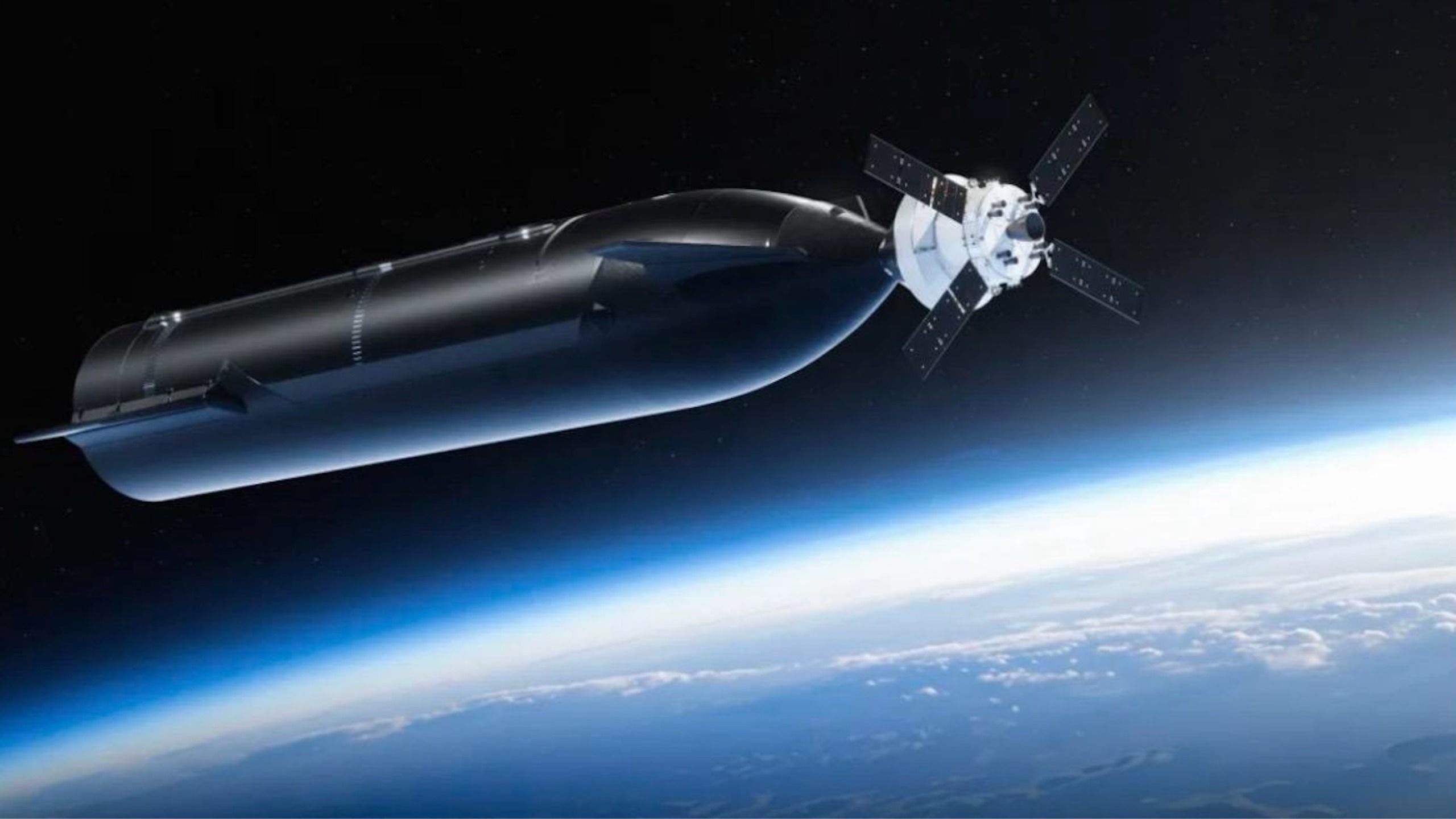
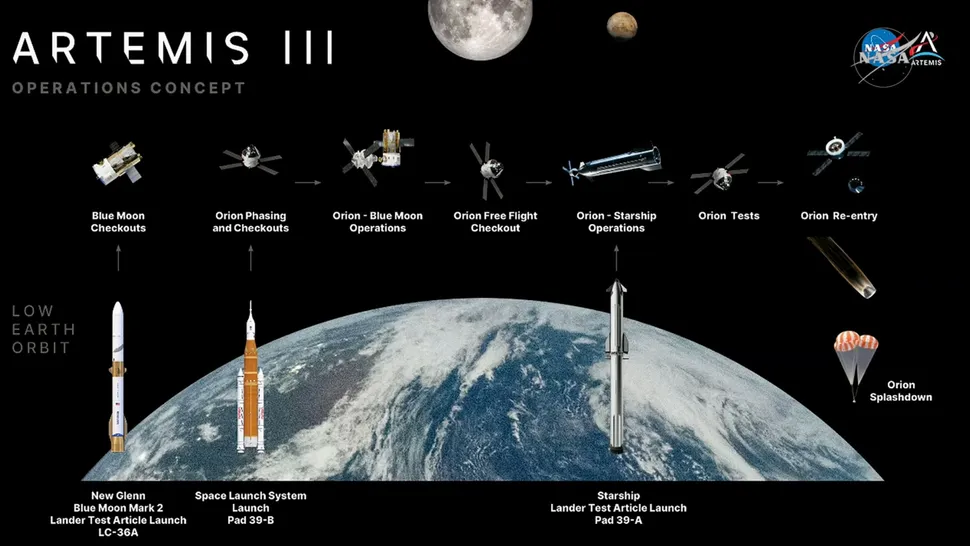
NASA has laid out a 14-day schedule for its upcoming Artemis III mission, set to lift off in summer 2027

Space NASA lays out plan for Artemis 3 moon-lander test flight — but when will it launch? www.space.com
preview

NASA just gave us our best look yet at its Artemis III moon-lander test flight, which is scheduled to launch to Earth orbit next year.

“We’re launching three of the most powerful rockets in the world, and undertaking what is likely the most complicated launch campaign ever undertaken,” Jeremy Parsons, NASA’s Artemis program manager, said during today’s event, which lasted more than two hours.

launches

0

Japan's MMX mission set to bring back a piece of Mars's moon Phobos

Japan's MMX mission set to grab a piece of Mars's moon Phobos www.bbc.com
preview

A spacecraft is set to launch on an ambitious mission to bring 10g of Martian moon dust back to Earth.

A spacecraft is set to launch on an ambitious mission to bring 10g of Martian moon dust back to Earth.

0

A pair of spacecraft draw closer to Mercury after nearly decade-long voyage

preview

If all goes well, the conjoined spacecraft known as BepiColombo will enter orbit around Mercury in November and split from each other in December to map and study the entire planet from different altitudes.

If all goes well, the conjoined spacecraft known as BepiColombo will enter orbit around Mercury in November and split from each other in December to map and study the entire planet from different altitudes.