0
#geopol
posts tagged #geopol

0
preview
Xi Jinping is departing hard from his usual highly regimented, scripted visits for this one. There’s no set agenda.
It makes you think we should be on the lookout for something big, here.
Ukraine and Taiwan are the obvious issues, although the experts in here doubt they’ll come up. More generally, for those of us trying to move away from both of them, the prospect of any cooperation between the US and China is pretty terrifying.
0
preview
Per Financial Times, Beijing aims to build an international system with a decisive Chinese role. The upcoming APEC summit in Shenzhen will showcase this new global vision.
China proposes retaining the UN, WTO, and other institutions but revising their operating principles. Western analysts believe Beijing intends to export its centralized governance model globally.
0

Russia Revives Demand That NATO Retrench to Secure Ukraine Deal
www.nytimes.com
preview
0
0
0
the Guardian
UK’s ‘incoherent’ approach to China plagued by lack of expertise, report says
www.theguardian.com
0
preview
Every figure comes from the primary record: the arms notifications to Congress, the statute text, and the contracting that decides what actually ships. Built for people who want the paperwork, not the framing. Full breakdown: www.youtube.com/watch?v=6H0bqOORbXM
Every figure comes from the primary record: the arms notifications to Congress, the statute text, and the contracting that decides what actually ships. Built for people who want the paperwork, not the framing. Full breakdown: www.youtube.com/watch?v=6H0bqOORbXM
0
preview
In the month aid arrives, anonymous Bitcoin volume through tax-haven exchanges rises about 137%. Identified volume rises about a third as much. Almost all new crypto entry happens through newly created anonymous wallets.
In the month aid arrives, anonymous Bitcoin volume through tax-haven exchanges rises about 137%. Identified volume rises about a third as much. Almost all new crypto entry happens through newly created anonymous wallets.
0
preview
The 1999 apartment bombings that made Putin, and the story that still does not add up.
Full episode on Paper Trail: www.youtube.com/@papertrailgeo Subscribe for the paperwork behind the headlines. Sources listed in the video.
The 1999 apartment bombings that made Putin, and the story that still does not add up.
Full episode on Paper Trail: www.youtube.com/@papertrailgeo Subscribe for the paperwork behind the headlines. Sources listed in the video.
0
0

Al Jazeera
‘Everything changed’: The human cost of 25 years of US wars
www.aljazeera.com
0

Foreign Policy
China Isn’t Scared of Trump’s Squeeze on Iran
foreignpolicy.com
0

Why are European countries moving their gold out of North America?
www.bbc.com
0
0

Summit With Russia, India and Iran Shows Leverage Wars Have Given Xi of China
www.nytimes.com
preview
0

Global News
The full list of 700 retaliatory tariffs Canada is imposing on the U.S. - National | Globalnews.ca
globalnews.ca
0

0

CTVNews
Trump tells Canada to ‘fall in line’ as Carney rejects subordination
www.ctvnews.ca
0
0

YouTube
Lawrence Wilkerson: U.S. Considers Nuclear Strike Against Iran
www.youtube.com
0

The New Arab
The Ceuta ’crisis’ is the cost of deadly EU policies
www.newarab.com
0
0
Responsible Statecraft
The road to Trump's heart goes through Israel
responsiblestatecraft.org
preview
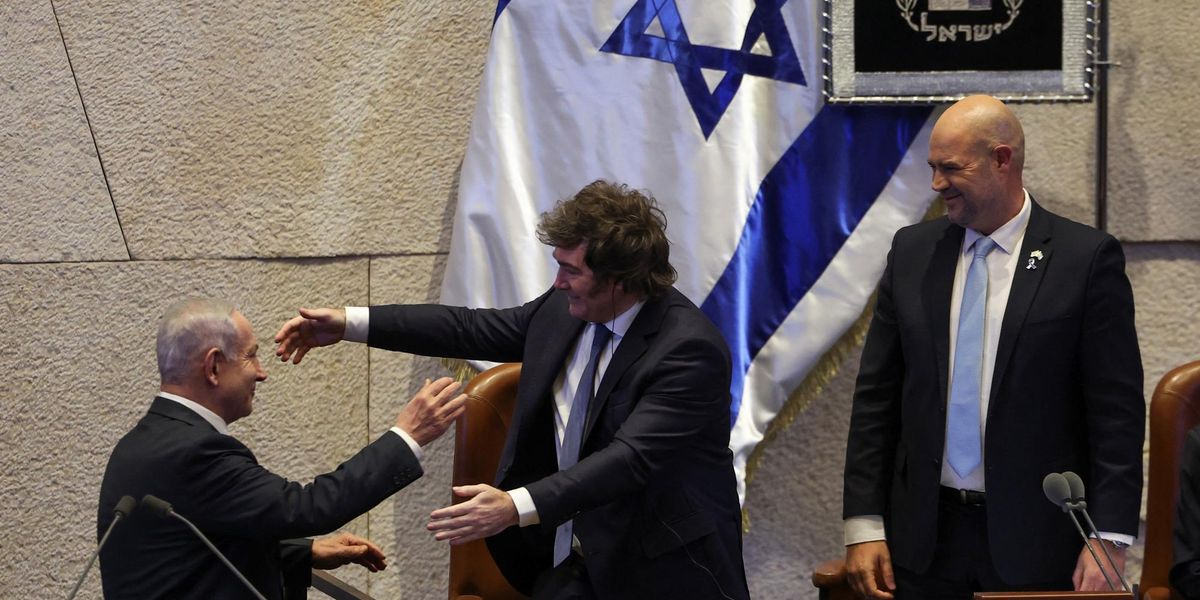
Latin America analysts tell Responsible Statecraft that while there may be ideological, economic, or security motivations peculiar to each nation, this pivot functions primarily as a way for regional leaders to curry favor with the Trump administration. “In the end, the main interest for all of these countries is the United States,” Marta Tawil Kuri, a professor at College of Mexico who researches the foreign policy of Latin American countries towards the Middle East, told Responsible Statecraft.
“There is a new generation of the right [in Latin America] (…) using rapprochement with Israel as a way of signaling alignment with Washington,” she said, adding that each government filters this relationship through their domestic political factors.
One cannot discount Israel’s own deliberate diplomatic push to shore up ties with friendly governments at a moment when global public opinion is turning against it. For some of these countries, this isn’t a stretch.
0
New Lines Magazine
The Sacred Convictions That Preserve the Profane Red Lines of Partition
newlinesmag.com
preview
No one at the table feels especially cruel. No one feels especially responsible either. The line looks neat enough. On paper, it offends no one. It is drawn less out of conviction than fatigue: a desire to finish, to conclude, to leave matters behind in a form that will not require further explanation.
Maps have always looked more confident than the world they describe.
0
preview
The paper specifically talks about how a US war on Iran affects Chinese energy security. It discusses the role the US plays in what they call “Ukraine’s” kill chain. Highlights how color revolutions and information warfare to destabilize the Belt and Road initiative, and even talks about how Uyghur terrorists are used in Syria.
We are in a middle of a global conflict between G7 bloc centered on the US and the rest of humanity.
0

Chemical & Engineering News
Iran War leads to profit surge for many chemical producers
cen.acs.org
0
Militarnyi
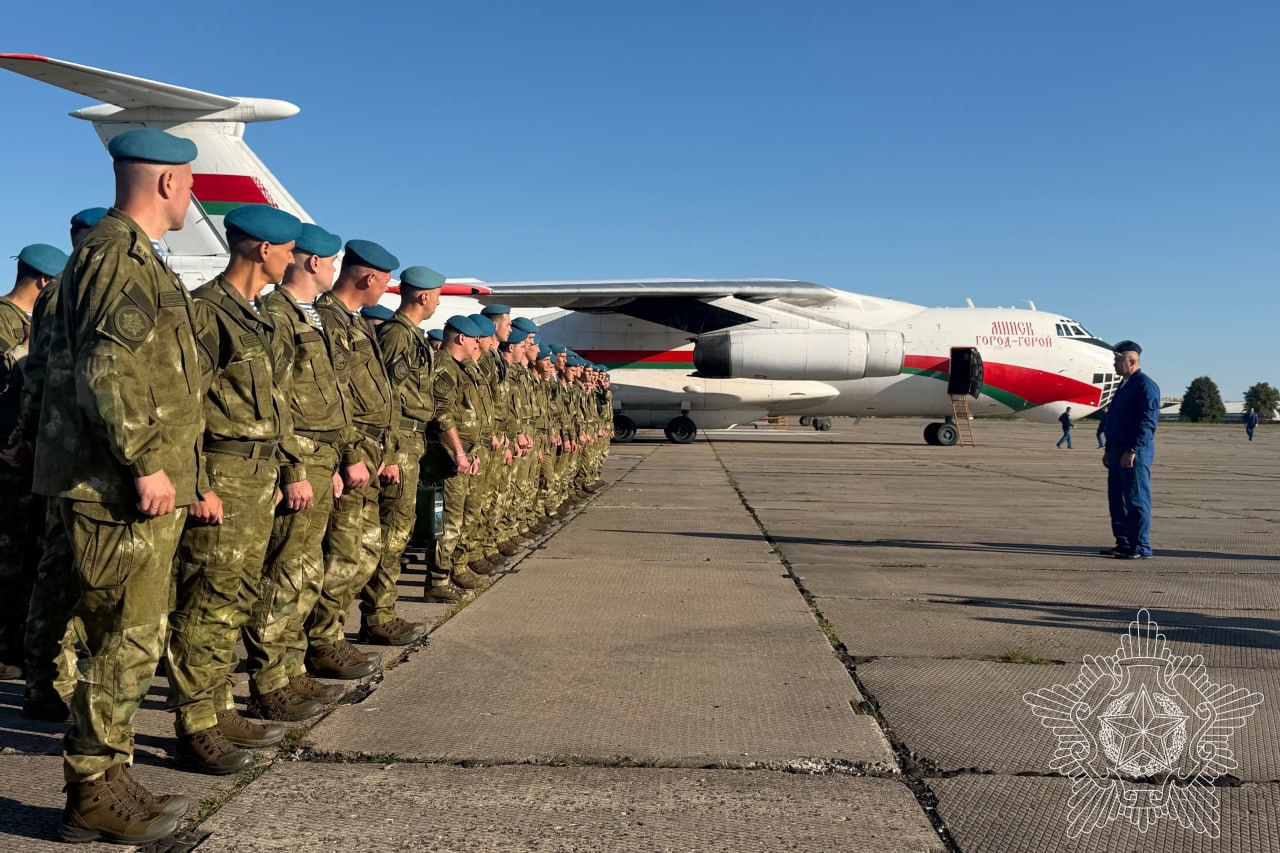
Belarus Sent Special Forces to China for Joint Tactical Exercises
militarnyi.com
0

Militarnyi
A Day Without GPS: Denmark Reports Navigation Disruptions for Ships in Baltic Sea
militarnyi.com
preview
As we are increasingly likely entering into a third world war it is jarring how much people assume GPS will always magically be there.
GPS will be one of the first casualties of WW3.
As we are increasingly likely entering into a third world war it is jarring how much people assume GPS will always magically be there.
GPS will be one of the first casualties of WW3.
0

RFI
Ceuta migrants caught between humanitarian disaster and diplomatic row
www.rfi.fr
preview
“It’s simplistic to say that Morocco should just have used force to stop them. That is to completely misunderstand this phenomenon,” he said. “Could Spain, seeing them coming, have done something to stop them simply using weapons and security forces? That’s not possible.”
For Cembrero, the Ceuta crisis is above all a human rights disaster, with a death toll that is likely to go up as authorities clear the area and attempt to identify bodies and contact families.
0
Default
From Promise to Peril: The U.S. Retreat From Civilian Harm Response
www.lawfaremedia.org
preview
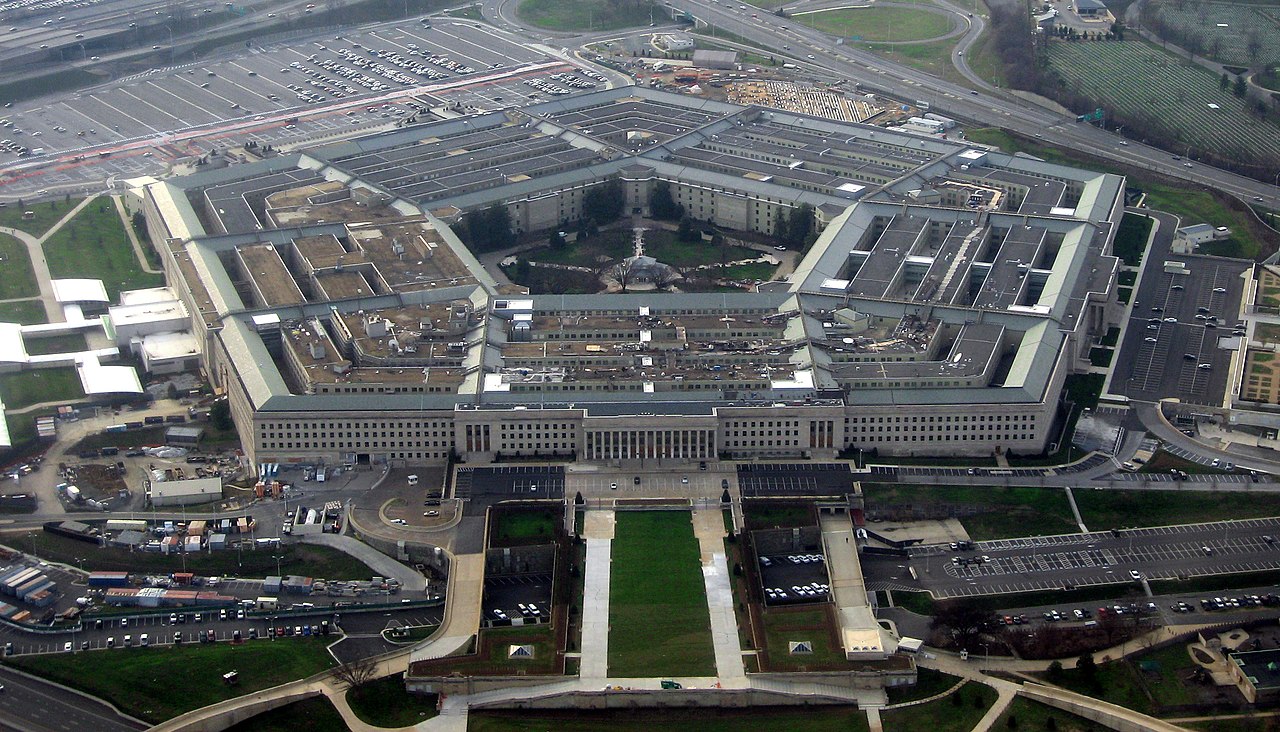
U.S. strikes on a school in Minab as part of its war on Iran, which killed more than 150 people, including 120 children, and on a migrant detention center in Yemen, which killed and injured dozens of civilians, underscore the continuing horrors of armed conflict. Since returning to the White House, the Trump administration has rapidly reversed progress on civilian harm mitigation and response (CHMR) procedures, failing to implement the Department of Defense’s 2022 Civilian Harm Mitigation and Response Action Plan (CHMR-AP) and the subsequent formal instruction, the 2023 Department of Defense Instruction 3000.17 (DOD-I). Both laid out steps to institutionalize and strengthen the U.S. military’s approach to preventing, mitigating, and responding to civilian harm caused by its own operations.
The conditions that prompted the U.S. to overhaul its approach to CHMR, including as a much-needed avenue for amends, have not disappeared. If anything, they have become more acute. Over two dozen Democratic senators have called on the Pentagon to publicize their investigation on the Minab strike so that there can be a “clear accounting of what happened and a credible plan to prevent future failures.” Another group of senators raised concerns about Secretary Hegseth’s “abandonment of legally-mandated civilian protection efforts” at the Department. A recent bill to legislate responsible military use of AI includes a provision requiring a civilian harm mitigation and response office.
…
Over the past 18 months, the U.S. has transformed from a flawed CHMR proponent to openly expressing its disdain for the laws of war. Rhetorically, this has included a shift from previous top officials recognizing the strategic value of minimizing civilian harm, while continuing to cause it, to today’s senior officials openly threatening war crimes (like “no quarter”) and denigrating rules as needless restraints. As Secretary of Defense Pete Hegseth has proposed in his “warrior ethos,” the U.S. military is now focused on “maximum lethality, not tepid legality; violent effect, not politically correct.” Similarly on amends to civilians harmed by war and long-standing international legal rules on repair, the Trump administration has shown little interest. Of the war in Iran, President Trump told the press, “to the victor belong the spoils.”
The Trump administration’s disdain for CHMR goes beyond rhetoric. Yet the unraveling did not begin with Trump. Previous administrations’ callous disregard for mass civilian harm contributed. In late 2024, two highly respected civil society organizations pointed out that “the CHMR-AP’s security cooperation commitments on paper have stood in stark contrast to the [Department of Defense’s] actual practice … particularly regarding the US government’s virtually unconditional military support to the government of Israel in the face of catastrophic civilian harm using US weapons.” Devastating air campaigns and razing tactics, from Gaza to Lebanon, appear to have shifted the goal posts for what was deemed acceptable levels of civilian harm.
0

Al Jazeera
The Mecca pact is not just another regional alliance
www.aljazeera.com
preview
A state can buy tens of billions worth of US weapons, host bases and troops, and cultivate deep ties with Washington — then discover in a crisis that the decision to act is determined by American domestic politics and geopolitical calculations largely unrelated to allied security.
Gulf capitals have now concluded that partnership, however deep, is not an automatic guarantee of protection.
0

Al Jazeera
What now as Israel rejects Trump’s 15-point plan for Gaza?
www.aljazeera.com
preview
Al Jazeera’s Nour Odeh, reporting from the occupied West Bank, said discussions around the 15-point plan, including Hamas’s disarmament and Israel’s potential withdrawal, “are extremely controversial for the [Netanyahu-led] right-wing government”.
“It seems that Netanyahu, so close to elections, has hit the reset button, saying that none of that will happen under his watch,” she said.
“This is extremely problematic for the Board of Peace and the mediators who have been working for months now to try to find a way to carry out the disarmament of Hamas and have Israel commit to a phased withdrawal from Gaza.”
Prepare for WW3
also see theguardian.com/…/israel-rejects-us-led-15-point-…
Israel had already signalled that it would reject the US-led plan. Soon after Trump announced it last month, Israel stepped up its bombing campaign in the Palestinian territory, with strikes killing 18 people last Sunday. Netanyahu’s office had previously indicated it would not back the plan, saying: “The version that has been made public does not reflect Israel’s positions.”
But Sunday’s rejection was far more forceful and direct, and appeared targeted at the Trump White House, as Trump and Netanyahu both face difficult upcoming elections. “Unlike all those who lecture us, we do what needs to be done for Israel’s security,” Netanyahu said, “and we can and know how to stand our ground, even against our best friends when necessary.”
0

The New Arab
Is Yemen going back to war after deadly Houthi strikes?
www.newarab.com
0
EU lays out $18B satellite constellation plan, with Spanish firm winning key role - Breaking Defense

Breaking Defense
EU lays out $18B satellite constellation plan, with Spanish firm winning key role - Breaking Defense
breakingdefense.com
0
The Maritime Executive
Canadian-Led Operation Reveals Scope of Illegal Fishing in North Pacific
maritime-executive.com
0

Intercontinental Cry
Eagle and Condor: How Ecuador Translated Indigenous Cosmology Into Constitutional Law – Intercontinental Cry
icmagazine.org
preview
Ecuador became the first country in the world to grant constitutional rights to nature. But before that could happen, very different ideas about nature had to find a common language. Who were the main voices in that conversation?
The debate over the Rights of Nature in Ecuador brought together three very different ways of understanding the world.
First, there are Indigenous peoples, who see themselves not as owners of nature but as part of it. Nature is not separate from society; it is the larger living system to which humans belong. Caring for nature, in this view, means caring for the community itself.
Second, there are environmentalists, many of them based in Ecuador’s cities. Their perspective is shaped by climate change and modern ecological science. They see the environment as something that must be protected through conservation, regulation, and public policy.
And finally, there is the dominant Western worldview, which tends to see nature primarily as a resource. Nature can be used, managed, and even protected — but ultimately for human purposes.
When Ecuador drafted its Constitution in 2008, these different perspectives collided in a rare national conversation. Indigenous organizations played a decisive role, but what ultimately made the Rights of Nature possible was an alliance between Indigenous movements and environmentalists.
…
The Constitution transformed a lived relationship with nature into a language that courts, governments, and legal institutions could understand. In doing so, it recognized something revolutionary: that humans are part of nature, and that nature itself possesses the right to exist, regenerate, and maintain its vital cycles.
0
preview
hi i just found this community and am actually very interested in geopolitics. are there any discussion / philosophy posts here as well, or only news articles? i.e. historical discussion about how geopolitics was seen in the medieval age; how the modern versions of geopolitics emerged out of that, etc.
hi i just found this community and am actually very interested in geopolitics. are there any discussion / philosophy posts here as well, or only news articles? i.e. historical discussion about how geopolitics was seen in the medieval age; how the modern versions of geopolitics emerged out of that, etc.
0
Trump announces $560m critical minerals investment in tiny NSW town
www.abc.net.au
preview
The Pentagon is investing more than half a billion dollars to expand an Australian critical mineral project poised to become the world’s first scandium mine, US President Donald Trump has announced.
The $US400 million ($560m) loan to Sunrise Energy Metals’ Syerston scandium project in central west NSW is expected to shore up America’s supply of the “increasingly critical mineral” used in aerospace, defence and automotive sectors.
Scandium is already used widely for defence, aerospace and energy applications, but nearly all supply comes from China, Russia and Ukraine. The US has not mined scandium since 1969.
0
Six Reasons Why the United States Is Low on Munitions
www.csis.org
preview
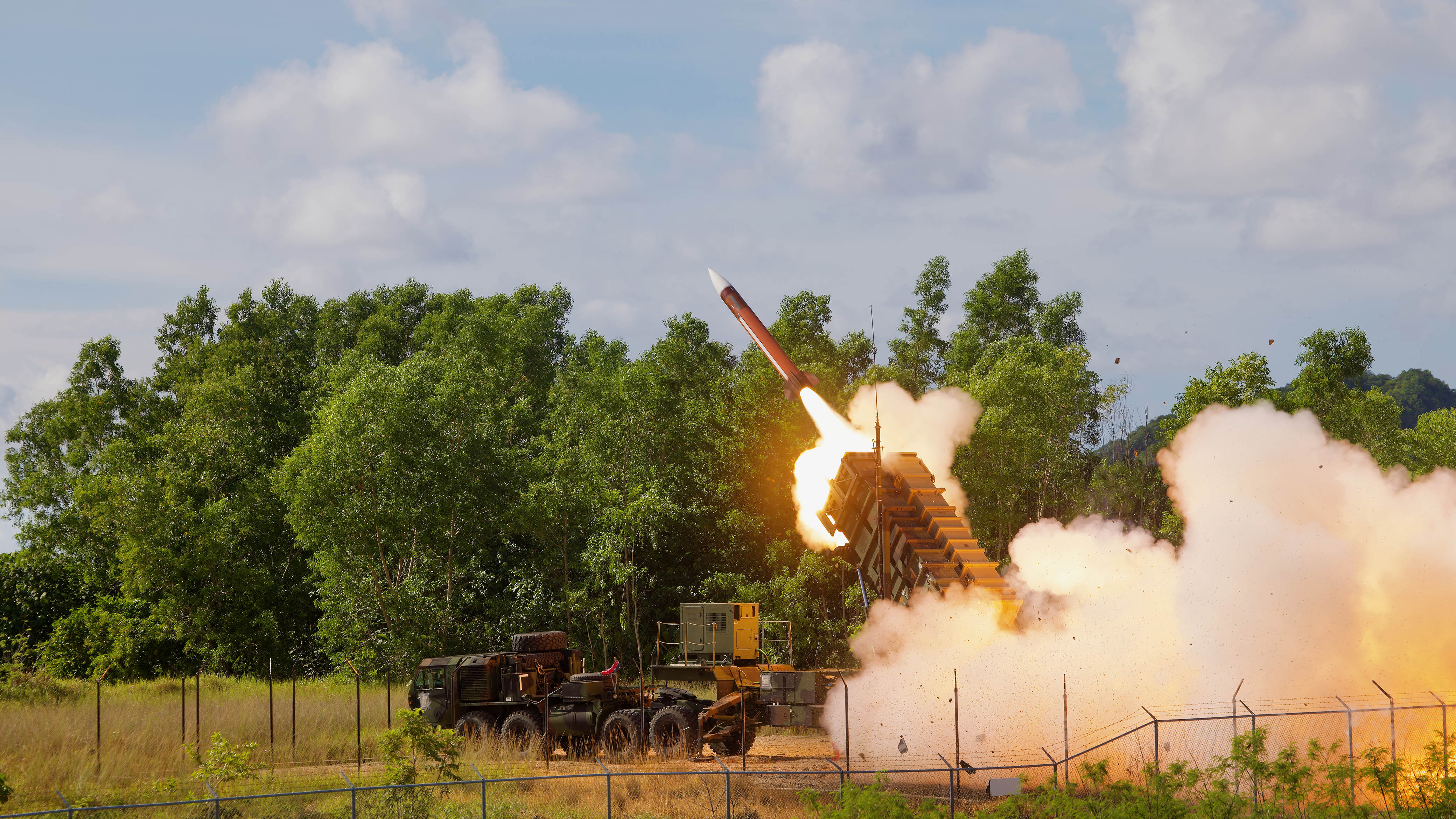
This is obvious but bears reviewing. CSIS has documented the effects of the war on seven munitions used extensively in the war against Iran and that would also be used in a conflict in the western Pacific against China. These fall into two groups: missile defense and long-range ground attack.
The United States has used about half of the initial inventory for three of these munitions (Patriot, THAAD, and PrSM) and about one-third of the initial inventory for the rest (JASSM, SM-2/3/6, and Tomahawk). Even so, enough remains for any plausible scenario in the war against Iran. The risk comes from potential future wars, particularly with China—but potentially also with Russia or North Korea. Even before the current war, many analyses showed a need for larger munition inventories. Operation Epic Fury has exacerbated this munitions problem, and a multiyear rebuild now looms ahead.
cut to montage of defense companies praising Trump as cash rains down from the sky
…
The immediate problem is not money, but time. Current deliveries reflect funding before FY 2024, as it takes two to four years for munitions to be delivered once a contract is signed. With time, production will equal demand, but that is several years in the future. Until then, there is a window of vulnerability.
0

Middle East Eye
Why Israel's opposition no longer wants Palestinian parties in government
www.middleeasteye.net
preview
“Any partnership with a Palestinian Arab party is now presented electorally as a concession on security and identity. Even parties in the political centre fear being portrayed as relying on those who reject the Jewish character of the state.”
The election, scheduled for 27 October, is widely seen as pivotal for Israel’s political future.
We are heading in the opposite direction of peace, WW3 is coming.
The military pressure created by the targeted assassinations has pushed Hamas to engage with the mediators and agree to a framework that apparently allows it to continue to exist, but in a different form from the way it operated until now.
www.ynetnews.com/opinions-analysis/…/h17vfag8fg
^ the above belief is supremely, globally destabilizing
www.ynetnews.com/article/hkjf11mqlme#autoplay
[Israeli] Security officials argue that the mere existence of an explosive device capable of killing Israeli troops during a ceasefire constitutes a violation of the understandings between the sides.
0

Will Iran Turn Into a Forever War? | Council on Foreign Relations
www.cfr.org
preview
This idea of incremental escalation was first developed in the 1960s by Defense Secretary Robert McNamara and his so-called whiz kids in the Pentagon—often PhDs with impressive credentials but little common sense. By carefully calibrating military pressure, they believed that North Vietnam would realize that the cost of war outweighed its benefits. Having demonstrated such resolve, America would be open to negotiations, but the terms of the agreement would be defined by Washington and not Hanoi.
The problem with this kind of approach is that it discounts the enemy’s ability to absorb punishment and adapt to changing circumstances. Bombing campaigns fortify the will of the leaders and often galvanize the population behind the cause of resistance. The adversary, in turn, responds by matching escalation with escalation, setting in motion a cycle that steadily widens the conflict.
In Vietnam, this strategy ultimately led America to drop more bombs than it had in all its previous wars combined on a country slightly larger than New Mexico, with a staggering casualty figure of approximately three million dead Vietnamese.
It is still not entirely clear why President Trump launched the war in Iran in February. The administration’s explanations have shifted and the goalpost has constantly moved. It appears that two events in January convinced the president that he could score an easy victory in the Middle East.
…
America, joined by Israel, began the war by killing scores of Iranian officials, including the elderly Supreme Leader, Ali Khamenei. But the system held, and the theocracy’s multilayered elite maintained control. The reconstituted regime viewed the conflict as a life-or-death struggle and took the fight into the Persian Gulf, mauling America’s allies and disrupting maritime traffic through critical waterways.
0

Al Jazeera
Houthi attacks on gov’t forces hint that a major battle in Yemen is brewing
www.aljazeera.com
preview
Fierce fighting has subsided in recent years, but there has been a consolidation of government and some southern forces since the United Arab Emirates left Yemen in 2025. The Houthis’ gradual engagement in the regional war between the US and Israel against Iran, the group’s key ally, included an announcement of a naval blockade on Saudi ports and attacks in the Bab al-Mandeb Strait last month.
The Houthis are now on high alert for any military developments, Saree said, as pro-government forces appear to be preparing to retaliate for Thursday’s attacks and the renewal of Yemen’s largely dormant war.
0

The Chosun Daily
Auto Parts Factories Close Amid EV Shift, Chinese Competition
www.chosun.com
preview
The ecosystem of parts suppliers that has supported South Korea’s automotive industry is rapidly collapsing due to structural crises. The automotive parts sector comprises first-tier suppliers, which assemble large modules for automakers, and second- and third-tier suppliers, which process basic components. The current crisis transcends mere price competition. The industry system itself is shaking under the dual pressures of the “electric vehicle” paradigm shift and the overwhelming competitiveness of Chinese automakers, who leverage “unmanned factories.”
The ecosystem of parts suppliers that has supported South Korea’s automotive industry is rapidly collapsing due to structural crises. The automotive parts sector comprises first-tier suppliers, which assemble large modules for automakers, and second- and third-tier suppliers, which process basic components. The current crisis transcends mere price competition. The industry system itself is shaking under the dual pressures of the “electric vehicle” paradigm shift and the overwhelming competitiveness of Chinese automakers, who leverage “unmanned factories.”
0
AeroTime
Zelenskyy says Ukraine’s ballistic missile shows promise
www.aerotime.aero
0
UNITED24 Media
Russia’s War on Grain Ships Could Raise Bread Prices Thousands of Miles Away
united24media.com
0
The Kyiv Independent
More Patriot missiles used in Middle East in 3 days than in Ukraine since 2022, Zelensky says
kyivindependent.com
preview
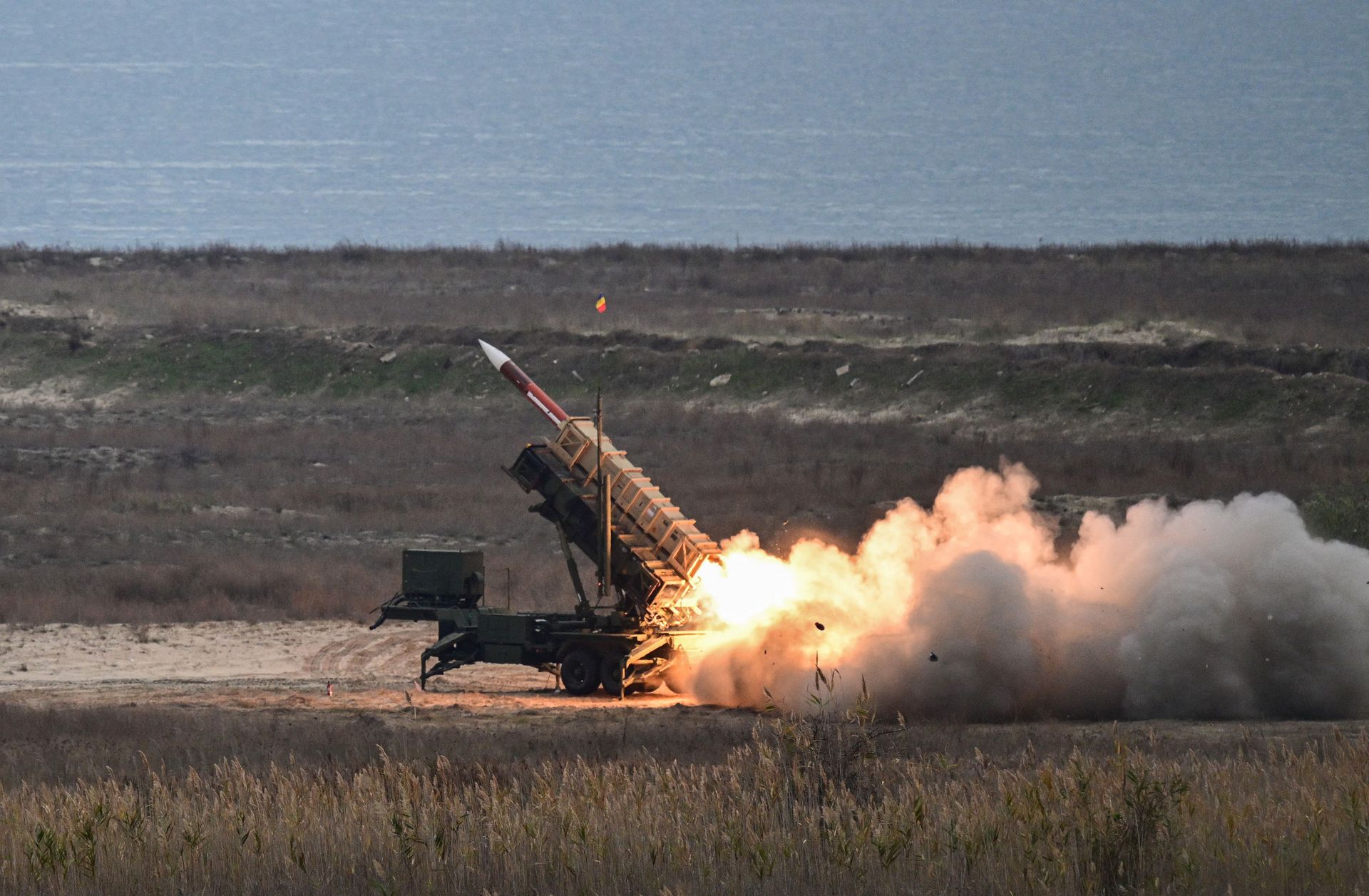
“Ukraine has never had this many missiles to repel attacks. More than 800 have been used over the past three days alone,” Zelensky said.
It is worth reflecting with Ukraine stuck at a point where it can do nothing to stop russian ballistic missile attacks by russia using poorly made North Korean rockets that none of this was unavoidable, these were choices made by Ukraine’s “”“allies”“”.
I was just banned from the Ukraine community on this instance for bringing this up, and I think it shows that the person who banned me understands this and doesn’t want people to talk about it.
defence-industry.eu/patriot-missile-use-in-israel…
Iran has been launching hundreds of drones and missiles daily toward countries in the region. The volume of these attacks is roughly comparable to the daily number of strikes Russia has conducted against Ukraine, although Russia’s air campaign has continued for nearly five years.
March 9th, 2026
0
TWZ
Houthis Stage Large-Scale Attack On Saudi-Aligned Forces In Yemen
www.twz.com
preview
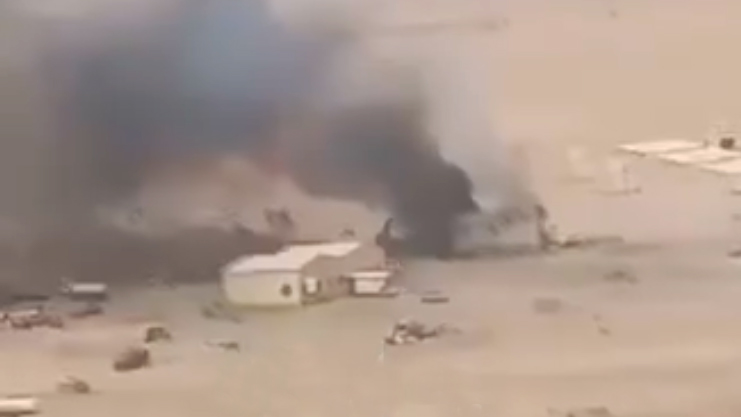
Today’s engagement marks a major escalation both in Houthi-Saudi hostilities and in the battle for Yemen, one of the world’s poorest countries, but strategically located along the Red Sea and Gulf of Aden.
The civil war in Yemen erupted in 2014 and expanded a year later when a Saudi-led coalition joined forces with the government ousted by the Houthis. For a while, the U.S. was supporting that coalition’s bombing campaign by providing aerial refueling and intelligence. However, then-Defense Secretary James Mattis ended that in 2018 during the first Trump presidency after growing concerns over the large number of civilian casualties being inflicted. The Saudi coalition’s fight against the Houthis also complicated the U.S. counterterrorism campaign against Al-Qaida in the Arabian Peninsula (AQAP).
The fighting between Saudi-led forces and the Houthis largely abated after a tenuous ceasefire was signed in 2022. Tensions, however, reignited in recent weeks after the Houthis joined the U.S.-Iran conflict on the side of their major supporter. The Houthis imposed a blockade on the Bab al-Mandeb Strait, and began striking Saudi ships in the southern part of the Red Sea as well as refineries along the northern portion. As we noted yesterday, the Yemeni rebel group said it was expanding its campaign against Saudi Arabia to strike vessels in the northern part of the Red Sea.
0

The New Yorker
The Future, Made in China
www.newyorker.com
preview
0
the Guardian
Israeli strike that killed journalist in Lebanon was war crime, say rights groups
www.theguardian.com
preview
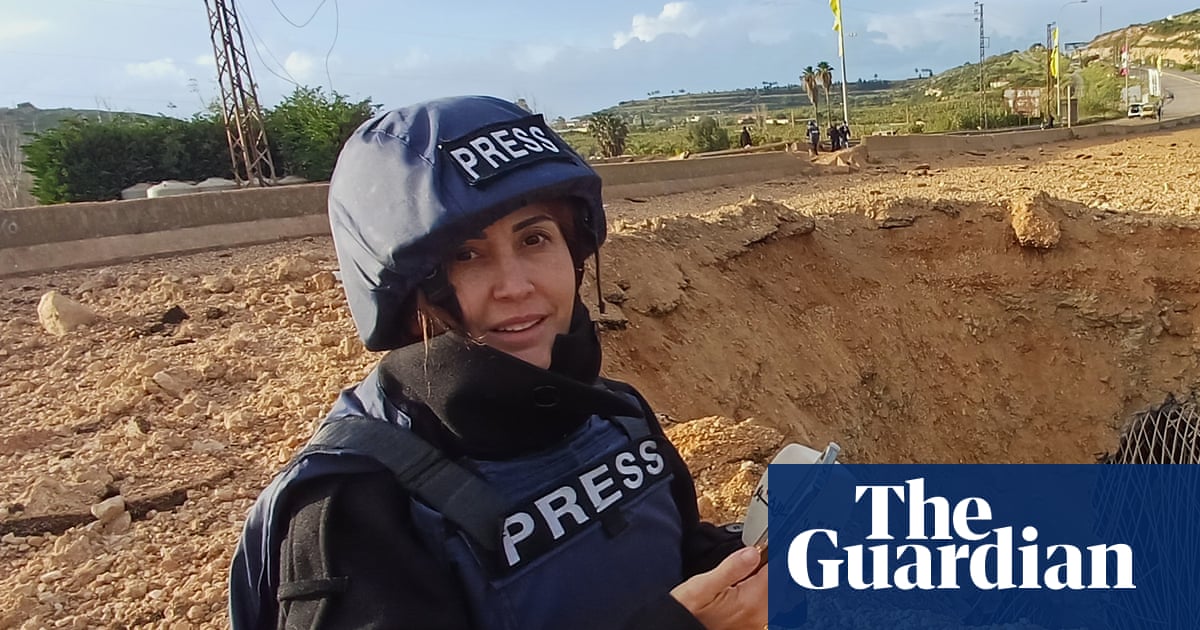
By 5pm, the UN peacekeeping force in Lebanon had given a safe route for civil defence to follow to enter the town, but Israel had not yet given its approval.
While waiting for the civil defence to arrive, Faraj and Khalil left their car and sought shelter elsewhere. Israeli quadcopters circled low overhead while the two journalists waited, Faraj said.
“The drones came extremely close through the roof, less than a metre from my face and Amal’s,” she said.
At 3.31pm, a member of the Lebanese civil defence called Khalil and urged her to get into her car and drive out of the village, as he had not yet received permission from the mechanism to enter the village. Around nine minutes later, Israel struck the journalists’ car, injuring both women.
“Glass and debris flew towards us. My ear felt like it burst. She [Amal Khalil] was bleeding heavily from the nose and head and had shrapnel wounds in her arm and thigh; she couldn’t move her leg,” Farj said.
The two women crawled into a nearby building for shelter. They both continued calling people, asking for assistance, but were told they could not be rescued until authorisation was given from the mechanism.
At 4.25pm, Israel conducted a third strike, bombing the building where they were sheltering, collapsing it and burying both women under the rubble.
At 5pm, permission was given to the Lebanese Red Cross to enter the village. They were able to evacuate Faraj, who had a fractured skull, severe injuries to her right leg and eye, and a crushed hand. Rescuers could not rescue Khalil, who was trapped under rubble.
Can you hear the sound of the fabric that weaves us all together as one human race ripping? This is geopolitical because the nature of the beast of dehumanizing people or seeing nature itself as a hostile force is that it becomes an existential problem for everyone everywhere eventually.