0
preview
A couple more pics from the same day/tree


A couple more pics from the same day/tree
posts tagged #natures_patterns

A couple more pics from the same day/tree
A couple more pics from the same day/tree

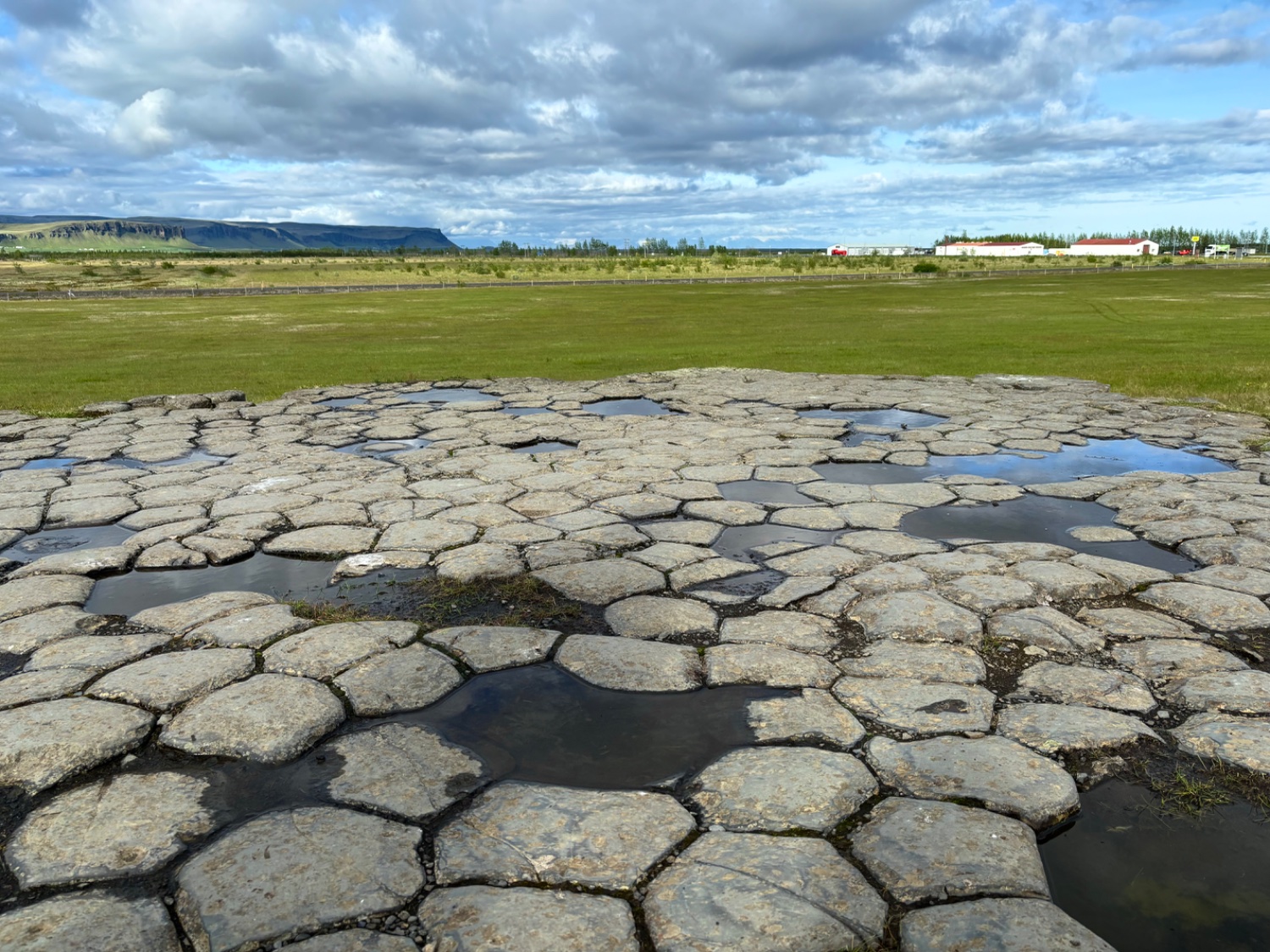
A natural monument that you can walk on located in southern Iceland. The name translates to “church floor.”
A natural monument that you can walk on located in southern Iceland. The name translates to “church floor.”
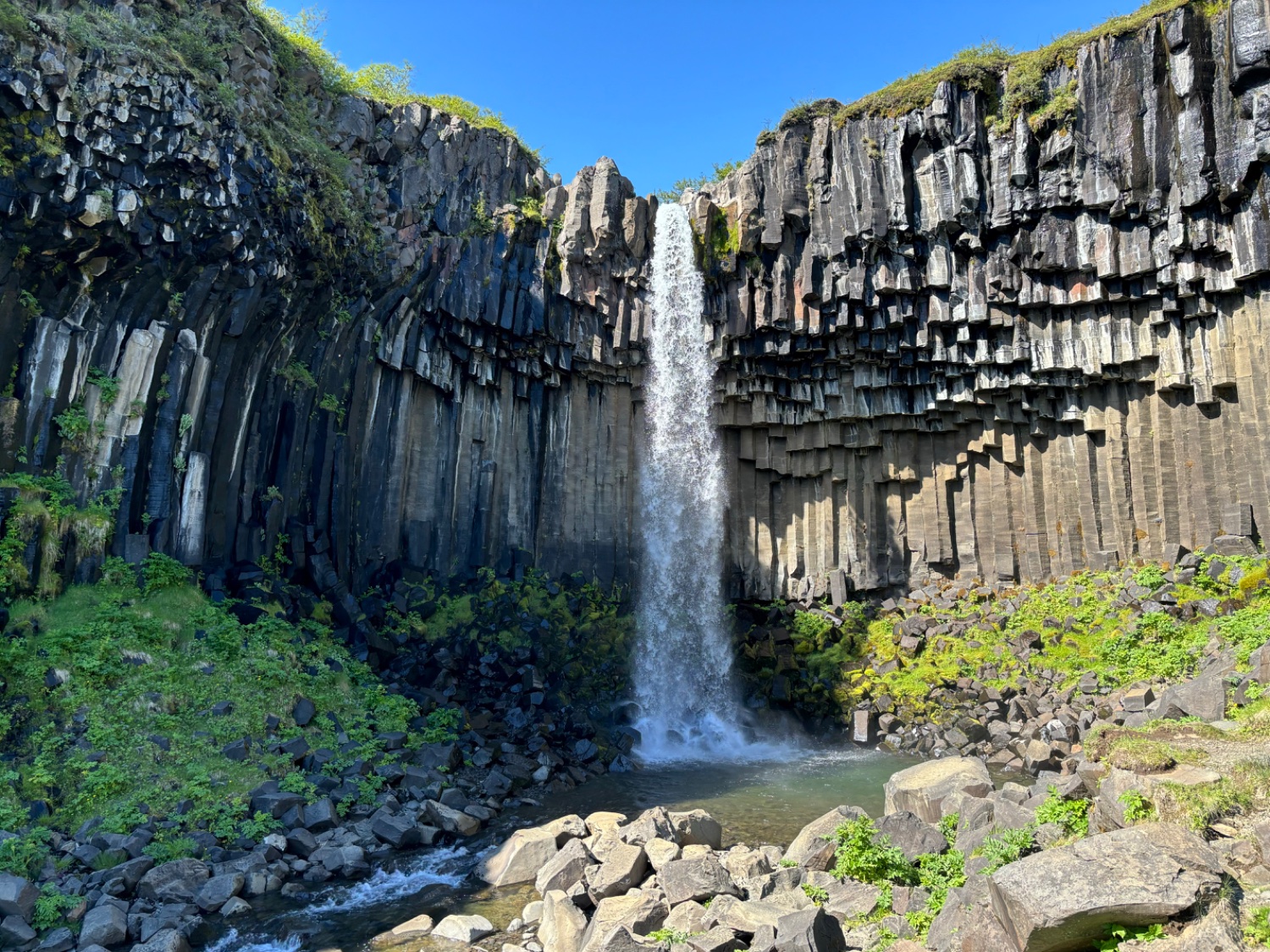
Svartifoss waterfall, Iceland, 2024.
Svartifoss waterfall, Iceland, 2024.

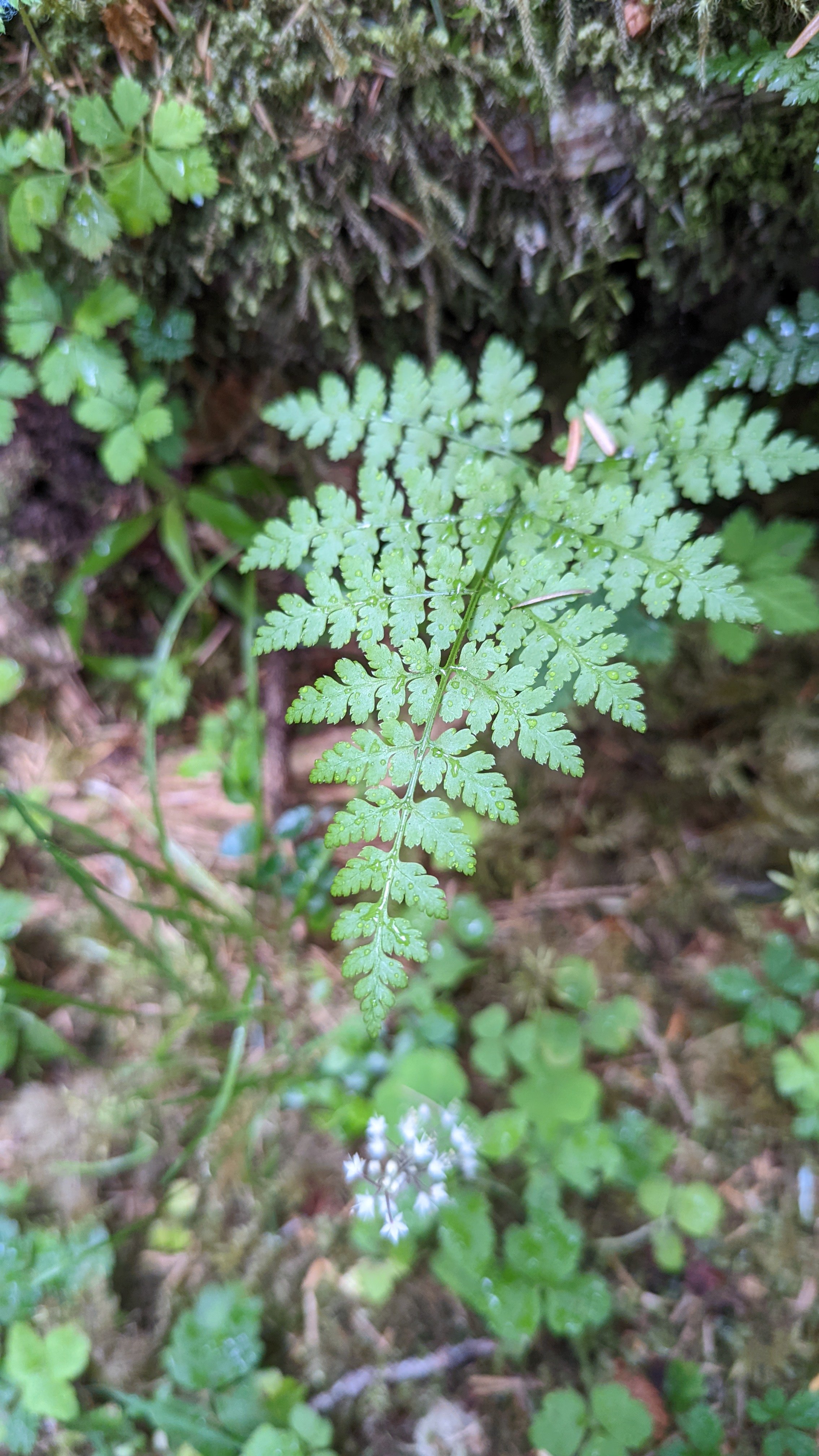
[Image description: a photo looking down the center of a frilly-leaf kale, the edges of the leaves zigzag wildly, with an almost fractal appearance, and the colors range from dark green on the older outer leaves, to light green on the inner younger ones.]
[Image description: a photo looking down the center of a frilly-leaf kale, the edges of the leaves zigzag wildly, with an almost fractal appearance, and the colors range from dark green on the older outer leaves, to light green on the inner younger ones.]


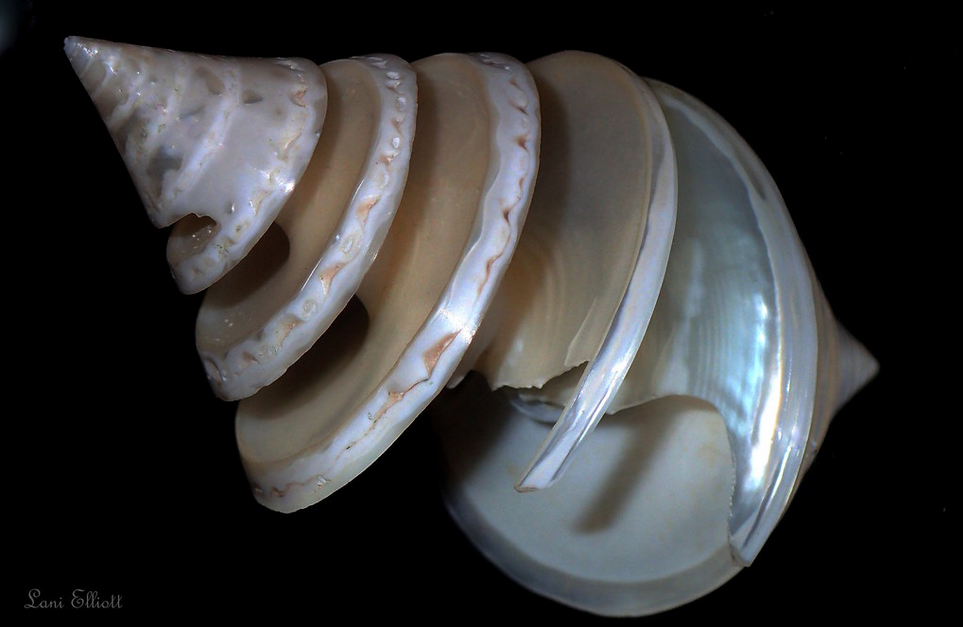
Post main photo ‘Spiral Shell’ by Lani Elliott
Spirals are common in plants and in some animals, notably molluscs. For example, in the nautilus, a cephalopod mollusc, each chamber of its shell is an approximate copy of the next one, scaled by a constant factor and arranged in a logarithmic spiral.
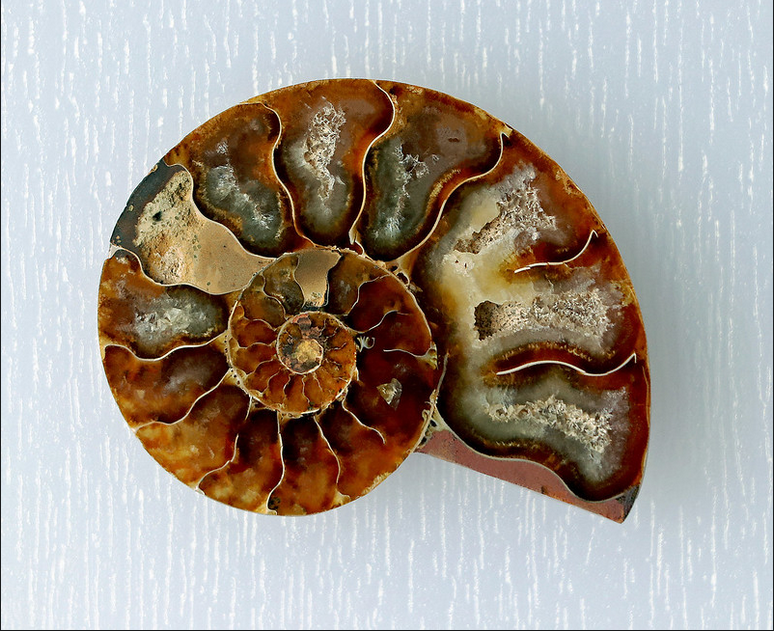
‘Ammonite fossil’ by AWLsheep
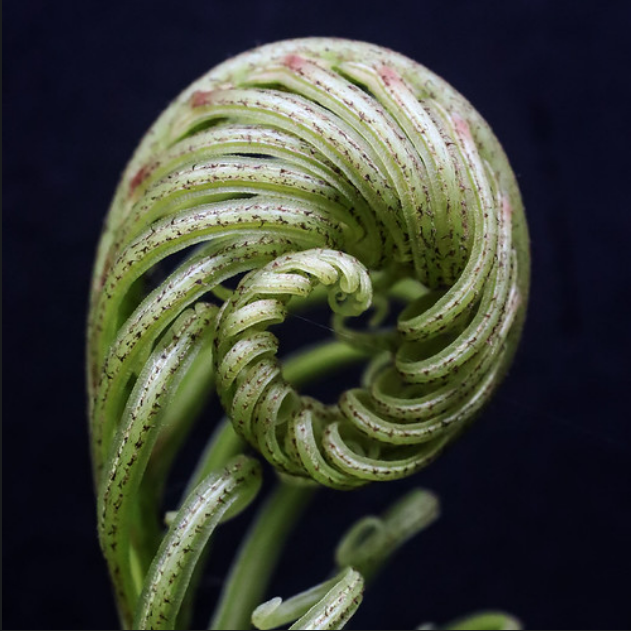
‘Curled up’ by Laurie Wilson
Plant spirals can be seen in…the arrangement of leaves on a stem, and in the arrangement…of other parts as in composite flower heads and seed heads like the sunflower or fruit structures like the pineapple and snake fruit, as well as in the pattern of scales in pine cones, where multiple spirals run both clockwise and anticlockwise
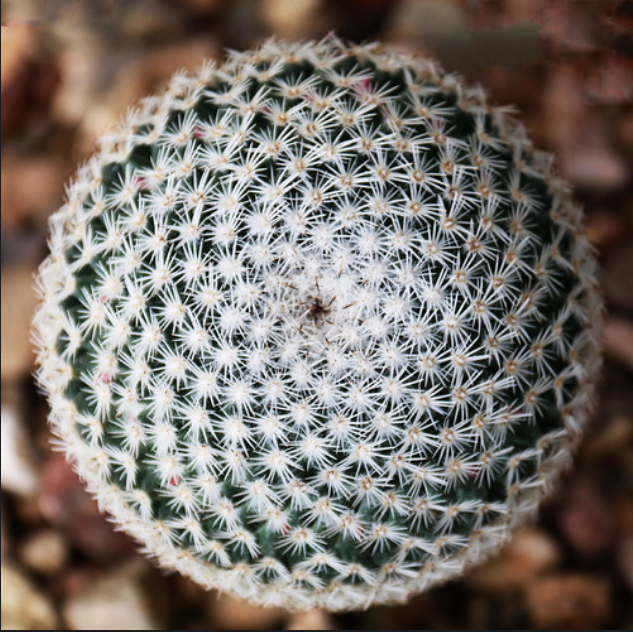
‘Spirals’ by Thomas Ferullo
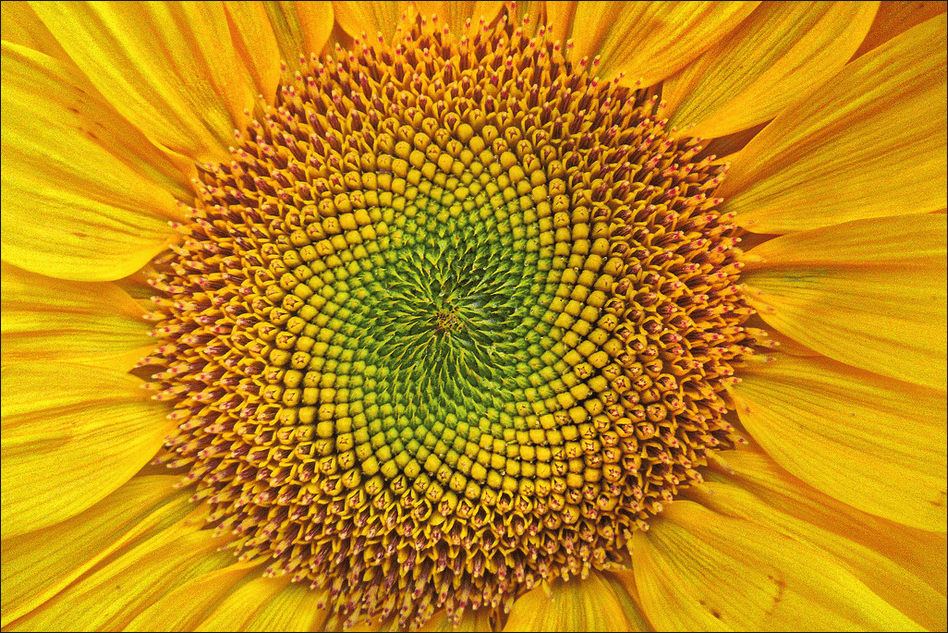
‘Fibonacci Flower’ by arbyreed
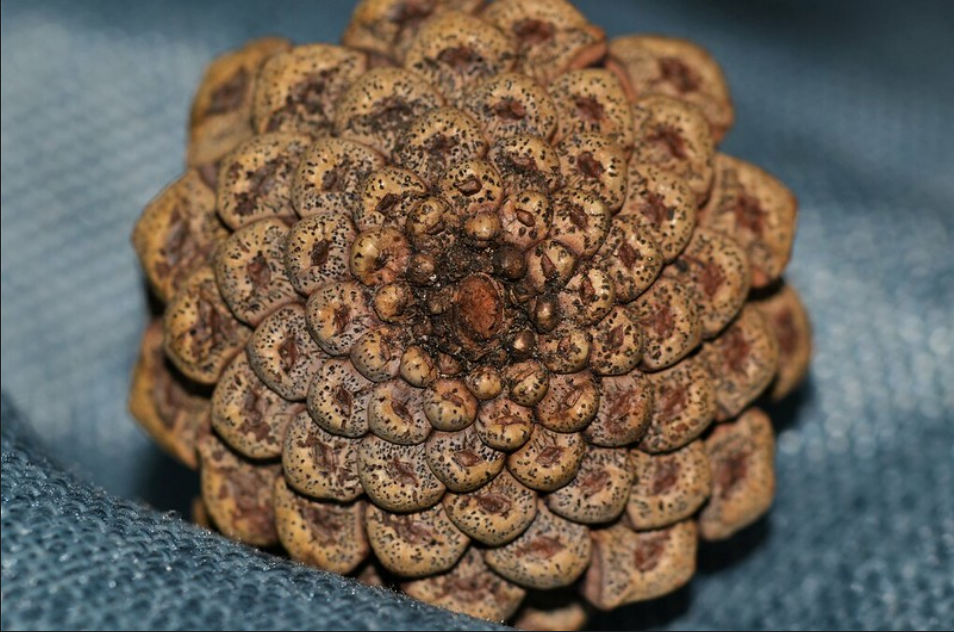
‘DSC_6832 Macro Mondays - Spiral’ by marski101
From the point of view of chemistry, a spiral can be generated by…proteins that manipulate the concentration of the plant hormone…to control the relative angle of buds around the stem.
From a biological perspective, arranging leaves as far apart as possible in any given space is favoured by natural selection as it maximises access to resources, especially sunlight for photosynthesis.
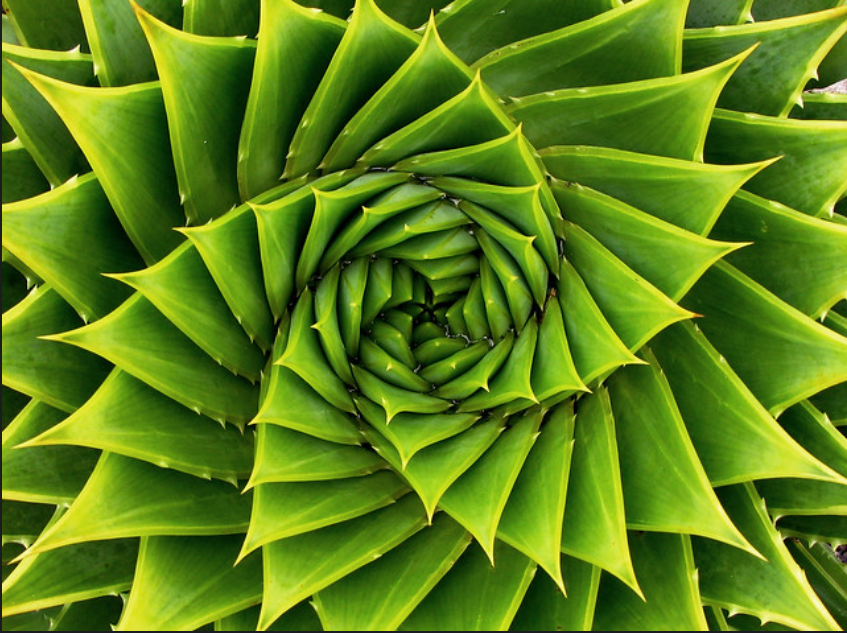
‘Green Spiral’ by André Meurer
From the point of view of physics, spirals are lowest-energy configurations which emerge spontaneously through self-organizing processes in dynamic systems.
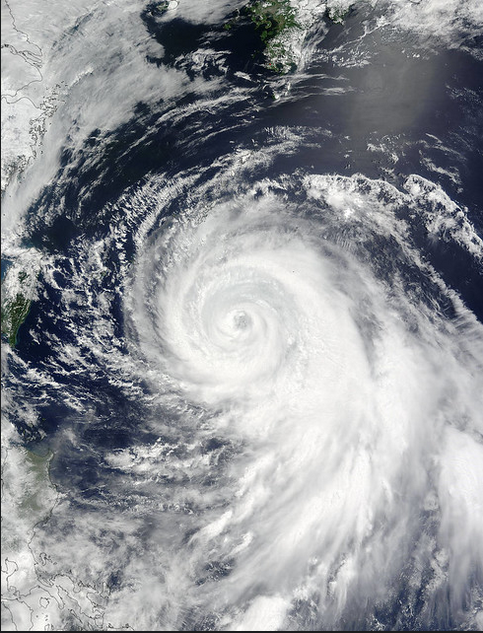
‘NASA Sees Typhoon Chan-Hom’s Strongest Winds in Northern and Eastern Quadrants’ by NASA Sees Typhoon Chan-Hom’s Strongest Winds in Northern and Eastern Quadrants

‘NGC1232 Subaru and ESO’ by Roberto Colombari
Info from Wikipedia
Post main photo ‘Spiral Shell’ by Lani Elliott
Spirals are common in plants and in some animals, notably molluscs. For example, in the nautilus, a cephalopod mollusc, each chamber of its shell is an approximate copy of the next one, scaled by a constant factor and arranged in a logarithmic spiral.
‘Ammonite fossil’ by AWLsheep
‘Curled up’ by Laurie Wilson
Plant spirals can be seen in…the arrangement of leaves on a stem, and in the arrangement…of other parts as in composite flower heads and seed heads like the sunflower or fruit structures like the pineapple and snake fruit, as well as in the pattern of scales in pine cones, where multiple spirals run both clockwise and anticlockwise
‘Spirals’ by Thomas Ferullo
‘Fibonacci Flower’ by arbyreed
‘DSC_6832 Macro Mondays - Spiral’ by marski101
From the point of view of chemistry, a spiral can be generated by…proteins that manipulate the concentration of the plant hormone…to control the relative angle of buds around the stem.
From a biological perspective, arranging leaves as far apart as possible in any given space is favoured by natural selection as it maximises access to resources, especially sunlight for photosynthesis.
‘Green Spiral’ by André Meurer
From the point of view of physics, spirals are lowest-energy configurations which emerge spontaneously through self-organizing processes in dynamic systems.
‘NASA Sees Typhoon Chan-Hom’s Strongest Winds in Northern and Eastern Quadrants’ by NASA Sees Typhoon Chan-Hom’s Strongest Winds in Northern and Eastern Quadrants
‘NGC1232 Subaru and ESO’ by Roberto Colombari
Info from Wikipedia
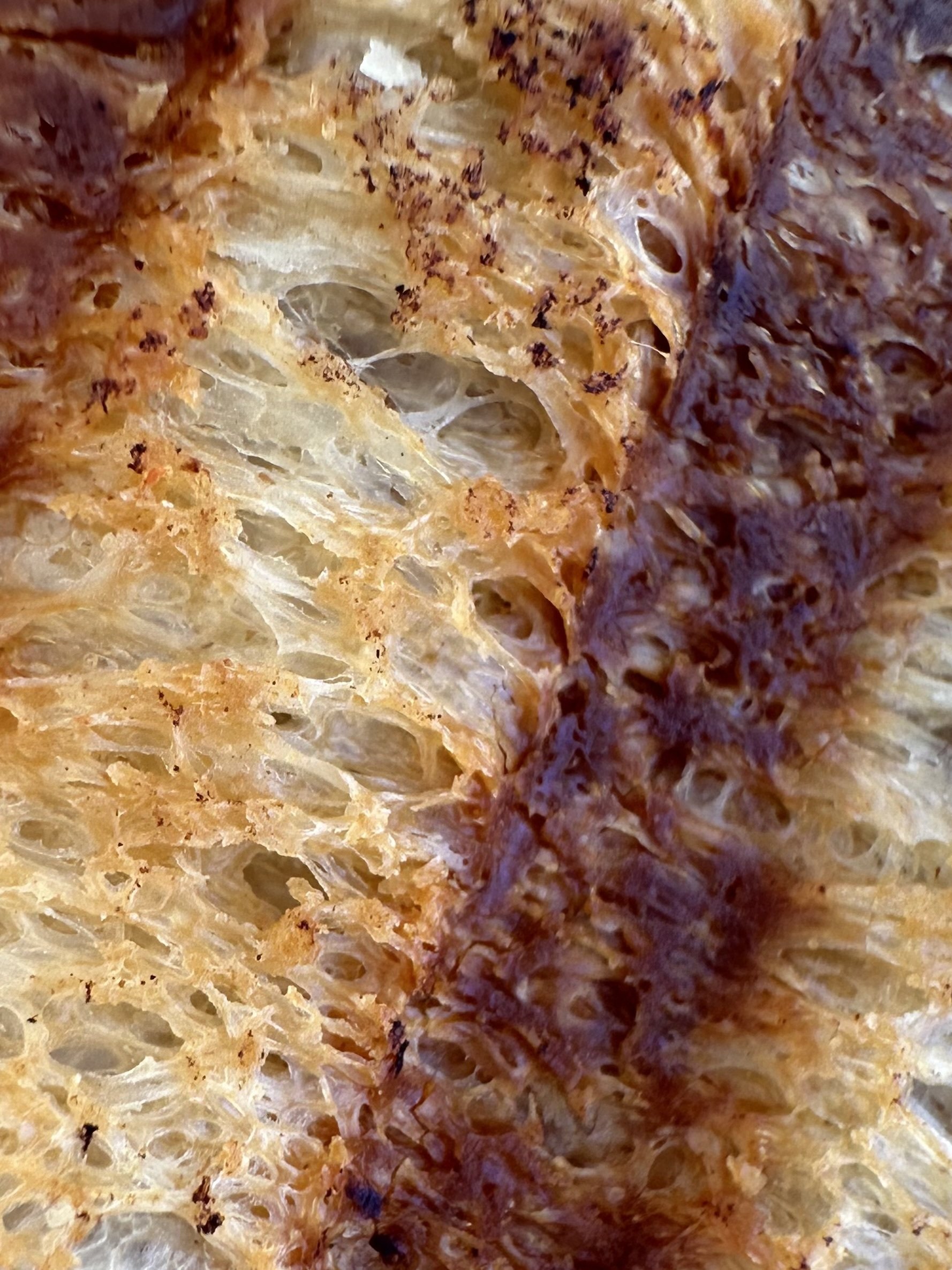

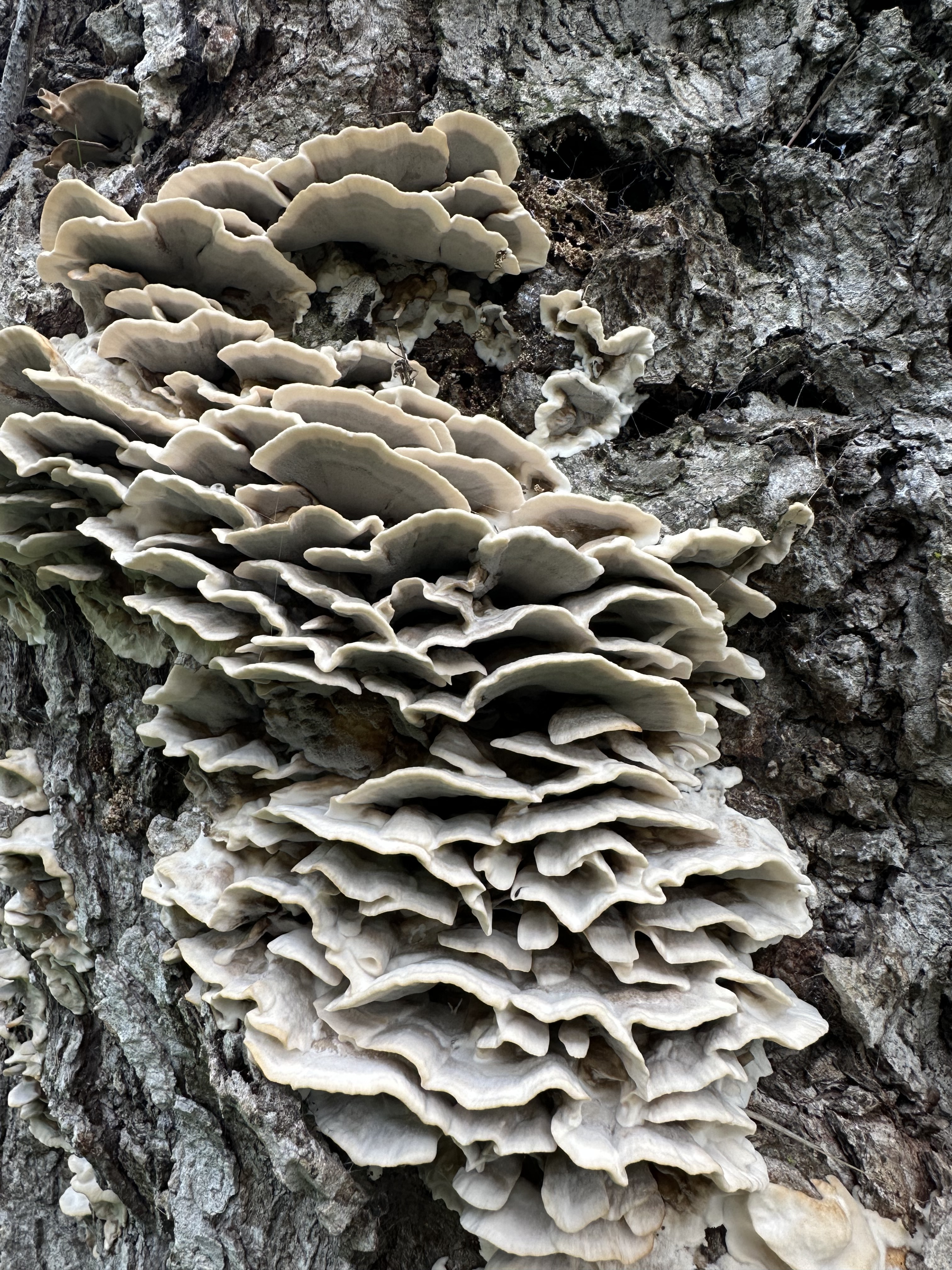
From my walk earlier today
From my walk earlier today


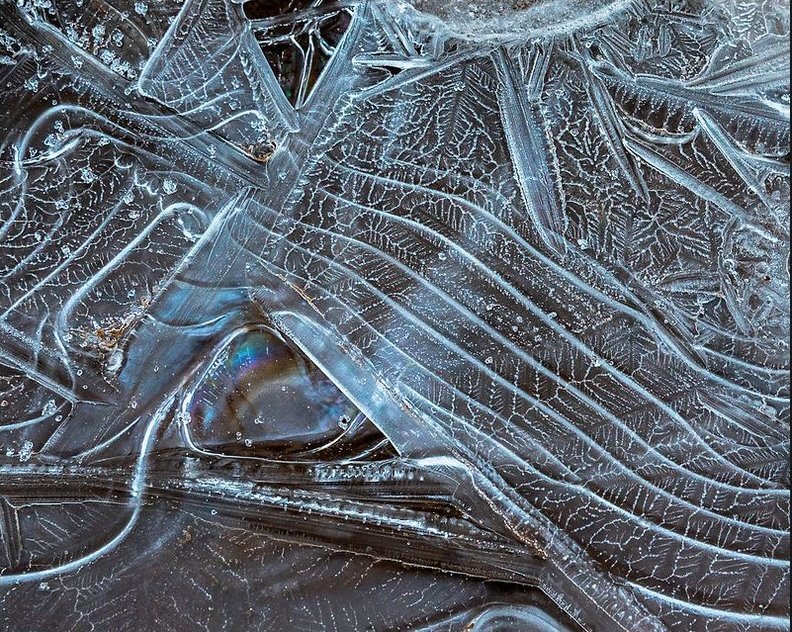
Found on flickr
Found on flickr
Found on flickr
Found on flickr
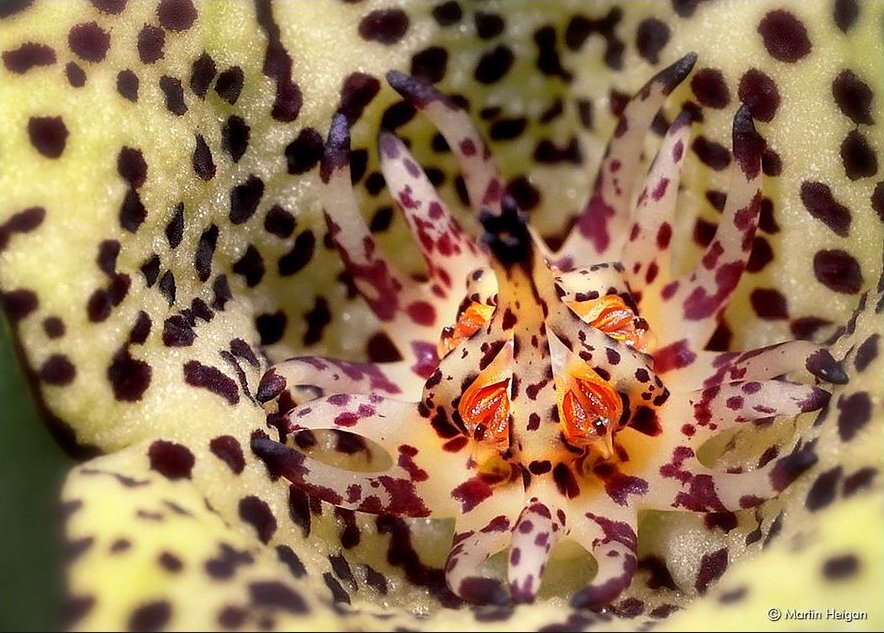
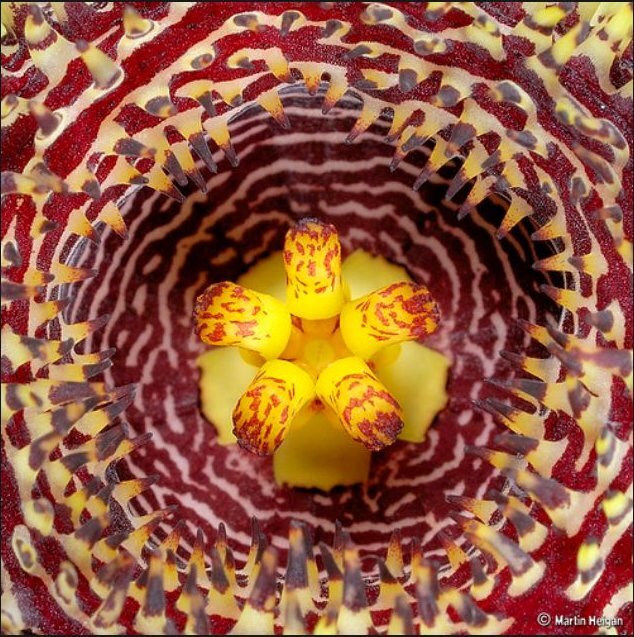
A macro photograph of a tiny Larryleachia picta flower’s Corona.
A macro photograph of a tiny Larryleachia picta flower’s Corona.

The frozen condensation on my liquid nitrogen tanks gets so wispy and delicate. It moves like hair blowing in the wind.
The frozen condensation on my liquid nitrogen tanks gets so wispy and delicate. It moves like hair blowing in the wind.
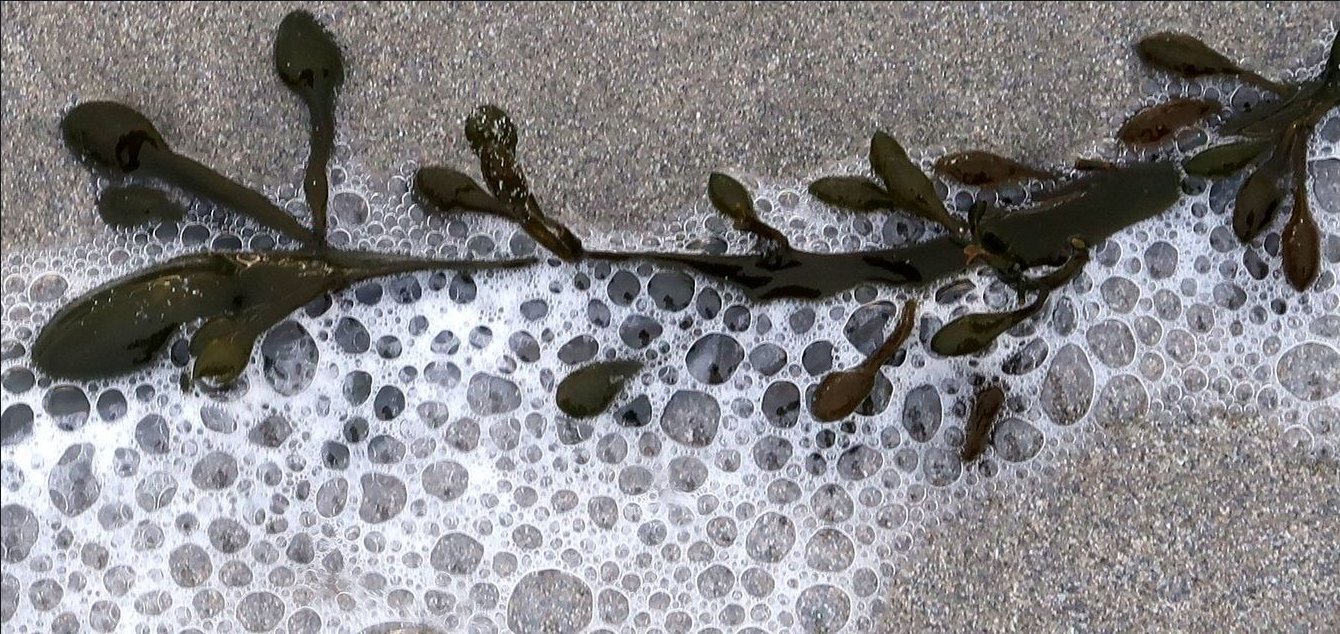
Found on flickr
Found on flickr

Dendrites on Ice
Ice crack patterns on Derwent Reservoir, Derbyshire, England.
Saturday 4 March 2006, 11.00am.
A general view of the location is here:
www.flickr.com/photos/sorby/110091790/
I have called these dendrites on ice, but they are really dedrites in ice, as clear ice fills the pattern. I am sure they should have a formal name, but as of March 2008, I have yet to find any reference to one.
On this occasion there had been about 10 mm of snowfall the previous evening, that probably fell on top of thin ice that had probably formed a few days earlier. The overnight of 2-3rd March had been very cold for early March in this part of England, c -8C. The daytime of Friday the 3rd was mostly sunny, with temperatures rising near to just above freezing. Most of the reservoir was open water, except this small area on the relatively sheltered east side.
The original ice formation on the lake surface may have been encouraged by the earlier snowfall.
The centre of each dendrite may be formed by leaves or other debris encouraging melting of the ice during the day, but what about the rest of the dendritic pattern? Differential ice expansion on the freezing of floating slush is a possible explanation.
At very low temperatures sheet ice contracts, but this forms straight cracks.
Update 20070219. Perhaps these should be called macro negative dendrites in ice, in order to distinguish them from the much smaller water dentrites within ice and snowflake dendrites. For these small dendrites, see the article by Harry Badeshia at
Found on flickr
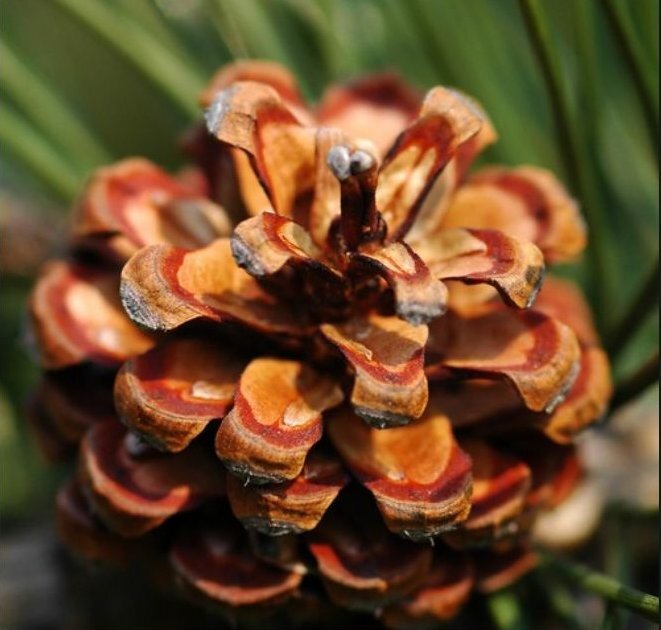
Found on flickr
Found on flickr
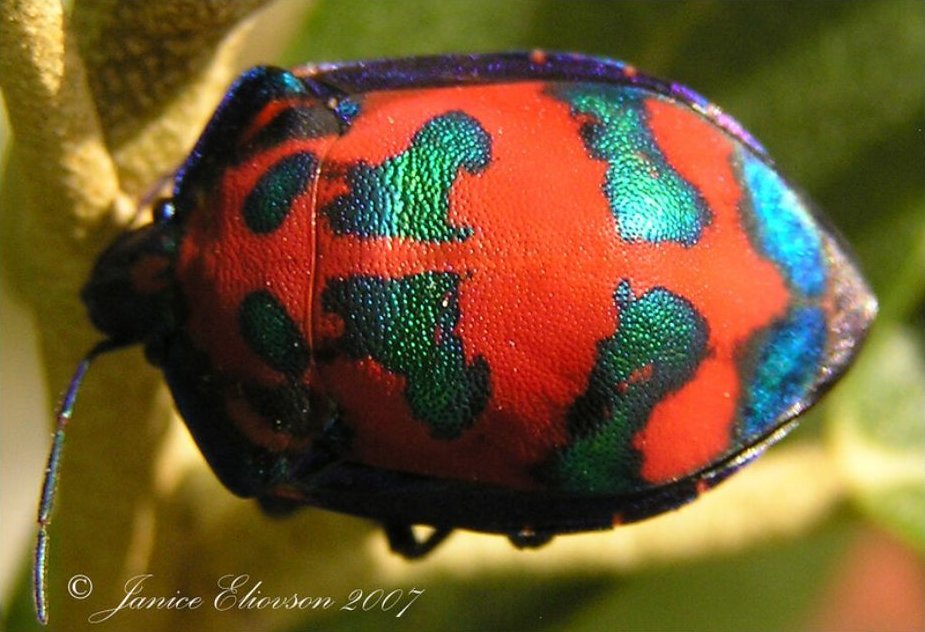
A macro of a thumb nail size bug called Cotton Harlequin Bug
Found on flickr
A macro of a thumb nail size bug called Cotton Harlequin Bug
Found on flickr
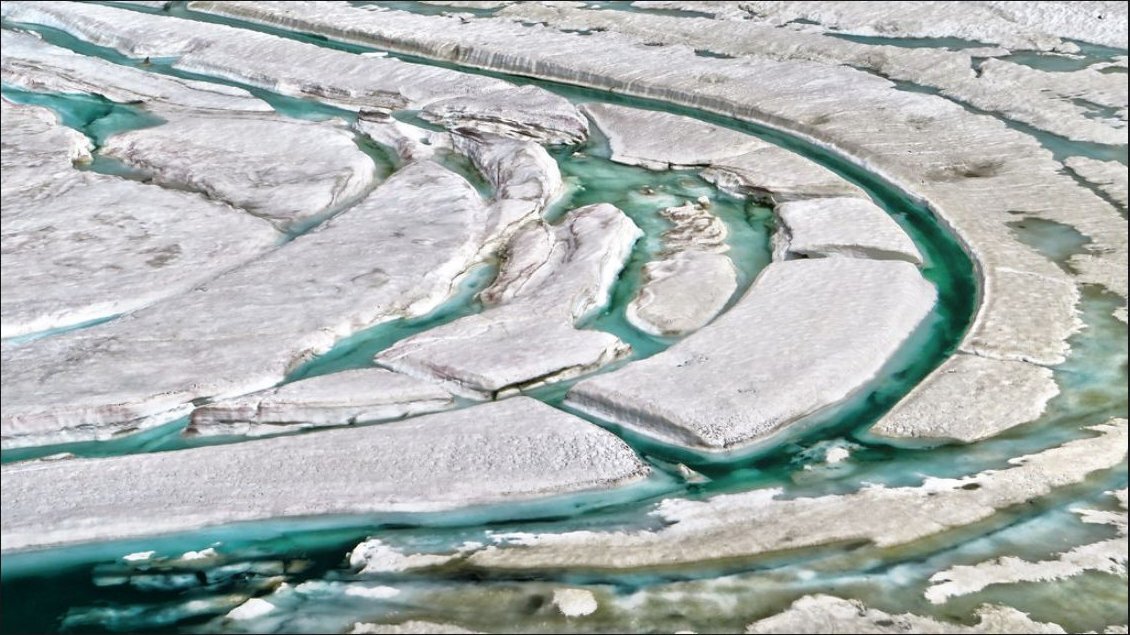
Found on flickr
Found on flickr
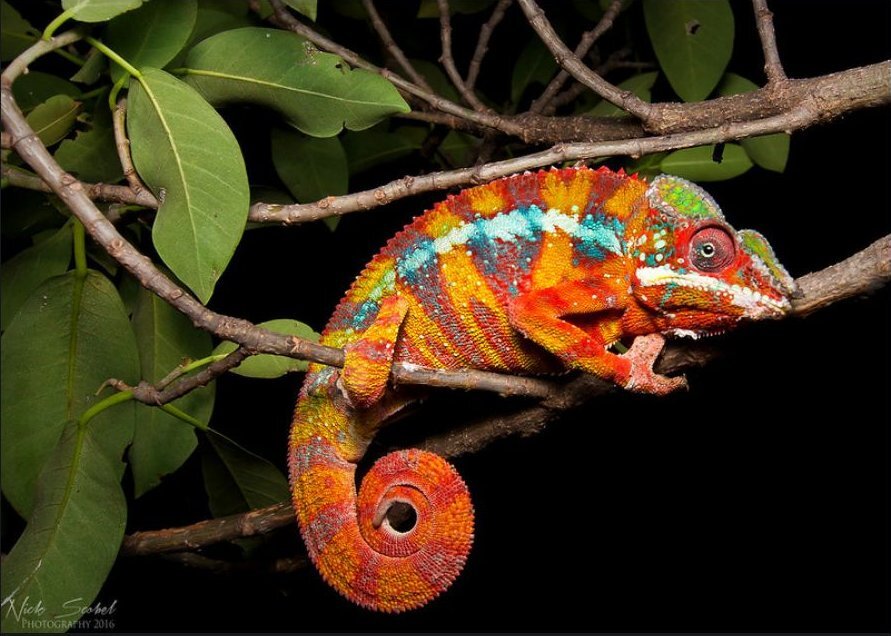
Found on flickr
Found on flickr

Been trying to submit these but the last set of lichen photos I took I have been having errors uploading. The recent lichen post reminded me to do this. I usually post my photos to pics@lemmy.world
Been trying to submit these but the last set of lichen photos I took I have been having errors uploading. The recent lichen post reminded me to do this. I usually post my photos to pics@lemmy.world
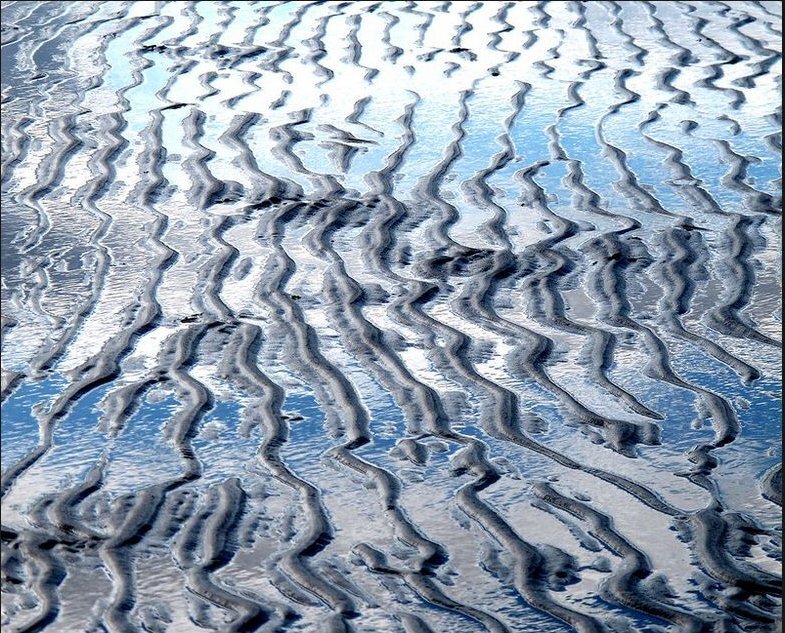
Found on flickr
Found on flickr
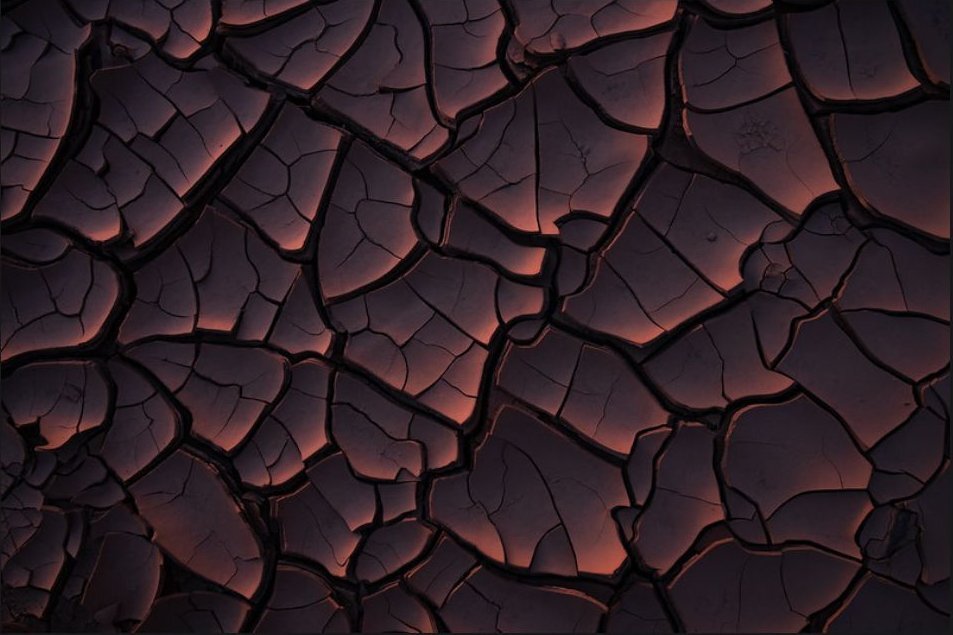
‘Mud Cracks in reflected light at sunset in Death Valley national Park.’
More on flickr
‘Mud Cracks in reflected light at sunset in Death Valley national Park.’
More on flickr
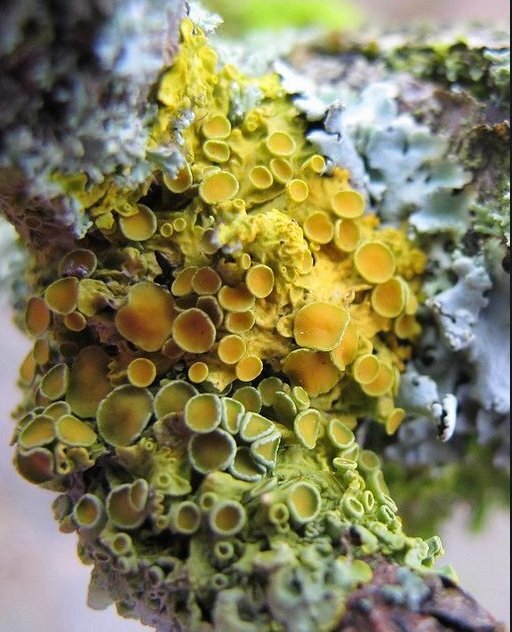
‘Tiny cups shaped lichen on an Apple tree in my garden. Explored Dec 12, 2014’
More on flickr
‘Tiny cups shaped lichen on an Apple tree in my garden. Explored Dec 12, 2014’
More on flickr
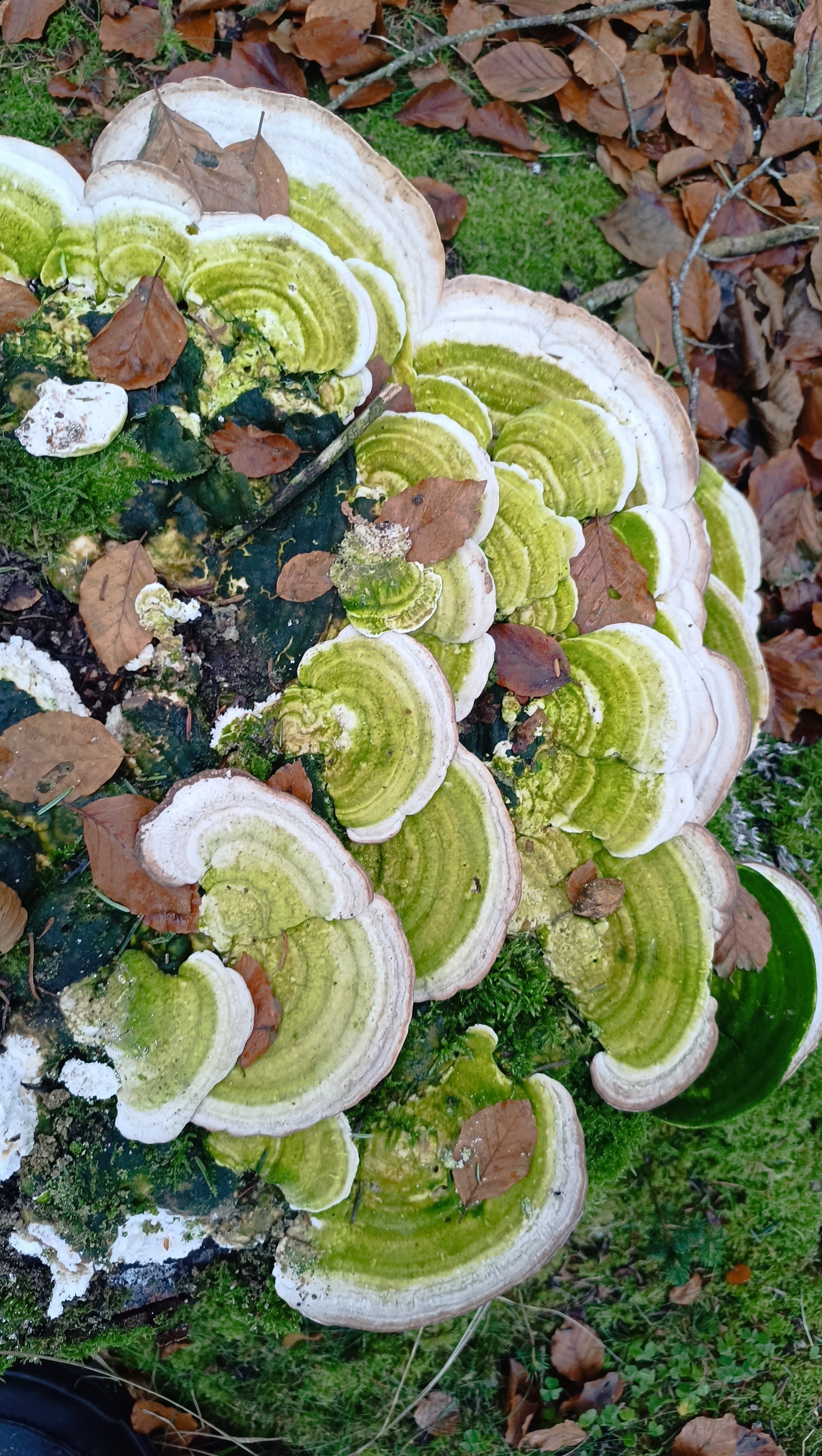
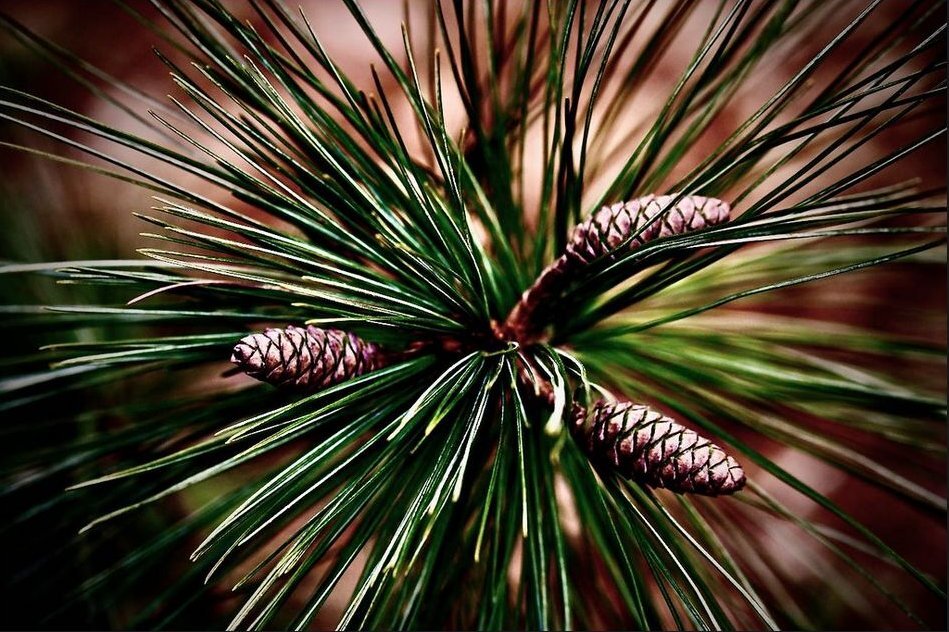
More on flickr
More on flickr
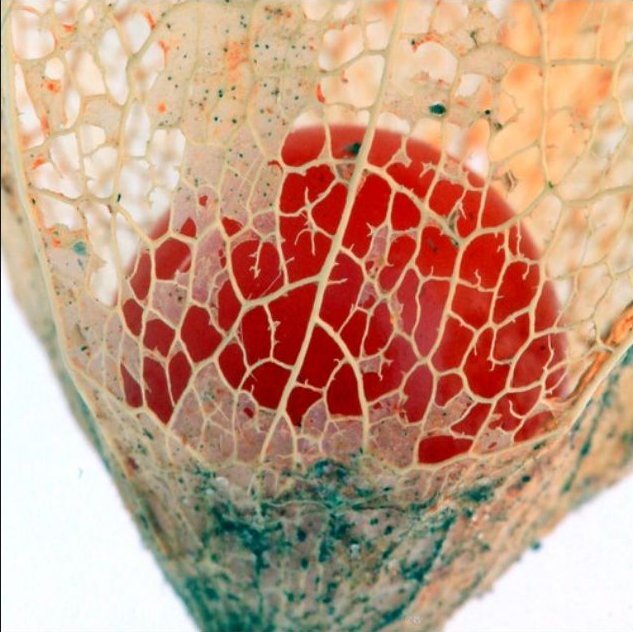
Found on flickr
Found on flickr
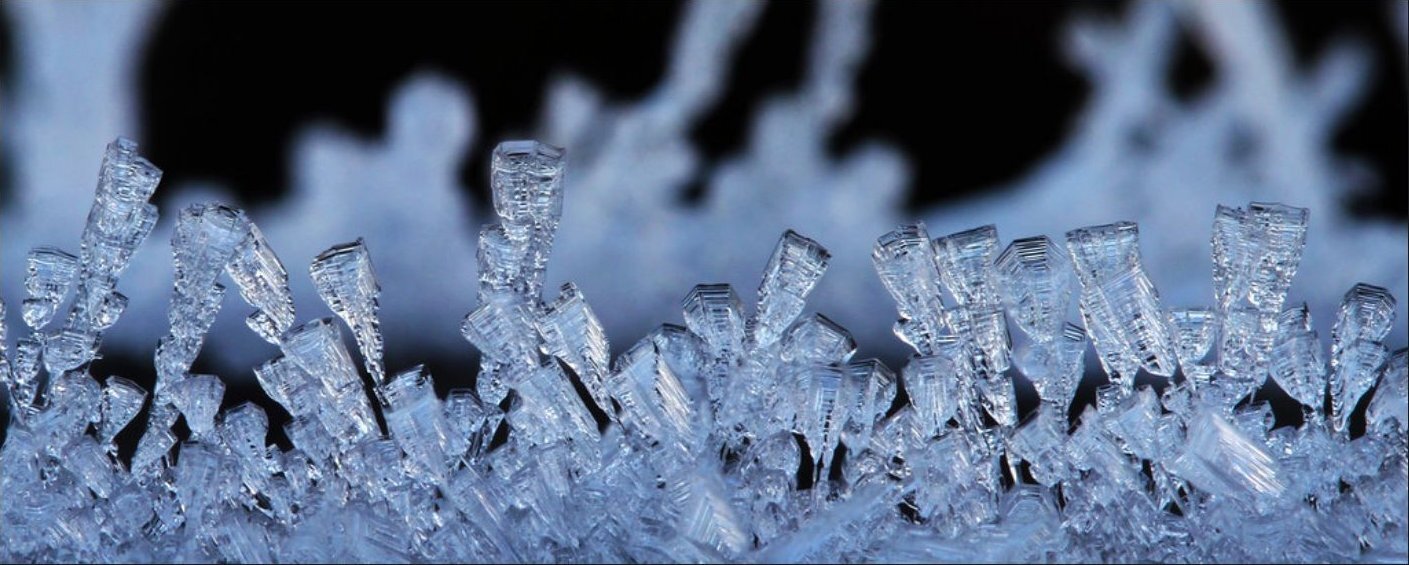
More on flickr
More on flickr
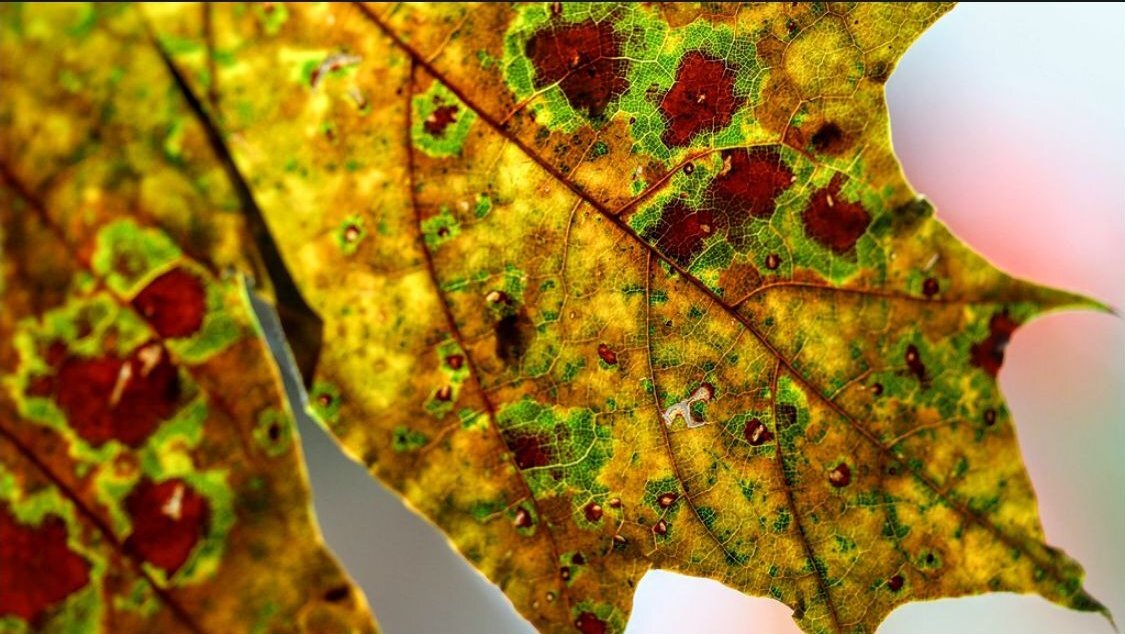
More on flickr
More on flickr
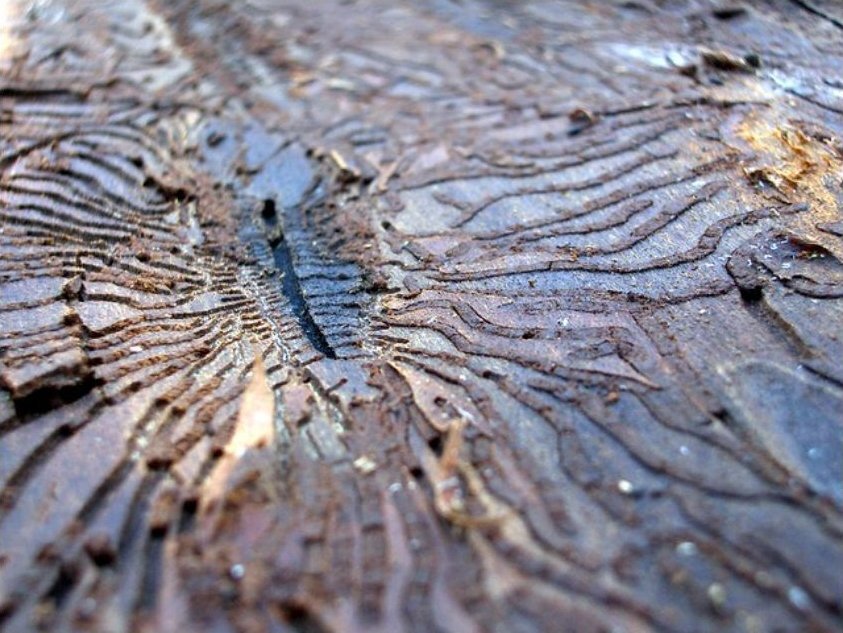
‘These amazing tracks are left by destructive beetles that burrow under the bark of living trees, making the tree susceptible to infection.’
More on flickr
‘These amazing tracks are left by destructive beetles that burrow under the bark of living trees, making the tree susceptible to infection.’
More on flickr
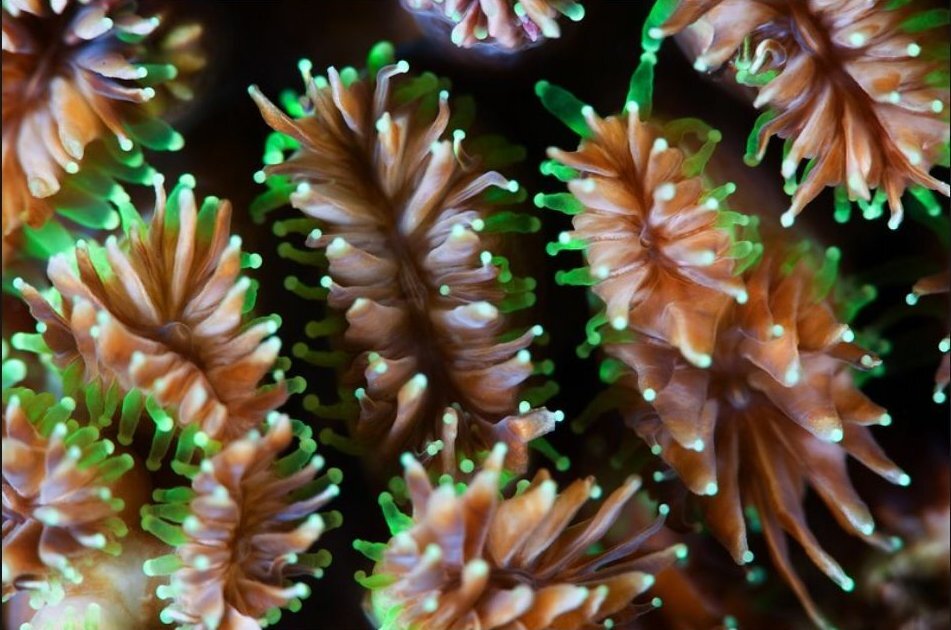
More on flickr
More on flickr
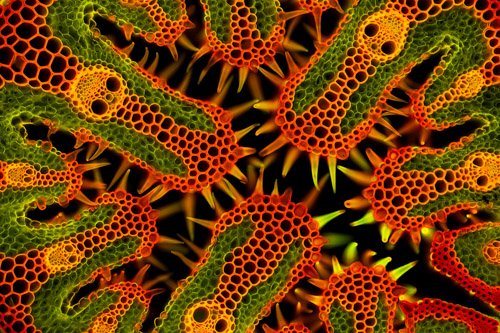
One of the entrants of CUPOTY 5, shortlisted for the Micro category
More here
One of the entrants of CUPOTY 5, shortlisted for the Micro category
More here
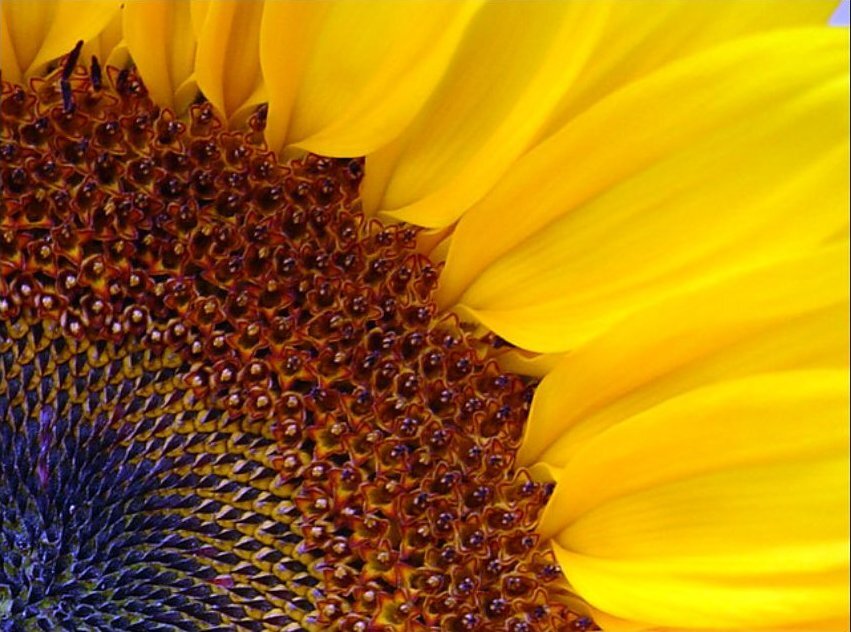
‘one of my favorate [sic] best shoots’
More on flickr
‘one of my favorate [sic] best shoots’
More on flickr
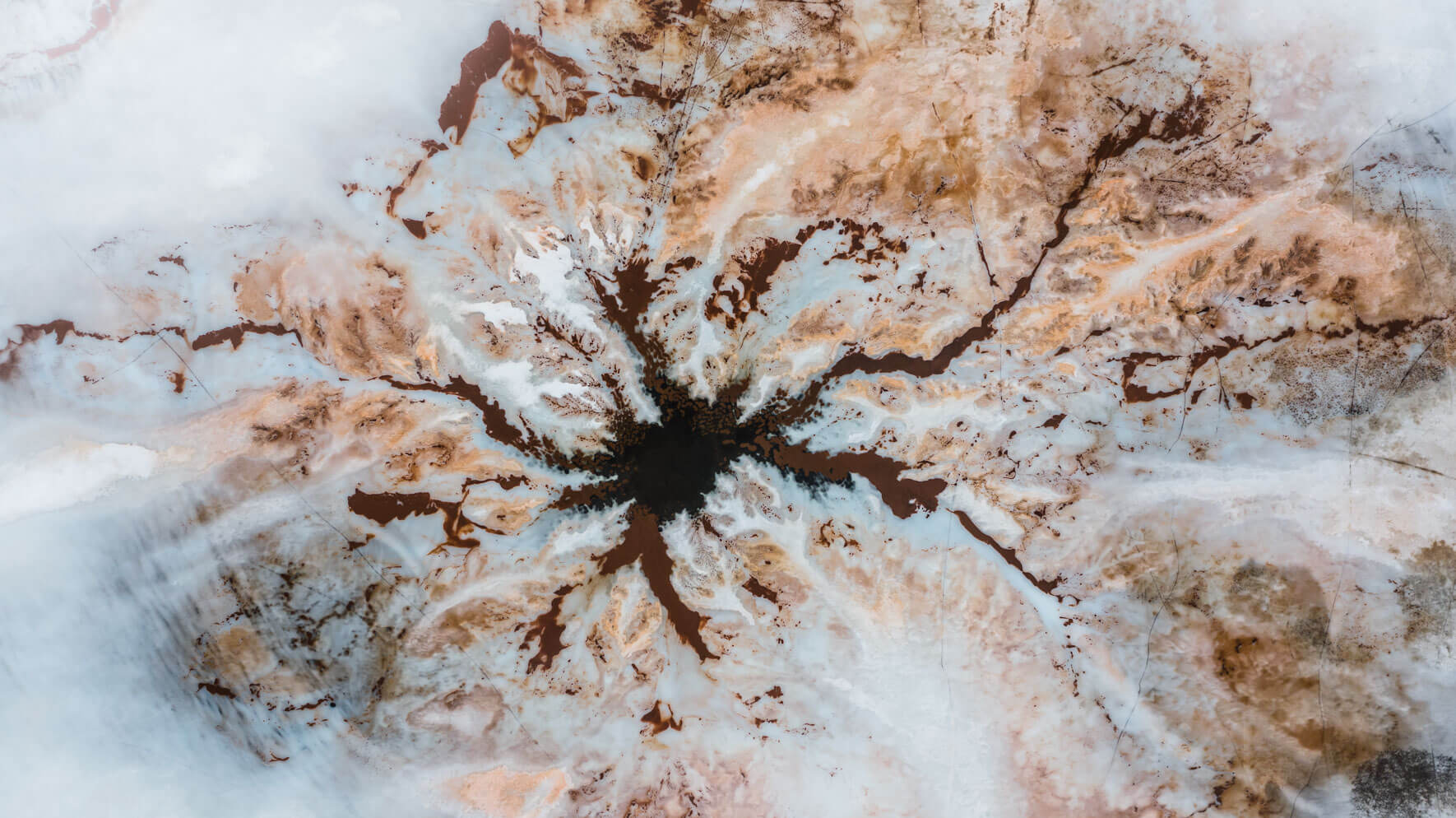
‘Fractals
Aerial photography series by Jan Erik Waider, specialized in atmospheric and abstract landscapes of the North. The images were taken in the Hardangervidda National Park in Norway. Published June 2019’
More on his website
‘Fractals
Aerial photography series by Jan Erik Waider, specialized in atmospheric and abstract landscapes of the North. The images were taken in the Hardangervidda National Park in Norway. Published June 2019’
More on his website
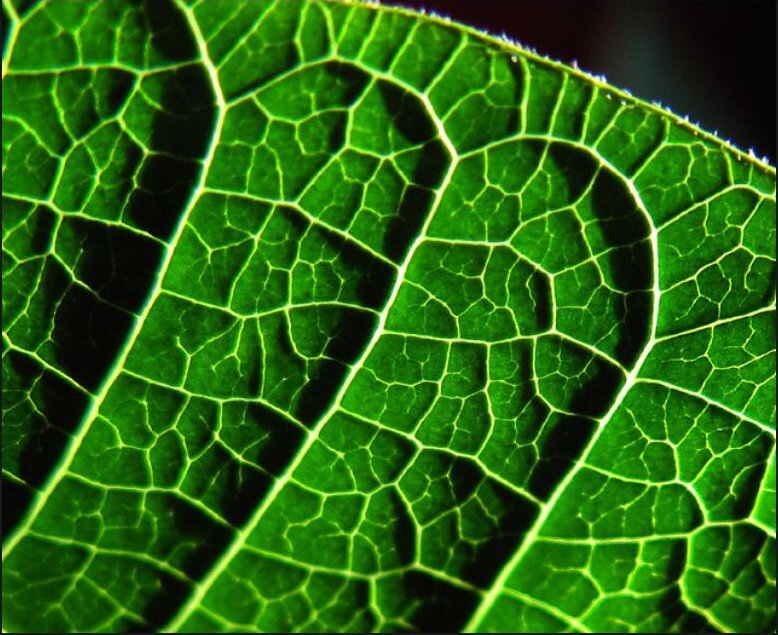
More on flickr
More on flickr
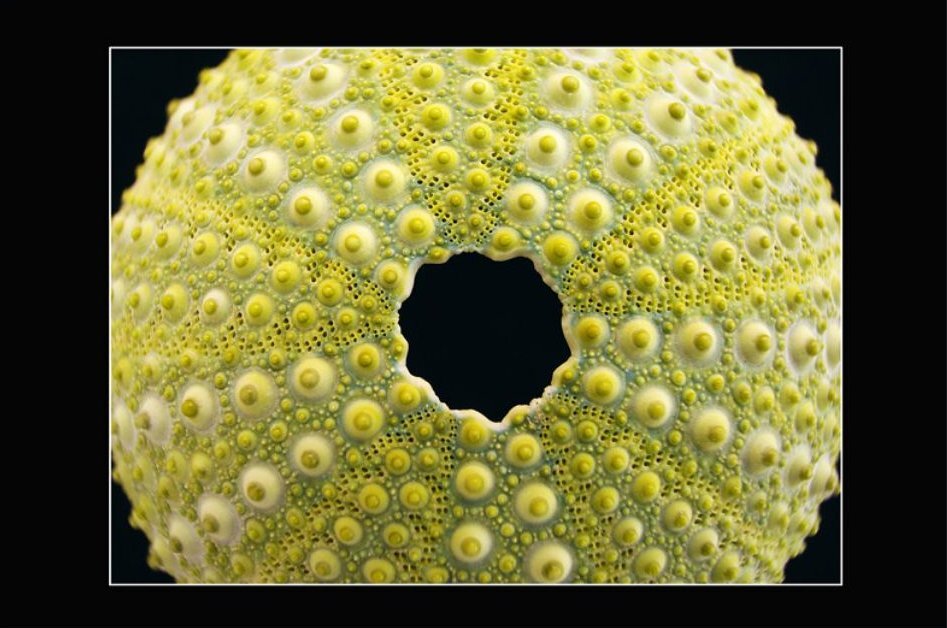
‘Taken with the fantastic Ricoh GR Digital. Macro function works great.’
More on flickr
‘Taken with the fantastic Ricoh GR Digital. Macro function works great.’
More on flickr
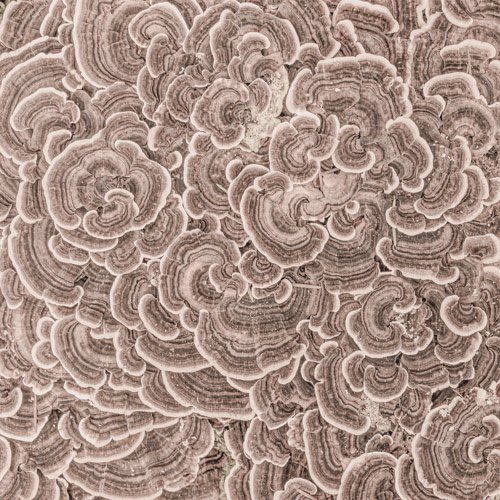
From 2024 FUNGI Shortlist category, CUPOTY 5 Awards
More here
From 2024 FUNGI Shortlist category, CUPOTY 5 Awards
More here
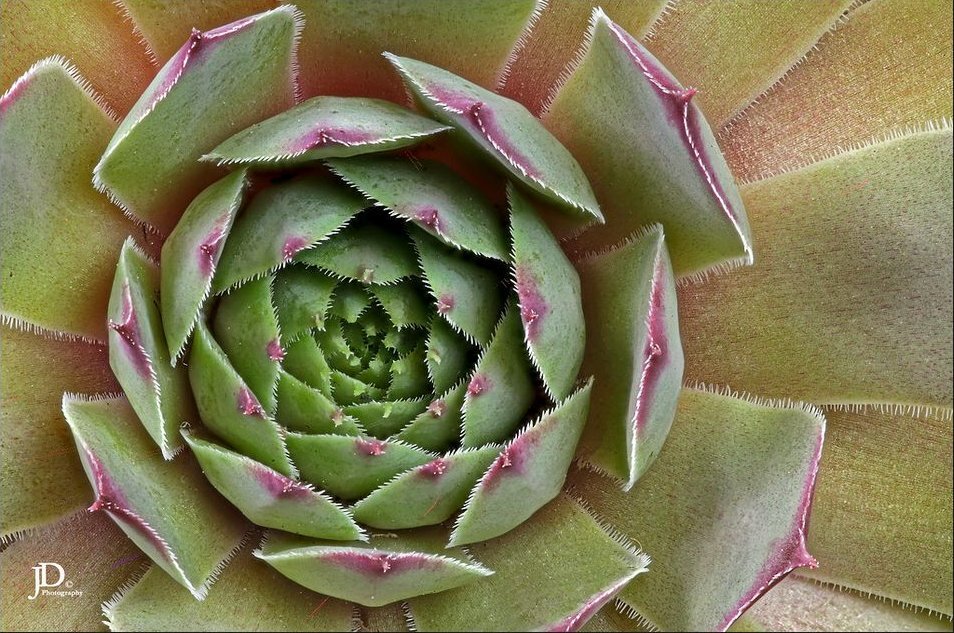
More on flickr
More on flickr
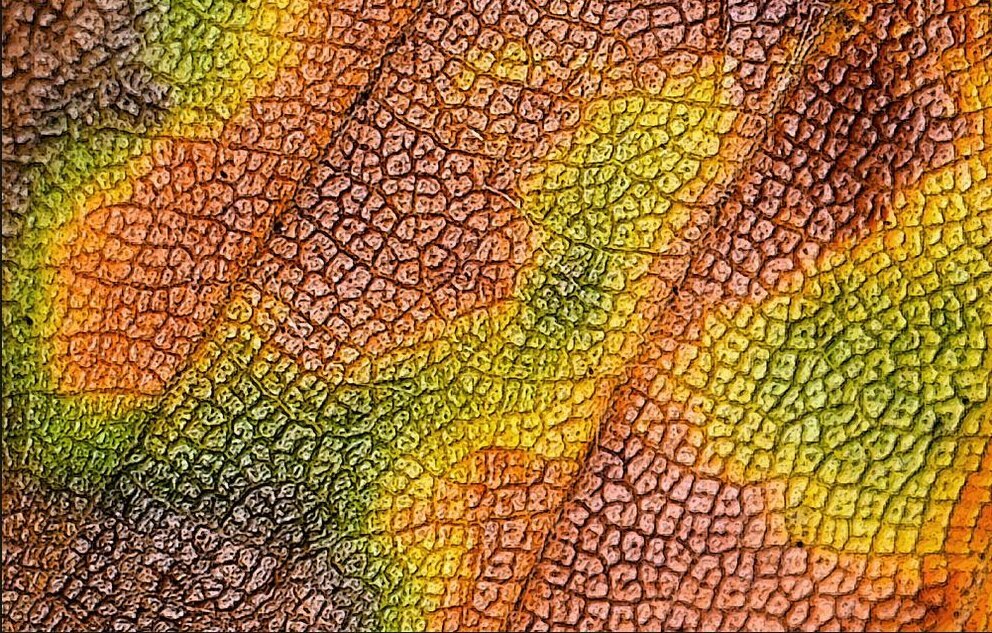
‘almost metallic colours on this leaf’
More on flickr
‘almost metallic colours on this leaf’
More on flickr
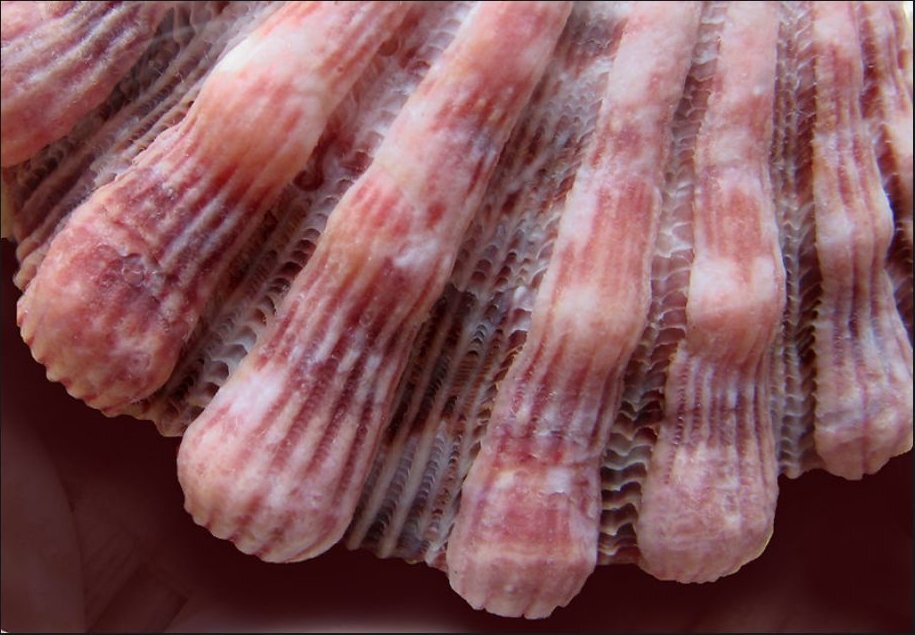
More on flickr
More on flickr
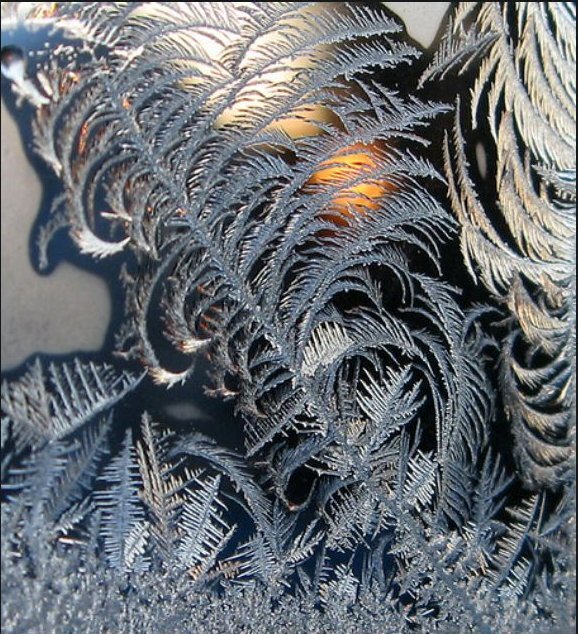
‘This frost formation is extremely small.’
More on flickr
‘This frost formation is extremely small.’
More on flickr
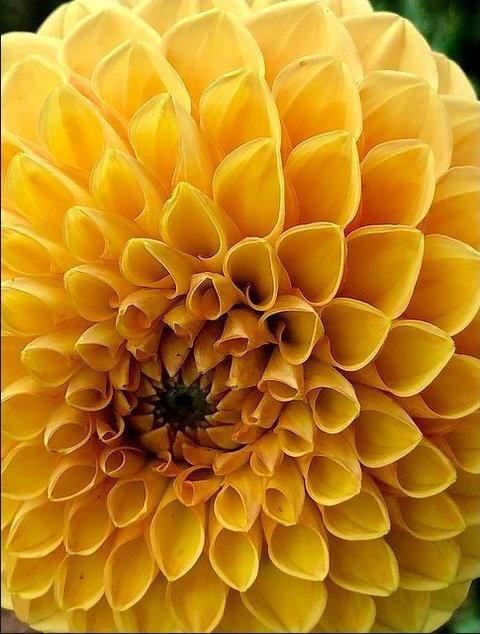
More on flickr
More on flickr
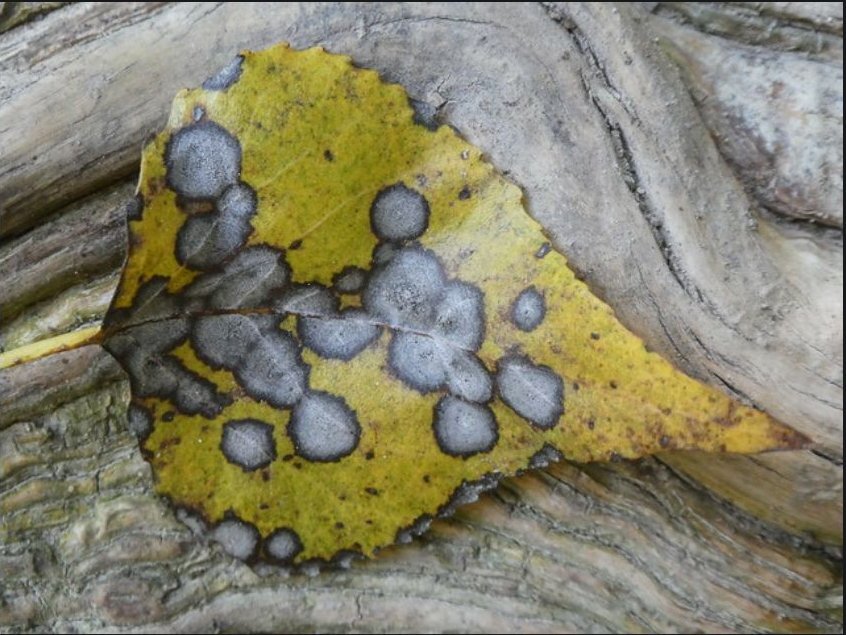
Found on flickr
Found on flickr
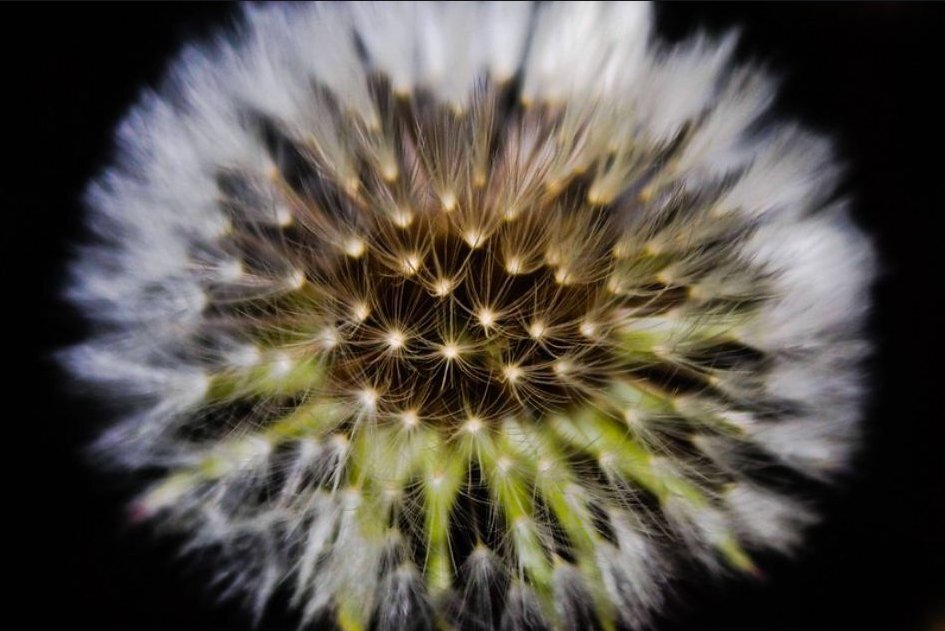
Found on flickr
Found on flickr
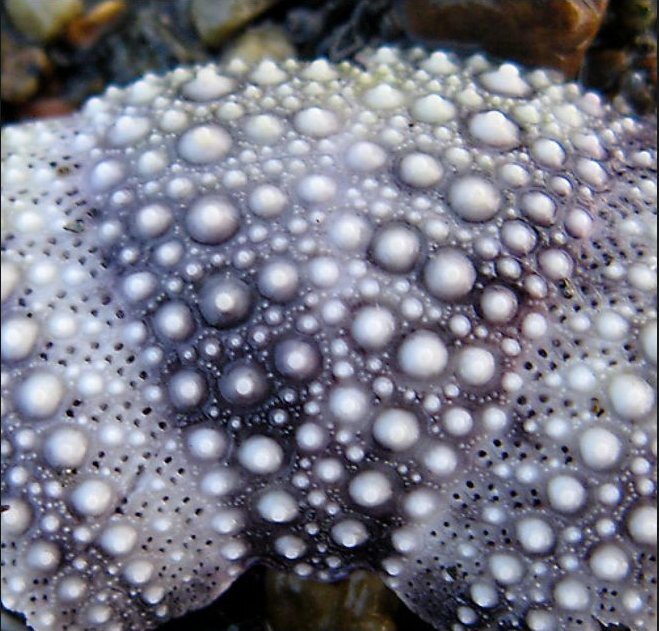
Found on flickr
Found on flickr