Hi all, developer here, so take this as a self-post.
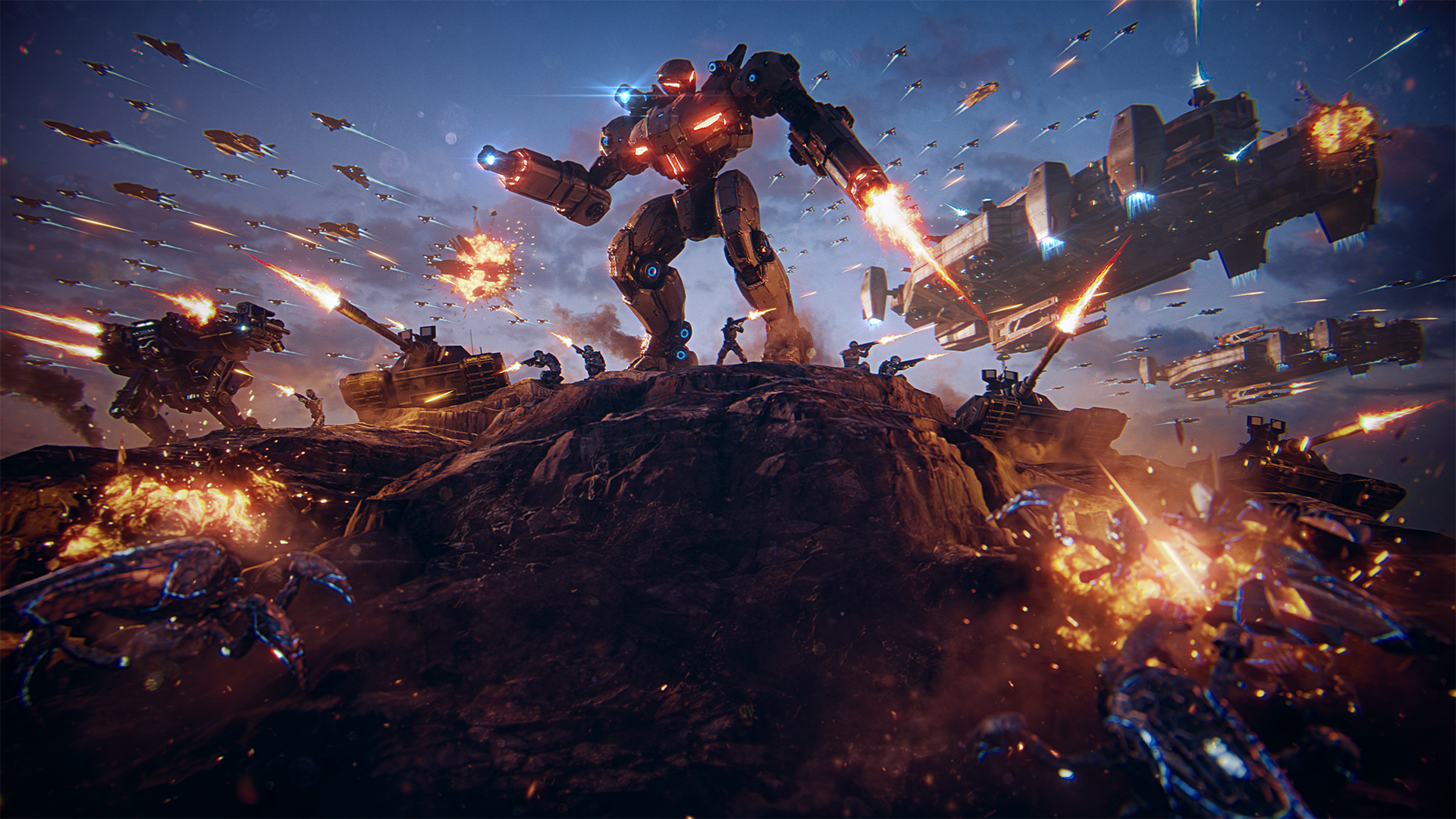
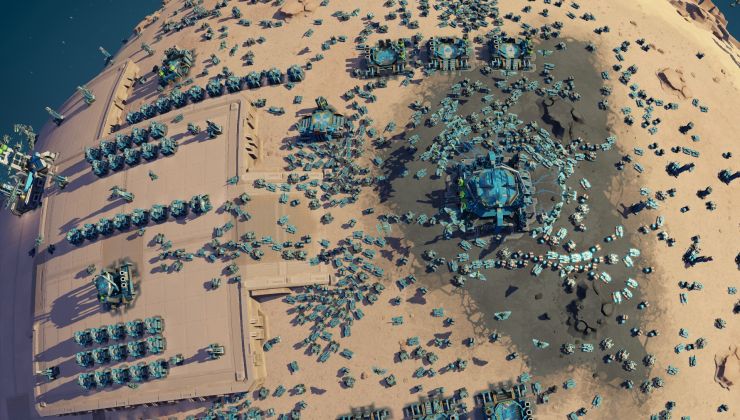
Teryon Crisis is a near-future RTS in the old build-a-base style: ore, power, production, then the push. Two factions, a 33-mission branching campaign, five skirmish modes (incl. King of the Hill and an endless Survival), co-op or 2v2 online for up to four players, and a map editor.
Things RTS players asked for that made it into 1.0: nine control groups, rebindable keys, tactical pause in single player, day/night and weather that actually cut vision.
Steam page discloses AI-generated music, voices and some UI art; gameplay, design and code are ours.
Happy to answer anything about balance or the campaign. What do you miss most from 2000s-era RTS?
Z was such an odd one compared to everything else at the time. No harvesting, no base building, just territory flags and factories that build faster the more sectors you hold. Every match turned into a mad scramble where losing one flag could flip the whole map.
And the robots had real personality, with the cigar chomping commander and Allan and Brad slacking off in the cutscenes.
Steel Soldiers went much more traditional later, and I always felt the original’s idea never really got a proper successor. Did anyone here play it back then? What did you think of the time-as-resource design?
For anyone curious, there’s a free open-source 3D fan remake of it now, OpenZ: github.com/playopenz/OpenZ
More likely to be a first person shooter type game than a new RTS, but as a casual Starcraft 2 player it’s nice to know this franchise hasn’t been totally forgotten by Microsoftactivisionblizzardking.
More likely to be a first person shooter type game than a new RTS, but as a casual Starcraft 2 player it’s nice to know this franchise hasn’t been totally forgotten by Microsoftactivisionblizzardking.
Sometimes I like to get high and play a bunch of Starcraft 64. Something about the chunky graphics and CRT vibes just puts me in a good headspace and makes the stress of the world melt away.
Sometimes I like to get high and play a bunch of Starcraft 64. Something about the chunky graphics and CRT vibes just puts me in a good headspace and makes the stress of the world melt away.
“Just under half” of Age of Empires studio World’s Edge have reportedly been laid off, and their next project cancelled, as part of Xbox’s mass redundancies.
“Just under half” of Age of Empires studio World’s Edge have reportedly been laid off, and their next project cancelled, as part of Xbox’s mass redundancies.
This is the biggest Age of Mythology tournament in a very long time. The $10k prize pool is on par with most of the biggest S-tier tournaments since Retold (in fact, only two tournaments since 2004 have had a bigger prize pool, though it shares that 10k figure with 5 others). But it’s also the first time Age of Mythology has a full LAN tournament with all players travelling from around the world to compete at the same venue since 2004.
This is the biggest Age of Mythology tournament in a very long time. The $10k prize pool is on par with most of the biggest S-tier tournaments since Retold (in fact, only two tournaments since 2004 have had a bigger prize pool, though it shares that 10k figure with 5 others). But it’s also the first time Age of Mythology has a full LAN tournament with all players travelling from around the world to compete at the same venue since 2004.
Sandy Petersen made DOOM. He co-designed Age of Empires. Across three long conversations, he’s shared stories from behind the scenes at Ensemble Studios - the balance decisions, the accidents that became features, the corporate chaos.
Here’s 24 of them in one place.
The Korean incident that nearly got Microsoft reps arrested. The balance decisions made on pure vibes. The bugs Ensemble decided to keep as features. The plan to fire the entire studio the day Halo Wars shipped. The mangonels that chop down forests - and what they were originally allowed to destroy. The bridges the programmers refused to build.
Real-Time Strategy once ruled PC gaming with legends like StarCraft, Age of Empires, Warcraft, and Dawn of War. But over the years, the genre has faded. New RTS games launch… and fail. Why?
In this video, we break down:
✅ The Golden Age of RTS and how it shaped gaming
✅ How StarCraft kickstarted modern esports
✅ Why publishers abandoned RTS games
✅ Why most new RTS titles can’t capture the magic
From Command & Conquer to StarCraft II and Dawn of War III, we’ll explore the rise, fall, and potential comeback of RTS.
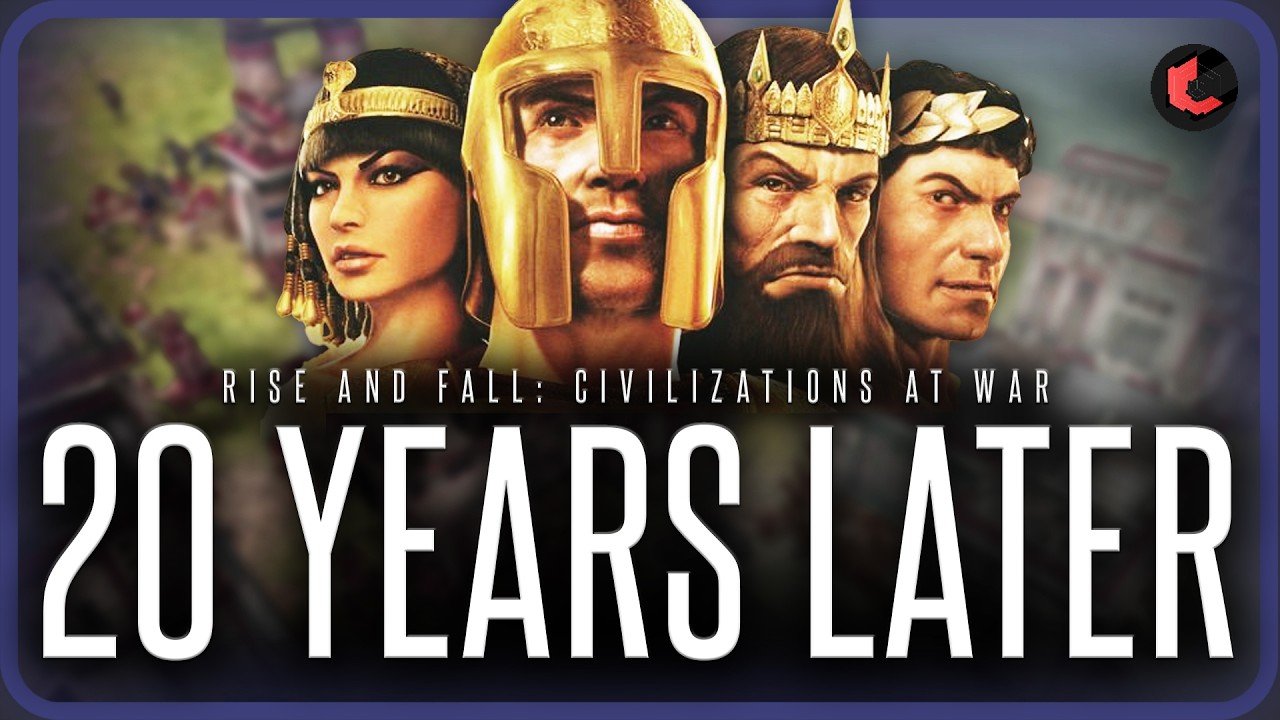
Rise and Fall: Civilizations at War was the third title by Stainless Steel Studios - the creators of Empire Earth. Unfortunately it didn’t turn out that great, the developer went under and it was finished by the publisher. Not only did it have some really interesting ideas, it also had a story behind it that’s often mispresented whenever it is retold. Let’s look at the game, examine what happened in detail and see if the whole “amazing studio crushed by bad publisher” narrative holds up.
Rise and Fall: Civilizations at War was the third title by Stainless Steel Studios - the creators of Empire Earth. Unfortunately it didn’t turn out that great, the developer went under and it was finished by the publisher. Not only did it have some really interesting ideas, it also had a story behind it that’s often mispresented whenever it is retold. Let’s look at the game, examine what happened in detail and see if the whole “amazing studio crushed by bad publisher” narrative holds up.
Rise and Fall: Civilizations at War is one of those games that would go insanely hard if you’re 12. It’s a bizarre game, and its got an equally bizarre development story. Let’s see how it holds up 20 years later…
Rise and Fall: Civilizations at War is one of those games that would go insanely hard if you’re 12. It’s a bizarre game, and its got an equally bizarre development story. Let’s see how it holds up 20 years later…
Eugen Systems have secured the rights to their lost strategy game R.U.S.E. and released a new Steam Deck compatible version at no extra cost to existing owners.
Eugen Systems have secured the rights to their lost strategy game R.U.S.E. and released a new Steam Deck compatible version at no extra cost to existing owners.
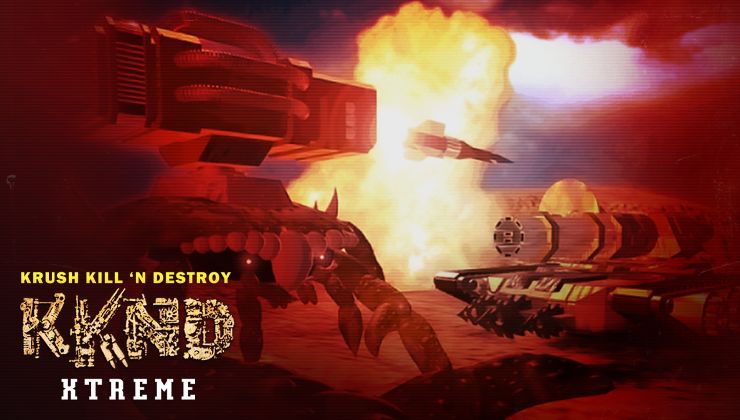
Krush Kill 'N Destroy (KKnD) and the sequel Krush Kill 'N Destroy 2: Krossfire, two classic strategy games from the 90s are getting some major upgrades in June.
Krush Kill 'N Destroy (KKnD) and the sequel Krush Kill 'N Destroy 2: Krossfire, two classic strategy games from the 90s are getting some major upgrades in June.
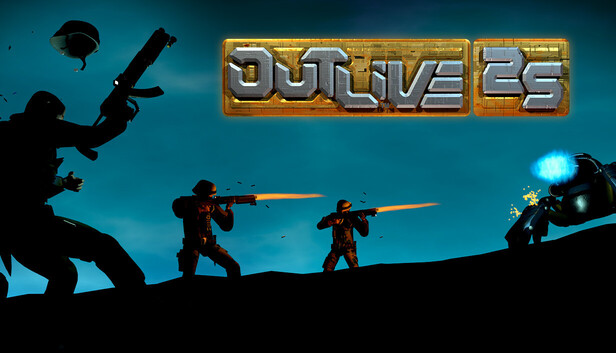
Outlive (Portuguese: Outlive: A Era da Sobrevivência) is a real-time strategy video game developed and produced by Brazilian studio Continuum Entertainment. It is a mission-based real-time strategy game where the player controls either the human military or robot forces and attempts to eliminate all opposing forces. It was initially released in 2000 in Brazil (2001 for the rest of the world), and was the second and most successful product of Continuum. The game was one of the few Brazilian games to be published by a mainstream AAA publisher back in the early 2000s. It was published in the United States and Europe by Take-Two Interactive.
Outlive (Portuguese: Outlive: A Era da Sobrevivência) is a real-time strategy video game developed and produced by Brazilian studio Continuum Entertainment. It is a mission-based real-time strategy game where the player controls either the human military or robot forces and attempts to eliminate all opposing forces. It was initially released in 2000 in Brazil (2001 for the rest of the world), and was the second and most successful product of Continuum. The game was one of the few Brazilian games to be published by a mainstream AAA publisher back in the early 2000s. It was published in the United States and Europe by Take-Two Interactive.