0
0
Ars Technica
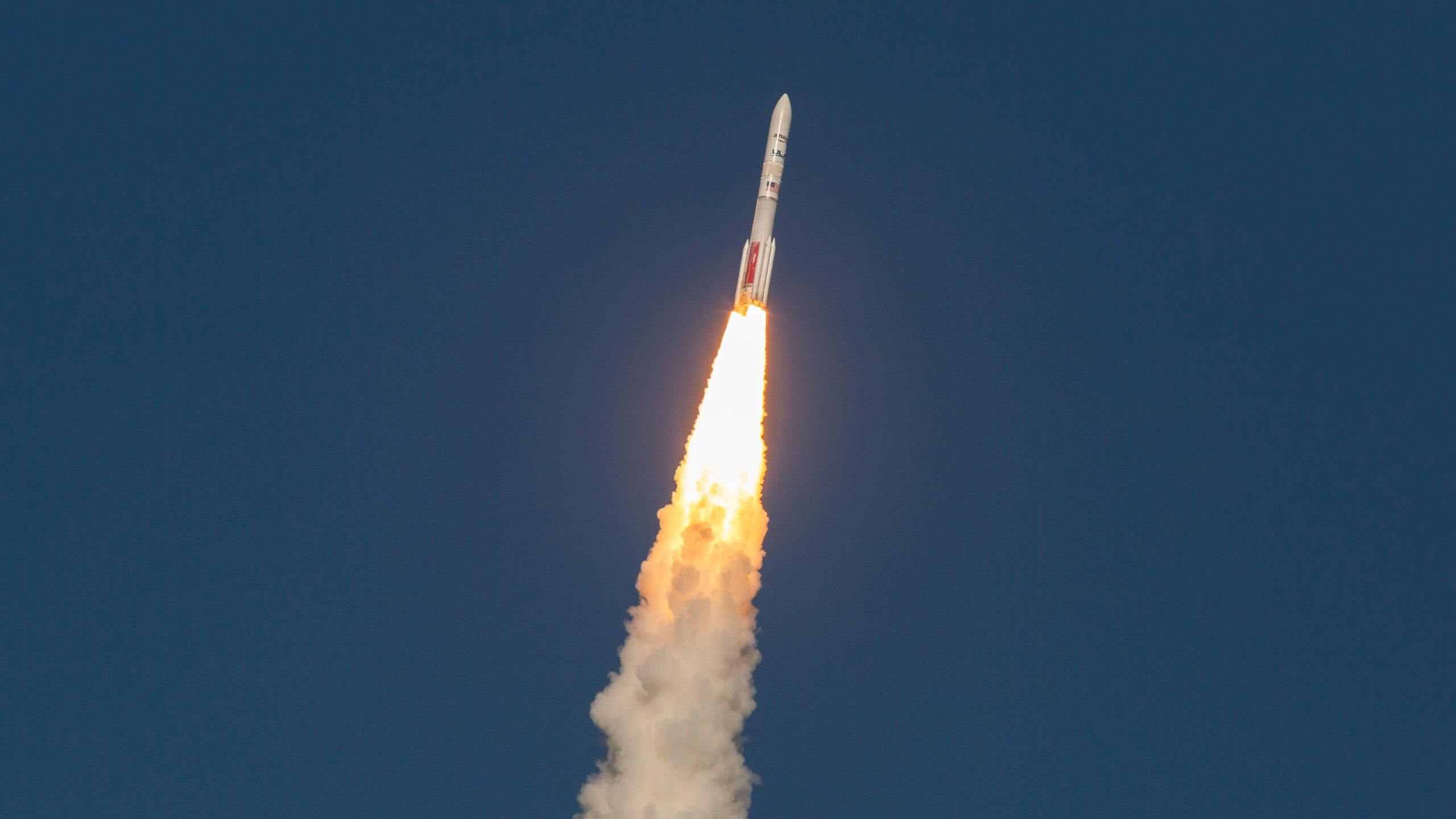
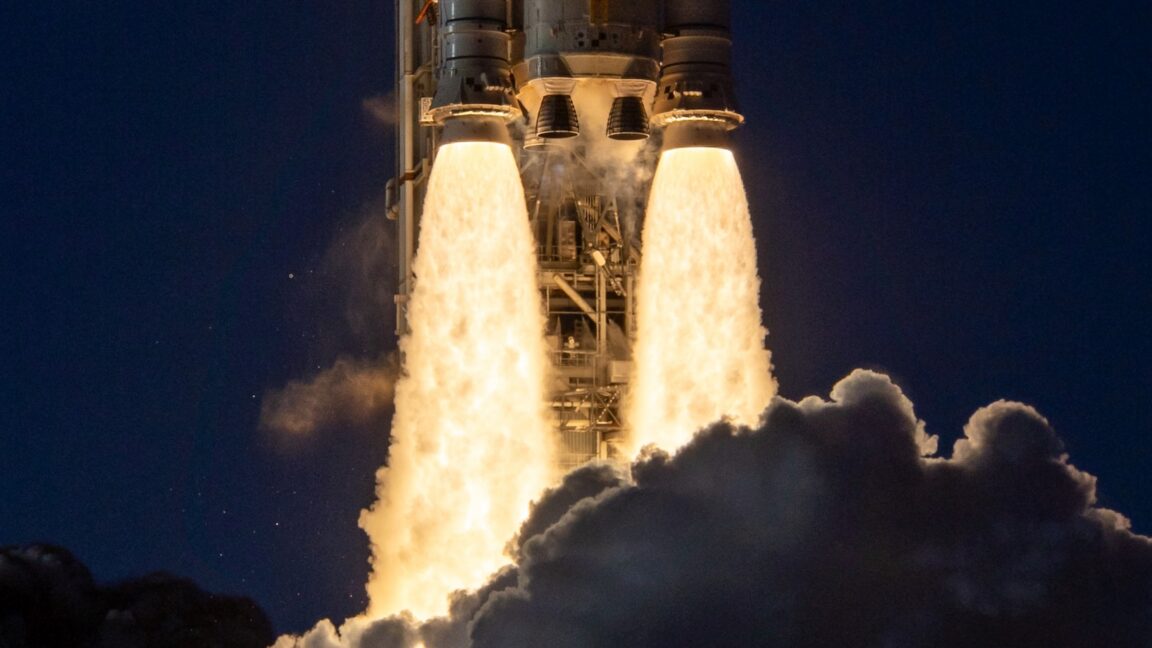
The data is very preliminary, but Vulcan failure may not be due to BE-4 engines
arstechnica.com
posts tagged #spaceflight

cross-posted from: lemmy.ca/post/73981956
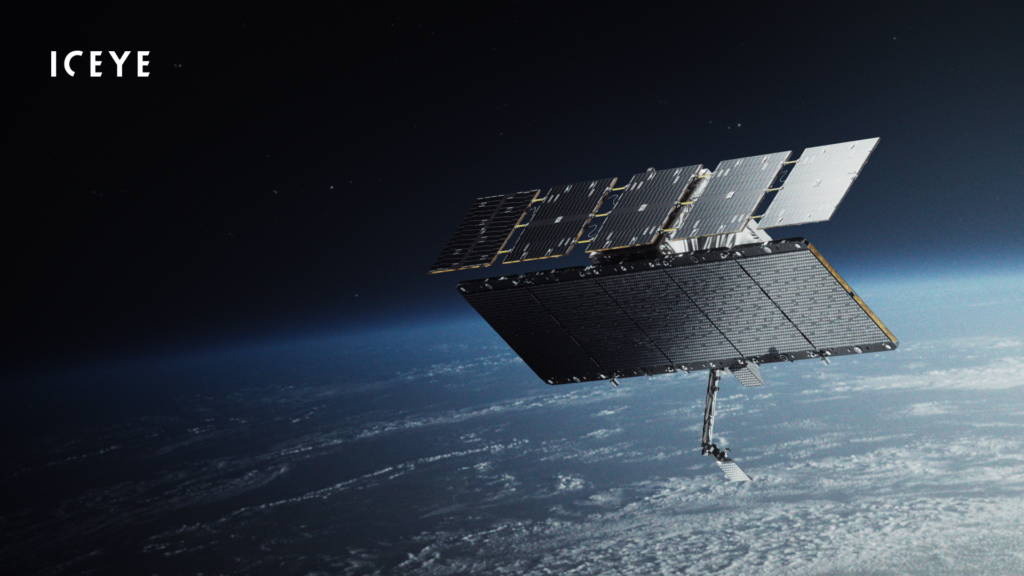
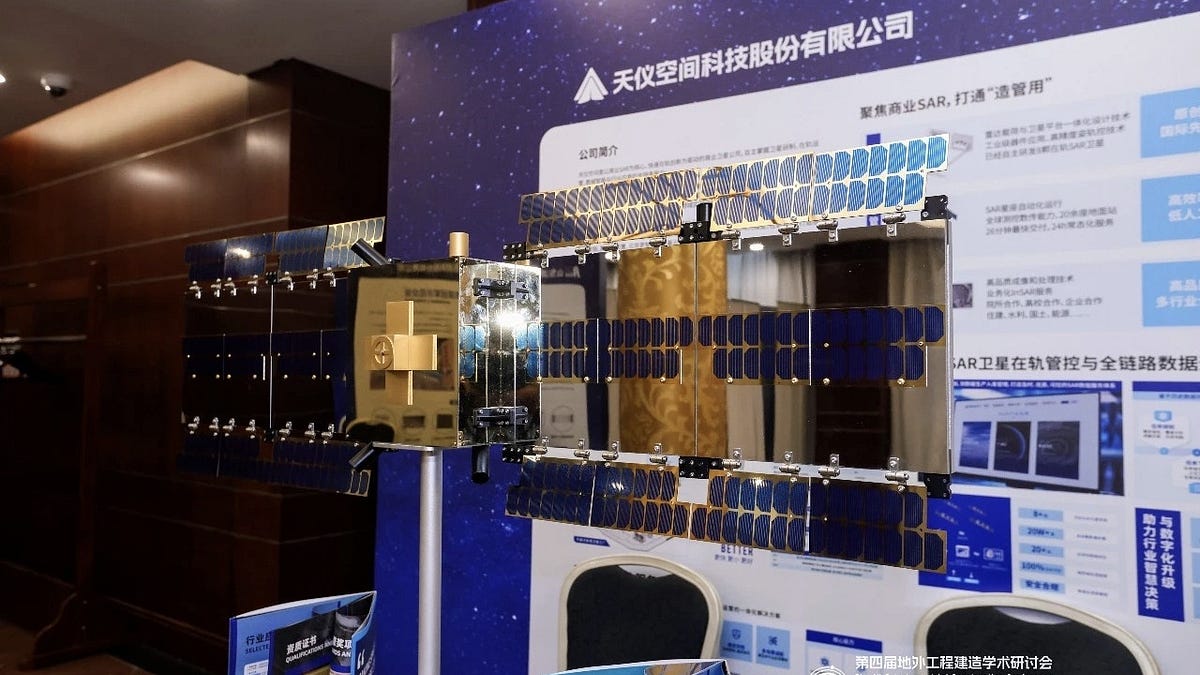
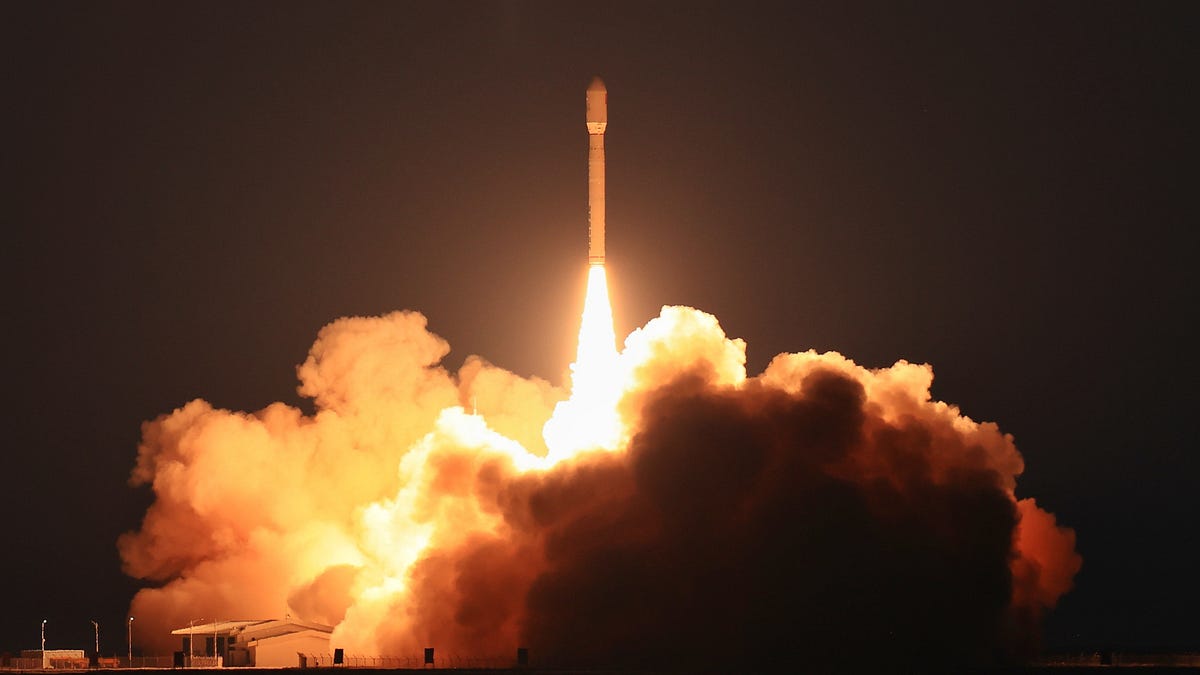
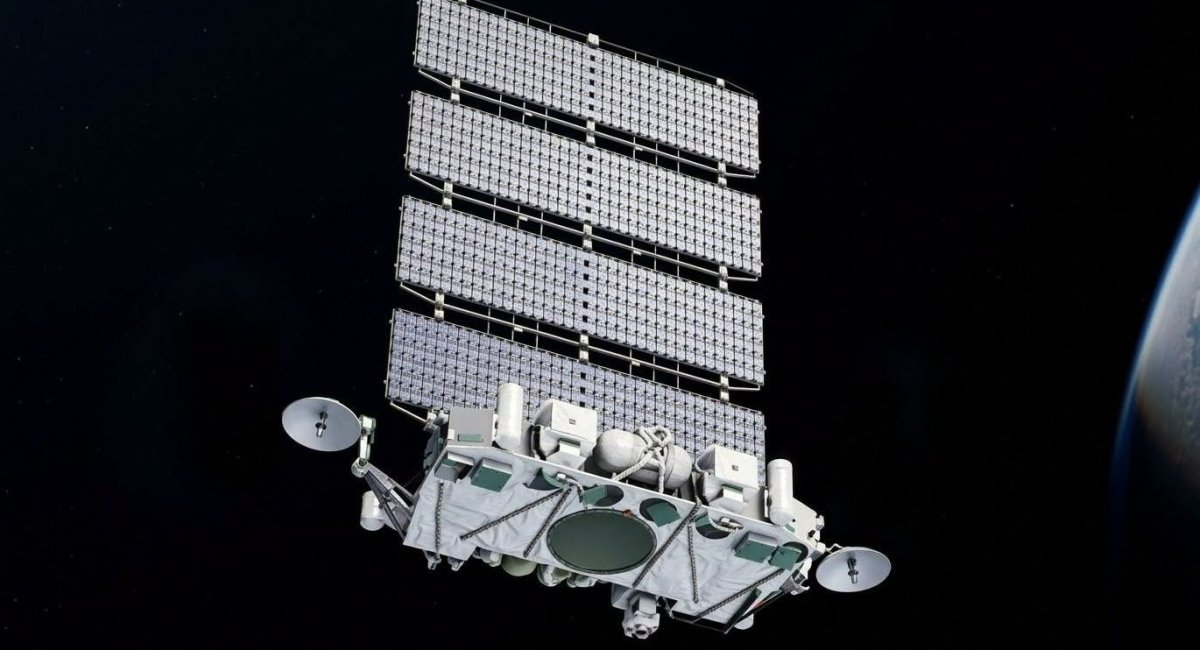
Unlike conventional Earth observation satellites, which rely on reflected sunlight, SAR spacecraft transmit radar signals towards Earth and measure the returning echoes. This allows them to image the surface at night and through cloud cover, smoke and adverse weather.

Source: Echo5550
On average, 294 days pass between an anomaly and the following launch, meaning we may not see Vulcan fly again until September 2027 unless the issue is found and fixed more quickly than the SRB anomalies were.
Source: Echo5550
On average, 294 days pass between an anomaly and the following launch, meaning we may not see Vulcan fly again until September 2027 unless the issue is found and fixed more quickly than the SRB anomalies were.



Per Jonathan McDowell: bsky.app/profile/…/3n2bejalanc2a
LAUNCH at 0116 UTC Nov 14 of a Soyuz-2-1b/Fregat from Vostochniy with the KOEN and Kinosputnik commercial imaging sats and a set of so-far-unidentified cubesats
Graphic by rykllan: bsky.app/profile/…/3n2autfr63c2l
NextSpaceflight page: nextspaceflight.com/launches/details/4323/
Launch video (Roscomos): www.youtube.com/watch?v=ATvKzYP7CPw
Topics:
Topics:
| Scheduled for (UTC) | 2026-11-15 17:11:30 |
|---|---|
| Scheduled for (local) | 2026-11-15 12:11:30 (EST) |
| Launch site | SLC-41, Cape Canaveral SFS, Florida. |
| Launch provider | United Launch Alliance (ULA) |
| Launch vehicle | Vulcan Centaur (VC6L configuration*) |
| Customer | Amazon Leo |
| Payload | 40 Amazon Leo satellites |
| Mass | 22,700 kg |
| Target orbit | LEO |
VC6L configuration breakdown:
| Stream | Link |
|---|---|
| ULA | www.youtube.com/watch?v=qM5A1ZO9oh8 |
| NASASpaceFlight | www.youtube.com/@NASASpaceflight/streams |
| International Rocket Launches | www.youtube.com/watch?v=CMd3beRo96Y |
| Spaceflight Now | www.youtube.com/@SpaceflightNowVideo/streams |
| The Launch Pad | www.youtube.com/@TheLaunchPad/streams |
| Space Affairs | www.youtube.com/watch?v=K4ubw-dgInE |
☑️ 2nd Vulcan mission of 2026, 5th overall
☑️ 1st ever launch of the VC6L configuration
☑️ 6th ULA mission of 2026, 175th overall
Amazon Leo, formerly known as Project Kuiper, is a mega constellation of satellites in Low Earth Orbit that will offer broadband internet access managed by Kuiper Systems LLC, a subsidiary of Amazon. This constellation is planned to be composed of 3,236 satellites. The satellites are projected to be placed in 98 orbital planes in three orbital layers, one at 590 km, 610 km, and 630 km altitude.
Previous ULA launch: Amazon Leo (LA-08)
Next ULA launch: TBD, possibly Amazon Leo (LV-02)
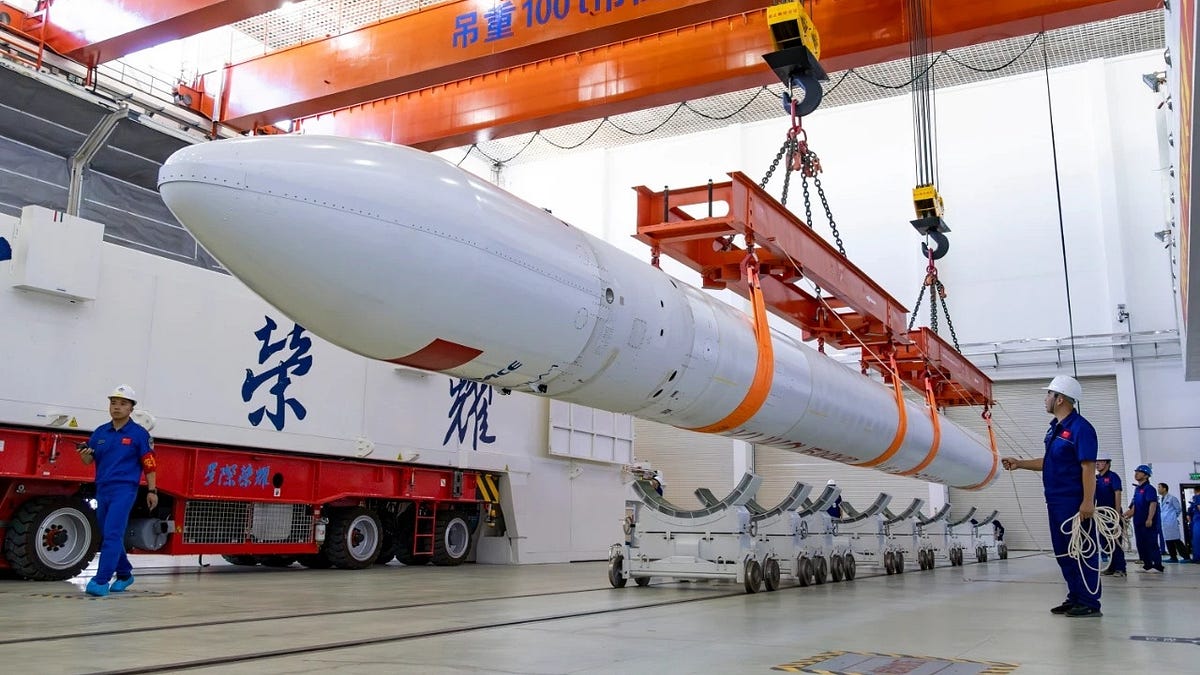
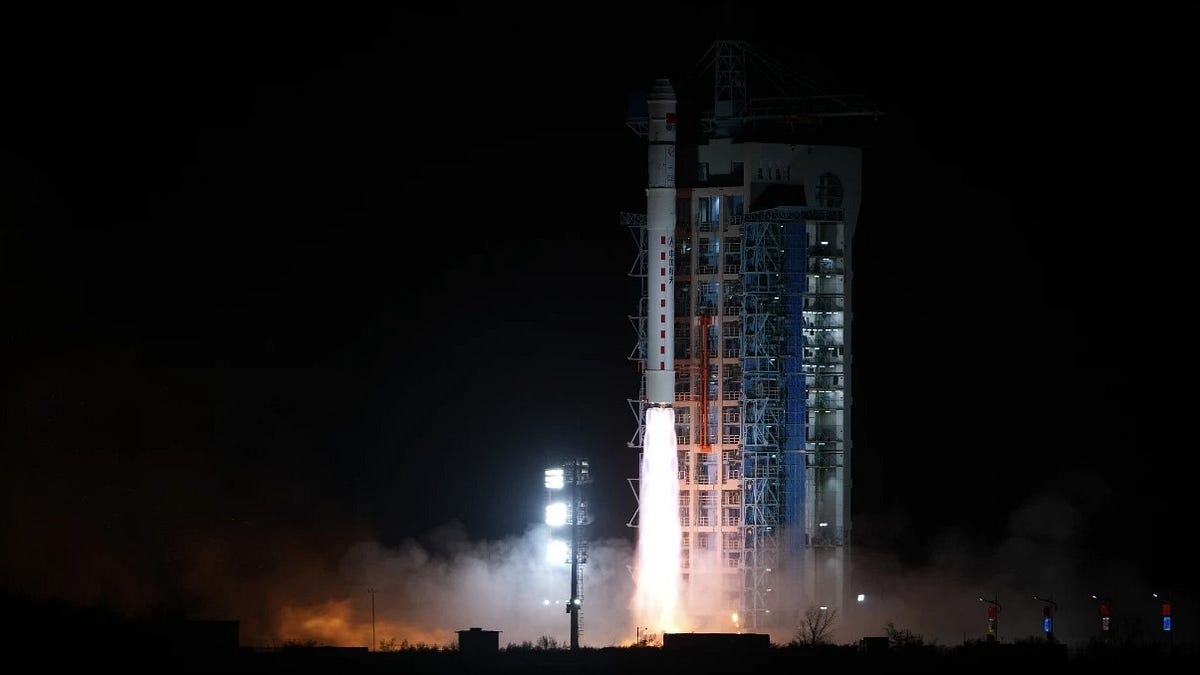
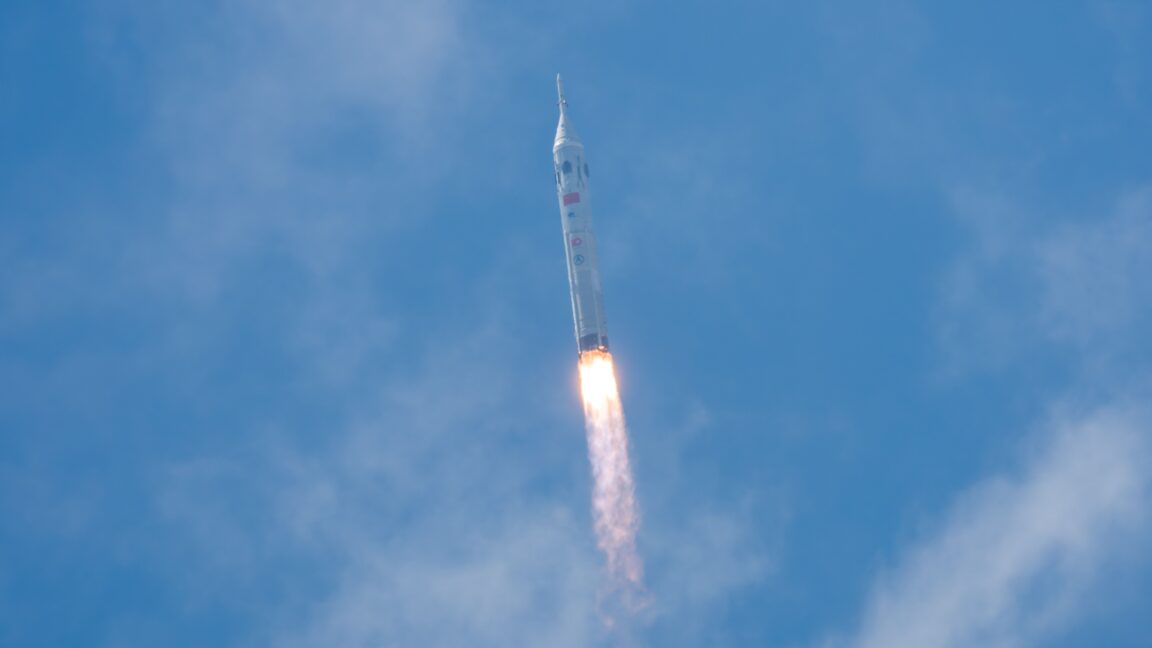
Jack Congram article: china-in-space.com/…/space-science-boosting-missi…
NextSpaceflight page: nextspaceflight.com/launches/details/8453/
Jack Congram article: china-in-space.com/…/space-science-boosting-missi…
NextSpaceflight page: nextspaceflight.com/launches/details/8453/
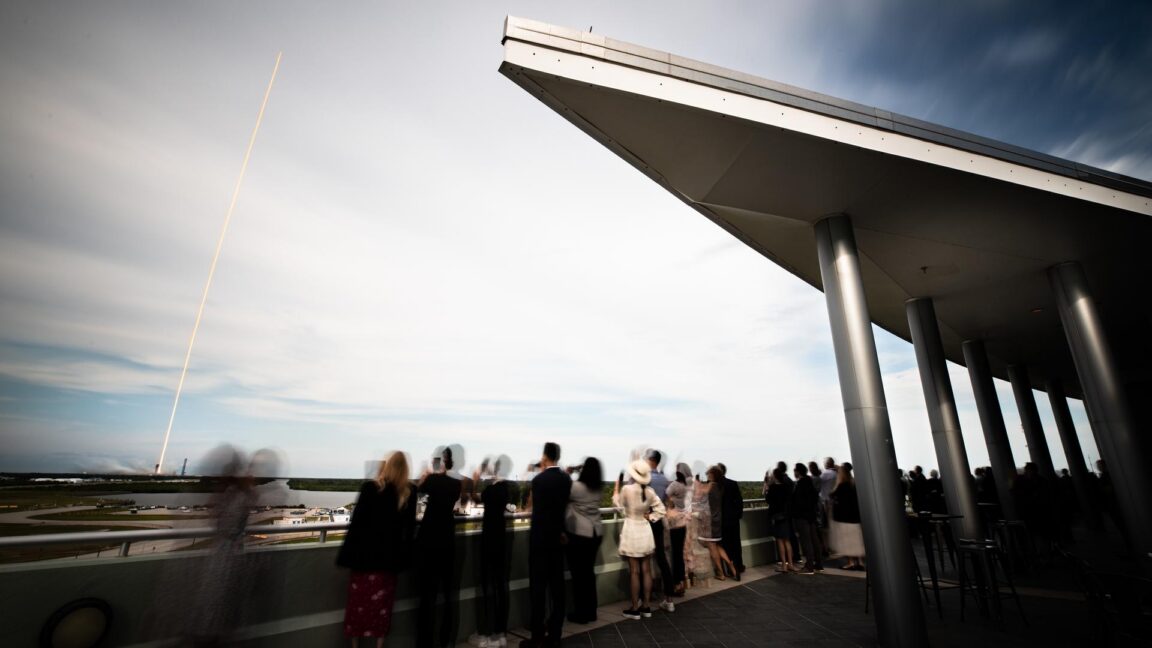

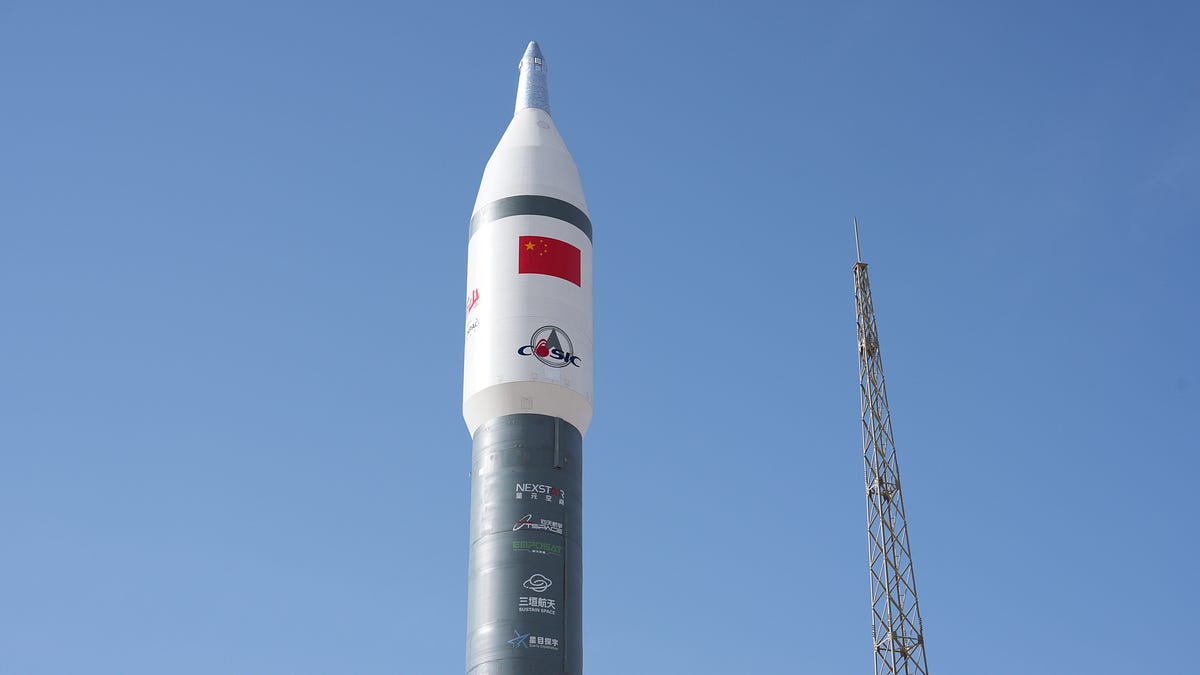
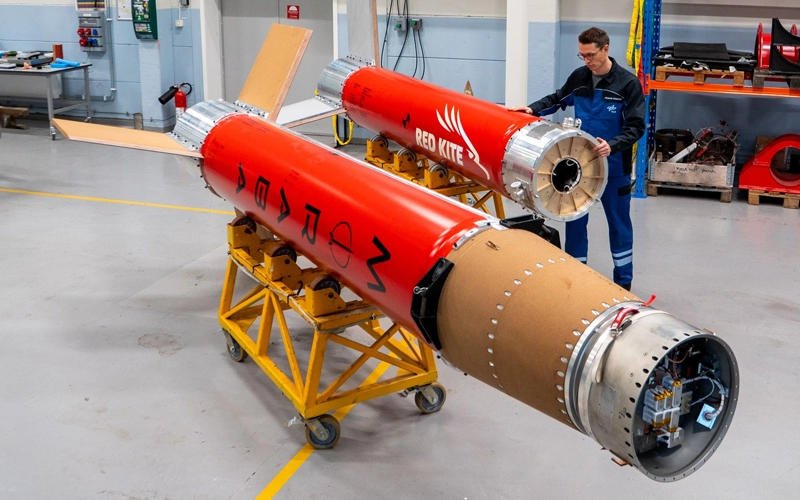

cross-posted from: lemmy.ca/post/73673384
This is a nearly complete collection of orbital spaceflight, we’re working diligently to get to 100% coverage. We’ve collected all of manned spaceflight and are working to collect unmanned spaceflight’s.
also see
cross-posted from: lemmy.ca/post/73673384
This is a nearly complete collection of orbital spaceflight, we’re working diligently to get to 100% coverage. We’ve collected all of manned spaceflight and are working to collect unmanned spaceflight’s.
also see
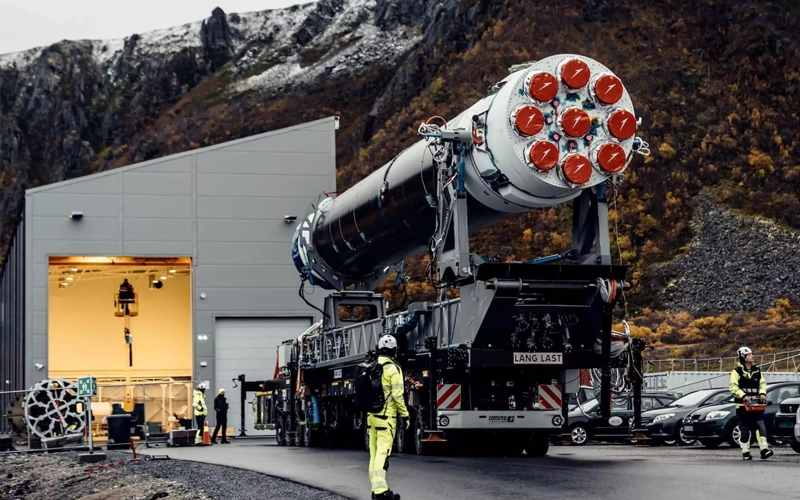
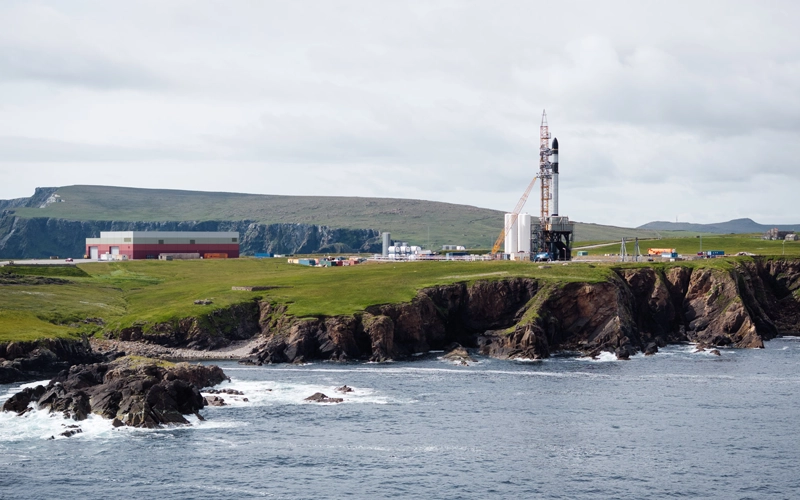

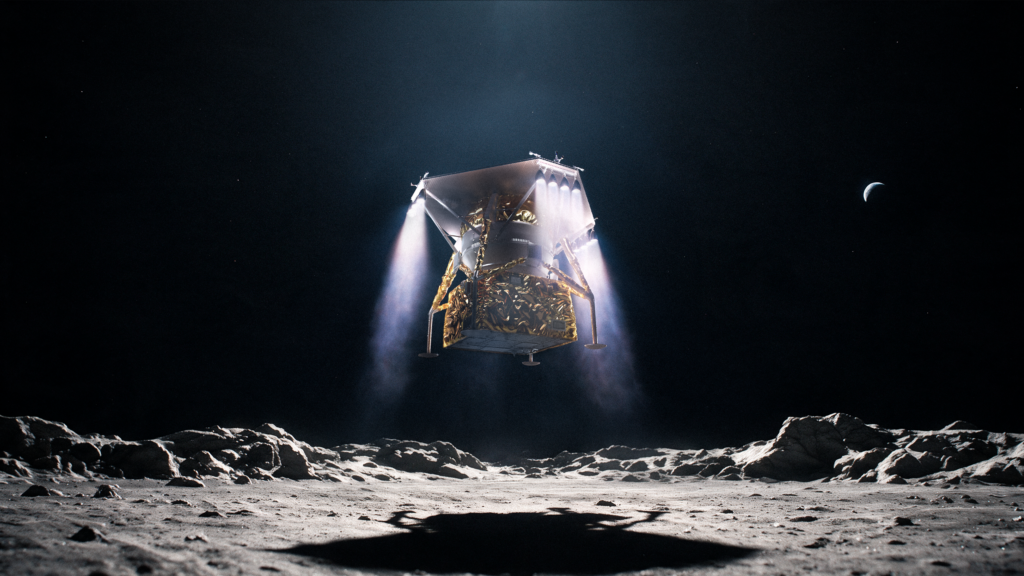
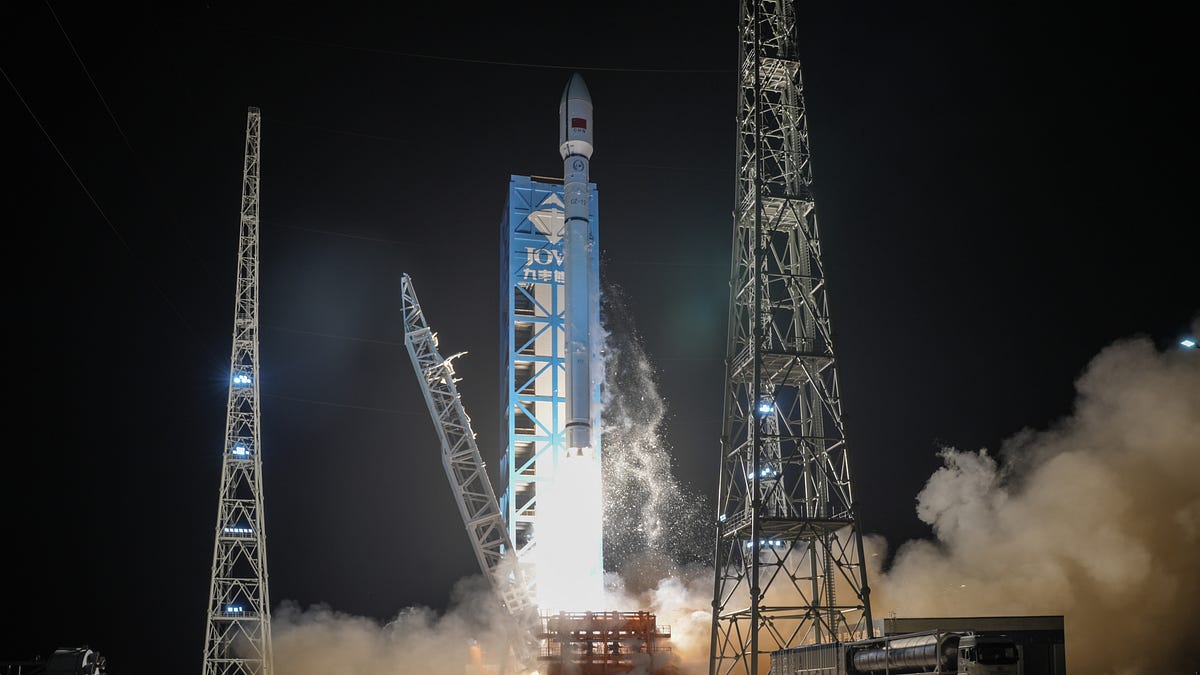
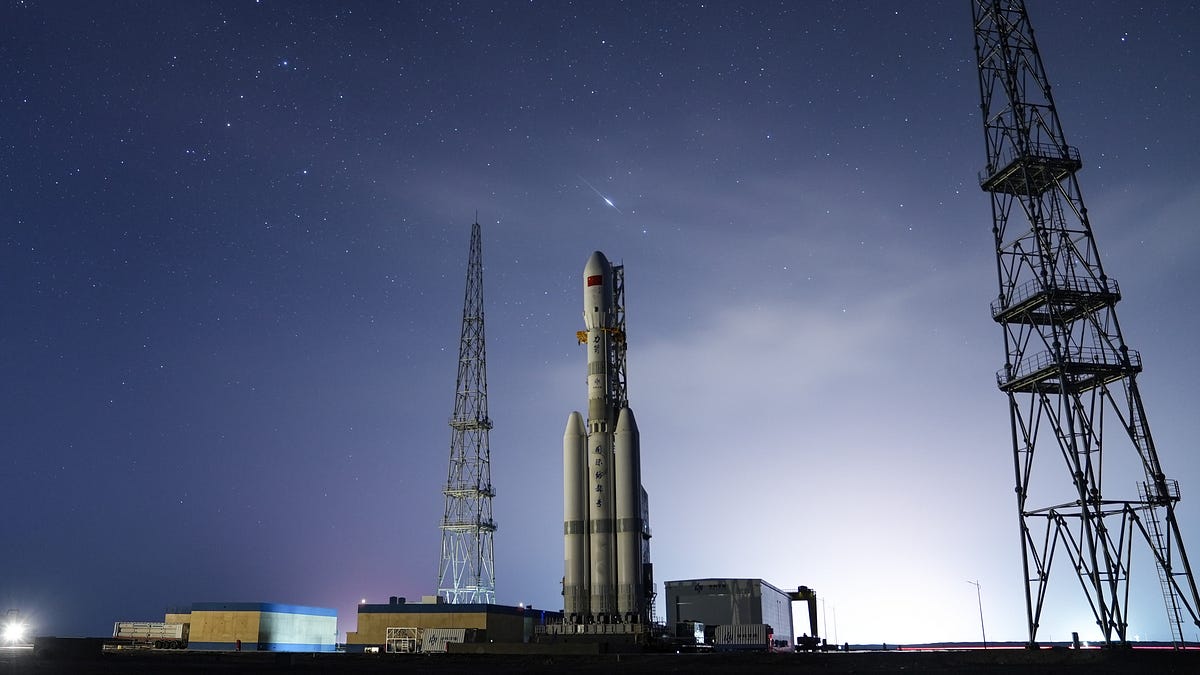
Jack Congram article: china-in-space.com/…/tenth-long-march-12-adds-to-…
NextSpaceflight page: nextspaceflight.com/launches/details/8445/
Jack Congram article: china-in-space.com/…/tenth-long-march-12-adds-to-…
NextSpaceflight page: nextspaceflight.com/launches/details/8445/
Topics:
Topics:
Jack Congram article: china-in-space.com/…/ceres-2-returns-to-launch-cu…
Next Spaceflight page: nextspaceflight.com/launches/details/8448/
Jack Congram article: china-in-space.com/…/ceres-2-returns-to-launch-cu…
Next Spaceflight page: nextspaceflight.com/launches/details/8448/
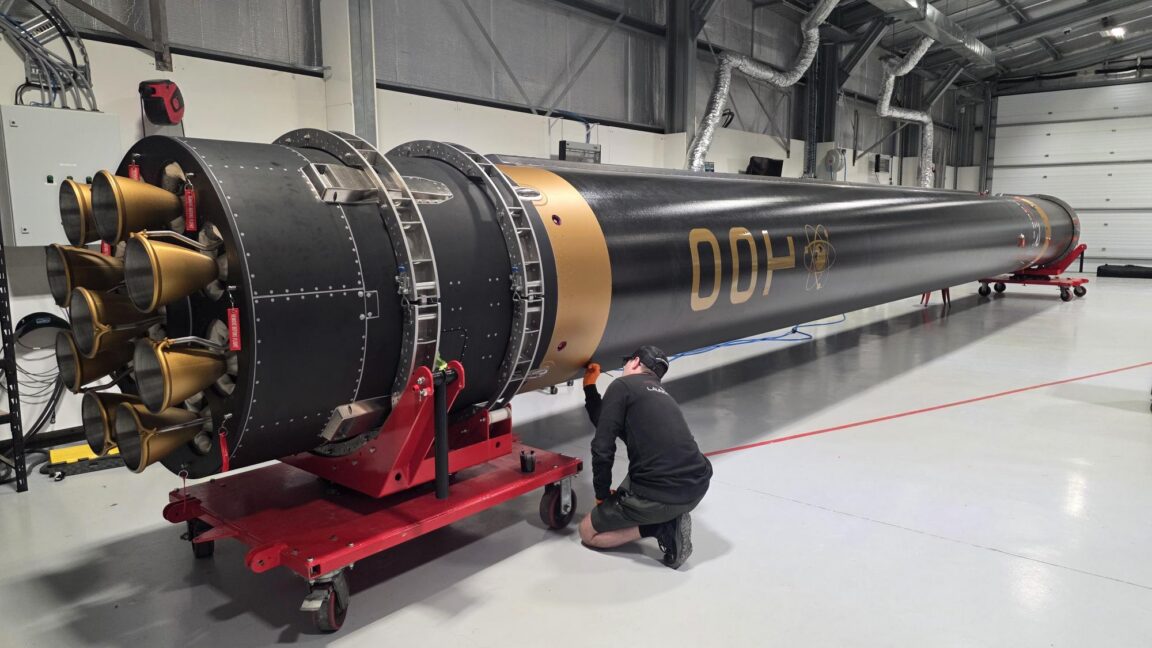
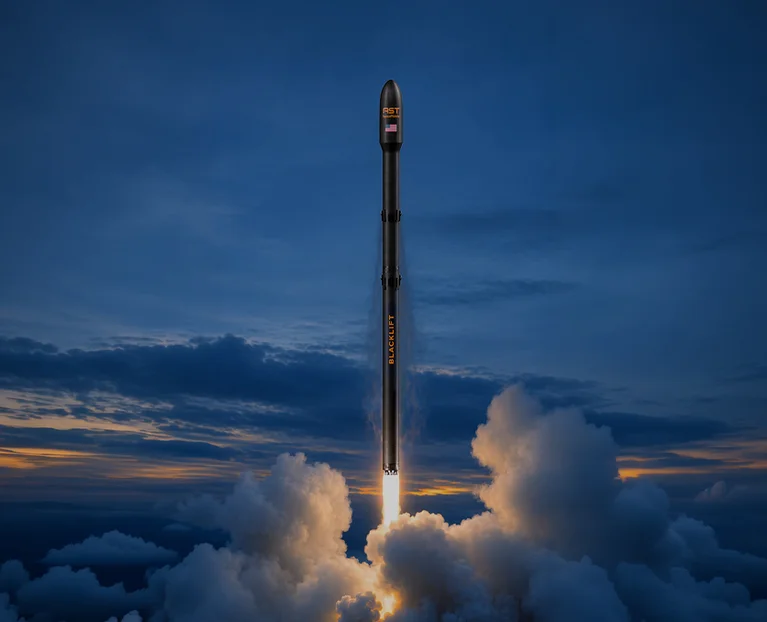
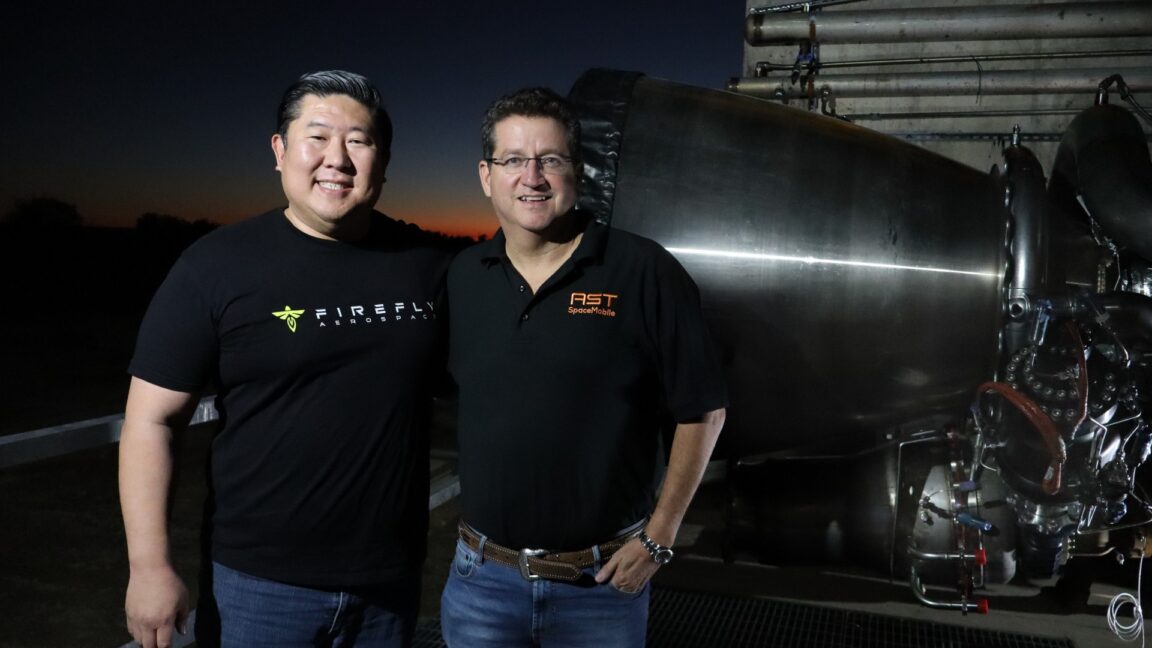
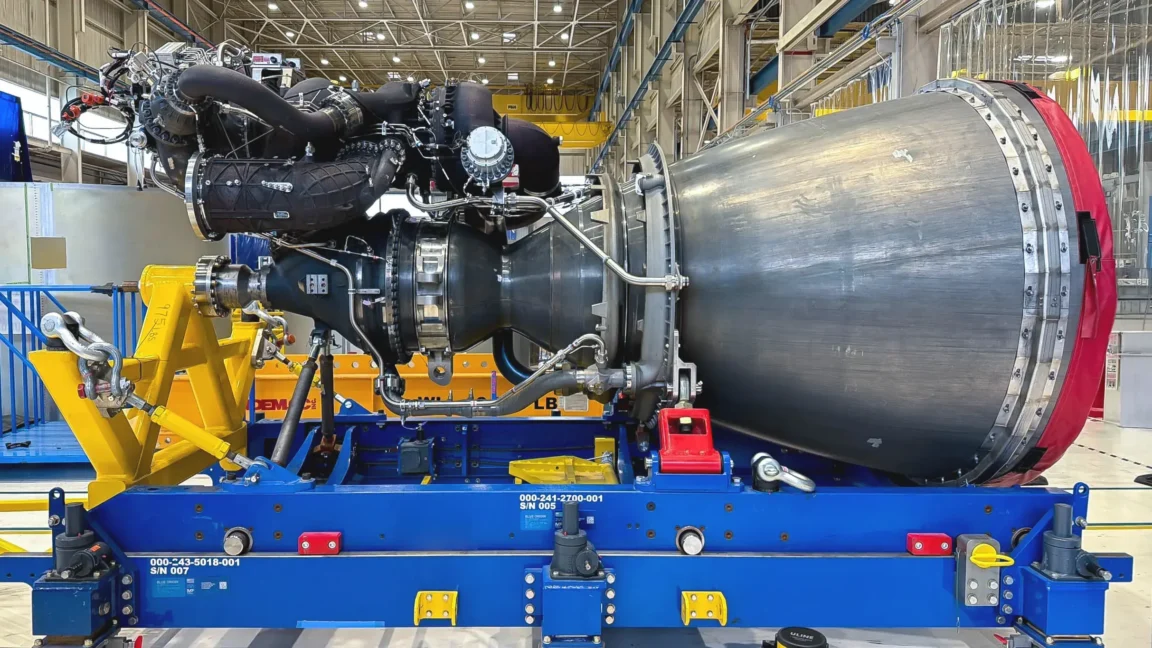
The rocket – named Blacklift – is designed for reusability, leveraging an engine architecture with over a decade of development and proven flight heritage, enabling up to five BlueBird satellites per launch
Starting in late 2028, the use of the Blacklift rocket will complete AST SpaceMobile’s end-to-end vertical integration and ensure regular unconstrained access to orbit with most favorable owners’ economics in the industry
AST SpaceMobile will also continue to use external launch providers, with agreements now covering in total over 100 BlueBird satellites expected to be deployed cumulatively between 2027 and 2028

Jack Congram article: china-in-space.com/…/new-yaogan-satellite-trio-la…
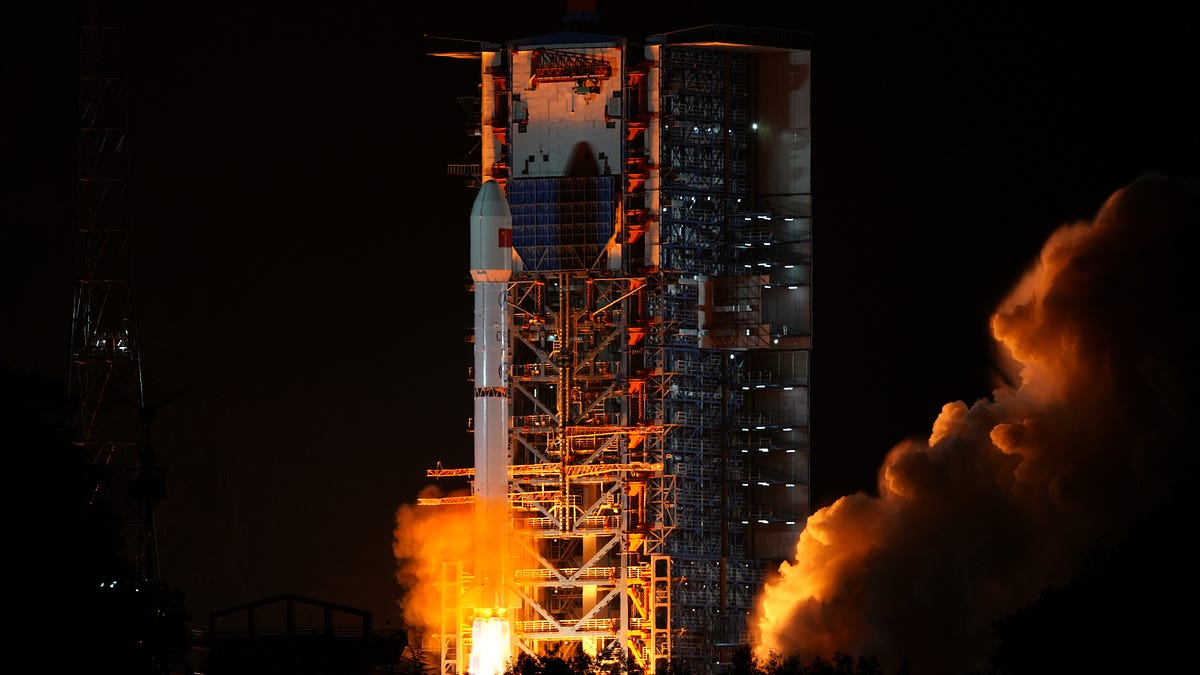
NextSpaceflight page: nextspaceflight.com/launches/details/8450/
Jack Congram article: china-in-space.com/…/new-yaogan-satellite-trio-la…
NextSpaceflight page: nextspaceflight.com/launches/details/8450/
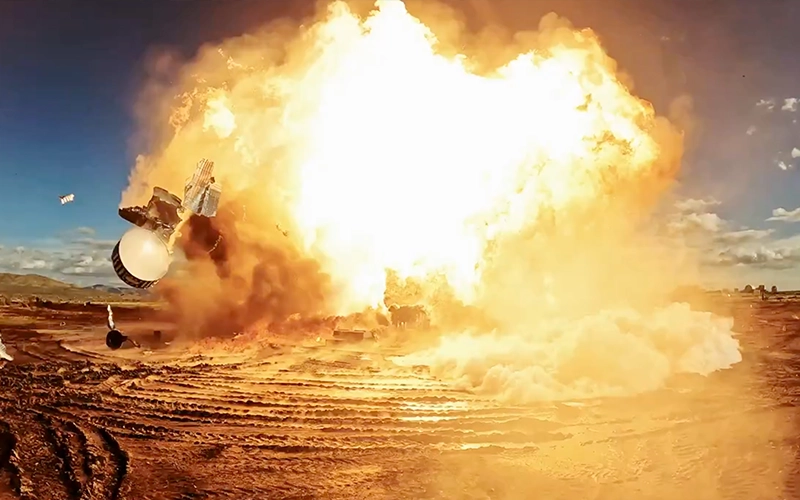
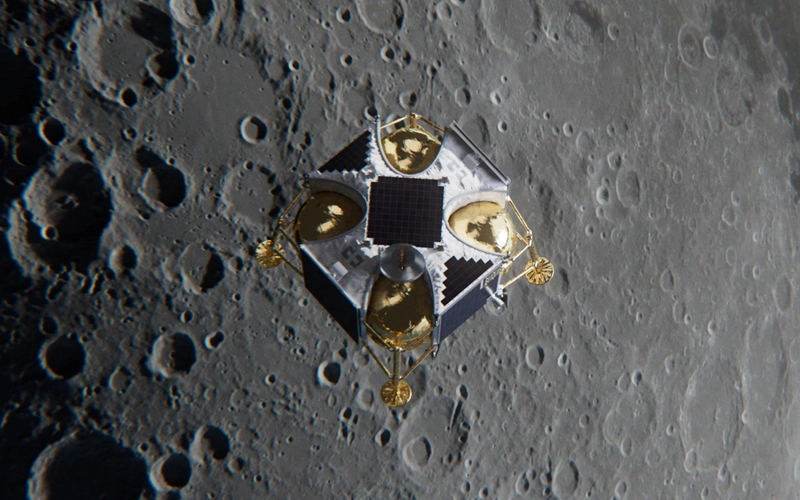
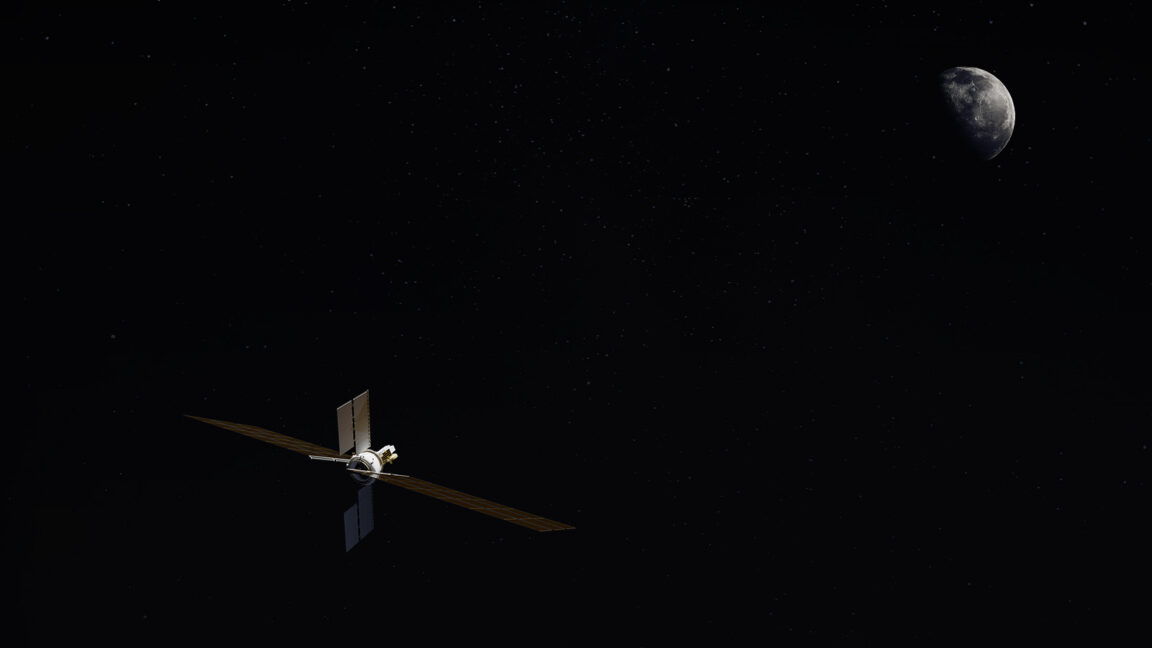
In late 2022, the three Carlisles founded Argo Space to build infrastructure in space. Their vision was not just in-space transportation but also removing the need to use propellants from Earth to move around the heavens. They chose water, which is potentially harvestable on the Moon and found all over the Solar System, as a means of propulsion.
The propulsion system is basically a small rocket that uses hydrogen and oxygen as propellants. However, instead of launching with separate tanks of liquid hydrogen and liquid oxygen, Chiron starts with liquid water. In space, the vehicle uses solar power to split water into hydrogen and oxygen gases and burns them to generate thrust.


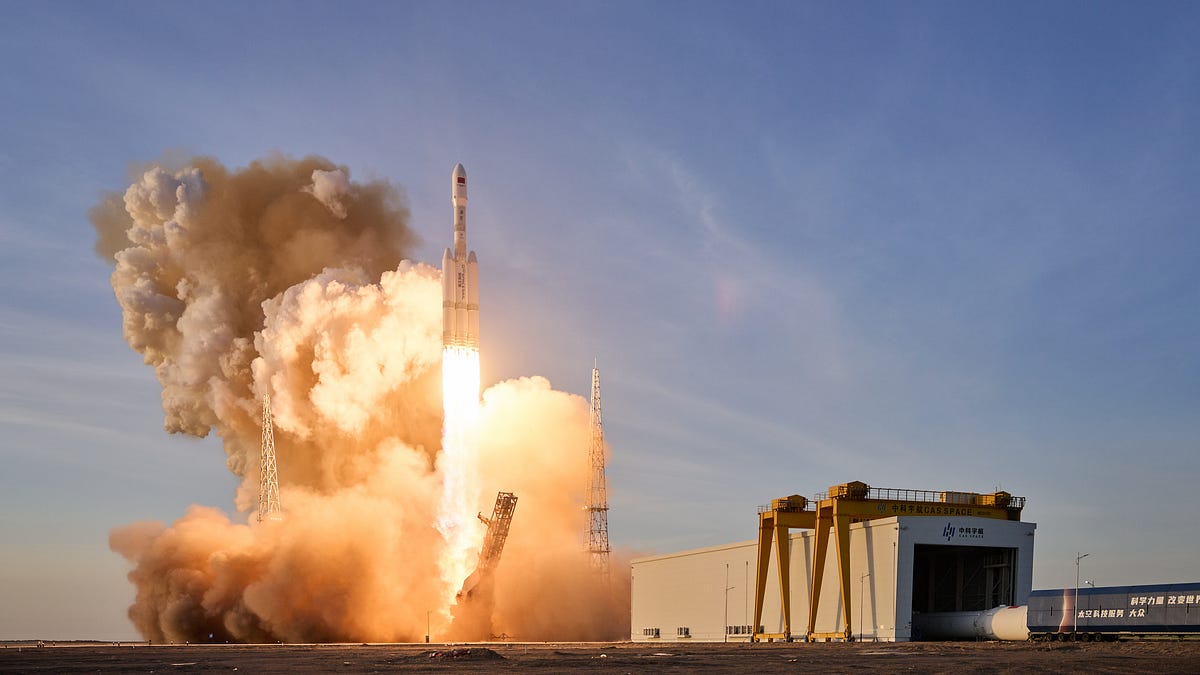
Jack Congram article: china-in-space.com/…/cas-space-delivers-qianfan-s…
NextSpaceflight page: nextspaceflight.com/launches/details/8447/
Jack Congram article: china-in-space.com/…/cas-space-delivers-qianfan-s…
NextSpaceflight page: nextspaceflight.com/launches/details/8447/
Sucks to suck
Sucks to suck

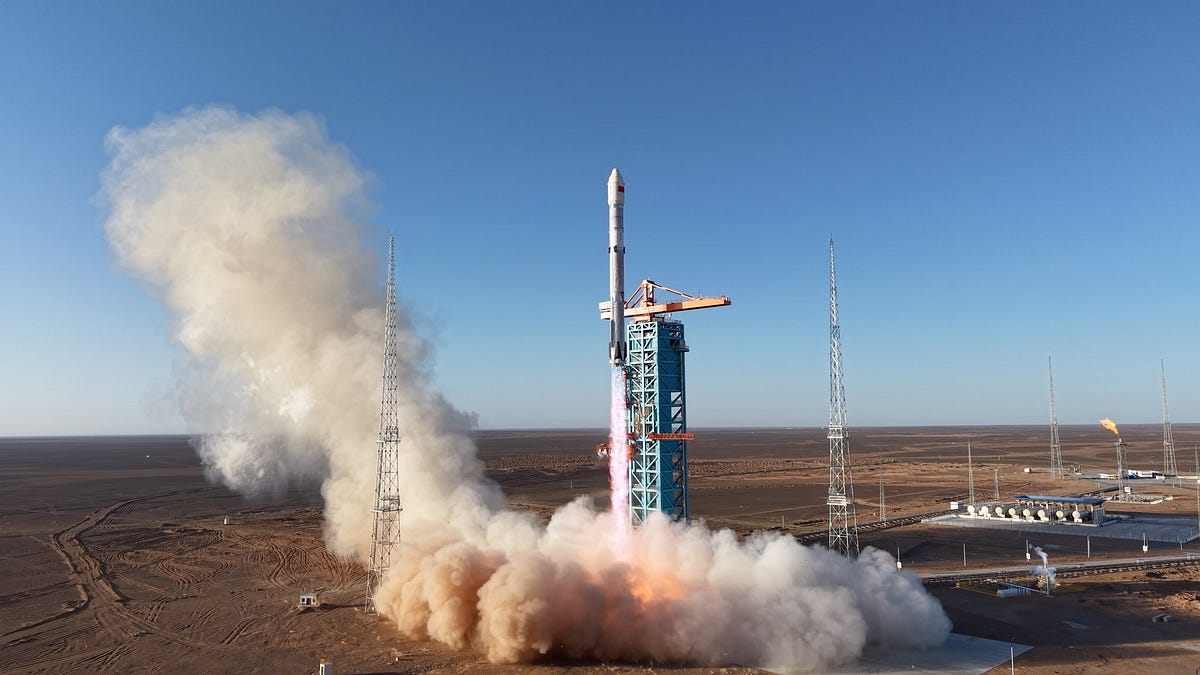
Figure from paper

Fig. 2: Six maps for different spacecraft at different altitudes taken with PODRIX receivers. The colors indicate the avg. percentage of measurements in each cell marked as jammed. Data from 1 January to 31 May 2026.
Figure from paper
Fig. 2: Six maps for different spacecraft at different altitudes taken with PODRIX receivers. The colors indicate the avg. percentage of measurements in each cell marked as jammed. Data from 1 January to 31 May 2026.