0

[Chandler G] Extrapolating time between Vulcan anomalies and next launch

preview

Source: Echo5550

On average, 294 days pass between an anomaly and the following launch, meaning we may not see Vulcan fly again until September 2027 unless the issue is found and fixed more quickly than the SRB anomalies were.

Source: Echo5550

On average, 294 days pass between an anomaly and the following launch, meaning we may not see Vulcan fly again until September 2027 unless the issue is found and fixed more quickly than the SRB anomalies were.

0

Soyuz-2-1b/Fregat launch at 2026-11-14 01:16 UTC of KOEN and Kinosputnik commercial imaging sats + unidentified cubesats

preview

Per Jonathan McDowell: bsky.app/profile/…/3n2bejalanc2a

LAUNCH at 0116 UTC Nov 14 of a Soyuz-2-1b/Fregat from Vostochniy with the KOEN and Kinosputnik commercial imaging sats and a set of so-far-unidentified cubesats

Graphic by rykllan: bsky.app/profile/…/3n2autfr63c2l

NextSpaceflight page: nextspaceflight.com/launches/details/4323/

Launch video (Roscomos): www.youtube.com/watch?v=ATvKzYP7CPw

0

[Eric Berger] Rocket Report: Starship set for historic test flight; a century of Electron

Ars Technica Rocket Report: Starship set for historic test flight; a century of Electron arstechnica.com
preview

Topics:

  • Electron set for milestone launch
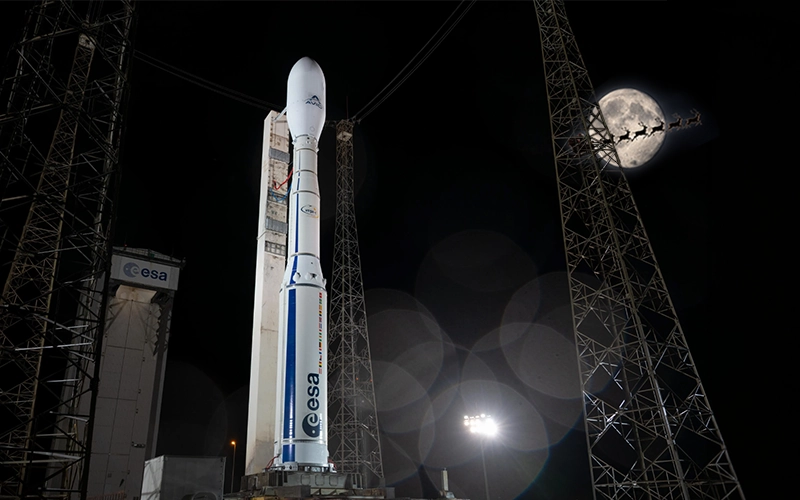
  • Is the Vega rocket a dead end?
  • Synspective inks 10 Alpha rockets
  • Stoke and Planet sign multi-launch agreement
  • The launch crunch comes to national security
  • Rocket Lab raises Neutron price
  • Rockets are not hard
  • When will the Eclipse rocket be ready?
  • Starship set for 15th test flight on Friday
  • SpaceX is now an ‘infrastructure’ company
0

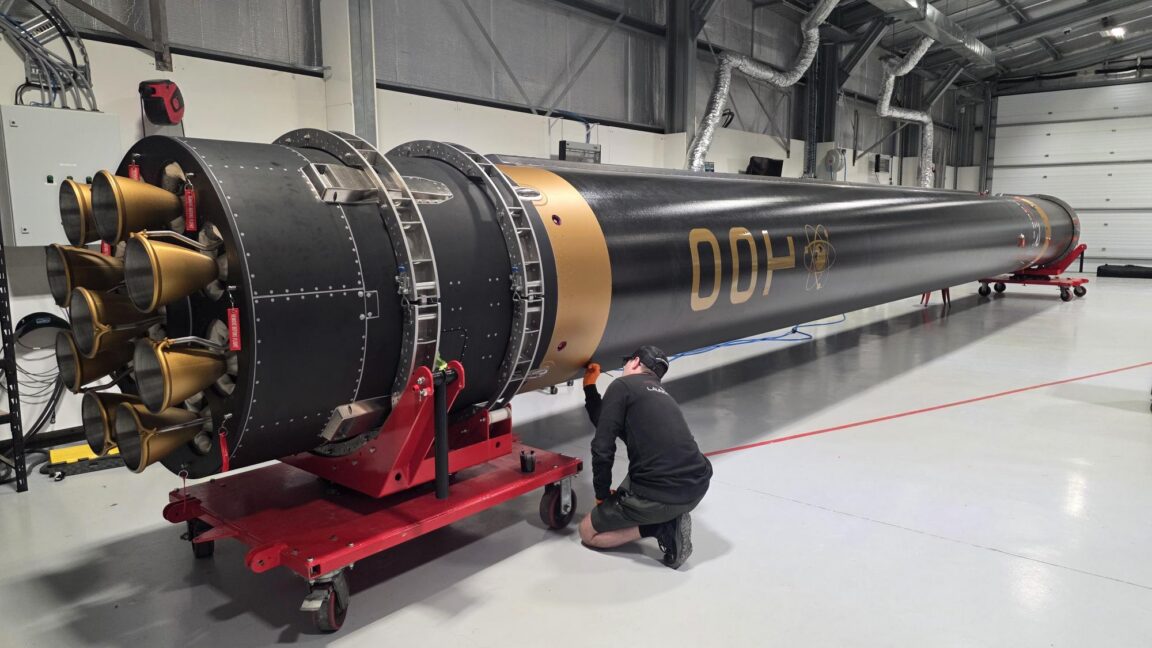
Rocket Lab Electron "The Mountain God Rises" Launch Thread (100th Electron launch!)

preview

The Mountain God Rises

Scheduled for (UTC) 2026-11-14 05:30:00
Scheduled for (NZDT) 2026-11-14 18:30:00
Launch site Rocket Lab LC-1A, Māhia Peninsula, New Zealand
Booster recovery No
Launch vehicle Electron + Curie
Customer iQPS
Payload QPS-SAR-19 (YAMATSUMI-II)
Mass 100 kg
Target orbit LEO
Stream Link
Rocket Lab (official) www.youtube.com/watch?v=kyR8kZ2XlhQ
International Rocket Launches www.youtube.com/watch?v=cN8eYOZC3Wg
Space Affairs www.youtube.com/watch?v=ckt4YteEe34
NASASpaceflight www.youtube.com/watch?v=uyFdbzAcOZw
The Launch Pad www.youtube.com/@TheLaunchPad/streams

Stats

  • 21st launch for Rocket Lab in 2026
  • 100th overall launch for Rocket Lab!

Payload info:

Rocket Lab mission page

NextSpaceflight:

QPS-SAR-19 (YAMATSUMI-II)

iQPS’s satellites are small, high-performance SAR satellites that use a lightweight, large, stowable antenna to collect high resolution images of Earth, even through clouds and adverse weather conditions. Ultimately, the iQPS constellation is planned to have 36 satellites capable of monitoring specific fixed points on Earth every 10 minutes. In addition to launching on Electron, the QPS-SAR satellite will use a Rocket Lab Motorized Lightband as its separation system for deployment to space.


Previous mission: The Sea God Surveys

Next mission:

0

Starlink Group 31-2 (Potential first Starship catch attempt!)

preview
Scheduled for (UTC) 2026-11-13 22:45:00
Scheduled for (local) 2026-11-13 16:45:00 (CST)
Launch Window (UTC) 2026-11-13 22:45 to 2026-11-14 00:00 (1 hour 15 minutes)
Launch site Pad 2, Starbase, Texas, USA.
Booster B22
Booster landing Pad 2
Ship S42
Ship landing Pad 2
Payload 26 Starlink v3 satellites
Mass unknown
Target orbit LEO, 275 km

Webcasts

Launch

Stream Link
Space Affairs www.youtube.com/watch?v=dl4O6RqbvOs
NASASpaceflight www.youtube.com/watch?v=9XM0lpVlvo0
International Rocket Launches www.youtube.com/watch?v=OSFKHiwmBcg
Everyday Astronaut www.youtube.com/watch?v=QJFdKoKNn2M
Spaceflight Now www.youtube.com/watch?v=QlR1agMLyMk
Avid Space www.youtube.com/watch?v=UqcNjUYQhpE
The Launch Pad www.youtube.com/@TheLaunchPad/streams
VideoFromSpace www.youtube.com/watch?v=F0ltKM5qc7A
SpaceX x.com/SpaceX/status/2121316300702056595
The Space Devs www.youtube.com/@thespacedevs/videos

Coast phase

Stream Link
Space Affairs www.youtube.com/watch?v=IJKDRJ_GEM4
NASASpaceflight Part 1, Part 2
International Rocket Launches www.youtube.com/watch?v=Wc22Y8ZV_1M
SpaceX x.com/SpaceX/status/2121316300702056595

Ship catch

Stream Link
Space Affairs www.youtube.com/watch?v=IJKDRJ_GEM4&pp=0gcJCccHAY…
NASASpaceflight www.youtube.com/watch?v=gTpn5Whu2ao
International Rocket Launches www.youtube.com/watch?v=5-hxUwZySGA
Everyday Astronaut www.youtube.com/watch?v=AQFrpZaOpcQ
SpaceX x.com/SpaceX/status/2121316300702056595
The Space Devs www.youtube.com/@thespacedevs/videos

Stats

Sourced from NextSpaceflight and r/SpaceX:

☑️ 4th launch of Starship version 3

☑️ 4th launch from Pad 2

☑️ 46 days, 09:56:01 turnaround for this pad

☑️ 4th Starship Full Stack launch this year, 15th overall

☑️ 127th SpaceX launch this year, 737th overall (excluding Starship hops)

☑️ 127th SpaceX launch this year, 747th overall (including Starship hops)

Mission Details

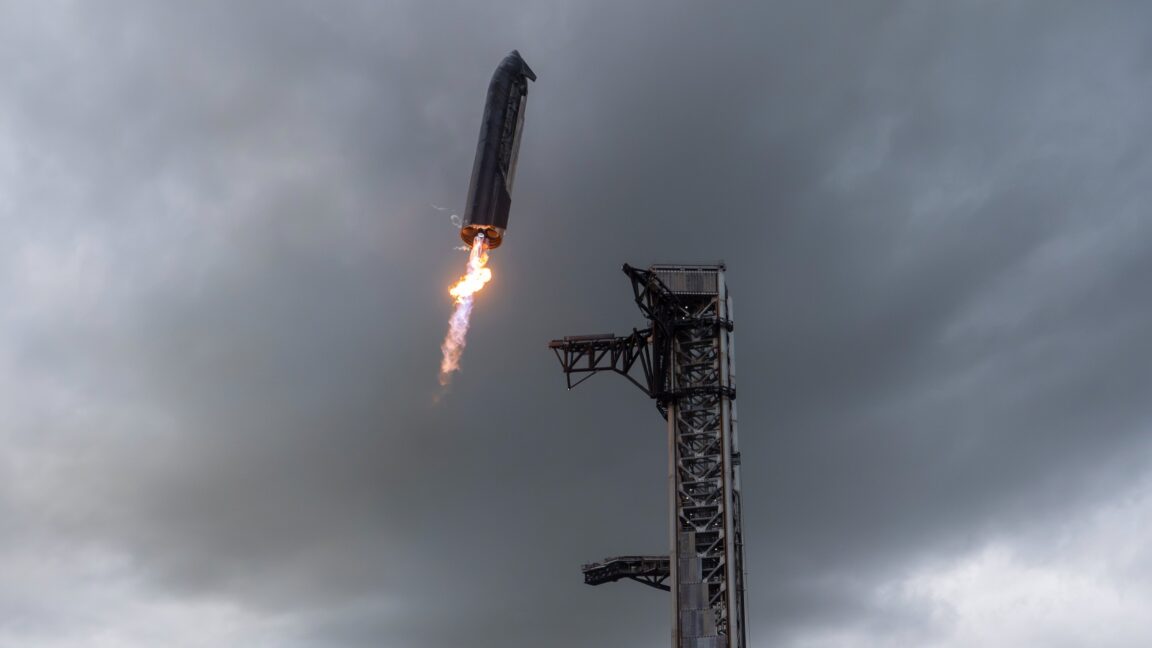
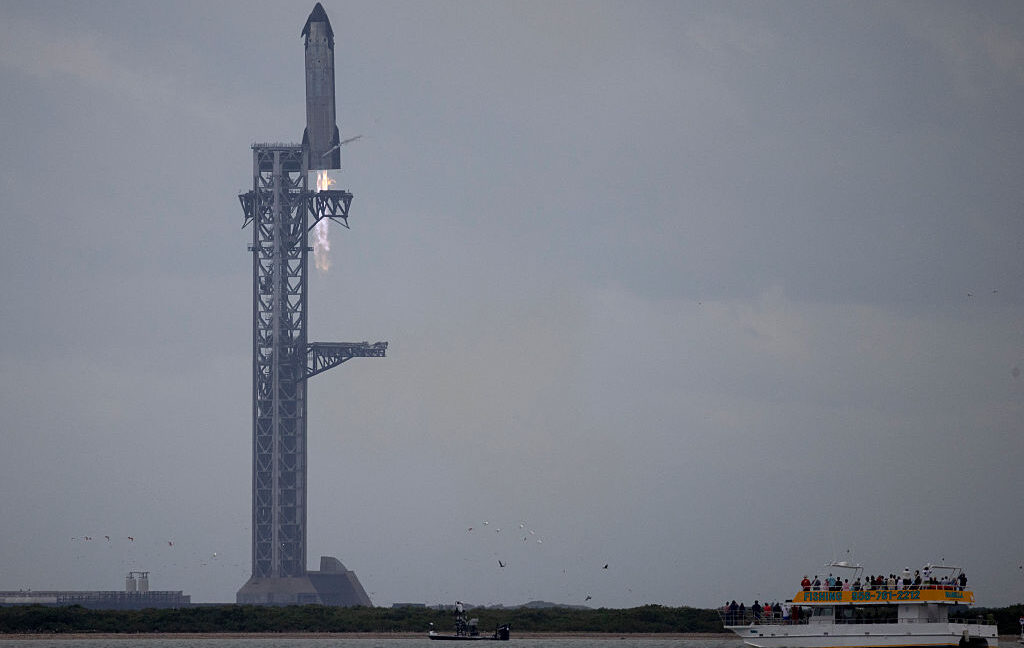
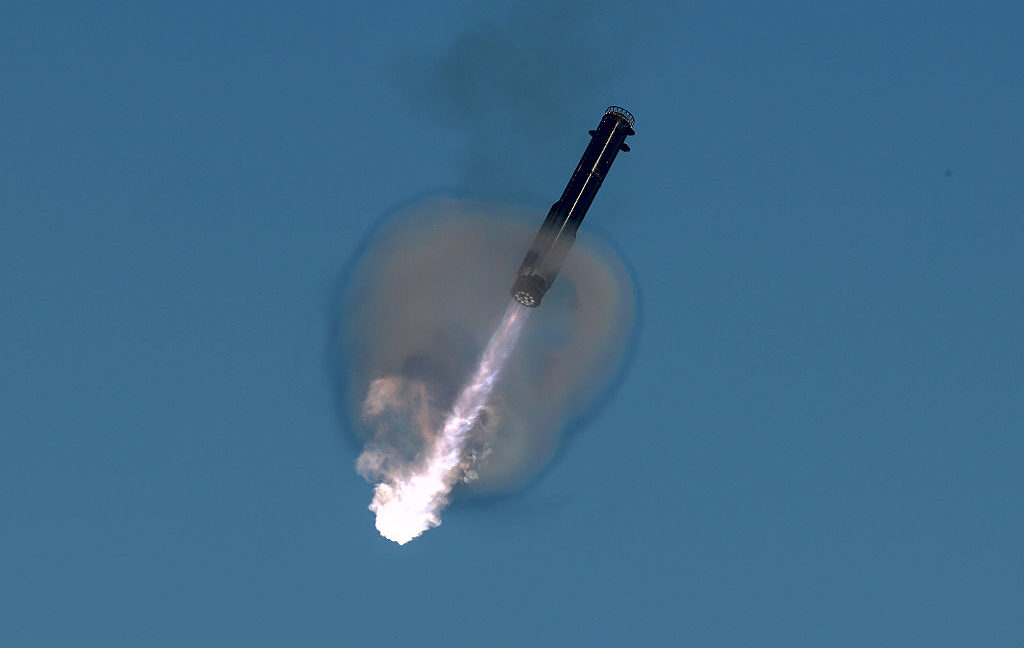
Starship Flight 15 is planned to be the first to return both Starship and Super Heavy to the launch site for catch. If successful, this will mark the first full recovery of an orbital launch system and a breakthrough moment in making Starship a reliable, rapidly reusable rocket.

The Starship upper stage’s primary objectives include the deployment of 26 Starlink V3 satellites and the first return to launch site and catch at Starbase. Starship will only execute a return to launch site if the flight control team has ensured that the vehicle systems critical for reentry maneuvers and final landing burn and tower approach are healthy.

Three of the satellites have been modified with a suite of cameras to scan Starship’s heatshield and transmit imagery down to operators. This method of analyzing Starship’s heatshield has been tested on previous flights and is one of several data sources to help inform Starship’s readiness to return to the launch site on Flight 15.

Starship’s initial return to launch site mission is expected to orbit the Earth at an altitude of ~275 km and complete approximately 14 orbits around the planet over the course of a more than 22-hour flight. Similar to Starship’s first orbital mission, the flight profile has been designed with the opportunity to insert into a passively safe suborbital trajectory or safely deorbit at multiple pre-determined areas over the ocean after raising to an orbital altitude.

Starship’s heatshield will incorporate the improvements made on Flight 14 including additional retention mechanisms on tiles in areas deemed to be at highest risk of falling off during ascent and addressing areas with a flow path for plasma to get behind the tiles. The vehicle will also have a large portion of the heatshield equipped with a curved tile design that has shown the ability to reduce heating in the gaps between tiles.

Timeline

Time Event
T-00:50:00 SpaceX Flight Director conducts poll and verifies GO for propellant load
T-00:35:33 Booster LOX (liquid oxygen) load underway
T-00:35:30 Booster fuel (liquid methane) load underway
T-00:35:12 Ship LOX load underway
T-00:35:11 Ship fuel load underway
T-00:21:40 Raptor begins engine chill on booster and ship
T-00:02:50 Booster propellant load complete
T-00:02:10 Ship propellant load complete
T-00:00:30 SpaceX flight director verifies GO for launch
T-00:00:17 Flame diverter activation
T-00:00:03 Booster engine startup command
T 00:00:00 Liftoff
T+00:00:58 Max Q (moment of peak aerodynamic stress on the rocket)
T+00:02:19 Super Heavy MECO (most engines cut off)
T+00:02:21 Hot-staging (Starship Raptor ignition and stage separation)
T+00:02:26 Super Heavy boostback burn start
T+00:03:02 Super Heavy boostback burn shutdown
T+00:06:10 Super Heavy landing burn start
T+00:06:35 Super Heavy landing burn shutdown and catch
T+00:08:09 Starship engine cutoff
T+00:26:10 Starship orbital insertion burn start
T+00:26:30 Starship orbital insertion burn shutdown
T+00:35:01 Payload deploy start
T+01:17:40 Payload deploy complete
T+01:27:46 Early Hawaii Return Check
T+07:15:35 Mid Chile Return Check
T+20:41:55 Final Hawaii Return Check
T+21:35:57 Deorbit burn start
T+21:36:07 Deorbit burn shutdown
T+22:10:46 Starship entry
T+22:29:34 Starship is transonic
T+22:30:13 Starship is subsonic
T+22:32:16 Landing burn start
T+22:32:18 Landing flip
T+22:32:26 Landing burn 3 to 2 engines
T+22:32:33 Landing burn 2 to 1 engine
T+22:32:34 Starship landing burn shutdown and catch

Link to Starship Dev thread

0

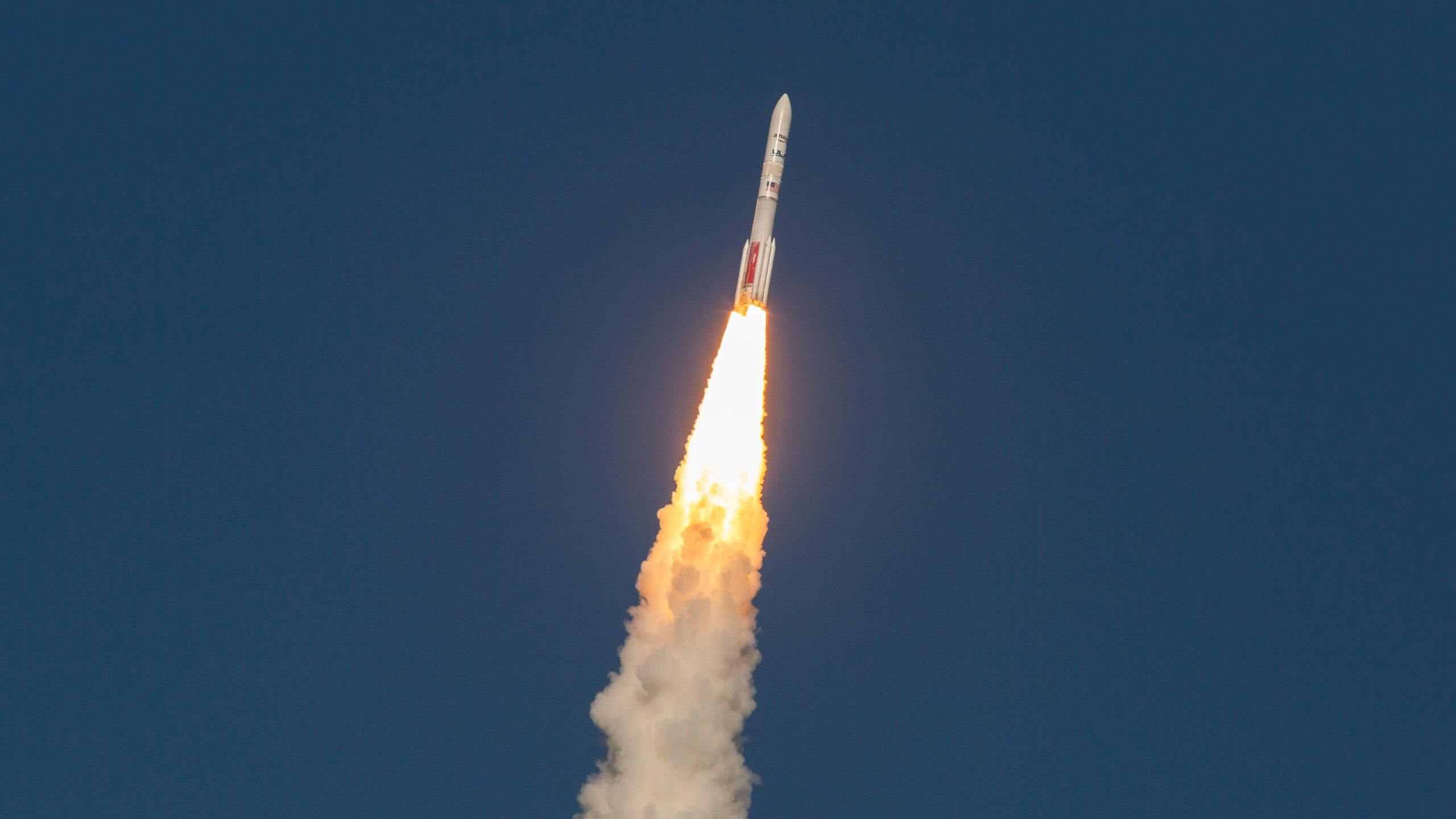
[ULA] Amazon Leo (LV-01) launch thread (Vulcan return-to-flight)

preview
Scheduled for (UTC) 2026-11-15 17:11:30
Scheduled for (local) 2026-11-15 12:11:30 (EST)
Launch site SLC-41, Cape Canaveral SFS, Florida.
Launch provider United Launch Alliance (ULA)
Launch vehicle Vulcan Centaur (VC6L configuration*)
Customer Amazon Leo
Payload 40 Amazon Leo satellites
Mass 22,700 kg
Target orbit LEO

VC6L configuration breakdown:

  • V: Vulcan first stage
  • C: Centaur V upper stage
  • 6: Six GEM 63XL solid rocket boosters on the first stage
  • L: Long fairing, 21.3 m in length

Livestreams

Stream Link
ULA www.youtube.com/watch?v=qM5A1ZO9oh8
NASASpaceFlight www.youtube.com/@NASASpaceflight/streams
International Rocket Launches www.youtube.com/watch?v=CMd3beRo96Y
Spaceflight Now www.youtube.com/@SpaceflightNowVideo/streams
The Launch Pad www.youtube.com/@TheLaunchPad/streams
Space Affairs www.youtube.com/watch?v=K4ubw-dgInE

Stats

☑️ 2nd Vulcan mission of 2026, 5th overall

☑️ 1st ever launch of the VC6L configuration

☑️ 6th ULA mission of 2026, 175th overall

Payload info

Amazon Leo (LV-01)

Amazon Leo, formerly known as Project Kuiper, is a mega constellation of satellites in Low Earth Orbit that will offer broadband internet access managed by Kuiper Systems LLC, a subsidiary of Amazon. This constellation is planned to be composed of 3,236 satellites. The satellites are projected to be placed in 98 orbital planes in three orbital layers, one at 590 km, 610 km, and 630 km altitude.


Previous ULA launch: Amazon Leo (LA-08)

Next ULA launch: TBD, possibly Amazon Leo (LV-02)

0

Tool for bash script to send push notification to my phone?

preview

I can have a script trigger a notification to other people by typing in a Facebook Messenger group chat, but my phone won’t receive a push notification since I’ve already “read” the message when the script sends it.

Any ideas for tools which can trigger a push notification from a bash script?

FOSS solutions are of course preferred, but not critical :)

0

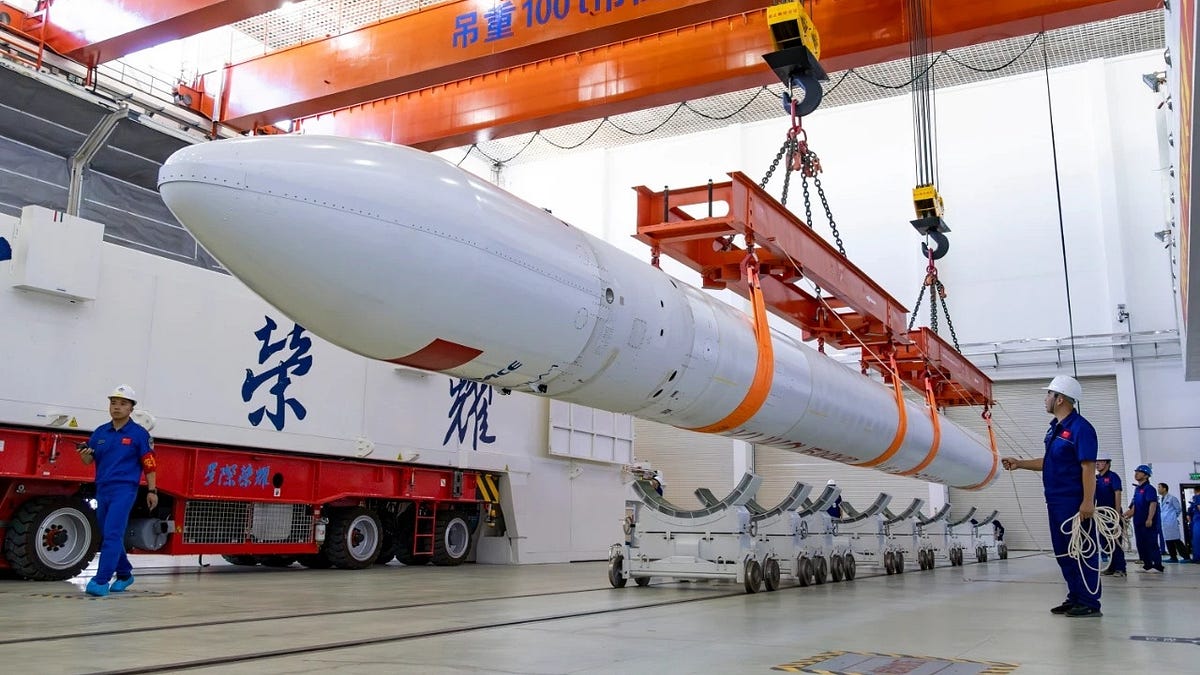
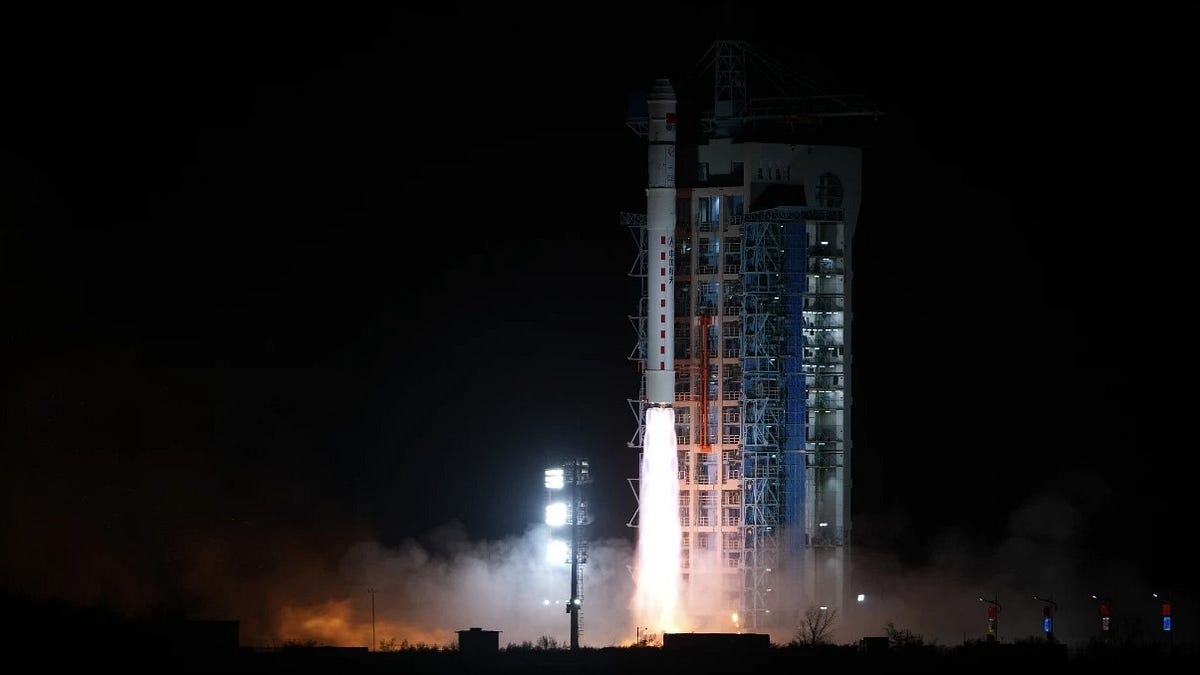
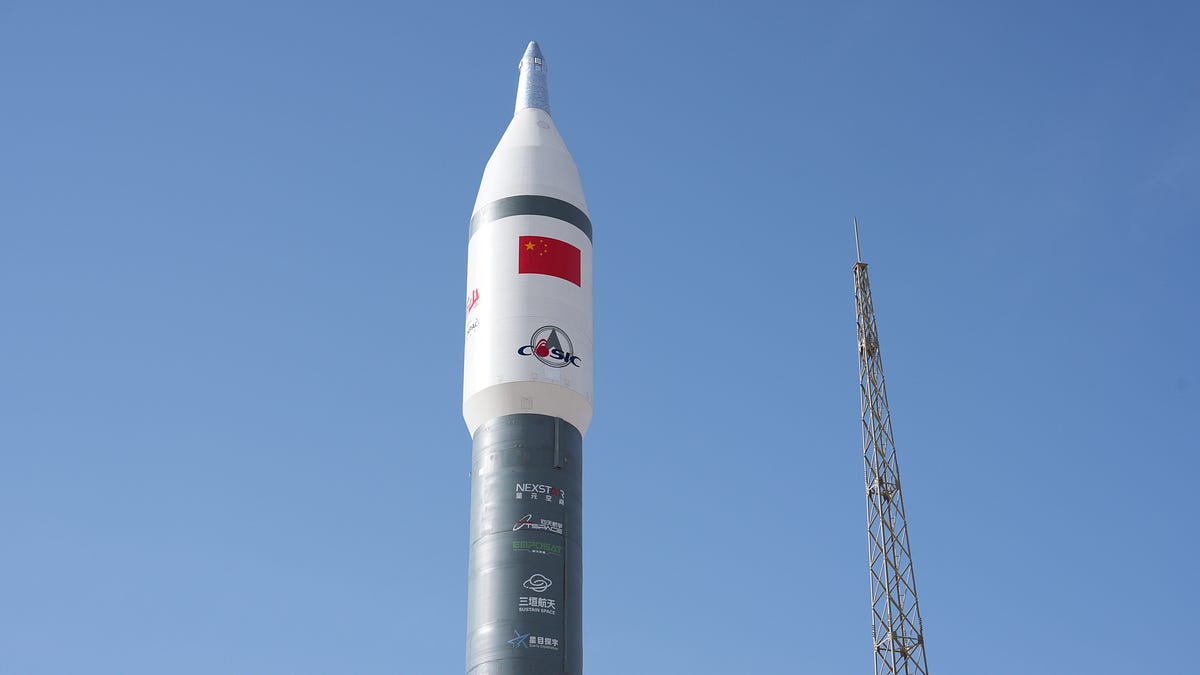
[Jack Congram] Space Science Boosting Mission Begins via Improved Rocket [Long March 2D Y108]

Space Science Boosting Mission Begins via Improved Rocket [Long March 2D Y108] www.china-in-space.com
preview

Jack Congram article: china-in-space.com/…/space-science-boosting-missi…

NextSpaceflight page: nextspaceflight.com/launches/details/8453/

Jack Congram article: china-in-space.com/…/space-science-boosting-missi…

NextSpaceflight page: nextspaceflight.com/launches/details/8453/

0

USSF-627 launch thread

preview
Scheduled for (UTC) 2026-11-12, 04:36:30
Scheduled for (local) 2026-11-11, 20:36:30 (PST)
Launch site SLC-4E, Vandenberg SFB, California, USA
Booster B1103-7
Landing OCISLY
Payload USSF-627
Mass unknown
Customer USSF
Target Orbit LEO

Webcasts

Stream Link
Space Affairs www.youtube.com/watch?v=1jhH0mR5ICA
Spaceflight Now www.youtube.com/watch?v=tM6K9RMvx0Y
International Rocket Launches www.youtube.com/watch?v=-XYS2b9zTfE
NASASpaceflight None
The Launch Pad None
SpaceX x.com/SpaceX/status/2120734313738391967
The Space Devs www.youtube.com/watch?v=rq7SLpK5vlY

Stats

Sourced from NextSpaceflight and r/SpaceX:

☑️ 70th launch from SLC-4E this year

☑️ 5 days, 3:47:48 turnaround for this pad

☑️ 32 days, 20:56:46 turnaround for B1103

☑️ 235th landing on OCISLY

☑️ 685th Falcon Family Booster landing, 695th Falcon recovery attempt

☑️ 120th Falcon 9 mission this year, 703rd overall

☑️ 126th SpaceX mission this year, 736th overall (excluding Starship test flights)

☑️ 126th SpaceX launch this year, 745th overall (including Starship test flights)

☑️ 230th consecutive successful SpaceX launch (if successful)

Mission info

USSF-627 (R-5)

USSF-627 is a classified mission for the United States Space Force. It is possibly a batch of classified LEO satellites for the USSF’s Space Based Sensing and Targeting (SBST) portfolio based on SpaceX’s Starshield satellite bus, based on locations of rocket stage drop zones being exact fits with previous Starlink Group 15 launches.
Scheduled for (UTC) 2026-11-12, 04:36:30
Scheduled for (local) 2026-11-11, 20:36:30 (PST)
Launch site SLC-4E, Vandenberg SFB, California, USA
Booster B1103-7
Landing OCISLY
Payload USSF-627
Mass unknown
Customer USSF
Target Orbit LEO

Webcasts

Stream Link
Space Affairs www.youtube.com/watch?v=1jhH0mR5ICA
Spaceflight Now www.youtube.com/watch?v=tM6K9RMvx0Y
International Rocket Launches www.youtube.com/watch?v=-XYS2b9zTfE
NASASpaceflight None
The Launch Pad None
SpaceX x.com/SpaceX/status/2120734313738391967
The Space Devs www.youtube.com/watch?v=rq7SLpK5vlY

Stats

Sourced from NextSpaceflight and r/SpaceX:

☑️ 70th launch from SLC-4E this year

☑️ 5 days, 3:47:48 turnaround for this pad

☑️ 32 days, 20:56:46 turnaround for B1103

☑️ 235th landing on OCISLY

☑️ 685th Falcon Family Booster landing, 695th Falcon recovery attempt

☑️ 120th Falcon 9 mission this year, 703rd overall

☑️ 126th SpaceX mission this year, 736th overall (excluding Starship test flights)

☑️ 126th SpaceX launch this year, 745th overall (including Starship test flights)

☑️ 230th consecutive successful SpaceX launch (if successful)

Mission info

USSF-627 (R-5)

USSF-627 is a classified mission for the United States Space Force. It is possibly a batch of classified LEO satellites for the USSF’s Space Based Sensing and Targeting (SBST) portfolio based on SpaceX’s Starshield satellite bus, based on locations of rocket stage drop zones being exact fits with previous Starlink Group 15 launches.