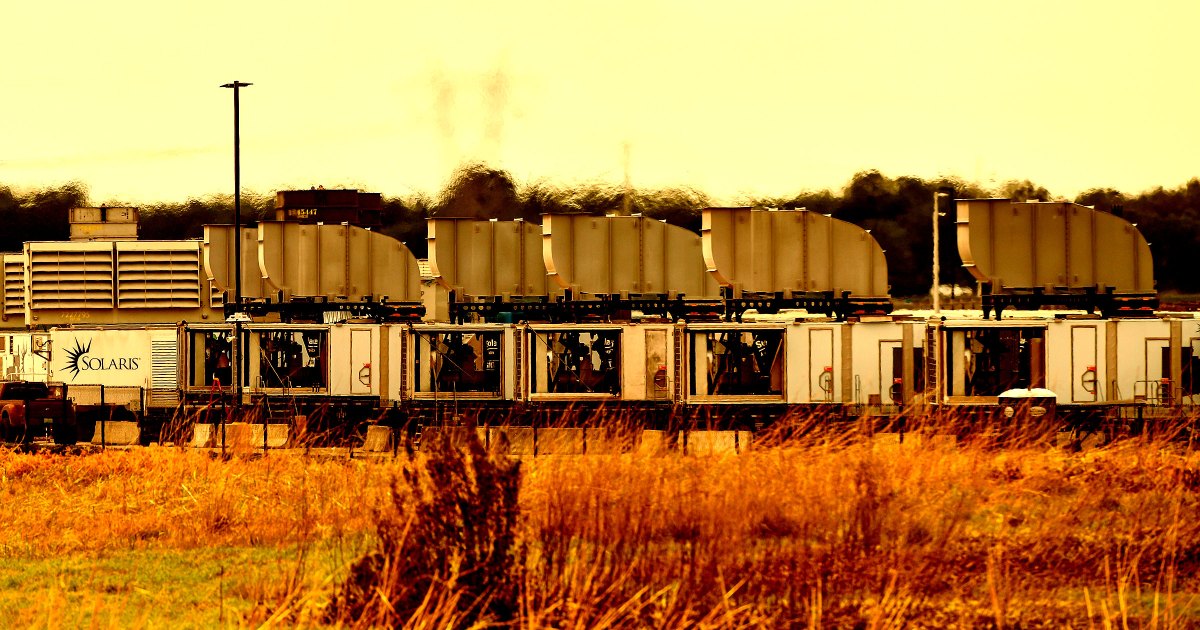
~Photo~ ~by~ ~user~ ~“Valdemar”~ ~on~ ~parovoz~ ~IS~
i’ve observed that many on the left tend to be overly enthusiastic about high-speed rail, perhaps due to misunderstanding the success of china’s network.
high-speed rail is indeed impressive and serves as an important element of transport infrastructure, but it cannot fulfil every transport requirement, nor was it intended to do so! a rail system’s usefulness depends on the network supporting it, which should mainly include regional trains, and freight services, perhaps also narrow-gauge lines, where appropriate, not solely the headline-grabbing high-speed corridors. while speed is important, factors such as coverage, access, capacity, and the types of services the network can provide are much more significant.
regional rail is what makes a passanger network practical on a daily basis. most journeys are not made between distant megacities; people require reliable connections between towns, suburbs, smaller cities and regional centres. a train station that is difficult to access except by car, or that serves only a limited number of major destinations, is of limited value. strong links between high-speed rail and commuter or regional services allow more communities to benefit from faster intercity travel.
freight rail is essential, despite being seen as less glamorous than passenger services. freight requires capacity, reliable paths, and infrastructure suited to heavy loads, rather than top speeds. dedicated high-speed lines often have steeper gradients and more costly alignments, which can be unsuitable for freight operations. focusing rail strategy solely on passenger speed overlooks one of rail’s key economic functions: moving goods efficiently at scale.
also, narrow-gauge rail is criminally overlooked and warrants investment based on its own merits. track gauge is a matter of engineering rather than a measure of a railway’s quality. narrow-gauge lines can provide services in areas where terrain, existing infrastructure, or low demand make a new, high-speed standard-gauge line impractical. while they may not support high speeds, they still offer reliable passenger connections and freight movement. insisting that every line emulate high-speed rail risks disregarding useful existing routes or serving communities unable to justify the expense of a new corridor.
also, china’s system is by no means perfect, with its CRH200J trainsets actually being a fairly good example of the image of hsr being used to make rail service worse, not better:
from january 5, 2019, CRH200J trains were introduced into passenger service and replaced some conventional trains (“green trains”). however, while the regular trains were categorized as “k”, “t” or “z”, their replacements are in the higher fare category “d”, which belongs to the high-speed group. however, the train itself does not fit category d in terms of speed, as it moves much slower, only 130 km/h! (not to mention that service reportedly got considerably worse.) the only reasons for the fare-increase was thus only the missaplied “hsr” marque. the same trainsets are used on the much-lauded china-laos “hsr”, btw, which seemed to have caused much envy among western leftists, despite moving slower than the american acela.