0

Translations of important phrases

preview

Polish:

  1. Czy wezwać karetkę? Z karetką przyjeżdża zawsze straż graniczna. Oni wywożą do lasu. (Tak. Nie.)

  2. Czy potrzebujesz leków? Pokaż na co.

  3. Kiedy przyjść ponownie? (Jutro. Dzisiaj. Rano. Po południu. Wieczorem.)

  4. Nie możemy was nigdzie zabrać.

  5. Jak masz na imię i nazwisko? Skąd jesteś?

  6. Czy chcesz azylu? Straż graniczna nie pozwala wnioskować o azyl.

  7. Nie rozumiem. Możesz powtórzyć? Możesz to napisać?

  8. Dziękuję. Przepraszam. Poproszę.

English:

  1. Should we call an ambulance? Border guards always come with the ambulance. They drive people back into the forest. (Yes/No)

  2. Do you need medicine? Show me what for.

  3. When should we come again? (Tomorrow. Today. Morning. Afternoon. Evening.)

  4. We can’t take you anywhere.

  5. What’s your first name and surname? Where are you from?

  6. Are you claiming asylum? The border guards don’t allow people to apply for asylum.

  7. I don’t understand. Can you repeat it? Can you write it down?

  8. Thank you. I’m sorry. Please.

French:

  1. Faut-il qu’on appelle l’ambulance? Si l’ambulance est appellee, la Garde-frontiere arrivera aussi. La grade-frontiere vous transportera dans la foret. (oui. non.) [foutil kun napel loumbulounce? si loumbulonce e aple, la garde-frontier arivera ausi. la gard- frontier vu transportura dą la fore. (łi. non)]

  2. Avez vous besoin de medicament? montrez-nous pour quelle raison. [ave wu besłą du medicamo? montrę- nu por quel rezą]

  3. Quand est-ce que devrions nous revenir? (demain. aujord’hui. le matin. l’apres-midi. le soir.) [kłą es su ku duwrią nu ruwnir? (dumą. użodłi. lu matą. lapremidi. lu słah)]

  4. Nous ne pouvons pas vous transporter nulle-part. [nu nue puwą pa vu transporther nul-pahr]

  5. Quel est votre nom et votre nom de famille? De ou etes vous? [kel e wothre num e vothre num du fami? du u et wu?]

Arabic (Standard):

(هل يجب أن نتصل بالإسعاف؟ مع سيارة الإسعاف يأتي حراس الحدود دائما. يأخذوكم إلى الغابة. (نعم. لا.

هل تحتاجون لأدوية؟ أرونا ما تحتاجون.

(متى يجب أن نعود؟ غدا . (اليوم. في الصباح. بعد الظهر . في المساء .

لا يمكننا نقلكم لأي مكان .

ما هو اسمك واسم عائلتك؟ من أين انت؟

Transcription:

  1. Hal jadżibu an nattasila bil is’aaf? Ma’a sajjaaratil is’aaf ja’ti hurras alhuduud daa’iman. Ja’huduukum ilalraba. (Na’am. La.)

  2. Eltah tażun le eduja? Aruna ma tahteżun.

  3. Matajeżeb enraud? (radan. ejlaum. wessabah. bardaruhur. filmesea.)

  4. lejm kenono no klokom le ej mekem

  5. maho esmak ue esem ha latak? menejne anto?

Arabic (Iraqi)

لازم نخابر اسعاف ؟ حرس الحدود دائما يجون وية الإسعاف. يرجعون الناس داخل الغابة. (اي / لا)

تحتاج دواء ؟ شوفني مال شنو.

شوكت لازم نجي مرة ثانية؟ (باجر . اليوم. الصبح . العصر . بليل .)

ما اكدر اخذك لأي مكان .

شنو اسمك الأول وشنو لقبك؟ منين انت؟

Transcription:

  1. lazim nakhabir aiseaf? haras alhudud dayiman yji waya al_aiseaf. yarjieun alnaas lil ghaba. (ay / la)

  2. tahtaj dawa ? showfni mal shnu

  3. shawkat lazim najiy marat althania? Tomorrow (bachr) Today (yawm) Morning (subh) Afternoon (asr) Evening (bilil)

  4. ma nekdar nakhdhak li ay makan.

  5. shnu asmek al’awal wa shnu laqabk? minin ant?

Arabic (Palestinian/Levantine)

(لازم نتصل بالاسعاف؟ مع الاسعاف رح ييجي حراس الحدود. رح ينقلوكو عالغابة. (ااه لاء.

بحاجة لادوية؟ ورجونا لشو الادوية

(وينتا نرجع؟ (بكرا. اليوم. الصبح . بعد الظهر. بالليل .

منقدرش ننقلكو لاي محل

شو اسمك واسم عيلتك؟ من وين انت؟

Persian (Farsi):

(باید آمیبولانس‌‌ زنگ بزنیم؟ با آمبولانس‌ مرزبانی‌ همیشه می‌رود. (بله/نه

آیا‌ به درو نیاز دارید؟ نشان‌ بدهید برای چی

کی‌ دوباره باید ببریم؟ امروز، صبح، بعد از‌ ظهر، عصر

شما را هیچ جا نمی‌ توانیم ببریم

اسم‌ و نام خانودهگی شما چیست؟

Transcription:

  1. Bojad ombulons zang bezanim? Bo ombulons marzboni hamisze mirawad. (Bale/na)

  2. Ojo be doru nijoz dorid? Neszon badhid baroje czi

  3. Kiej dobore bojad bebarim? (Emruz, sobh, baad az zohr, asr)

  4. Szomo ro hicz dżo nemi tawonim bebarim.

  5. Esme wa nome chonewodegije szomo czist?

Persian (Dari):

  1. Bo ambulons tamos bygiram? Bo ambulons hamesia gaśty marzi miojad. Onho ba dziangal śmoro mebarand. (Bale. Ne.)
  2. Ba dało zarurat doren? Nysion beden baroi ci. Kudzio dard mekunad?
  3. Ci łacht dubora biojim? Fardo. Imruz. Subh. Zuhr. Asr.
  4. Nametałonem śmoro hećdzio bybarem.
  5. Nom ła nomy chonałodagiji śmo cist? Kudzioji asten?
  6. Mechojen panohandaji sijosi bysiałid?

Kurdish (Kurmanji):

  1. em gazi ambulanse bken? Korumacı pe ambulense te ben. Korumaci we bbene ormane. (Ere? Nee?)

  2. ihtiyaciyate pı ilace heye? Tu tkari bdey nişane me?

  3. kenge em ben? (İro? Sıba? Sıba zu? evare?)

  4. em nıkarın te bıbene ciyeki,

  5. nave te çiye? Soyadıyete çiye?

  6. Ta daxaza mafe panabary dkay?

[x czytamy jak polskie ch]

Kurdish (Sorani):

  1. Talafon bo ambulans bkain? Polisy snwr datwann ambulans benn. Awan halk dagarennawa naw darstan. (Bale / Naxer)

  2. Aya pewistt ba darman haya? Peshanm bda chy shwenekt azary haya.

  3. Chy katek bgareinawa? (Sbay. Amro. Baiany. Niwaro. Ewara)

  4. Ema natwanin to bbain bo hich shwenek.

  5. Nawy xot w bawkt chya? Xalky chy shweneky?

  6. To daway mafy panabary dakay?

[x czytamy jak polskie ch, ch jak polskie cz, w jak polskie ł lub u]

Pashto:

  1. za tasu la ambulance rawoghwarama? Hga border security wala hamesha da ambulance Sara razey au zan Sara khalaq zangal ta wapas wary, nu tasu la rawoghwarama kana?

  2. tasu ta dawayanu zarorat kho nehsta? Au ka v nu da sa dapara zarorat dy?

  3. mong bya kala rasho, saba ka nan sa wakhat rasho?

  4. mong tasu charta hm na sho wary.

  5. sta pora nom sa dy, matlab sta nome au khandani nom dy sa dy au ta da kam zey ye?

Somali

  1. Ma doonaysaa in laguugu yeero ambulans (dhaqtar)? Mar kastaba waxaa la socda ciidanka xuduuda oo dadka duurka ku celiya. Haa. Maya.
  2. Ma u baahan tahay daawo? I tus meesha ku xanuuneysa?
  3. Goormaan kuu soo laabtaa? Berri. Maanta. Subaxdii. Duhurkii. Fiidkii.
  4. Meelna idin ma geyn karno.
  5. Magacaa? Yaad u dhalatey?
  6. Qaxootinimo miyaad doonaysaa?

Komentarz dot. wymowy:

Jeśli chodzi o wymowę: x - czytamy jak h; w - ł; c - jak arabski ain; sh - sz; g - g (trochę jak k); y - j; q - arabski kaf; podwójne samogłoski wydłużamy. W pytaniu o imię i nazwisko - wystarczy megacaa? - jak się nazywasz? Nie rozróżnia się bowiem nazwiska w kulturze somalijskiej, mówi się po prostu całe imię.

Swahili

samogłoski wymawia się jak po polsku, a spółgłoski głównie jak po angielsku (ch=ć, dh=d, ny=ń, nj=ndż, th=t, w=ł, j=dż).

Si wymawia się jak po hiszpańsku “tak” , a nie jak polskie ś.

Przy niektórych podchwytliwych słowach umieściłam wymowę w nawiasach kwadratowych.

  1. Unataka tupige gari la wagonjwa? Doria ya mpaka wanakuja kila wakati pamoja na gari la wagonjwa. Huwachukua msituni. (Ndiyo (tak). Hapana/Laa (nie).)
  2. Unahitaji dawa? (potrzebujesz leków?) Onyesha [onjesza] kwa sababu? (pokaż dlaczego?) Onyesha wapi? (pokaż gdzie?) Unaumwa na nini? (co cię boli?)
  3. Afadhali turudi lini? Kesho (jutro). Leo (dzisiaj). Asubuhi (rano). Mchana (za dnia, około 11.00-16.00). Adhuhuri (popołudniu, około 12.00-14.00) Alasiri (popołudniu, około 15.00-17.00). Jioni [dżjoni] (wieczorem).
  4. Hatuwezi kuwachukua kokote.
  5. Unaitwa nani? (jak się nazywasz?) Jina lako ni nani? (jak masz na imię?) Unatoka wapi? (skąd pochodzisz?) Uraia wako ni gani? (jaka jest Twoja narodowość?) Wewe ni taifa/kabila gani? (jakiej jesteś narodowości/do jakiej grupy etniczne należysz?)
  6. Unataka kupata kimbilio [kimbilijo]?
  7. Sielewi. Unaweza kusema tena? Unaweza kuiandika?
  8. Asante. Samahani. Tafadhali.

Russian

  1. Нам вызвать скорую? Со скорой всегда приезжают пограничники. Они увозят людей обратно в лес. (Да/Нет)

  2. Вам нужны лекарства? Покажите мне, для чего именно.

  3. Когда нам прийти в следующий раз? (Завтра. Сегодня. Утром. Днём. Вечером)

  4. Мы не можем вас никуда отвезти.

  5. Какие у вас имя и фамилия? Откуда вы?

  6. Вы просите убежища? Пограничники не дают людям обращаться за убежищем.

Transcription:

  1. Nam wyzwat’ skoruju? So skoroj wsiegda priezżajut pograniczniki. Oni uwozjat ludiej obratno w les. (Da/Niet)

  2. Wam nużny lekarstwa? Pokażytie mnie, dla czego imienno.

  3. Kogda nam prijiti w sledujuszczyj raz? (Zawtra. Siegodnia. Utrom. Dniom. Wieczerom)

  4. My nie możem was nikuda otwiezti.

  5. Kakie u was imia i familia? Otkuda wy?

  6. Wy prositie ubieziszcza? Pograniczniki nie dajut ludiam obraszczatsja za ubeżiszczem.

0

Information for refugees about the situation at the border in various languages (please add more)

preview

English:

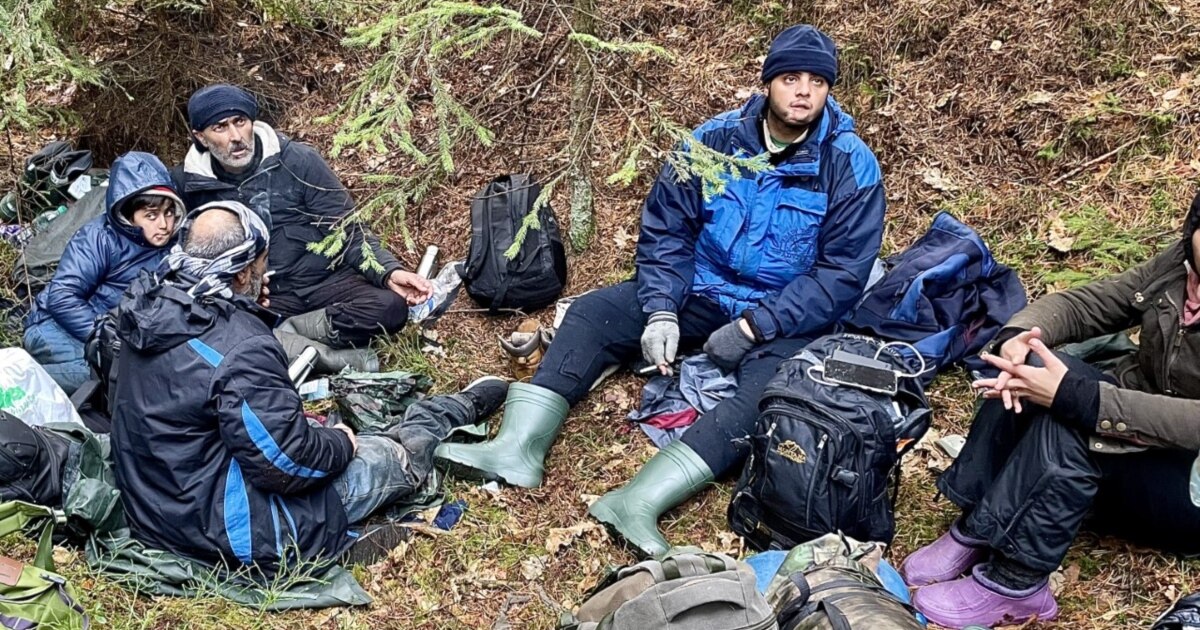
It is illegal to cross the border between Poland and Belarus. The borders are now sealed. Belarusian officers rob people and force them violently to go through the barbed wire on the border with Poland. They plan to separate families. Poland has declared a state of emergency. Soldiers watch the border and do not let anyone through. Refugees are being intercepted in Polish forests and pushed back to Belarus. The border area has become a trap with no exit. It is very cold (temperatures drop below zero at night). It rains a lot. In Belarus, hundreds of newcomers are being deprived of food and water. There is a high risk that you may die of hypothermia. Travelling to Belarus means a grave risk to your life. The situation is extremely dangerous. Several people have died already. Do not trust the scammers who only want your money.

Polish:

Przekraczanie granicy Białoruś - Polska jest nielegalne. Obecnie granice są zamknięte. Białoruskie służby okradają ludzi i siłą przepychają przez drut żyletkowy na granicy z Polską. Planują rozdzielanie rodzin. W Polsce ogłoszono Stan Wyjątkowy. Wojsko pilnuje granicy i nie przepuszcza nikogo. Osoby są wyłapywane w polskim lesie i zawracane na Białoruś. Strefa nadgraniczna staje się pułapką, z której nie ma wyjścia. Jest bardzo zimno (w nocy poniżej 0 stopni Celsjusza) i pada deszcz. Na Białorusi setki przybyszów głodują i nie mają wody. Jest duże ryzyko śmierci z wychłodzenia. Podróż na Białoruś to zagrożenie życia. Jest śmiertelnie niebezpiecznie. Kilka osób już umarło. Nie dajcie nabrać się oszustom, którzy chcą tylko Waszych pieniędzy.

Urdu:

بیلوروشین پولش سرحد پار کرنا غیر قانونی ہے۔ سرحد بند ہے۔ بیلاروس کی فوج لوگوں سے چوری کر رہی ہے اور انہیں پولش سرحد کے اس پار دھکیل رہی ہے ، جو خاردار تار سے جڑی ہوئی ہے۔ بیلوروسین فوج خاندانوں کو الگ کرنے کا منصوبہ بنا رہی ہے۔ پولینڈ میں ہنگامی حالت ہے۔ پولینڈ کی فوج سرحد پر گشت کر رہی ہے اور لوگوں کو گزرنے نہیں دے رہی ہے۔ جو لوگ گزرنے کی کوشش کریں گے وہ بیلورس کی طرف لوٹ جائیں گے۔ بارڈر ایک جال بن رہا ہے۔ بہت سردی ہے (منفی 0 ڈگری) اور بارش ہو رہی ہے۔ بیلوروس میں سینکڑوں لوگ خوراک اور پانی کے بغیر بھوکے ہیں۔ ٹھنڈ سے کاٹنے سے بہت سی اموات ہوتی ہیں۔ بیلوروس کا سفر بہت خطرناک ہے۔ بہت سے لوگ مر گئے۔ سکیمرز پر یقین نہ کریں جو صرف آپ کے پیسے چاہتے ہیں۔

Dari:

عبور از مرز بلاروس و لهستان غیرقانونی است. مرز بسته است. ارتش بلاروس از مردم سرقت می کند و آنها را به زور از مرز لهستان که با سیم خاردار سنگر گرفته است ، می راند. ارتش بلاروس قصد دارد خانواده ها را از هم جدا کند. در لهستان وضعیت فوق العاده اعلام شده است. ارتش لهستان در حال گشت زنی در مرز است و اجازه عبور مردم را نمی دهد. افرادی که سعی می کنند عبور کنند به بلوروس باز می گردند. مرز در حال تبدیل شدن به یک تله است. هوا بسیار سرد است (منفی 0 درجه) و باران می بارد. در بلوروس صدها نفر از مردم گرسنه هستند ، بدون غذا و آب. مرگ و میرهای زیادی در اثر سرمازدگی وجود دارد. سفر به بلوروس بسیار خطرناک است. بسیاری از مردم جان باختند. کلاهبرداران را که فقط پول شما را می خواهند باور نکنید.

Pashto:

د بيلاروس-پولنډ په سرحد اووښتل غیر قانوني دي، او سرحد مکمل بند دی، د بیلاروس پوځ خلکو نه غلاوې کوي او په زور يې د پولنډ سرحد ته اړوي. چې په اغزن سيم پوښل شوی. د بيلاروس پوځ پلان لري چې کورنۍ سره جدا کړي، په پولنډ کې وضعيت بیړنۍ غوندې دي. پولنډی پوځ په سرحد دوامداره ګزمه کوي او چاته د تيريدو اجازه نه ورکوي. هغوی چې د اوښتو هڅه وکړي دوباره بيلاروس ته واپس شړل کيږي، سرحد نه يو دام جوړ شوی. د هوا تودوخه له صفر سانتيګراد ښکته ده، او باران هم وريږي. په بيلاروس کې په سلګونو خلک وږي دي او د ډوډۍ او اوبه درک نشته. د يخې هوا له امله ډیر خلک مړه شوي دي. بيلاروس ته سفر ډېر خطرناک دی، ډېری خلک مړه شوي دي. په جعل کارانو باور مه کوی دوی يوازې ستاسو پيسې " غلا کوي، او ستاسې د ژوند په کيسه کې نه

Arabic:

عبور الحدود بين بيلاروسيا وبولندا غير قانوني. حاليا الحدود مغلقة. المخابرات البيلاروسية تسرق الناس وتجبرهم على المرور من خلال الأسلاك الشائكة على الحدود مع بولندا. يخططون لتفريق العائلات. تم إعلان حالة الطوارئ في بولندا. يحرس الجيش الحدود ولا يسمح لأحد بالمرور. يتم القبض على الناس في الغابات البولندية وترحيلهم إلى بيلاروسيا. المنطقة الحدودية هي فخ لا سبيل للخروج منه. الجو باردا جدا (في الليل تنخفض درجة الحرارة إلى ما دون الصفر) وتمطر. مئات من الوافدين الجدد في بيلاروسيا يتضورون جوعا وليس لديهم ماء. هناك خطر كبير من الوفاة من انخفاض حرارة الجسم. السفر إلى بيلاروسيا يهدد الحياة. وقد مات عدة أشخاص بسبب هذه الظروف. لا تنخدع بالمحتالين الذين يريدون أموالك فقط!

Sorani Kurdish:

سنورى پولونياى له گه ل بياله رووس داخراوه. وه ده رباز بوونى به ره و پولونيا غير قانونيه. شرطه ى بياله رووس وه زور خه راپن له گه ل كه سانه ى كه ده يانه وى تيپه ر بن به ره و سنوورى پولونياى . له سنورى پولونياى تيلى به مووس دانراوه هه ركه سيك بيت نزيكى تيلى سنوورى بيت ده يبرى وه بريندارى ده كات . شرطه ى بياله رووس پال بيتان ده كه ن كه بينه پولونياى…حكومه تى پولونياى له حالة طوارئ دايه شرطه ى پولونيا سنورى خوى زور چاك پاريزيه …هيچ كه سى ناهيلن سنورى پولونياى ببرى زور خه ته ره لوتان…هه ر كه سيك بگرن ره وانه ى بياله رووس ده كه ن .زور خه ته ره . ليره له سنوور زور كه س ده مرن له برسى و سه رما … شرطه و حكومه تى بياله رووس فيلبازن وه پاره تان ده دزن …

Bahdini Kurdish:

دەربازبوون دناڤبەرا سنوورێ بیلارووسیا و پۆڵەندا نەیاساییە و چێ نابێت . د دةمى نوكةدا سنوور گرتینە ، سەربازێت بیلاڕووسیا ێت ڕابین ب وەرگرتنا کەلوپەلێن کۆچبەرا و دەرێخستنا وان بۆ سنوورێ پۆڵەندا .و سنوورێ پۆڵەندا ب تێلێن تیژ و مەترسیدار هاتیە گرتن د ڕێکا کۆچبەراندا . سەربازێن بیلاڕووسیا پیلانا هندێ هەیە کو خێزانا ژێک جوودا بکەن . د ناڤ وڵاتێ پۆڵەندا دا حاڵەت ێت دگەهشتین قۆناغێت مەترسیدار .سەربازێن پۆڵەندا ب توندی چادێریا سەر سنووری دکەن ، و ناهێلن ب هیچ شێوەیەکی خەلک دەرباز ببن ، و سەربازێن پۆڵەندا کۆچبەران دزڤریننەڤە بو بیلاڕووسیا . ل سەر سنووری بیلاڕووسیا گەلەک ب زەحمەتە کۆچبەر دەربازببیت بۆ وڵاتی پۆڵەندا . کەش و هەوا گەلەک سارە و باران دباریت ، دهەندەک دەمان دا پلێن گەرمی دا دکەڤن بۆ ژێر پلەێن سفری (-0) ، ل بیلاڕووسیا دا ب سەدان خەلک بێ ئاڤ و بێ نانن د حاڵەتێن مەترسیدار دا دژین . چەند کۆچبەر ێت هاتینە بریندارکرن و ژ ئەگەرێ ڤێ بریندارییە و مانەڤە دناڤ سنوور و دارستانداڤە گیانێ خۆ ژ دەستداینە . ڕجائەن و تکایە گەشت کرن بو بیلاڕووسیا گەلەک ب مەترسیە . چەندین کۆچبەرا گیانێ خۆ ژ دەست دایە ، هێڤیدارین ب ئاخفتنێن کەسێن بەرژەوەندی خاز و ساختەکار نەکەن بتنێ مەرەما وان ئەوە پارە ژ تە پەیدا بکن . ژیانا خێزان و زارۆکێن خو نة ئێخەن د مەترسیێدا

French:

Traverser la frontière entre la Biélorussie et la Pologne est illégal. Cette frontière est complètement fermée. L’armée biélorusse vole des biens aux gens et les force à traverser la frontière en les poussant à travers les barbelés. L’armée biélorusse est en train de planifier la séparation des familles. En Pologne il y a un état d’urgence. L’armée polonaise surveille la frontière sur toute la longueur et ne laisse traverser personne. Ceux qui essaient de traverser sont refoulés vers la Biélorussie. L’espace entre les deux frontières est devenu une zone fermée. Il y fait très froid (les températures tombent en dessous de 0 degrés Celsius) et il y pleut souvent. Des centaines des personnes se sont retrouvées en Biélorussie affamées, sans accès à l’eau potable. Il y a eu beaucoup de morts à cause du gel. Voyager en Biélorussie est extrêmement dangereux. Vous risquez votre vie. Ne croyez pas les escrocs qui ne veulent que votre argent.

Russian:

Переход через польско-белорусскую границу рассматривается как нелегальный. В настоящее время граница закрыта. Белорусские пограничные службы обворовывают людей и насильно переталкивают их через опасную армированную скрученную колючую ленту. Планируют разъединение семей. В Польше объявлено чрезвычайное положение. Армия и погранслужбы охраняют границу и никого не пропускают. Лица пойманные в польских лесах отправляются обратно на территорию Беларуси. Пограничная зона стала ловушкой из которой нет выхода. Сейчас очень холодно (ночью температура снижается ниже 0 градусов по Цельсию) и идут дожди. В Беларуси сотни беженцев голодают, у них нет даже воды. Они подвержены риску смерти из-за гипотермии. Путешествие в Беларусь – это риск угрозы для жизни, оно смертельно опасно. Уже несколько человек скончались. Не подвергайтесь обману мошенников, которым нужны только Ваши деньги.

Belarusian:

Пераход праз Польска-Беларускую мяжу разглядаецца як нелегальны. У цяперашні час мяжа зачынена. Беларускія памежныя службы абкрадаюць людзей і сілком штурхаюць іх праз калючы дрот, дадаткова абсталяваную лёзамі. Плануюць раз’яднанне сем’яў. У Польшчы абвешчана надзвычайнае становішча. Армія і пагранслужбы ахоўваюць мяжу і нікога не прапускаюць. Асобы злоўленыя ў польскіх лясах адпраўляюцца назад на тэрыторыю Беларусі. Цяпер вельмі холадна (уначы тэмпература зніжаецца ніжэй 0 градусаў па Цэльсіі) і ідуць дажджы. У Беларусі сотні бежанцаў галадаюць, у іх няма нават вады. Яны схільныя рызыцы смерці з-за гіпатэрміі. Падарожжа ў Бералусь - гэта рызыка пагрозы для жыцця, яно смяротна небяспечна. Ужо некалькі чалавек памерлі. Ня схіляйцеся падману махляроў, якім патрэбныя толькі Вашы грошы.

0

[TW] List of (known) deaths at the border (15)

preview

cross-posted from: szmer.info/post/11274


30.08.2021 Ali, 6y.o. Afghan died of food poisoning after eating a soup made of mashrooms picked at the Migrants Detention Centre, that his family was locked in. Family was hungry, they were getting two meals a day, sometimes separated by 20 hours periods.


First

17.09.2021 Belorussian services informed about 1 death


2 - 5th

19.09.2021 4 people


6th

24.09.2021 a man from Iraq died half a kilometer from the border, next to Nowy Dwór.


7th

24/25.09.2021 16y.o. from Iraq, previously it was known that he was vomiting with blood.


Others?

13.10.2021 Migrants met by activists inform that in the no-go zone in the forest they saw dead bodies

Anna, from Grupa Granica:

We got information from the migrants, that they saw a group of dead people and their bodies are somewhere in the forest in the prohibited zone. We cannot anyhow verify this information, but we have heard it from different sources. Not one person, but quite a few have confirmed to have seen dead bodies in the forest.


8th

14.10.2021 24y.o. man from Syria


9th

20.10.2021 19y.o. man from Syria, his body was found floating in Bug river, close to Woroblin village.


10th

22.10.2021 In the no-go zone in Kuścińce a dead man was found.


11-12th

29.11.2021 Two people


13th…

2.11.2021 (date of information, not death) 25y.o Kurd from Iraq, he had diabetis


14th…

10.11.2021 14y.o Kurd died of hypothermia


15th…

12.11.2021 20y.o. man from Syria


16th…

13/17.11.2021 Issa Jerjos, 24 y.o. man from Syria. His decomposing body was found near Klimówka, 5km south from Kuźnica.

He was born 1 July 1997 in the city of Hama in Syria.


17th…

18.11.2021 - 1 year old baby, from Syria.


This is all the information. The Border Guards and Prosecutor’s office do not give any information about those people, they openly admit they will not share any info. Obviously, an anonymous death awakens less feelings than a human history behind it.


Original photo of the border: Artur Reszko / PAP
Photo of Ahmed: tvn24

Photo edition and text : Ada Łowicz (Mastodon, Twitter, Facebook)


updated 18/11

0

"Ja tylko wykonuję swoje obowiązki, mówi strażniczka". - Gdzieś już to słyszałam. | Z facebooka

Agata Katarzyna Kluczewska www.facebook.com
preview

cross-postowane z: szmer.info/post/320902

cross-postowane z: szmer.info/post/320901

Jest tak. Dostajesz informację, że Twoje dziecko zostało wyłowione z rzeki na granicy dwóch krajów. Egzotycznych dla Ciebie, centralna (geograficznie), wschodnia (politycznie) Europa. Twoje piękne, ukochane dziecko. Doktorantka historii ekonomii. Przedsiębiorczyni. Kamerunka. Utonęła w Świsłoczy, rzece, której nazwy nie dasz rady wypowiedzieć.

Decydujesz się przeprowadzić procedurę identyfikacji, a później pogrzeb, na miejscu, pod niebem pod którym zmarła. Bierzesz rodzinę. Przylatujesz. Nad wszystkim starają się czuwać ludzie na miejscu. Hotele, pokoje, zakupy (no bo inaczej wyobrażasz sobie podlaskie zimno, jakoś nie masz odpowiedniej kurtki puchowej w Kamerunie żeby ją ze sobą spakować), formalności.

Spotyka Cię i życzliwość i trud. Bo tu się mielą procedury, dla nikogo z tych ludzi nie jest to ukochana córka - dumna, uparta, silna, ale dla Ciebie na zawsze ukochany dzieciak. Jesteś pastorem, kochasz ludzi, znosisz to wszystko, wierzysz w Boży plan, więc mimo smutku jasnym wzrokiem patrzysz naprzód.

Po pożegnaniu córki wsiadasz do samochodu, by dojechać na miejsce stypy. Wsiadasz do jednego z kilku, które jadą na przyjęcie. Wciąż jeszcze zatopiony w myślach, dziwisz się, gdy samochód się zatrzymuje.

  • Kontrola drogowa - Słyszysz, choć nie rozumiesz. Przed Tobą siedzi Alexis, tłumacz, i wyjaśnia. Ale niektórych rzeczy nie da się wyjaśnić. Dlaczego, skoro jest w aucie dwóch czarnoskórych mężczyzn, z których jeden mówi płynnie po polsku i pokazuje dowód osobisty, potrzeba kontroli u strażniczki się wzmaga. Dlaczego trzeba prosić osoby z drugiego auta by wróciły, bo chyba dokumenty są razem. Dlaczego nie możesz po prostu pojechać, usiąść przy stole z bliskimi i zatopić się we wspomnieniach o ukochanej Livine? Bo jesteś czarny. Na polskiej, podlaskiej drodze. 4 osoby tłumaczą że ten przejazd był zgłaszany. Żeby tym ludziom nie dokładać, właśnie pochowali tragicznie zmarłą córkę. Że naprawdę nie mamy czasu, że czeka poczęstunek a w perspektywie ledwie kilka godzin do samolotu, odlatującego z Warszawy.
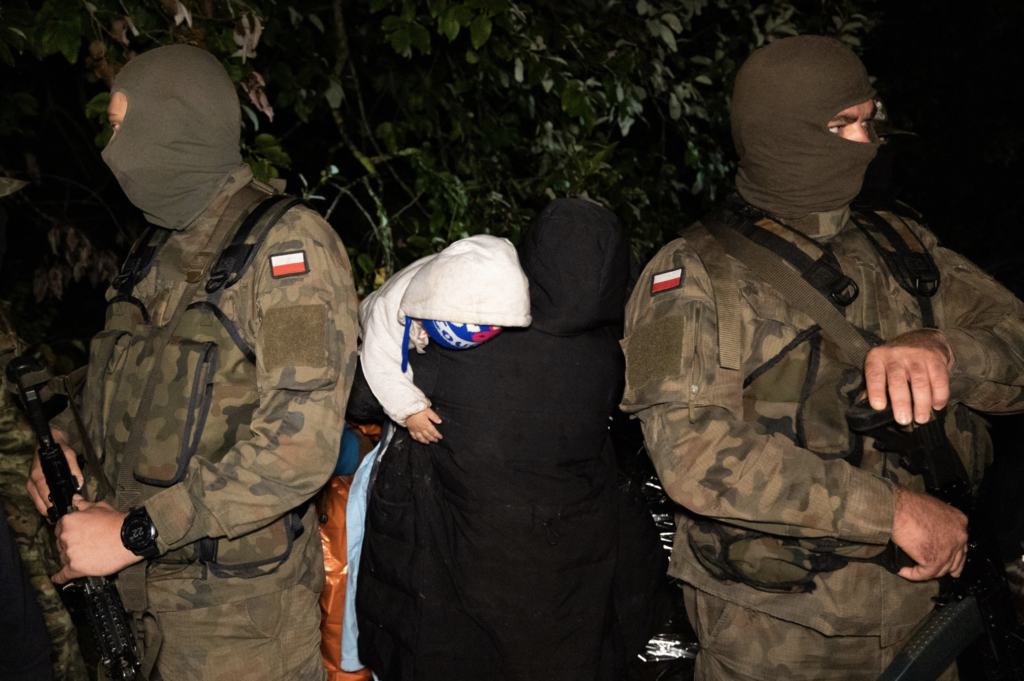
Ja państwa nie zatrzymuję, możecie jechać, mówi strażniczka. Do białych. To nie my mamy samolot.

Ostatecznie pomaga rozmowa z przełożonym. Nie musimy jechać do Białegostoku po dokumenty, tylko po to żeby pokazać że jesteś kim jesteś.

Ja tylko wykonuję swoje obowiązki, mówi strażniczka. Gdzieś już to słyszałam.

cross-postowane z: szmer.info/post/320902

cross-postowane z: szmer.info/post/320901

Jest tak. Dostajesz informację, że Twoje dziecko zostało wyłowione z rzeki na granicy dwóch krajów. Egzotycznych dla Ciebie, centralna (geograficznie), wschodnia (politycznie) Europa. Twoje piękne, ukochane dziecko. Doktorantka historii ekonomii. Przedsiębiorczyni. Kamerunka. Utonęła w Świsłoczy, rzece, której nazwy nie dasz rady wypowiedzieć.

Decydujesz się przeprowadzić procedurę identyfikacji, a później pogrzeb, na miejscu, pod niebem pod którym zmarła. Bierzesz rodzinę. Przylatujesz. Nad wszystkim starają się czuwać ludzie na miejscu. Hotele, pokoje, zakupy (no bo inaczej wyobrażasz sobie podlaskie zimno, jakoś nie masz odpowiedniej kurtki puchowej w Kamerunie żeby ją ze sobą spakować), formalności.

Spotyka Cię i życzliwość i trud. Bo tu się mielą procedury, dla nikogo z tych ludzi nie jest to ukochana córka - dumna, uparta, silna, ale dla Ciebie na zawsze ukochany dzieciak. Jesteś pastorem, kochasz ludzi, znosisz to wszystko, wierzysz w Boży plan, więc mimo smutku jasnym wzrokiem patrzysz naprzód.

Po pożegnaniu córki wsiadasz do samochodu, by dojechać na miejsce stypy. Wsiadasz do jednego z kilku, które jadą na przyjęcie. Wciąż jeszcze zatopiony w myślach, dziwisz się, gdy samochód się zatrzymuje.

  • Kontrola drogowa - Słyszysz, choć nie rozumiesz. Przed Tobą siedzi Alexis, tłumacz, i wyjaśnia. Ale niektórych rzeczy nie da się wyjaśnić. Dlaczego, skoro jest w aucie dwóch czarnoskórych mężczyzn, z których jeden mówi płynnie po polsku i pokazuje dowód osobisty, potrzeba kontroli u strażniczki się wzmaga. Dlaczego trzeba prosić osoby z drugiego auta by wróciły, bo chyba dokumenty są razem. Dlaczego nie możesz po prostu pojechać, usiąść przy stole z bliskimi i zatopić się we wspomnieniach o ukochanej Livine? Bo jesteś czarny. Na polskiej, podlaskiej drodze. 4 osoby tłumaczą że ten przejazd był zgłaszany. Żeby tym ludziom nie dokładać, właśnie pochowali tragicznie zmarłą córkę. Że naprawdę nie mamy czasu, że czeka poczęstunek a w perspektywie ledwie kilka godzin do samolotu, odlatującego z Warszawy.
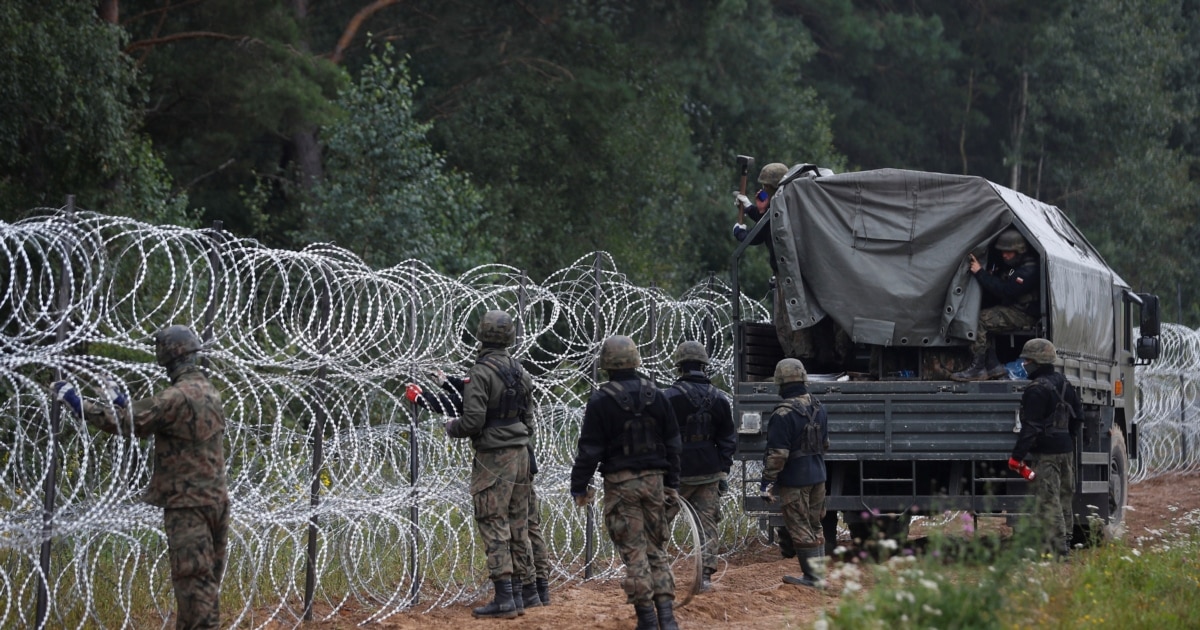
Ja państwa nie zatrzymuję, możecie jechać, mówi strażniczka. Do białych. To nie my mamy samolot.

Ostatecznie pomaga rozmowa z przełożonym. Nie musimy jechać do Białegostoku po dokumenty, tylko po to żeby pokazać że jesteś kim jesteś.
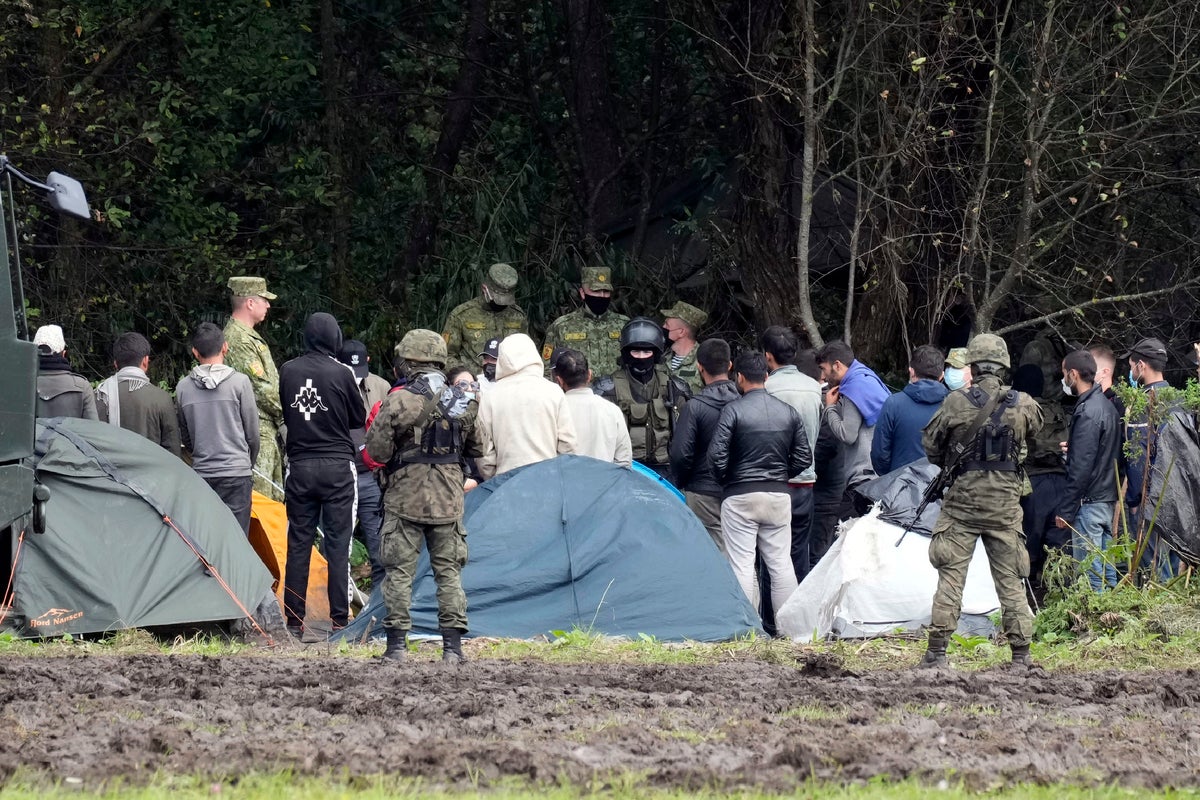
Ja tylko wykonuję swoje obowiązki, mówi strażniczka. Gdzieś już to słyszałam.

0

Interview with a comrade about the current situation at the border Poland/ Belarus (April 2023)

preview

Interview with an comrade from no borders Poland about the current situation at the border – Poland/ Belarus. The Interview was done during a live show at a Street Festival ( just to explain the background – sounds)

Interview with an comrade from no borders Poland about the current situation at the border – Poland/ Belarus. The Interview was done during a live show at a Street Festival ( just to explain the background – sounds)

0

Auto Na Bezgranicę/ NoBorder Car

preview

We are a grassroots independent group of border area residents and activists, working together in solidarity with people migrating across the Polish-Belarusian border. Our activities include material, medical and legal support for people who finally manage to cross the border, after days or weeks spent in the forest, without access to water, food, dry clothes and warmth. For months, we’ve been conducting forest interventions, trying to get essential help to those in need as quickly as possible.

A few days ago, during one of the interventions, we had a car accident. The road was covered in ice, there was a speeding car coming from the opposite direction that didn’t keep to its lane while it was approaching us. We were forced to swerve abruptly, skidded, and a moment later fell into a deep ditch by the side of the road. Fortunately, nothing happened to us, but the car we were driving was seriously damaged - the suspension, shock absorbers, wheels and many other minor components were destroyed. The tow truck took the car straight to the mechanic and we are waiting for the estimated costs of the repair or, in the worst case scenario, the decision to scrap it.

Unfortunately, the car we were driving didn’t belong to us. It was lent to us by a local person, who in this way supports our activities.

As you can imagine, a car is an essential tool for us. Every day, it allows us to reach people who need our support, to bring them the most necessary things, it allows us to refill our stock of food, clothes and medicines. Without the possibility of transport we are much less efficient.

Our current means of transport has been destroyed and we need your support to cover the costs of repair as well as the car itself. We can’t imagine allowing that the person who was supporting us and in this way helping the people migrating across the border, should bear any losses as a result of this accident. We want to pay them back the cost of their car and we want to repair it or, if that’s too costly, buy a new one, so that we don’t stop and are able to continue our work.

We are counting on your support, not only by making a donation, but also by sharing this link. Without your help we might not be able to continue our work.

Thank you!

0

[EN] How Fake News on Facebook Helped Fuel a Border Crisis in Europe. Social media worsened a migrant crisis on the border of Belarus and Poland and helped smugglers profit off desperate people try...

0

The only ethical way of being a human from Europe is to defy the divisions and open the borders.

preview

There is nothing more strongly inscribed into our heads than the world divided by nation state lines and superpower spheres of influence. It is a constant and necessary part of reality, thanks to which influential dickheads justify their right to rule and exploit the work of others. After a moment of reflection, it is actually a totally unjustified practice of social life. Living in Europe, we usually do not realize our privilege. We would like to share our thoughts after the third team from Wrocław encountered in the middle of the forest a man who sold his kidney in order to afford a journey to save his life and the livesof his family. The journey whose one of the stages is now happening right before our eyes in Polish forests. He wants to join his son, who despite living in Germany, was not able to acquire enough money. From the perspective of Europe it seems unimaginable how much a journey to another continent can cost. Three, four, maybe ten thousand złotys… Only when you are a European, who is welcome everywhere. When you are not from Europe, the amount grows a dozen, maybe dozens of times bigger. After World War II we put a lot of effort into constructing a framework of European ethics based on human rights. From the ashes of the most destructive war we were supposed to rise thanks to the ideals of communal life, the democratic development of nations friendly to everyone. Sign international treaties and economic interdependencies thanks to which we would never return to a situation that led to the deaths of millions. Meanwhile, using the resulting economic power, we created Fortress Europe. A fortress in which privileged people with European citizenship can freely move, work and live in any place of their choosing. However, by uniting we excluded everyone else, and even put ourselves above them. We, Europeans, can do everything given to us by Human Rights and Citizen Rights and Them - are not really seen as people, just as an abstract threat. In this moment we can say clearly: being a European is a shame. Being a European is a taint and guilt. Being a European is not something one should be proud of. The only ethical way of being a human from Europe is defying this divide and opening the borders.

There is nothing more strongly inscribed into our heads than the world divided by nation state lines and superpower spheres of influence. It is a constant and necessary part of reality, thanks to which influential dickheads justify their right to rule and exploit the work of others. After a moment of reflection, it is actually a totally unjustified practice of social life. Living in Europe, we usually do not realize our privilege. We would like to share our thoughts after the third team from Wrocław encountered in the middle of the forest a man who sold his kidney in order to afford a journey to save his life and the livesof his family. The journey whose one of the stages is now happening right before our eyes in Polish forests. He wants to join his son, who despite living in Germany, was not able to acquire enough money. From the perspective of Europe it seems unimaginable how much a journey to another continent can cost. Three, four, maybe ten thousand złotys… Only when you are a European, who is welcome everywhere. When you are not from Europe, the amount grows a dozen, maybe dozens of times bigger. After World War II we put a lot of effort into constructing a framework of European ethics based on human rights. From the ashes of the most destructive war we were supposed to rise thanks to the ideals of communal life, the democratic development of nations friendly to everyone. Sign international treaties and economic interdependencies thanks to which we would never return to a situation that led to the deaths of millions. Meanwhile, using the resulting economic power, we created Fortress Europe. A fortress in which privileged people with European citizenship can freely move, work and live in any place of their choosing. However, by uniting we excluded everyone else, and even put ourselves above them. We, Europeans, can do everything given to us by Human Rights and Citizen Rights and Them - are not really seen as people, just as an abstract threat. In this moment we can say clearly: being a European is a shame. Being a European is a taint and guilt. Being a European is not something one should be proud of. The only ethical way of being a human from Europe is defying this divide and opening the borders.

0

Call for solidarity actions

preview

Call for solidarity actions

For several months we have been witnessing a political game between the European Union, Russia, Poland and Belarus. As often in previous years, people deprived of their homes and looking for a better life, have become the tools of state authorities.

Treated as tools in this conflict, they bear its direct costs. They die at the border, are tortured, beaten, raped and abused in every way possible. The situation they find themselves in is a direct result of the European Union’s anti-immigration policy, which is being used without scruples by the Lukashenka regime.

As the no borders movement in Poland, we want to invite to coordinated activities all groups in Europe who are sharing idea of ​​a world without borders. We want to put pressure on the Polish and European Union authorities and express solidarity with all travellers. What form your actions will take, we leave to you. Let demonstrations in front of Polish embassies and consulates, lighting candles, graffiti campaigns, banners, soliparties, benefits, happenings and all other activities, should become part of our opposition to the militarization of borders and the restriction of the right to move.

Our fight takes place on many levels. On the one hand, it is deeply rooted in our lives – it concerns the space we are in, people and our everyday relationships. At the same time, grassroots movements that are in opposition to states, big business and all ideologies based on enslavement; they are able to bring about the global change that is necessary for the world. Community building and solidarity are often not as spectacular as oppression of the state. It’s easier to count the tanks, troops and billions spent on maintaining it system. Nevertheless, the results of grassroots groups’ activities are often more durable and of a longer duration perspective change much more. Even what seemed permanent. Our actions they often seem to remind us of sparks which flare for a moment in the darkness. But it is the sparks that cause the fires!

Time: 22.11.2021 - 19.12.2021

If you have any questions, suggestions, ideas or just want to contact us, write to: no_borders_team[at]riseup.net

[photo: “No One Is Illegal. Against Fortress Europe” - banner on the Provincial Office in Poznań]

0

[Aljazeera] Polish Muslims bury Syrian, 19, who drowned near Belarus border

Al Jazeera Polish Muslims bury Syrian, 19, who drowned near Belarus border www.aljazeera.com
preview

Bohoniki, Poland –

His name was Ahmad al-Hasan and he was 19. He wanted to continue his education, which he began in a Syrian refugee camp in Jordan. But his dreams will never come true.

On October 19, his body was found in the Bug river in eastern Poland, close to the Belarus border.

According to his companion who survived, al-Hasan was pushed to enter the water by a Belarusian guard. He could not swim.

On Monday evening, he was laid to rest in a grave at a Muslim cemetery in Bohoniki, a few kilometres away from the Belarus border, as his family members in Jordan and Turkey watched the ceremony via video-link. […]

Tatars have lived in the Polish-Belarus borderland for centuries. […]

For them, people looking for shelter at the Polish-Belarus border are not a threat. They are people, brothers in faith, whose lives are being lost. […]

“We should give them water and food. They are not a threat. They are afraid of us, they don’t know how people will act when they see them. I feel so sorry for them, for the children, the little children. People are warm at home and these people are outside, in one piece of clothing, it’s incredible how they survive,” said Ali, a Muslim Tatar.

“I feel bad. Once, [Jarosław] Kaczynski (leader of the governing Law and Justice (PiS) party) said that Poland is for Poles and Catholics. It breaks my heart. There are also Orthodox Christians here and Muslims, Tatars, so how can someone say that?”

0

On the verge of indifference [documentary]

preview

cross-posted from: szmer.info/post/12646

A documentary reporting the situation on Polish Border through the voices of local inhabitants of the no-go zone of State of Emergency. Hard and moving testimonies.

There is also a long version.

Subtitles in Polish.

cross-posted from: szmer.info/post/12646

A documentary reporting the situation on Polish Border through the voices of local inhabitants of the no-go zone of State of Emergency. Hard and moving testimonies.

There is also a long version.

Subtitles in Polish.

0

[Aljazeera] Polish forces intimidate media near Belarus border: Journalists

Al Jazeera Polish forces intimidate media near Belarus border: Journalists www.aljazeera.com
preview

Sokolka, Poland – On Tuesday, three photojournalists went on their usual journey around villages near the Polish-Belarusian border to take photos of the escalating migration crisis.

[…]

About 4pm local time, the reporters approached a military camp located in Wiejki, a village. They left their car and informed guards that they are journalists.

“Good evening, we’re here at work. We know that you are too. We’re allowed to take photographs here. Even if you turn your back to us,” one of the journalists can be heard in a recording from the scene, obtained by Al Jazeera.

[…]

They returned to their car and wanted to leave to avoid trouble, but chaos erupted.

“Get out of the car! Get out of the f*****g car, now!” an unidentified uniformed man shouted in Polish. “You’re getting out now, for f***’s sake, you have a minute!”

0

SITUACIÓN EN LA FRONTERA - No Borders Team

preview

CRISIS HUMANITARIA

¿Cómo puedes ayudar? ¿Quién es un refugiado?

Es una persona que quiere proteger su vida y salud y la de toda su familia, convencido de que en Europa funciona el derecho a la protección internacional. Está huyendo de su país donde corre riesgo de muerte, persecución, torturas u otro trato inhumano. Es una persona que haya tomado una decisión muy difícil y peligrosa ya que en el país de su origen no puede solicitar el asilo. A diario no encontramos a mujeres, niños, personas mayores y hombres; en estos encuentros los refugiados probablemente tengan más miedo que tú.

Si quieres, ¡puedes ayudar!: • Pregunta qué necesita. Si no habláis el mismo idioma, intenta comunicarte con gestos. • Ofrece algo para beber (agua tibia, té caliente) y para comer (menos la carne de cerdo) • Verifica si esta persona no padece de extrema fatiga. Intenta proporcionar atención médica • Permanece atento/atenta: La Guardia Fronteriza obliga a los refugiados a volver a la frontera.

Puedes también proporcionar: • mantas isotérmicas/ abrigos y ropa para la lluvia/ calcetines/ ropa isotérmica/ sacos de dormir/ tiendas de campaña • cargador portátil/ linternas • parches, vendajes, desinfectantes/ líquidos, geles isotónicos/ barras de proteína/ electrolitos con glucosamina • hornillo de camping + cartuchos / mecheros

¿Tienes preguntas o quieres avisarnos de algo? Contáctanos: (Signal app) no_borders_team@protonmail.com

¿Por qué y de dónde huyen?

En estos momentos los refugiados que cruzan la frontera entre Polonia y Bielorrusia son las personas de Afganistán, Iraq, República Democrática del Congo, Somalia, Camerun y otros países en los que se producen disturbios o conflictos.

• En Afganistán, desde hace muchos años hay guerras civiles. En agosto de este año el ejército de EE.UU abandonó este país y los Talibanes han retomado el gobierno, por lo que la vida y la salud de gran parte de los habitantes de Afganistán corre riesgo. Los atentados terroristas y la violencia forman parte de la vida diaria en este país. • En Iraq, después de la guerra (2003-2011) la situación permanece inestable. Cada día los ciudadanos corren riesgo de violencia y atentados terroristas. • En los años 90 la República Democrática del Congo permanecía en estado de guerra civil. Hoy en día, en la parte oriental se producen atentados de grupos armados, atracos, secuestros, acosos y disturbios • En Somalia, desde 1991 hay guerra civil y se producen catástrofes como la hambruna. Los atentados y secuestros son habituales, hasta en la capital, Mogadiscio. • En el año 2017 en Camerún estalló un conflicto armado que continúa hasta hoy. Los atentados, atracos y secuestros son habituales.

[datos de Ministerio de Asuntos Exteriores de Polonia, entre otros]

¿Por qué tienen smartphones?

Diferentes personas deciden huir, personas pobres y ricas, educadas y menos cualificadas. Hay veces que esta gente vende todo lo que tienen para ahorrar el dinero necesario para viajar. Un teléfono con acceso a mapas, mensajes y contacto con familiares muy a menudo puede salvar sus vidas.

SITUACIÓN EN LA FRONTERA

Convenio de Ginebra

El Convenio de Ginebra internacional se declaró tras la II guerra mundial con el fin de proteger a las personas que huyen de situaciones que supongan peligro de vida y salud. El convenio garantiza el derecho a presentar la solicitud de protección internacional a cada persona, independientemente del lugar o de la frontera. A partir del momento de la presentación de la solicitud debería empezar el procedimiento de garantizar la protección y seguridad a la persona solicitante.

¿Qué es un pushback?

El gobierno polaco incumple el Convenio de Ginebra sistemáticamente, de hecho, en los años 2016-2018 lo mencionaron en varias ocasiones el Defensor del Pueblo y organizaciones dedicadas a la protección de los derechos humanos. Es una práctica brutal e ilegal la de hacer a los refugiados volver hacia la frontera donde les esperan las armas y porras de los soldados bielorrusos. El ejército bielorruso utiliza la misma táctica e intenta forzar a los refugiados a cruzar la frontera hacia el territorio polaco. En consecuencia, las personas extremadamente fatigadas durante muchos días o semanas circulan entre un lado y otro. Las temperaturas en el este de Polonia están bajando cada día, por lo tanto la cantidad de muertes causadas por hipotermia, hambre y cansancio va a aumentar. Los refugiados en la frontera polaco-bielorrusa pasan condiciones deteriorantes para la salud, en un lugar donde nadie les proporciona ayuda. En esta situación probablemente se encuentran centenares de personas.

¿Por qué el gobierno declaró el estado de excepción?

La razón real es restringir el acceso de testigos, sobre todo medios y las organizaciones no gubernamentales que observan y documentan los ejemplos de torturas. El gobierno es consciente de que incumple el derecho internacional por las prácticas de pushback contribuyendo a los nuevos casos de muertes. Esta gente no solo muere en los bosques porque nadie les ayuda sino que tampoco se conoce su estado real por las restricciones relacionadas con el estado de excepción.

¿Qué papel desempeña el presidente de Bielorrusia?

Sobre todo el dictador utiliza la falta de procedimientos seguros que protejan a las personas migrantes hacia UE utilizando vidas humanas. Independientemente de la interpretación de la situación y los intentos de desplazar la responsabilidad hacia otro gobierno, nada justifica la decisión de forzar a los refugiados a permanecer en estas condiciones inhumanas que muy a menudo acaban en muertes por hipotermia o extrema fatiga.

La vida de estas personas no puede justificar el juego político de ningún estado.

Estamos obligados a ayudar a las personas que buscan protección. Nos obliga no sólo el derecho pero también la humanidad. No seas indiferente, contáctanos. También te invitamos a apoyar la recaudación de fondos: zrzutka.pl/rab8e2

SEGURIDAD

La prestación de ayuda humanitaria es completamente legal, también en caso de las personas migrantes que no tienen derecho de permanecer legalmente en el territorio de Polonia. Sin embargo, sería un delito organizar ayuda o prestar asistencia en el cruce ilegal de la frontera.

No Borders Team www.facebook.com/nobordersteam

Somos un movimiento de base que está en contra de las actuaciones gubernamentales en la frontera. Los derechos humanos están siendo violados por eso hemos tomado la decisión de actuar y proporcionar ayuda a las personas en situación de crisis humanitaria, mientras el estado les niega la ayuda y agrede a estas personas que simplemente buscan refugio.

0

Situation at the border (November 2021)

preview

The situation at the Polish-Belarusian border is increasingly tense. For over 3 months, along the whole border, a state of emergency has been declared in an area several kilometres wide. This means that activists, medics, journalists, human rights organizations and no one else except the uniformed services and local residents is allowed to enter this area. This blocks the flow of information, as well as the ability to provide medical and humanitarian aid. The state of emergency was declared for a month at the beginning of September. After this time it was extended for two more months and it will end at the beginning of December. The Polish law does not allow a further extension, but the Polish government is already saying that while there will be no official extension, the restrictions will stay in place, and possibly even increased. The zone might even become 15 kilometers wide. The government, under the pressure of public opinion and organizations dedicated to human rights and freedom of press, intends to allow journalists entry into the zone, but only those it authorizes to do so.

The situation of people trapped between the two borders has also changed. Before, the Belarusian soldiers pushed small groups of people towards Poland. Currently the Belarusian authorities have changed their tactics and have gathered huge groups of migrants at the border. In order to force these people to storm the barbed wire, the soldiers are using torture, violence, rapes, intimidation, blackmail and provocation The people they are attempting to intimidate are so far resisting this pressure, knowing that this is a trap. However, with the current scale of the pressure, it is hard to say how long they will be able to resist.

Poland reacted to this with an enormous mobilization of its armed forces. Border towns are now full of army combat vehicles and soldiers. People who do managed to cross the border are being hunted, when captured they are often beaten and usually thrown back at the border. The areas near the border are being patrolled by drones and helicopters, and in the nearby towns and forests police and military vehicles play dog barking from their loudspeakers in order to frighten and dispirit the people freezing in the forest even more.

Violence is also used towards the people trying to aid those who need help. The medics trying to save human lives first found the tires of their ambulance punctured (a known method of the police and the military), and several days later five private cars were destroyed with axes. Additionally, the racist and xenophobic government propaganda mobilized to action Polish fascists whose groups are trying to locate people aiding the migrants in order to intimidate them or turn them over to the police.

How the situation at the border develops relies on many factors. We are impressed by the people who, under extreme pressure, still manage to resist provocation by the Belarusian troops. People who, beaten and hunted down by the Polish army, still have strength to fight for their dignity. Despite the fact that many of them lost their loved ones, experienced torture and rape, were forced to sell their internal organs that are being followed in the forest by the sound of barking from a police loudspeaker. These people are more important to us than all the armies in the world and together with them we will resist this system and the political games of the authorities.

0

Polish National Bank to issue special coin and note marking “defence of the eastern border”.

Notes From Poland Polish central bank to issue special coin and note marking "defence of the eastern border" notesfrompoland.com
preview

Summary:

Polish National Bank to issue special coin and note marking “defence of the eastern border”.

Poland’s chief central banker, Adam Glapiński, has announced that the National Bank of Poland (NBP) will issue a collectors’ note and coin dedicated to the “defence of the Polish eastern border”.

The mementoes will be issued in an “expedited” and “extraordinary” release.

To mark these events, the NBP, which has exclusive rights to issue legal tender in Poland, is now creating a new note and coin, whose face value and design have not yet been announced. It will be issued in an “expedited and extraordinary procedure”.

This is blowing my mind…

0

Poland denies journalists access to border with Belarus as thousands of people remain stranded amid a geopolitical row.

Al Jazeera Poland slammed for ‘arbitrary’ ban on media at Belarus border www.aljazeera.com
preview

cross-posted from: szmer.info/post/12640

“You don’t fight Belarusian disinformation with censorship,” said the General Secretary of the European Federation of Journalists Ricardo Gutiérrez.

“On the contrary, journalists should be allowed to document the situation as it is. We cannot accept that a government should encourage this kind of ban on journalistic coverage as soon as a sensitive situation arises. We believe that the state of emergency was introduced mainly to prevent the public from witnessing questionable activities along the country’s border with Belarus. Critics have accused the Polish authorities of violating international law by pushing asylum seekers back across the border.”

Polish journalist Wojciech Bojanowski said on Twitter that the restrictions on Polish and international media meant that allegations circulating on Russian and Belarusian media that Polish security forces were tear gassing children were impossible to verify or debunk.

0

[FR] [RTL] Pologne : le patron de Frontex accuse la Biélorussie d'"orchestrer" la crise migratoire

RTL.fr INVITÉ RTL - Pologne : le patron de Frontex accuse la Biélorussie d'"orchestrer" la crise migratoire www.rtl.fr
preview

Un petit reportage sur la situation actuelle à la frontière, dans la deuxième partie l’entretien avec le patron de frontex.

Il dit qu’il y a 12.000 policiers et 13.000 militaires déployés.

Un petit reportage sur la situation actuelle à la frontière, dans la deuxième partie l’entretien avec le patron de frontex.

Il dit qu’il y a 12.000 policiers et 13.000 militaires déployés.

0

[BNN] People in Lithuania’s border municipalities keep calm, but some brace for worse

BNN BNN ANALYSES | People in Lithuania’s border municipalities keep calm, but some brace for worse bnn-news.com
preview

As part of state of emergency, migrants who entered Lithuania and were accommodated in the country will be stripped of right to communicate in writing vie e-mails or by cell phones, except for the possibility to contact the country’s authorities.

While some high-ranking EU officials said that the authoritarian Belarusian regime «weaponises» migrants on the EU’s borders, European home affairs commissioner Ylva Johansson told MEPs in the Civil Liberties Committee on Tuesday, November 9, that, likely, Brussels will demand Poland, Latvia and Lithuania change recent migration laws in response to the ongoing Belarus border confrontation.

Over 4,200 irregular migrants have crossed into Lithuania from Belarus illegally so far this year.

0

Latvia prepares an action plan in response to situation on Polish-Belarusian border - Baltic News Network - News from Latvia, Lithuania, Estonia

BNN Latvia prepares an action plan in response to situation on Polish-Belarusian border bnn-news.com
preview

According to the head of the Lithuanian Border Guard Rustam Lyubaev, different sources claim there are 10 000 to 50 000 illegal migrants currently staying on the Belarusian-Polish border. According to him, the news about migrants concentrating along the border were received at the end of last week, stressing that the Lithuanian border guard are preparing for possible developments.

I am not sure if the given numbers are accurate, but I think there is no way to know it.

0

On Poland's Border With Belarus, A Syrian Refugee's Desperate Battle To Save His Family

RadioFreeEurope/RadioLiberty On Poland's Border With Belarus, A Syrian Refugee's Desperate Battle To Save His Family www.rferl.org
preview

[some quotes]

The migrant crisis along Poland’s border with Belarus is a humanitarian time bomb ticking on the EU’s eastern edge. Thousands of asylum seekers have flown to Belarus in recent months, encouraged by expedited visa processing and growing numbers of daily flights from countries such as Yemen, Iraq, Somalia, Afghanistan, and Cameroon. Though the vast majority continue toward Poland, many have sought entry into neighboring Latvia and Lithuania, also EU members.

It’s part of a state-sponsored scheme that rights workers and EU officials say amounts to a “hybrid war” waged by Lukashenka in retaliation for Western sanctions imposed on his government after he claimed a landslide victory in an August 2020 election widely considered rigged and launched a brutal crackdown on protests against his continued rule.

“The main goal is to punish Lithuania and Poland for their backing of the opposition,” said Artsyom Shraybman, a Belarusian political analyst living in exile. “Lukashenka figures he has nothing to lose.”


While the crisis has resonated across Poland, it’s in the east that life has been upended. Locals in Hajnowka and other towns near the border are subject to regular police checks during routine trips to work or the grocery store. Army trucks course through the streets, carrying troops who pack local hotels before duty on the border.

“I feel like I live in a war zone,” said Kasia Wappa, a Hajnowka resident who helps migrants. “And the only people moving around at night are refugees, smugglers, and activists.”

Many risk arrest to help, citing a moral code that they say is lacking in their government’s actions. There’s the hotel waitress who scours local roads looking for police checkpoints ahead of an attempt by activists to spirit a family of asylum seekers out of the woods; there’s the taxi driver who transports migrants who make it into town, facing hefty fines and a criminal record if he’s caught; and there are the many full-time volunteers like Wappa who spend their days and most of their nights bringing food and clothing to the migrants.

0

[en] Solutions proposed to prevent animal deaths from the fence set along the Latvian border

BNN Solutions proposed to prevent animal deaths from the fence set along the Latvian border bnn-news.com
preview

The only article on BNN about the border crisis is about animals. As if humans were not important at all.

The only article on BNN about the border crisis is about animals. As if humans were not important at all.

0

[es] Entre dos fronteras: No puedes pasar

Global Voices en Español Entre dos fronteras: No puedes pasar es.globalvoices.org
preview

Artículo que describe las situaciones cotidianas en la frontera. Hay alguna cosita no del todo exacta, pero en general esta bastante bien.

Artículo que describe las situaciones cotidianas en la frontera. Hay alguna cosita no del todo exacta, pero en general esta bastante bien.

0

‘People treated like weapons’: more deaths feared at Poland-Belarus border

the Guardian ‘People treated like weapons’: more deaths feared at Poland-Belarus border www.theguardian.com
preview

cross-postowane z: szmer.info/post/11963

An international aid worker has warned “more people are going to die”, describing how desperate, often dangerously weakened migrants including very young children are being pushed back across Poland’s border with Belarus.

cross-postowane z: szmer.info/post/11963

An international aid worker has warned “more people are going to die”, describing how desperate, often dangerously weakened migrants including very young children are being pushed back across Poland’s border with Belarus.

0

Info about the Green Light initiative in various languages

preview

English:

A green light means this is a friendly house. People who live here will not denounce you to the authorities. We can’t help you hide nor assist you in your further journey, but we will provide food, water, hot tea and coffee, sleeping bags and warm clothes. Green light is a grassroot civil action in the Polish-Belarusian border zone.

Polish:

Zielone światło oznacza, że to przyjazny dom. Ludzie, którzy tu mieszkają nie doniosą na ciebie władzom. Nie pomożemy ci się ukryć ani nie pomożemy w dalszej podróży, ale dostarczymy ci jedzenie, wodę, gorącą herbatę i kawę, śpiwory i ciepłe ubrania. Zielone światło to oddolna akcja obywatelska w polsko-białoruskiej strefie przygranicznej.

French:

Une lumière verte indique une maison amie. Les personnes qui y vivent ne vous dénonceront pas aux autorités. Nous ne pouvons pas vous cacher ni vous aider dans la suite de votre voyage, mais nous vous donnerons à manger et à boire, du café et du thé, des sacs de couchage et des vêtements chauds. La lumière verte est une action civile d’initiative populaire à la frontière entre la Pologne et la Biélorussie.

Arabic:

يعني “الضوء الأخضر” أن هذا مكان آمن وغير عدائي. الأشخاص الذين يعيشون هنا لن يفصحوا للسلطات عن وجودك. للأسف لا يمكننا مساعدتك على الاختباء أو إكمال رحلتك، ولكننا سنقدم لك الطعام والماء والشاي الساخن والقهوة، وأيضًا أكياسًا للنوم (حقائب للنوم) وملابس ثقيلة. إن “الضوء الأخضر” حركة شعبية مدنية تعمل على الحدود بين بولندا وبيلاروسيا.

Swahili:

Taa ya kijani inamaanisha nyumba hii ni salama. Watu wanaoishi humu hawatakushtakia kwa mamlaka. Hatuwezi kukusaidia kujificha au kukusaidia katika safari yako inayoendelea lakini tutakupatia chakula, maji, chai na kahawa ya moto, mifuko-blangeti ya kulalia na nguo za kujikinga na baridi. Taa ya kijani ni harakati ya umma ya kutetea haki iliyo maeneo ya mpaka wa Poland na Belarus.

Uzbek:

Yashil chiroq bu doʻstlar uchun xavfsiz joy ekanini anglatadi. Bu yerda yashaydigan odamlar sizni hukumat vakillariga topshirmaydilar. Biz oldinda kutayotgan safaringizda sizga yashirinish yoki koʻmaklashish imkoniga ega boʻlmaymiz, ammo sizni oziq-ovqat, suv, issiq choy va qahva, yotoq sumkalari hamda issiq kiyim-bosh bilan taʼminlaymiz. Green light bu Polsha va Belorus chegara hududidagi eng quyi darajadagi fuqarolarga koʻmaklashish harakatidir.

Spanish:

La luz verde indica que esta es una casa amiga. Las personas que viven aquí no le denunciarán ante las autoridades. No podemos ayudarle a esconderse ni a avanzar en su viaje, pero le podemos ofrecer comida, agua, té o café caliente, bolsas para dormir y ropa cálida. Luz verde es una acción civil comunitaria en la zona fronteriza entre Polonia y Bielorrusia.

German:

Ein grünes Licht bedeutet, dass dies ein freundliches Haus ist. Die Menschen, die hier leben, werden Sie nicht bei den Behörden denunzieren. Wir können Ihnen leider nicht dabei helfen, sich zu verstecken, und auch nicht bei Ihrer Weiterreise, aber wir werden Ihnen sehr gerne mit etwas zu essen, Wasser, heißem Tee oder Kaffee, Schlafsäcken und warmer Kleidung helfen. Grünes Licht ist eine private Aktion von Menschen im Grenzgebiet zwischen Polen und Weißrussland.

Russian:

Зеленый свет означает, что жители дома настроены дружелюбно и не выдадут вас властям. Мы не можем спрятать вас или помочь в дальнейшем пути, но мы может дать вам еды, воды, горячего чая или кофе, спальные мешки и теплую одежду. «Зеленый свет» — это народное движение в польско-белорусской приграничной зоне.

Italian:

Una luce verde indica una casa amica. Le persone che ci vivono non vi denunceranno alle autorità. Non potranno aiutarvi a nascondervi né assistervi nel continuare il vostro viaggio, ma potranno darvi cibo, acqua, tè caldo e caffè, sacchi a pelo e vestiti caldi. La luce verde è un’azione civile popolare nel territorio ai confini polacchi e bielorussi.

Greek:

Το πράσινο φως σημαίνει ότι αυτό είναι ένα φιλικό σπίτι. Οι άνθρωποι που ζουν εδώ δεν θα σας καταγγείλουν στις αρχές. Δεν μπορούμε να σας βοηθήσουμε να κρυφτείτε ούτε να σας βοηθήσουμε στο περαιτέρω ταξίδι σας, αλλά θα σας προσφέρουμε φαγητό, νερό, ζεστό τσάι και καφέ, υπνόσακους και ζεστά ρούχα.

Albanian:

Drita jeshile do të thotë se kjo është një shtëpi miqësore. Njerëzit që jetojnë këtu nuk do t’ju denoncojnë tek autoritetet. Ne nuk mund t’ju ndihmojmë të fshiheni dhe as t’ju ndihmojmë në udhëtimin tuaj të mëtejshëm, por ne do t’ju ofrojmë ushqim, ujë, çaj të nxehtë dhe kafe, çanta gjumi dhe rroba të ngrohta.

Macedonian:

Зеленото светло значи дека ова е пријателска куќа. Луѓето што живеат тука нема да ве пријават на властите. Не можеме да ви помогнеме да се скриете, ниту да ви помогнеме во вашето понатамошно патување, но ќе ви обезбедиме храна, вода, топол чај и кафе," вреќи за спиење и топла облека. Зелено светло е граѓанска акција на полско-белоруската погранична зона.

Sorani Kurdish:

زانیاری بۆ کۆچبەران لە هەر ماڵێک گڵۆپی سەوز هەڵکرابوو لەو ناوچانەی کە پێیدا دەرۆن ئەوا رەنگە بتوانی داوای هاوکاری بکەیت بۆ ئەم شتانەی خوارەوە. ـ خواردن ـ خۆ گەرمکردنەوە ـ جل گۆڕین ـ شەحنکردنەوەی مۆبایل ـ خزمەتگوزاری سەرەتای تەندروستی ئێمە هاوکاریت ناکەین لە شاردنەوە یاخود ڕێبەریکردن بەڵکو تەنها هاوکاریت دەکەین لە رزگاربوونت وەک بەشێک لە هاوسۆزیمان لەگەڵ پێداویستیە مرۆیەکان. .

0

Wrocław helps at the border

Pomagam.pl Wrocław Pomaga na Granicy | Pomagam.pl pomagam.pl
preview

cross-posted from: szmer.info/post/11647

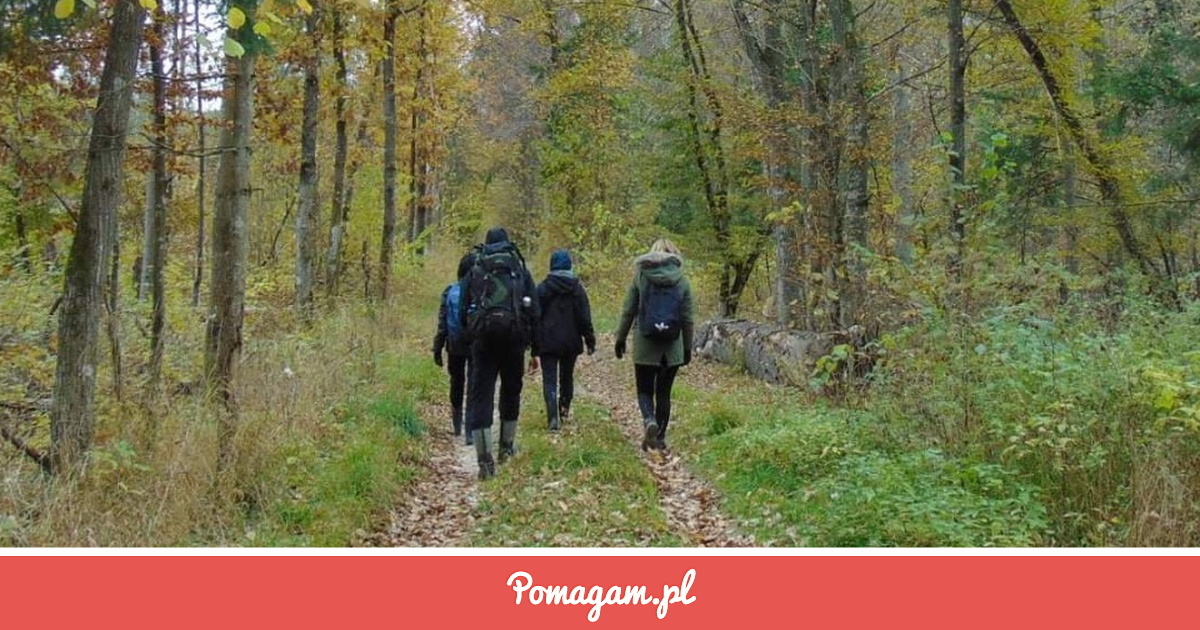
People from Wrocław involved in the anarchist movement have joined the No Borders Team – a nationwide initiative helping in the area near the Polish-Belarusian border. We’re aiding people who are trying to find refuge in Europe – we prepare basic packages with the most essential supplies for people lost in the forest, we collect supplies in Wrocław and transport them to the border, we plan educational actions against borders. No Borders is a life philosophy of open people. Everyone has the right to live in a place of their choosing. Everyone has the right to dignity and human rights regardless of their country of origin, skin colour or the contents of their wallet. We expect that our actions will not be a one-time task but a long-term operation, but currently we want to focus on helping the migrants that are being pushed back into the forest by Polish uniformed services regardless of their health or the reasons why they found themselves in this situation. These people are being denied their basic rights, and ultimately the right to live. Winter is coming and almost everyday there is news of more people dying from hypothermia. The money will be used on basic packages, food, medicine, fuel and other supplies needed for work at the border.

0

[bnn] "The pressure on the Latvian-Belarusian border is low at the moment" Latvian minister says.

BNN Minister: the pressure on the Latvian-Belarusian border is low at the moment bnn-news.com
preview

Quotes:

The current pressure on the border is measured at up to 25 people a day, which is less than the numbers observed in August, explained the minister. Golubeva said interior affairs services remain on high alert.
The politician says pressure is the highest on the Polish-Belarusian border and Lithuanian-Belarusian border.

But at the same time, we can read here:

The total length of the barbed wire fence is 111 km. The first 17 km were supplied on 7 October. 37 km of barbed wire fence is expected to be supplied by 14 October and 36 km – by 22 October. The remaining 21 km of barbed is to be supplied in November. Final installation is planned to be finished by 17 November. The price of barbed wire supplies and installation is EUR 3 757 531.

As it is known, Latvia’s government declared a state of emergency along the Latvian-Belarusian border in response to increasing numbers of illegal border-crossing attempts. The state of emergency will remain in force in Ludza, Krāslava, Augšdaugava and Daugavpils until 10 November

0

The Wretched of the East [Berliner Gazette]

preview

Digital exhibition:
Still, we refuse to give up hope. The challenge for us is to be fully aware that we are in a crack, but to also show that even so, we continue to fight back and struggle.

The episodes in this digital exhibition feature moments of despair, but also moments of solidarity, struggle and hope.

…

A central point of departure for us was the unfolding situation on the Polish-Belarusian border where refugees from Afghanistan and Iraq are being pushed back by Polish authorities. As of today, at least five people have lost their lives due to hunger and hypothermia. The exhibition provides quotes from chats and conversations with the refugees and videos of the situation…

0

Emergency State on eastern border of Poland and migratory crisis [ang]

The Independent Poland declares state of emergency on Belarus border www.independent.co.uk
preview

A moral drama unfolding at Poland’s Usnarz Gorny has seen a group of 32 Afghan migrants camped in no man’s land between Polish and Belarusian border guards for weeks on end. Lawyers representing the group described their conditions to The Independent as “extremely inhumane”, and their story has become a national scandal.

A moral drama unfolding at Poland’s Usnarz Gorny has seen a group of 32 Afghan migrants camped in no man’s land between Polish and Belarusian border guards for weeks on end. Lawyers representing the group described their conditions to The Independent as “extremely inhumane”, and their story has become a national scandal.

0

[Balkan insight] Poland delivers another blow to international rights of refugees.

Balkan Insight Poland Delivers Another Blow to International Rights of Refugees | Reporting Democracy balkaninsight.com
preview

… Prime Minister Mateusz Morawiecki, speaking on August 24 in Kuznice, a border point 30 kilometres away from Usnarz Gorny, said almost 3,000 migrants in total had attempted to enter the country so far. Of these, about 700 were now in closed refugee centres, Morawiecki said, leaving the others unaccounted for.

Morawiecki also claimed the vast majority were from Iraq, in spite of media, NGO and locals’ accounts indicating a much wider group of countries of origin, including Afghanistan. […]

Marta Gorczynska, a human rights lawyer cooperating with the Polish Helsinki Committee, tells BIRN that she and her colleagues are now collecting evidence of individual cases of pushbacks with a view to suing Poland in the relevant national and international courts. She said the implementing act passed by the Polish government has no value, since it contradicts national legislation and the 1951 Refugee Convention.
[…]

0

She-wolfs collective: we're ready to give shelter in our den to every person in need.

preview

cross-posted from: szmer.info/post/8656 and szmer.info/post/8655

She-wolfs collective write on their corpomedia:

مهم نیست از کجا آمدی، اینجا
‎خانه‌ی توست.

In solidarity with the sick and starving people that are currently being kept at the polish-belarusian border. Any attempts of providing them with food and medication have been stopped by the polish government. The forces, as always, are just “following orders” and apparently don’t feel responsible for the human suffering they witness every day. We demand for the polish government to provide the people with humanitarian help and asylum immediately. Everyone responsible for this situation is violating basic human rights. We stand strongly against this. The Wolfens collective is prepared to give shelter in Nora219a to any person in need. ACAB

0

[Español] Artículos sobre la situación fronteriza del este de la UE.

preview

Un resumen sobre la situación fornteriza:

En los últimos días las autoridades de Bielorrusia están haciendo todo lo posible para provocar un aumento del flujo de inmigrantes a los países de la UE, aseguró el viceministro del Interior polaco, Maciej Wasik. […] Wasik afirma que Bielorrusia está llevando a cabo una “guerra híbrida contra la Unión Europea con la ayuda de inmigrantes ilegales” como represalia por este nuevo episodio en el que se vuelve a poner de manifiesto la rudeza con la que el régimen de Minsk controla la exrepública soviética de Bielorrusia. Minsk “utiliza a los inmigrantes como armas humanas”, dijo el jueves en el programa online Telewizja w Polsce.

El alto representante para la Política Exterior y de Seguridad, Josep Borrell, intenta cerrar la vía presionando al Gobierno iraquí. El español pidió explicaciones al Gobierno iraquí. Y reconoció los métodos del dictador bielorruso Alexander Lukashenko en una entrevista a El País, en la que dijo que los migrantes son utilizados como armas.

This is an issue of concern not only for one Member State but for the entire EU. We count on Iraq’s support.

El Gobierno polaco anunció este lunes que levantará un muro de 2,5 metros de alto a lo largo de su frontera con Bielorrusia para frenar lo que califica de “guerra migratoria” impulsada por el presidente bielorruso, Alexandr Lukashenko.

Polonia debe permitir la entrada y prestar ayuda humanitaria a un grupo de 32 personas afganas que llevan dos semanas atrapadas en la frontera de Polonia con Bielorrusia sin comida, agua potable, refugio ni medicamentos tras ser expulsadas sumariamente de Polonia.
Guardias de fronteras polacos y bielorrusos mantienen al grupo atrapado en una pequeña zona en la frontera, mientras ambos países eluden su responsabilidad sobre estos 27 hombres, 4 mujeres y una adolescente de 15 años.
El 24 de agosto, una delegación de Amnistía Internacional visitó Usnarz Górny, donde estas personas llevan 15 días atrapadas. Amnistía Internacional también ha recibido informes según los cuales la guardia de fronteras de Polonia amenazó con ejercer la violencia y empleó la fuerza al expulsar al grupo a Bielorrusia.

Piden estado de emergencia en frontera polaco-bielorrusa. El gobierno polaco pidió al presidente el martes que declare el estado de emergencia en la frontera con Bielorrusia al tratar de impedir el ingreso de un grupo creciente de migrantes desde el país vecino. El gobierno basó el pedido en el riesgo potencial que representan activistas extranjeros y manifestantes polacos. […] Polonia sostiene que el grupo varado en la frontera desde hace más de tres semanas se encuentra en territorio bielorruso. Les ha ofrecido ayuda humanitaria, pero insiste en que las entregas deben realizarse en un cruce oficial de la frontera. [corrección: de la información que tenemos, no se ha permitido acceso ni siquiera de la atención médica]

0

Occupation of Lower-Silesian Voivodeship's Offices!

preview

cross-posted from: szmer.info/post/8652

Mistress Gul, a tailor, an electrician, a girl and maybe a cat, together with 28 other people have been tortured and continue to be, for 3 weeks now, by Border Guards on the Polish border in Usnarz Górny. Polish Guards refuse to give them access to food, water and medication, day by day. 3 people in Wrocław: a librarian, a cashier and a student, have just started a resistance camp in front of the Lower Silesian Voivodeship’s Office. These brave people stand by those in a weaker position, demanding immediate medical aid access to the refugees. In Warsaw, some other girls, electricians and tailors just went on a hunger strike. People in whole country are demanding to let the refugees in and to guarantee them international protection and provide them both physical and psychological medical care. We will keep informing what is happening in front of the Office, during the next hours, as events evolve. Please spread the information, that the solidarity is stronger than weapons and barbed wire!

The statement of protestors occupying the Voivodeship Office in Wroclaw: No Border No Nation!

Wrocław Anarchists Call
As anarchists we deeply believe in the idea of cosmopolitanism and we consider national states a concept designed to turn people against each other in order to keep them from revolting against the authority. We are beginning an occupational strike at the Voivodeship Office in Wroclaw! Our demand is to allow medical aid to 32 people applying for a refugee status in Usnarz Górny. We will not leave this place until our demands are met. Resistance will last as long as it is necessary! The enemy is not at the border, but heating their asses in a luxury office.


(Our only demand : let in the medical aid to the refugees kept by force on Polish-Belorussian border under the orders of Polish Government).

Original thread here.

0

NO OF///FENCE - polish activist reports in english

NO OF///FENCE www.facebook.com
preview

cross-posted from: szmer.info/post/8654

corpo-media only at the moment :_(

We are a grassroots group that collects and translates news from verified organizations and initiatives. Currently focusing on the situation at the Poland-Belarus border. We post daily in English.

Tłumaczymy newsy z granicy na angielski i wysyłamy w świat. Jeśli możesz zalajkować strone i zalajkować/poszerować post to będzie BARDZO super. Dzięki!

FACEBOOK: www.facebook.com/NO-OFFENCE-109654941439682/

INSTAGRAM: www.instagram.com/nooffence_group/