0

Same idle game, same build: 19% of phone players come back the next day, about 4% in the browser

preview

I make a small idle game about running a PC bang (a Korean internet cafe). The phone app and the browser version share one codebase, so I assumed retention would land close.

Last 28 days: about 2,150 app players came back on day 1 at 19.3%. The roughly 950 who played in the browser came back at around 4%.

My guesses so far: no icon on the home screen, no push reminder when the offline earnings fill up, and the browser save lives in local storage that some people clear. I haven’t tested any of these yet.

For those who ship both web and mobile builds: is a gap this big normal, and what moved your browser day-1 number?

The web build, if you want to see what I’m talking about: dumbgamelab.com/play/pcbang-alba-sim/?lang=en

I make a small idle game about running a PC bang (a Korean internet cafe). The phone app and the browser version share one codebase, so I assumed retention would land close.

Last 28 days: about 2,150 app players came back on day 1 at 19.3%. The roughly 950 who played in the browser came back at around 4%.

My guesses so far: no icon on the home screen, no push reminder when the offline earnings fill up, and the browser save lives in local storage that some people clear. I haven’t tested any of these yet.

For those who ship both web and mobile builds: is a gap this big normal, and what moved your browser day-1 number?

The web build, if you want to see what I’m talking about: dumbgamelab.com/play/pcbang-alba-sim/?lang=en

0

day 7 on my idle game is 1.4%

preview

1.4% on day 7, from 3,053 players

day 1 is 13.8% so it’s not like nobody comes back, they come back once and then most of them are gone by the end of the week. you’d think an idle game would do better at this since checking in is the entire genre

no clue which part to touch first

this is Idle PC Bang, solo project, Korean internet cafe tycoon qqq1212341.github.io/pcbang-alba-sim/?lang=e

0

What do you need from an EU Git host when your repo contains a lot of game assets?

preview

Hey all, I’m Marijn, and I’m building Vault42, an EU-hosted Git service.

I would like to cater to the needs of game developers, and offer them an alternative to GitHub.

Git LFS add-ons are available on the paid plans, but I would like to hear from people who work with large binary assets every day, like textures, audio, models, builds, etc.

A few things I’m trying to understand:

  • How large is your LFS store, and how quickly does it grow?
  • Is storage the problem, or transfer (teammates cloning, CI pulling assets)?
  • Do you rely on file locking for binary files?
  • If you have thought about leaving GitHub, what stopped you?
  • Do you have any specific CI/CD needs I should be aware of?

What would it take for you to move your game projects to another Git host? Replies here or DMs are both welcome.

About 50 people are on the waitlist so far, and I’d like a few game developers on board to help me get LFS right.

Thanks!

(Waitlist, if you want to follow along: vault42.eu)

0

Building a tapper as a Telegram Mini App: initData HMAC, server-authoritative taps, and CSP in WebView

preview

I’ve been building a casual tapper that runs as a Telegram Mini App (React + Vite on the client). Sharing a few implementation notes and looking for feedback on the auth / trust boundary.

Telegram hands the client a signed initData blob. The client must not be trusted for scores, so every session starts with the server verifying the HMAC of that payload against the bot token, then issuing its own short-lived session. Taps are server-authoritative: the client only reports intent; the server applies energy, quotas and progression. Daily limits reset on Moscow time, which is awkward in a browser that thinks in the user’s local zone, so I keep the calendar day on the server and expose a countdown rather than trusting Date in the WebView.

The other sticky bit was CSP. Telegram’s WebView is stricter than a normal tab, and a few third-party snippets that “just work” on a landing page fail inside the Mini App. I ended up with a tight allowlist and no inline scripts in the game shell. There’s also a browser demo of the loop (local state only, no server rewards) for people who aren’t in Telegram: ofd.unlock-rent.ru/timtapbot/demo/ (the full game is @NeuroTimBot).

Honest disclosure: the code was written with AI coding agents, and part of the art was generated.

Feedback question: for Mini App / WebView games, do you keep the CSP allowlist identical between the landing page and the in-Telegram shell, or maintain two policies so the landing can embed analytics while the WebView stays locked down?

0

Godot on Android logs "invalid utf16 surrogate input" every time someone types an emoji. It isn't a crash

preview

Spent a while thinking my tower climbing game had a real input bug on Android. The crash collector kept getting “invalid utf16 surrogate input”, always two at once

It’s emoji. Characters outside the BMP are two UTF-16 units, and Godot’s Java text input wrapper sends press/release per unit, so a release gets in between the high and low surrogate and android_input_handler.cpp complains. The presses still combine. The emoji goes in fine

so my busiest “crash” was players putting emoji in their name lol

my fault for treating every engine error line as a crash. it’s now just a breadcrumb (last action before a crash) across my 5 Godot games and old build reports are downgraded to lowest severity

edit: the game I’m mostly working on now is a browser life sim, playgama.ai/play/7hersnnnxaqs5l

0

Generating a daily two-courier grid puzzle by searching the pair state space first, then picking the goals

NOCTURNE ISLAND NOCTURNE ISLAND — Free Daily Puzzle Games in Your Browser nocturne-island.com
preview

One of the four daily puzzles in my browser game is TANDEM. It’s a 6×5 grid, and one arrow press moves two couriers at once. A courier that hits a wall or the edge stays put, and if both would land on the same cell or swap places, neither moves. You have to get both onto their goals.

Hand-placed goals tend to give levels that are either trivial or have a silly 3-move shortcut, so the generator works the other way round:

  1. Seeded RNG from the date, then place 7–9 walls and reject the layout if the open cells aren’t connected.
  2. Pick two start cells.
  3. BFS over the pair state (cell A, cell B). That’s only 30×30 = 900 states, so a full search from the start is basically free.
  4. From everything reachable, keep only pairs whose shortest path is 9–15 moves and where both couriers end up off their start cells. Pick one of those as the goals.
  5. Par is simply the BFS distance, so the “optimal” score is exact and not a guess.

Because the goals come out of the search, every puzzle is solvable by construction, and difficulty is controlled by one number (path length) instead of my intuition. The weak spot: path length isn’t the same thing as perceived difficulty. Some 10-move layouts feel harder than 14-move ones because the trick is moving “into” a wall on purpose so only one courier moves. One idea is to also count how many of the optimal moves are those one-courier-blocked moves.

If you’ve done generate-then-filter for puzzles, what did you end up measuring for difficulty?

The game is NOCTURNE ISLAND (four small daily puzzles, same set for everyone, free, no sign-up): nocturne-island.com

0

Got a game rejected from GamePix because the music kept playing over the ads

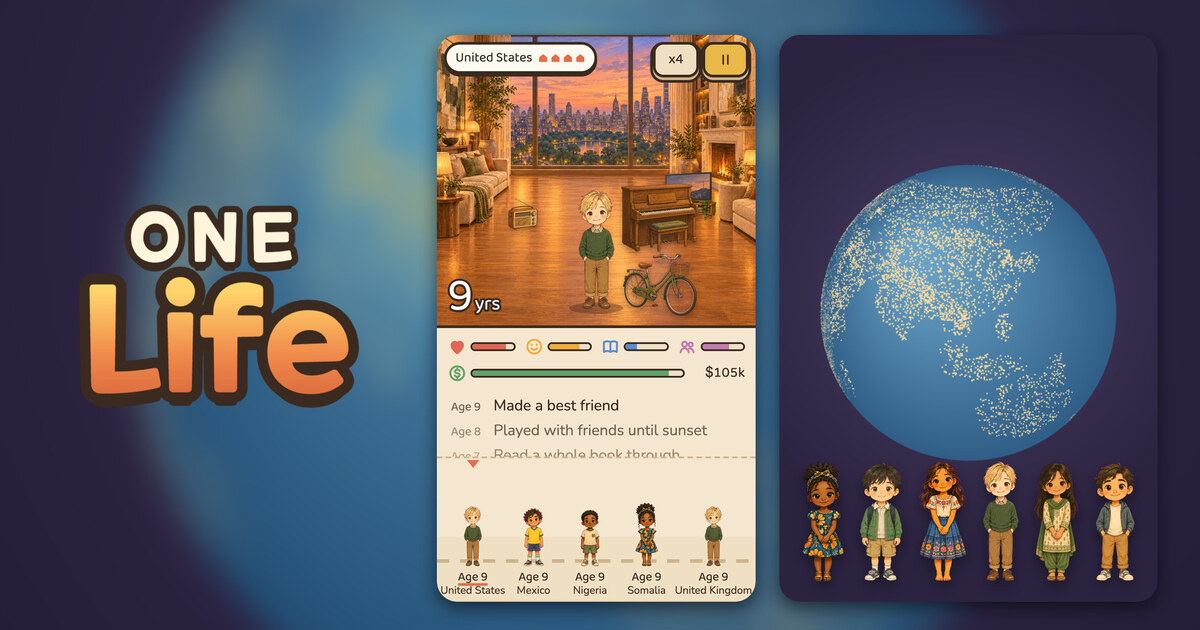
Dumb Game Lab 한 번뿐인 인생 · One Life dumbgamelab.com
preview

GamePix bounced my browser game this week. background music just kept going right over the ad

my ad break code only muted the Phaser sound manager. this one isn’t Phaser, it’s plain HTML with an <audio> tag for the music, so nothing got muted at all

I copied the ad handling from another of my games and never once listened with an ad actually running. always tested with the sound off lol

now on ad start the <audio> element and Web Audio both go to sleep, and I pushed the same fix to the other games too. resubmitted with the new build

edit: they also flagged that the rewarded buttons didn’t say they play an ad, so those have a little video icon now. game was One Life: Reborn Simulator if anyone cares

0

Turning a 1996 2D level generator into walkable 3D dungeons: notes from our first-person Diablo remake

preview

Hi gamedevs, Danny here from the Diablo 3D team. We’ve been rebuilding the original Diablo in first person (Godot 4), and the part that taught us the most was the dungeon, so here are some notes.

  • Keep the original generator, change only the output. The Cathedral uses a port of the original level generator, which produces a 2D grid of tile types (floor, wall, arch, door, pillar and so on). We didn’t touch its logic, so layouts match what players remember.
  • A builder maps tile types to 3D pieces. Each tile type becomes wall segments, arches, doors and groin-vaulted ceiling sections, at a fixed scale of 1 tile = 2 m. Getting corners and T-junctions right was most of the work.
  • Data-driven rules. Monster, item and combat rules come from JSON tables generated from the original data by a Python pipeline, so the game code only implements the formulas.
  • UI in the original coordinates. The HUD is laid out in 640x480 space and scaled by one factor, which made ultrawide (up to 5120x1440) almost free.

The free Windows demo covers Tristram and Cathedral level 1: diablo3d.com (trailer linked above).

Happy to go deeper on any of this. What would you have done differently?

0

We Tried to Update Oh Deer... and Remade the Whole Game - Cozy Cabin Studios

preview

We thought updating Oh Deer would take a week. Nine months later, we’d end up rebuilding our multiplayer hide-and-seek game from the ground up. Enjoy!

We share how fixing performance turned into rebuilding almost everything: the Hunter, the maps, the NPC deer, the multiplayer systems, and even a tiny animated screen on a TrailCam. Along the way, we learned better ways to make games and discovered how much we still had to learn.

The new Oh Deer brings:

  • 10-player matches: one Hunter and up to nine player deer.
  • 100 NPC deer to hide among.
  • Reworked maps, improved visuals, and better performance.
  • Upgraded TrailCams and deer abilities.
  • A completely reworked night phase: survive 40 seconds while your friends hunt you as Wendigos.
0

A Deathless Roguelike - Jack Turps

Jack Turps A Deathless Roguelike jackturps.com
preview

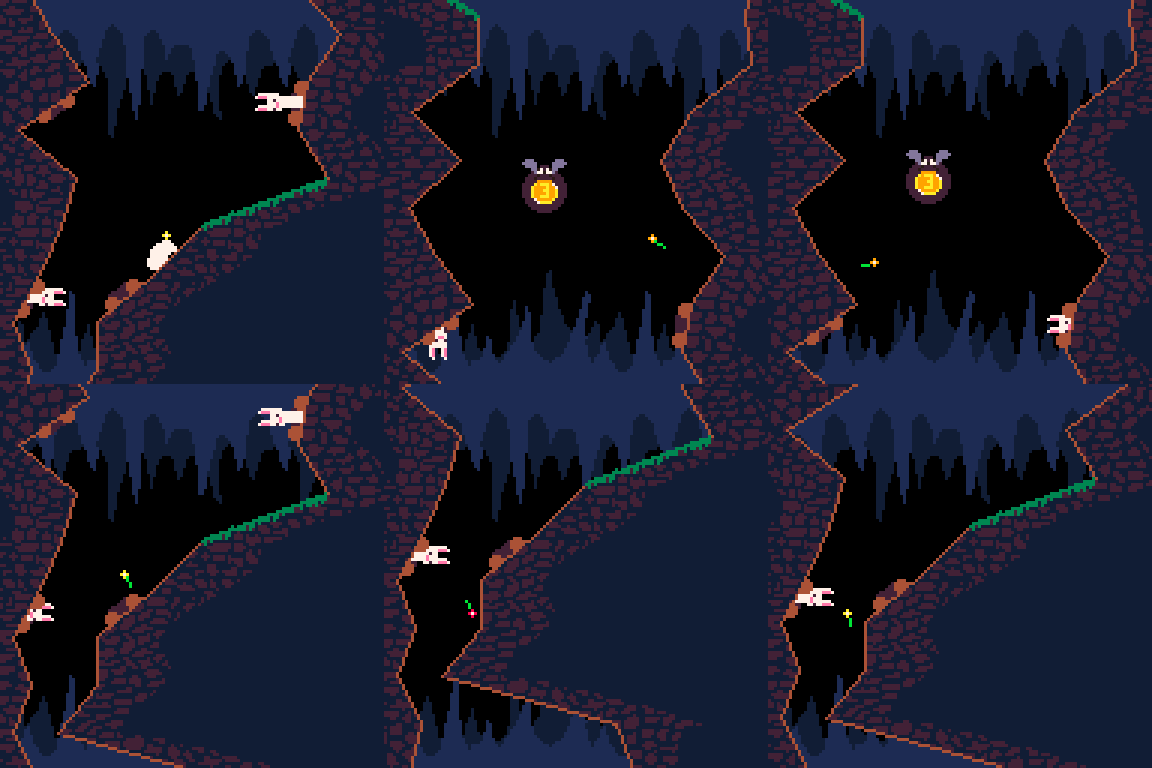
In Love Me Not you are a flower that climbs out of a cave. The cave has been cursed by a witch, so the level is regenerated above you whenever you fall.

This is similar to the procedurally generated levels in infinite runners like Doodle Jump, except that instead of erasing the entire level on a failure, Love Me Not only erases the most recent sections. This style of level generation is novel to me. For the purposes of this post I’ll call it spool generation.

I often simplify a player’s time with a game into a “novice period” and an “expert period”. These are usually characterised by different goals. In Love Me Not a novice’s objective is to escape the cave by any means necessary, while an expert’s objective is to escape the cave as fast as possible.

Spool generation had some natural effects on the novice period:

[expert period] I wanted to find a scoring system that could bring spool generation back into the decision space of an expert player.

Love Me Not on itch.io

0

The freeze bug in my browser RPG was a pause that never un-paused

preview

Small bug story from this week.

A player told me the game “froze”. Attack did nothing, no damage, nothing. Turned out it wasn’t frozen at all.

Opening Settings, the Bank or the Store pauses the fight. That part was on purpose. But if you then hid the menu or went fullscreen, the panel vanished and the pause flag stayed on. So the fight just sat there waiting forever.

The fix was boring. Closing a panel any way at all now clears the pause, and hitting Attack un-pauses too, just in case.

The part I liked more: I wrote a little random-click tester that mashes buttons, opens panels, toggles fullscreen and checks the fight still moves. It found no more stuck states after the fix. I also added a quiet error report so if it ever happens to someone again, I can see what they clicked last.

It’s plain JS, no engine. The game is SnowRSPS Mini if you want to try to break it: snowrsps.com/io

How do you all handle pause state? One flag, or a stack of reasons?

0

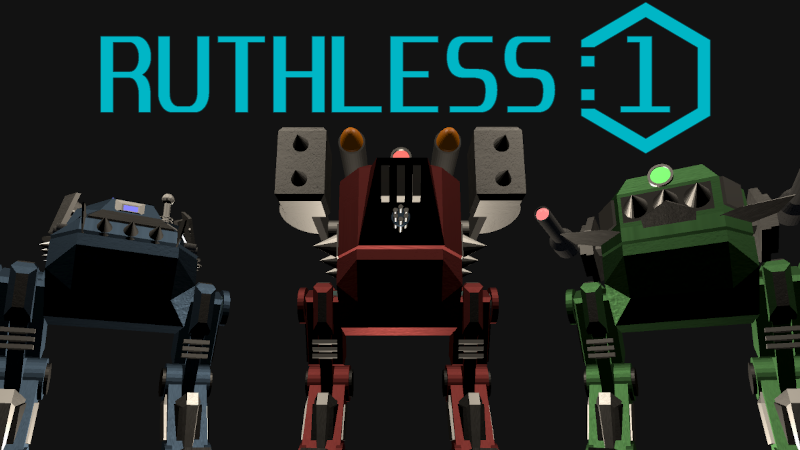
RUTHLESS:1 - Version 0.5.3 is now live - Steam News

RUTHLESS:1 - Version 0.5.3 is now live - Steam News store.steampowered.com
preview

It contains a handful of small bugfixes to smoothen the playing experience. Check out the Steam link for the full changelog.

It contains a handful of small bugfixes to smoothen the playing experience. Check out the Steam link for the full changelog.

0

[self-promotion] Ice-spell SFX pipeline: charge, release, fly-by, impact tiers, frostbite DoT

preview

I’m the creator. Sharing a practical SFX layout I used for an ice-mage kit — useful if you’re wiring elemental spells and want hits to “feel bigger” without touching the mixer every time.

Pipeline that worked for me:

  1. Charge / crystal-form one-shots into a release (lance, bolt, shard, nova).
  2. Optional fly-by while the projectile crosses the listener.
  3. Impact and shatter files pre-leveled by size (small → large), so game code only selects a tier.
  4. A quiet frostbite tick for damage-over-time, plus wall/shield rise-loop-collapse chains and a short combo ladder.

The full Frostbite set is 203 sounds (WAV + OGG, same names); Free Lite is 28 sounds with the same folder names for prototyping. Godot 4 and Unity helpers ship in the download; snake_case names also import cleanly elsewhere.

Free Lite: …itch.io/frostbite-ice-spell-sfx-free-lite (28 sounds)

Full pack: yetiancai.itch.io/frostbite-ice-spell-sfx (203 sounds)

I’m the creator. Sounds are generated by code written with AI assistance. AI tool: Grok Bot coding assistant (used only to write the generation code; current version as of Oct 2026).

Engine-agnostic questions on the tiering approach welcome.

0

PR #3526: please make the intentional crash work

preview

Testing a crash reporter should be easy: add a switch, kill our app, inspect the result A real iOS device turned that into a different bug when the signal got intercepted before termination We were no longer testing whether crashes were reported We were fixing why the deliberately broken part would not break, which is a strange thing to put in a pull request.

Testing a crash reporter should be easy: add a switch, kill our app, inspect the result A real iOS device turned that into a different bug when the signal got intercepted before termination We were no longer testing whether crashes were reported We were fixing why the deliberately broken part would not break, which is a strange thing to put in a pull request.

0

Celeste & Forgiveness - Forgiving Platformer Controls

Maddy Makes Games Celeste & Forgiveness www.maddymakesgames.com
preview

[…] about some Celeste game-feel tricks. I don’t think that we invented any of these techniques, but they are important parts of the moment-to-moment experience of Celeste.

  1. Coyote Time
  2. Jump Buffering
  3. Halved-Gravity Jump Peak
  4. Jump Corner Correction
  5. Dash Corner Correction
  6. Semi-Solid Popping
  7. Lift Momentum Storage
  8. Wide Wall-Jump Window
  9. Even Wider Super Wall-Jump Window
  10. Stamina Refunds

You might have noticed a pattern! All are centered around widening timing or positioning windows, so that everything is fudged a tiny bit in the player’s favor. I think that this is a big reason why Celeste can feel kind even though it’s very difficult — it wants you to succeed.

0

I'm making a Sci-Fi ARPG with creature collecting elements

preview

A few years ago, I started working on my debut game RUTHLESS:1.

It’s a science-fiction action-RPG, set in the near future. You control up to three Mechs in battle, which are equipped with weapons, buffs and items of your choice. Every enemy you destroy can be rebuilt and added to your roster.

Check it out here.

Last year, I was on a (poorly communicated) hiatus and decided that I want to keep the community updated by posting bi-weekly devlogs to show a bit of the development process.

Going forward, I will post these on Lemmy, along with other news regarding my game, starting today with the freshly released news of a new patch for RUTHLESS:1, which fixed a really annoying bug.

I hope you enjoy my game and my posts are welcome here.

0

Driving Game - Prototype - In car view

preview

Added in car view today and I’m liking the feel of this more and more now. Using Unity, it’s a simple onswitchcameraperformed function calling up the next view.

Added in car view today and I’m liking the feel of this more and more now. Using Unity, it’s a simple onswitchcameraperformed function calling up the next view.

0

A spinning globe made a portal's upload analyzer use 2 GB. I fixed it wrong twice first

preview

I uploaded a build of my browser game to a game portal and the upload analysis came back with a 2 GB memory warning. The game is a life sim with a rotating globe on the title screen, so I suspected the globe canvas.

Fix one, 11:10: moved the globe onto its own compositing layer. Fix two, 11:21: switched it to a software canvas. Fix three, 11:53: pulled the logo out of normal flow with position: absolute, so nothing overlapped the globe anymore. That one worked. Forty-three minutes, three pull requests.

The first two were guesses, because I kept shipping the next change before the analyzer had finished judging the previous one. The thing I should have done at 11:10 was wait for the result and then change one thing.

If you’ve fought a portal’s automatic checks, did yours ever blame the heavy thing when the cause was something sitting on top of it? The game is free in the browser: dumbgamelab.itch.io/one-life

0

[self-promotion] How I made horror ambiences that layer: 4 stems per scene that sum to the full mix

preview

I’m the creator of a small game-audio store and wanted to share the approach behind my latest pack, Haunted Atmosphere.

Most horror ambiences are a single fixed track. I split each of 6 scenes into 4 stems:

  • bed: drone / room tone that is always there
  • air: wind, hum, vents, water
  • detail: creaks, drips, crows, chains
  • presence: high tension cluster and wordless whisper-like textures

Played together they reproduce the full mix sample for sample, so in-engine you can start all four and fade layers in as the player gets closer to the threat, then fire a stinger. Every loop is 60 s and seamless by construction (synthesized as a loop, no crossfade), with loop points embedded in WAV and OGG.

I’m the creator. Sounds are synthesized by code written with AI assistance; no generative AI audio or image models were used. AI tool: Grok Bot coding assistant (used only to write the synthesis code; current version as of Oct 2026). (Techniques: filtered noise, modal resonators, creak models, formant filters, synthetic reverb.)

0

Driving Game Prototyping

preview

In prototyping stage on an idea I’ve had for a while, a driving game where speed isn’t everything but how well you can navigate traffic also This is the first driving test with roads and traffic. Different AI driver behavior profiles to be work on next to bring some variation and more unpredictability to the traffic. Testing out whether the idea is any fun or not

In prototyping stage on an idea I’ve had for a while, a driving game where speed isn’t everything but how well you can navigate traffic also This is the first driving test with roads and traffic. Different AI driver behavior profiles to be work on next to bring some variation and more unpredictability to the traffic. Testing out whether the idea is any fun or not

0

What makes a good template for gamedev?

My Godot Template jeferson.me
preview

I’ve started this template some time ago, and I think this is solid enough to talk about it and show this code. I’ll discuss the template ins and outs along the way, this is the starting point and the reasoning for some decisions.

The first entry is the Logger class.

Keep in mind, all code is AGPL, so if you copy this code your codebase will be AGPL.

All feedback is welcomed.

0

I made a free turn-based gladiator game for the browser. Live Arena Hour is on now until 20:00 UTC

Bronze &amp; Glory Bronze &amp; Glory: World Arena bronzeandglory.fun
preview

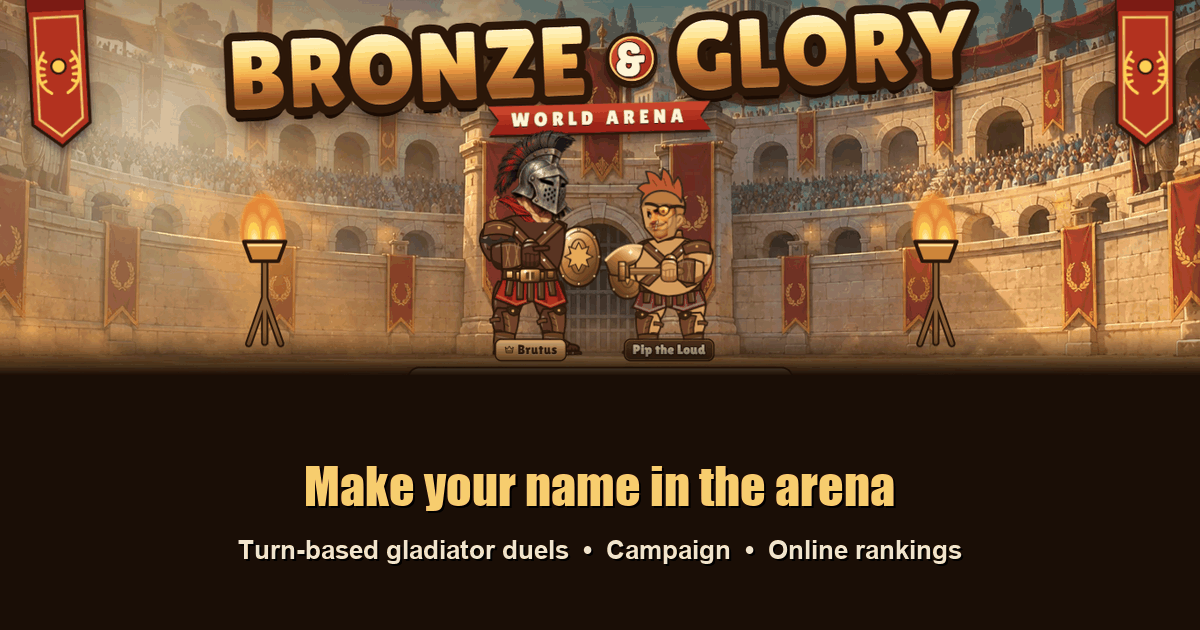
I’m the developer of Bronze & Glory, a free turn-based gladiator game that runs in your browser on desktop or phone. Nothing to download, and Quick play needs no sign-up, so you can start a bout straight away.

Every attack shows its hit chance, damage range and energy cost before you commit, and your opponent telegraphs its next move. There are four classes (Sentinel, Duelist, Berserker, Arcanist), a 100-opponent campaign, and online duels against real players (those need a free account).

The problem with a small online game is that the queue is empty when you show up alone. So I’m trying a fixed slot: Arena Hour, every day 19:00–20:00 UTC (running now, and daily until 26 Oct). Come then and there’s a good chance of a live opponent; if no one else is searching, a clearly labelled Practice Bot steps in so you’re never left waiting. The home screen shows the time in your local time and has an “Add to my calendar” link: bronzeandglory.fun/?src=cal-ah-gamedev

For other devs, the design question behind this: with only a handful of players online, matchmaking has to decide how long to wait for a human before offering a bot. My answer so far is a Practice Bot that is always clearly labelled as a bot, and the fixed daily slot is my attempt to concentrate the few players there are into the same hour instead of spreading them across the day. If you’ve shipped a small multiplayer game, I’d like to know what you’d do differently (longer queue timeout? scheduled events? async duels?).

The bigger one is Arena Night II: Sat 24 Oct, 19:00–21:00 UTC (15:00 EDT, 20:00 BST, 21:00 CEST), two hours of live duels with whoever turns up.

Play: bronzeandglory.fun/?ref=r19-ah-gamedev

I’d love feedback from other devs: what would make you play a second bout?

0

Meo Te - A balance game demo (Is it too hard?)

preview

Hello, this is a demo of my balance game. Drag a ball to catch fruits, the game gets harder over time. I want feedback on the controls and difficulty. Watch the video and play here: geam-moi.itch.io/meo-te

Hello, this is a demo of my balance game. Drag a ball to catch fruits, the game gets harder over time. I want feedback on the controls and difficulty. Watch the video and play here: geam-moi.itch.io/meo-te

0

Arcade Drift Car Physics Explained (from Parking Garage Rally Circuit)

preview

In this video I explain the methodology and techniques I used to make the physical-yet-arcadey physics in my game Parking Garage Rally Circuit, including a (possibly misguided) observation about Mario Kart that influenced my entire process.

In this video I explain the methodology and techniques I used to make the physical-yet-arcadey physics in my game Parking Garage Rally Circuit, including a (possibly misguided) observation about Mario Kart that influenced my entire process.

0

Decomped Way of the Samurai 2 with fps, widescreen, high-res mods [self-promotion]

GitHub GitHub - acklavidian/decomp_wots2: Way of the Samurai 2 (PS2) — native Linux decompilation port github.com
preview

Decomped Way of the Samurai 2 with fps, widescreen, high-res mods. Please report any bugs you find.

Decomped Way of the Samurai 2 with fps, widescreen, high-res mods. Please report any bugs you find.

0

Devlog: my game streams itself on Twitch now, no streamer and the AI villain talks in chat. Some stuff that broke on the way

preview

Some context first. The game is a shared 256x256 pixel canvas, people paint it by hand from the browser and an AI called La Maquina spends the day erasing it. Free, no account. Problem is it has basically no players and I’m not going to stream it myself every day, so I tried to let the canvas stream itself.

I already had a 3D spectator view (three.js) with a “stream mode”, the camera goes on autopilot and jumps to whoever just painted a pixel and shows their name, and her lines go as captions. So the plan was just put that page in OBS as a browser source and leave it running. It runs on a PC at home that isn’t free all day (4060 Ti, NVENC, 1080p30, around 6 Mbps up), that’s why the schedule is a bit weird.

At first I wanted a cheap VPS for this but measured before paying. Without a GPU chromium falls back to software WebGL and the scene was doing 0 or 1 fps, with the GPU it’s around 100. So no VPS.

Things that broke:

  • when the PC was off and comes back, the browser source started black two times and once with no sound, while the page inside was totally fine. reloading the source doesn’t fix the black one, only restarting OBS does
  • if OBS gets killed instead of closed, next start it asks “start in safe mode?” and waits forever because nobody is there to click. the thing it checks is a folder, not a file, lost a whole evening with that one
  • so now there’s a small watchdog every 5 min that asks OBS (obs-websocket) for a screenshot of the source and the audio levels. black or silent -> reload, still bad -> restart OBS

For the chat there’s a little bot reading the same live events the game uses and posting her lines. Only lines from the bank the game already has, I don’t want anything generated going out without me reading it first. When the channel is offline she shuts up, !play and !era work always. And since this week the chat can paint too, !near lights a pixel next to the last one and !more east or !more north keeps drawing from yours, one pixel per message with the same charges as on the web (you have to follow the channel, mostly to keep throwaway accounts out).

Since yesterday it also goes to Kick at the same time, and since today to YouTube too. The PC sends the stream once to a tiny nginx-rtmp relay on the game’s VPS and that copies it to all three, so the upload at home stays the same. Kick only takes RTMPS and nginx-rtmp doesn’t do TLS, so that one goes through stunnel.

First night without telling anyone: 9 hours, 10 unique viewers (I guess people browsing the Art category) and zero of them went to the game lol. So this post is kind of the real launch.

Live on Twitch, Kick and YouTube weekdays 03:00-12:30 UTC and weekends 01:30-07:00 UTC. The game works anytime: ultimaluz.com/r/lemmy-gamedev-canal

If someone is doing something similar ask me, happy to share how the watchdog works

0

[self-promotion] Intro to Blender and VFX (in UE5) courses

preview

Hello! I was previously running these online courses through the Canadian school VFS’ Short Circuit but have decided to focus on self-hosting my content more (in so many ways, I’ve been learning so much back-end these days, it’s hard work to the surprise of no one) so now you can register for them through my website:
https://erikamoya.com/intro-to-blender-classes/
https://erikamoya.com/intro-to-vfx-classes/

They’re both aimed for beginners, live classes where we do work together, you can ask questions and get feedback in-between classes as well, limited to 7 students per group to assure no one gets left behind.
The courses are aimed at teaching the technical knowledge of using the software plus good practices so you have all the tools needed to work by yourself and improve your craft through practice and feedback.

With Blender I teach the whole generalist pipeline so students can get an understanding of areas that maybe they didn’t have any idea on what they meant or they would like before starting (like rigging for example), also helpful for those that are looking to switch from Maya to Blender.

I invite you to look at the pages I’ve written to see more about what each covers.
Humble bragging but previous students have told me they really enjoyed the classes ;p

I’ll still be working with VFS occasionally teaching other topics, like maybe perhaps an introduction to freelancing course in a few months.

0

[Self-promotion] Pokemon World: a browser Pokemon MMO - feedback on the first few minutes

Pokémon World Pokémon World — Free 3D Pokémon MMO in Your Browser pokemonworld.net
preview

Hi GameDev! I’m the creator of Pokemon World, an independent Pokemon fan game that runs in the browser. The English version launched in March 2026, and I’d like to share it and hear how the opening experience feels to other developers.

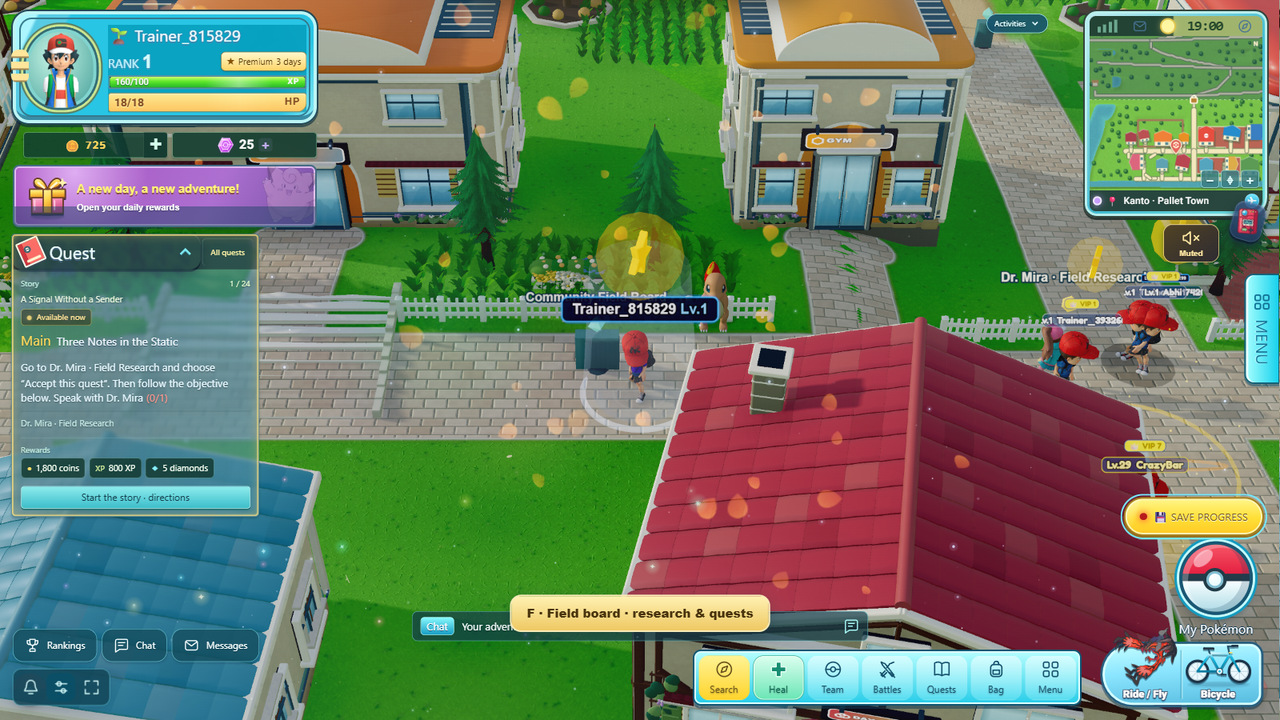
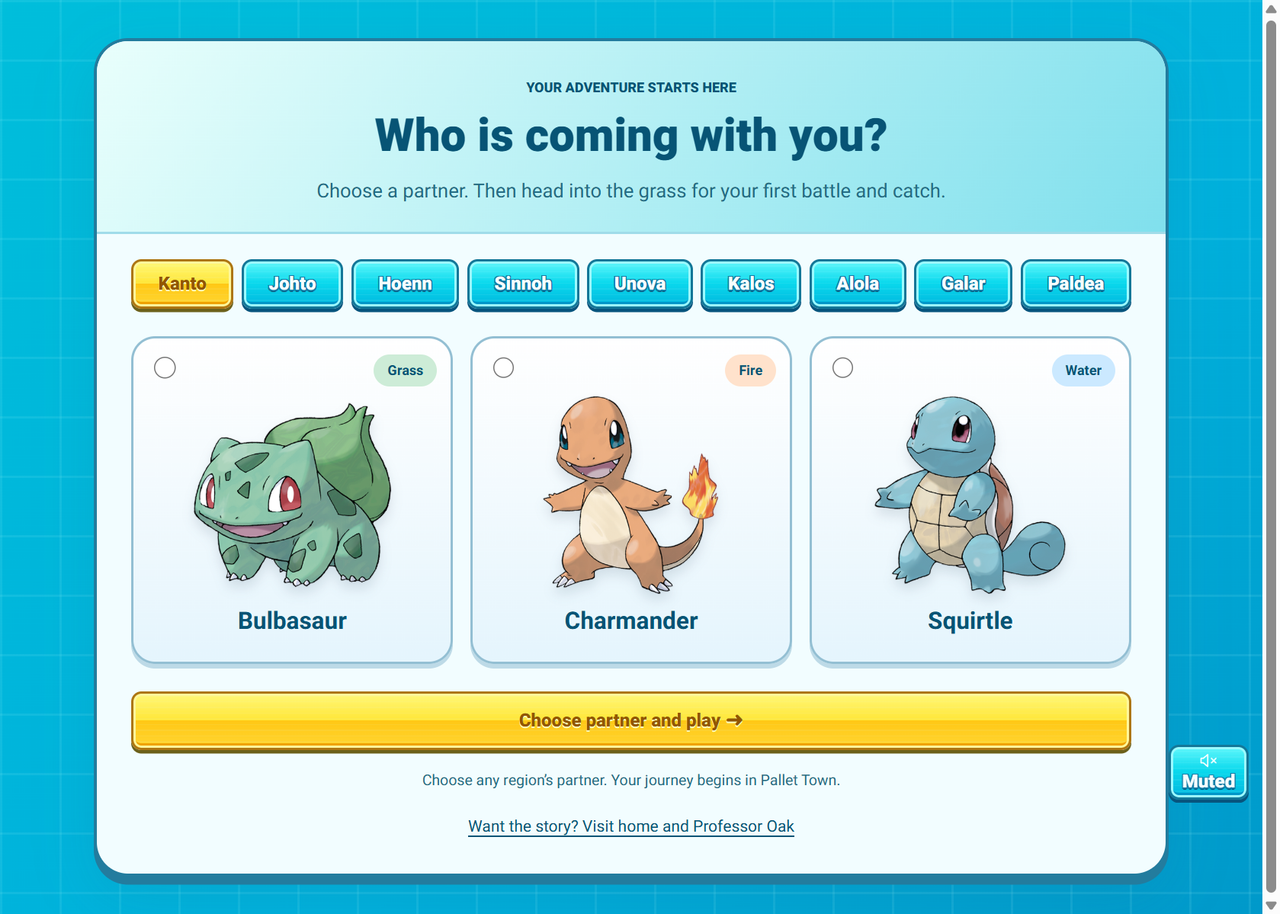
You can start as a guest without downloading anything, choose a first partner, explore Pallet Town and begin building a team. Creating an account lets you save your progress. The game includes catching, training and evolving Pokemon, gyms, PvP, trading and clans.

I’m especially interested in feedback on the first few minutes: are the starter selection and next steps clear, and where would you make the introduction smoother?

Actual gameplay screenshots

Exploring Pallet Town in Pokemon World

Choosing a first partner in Pokemon World

Try it: pokemonworld.net

Free to start; optional purchases are available. This is an independent fan project, not affiliated with Nintendo, Game Freak or The Pokemon Company. This showcase was prepared with AI assistance.


Brazilian Portuguese edition — 24 October 2026

For developers and players trying the Portuguese localization, our Brazilian edition is Pokémon Arena. It uses a separate account and separate progress from the English server linked above. Guest play is available from its homepage, with no client download. This is the same unofficial fan-project context: free to start with optional purchases, with AI/Codex assistance in development and this update.

Resumo em pt-BR: a edição brasileira está em pokemonarena.net. Você pode experimentar como convidado; conta e progresso são separados dos outros servidores. Os relatos sobre a clareza das primeiras orientações e dos controles também ajudam a avaliar essa versão.

0

Death of Kairos is out! [self-promo]

preview

Steal the time from a rotting corpse of its former master, dodge his bullet-hell-like spells, and fight his army of minions. But what will you do when you win? How will you use it?

Steal the time from a rotting corpse of its former master, dodge his bullet-hell-like spells, and fight his army of minions. But what will you do when you win? How will you use it?

0

YSK there is a royalty free sound effect lib released with each GDC

preview

Here’s where I get it:

sonniss.com/gameaudiogdc

If you are making an indie game I beg you to use/make good sounds effects, it’s one of the secret sauces imo.

Here’s where I get it:

sonniss.com/gameaudiogdc

If you are making an indie game I beg you to use/make good sounds effects, it’s one of the secret sauces imo.

0

Hi! We're YUNQUE Games, a tiny studio from Uruguay, looking for our first players and playtesters.

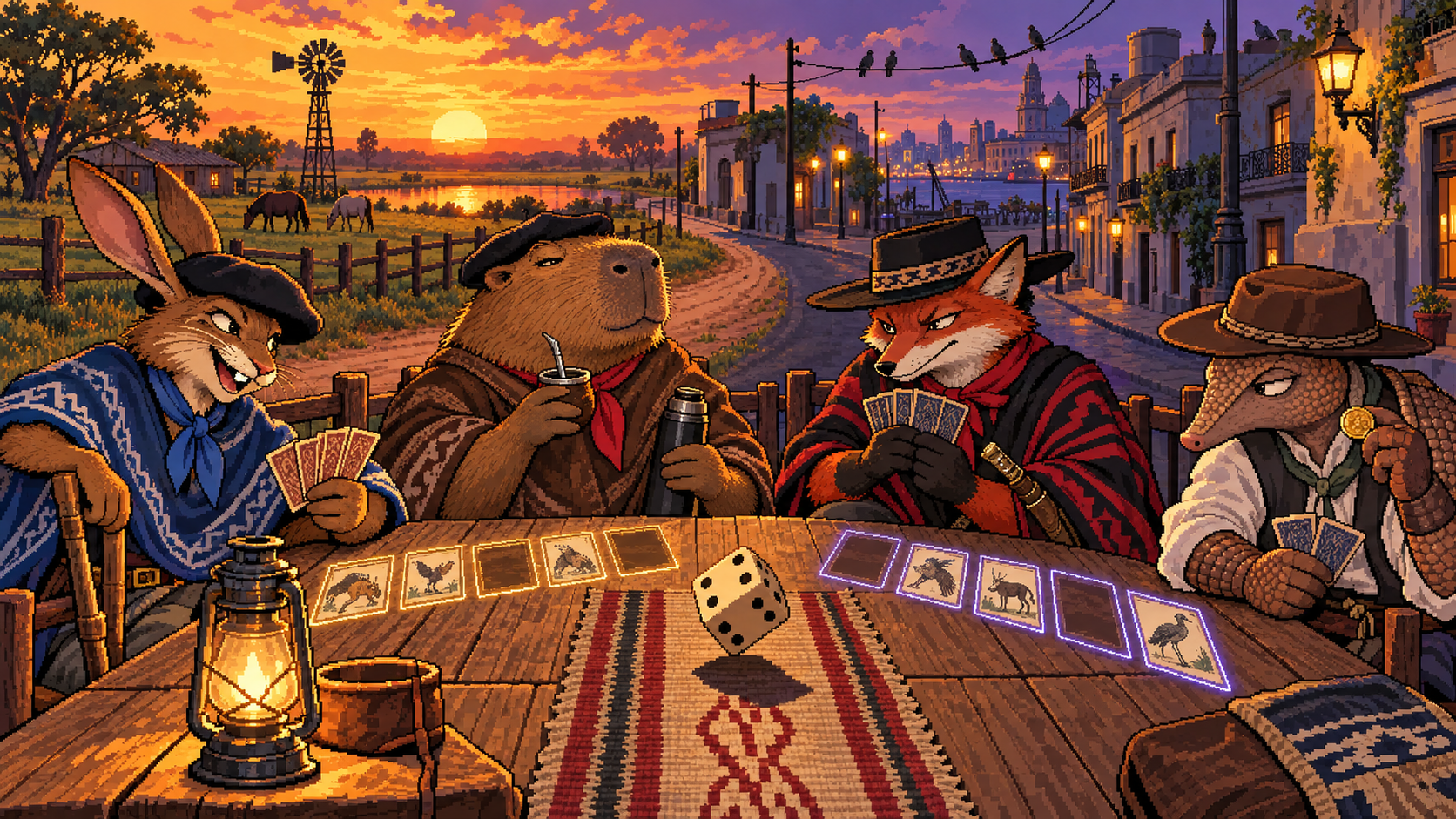
Pixel art of a rabbit, a capybara, a fox and an armadillo dressed as gauchos, playing cards around a wooden table at sunset. Glowing card slots line the table and a die is mid-roll in the middle. Behind them, a dirt road leaves the countryside, with horses and a windmill, and turns into a city street with old buildings and lamps.
preview

Hi! We’re YUNQUE Games, a tiny studio from Uruguay, looking for our first players and playtesters.

Naipe Cimarrón is a free strategy card game where Uruguayan wildlife fights over territory, from the countryside to the city. Pick a people (rabbits that multiply, capybaras that improvise, foxes that strike, armadillos that endure), gather Vigor and fight for a six-slot table.

In your browser, nothing to install:
https://naipe-cimarron.yunque.games/?de=mastodon-presenta&lang=en

@gamedev
#IndieDev #GameDev #CardGame #Playtesting

Hi! We’re YUNQUE Games, a tiny studio from Uruguay, looking for our first players and playtesters.

Naipe Cimarrón is a free strategy card game where Uruguayan wildlife fights over territory, from the countryside to the city. Pick a people (rabbits that multiply, capybaras that improvise, foxes that strike, armadillos that endure), gather Vigor and fight for a six-slot table.

In your browser, nothing to install:
https://naipe-cimarron.yunque.games/?de=mastodon-presenta&lang=en

@gamedev
#IndieDev #GameDev #CardGame #Playtesting

0

Why does text on VN's take up less space in JPN than ENG?

preview

When I compare between visual novels that are originally developed & written in Japanese first before localization into English, often or not: the information density is different between the two. As in, the original text only comprises of like 2-3 sentences while the translation feels like reading a 4-5 line paragraph in English. Is it because translators who managed to secure the rights can’t cram all the information in a limited UI?

For example, Aksys Games is the one who does the translation while the IP holders from the source material is Otomate. They only focus on the text rather than re-doing voice acting for the English release. Lip sync is another issue since both JPN & ENG have different speech patterns, how would you even find the right casting pool in English that can deliver the same performance & emotional impact as the original JP voice actors?

0

Finally created a trailer for my game Supinaa: Rogue Sapling

preview

Hello everyone!

Starting next week my game should become available in the Steam “Your Games Calender” so I would love to get some feedback on the page and trailer so people a hopefully interested when they see it.

I probably struggle most with the description since I have hard time explaining the game since it is “Slay the spire but with abilities instead of cards”. I think Roguelike Turnbased Battler maybe explains the genre the best?

Thanks in advance for any feedback!

Pitch of the game: You are reborn as a sapling and hear voices that guide your every step. Fight, explore, and power up to survive in this hostile world. You have free will, but are the choices always yours?

Supinaa: Rogue Sapling is an RPG, exploration game that mixes roguelike elements with a persistent world. Grow stronger over time, but your choices impact the world. Will you resolve the conflict in the swamp or become its ruler?

You explore to uncover its mysteries and find different encounters. You fight enemies in turn-based combat using abilities you earn by leveling up and earning the trust of the elemental lord.

Link to trailer: peertube.paahtimo.games/w/s5gTXX6nm7TyacSDqeuXhb

Link to try out the game: paahtimogames.itch.io/roguesapling

Link to steam page: store.steampowered.com/…/Supinaa_Rogue_Sapling/

0

Devlog: two Lemmy posts brought 23 first time players and none of them came back. What the data said, and what I changed.

LA ÚLTIMA LUZ LA ÚLTIMA LUZ, the last light of the internet ultimaluz.com
preview

Short version: the channel worked and the game did not retain a single person. Here is the autopsy, because the numbers turned out to be more specific than I expected.

The game is a shared 256x256 pixel canvas where an AI adversary erases what people paint. Free, browser, no account. Two posts, one in a pixel art community and one in a web games community, brought 150 arrivals, 38 sessions and 23 people who actually painted. That is more than the project had seen in its entire life. Of those 23, one came back to look and zero painted on a second day.

What the sessions looked like:

  • 18 of 23 lasted two minutes or less. Median time from first pixel to last: 41 seconds.
  • Median 19 pixels painted. 9 of 23 spent all 30 charges (the bucket refills one charge every 30 seconds).
  • In 14 of 23, most of their cells were cells taken back from the adversary. They were not decorating, they were fighting her.
  • In 18 of 23 she erased cells while the player was still there, and between 126 and 423 more in the 25 minutes after they left.
  • Nobody used undo. Zero comments on either post.

What I read from that: the first session is 30 pixels long, it ends when the charges end, and nothing happens at that moment. No closure, no name, no reason to come back. The adversary was already reacting to them, but she is forbidden from touching any pixel younger than 72 hours, so her answer always landed somewhere they were not looking.

What shipped since, in two passes.

First, making her legible in the first minute:

  • When your bucket hits zero she speaks to you, by name, once in your life. The zero stops being a bare number and becomes a state with a countdown.
  • Her answer to the cells you took back travels signed, so you can tell it was aimed at you.
  • The identity prompt stopped interrupting the burst.
  • Her blitz finally respects the 72 hour protection on young pixels, which the code promised in writing and did not do. That single bug had eaten 238 of the 403 cells that cohort painted.
  • Instrumentation for the whole first session, so the next wave is measured instead of guessed.

Then, a deeper problem: subtraction is invisible. Nobody notices what is no longer there. A tower sixteen storeys tall, which costs 24 charges of attention, vanished in one hit that cost her exactly what a flat pixel costs. So:

  • Height is now resistance. One hit takes one storey off a tower; only a flat light goes out in a single blow. A first session is still as fragile as it was, because nobody builds storeys in their first minute, but what you invested in now holds.
  • And she does not only erase, she converts: every storey she takes she raises as her own cold cube in the void cell beside it, and the ring of a siege now rises a storey, so you watch the cage close around a work before the blow lands. Her towers fall in one pixel when you reclaim the cell. Hers is brittle, yours is stubborn.
  • And the welcome screen stopped being eight paragraphs nobody read. It is now a four step animation that shows how to build, what her hit does and how to take a cell back, with one line of text under it.

This post is part of the second wave. The success criterion was written down before publishing so I cannot move it afterwards: at least one in five of the people who reach zero charges spends a second batch, and at least 3 of the new painters paint again within 72 hours. Baseline is 0 and 0.

The thing itself, if you want to look: ultimaluz.com/r/lemmy-gamedev

One critique I would genuinely like: is a hostile adversary the wrong shape for a first session, or is the shape fine and what was missing is an ending?

0

Making a quantum computer game, part 1

preview

Hey all! Last year I started slowly refining an idea for a game that involves a simulation of a quantum computer. I wrote a custom simulator that can interface with Godot and since then I’ve been making unsteady progress making art and writing the game. I want it to be a casual puzzle game where the challenges are based on the math of gate quantum computers, but in a non-imposing way. There aren’t many games like that that I know of and I felt the need to fill that niche. Just wanted to pitch the idea here and maybe hear some thoughts. Here’s a blog post where I write briefly about my idea: blamster19.net/…/quantum-computer-game-1.html

Hey all! Last year I started slowly refining an idea for a game that involves a simulation of a quantum computer. I wrote a custom simulator that can interface with Godot and since then I’ve been making unsteady progress making art and writing the game. I want it to be a casual puzzle game where the challenges are based on the math of gate quantum computers, but in a non-imposing way. There aren’t many games like that that I know of and I felt the need to fill that niche. Just wanted to pitch the idea here and maybe hear some thoughts. Here’s a blog post where I write briefly about my idea: blamster19.net/…/quantum-computer-game-1.html

0

Getting kids (6-10) started witg programming and game dev

preview

Hi. I want to get my little cousins into computers, and since they’re kids, making games are really fun for them. I made a game with them with Love2D and they had a blast (I put their faces on the characters) but I think Love2d is a bit too hard for them.

My main motive for them is to make something and be creative. Programming is just a tool for that.
So something simpler with less code and mental load that let’s them create stuff more simply is good.

What do you guys suggest?

0

Good textbooks on fundamentals? Particularly procgen/engaging game ai (not slop, decision trees etc)/structuring and realising a project/fundamentals of necessary skills (music, foely, art, narrative)

preview

I know how to program so I don’t need that although numerical recipes are sometimes useful (Knuth’s mean in one pass my beloved).

I’m a solo hobbiest and not a formal education hater. There’s so much you only learn by following a good teacher (or at least only learn in a timely manner), reinventing the wheel is for experimental archeologists.

When you ask this the sort of people who have never read the art of computer programming (and it shows in their code believe me) tell you that you just need hands on the tools. Fingertip knowledge is essential sure, but hopefully there’s some more formally educated people here willing to share what reference material they’ve found the most useful.

0

This Is Hopefully The Last Time I'm Writing About 1666: Amsterdam (Gen AI illustration)

Aftermath This Is Hopefully The Last Time I&#x27;m Writing About 1666: Amsterdam aftermath.site
preview

The first time I wrote about the upcoming 1666: Amsterdam was when the game’s reveal was found to be riddled with some absolutely dogshit AI-generated imagery. The second, and hopefully final, time is to say that the studio’s co-founder Patrice Désilets has not learned a damn thing from it.

“We live in a world full of AI - let’s be honest between ourselves - but there were some [assets] we didn’t retouch enough in the pipeline, and since then we made sure that there will not be any use of AI anywhere in the game.”

That’s a quote from a man who sounds absolutely cooked on the tech, up to his eyeballs in it, trying to explain away a grievous and insulting public relations disaster by saying “well everyone is doing it, sorry we got caught”.

0

How to Edit a Game Trailer That Keeps Viewers Hooked

preview

Game trailers which take their time to show gameplay can perform way better than trailers which are cut fast and make a hard sell. See a before/after for the Sheepherds’ Announce/Launch trailer to see what a difference the editing style made!

I explain how to make a game trailer which lets the viewer see what’s special about the game and how to apply it when you edit a gameplay trailer.

0

Building a live game with its players: how do you find long-term playtesters without treating them like free QA?

preview

I’m the solo developer of Bitiverse, a persistent browser MMO that I’ve been building in public alongside a small group of actual players.

This has gradually become something different from ordinary playtesting. These aren’t people running through a temporary build and completing a feedback form. They have persistent characters, homes, guilds, businesses and relationships with other players. They progress normally while I watch where they struggle, listen to what they discuss and turn useful feedback into updates.

It has been enormously valuable. Players experience systems together in ways I never could alone. They discover confusing onboarding, broken progression, economic oddities and unexpectedly fun social behaviour. A throwaway joke about owning seventeen chairs resulted in players filling their houses with chairs. Feedback about having no direction led to new narrative onboarding. Requests for things to do together became house parties and playable table games.

The difficult part is finding more people willing to participate in that relationship.

A fifteen-minute first-impression test is useful, but an MMO also needs people who return, progress and eventually encounter its deeper systems. I want players who genuinely enjoy inhabiting the world, not unpaid workers being asked to hunt bugs. In return, they get unusually direct access to development and can see their experiences influence the game around them.

For anyone who has developed a live or community-driven game:

How did you find your earliest long-term players? What made them feel invested enough to return? And how do you listen closely without letting community feedback turn the game into design by committee?