
showing posts tagged #astronomy — clear

0

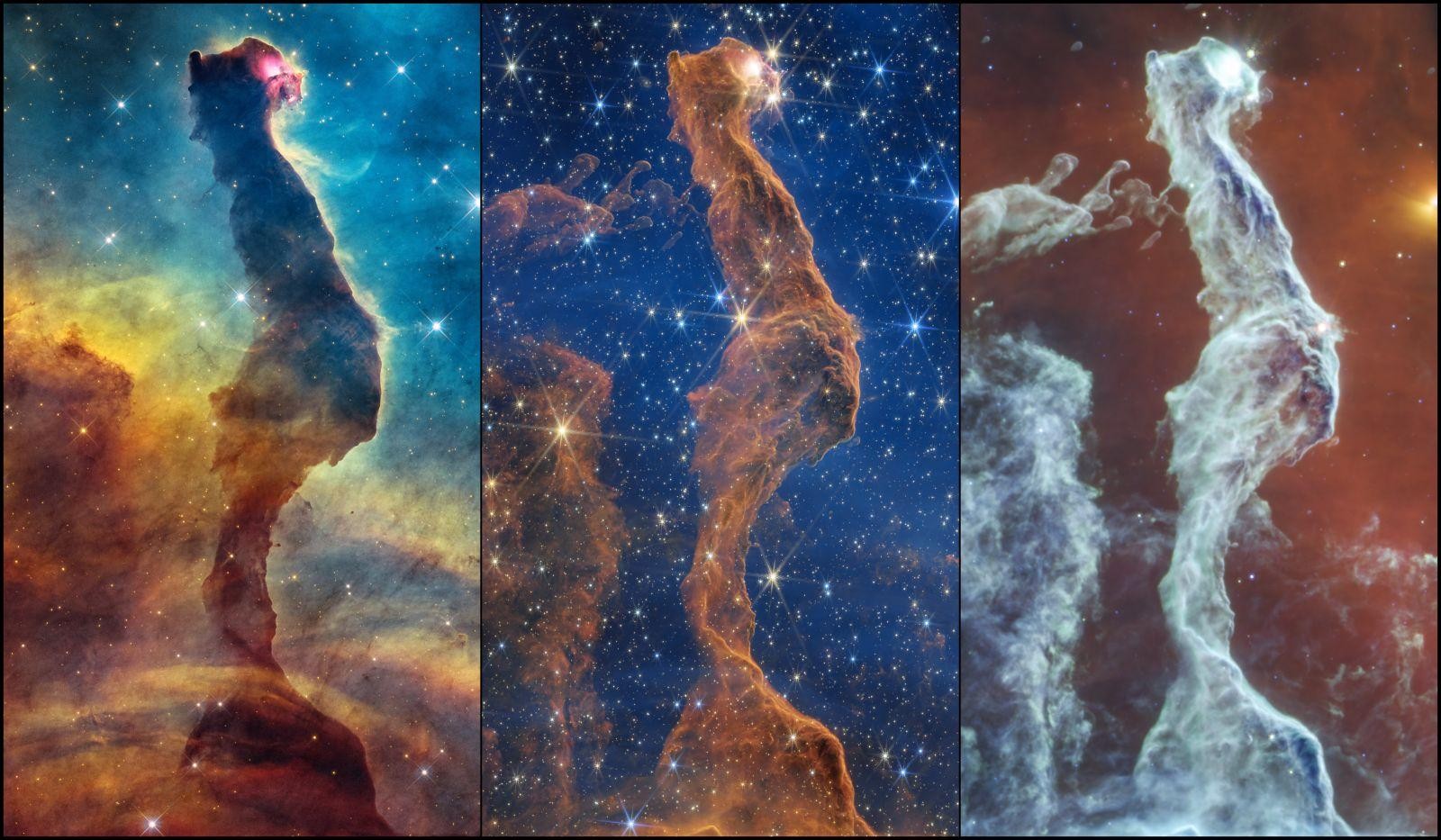
A ghostly feline shape emerges from the clouds of the Carina Nebula

preview

Located approximately 7,500 light-years from Earth, this region of gas and dust resembles a cat sitting with its back toward us, its head turned to reveal a glowing eye. Intense ultraviolet radiation and powerful winds from nearby massive stars likely sculpted its unusual shape. Credit: NASA, ESA, CSA, STScI

Located approximately 7,500 light-years from Earth, this region of gas and dust resembles a cat sitting with its back toward us, its head turned to reveal a glowing eye. Intense ultraviolet radiation and powerful winds from nearby massive stars likely sculpted its unusual shape. Credit: NASA, ESA, CSA, STScI

0

Astronomers found a mysterious object beyond Neptune, and it could be a new dwarf planet

preview

ED138, a newly discovered dwarf planet candidate, could join a group of only five other recognized objects that includes our solar system’s former ninth planet.
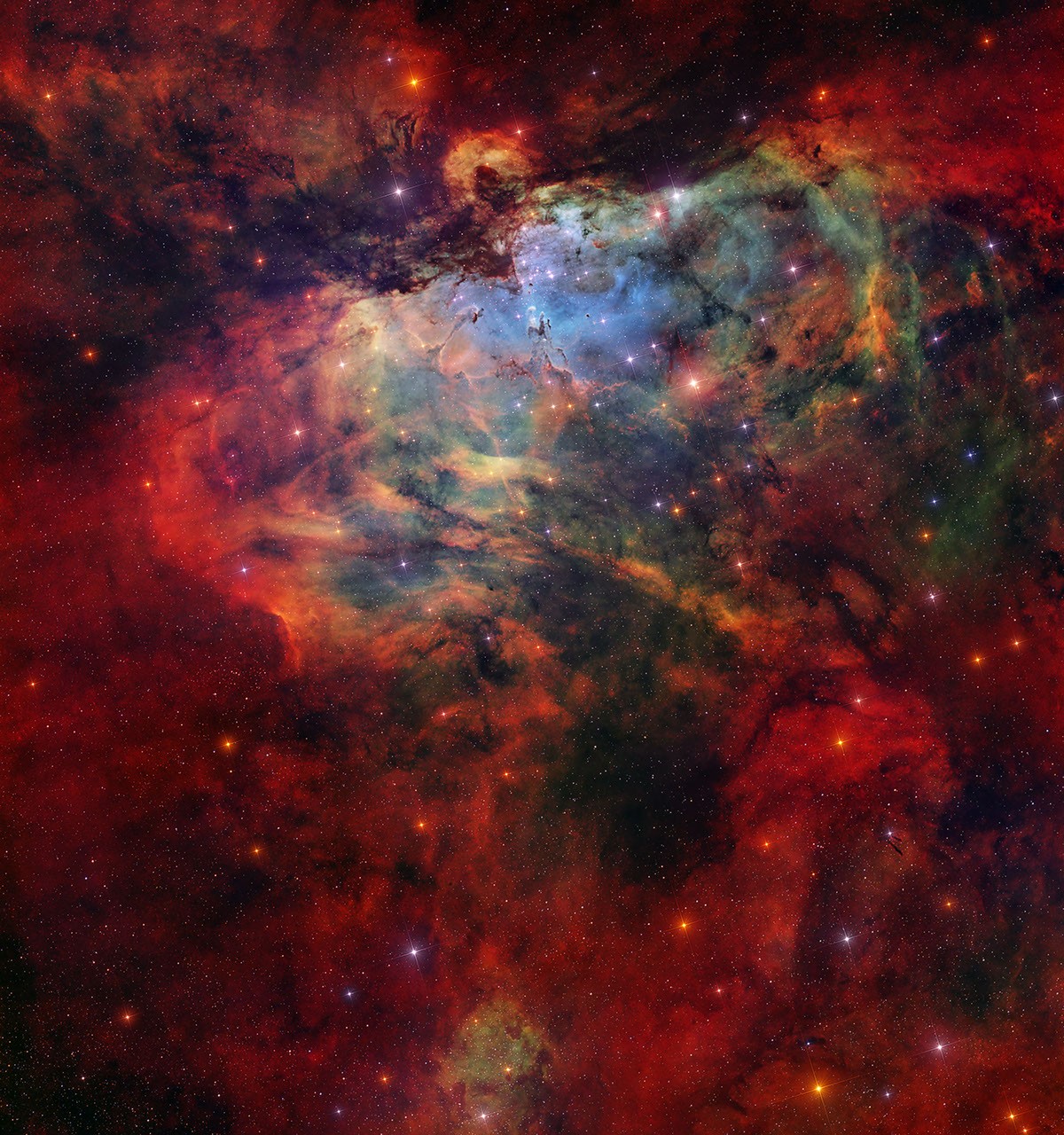
ED138, a newly discovered dwarf planet candidate, could join a group of only five other recognized objects that includes our solar system’s former ninth planet.

0

White dwarfs are white, but some are green, pink or vivid blue

Sci.News: Breaking Science News White Dwarfs Really are White, But Few are Green, Pink or Vivid Blue | Sci.News www.sci.news
preview

“It turns out these incredibly dense stars can produce colors nobody expected, and some of them genuinely surprised me.”

“It turns out these incredibly dense stars can produce colors nobody expected, and some of them genuinely surprised me.”

0

Astronomers detect possible planet born from a dead star’s ashes

preview

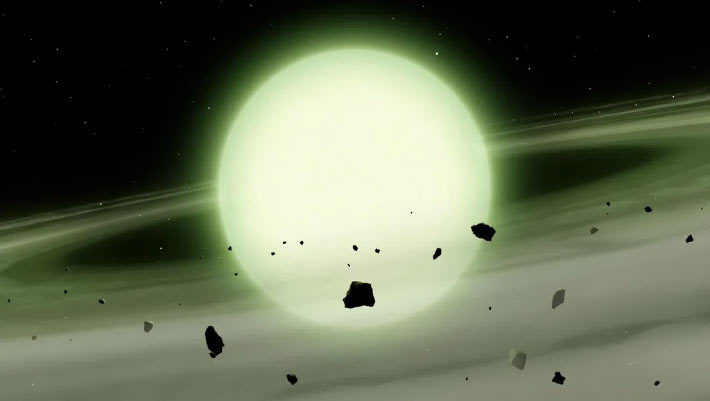
Astronomers have observed a handful of such first-generation survivors revolving around white dwarfs, but never before have they recorded a so-called second-generation planet - an entirely new world made from a dead star’s debris.

“What’s interesting about planets orbiting close to white dwarfs is that because white dwarfs cool over time, their habitable zone is very stable. A second-generation planet could form and then be in the habitable zone for tens of billions of years,” Williams said.