
showing posts tagged #space — clear

0

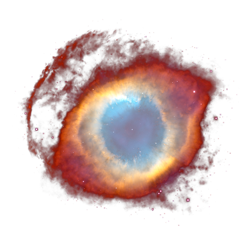
A ghostly feline shape emerges from the clouds of the Carina Nebula

preview

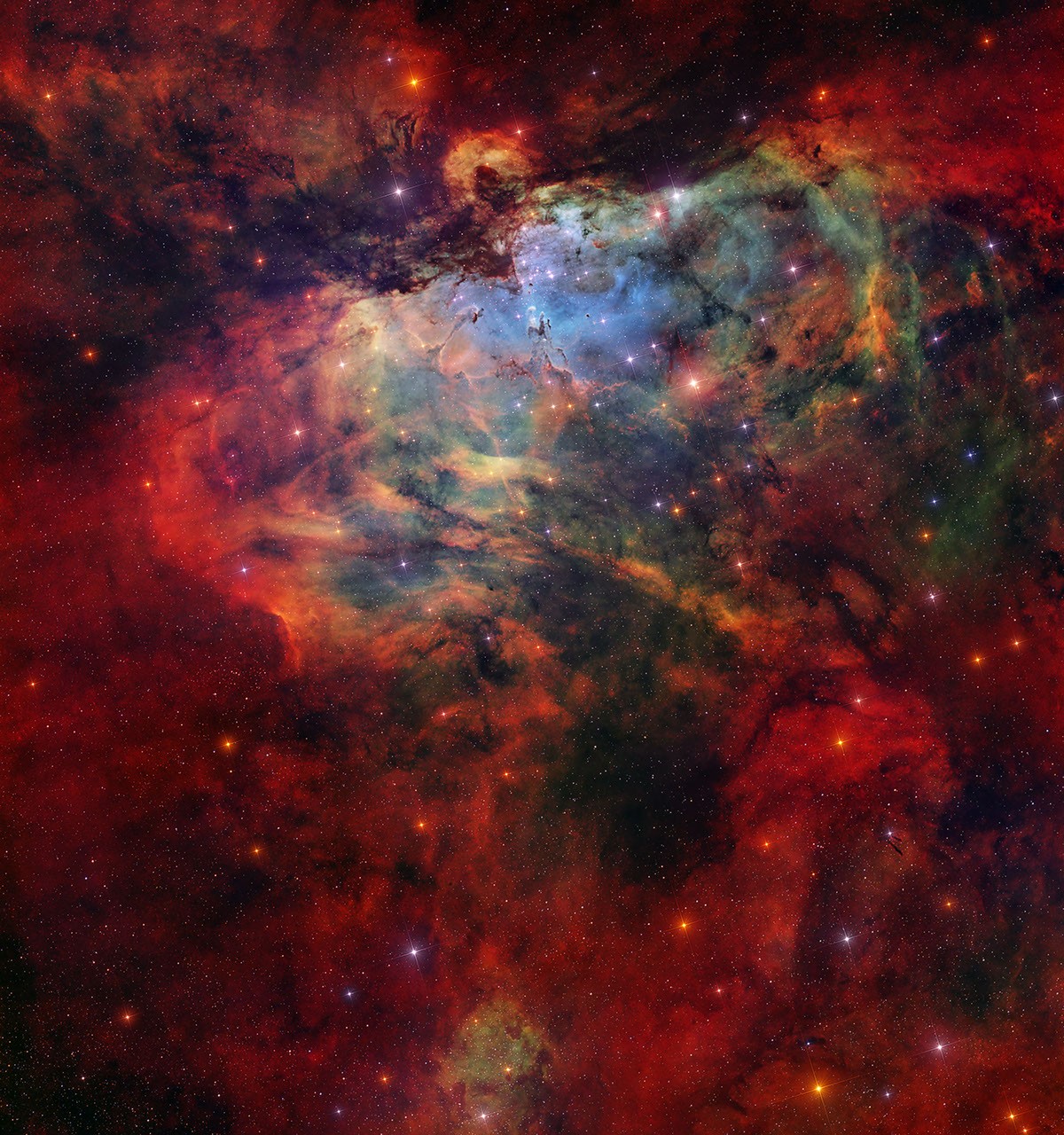
Located approximately 7,500 light-years from Earth, this region of gas and dust resembles a cat sitting with its back toward us, its head turned to reveal a glowing eye. Intense ultraviolet radiation and powerful winds from nearby massive stars likely sculpted its unusual shape. Credit: NASA, ESA, CSA, STScI

Located approximately 7,500 light-years from Earth, this region of gas and dust resembles a cat sitting with its back toward us, its head turned to reveal a glowing eye. Intense ultraviolet radiation and powerful winds from nearby massive stars likely sculpted its unusual shape. Credit: NASA, ESA, CSA, STScI

0

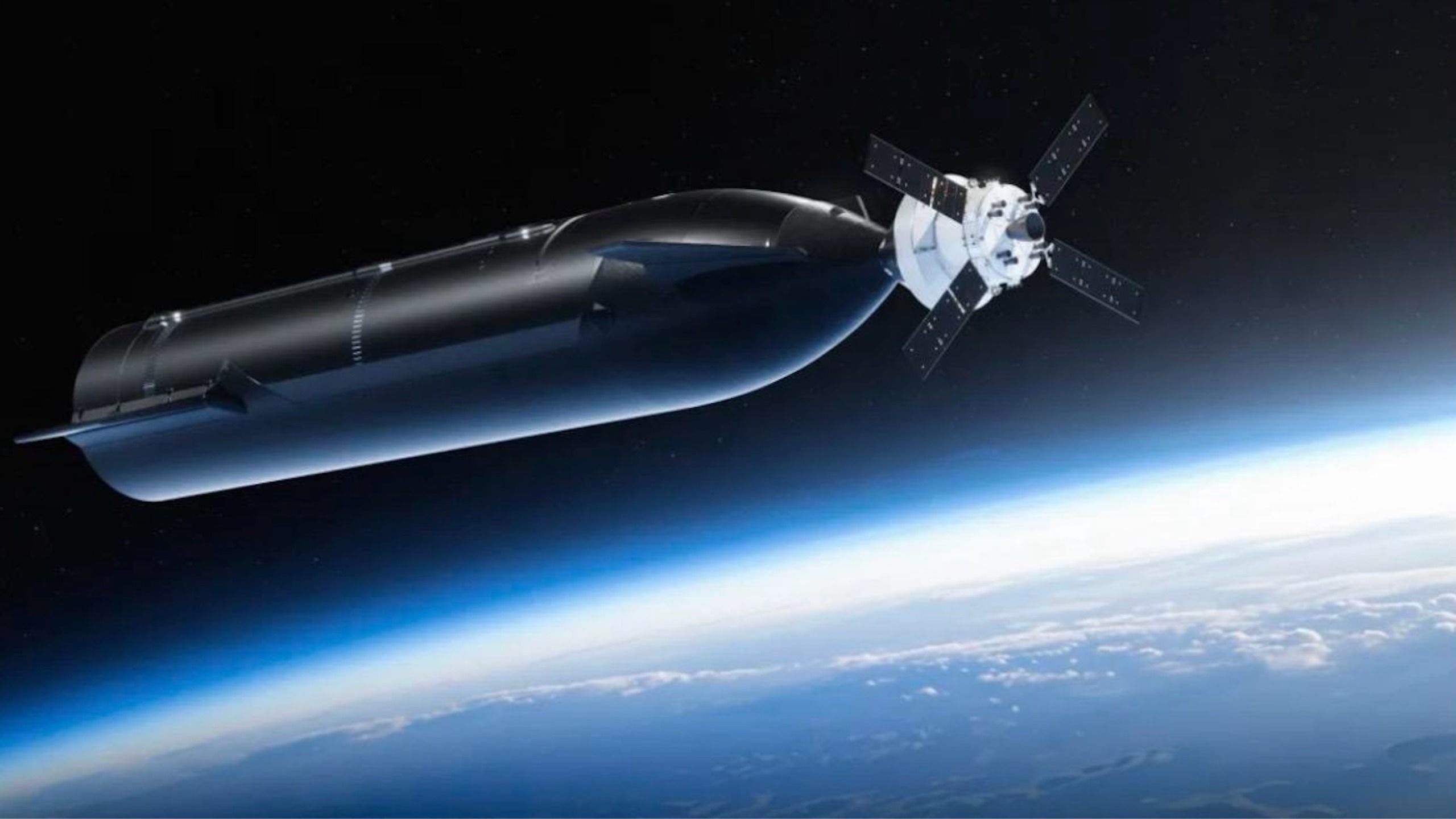
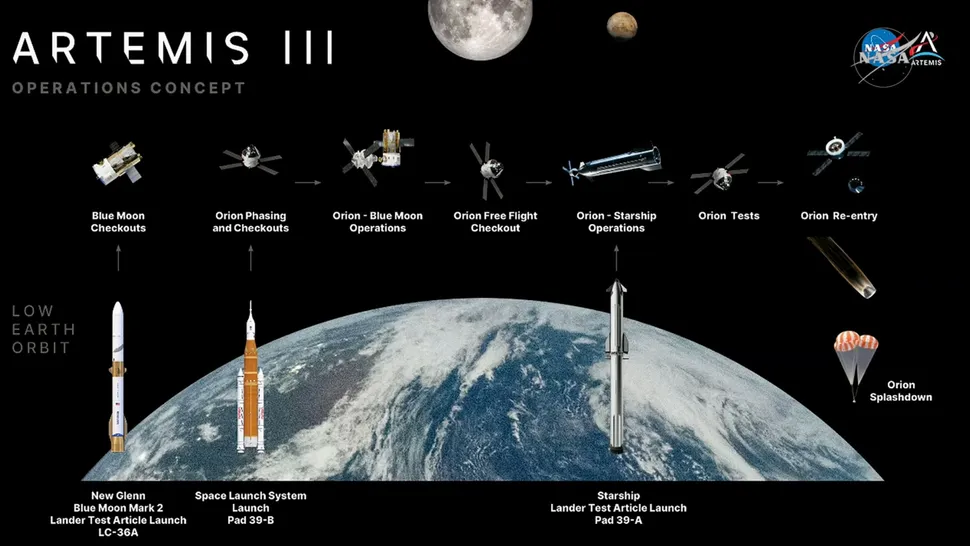
NASA has laid out a 14-day schedule for its upcoming Artemis III mission, set to lift off in summer 2027

Space NASA lays out plan for Artemis 3 moon-lander test flight — but when will it launch? www.space.com
preview

NASA just gave us our best look yet at its Artemis III moon-lander test flight, which is scheduled to launch to Earth orbit next year.

“We’re launching three of the most powerful rockets in the world, and undertaking what is likely the most complicated launch campaign ever undertaken,” Jeremy Parsons, NASA’s Artemis program manager, said during today’s event, which lasted more than two hours.

launches

0

White dwarfs are white, but some are green, pink or vivid blue

Sci.News: Breaking Science News White Dwarfs Really are White, But Few are Green, Pink or Vivid Blue | Sci.News www.sci.news
preview

“It turns out these incredibly dense stars can produce colors nobody expected, and some of them genuinely surprised me.”

“It turns out these incredibly dense stars can produce colors nobody expected, and some of them genuinely surprised me.”

0

Astronomers detect possible planet born from a dead star’s ashes

preview

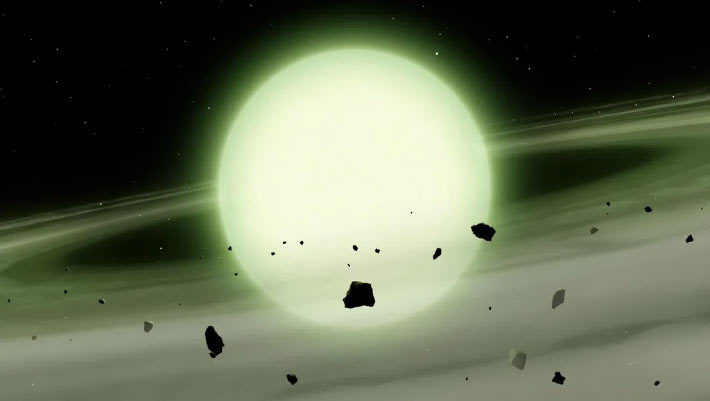
Astronomers have observed a handful of such first-generation survivors revolving around white dwarfs, but never before have they recorded a so-called second-generation planet - an entirely new world made from a dead star’s debris.

“What’s interesting about planets orbiting close to white dwarfs is that because white dwarfs cool over time, their habitable zone is very stable. A second-generation planet could form and then be in the habitable zone for tens of billions of years,” Williams said.
Astronomers have observed a handful of such first-generation survivors revolving around white dwarfs, but never before have they recorded a so-called second-generation planet - an entirely new world made from a dead star’s debris.

“What’s interesting about planets orbiting close to white dwarfs is that because white dwarfs cool over time, their habitable zone is very stable. A second-generation planet could form and then be in the habitable zone for tens of billions of years,” Williams said.

0

A pair of spacecraft draw closer to Mercury after nearly decade-long voyage

preview

If all goes well, the conjoined spacecraft known as BepiColombo will enter orbit around Mercury in November and split from each other in December to map and study the entire planet from different altitudes.

If all goes well, the conjoined spacecraft known as BepiColombo will enter orbit around Mercury in November and split from each other in December to map and study the entire planet from different altitudes.

0

Hydrogen fuel cell built to work without air targets future Moon bases

Interesting Engineering Hydrogen fuel cell built to work without air targets future Moon bases interestingengineering.com
preview

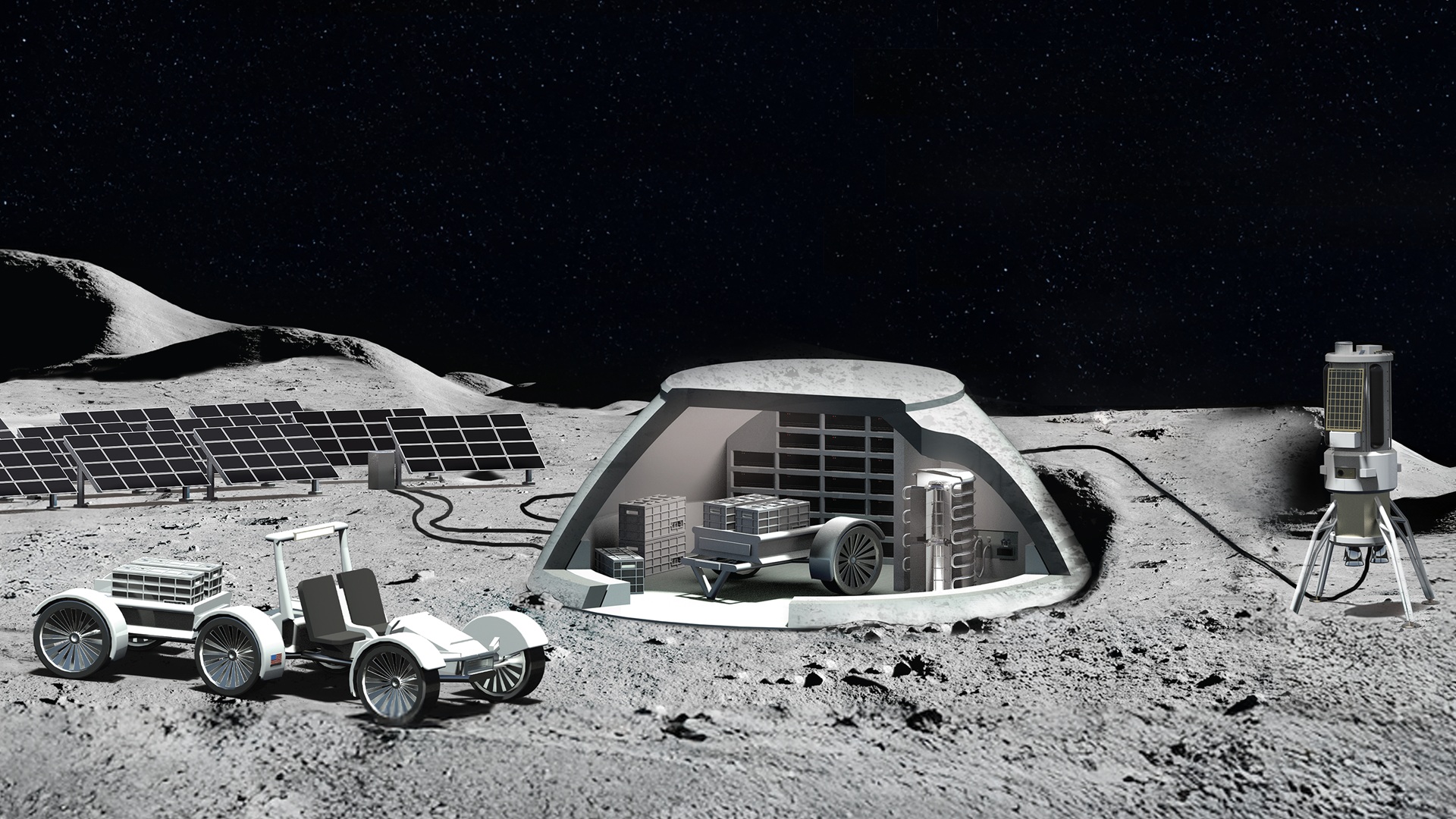
Hydrogen fuel cell system will advance from TRL 5 to TRL 7 to provide reliable power for lunar and deep-space missions.

Hydrogen fuel cell system will advance from TRL 5 to TRL 7 to provide reliable power for lunar and deep-space missions.