0
0
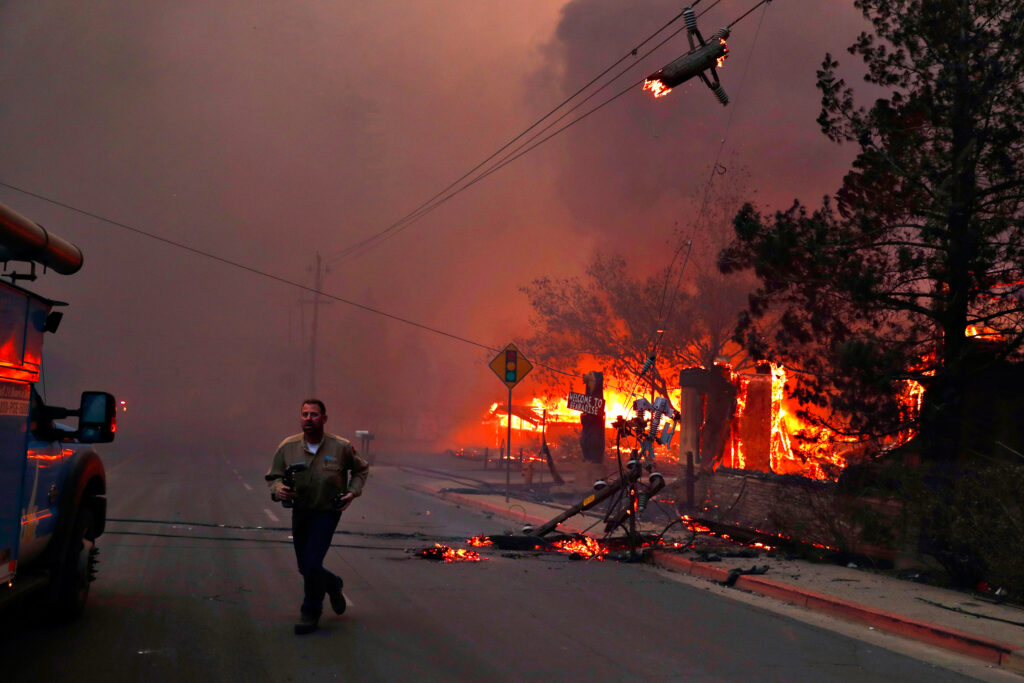
Inside Climate News
How Wildfire Litigation Became Big Business in America - Inside Climate News
insideclimatenews.org
posts tagged #collapse

For context: theguardian.com/…/finland-google-felling-trees-da…
“‘Pure arrogance’: anger in Finland as Google illegally fells 250,000 trees for datacentre”
For context: theguardian.com/…/finland-google-felling-trees-da…
“‘Pure arrogance’: anger in Finland as Google illegally fells 250,000 trees for datacentre”
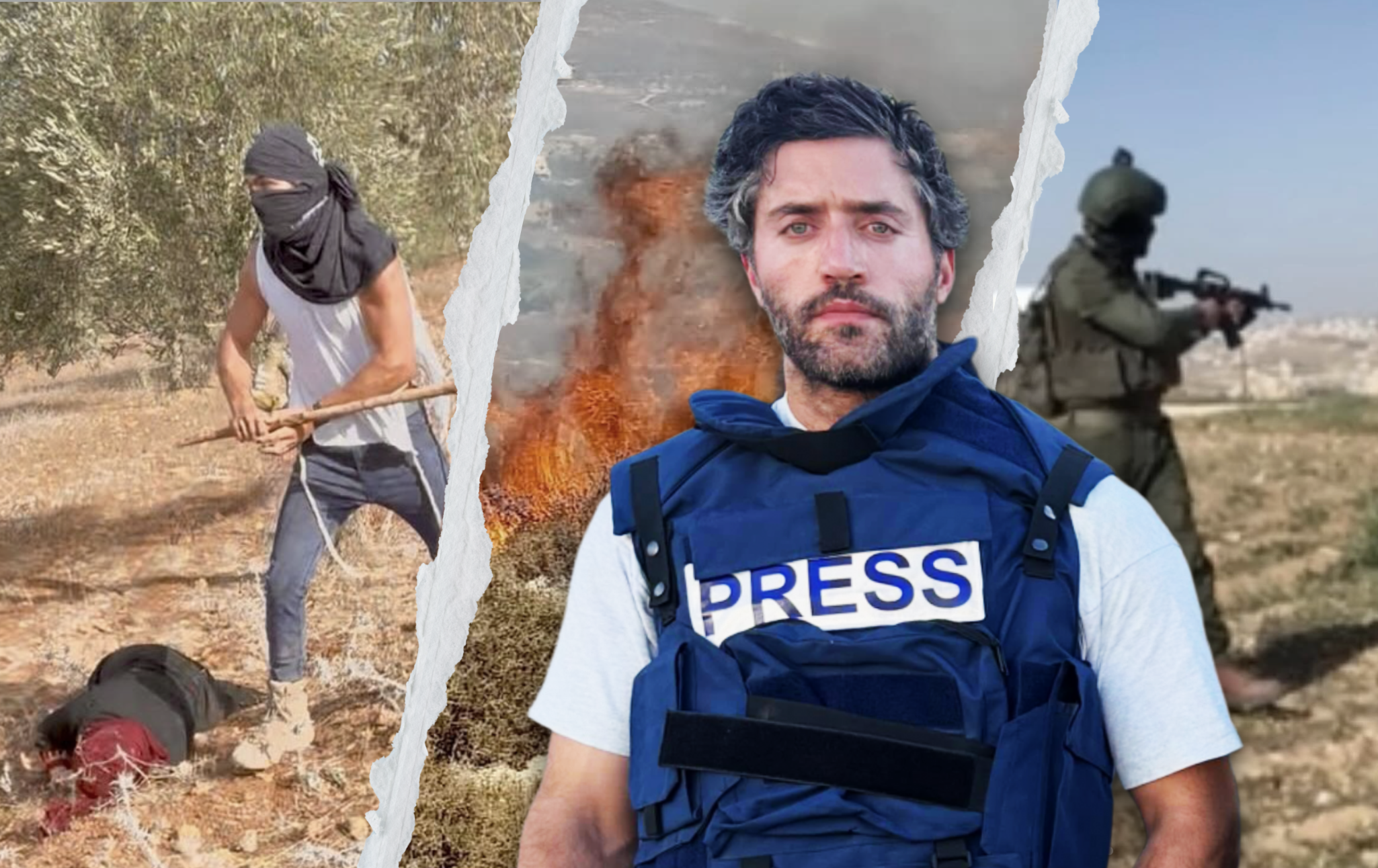
But Bezalel Smotrich, who was Israel’s new finance minister and is a messianic settler himself, pulls off this sort of remarkable move where he just installs himself inside the defense ministry, even though he’s a civilian, and he builds out what is essentially a shadow government of settlers to operate the machinery of the military occupation. So, all of this sort of red tape that had built up over the years, this cumbersome red tape of bureaucracy in the military—not to say it was ever benevolent to Palestinians, but it at least put some guardrails in place in terms of settlement expansion—Smotrich and his people just clear out all of this red tape. And they make it just remarkably easy to get approvals for things like building a new settlement, demolishing a Palestinian home, or making various types of claims to the land.
So all the violence that has happened since then, all the basically de facto annexation, which I’m sure we’ll get into, follows from that. After October 7, obviously they have this security pretext now, and so the dials all turn up. But it’s important to note that obviously this started back in 1967 when Israel occupied the West Bank. But this latest escalation of violence began in early 2023 before October 7.

What has emerged in recent months is an ominous pattern: facilities that were rebuilt with the help of aid groups after the 2024 escalation have been decimated again in the current war Genocide.
What has emerged in recent months is an ominous pattern: facilities that were rebuilt with the help of aid groups after the 2024 escalation have been decimated again in the current war Genocide.
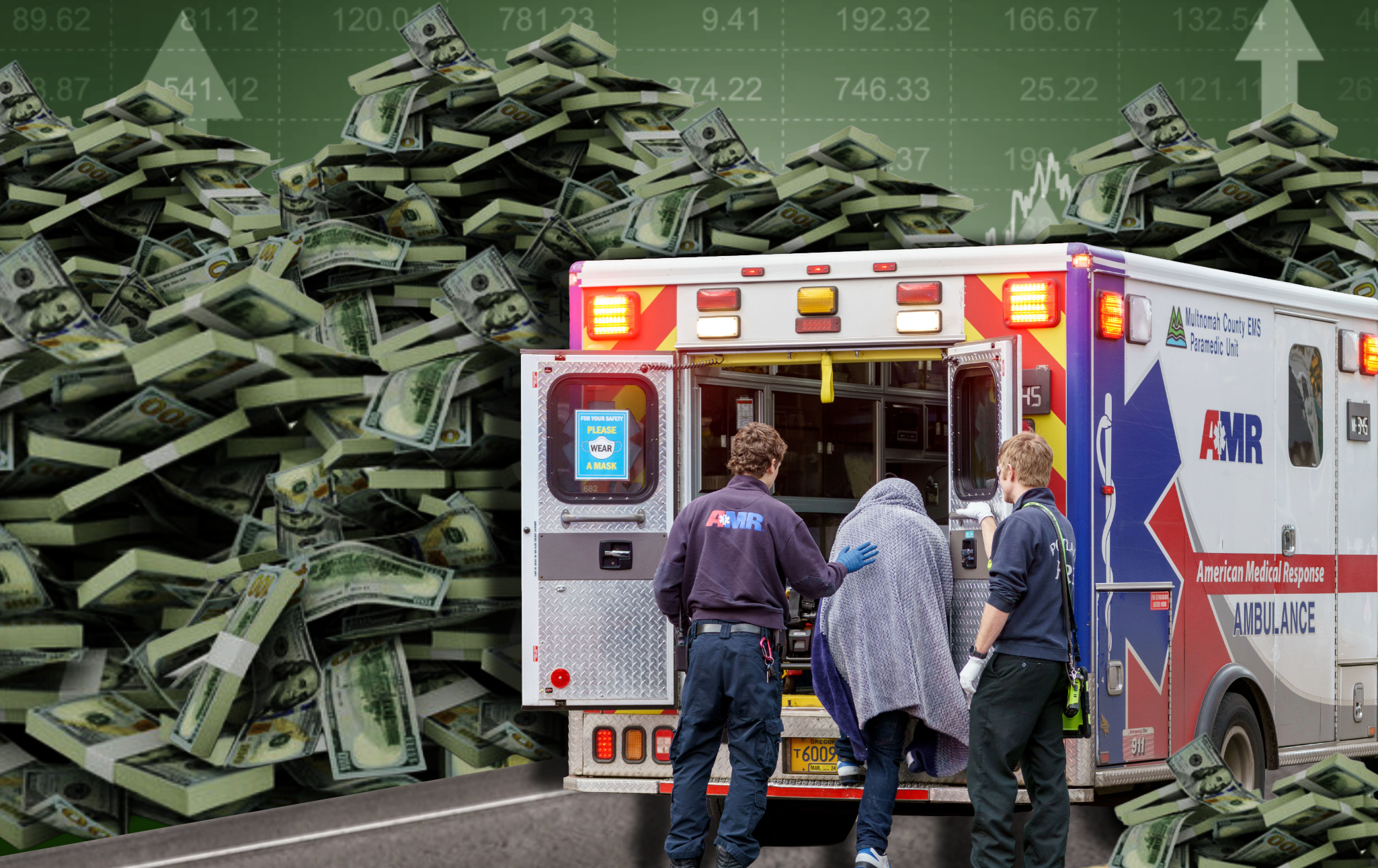
This is what an empire amidst societal collapse looks like…
This is what an empire amidst societal collapse looks like…
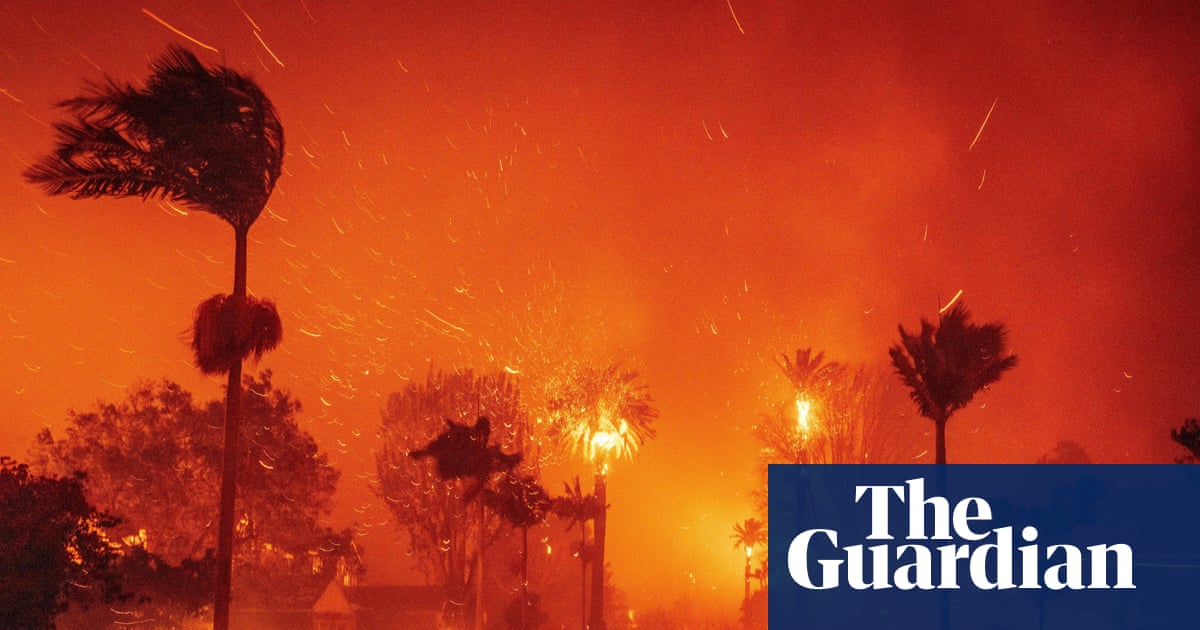
Failure to cut emissions will ‘consign humanity to disasters they are unable to adapt to’, report says
In the 20 years I have been in the deep in with this, I’ve come to realise that societal collapse (sooner rather then later) might be the last hope we have as that will slow fossil fuel use considerably.
I saw a video with emeritus Prof Bill McGuire that suggested the same thing

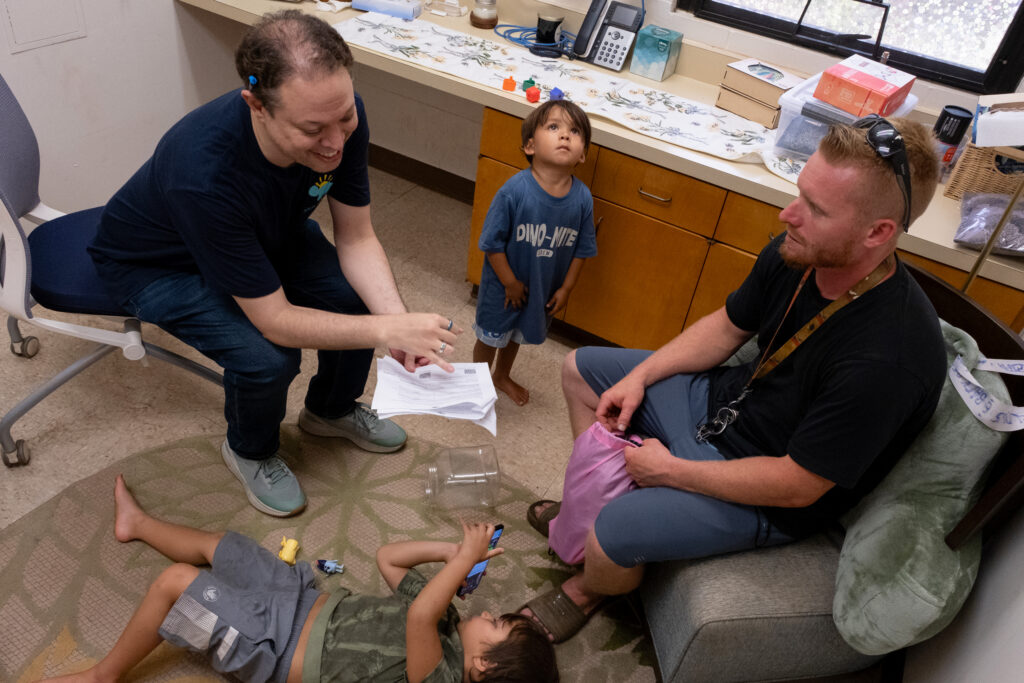
Maunakea knew the next disaster was just around the corner. He believed Maui could adapt and offer a model to the rest of the world for building resilience to the steep challenges climate change brings.
Maybe, he thought, that would be the ultimate lesson from the study: that documenting and addressing health inequities in the wake of a disaster helps communities withstand what they cannot escape.
Toward the end of the day, more survivors arrived without appointments after hearing about the study from family and friends. By closing, he estimated the team had turned away more than a dozen new people, taking down their names in case funding came through. Maunakea met people that weekend who said they’d known about the study for several years but hadn’t felt ready to participate until now. It hammered home to him how crucial it was for their work to go on.
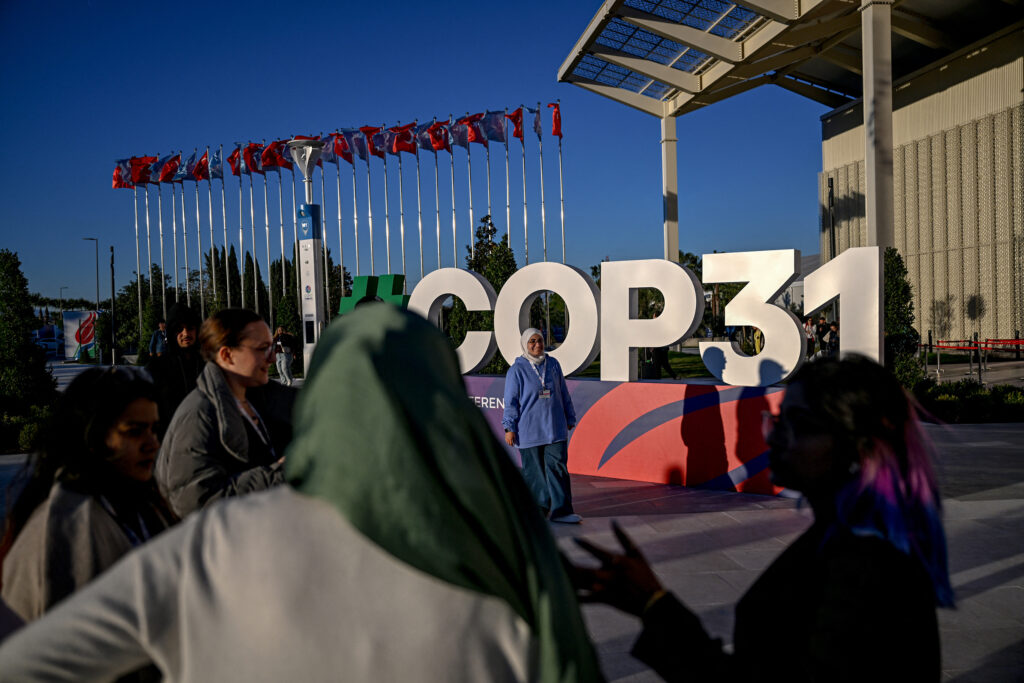
UK climate minister Katie White told Carbon Brief the latest science is “really scary.” Asked about the cut to its climate finance for developing countries, she acknowledged the money falls short of what’s needed and pointed to new financing tools, such as Brazil’s proposed rainforest fund. The fund was developed to help guide countries to halt and reverse deforestation by 2030.
see related interview with Katie White carbonbrief.org/uk-climate-minister-katie-white-c… …
In other words, the overshoot era is not a reason to spend less. It’s the invoice for having spent too little.

cross-posted from: lemmy.world/post/54186876
Bill McGuire, a professor emeritus of geophysical and climate hazards at University College London, said there were “no surprises” from the report, “to the extent that every measure reported, whether it be global temperature, sea level rise or sea ice extent, points to the fact that we are in deep shit”.
He said: “Of most concern is the growing imbalance between the incoming energy from the sun and that leaving the planet. Increasing greenhouse gas concentrations in the atmosphere mean that while the heat coming in stays the same, that going out is steadily decreasing as our world hangs on to more and more of it.
“It is this growing imbalance – rather than just emissions – that most accurately tracks global heating and how quickly our planet will continue to heat up in the decades to come. This is because natural feedbacks are now coming into play that are driving up the temperature more rapidly than 20 years ago.
“The latest research suggests we will cross the 1.5C limit permanently in 2028, and with the planet now heating at an extraordinary rate of 0.4C a decade, we can expect to smash through 2C in the late 2030s.
“The widely publicised idea that we are still on track for 2.6-2.8C by the end of the century now seems wildly optimistic, if not downright impossible.
The later is based purely on human GHG emissions estimations and don’t include feedbacks AFAIK, hence the growing discrepancy
That said, excellent interview here with Bill McGuire as well
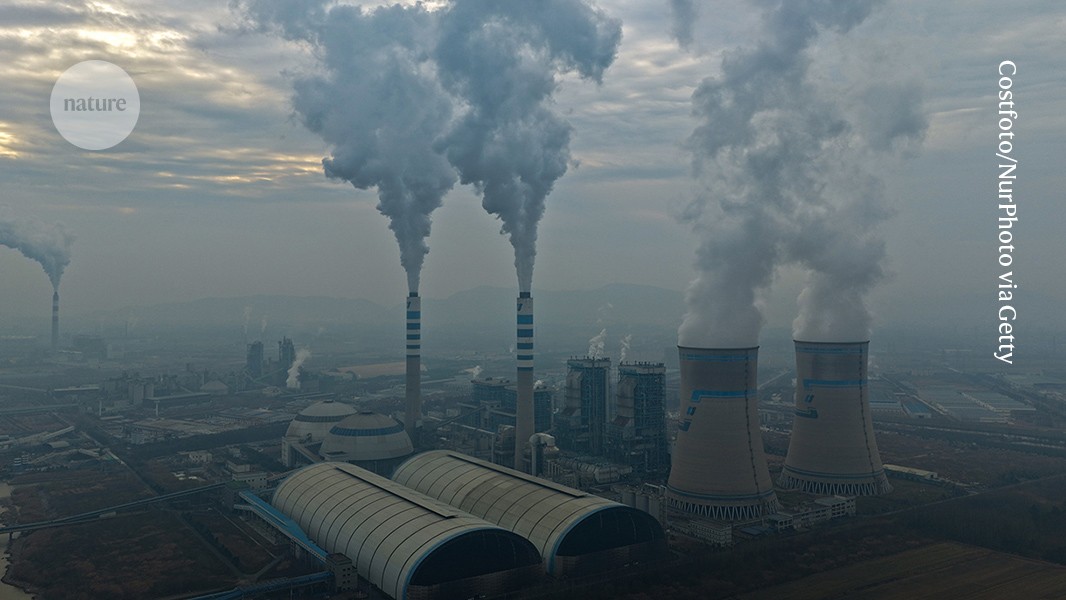


As the saying goes, misfortunes rarely come alone. Attacks on food-related facilities and supply routes involving two of the world’s largest grain producers have coincided with a decline in global wheat production caused by drought and climate change.
According to estimates by the US Department of Agriculture, the combined production of the world’s seven largest wheat-exporting countries is likely to fall by 11 percent in the 2026-27 season.
Together, these developments pose a dual threat to global food security. The capacity to produce food is declining, while the ability to deliver it to importing markets is being disrupted, amid rising transport costs and the growing expense of securing shipments.
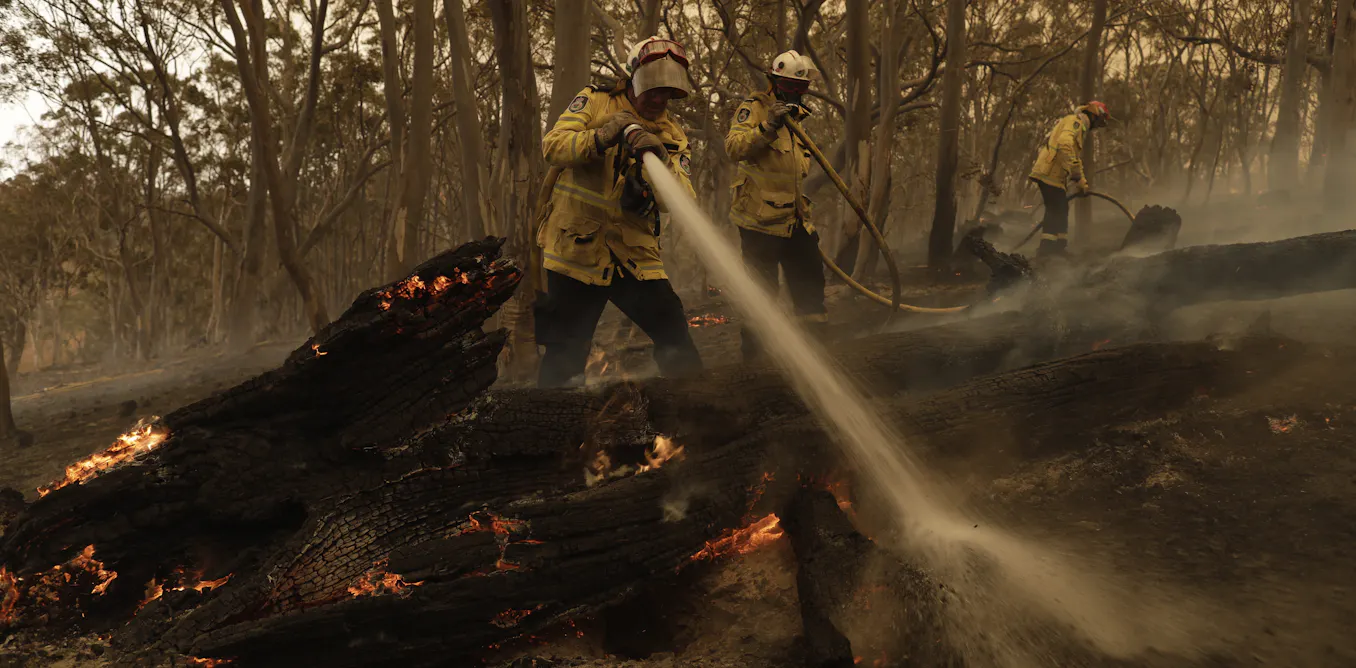
Residents often actively build their own informal information networks to help keep each other safe.
Residents often actively build their own informal information networks to help keep each other safe.
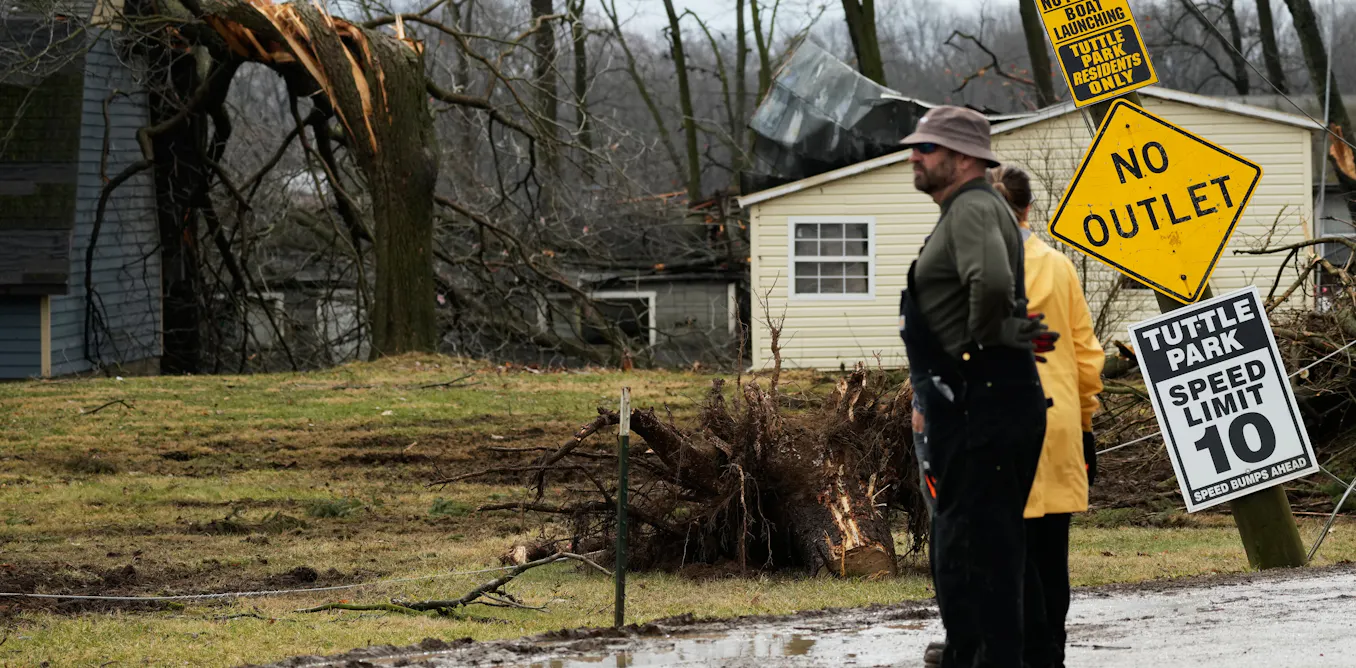
In my new book, I show that more than 90% of federal disaster funds went to roads, utilities and other standard infrastructure in the early 21st century, and less than 10% to libraries, parks, schools, places of worship and community centers, where neighbors check on one another and organize recovery.
Federal aid may go to rebuild some of these spaces, but it rarely pays to keep them open and running when communities need them most.
In another study, I found that Japanese communities with higher density of social infrastructure had half the number of deaths from a catastrophic tsunami in March 2011 compared to similar communities with fewer gathering spaces.
In my assessment, as federal aid becomes less predictable, these kinds of places people frequent often will have to carry us into the future. The communities that recover best from the next disaster may be the ones that kept their libraries open, their civic halls full of volunteers and their parks full of residents.
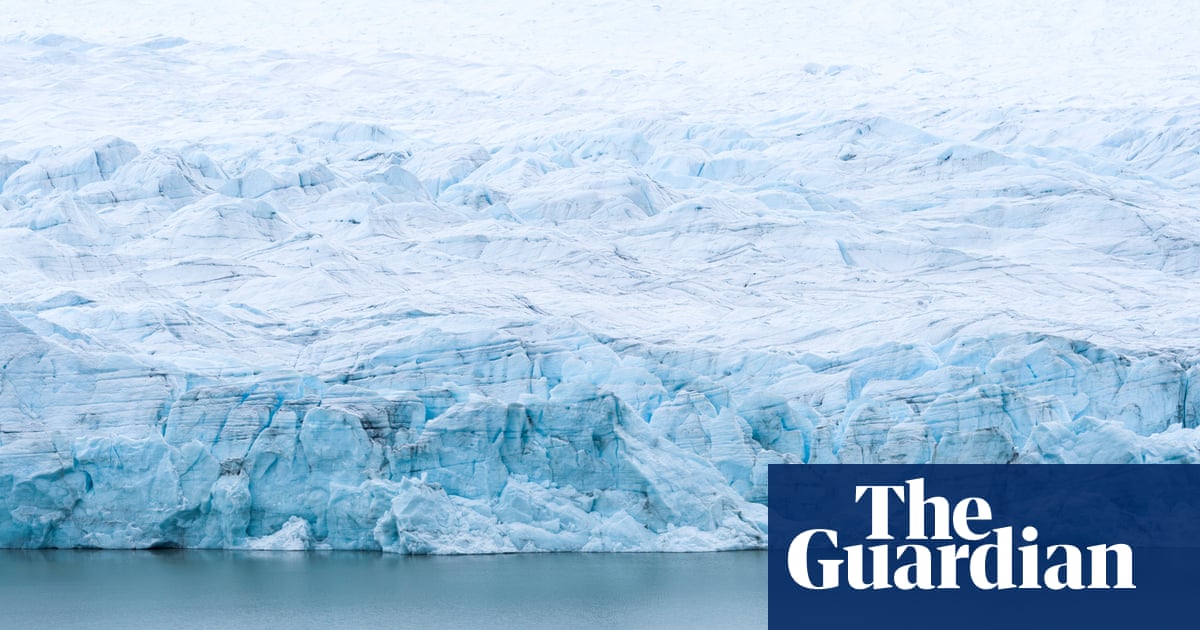
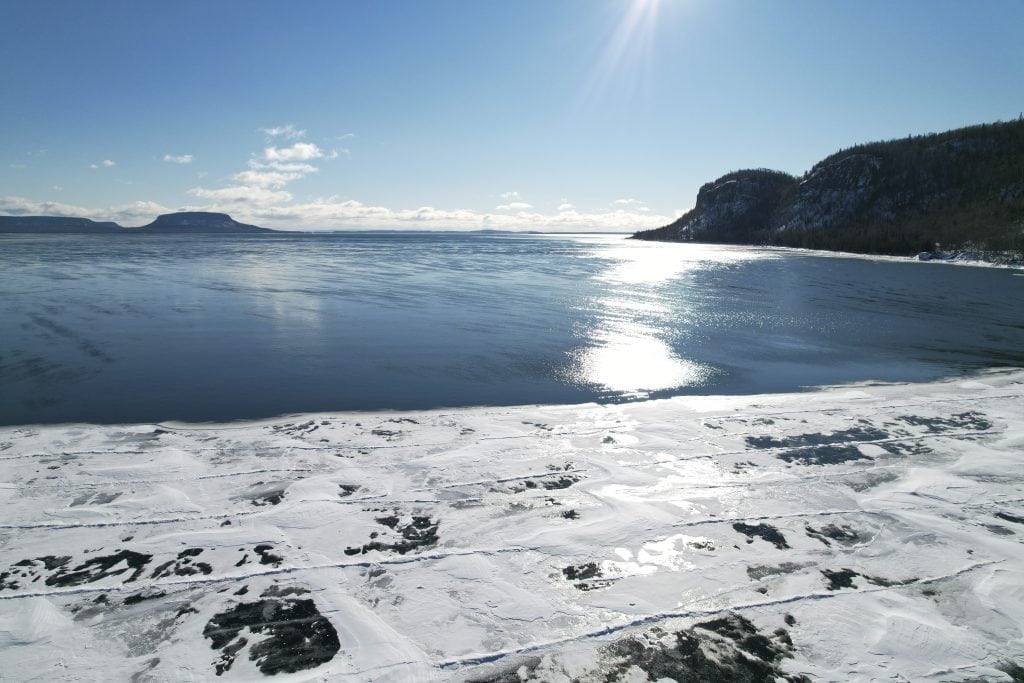
UN-backed report finds even temporary rises above Paris agreement target could cause harm to glaciers and polar ice sheets
The report, written by 80 scientists brought together by the International Cryosphere Climate Initiative (ICCI) and the UN Environment Programme (UNEP), found much of the damage would be permanent even if global temperatures were brought back down to 1.5C, such as glacier melt raising sea levels and threatening water security.

The report by Oil Change International concludes that existing oil, gas, and coal fields and mines will emit a combined 897 billion tonnes of carbon dioxide emissions, at a time when the remaining carbon budget for a 1.5°C future has dwindled to 130 billion tonnes.
The report by Oil Change International concludes that existing oil, gas, and coal fields and mines will emit a combined 897 billion tonnes of carbon dioxide emissions, at a time when the remaining carbon budget for a 1.5°C future has dwindled to 130 billion tonnes.

This is what societal collapse looks like when it is imposed by humans.
This is what societal collapse looks like when it is imposed by humans.

[…]
“The wet markets in Laos are like wildlife parks; however, while you can only look at the animals in our zoos back in China, the wild animals in Lao markets can be eaten.”
So proclaimed a Chinese vlogger as he toured a wildlife market. As he explored, he filmed himself showing off bear paws, various birds, dried rats, monitor lizards, and a live pangolin in his hands.
[…]
With the opening of the China-Laos Railway in 2021 and the lifting of China’s pandemic lockdowns in early 2023, Laos has become a top choice for Chinese tourists traveling abroad. According to the official Lao News Agency, nearly 1.16 million Chinese tourists arrived in the country in 2025.
The booming tourism has contributed to large-scale wildlife trafficking issues in Laos. In turn, Chinese social media has become a hotbed of promotions for illegal wildlife tours in Laos.
[…]
Global social media platforms like Facebook and WhatsApp have been widely criticized for failing to effectively crack down on the use of their platforms for wildlife trafficking. In the United States, where Facebook and WhatsApp’s parent company Meta is headquartered, laws shield media companies from liability for content posted by users, largely leaving the industry to regulate itself.
Chinese media companies are well known for their ability to carry out highly efficient censorship of certain topics: politics, pornography, disinformation, among others. Censorship mechanisms vary among Chinese Internet companies, but generally rely on tight human-AI collaborations to decide what content is allowed to be published.
China’s Wildlife Protection Law prohibits publishing advertisements for the sale of wild animals or illegal wild animal products, and notes specifically that online platforms are prohibited from providing services for such sales. However, the law does not specifically address the question of social media users filming illegal wildlife content.
The two major Chinese social media companies — Tencent, which owns WeChat, and ByteDance, which owns Douyin and is the original owner of TikTok — do specifically prohibit users of their platforms from posting content promoting the illegal wildlife trade. Another social media company widely used in China, Xiaohongshu, does not have similar provisions in its community guidelines.
[…]
[…]
“The wet markets in Laos are like wildlife parks; however, while you can only look at the animals in our zoos back in China, the wild animals in Lao markets can be eaten.”
So proclaimed a Chinese vlogger as he toured a wildlife market. As he explored, he filmed himself showing off bear paws, various birds, dried rats, monitor lizards, and a live pangolin in his hands.
[…]
With the opening of the China-Laos Railway in 2021 and the lifting of China’s pandemic lockdowns in early 2023, Laos has become a top choice for Chinese tourists traveling abroad. According to the official Lao News Agency, nearly 1.16 million Chinese tourists arrived in the country in 2025.
The booming tourism has contributed to large-scale wildlife trafficking issues in Laos. In turn, Chinese social media has become a hotbed of promotions for illegal wildlife tours in Laos.
[…]
Global social media platforms like Facebook and WhatsApp have been widely criticized for failing to effectively crack down on the use of their platforms for wildlife trafficking. In the United States, where Facebook and WhatsApp’s parent company Meta is headquartered, laws shield media companies from liability for content posted by users, largely leaving the industry to regulate itself.
Chinese media companies are well known for their ability to carry out highly efficient censorship of certain topics: politics, pornography, disinformation, among others. Censorship mechanisms vary among Chinese Internet companies, but generally rely on tight human-AI collaborations to decide what content is allowed to be published.
China’s Wildlife Protection Law prohibits publishing advertisements for the sale of wild animals or illegal wild animal products, and notes specifically that online platforms are prohibited from providing services for such sales. However, the law does not specifically address the question of social media users filming illegal wildlife content.
The two major Chinese social media companies — Tencent, which owns WeChat, and ByteDance, which owns Douyin and is the original owner of TikTok — do specifically prohibit users of their platforms from posting content promoting the illegal wildlife trade. Another social media company widely used in China, Xiaohongshu, does not have similar provisions in its community guidelines.
[…]

cross-posted from: lemmy.zip/post/74219461
cross-posted from: lemmy.zip/post/74219461
cross-posted from: lemmy.sdf.org/post/61193244
[The author of these piece is Natasha Lindstaedt, a professor in the Department of Government at theUniversity of Essex.]
Authoritarian regimes have a history of keeping information about escalating disasters secret, even when it could harm their own citizens.
With more weather-related disasters caused by climate change predicted, the issue of whether governments are willing to act faster to share information with neighboring nations is an increasing concern.
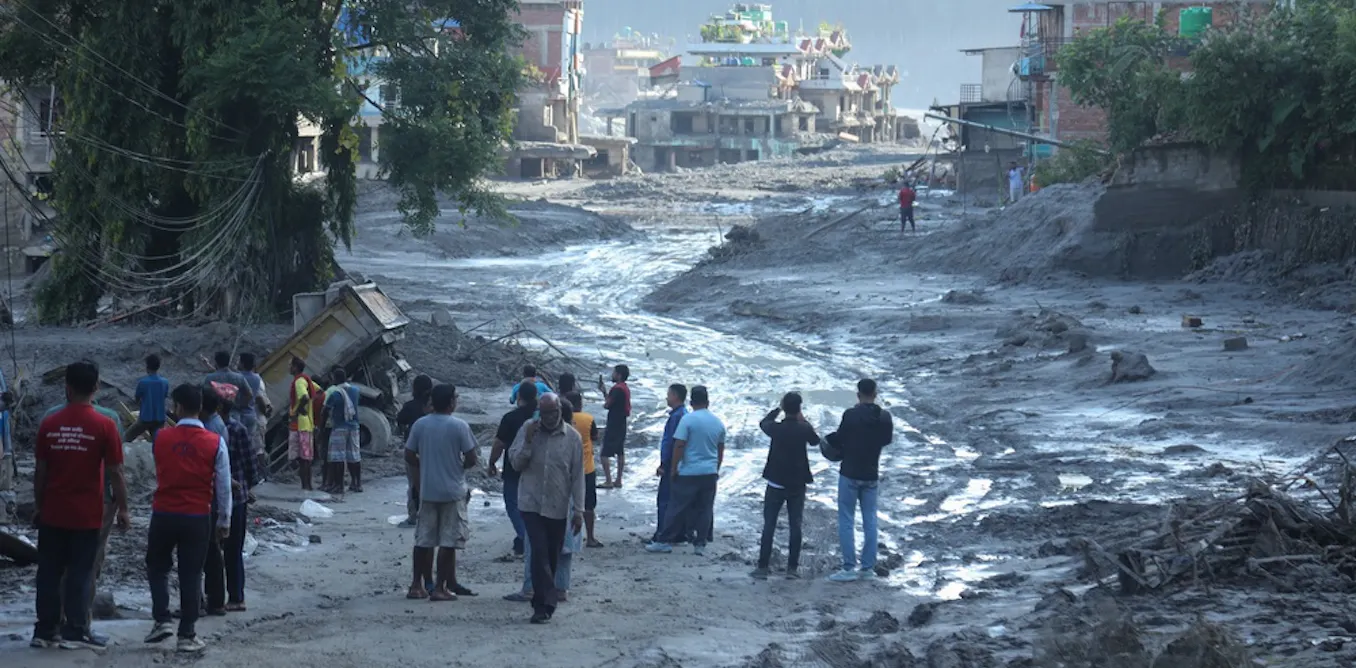
The signs are not positive. After the recent massive floods on the Nepal-Tibet border, Chinese state media tightly controlled reporting with a focus on rescue attempts, rather than devastation. It also heavily censored unofficial accounts.
Handheld and security camera footage that showed the destruction at the border appears to have vanished from Chinese media platforms.
On this occasion and in the past, Nepal has accused China of not sharing information quickly about escalating dangers. But Beijing denied there was any disinformation, and said information was released in a “timely” way in this recent incident.
[…]
A new report says the Himalayas are approaching a tipping point in terms of the speed and risks of glacier melting and lack of monitoring – with millions of lives and livelihoods at risk. So this issue could not be more urgent.
[…]
The recent behavior of another world power, Russia, cast doubt on its willingness to be transparent during a disaster. When floods caused Siberia’s Ishim River to overflow in 2025, local officials hid much of the damage.
[…]
The severe consequences of such secrecy is apparent throughout recent history. In 1984, Ethiopian military dictator Mengistu Haile Mariam concealed and downplayed the catastrophic drought which led to a famine, in order to protect the country’s image. A strict media blackout was enforced, as Mengistu’s government refused to share data regarding the scale of the crisis or even acknowledge there was one.
Instead, he prioritized spending over US$100 million (£87 million) on celebrations to commemorate the 10th anniversary of Ethiopia’s Marxist revolution.
[…]
Autocracies are more likely to censor and monitor media platforms than democracies. For instance, China recently stopped non-official content being shared about the August 2026 floods.
Some autocracies also restrict access for international aid workers, independent scientists and observers.
[…]
Greater levels of secrecy has implications for disease. Natural disasters frequently lead to infectious disease outbreaks. A government’s refusal to report a climate-driven outbreak could prevent neighbouring states from taking protective measures.
Authoritarian regimes also frequently suppress or delay data regarding extreme weather, glacial melts or industrial accidents to protect the regime’s image. This can compromise the safety, stability and economy of their own citizens and, potentially, neighbouring countries too.
Ecosystems and disasters do not respect political borders. Information censorship and the suppression of data will make us all more vulnerable as climate change-driven incidents escalate.

or: how much should we worry?
or: how much should we worry?


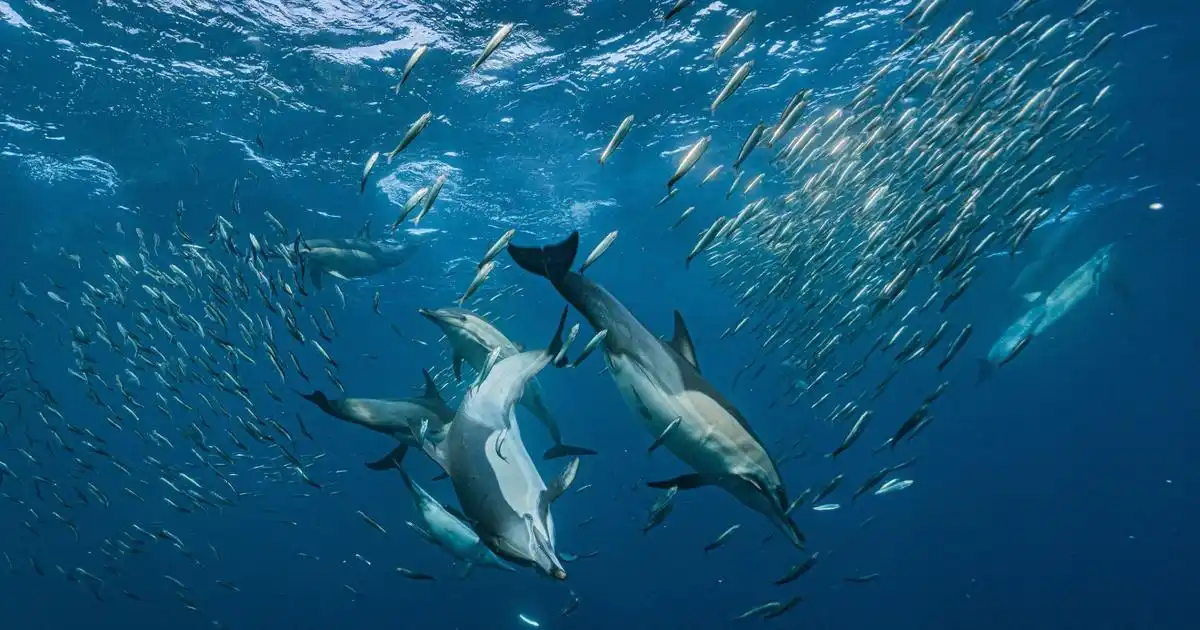
The idea that ecosystems carry plenty of back-up, so if a small number of species become extinct there is little harm, has been greatly overestimated according to the largest global study of its kind.
The study, published in Nature Ecology & Evolution, combined 423 published studies and 222,829 data points across land, freshwater, marine and estuarine ecosystems, producing a database more than twice the size of the largest previous effort and the largest of its kind.
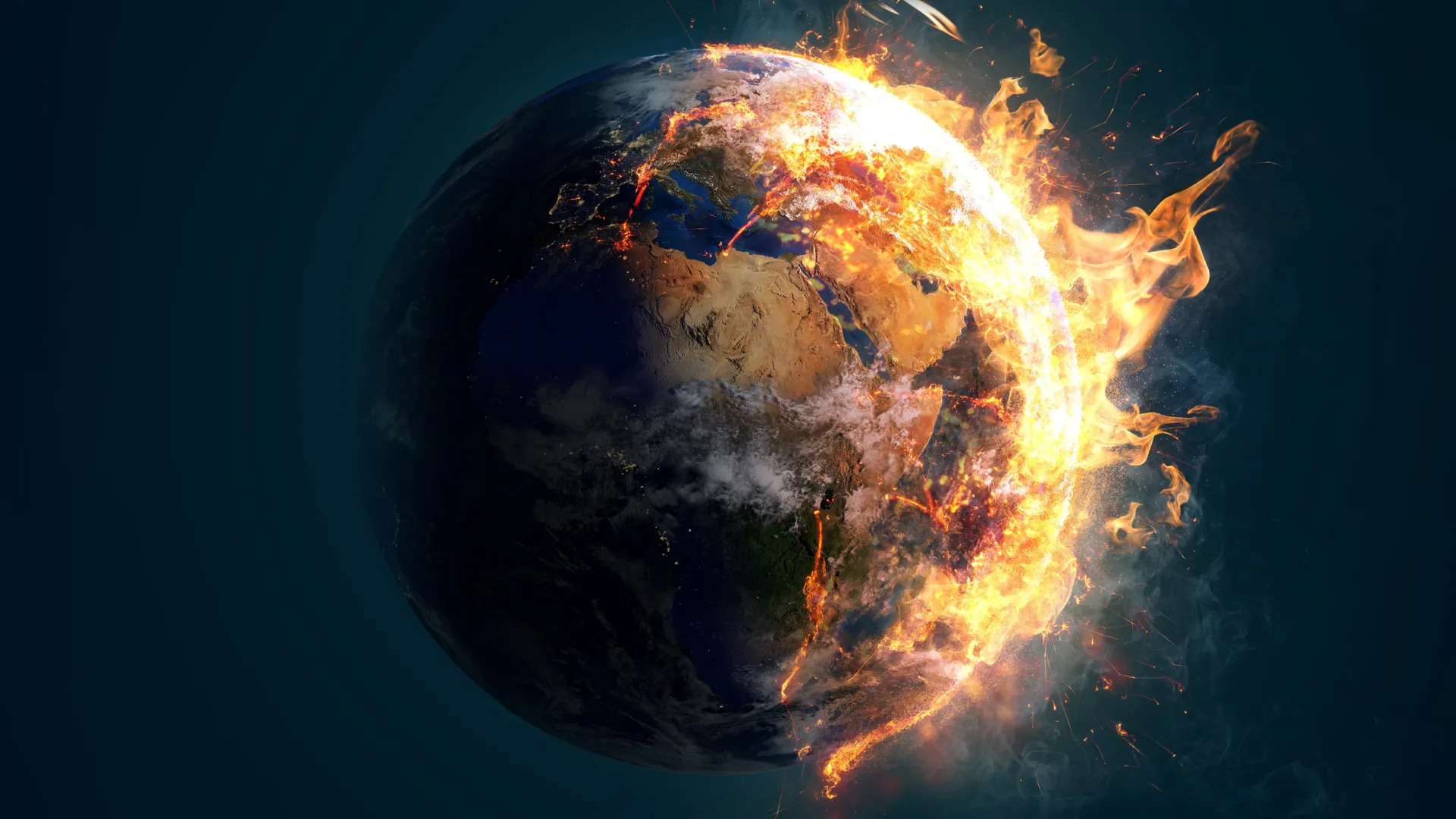
Earth is warming faster than ever recorded, with scientists detecting a major acceleration in global temperatures since around 2015. A new study reveals that the warming rate has surged to approximately 0.35°C per decade, nearly double the average pace observed from 1970 to 2015. After removing natural climate fluctuations, researchers confirmed the acceleration with more than 98% statistical confidence.
Earth is warming faster than ever recorded, with scientists detecting a major acceleration in global temperatures since around 2015. A new study reveals that the warming rate has surged to approximately 0.35°C per decade, nearly double the average pace observed from 1970 to 2015. After removing natural climate fluctuations, researchers confirmed the acceleration with more than 98% statistical confidence.
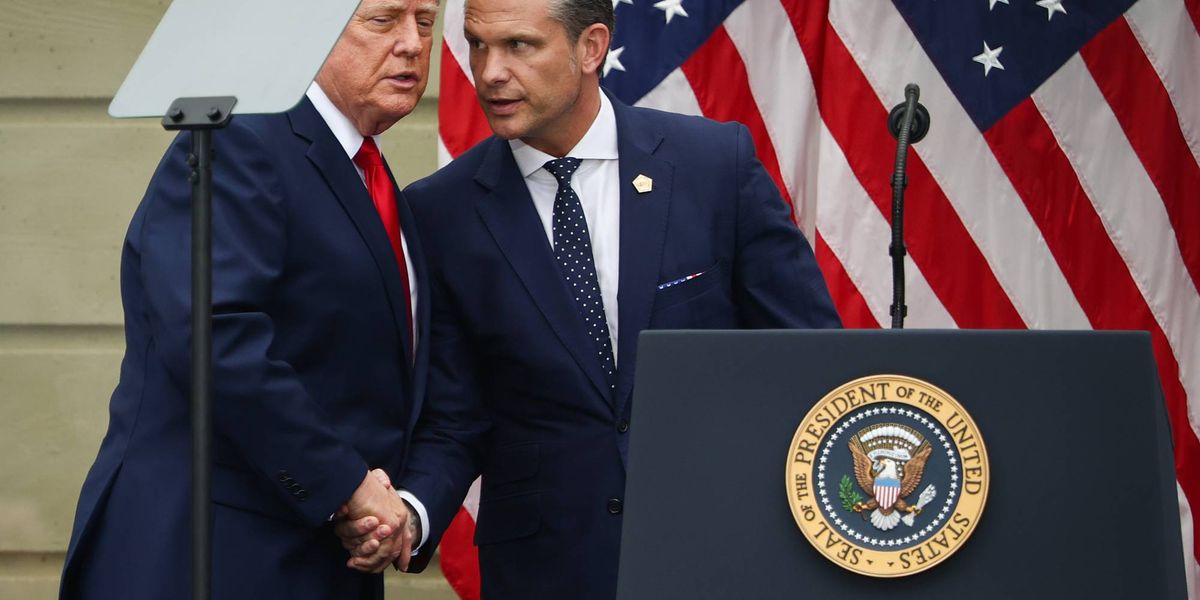
This isn’t about collapse in US politics, this is about us all being on the precipice of a much more general, brutal and longlasting global war.
Large global wars breakout, they are not carefully managed fires or designed plans, they are bonfires that grow so big the heat reaches everywhere inside the area that can burn…
Also, Trump does not always coward/chicken out, or rather he always cowards out/chickens out from avoiding destructive escalation by swallowing his ego…which is actually really dangerous for everybody.
The threat of nuclear weapons use here is not abstract, there is no evidence we should act like it is no matter what Trump/Vance says.
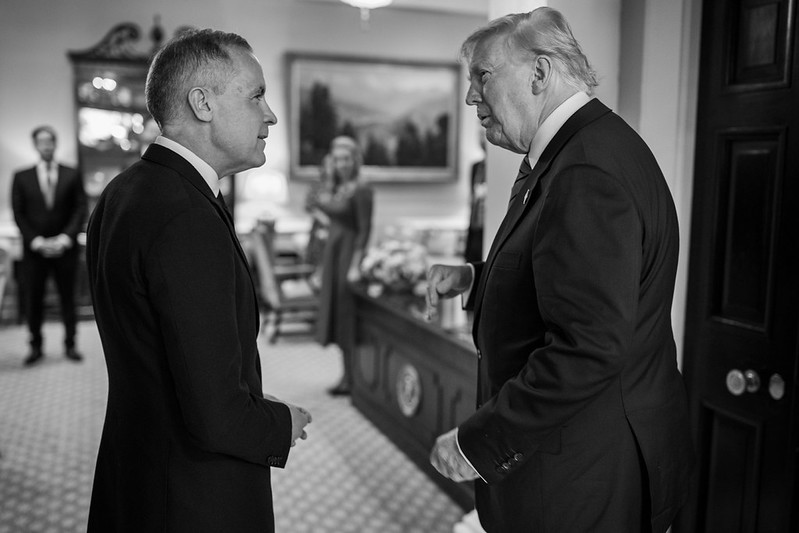
Canada’s already battered reputation on curbing climate emissions has become drastically worse under the leadership of Prime Minister Mark Carney according to a recent report card from Climate Action Tracker, approaching levels of inaction comparable to the “drill baby drill” Trump Administration
Canada’s already battered reputation on curbing climate emissions has become drastically worse under the leadership of Prime Minister Mark Carney according to a recent report card from Climate Action Tracker, approaching levels of inaction comparable to the “drill baby drill” Trump Administration

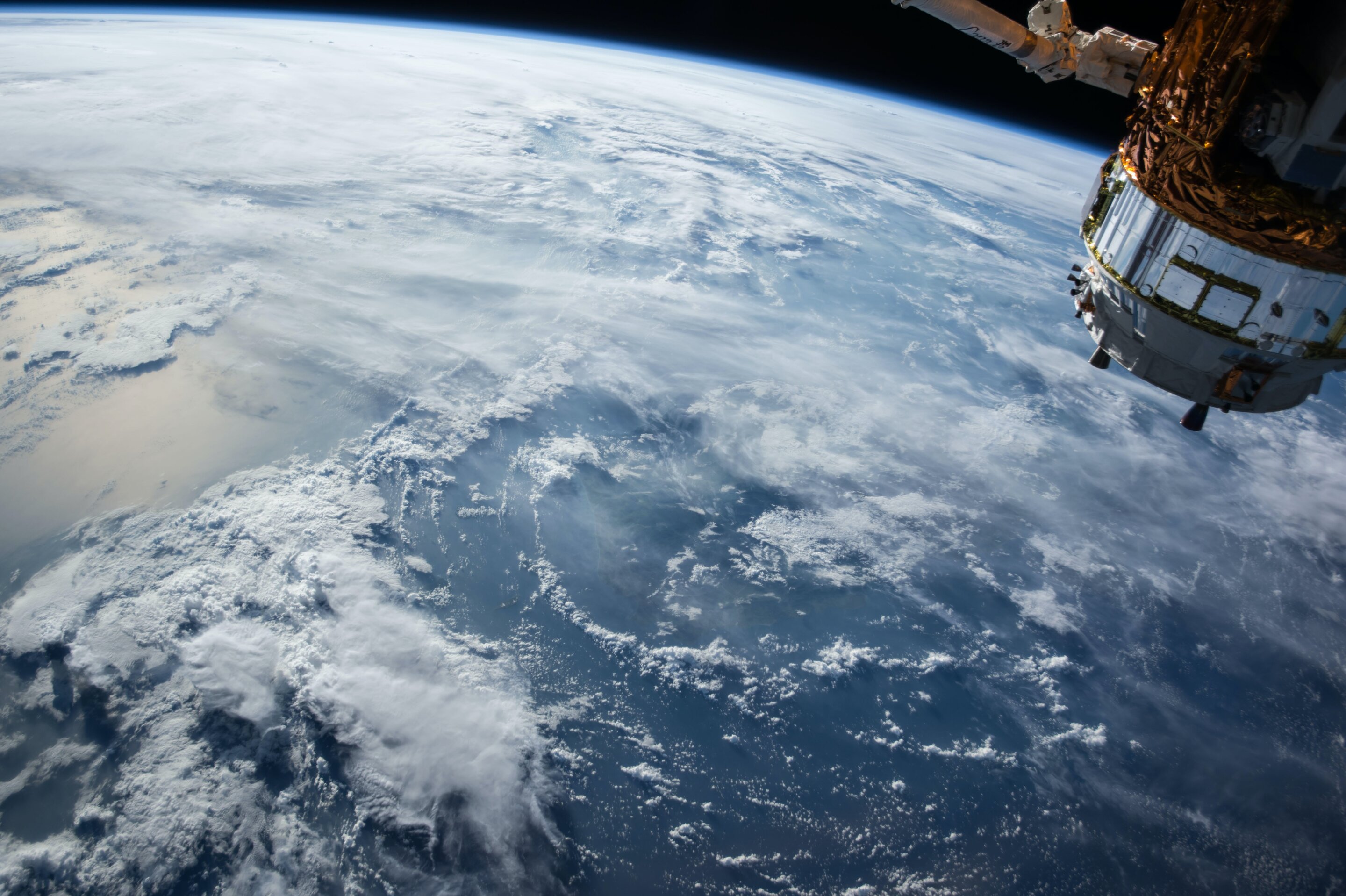
To encourage people to add new data, the pipeline used to standardize the data is publicly available as part of the data set. This allows other researchers with access to similar data to grid and standardize it themselves before submitting it to the open database.
“Projects like this advance science through collaboration, accessibility and preservation of data,” said Dee, who is also an author on the paper.
“This database will allow researchers across the world to ask questions about cloud formation, moisture transport processes, El Niño and La Niña, deforestation, soil moisture and more. It’s so important to highlight that it’s not just the collection of data that matters; it’s also the effort it takes to make the data truly usable for the broader research community, students and even the public.”
link to open access paper www.nature.com/articles/s41597-026-08218-8

Report: www.scri.org.uk/s/Derailment-risk-report-v6.pdf
Two trends characterise the climate change predicament: accelerating progress, including a green technology revolution; and accelerating impacts and risks, which have been persistently underestimated. It is hoped that the former will prevail over the latter: that escalating climate impacts will reinforce action. But the opposite can also occur: climate consequences can distract from climate action. This will lead to more consequences and more distractions: a vicious cycle. We call this ‘derailment risk’.


This is a preview for what the rest of us are going to get if we do not stop this process of genocide NOW.
This is a preview for what the rest of us are going to get if we do not stop this process of genocide NOW.
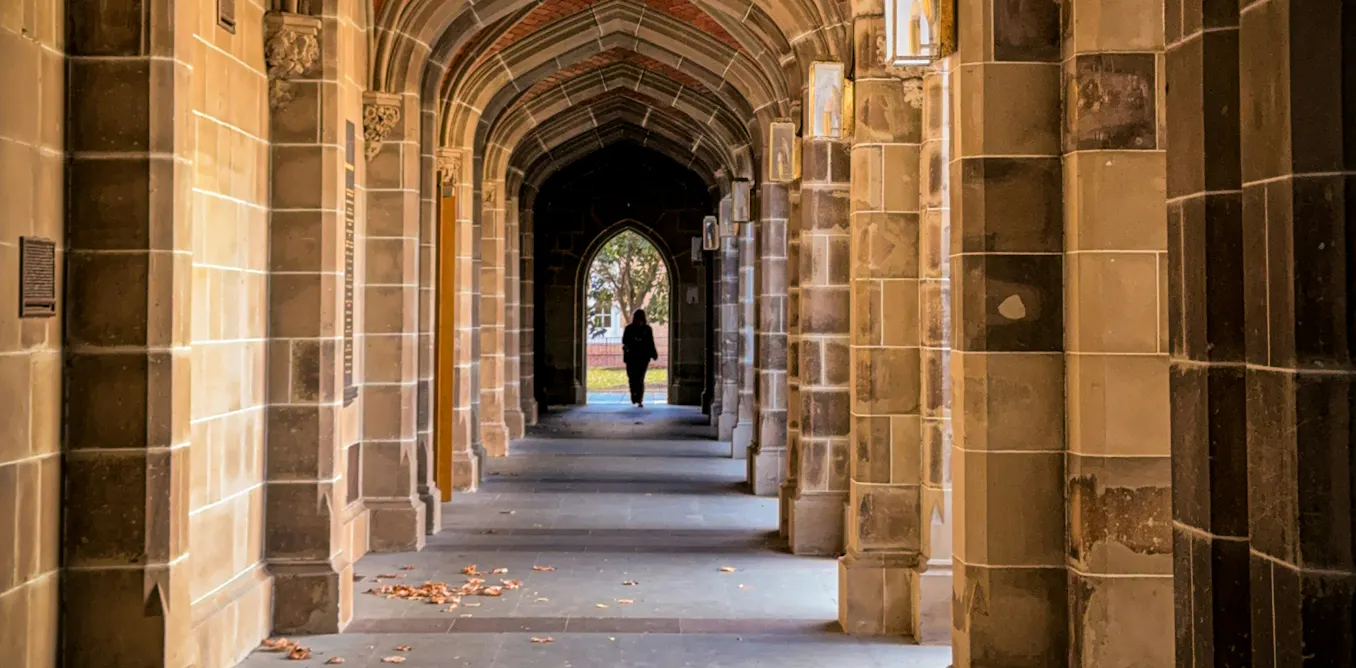
The unhappiness pertains to the insane workloads now normalised across the sector. “I didn’t have a weekend off for five months straight last year,” one worker reported in the NTEU report. But it is also related to what the university has become.
The problems aren’t caused by AI. As historian Nils Gilman says, “the arrival of large language models is acting as a catalytic solvent, titrating out the incoherence that was always there”. We might think of AI as a nucleation site where other issues crystallise and become visible.
Because of that, it may yet prove a focus of resistance, as the concept of “AI populism” implies. In early September, staff at the University of Sydney walked out on strike. One of their demands pertained to AI. Peter Chen, the union branch president, declared:
Higher education is the canary in the coalmine. Where we go on AI […] will travel through the rest of the economy.
That’s obviously true. The state of higher education should serve as a warning about the path we are hurtling down.
A great wholistic description of the way in which higher education in the US was collapsing even before AI came along to supercharge the process.




The Syrian Network for Human Rights has documented at least 3,799 civilians killed by landmines and cluster munition remnants between March 2011 and April 2026, including 1,000 children and 377 women, with a further 10,600 injured.
Casualties rose after the fall of the former government as displaced people returned and farming resumed, with incidents recorded while ploughing, foraging for truffles, or when children handled war remnants.
Services and aid in the camps have fallen sharply since Assad’s fall.
Mohammad Bakir, director of the northern department of social affairs and labour in Idlib, told The New Arab that 60 percent of camps have no basic services at all. In some, provision is limited to one bundle of bread per family, and only a few receive full water, sanitation and hygiene services.
As donors pull back, the government is seeking to move international and regional support from the camps to areas of return.
It has presented the UN with a plan to shift funding from humanitarian response to recovery and durable solutions: clearing mines and rubble, rehabilitating infrastructure and services, and creating jobs where people return.
…
“If the move comes before housing and services are ready, it could saddle families with rent and debt, interrupt treatment or schooling, and lead to new displacement,” he added.
“Voluntariness must be real: a family’s consent is not enough without clear information and viable alternatives.”

Huge clouds of methane have been detected by satellite over Chevron’s Gorgon LNG project in northern WA, prompting a warning from the United Nations.
Methane is thought to be responsible for about 25 per cent of global warming.
Huge clouds of methane have been detected by satellite over Chevron’s Gorgon LNG project in northern WA, prompting a warning from the United Nations.
Methane is thought to be responsible for about 25 per cent of global warming.