We have put all future investment decisions in Germany on hold for the time being," said Daniel Steiners, head of Roche Germany, adding that for the pharmaceutical industry, policymakers had "recently destroyed a lot of trust
We have put all future investment decisions in Germany on hold for the time being," said Daniel Steiners, head of Roche Germany, adding that for the pharmaceutical industry, policymakers had "recently destroyed a lot of trust
China = Bad or China = Good are both shockingly it turns out oversimplifications.
International organizations, such as the IEA and the Center for Strategic and International Studies, have recently examined Ukraine’s energy reconstruction, covering aspects such as decentralization, solar power, battery storage, financing, and electricity-market reform. However, these reports tell us remarkably little about the sources of the equipment needed for this transition.
In particular, the role of Chinese-made equipment in this shift has received much less attention. According to the IEA, China accounts for around 85 percent of global solar supply-chain production capacity and around 80 percent of lithium-ion battery production capacity. Its share in some specific segments is even higher – for example, China supplies around 95 percent of global PV wafer capacity.
Currently there is no authoritative estimate on the specific share of Chinese-made equipment in Ukraine’s solar and battery markets, not least because some products reach Ukraine through third countries, international procurement channels, and aid programs. Still, given China’s dominance of these supply chains, Chinese-made equipment is likely to have played an important role in Ukraine’s decentralized energy expansion and will probably continue to do so.
He urged companies to open their valuable industrial data for AI applications to maintain the competitiveness of German manufacturing, mechanical engineering and the automotive industry.
He urged companies to open their valuable industrial data for AI applications to maintain the competitiveness of German manufacturing, mechanical engineering and the automotive industry.
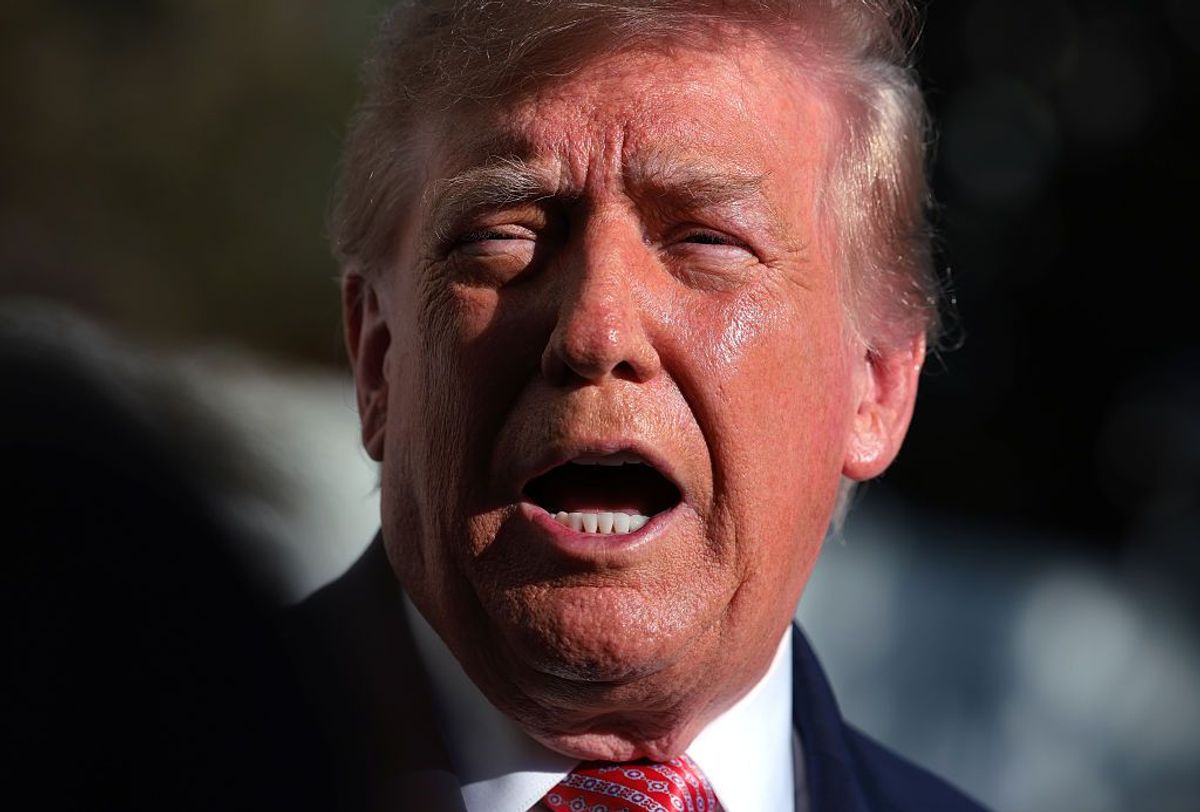
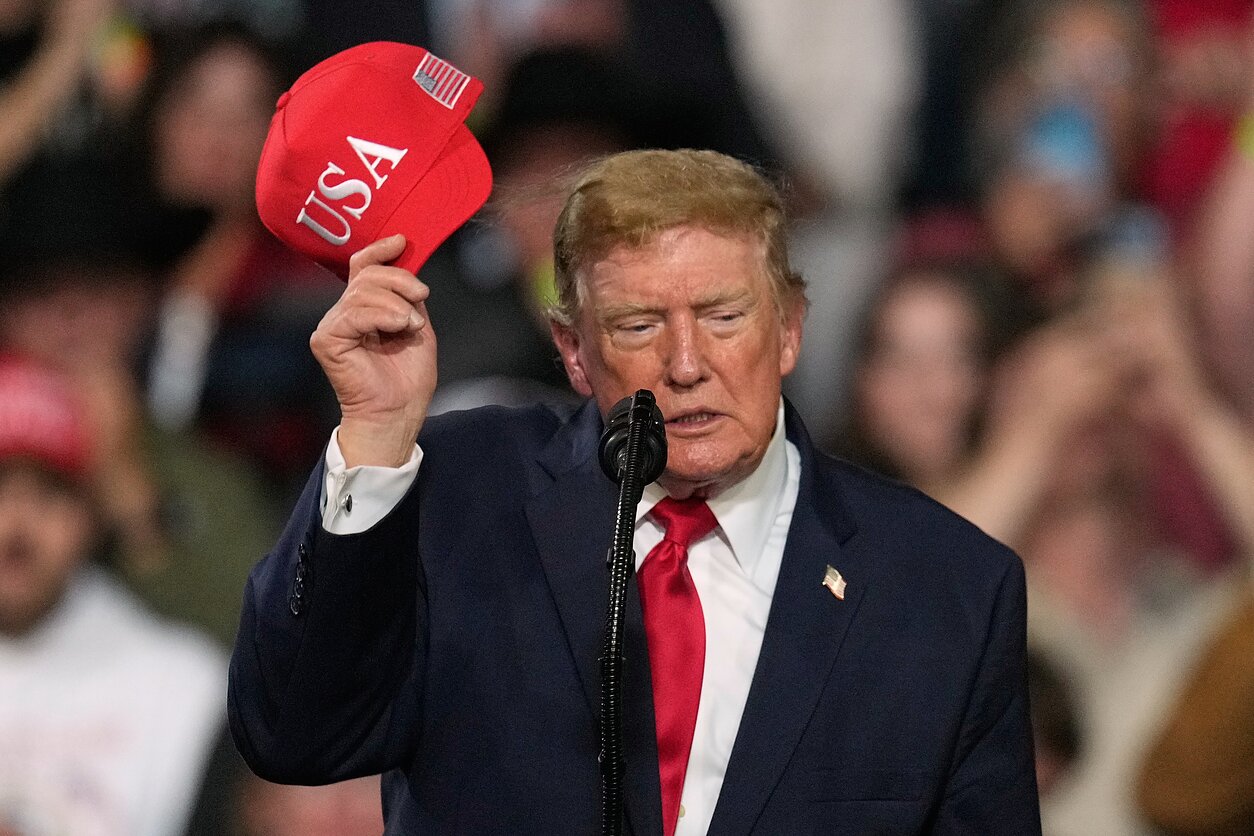
According to U.S. President Donald Trump, Russia “has been fine on Ukraine” and “hasn’t been doing much” to the country it has been attempting to violently conquer for over a decade.
“Russia, frankly, has been fine on Ukraine. They haven’t been doing much,” Trump told reporters on Oct. 19.
The president’s remarks came the same day that a Russian daytime drone strike in a public park killed six people, including two children. The night before, Russia attacked Kyiv with over a dozen ballistic missiles and targeted nearly 30 critical energy facilities across the country.
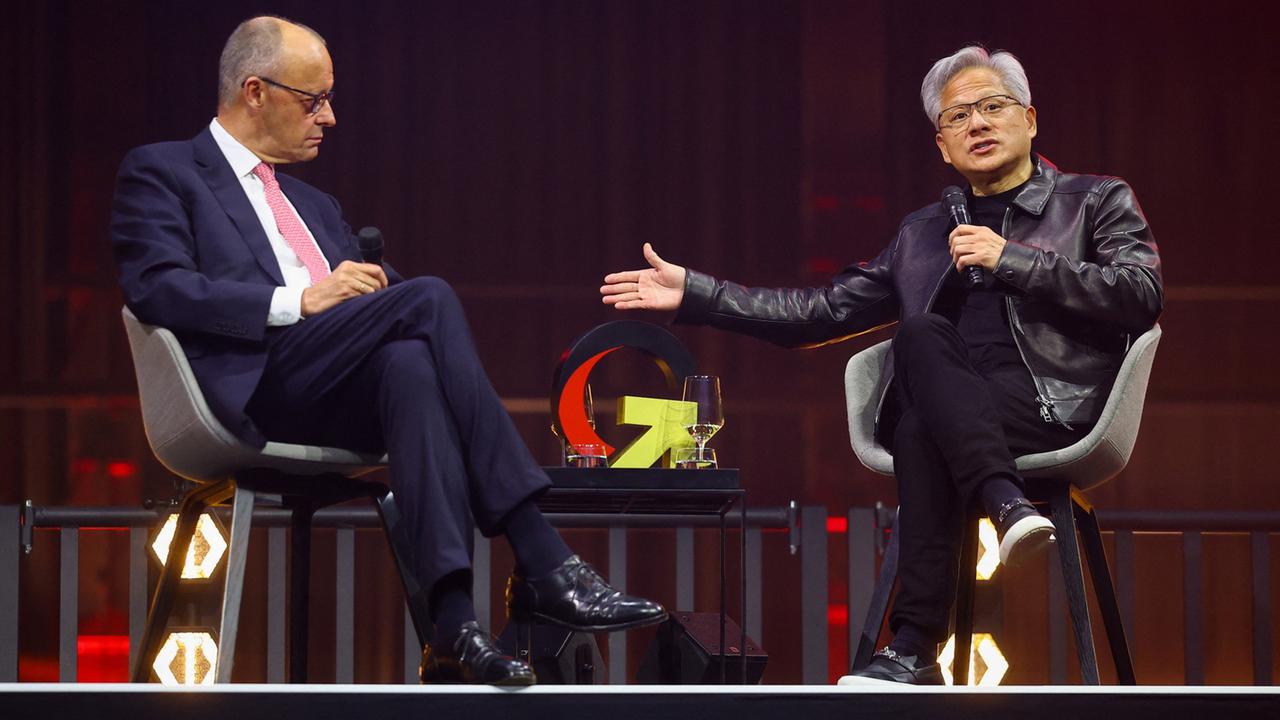
New AI partnership: The German government (Economy and Research Ministries) and Nvidia signed a letter of intent at the first “Invest in Germany” summit in Berlin.
Goal: Advance cutting-edge AI models for “Physical AI” (e.g., robots) and bring industrial AI into broad use, building a leading AI ecosystem in Europe.
Access: Nvidia will make its AI models available not only to large corporations but also to small and mid-sized businesses and research institutions.
Funding: No official figures. A media report says the government plans to contribute a three-digit million amount, partly to rent computing capacity in Deutsche Telekom’s AI cloud.
Merz: Germany is acting from a position of strength despite geopolitical challenges; he urged companies to open up industrial data for AI and pointed to reforms (less bureaucracy, digital administration, social systems), the special infrastructure fund, and higher defense spending.
Huang: Data should be treated as a national resource and kept in the country (“national intelligence”); AI should complement and scale German engineers’ expertise, not replace it. Nvidia says it invested nearly $1 billion in Germany last year.
Summit: Two-day event with about 200 business leaders, aimed at attracting more private investors. It continues Tuesday.
Seems like another US-Vendor-Lock:
New AI partnership: The German government (Economy and Research Ministries) and Nvidia signed a letter of intent at the first “Invest in Germany” summit in Berlin.
Goal: Advance cutting-edge AI models for “Physical AI” (e.g., robots) and bring industrial AI into broad use, building a leading AI ecosystem in Europe.
Access: Nvidia will make its AI models available not only to large corporations but also to small and mid-sized businesses and research institutions.
Funding: No official figures. A media report says the government plans to contribute a three-digit million amount, partly to rent computing capacity in Deutsche Telekom’s AI cloud.
Merz: Germany is acting from a position of strength despite geopolitical challenges; he urged companies to open up industrial data for AI and pointed to reforms (less bureaucracy, digital administration, social systems), the special infrastructure fund, and higher defense spending.
Huang: Data should be treated as a national resource and kept in the country (“national intelligence”); AI should complement and scale German engineers’ expertise, not replace it. Nvidia says it invested nearly $1 billion in Germany last year.
Summit: Two-day event with about 200 business leaders, aimed at attracting more private investors. It continues Tuesday.
I’ve read something similar in my own home country where the local Russian controlled fascist party wants to import gas from Russia. IMO, this seems like a coordinated maneuver. It seems like the Russians activated their saboteurs in the hopes that they can get back some money for the war effort.
I’ve read something similar in my own home country where the local Russian controlled fascist party wants to import gas from Russia. IMO, this seems like a coordinated maneuver. It seems like the Russians activated their saboteurs in the hopes that they can get back some money for the war effort.
German search engine Ecosia is replacing Mistral with open-weight AI models, including Chinese-developed Qwen, GLM and Kimi, through a partnership with German AI platform Melious. Founder and CEO Christian Kroll said the switch had roughly halved costs while improving quality and performance.
German search engine Ecosia is replacing Mistral with open-weight AI models, including Chinese-developed Qwen, GLM and Kimi, through a partnership with German AI platform Melious. Founder and CEO Christian Kroll said the switch had roughly halved costs while improving quality and performance.
One potential candidate is the new ID Unyx 09, an electric saloon co-developed with VW’s Chinese partner Xpeng, while the 4.8-metre-long ID Aura T6 SUV could sit above the smaller ID Tiguan in Europe, giving Volkswagen a Volvo EX60 rival.
One potential candidate is the new ID Unyx 09, an electric saloon co-developed with VW’s Chinese partner Xpeng, while the 4.8-metre-long ID Aura T6 SUV could sit above the smaller ID Tiguan in Europe, giving Volkswagen a Volvo EX60 rival.
More than half a million people demonstrated in France on Saturday in a nationwide day of protest against the high cost of living that saw hundreds of arrests.
More than half a million people demonstrated in France on Saturday in a nationwide day of protest against the high cost of living that saw hundreds of arrests.
Israeli settlers on Saturday attacked a convoy carrying a European delegation in the occupied West Bank, beating up a 78-year-old French mayor. While Israel’s Prime Minister Benjamin Netanyahu – who is just days from a crucial election – described the incident as a “smear” campaign against Israeli settlers, France’s top diplomat urged Israel to “urgently halt criminal violence”.
Israeli settlers on Saturday attacked a convoy carrying a European delegation in the occupied West Bank, beating up a 78-year-old French mayor. While Israel’s Prime Minister Benjamin Netanyahu – who is just days from a crucial election – described the incident as a “smear” campaign against Israeli settlers, France’s top diplomat urged Israel to “urgently halt criminal violence”.
About why the “NOT FOR EU” labels on food packaging exists, how Nordern Ireland stores import from EU rather than Britain, and how new agreements could make the “not for EU” label unnecessary in the future.
About why the “NOT FOR EU” labels on food packaging exists, how Nordern Ireland stores import from EU rather than Britain, and how new agreements could make the “not for EU” label unnecessary in the future.
A good article which covers a lot of aspects, including what happened technically, which software flaws were exploited, that the problem affected refrigerators which did not have updated firmware. It also mentions the EU cyber resiliency act, which has the specific goal to avoid such events.
Making industrial systems secure will be many years of work, since many are decades old and software and protocols were not designed with security in mind. This also affects consumer “smart home” systems and things like “smart TVs”, which are often not designed to have needed updates.
Worth mentioning that the effects of systematic attacks could be far worse - they can take out electricity, energy, and water infrastructure, payment systems, and bring things like chemical plants into an catastrophically unsafe state. The thriller “Blackout - Tomorrow will be too late” by Marc Elsberg describes such a (fictional) scenario with hacks targeting smart meters and industrial control systems for power plants, and it is in parts more realistic than one would wish. IIRC there have been such hacks targeting the oil company Saudi Aramco.
The US pressured Lithuanian, Canadian and EU diplomats to withdraw their support for the Disinfo 2026 conference in Vilnius, which criticised Donald Trump and America’s interference in other countries’ politics. The pressure was first felt by the conference’s speakers and organisers.
The US pressured Lithuanian, Canadian and EU diplomats to withdraw their support for the Disinfo 2026 conference in Vilnius, which criticised Donald Trump and America’s interference in other countries’ politics. The pressure was first felt by the conference’s speakers and organisers.
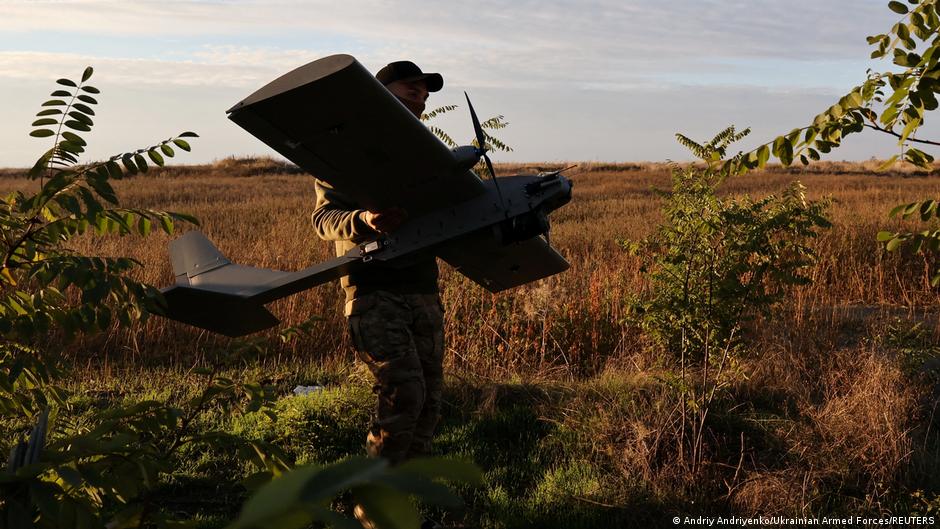
An undercover investigation revealed that multiple Chinese tech firms knowingly agreed to sell specialized drone components—including jamming-resistant fiber-optic cables, mesh modems, and AI targeting systems—to Russian military buyers despite Beijing’s official export bans. To evade international sanctions and customs tracking, these manufacturers use front companies, transit routes through third countries, and existing stock in Moscow warehouses. Financial transactions are conducted outside Western banking oversight by routing payments through Russia’s VTB Bank, domestic Chinese lenders, or cryptocurrency transfers. In conclusion, the findings provide direct evidence that Chinese commercial suppliers systematically use logistical and financial loopholes to sustain Russia’s frontline military drone capabilities
No links to misinformation or commercial advertising. When you post outdated/historic articles, add the year of publication to the post title. Infographics must include a source and a year of creation; if possible, also provide a link to the source.
The UK is sending Ukraine more long-range Storm Shadow missiles so it can disrupt Russian military operations targeting its civilian infrastructure before the winter, people familiar with the matter said.
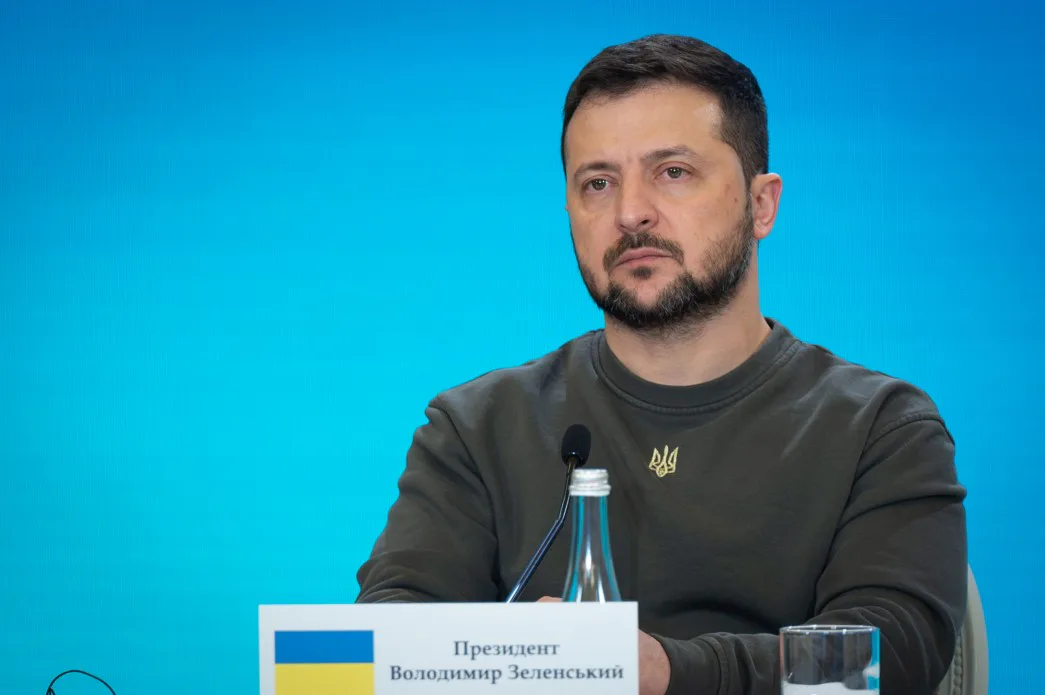
The resupply of the British-made cruise missiles was discussed by Prime Minister Andy Burnham and President Volodymyr Zelenskyy when the Ukrainian leader visited London on Wednesday, according to the people, who spoke on condition of anonymity about a weapons consignment that hasn’t been publicly announced.
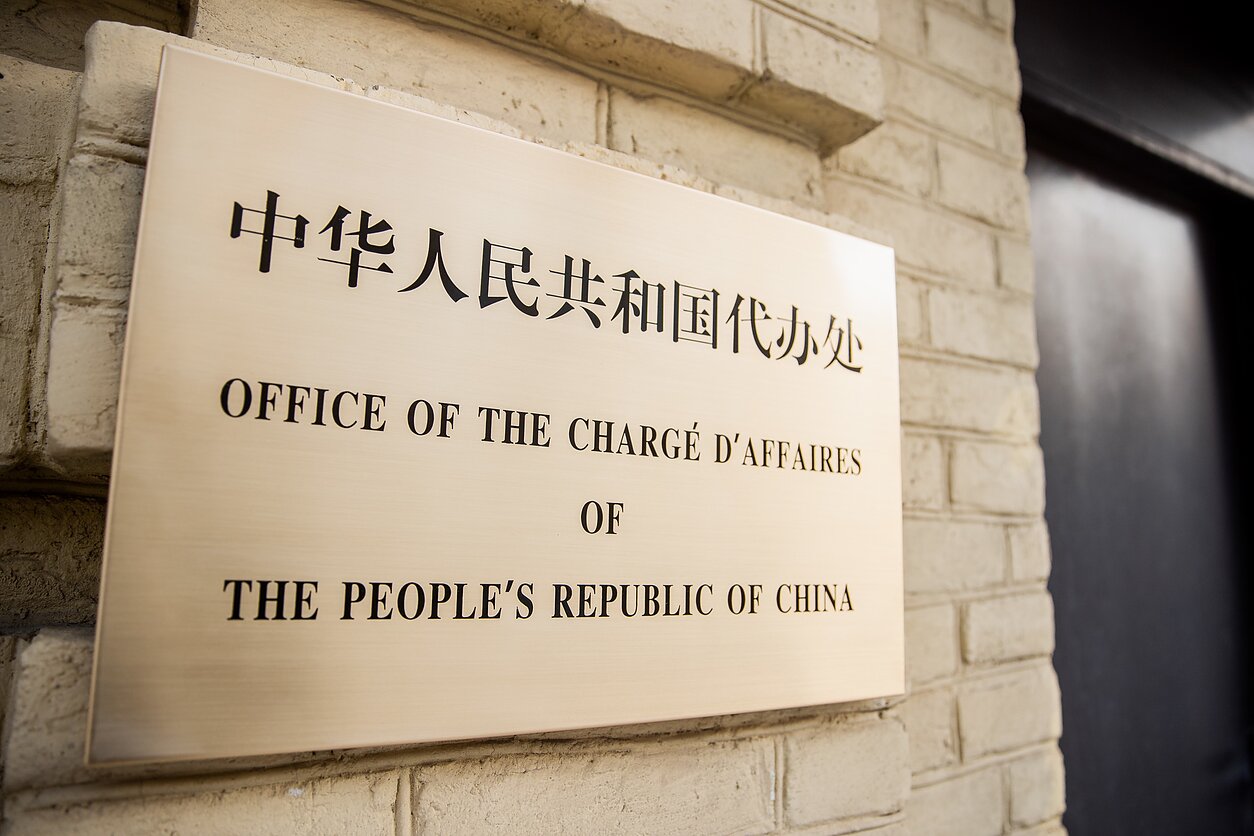
Lithuania expects to make progress toward restoring diplomatic representation with China by the end of the year, Prime Minister Mindaugas Sinkevičius said Wednesday, expressing confidence in Foreign Minister Kęstutis Budrys’ efforts to improve ties.
Lithuania expects to make progress toward restoring diplomatic representation with China by the end of the year, Prime Minister Mindaugas Sinkevičius said Wednesday, expressing confidence in Foreign Minister Kęstutis Budrys’ efforts to improve ties.
The EU is currently in talks with China to lift restrictions the country imposed on Sindlhauser Materials GmbH, a German company in ASML’s supply chain, as the sanctions risk putting the company out of business. In return, the EU would remove restrictions it placed on one unnamed Chinese firm accused of aiding Russia in the war with Ukraine, according to an Oct. 14 Bloomberg report citing people familiar with the matter.
The EU is currently in talks with China to lift restrictions the country imposed on Sindlhauser Materials GmbH, a German company in ASML’s supply chain, as the sanctions risk putting the company out of business. In return, the EU would remove restrictions it placed on one unnamed Chinese firm accused of aiding Russia in the war with Ukraine, according to an Oct. 14 Bloomberg report citing people familiar with the matter.
Ukraine confirmed on Wednesday that its military has been cut off from full access to SpaceX’s Starlink satellite system , which reportedly interrupted some missions overnight.
Ukraine confirmed on Wednesday that its military has been cut off from full access to SpaceX’s Starlink satellite system , which reportedly interrupted some missions overnight.