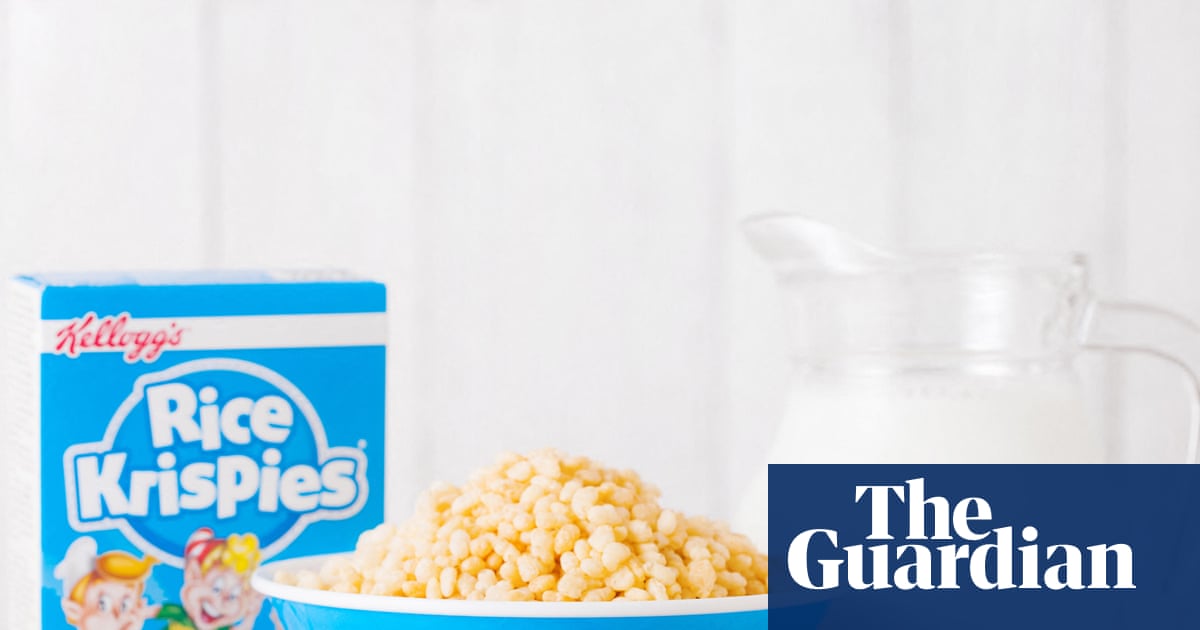
They will snap and they will crackle, but they may no longer pop, as Kellogg’s has removed rice from its Rice Krispies and Coco Pops cereals due to “changing weather conditions”.
Rice Krispies has been reformulated to use rice flour instead of rice, while Coco Pops now contain a blend of rice flour and corn flour instead of rice in order to maintain consistent quality. Kelloggs’ said the shift reflected how the climate crisis had affected the quality and availability of some rice and grains used in its most popular cereals.
A spokesperson for Kellogg’s said: “We have updated the Rice Krispies and Coco Pops recipes, which are now made using corn flour and rice flour. We appreciate that even small changes to a much-loved product can feel noticeable and that’s why we have approached this with a lot of care and consideration.
“The updated recipes have been carefully assessed for taste, appearance and texture, and we are continuing to listen closely to consumer feedback.”
Bought some daikon that’s quite bitter when eating raw. So I tried these remedies after a web search:
slice it up, salt it heavily, let it sit in a collander for >30 min to drip out bitter liquids, rinse, add to stir-fry
simply steam it
The first approach worked, but the saltiness remains even though the salt was rinsed off. It was still decent as a salty taste happened to be compatible with the stir-fry.
The 2nd approach was a disaster (even though I peeled it as well as the bitter tastes can be concentrated in the skin). I was skeptical when I read an article claiming that simply steaming the daikon removes the bitterness. I tested the claim by steaming for like 30—40 min. It was not instantly bitter but as I chewed it it became increasingly excessively bitter. I’m sure it would have ruined the miso soup I was originally planning to put it in.
I got a 2nd opinion. Someone else tasted the same steamed daikon as I did and said it did not taste very bitter. Of course there is a dilemma here: either the other person does not perceive the strong level of bitter taste (due to human genetic differences), or they are simply not bothered by it. We could not work out how to test which case it was.
2 theories for why people /think/ steaming works
Daikon can be bitter for a number of reasons: genetics of the veg, harvesting of it (particularly the timing), and storage (to a lesser extent).
① I wonder if people who claim cooking alone is sufficient are perhaps buying daikon that is not notably bitter to begin with.
② The human genetic factor: some people do not taste some bitter compounds.
In any case, I would like to know if anyone has other techniques to preparing bitter varieties daikon.
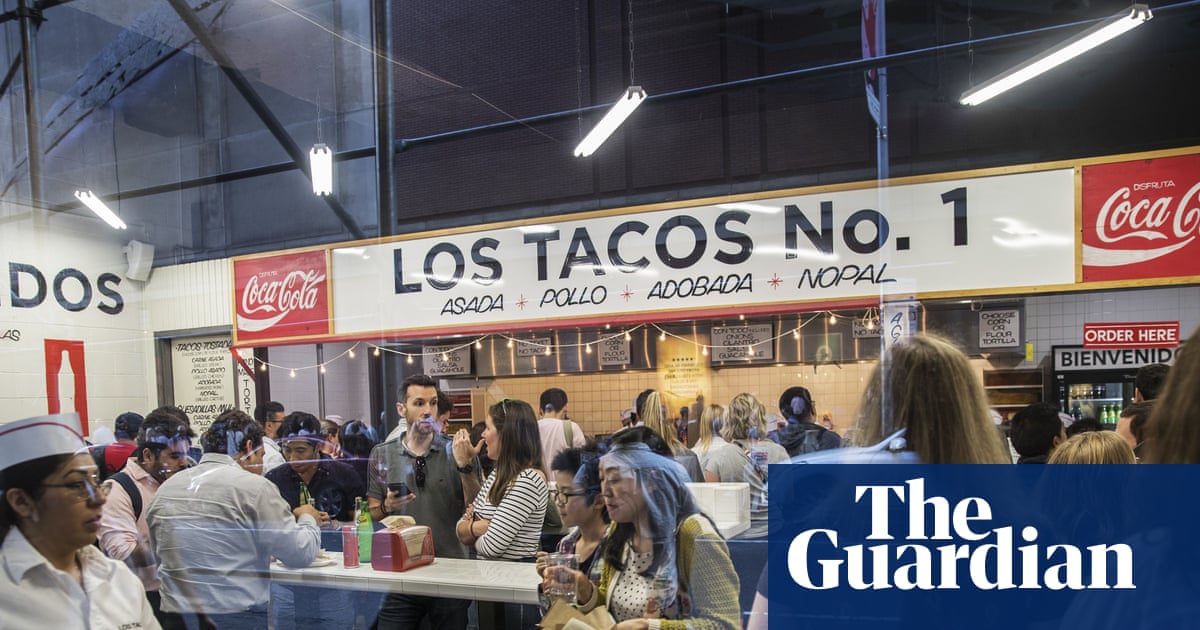
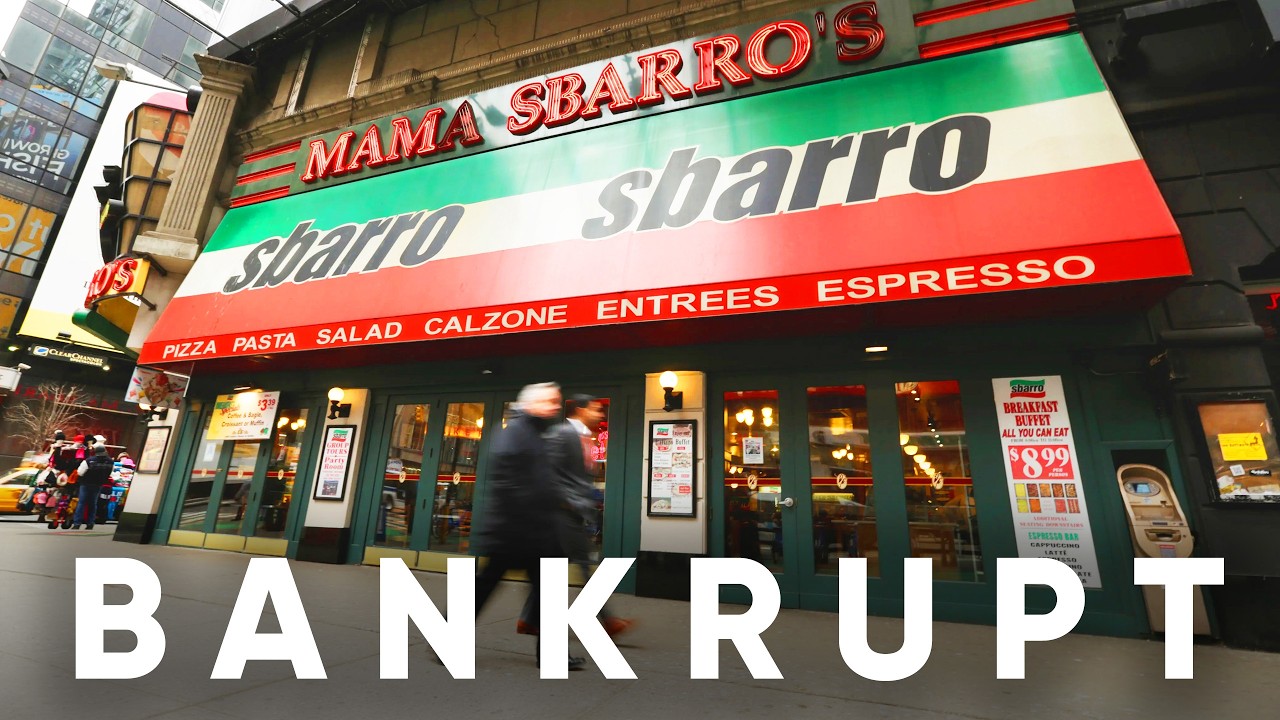
Los Tacos No 1 is a classic New York success story. After the Mexican-style taco joint opened in 2013, it quickly became a critic’s pick in the city’s paper of record, drawing long lines and a devoted lunchtime crowd. As word spread about its juicy al pastor and handmade tortillas, it expanded to nine locations. Then, this September, bad news struck: Los Tacos No 1 had received an undisclosed amount of funding from private equity firm TSG Consumer.
According to a press release, this cash would help Los Tacos pursue “thoughtful, founder-led growth”. Customers were not so sure. Social media posts quickly declared “the beginning of the end” for the chain, half-jokingly anticipating tiny portions of bad food.
Faced with such eulogies, the co-founders promised: “No, we’re not going to start charging extra for guac. We’re not switching to horse meat. And no, we’re definitely not messing with the tacos.” This, too, was met with skepticism and ire.
Critics bemoaning the “same-ification” of New York – the idea that a once lively and creative city has devolved into a suburban strip mall – often blame the same villainous force: private equity. The business model involves firms investing in privately owned companies to grow and restructure them, in hopes of making a profit. Across the country, private equity has hooks in an ever-increasing variance of industries, from hospitals and veterinary clinics to clothing lines and cutlery brands. Now, some New Yorkers are ringing the death knell for one of their favorite activities, eating out.
Looking for flaxseed oil that tastes as little as possible like a painter’s studio or a well-maintained Difference Engine smells … I hear this is now possible and has been done, but don’t know who does it in the USA.
Use case: being usable in as wide an array of foods as possible to increase my ALA intake since I live with vegans and rarely eat fish nowadays.
I got really inspired by Mary’s Test Kitchen on YT. This one is green split pea, it was delicious but I didn’t do a good enough job decanting off the milk from the starch. Ultimately what I’d like to do is try this with some of our very obscure native edibles, like thicket bean, bundleseed, etc.
If this successfully crossposts to Lemmy, you may only see one pic and have to click through to see the rest!
Despite tea’s astounding popularity globally, the United States has long lagged behind many other countries when it comes to tea consumption, and that conception of tea has mostly been limited to iced black tea. This, however, appears to be changing, with the U.S. importing far more tea — in the hundreds of millions of dollars — this decade than it did 30 years ago, with millennials in particular the most likely to be tea drinkers. Matcha is, obviously, everywhere; according to the New Consumer, it usurped chai as the leading specialty tea drink in cafes. A lot more tea, it seems, is about to follow, as new tea-focused businesses sprout up across the country and as tea sees increased applications as a flavor element in food, desserts, and cocktails in addition to its consumption as a standalone drink.
Across the country, teahouses with a similar ethos to Enoki’s are catering to the desire for another kind of space: one that feels slower and more intentional than the average coffee shop, and which offers a different experience than yet another restaurant or high-end cocktail bar.
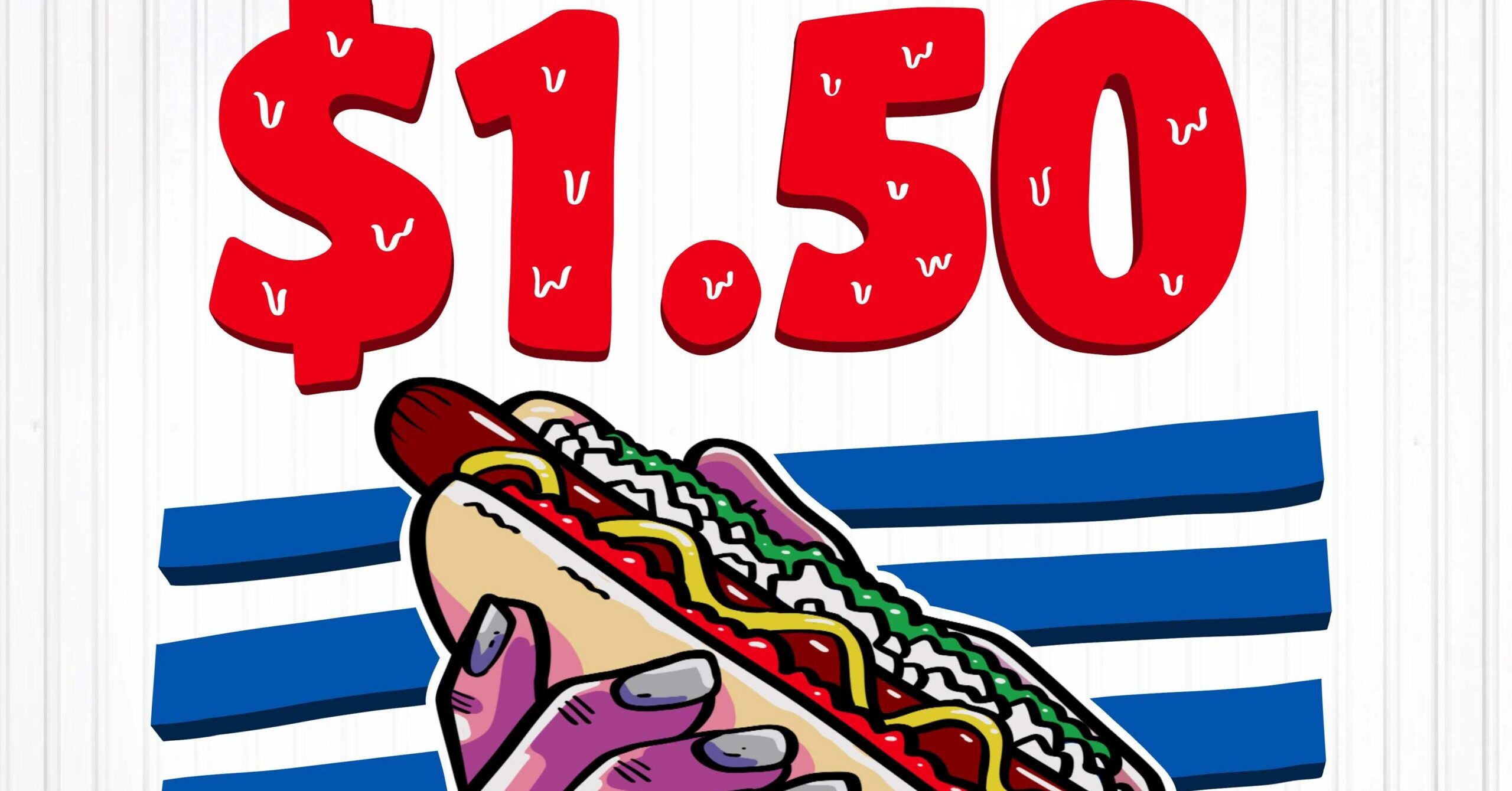
On March 18, Ron Vachris became the first CEO in recent memory to go viral for something positive. That day, he was featured in a 41-second Instagram video he took on his lunch break. In it, he orders one of his company’s signature $1.50 hot dogs, sits down at a food court table, unsheaths the quarter-pound-plus frankfurter, and takes a huge bite.
While he’s polishing off that famous Costco weiner, he looks into the camera and says, “The hot dog price will not change as long as I’m around.” The clip piled up nearly 9 million views in a single day.
As soon as the post went up, Vachris started receiving messages. Most of them, he tells me over email, went something like this: “It looks like you have enjoyed many hot dogs over the years.”
The overwhelmingly enthusiastic response to the video surprised Vachris, who started at Costco as a forklift driver. “This was done with a cellphone in a warehouse,” he says. “And that’s us, no frills!” He knows the truth: The flowers were not for him. “The Costco hot dog is the star,” he says before dressing up his zinger with a little extra mustard. “I was just along for the ride.”
That might sound like cheeky corporate propaganda, but Vachris is right. There is no fast food item as beloved as the Costco hot dog. For a buck fifty—the price has stayed the same since it was introduced in the ’80s—you get an all-beef dog and a fountain soda (or now, a bottle of water). In the 2025 fiscal year, the warehouse club reportedly sold 245 million of those combos. There’s a reason why Julia Child herself used to eat two Costco dogs at a time with mustard and sauerkraut.
The fact that the Costco dog is inflation proof doesn’t hurt its case, either. “It costs $1.50, and it doesn’t taste like nuclear waste to most people,” says Jamie Loftus, author of the book Raw Dog: The Naked Truth About Hot Dogs. “Because there are other $1.50 hot dogs out there. They’re very, very rare now. But even rarer is that you would recommend them to someone or eat them out of anything other than a need for survival.”
In a world where the McDonald’s Dollar Menu is long gone, a 7-Eleven dog costs over $2, and it’s a challenge to stay on budget at Taco Bell, the Costco frank stands alone. It is America’s greatest hot dog. And the country’s last great deal.
For cheesemongers in the United States, these should be creamy times.
“The Big Cheese,” a documentary about mongering, opens at the IFC Center in Manhattan next month, bringing the arts of slicing, wrapping and spieling great cheese to the big screen. Last year, the gold medal at the Mondial du Fromage, a biennial cheesemongering competition in Tours, France, was won by an American for the first time, the culmination of the home team’s decade-long quest to gain the respect enjoyed by European mongers.
There are reasons to celebrate on the public-health front, too. A wedge of cheese reigns in glory near the top of the newly inverted food pyramid the federal government put out in 2025.
Few mongers are cheering, though. They are deeply anxious about the future of their profession.
A chaotic barrage of tariffs and a war in the Middle East have driven up the prices of many cheeses, both imported and domestic. Grocery chains increasingly stock grab-and-go hunks of cheese vacuum-sealed in plastic, slashing jobs for mongers and selling at prices that independent counters can’t match. Smaller stores have trouble finding bright, curd-curious young people who will take minimum-wage pay or just above it to work on their feet all day caring for dense wheels streaked with entrancingly pungent blue mold and luxurious triple-cream rounds that drip like honey.
Our local Turners Dairy informed my grocery store that they had a new time-limited Strawberry Lemonade, so my manager bought a case. It came in today, and I snagged one to try it. (I’m typically a Snapple kind of guy).
Ok, so not trying to be too rude to Turners here, but what they actually did was combine their Lemonade with an orange concentrate, which they are marketing as Strawberry Lemonade. Total bait and switch. It has no strawberry at all. Not ingredient-wise. Not taste wise.
I for one think its total shit. If you are in this region, and are curious to try it, just don’t. And if you work for Turners, please learn to understand the difference between strawberry and orange. They’re not even in the same family of taste.
Kind of a local post for the Pittsburgh region.
Our local Turners Dairy informed my grocery store that they had a new time-limited Strawberry Lemonade, so my manager bought a case. It came in today, and I snagged one to try it. (I’m typically a Snapple kind of guy).
Ok, so not trying to be too rude to Turners here, but what they actually did was combine their Lemonade with an orange concentrate, which they are marketing as Strawberry Lemonade. Total bait and switch. It has no strawberry at all. Not ingredient-wise. Not taste wise.
I for one think its total shit. If you are in this region, and are curious to try it, just don’t. And if you work for Turners, please learn to understand the difference between strawberry and orange. They’re not even in the same family of taste.
I just made some, pretty much like this recipe. It tastes amazing. Always buy the cheap veggie broth powder, not the organic one. The organic one lacks msg, which makes it very bland.
I just made some, pretty much like this recipe. It tastes amazing. Always buy the cheap veggie broth powder, not the organic one. The organic one lacks msg, which makes it very bland.
Apart from the sage all of them have been grown from plants I got at the nearby convenience store. Had the most success with basil and spring onions so far, but oregano sage and mint is looking promising. Thyme and coriander has not worked yet. Hoping to get to where I don’t need to buy much of them anymore and always have these on hand.
Apart from the sage all of them have been grown from plants I got at the nearby convenience store. Had the most success with basil and spring onions so far, but oregano sage and mint is looking promising. Thyme and coriander has not worked yet. Hoping to get to where I don’t need to buy much of them anymore and always have these on hand.
Inside a teaching kitchen south-east of Seoul, I coat a whole chicken – cut into eight parts – in batter and dip the pieces carefully into a bowl of powdered mix until covered in a light, fluffy layer.
A chef watches intently. “Don’t rub it,” he says. “Keep it delicate.”
The chicken, already brined in what I’m told is a secret marinade, goes into a fryer filled with an olive oil blend, heated to 165C. I slowly lower the pieces a third of the way, then drop them in away from myself to avoid splashing. I set a timer for 10 minutes.
This is Chicken University, a sprawling campus with a giant chicken statue at the entrance. It exists to train would-be owners of the BBQ Chicken franchise chain through a two-week residential programme. More than 50,000 people have passed through its classrooms.
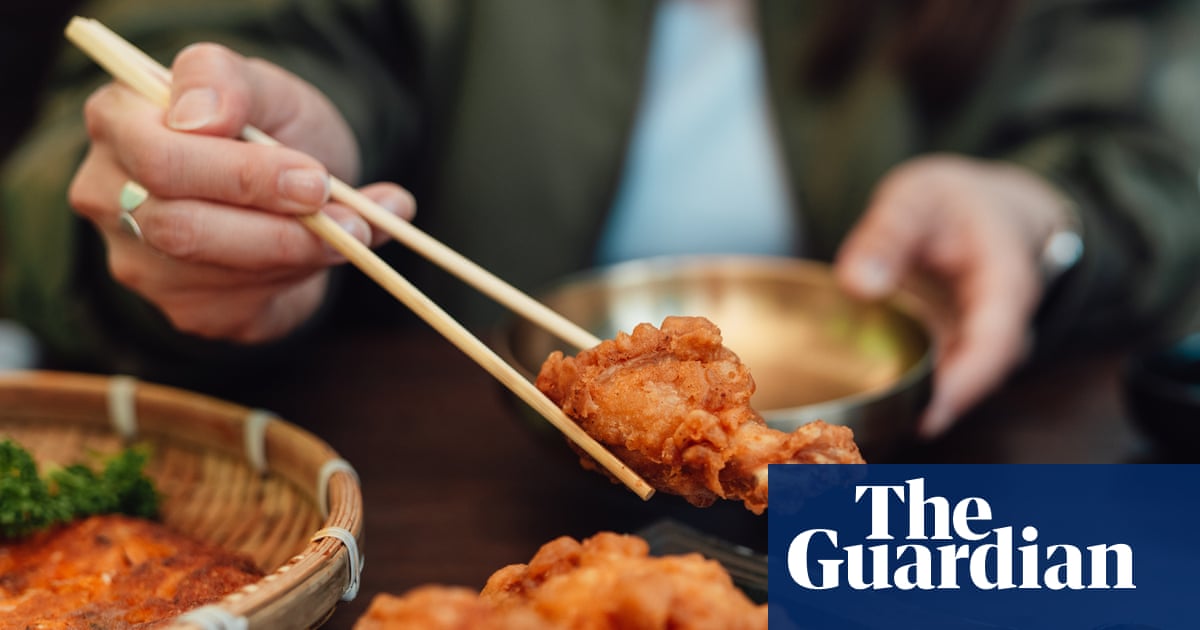
This humble dish is relatively simple, and is not even traditional Korean cuisine, but it is part of a national obsession that has gone global, both physically and culturally as part of the K-food wave. The country has been only half-jokingly dubbed the Republic of Fried Chicken.
South Korea has around 40,000 fried chicken restaurants – just a few thousand short of the number of McDonald’s branches worldwide. Most are small, family-run operations. But now, Korean chicken brands operate more than 1,800 stores in around 60 countries, nearly double the number of stores a decade ago. From London to Los Angeles, Korean fried chicken appears on the menu.
Founded by engineer Anyell Sanmiguel and research chef Palmiro Ocampo, CCORI promotes food sustainability through optimal cooking, a methodology that trains people in culinary techniques that make it possible to use all the food – preserving it, recycling it, and adding value to all its parts.
For example, the trainings highlight the nutritional value of citrus peels – such as lemons, mandarins, and oranges – and how they can be processed and used in various dishes.
“It was surprising to realize how much we were wasting. Seeing that every product you buy at the market is useful – from the seeds to the pulp to the peel, all of it – is exciting,” Llanos said, speaking in Spanish like everyone interviewed for this story.
Peru, while a source of tremendous food biodiversity, is the Latin American country with the highest levels of food insecurity and one where more than 50% of organic waste – including food – is discarded. Globally, it is estimated that nearly one-third of food ends up in the trash.
Decomposing food contributes to methane emissions that warm our atmosphere and drive climate change. Although food loss occurs throughout the entire supply chain, the kitchen is one place where individual actions can help.
So that the meat is tender I’m letting the meat simmer for 4 hours. I put ingredients like onion, ginger, mushrooms during that period. But potatoes I only put them near the end. I also sometimes add apples or pears for some sweet ingredients. Would it be best to put the apple at the same time as the potatoes or is ok to put them before?
So that the meat is tender I’m letting the meat simmer for 4 hours. I put ingredients like onion, ginger, mushrooms during that period. But potatoes I only put them near the end. I also sometimes add apples or pears for some sweet ingredients. Would it be best to put the apple at the same time as the potatoes or is ok to put them before?
I made this video because after my Breakfast Bahn Mi video, people were asking how to make the pickled carrots and daikon. So I recorded my girlfriend making it.
Enjoy.
I made this video because after my Breakfast Bahn Mi video, people were asking how to make the pickled carrots and daikon. So I recorded my girlfriend making it.
Ingredients:
•300 g King Arthur Unbleached Bread Flour
•60 g active sourdough starter (100% hydration — equal parts flour & water) 10/25/25 •8 g table salt
•250 g water (room temp to lukewarm)
• 14g olive oil in dough
· 35g olive oil in pan and on top
You gotta make this! It’s delicious!
Ingredients:
•300 g King Arthur Unbleached Bread Flour
•60 g active sourdough starter (100% hydration — equal parts flour & water) 10/25/25 •8 g table salt
•250 g water (room temp to lukewarm)
• 14g olive oil in dough
· 35g olive oil in pan and on top
Hello all, im looking for a new big food chain resturant to try, preferraby in the west coast area, looking to expand my tatse palet this upcoming year, im a very picky eater, thank you!
Hello all, im looking for a new big food chain resturant to try, preferraby in the west coast area, looking to expand my tatse palet this upcoming year, im a very picky eater, thank you!
For decades, the trademark for Gourmet magazine was held by Condé Nast, the publisher of Vogue, Vanity Fair, The New Yorker and more.
Even after the magazine was shuttered in 2009, devastating the food literati, the company renewed the trademark. Until recently.
On Tuesday, Gourmet will be rebooted as an online newsletter on the platform Ghost. Like its eponymous predecessor, it will prioritize publishing words and recipes with complexity. Unlike old Gourmet, it will be operated by five 30-something journalists, without the infrastructure of a media conglomerate.
The new Gourmet joins a wave of worker-owned publications eschewing corporations such as Condé Nast, with journalists taking on more entrepreneurial roles as large media employers shrink or sell off. (Hell Gate, 404 Media and Defector also follow this model.) Contributors will be paid for the work they produce, plus a portion of profits from new subscriptions that their work attracts.
Founded in 1941, Gourmet magazine was one of several titles closed during the financial crisis. Edited by Ruth Reichl for its last decade, the magazine was more intellectual, worldly and elite than, say, Bon Appétit, its Condé cousin, which is still in circulation. It published David Foster Wallace’s famous essay “Consider the Lobster” and the Pulitzer Prize winner Annie Proulx’s first short story. James Beard was Gourmet’s restaurant critic for years.
In this spirit, the new founders dismissed questions about their immediate video or podcast plans. “Good writing is really cool,” said Nozlee Samadzadeh, a co-founder who is employed as a software engineer at The New York Times. “We’re going to see where we go after that.”
I am very excited to meet you and introduce myself properly - I go by Greenbeard and have been co-opted as a new moderator of this lovely community, and promise will do my best to help run everything nice and smoothly alongside @quercus@slrpnk.net and @anarchistartificer@slrpnk.net
Check out new food help resources on the Wiki!
One of the things we started working on together with Quercus is this List of resources on how to stay fed this winter with the weather what it is and economy going to shit, it is important that everyone knows how to access these resources for their own sake as well as their community. And if these are not of use to you, maybe it would be a cool New Year’s thing to get involved with them as a volunteer? This wiki is like a community fridge, take what you need and leave what you can, as you can see it is still very much Work in Progress, so if you have an idea to add to it, definitely do so (you can log into the wiki with the same login and password that you use for SLRPNK.NET) or let us know your ideas in the comments here or in the chat.
Yeah, I said chat!
Did you know that you can come over and hang out with us and talk all things solarfood in our brand new chat? Now you know! Again, you can use the exact same credentials as you use for SLRPNK.NET, how convenient is that?!
Say hi!
Also, say hi in the comments, let us know about all the cool and interesting things that you found out about everything and anything foor and/or solarpunk related, or maybe you have an amazing project/plan/idea to do in 2026? I’d love to hear it!
Friends
Also, show some love to a new community here, !foodnotbombs@slrpnk.net, it is an amazing initiative; I personally was a member of Food Not Bombs collectives in two different cities that I lived, definitely go and give them a look!
BTW, the graphic in this post is “Solarpunk Anarchy” by Sean Bodley at Story Seed Library licensed CC-BY-SA 4.0, definitely go and give him a good look, and some monies if you can!
My college roommate stumbled into running a couple of pizza places a bit over 20 years ago. He went with flat-rate pricing, because, honestly, pizzas are really cheap to make.
$9.99, any toppings (within reason). I think they were 16 inches (only one size as well). I’d go up to visit from time to time, and he’d tell me to make myself a fucking pizza. The dough was proofed and the toppings at hand. Not sure what the health department would think about that, but they were very good pizzas.
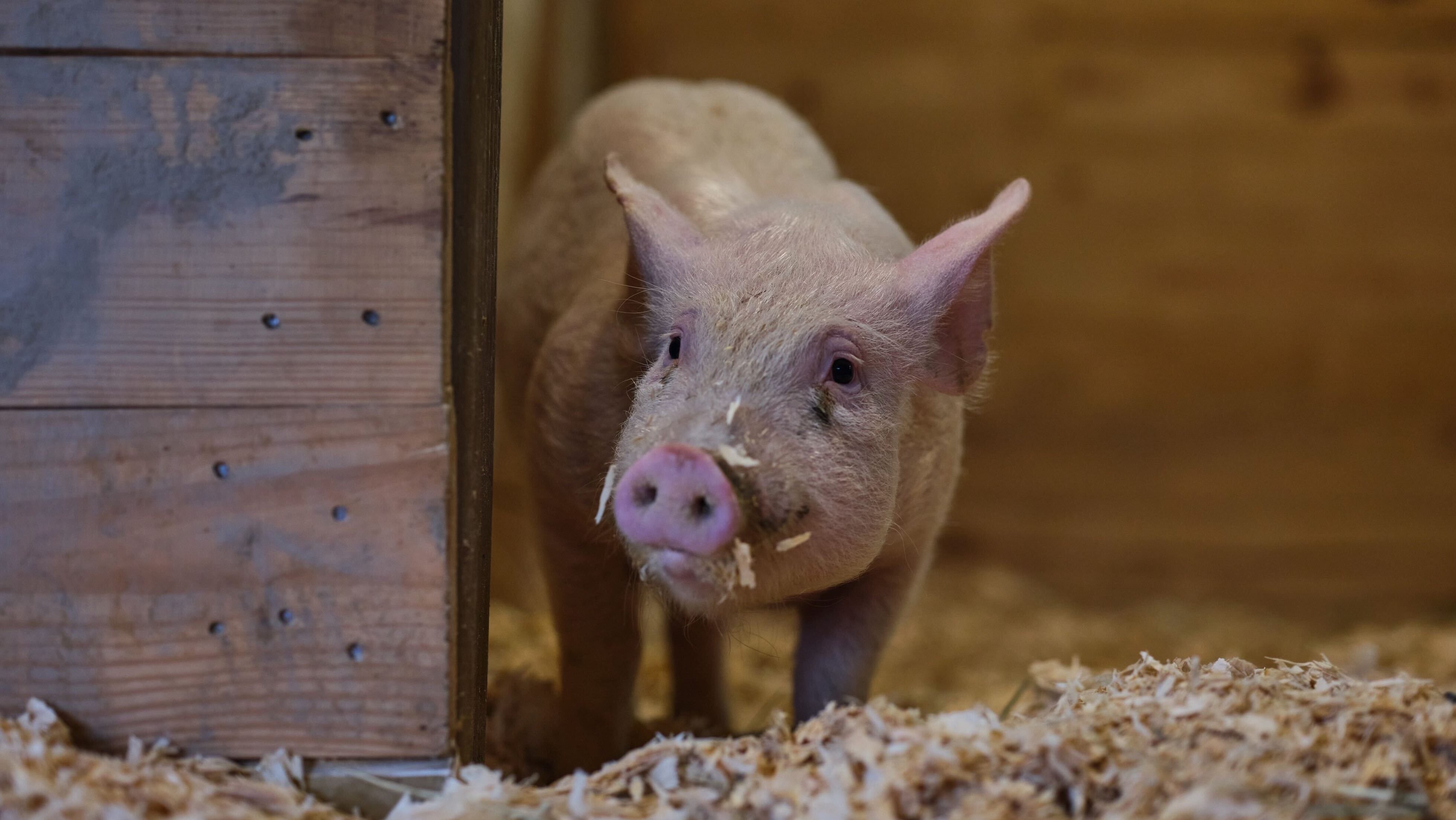
I’m eating Dawn the Yorkshire pig and she’s quite tasty. But don’t worry. She’s doing perfectly fine, traipsing around a sanctuary in upstate New York. (Word is that she appreciates belly rubs and sunshine.) I’m in San Francisco, at an Italian joint just south of Golden Gate Park, enjoying meatballs and bacon not made of meat in the traditional sense but of plants mixed with “cultivated” pork fat. Dawn, you see, donated a small sample of fat, which a company called Mission Barns got to proliferate in devices called bioreactors by providing nutrients like carbohydrates, amino acids, and vitamins — essentially replicating the conditions in her body. Because so much of the flavor of pork and other meats comes from the animal’s fat, Mission Barns can create products like sausages and salami with plants but make them taste darn near like sausages and salami.
I’ve been struggling to describe the experience, because cultivated meat short-circuits my brain — my mouth thinks I’m eating a real pork meatball, but my brain knows that it’s fundamentally different and that Dawn (that’s her pictured above) didn’t have to die for it. This is the best I’ve come up with: It’s Diet Meat. Just as Diet Coke is an approximation of the real thing, so too are cultivated meatballs. They simply taste a bit less meaty, at least to my tongue. Which is understandable, as the only animal product in this food is the bioreactor-grown fat.
Cultivated pork is the newest entrant in the effort to rethink meat. For years, plant-based offerings have been mimicking burgers, chicken, and fish with ever-more convincing blends of proteins and fats. Mission Barns is one of a handful of startups taking the next step: growing real animal fat outside the animal, then marrying it with plants to create hybrids that look, cook, and taste more like what consumers have always eaten, easing the environmental and ethical costs of industrial livestock. The company says it’s starting with pork because it’s a large market and products like bacon are fat-rich, but its technology is “cell-agnostic,” meaning it could create beef and chicken, too.
In 2024, nearly three out of every four restaurant orders were not eaten in a restaurant, according to data provided to me by the National Restaurant Association, a trade group. The share of customers using delivery specifically, as opposed to picking up takeout or going to a drive-through, more than doubled from 2019 to 2024. In a recently released poll by the association, 41 percent of respondents said that delivery was “an essential part of their lifestyle.” For Millennials and Generation Z—the apex consumers of today, and of tomorrow too—it’s apparently even more essential: More than half of adults under 45 use delivery at least once a week, and 13 percent use it once a day. Five percent use it multiple times a day. But the delivery boom isn’t confined to young people or to urbanites: About one in eight Baby Boomers uses delivery once a week, and so does about one in five rural dwellers. We are a nation of order-inners. A world, really—earlier this year, DoorDash announced a deal to acquire the British delivery service Deliveroo for $3.86 billion; the new, combined company will have 50 million monthly active users, spread over more than 40 countries.
For as long as fast-food and pizza joints have existed, certain restaurants have been defined by, and designed for, takeout and delivery. But delivery has now come for what industry analysts call “full-service restaurants”—that is, the types of places where a server guides you through your meal from start to finish, or at least used to. These days, 30 percent of those restaurants’ orders are consumed somewhere else, according to the National Restaurant Association. The fanciest, most famous restaurants are still doing mostly table service, but just about every other establishment has been conscripted into the army that ferries hot food out of professional kitchens and into American mouths 24 hours a day, 365 days a year. Meanwhile, the longtime industry analyst Joseph Pawlak told me, “you could shoot a cannon” through many dining rooms on a Tuesday night.
In effect, delivery has reversed the flow of eaters to food, and remade a shared experience into a much more individual one. If communities used to clench like a fist around their restaurants, now they look more like an open palm, fingers stretched out as far as possible, or at least to the edge of the delivery radius.
Despite traveling to Vietnam a half dozen times to write about the cuisine, until now I had overlooked phở as a subject, perhaps because of its ubiquity on every Vietnamese restaurant menu. But one day while enjoying a bowl of it in New York City, I thought: Phở is the national dish of Vietnam, devoured from Ha Long Bay to the Mekong Delta. But where did it actually originate?
I knew its roots were in northern Vietnam. I also knew that phở bắc—northern phở—is different from the phở I’d been eating most of my life. In the U.S., we’re usually served the southern Vietnamese version, whose broth is sweeter and more herbaceous, and the dish comes with a side of sprouts, Thai basil, cilantro, hoisin sauce, sriracha, and jalapeño. In the north, the broth lacks the same sweetness, and the side accompaniments are usually pickled garlic and sliced red hot peppers. I’d fallen hard for northern-style phở.
When I asked friends in Vietnam about its origins, their responses varied. Some said phở—most easily pronounced fuh for English speakers—was first created in Hanoi. Others pointed to an outlying province. To complicate matters, theories differed about the influence of French colonialism and Chinese occupation. To trace the soup’s roots, not to mention find the best bowl of phở in Vietnam, I decided to make a pilgrimage to the capital, Hanoi.
Turns out getting takeout takes longer than cooking at home. I of course would make a vegan version, but that would also save like half the price of the meat.
Turns out getting takeout takes longer than cooking at home. I of course would make a vegan version, but that would also save like half the price of the meat.
In my area, cooking wine does not exist. I can only easily find Sherry (for drinking) at 15% alcohol. I was told it should have 20% to be shelf-stable for ~6—24 months.
There is white port at 19½% alc. Not sure if that differs much from sherry in taste, but I suppose 19½% is close enough for shelf-stability.
Should I add table salt to the sherry to make it shelf stable? Or add brandy? Or switch to white port? Or even just brandy?
My main use: less than ~½—¾ shot mixed with corn starch as the thickening basis for stir-fries. I don’t really use sherry for anything else. I don’t even drink it because I so commonly use it in stir-fries that as a straight drink it’s like drinking Kung Pao Chicken because I can’t mentally dissociate it.
I also wonder if I should be looking for dry sherry, or simple sherry. I want the stir-fries to have the sweetness of strong sherry, so I guess dry variants would be contrary to that.
update – still unclear
Folks are saying ~12—15% is enough for shelf-stability. The non-fortified wines I have are in that range. So I’m baffled because I believe normal wine turns to vinegar if left at room temp after opening.
I also wonder if Sherry is only very slightly fortified since 15% isn’t much more than normal wine.
Grab a handful of noodles and place in small pot, then cover with water.
Start boiling noodles on high while adding bullion.
Chop up some onions and garlic and add to pot with whatever veg (I used 1/2 lb frozen green beans). Add more veg than visually makes sense because the noodles will get bigger). Reduce heat.
Chop up leftover chicken – including skin – and throw in pot. If you have fussy kids, chop skin small enough that it’ll blend in. I had leftover rotisserie.
Add some cheese and spices once the chicken is warmed up. I used cheddar for color and Herbes de Provence.
Turn off heat and gently stir in some sour cream to cool it down. Don’t go overboard. Serve in bowl with a grind of pepper on top. Eat with spoon.
I made this up because I was hungry. It worked pretty well, but the bouillon made it a bit too salty.
Grab a handful of noodles and place in small pot, then cover with water.
Start boiling noodles on high while adding bullion.
Chop up some onions and garlic and add to pot with whatever veg (I used 1/2 lb frozen green beans). Add more veg than visually makes sense because the noodles will get bigger). Reduce heat.
Chop up leftover chicken – including skin – and throw in pot. If you have fussy kids, chop skin small enough that it’ll blend in. I had leftover rotisserie.
Add some cheese and spices once the chicken is warmed up. I used cheddar for color and Herbes de Provence.
Turn off heat and gently stir in some sour cream to cool it down. Don’t go overboard. Serve in bowl with a grind of pepper on top. Eat with spoon.
We could tag the titles of posts, for types of post or food, say [BBQ] at the beginning then space and the title. I saw others are using [Homemade] which is awesome. By having it at the beginning it’s easier to scan. Maybe another for [Cookbook] – any other tag examples we could do?
Update 2023/07/27:
If your post includes a recipe please tag [Recipe] at the beginning of the title.
If your post is something you cooked, [Homemade]
If your post includes external resources (cookbooks, etc… ) [Resource]
If your post is something you just ate [Foodie]
Thoughts?
We could tag the titles of posts, for types of post or food, say [BBQ] at the beginning then space and the title. I saw others are using [Homemade] which is awesome. By having it at the beginning it’s easier to scan. Maybe another for [Cookbook] – any other tag examples we could do?
Update 2023/07/27:
If your post includes a recipe please tag [Recipe] at the beginning of the title.
If your post is something you cooked, [Homemade]
If your post includes external resources (cookbooks, etc… ) [Resource]