
0
0
posts tagged #history




Context: First underwater portrait, and the first taken by a camera designed for underwater photography.
Context: First underwater portrait, and the first taken by a camera designed for underwater photography.





Context: Developed by the UK’s Landship Committee to break the western front trenches, early tanks from the Mark I to Mark V evolved rapidly. Powered by low-horsepower engines, early models required four crew members just to steer and reached top speeds of only 6-9 km/ph. Mechanical failures, unsprung track rollers, and engine overheating under heavy load caused frequent breakdowns on the battlefield,.
Context: Developed by the UK’s Landship Committee to break the western front trenches, early tanks from the Mark I to Mark V evolved rapidly. Powered by low-horsepower engines, early models required four crew members just to steer and reached top speeds of only 6-9 km/ph. Mechanical failures, unsprung track rollers, and engine overheating under heavy load caused frequent breakdowns on the battlefield,.

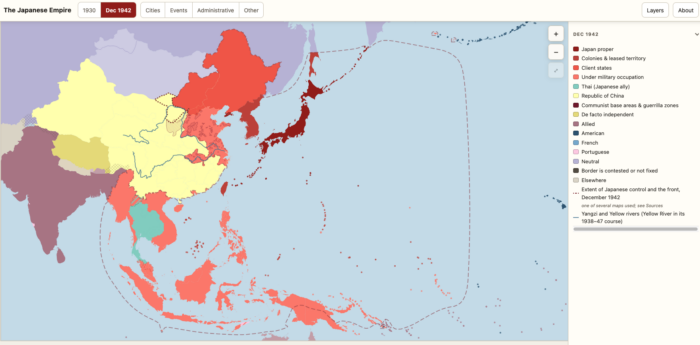
In the occupied territories of China, World War II was waged using methods that went far beyond conventional military confrontation. In the headquarters of the Japanese North China Area Army, a strategy was formulated that aimed not just to defeat enemy troops, but to totally scorch the very human environment itself.
This doctrine entered history under the name “The Three Alls Policy” (Japanese: 三光作戦 — Sankō Sakusen), which literally translates to: “Kill All, Loot All, Burn All.”
History
Prior to 1940, the Japanese command attempted to use classical counter-insurgency methods but was met with fierce resistance. Chinese guerrillas literally “dissolved” among the peasantry, receiving food, shelter, and intelligence from them. For the Imperial Army, the answer became obvious: if you cannot catch the fish, you must drain the ocean.
General Yasuji Okamura (pictured) authorized the transition to scorched-earth tactics. Officially, in Japanese documents, this was called the “Strategy of Clean-up and Destruction,” but soldiers on the ground knew it by three simple verbs:
“Kill All” (Satsu-kō): Any resident of a village in the operation zone—be it an elderly person, a woman, or an infant—was automatically equated to a guerrilla or their accomplice. Populations were often exterminated preemptively and entirely.
“Loot All” (Raku-kō): From those peasants who were not killed, absolutely everything was seized: food, livestock, clothing, and seed grain. Entire regions were condemned to man-made famine to deprive the guerrillas of any means of supply.
“Burn All” (Shō-kō): Residential houses, barns, Buddhist temples, and other structures were committed to the flames. The land outside Japanese fortifications was to be turned into a lifeless wasteland.
The Mechanics of the Void
The implementation of this policy bore little resemblance to the Nazi “death conveyor” (industrialized killing); it more closely resembled a locust raid. Japanese punitive detachments would surround villages, herd the residents into one place, and carry out mass executions—burying people alive, machine-gunning them, or locking them in barns and setting them on fire. Those who managed to flee into the forests died of cold and hunger, as their homes and food supplies had been turned to ash.
Furthermore, the “Three Alls Policy” was actively combined with the use of biological and chemical weapons. Special units (including the infamous “Unit 731” and its branches) poisoned wells with cholera and typhoid pathogens and dropped plague-infested fleas over agricultural lands to permanently establish “dead zone” status for rebellious provinces.
The Price of Silence
According to historians’ estimates, more than 2.7 million civilians were killed during the implementation of the Sankō Sakusen policy in the northern provinces of China alone. Millions more became refugees, and the economic infrastructure of entire regions was wiped off the face of the earth.
The tragedy of the “Three Alls” policy also lies in the fact that, for a long time after the war, these crimes remained in the shadows. The Tokyo Trials focused primarily on the Nanjing Massacre and crimes against Western Allies. Many officers who planned and carried out the scorched-earth tactics in China safely returned to civilian life in postwar Japan.
The Geography of Terror
The Sankō Sakusen policy was officially and purposefully applied by the Japanese mainly in Northern China (in provinces like Hebei, Shanxi, and Shandong), where the guerrilla movement was strongest. This means that the 2.7 million deaths were the result of extermination within a relatively localized territory, rather than across the entire country.


What is Iran…the 4th or 5th Vietnam War? I have lost track…
What is Iran…the 4th or 5th Vietnam War? I have lost track…
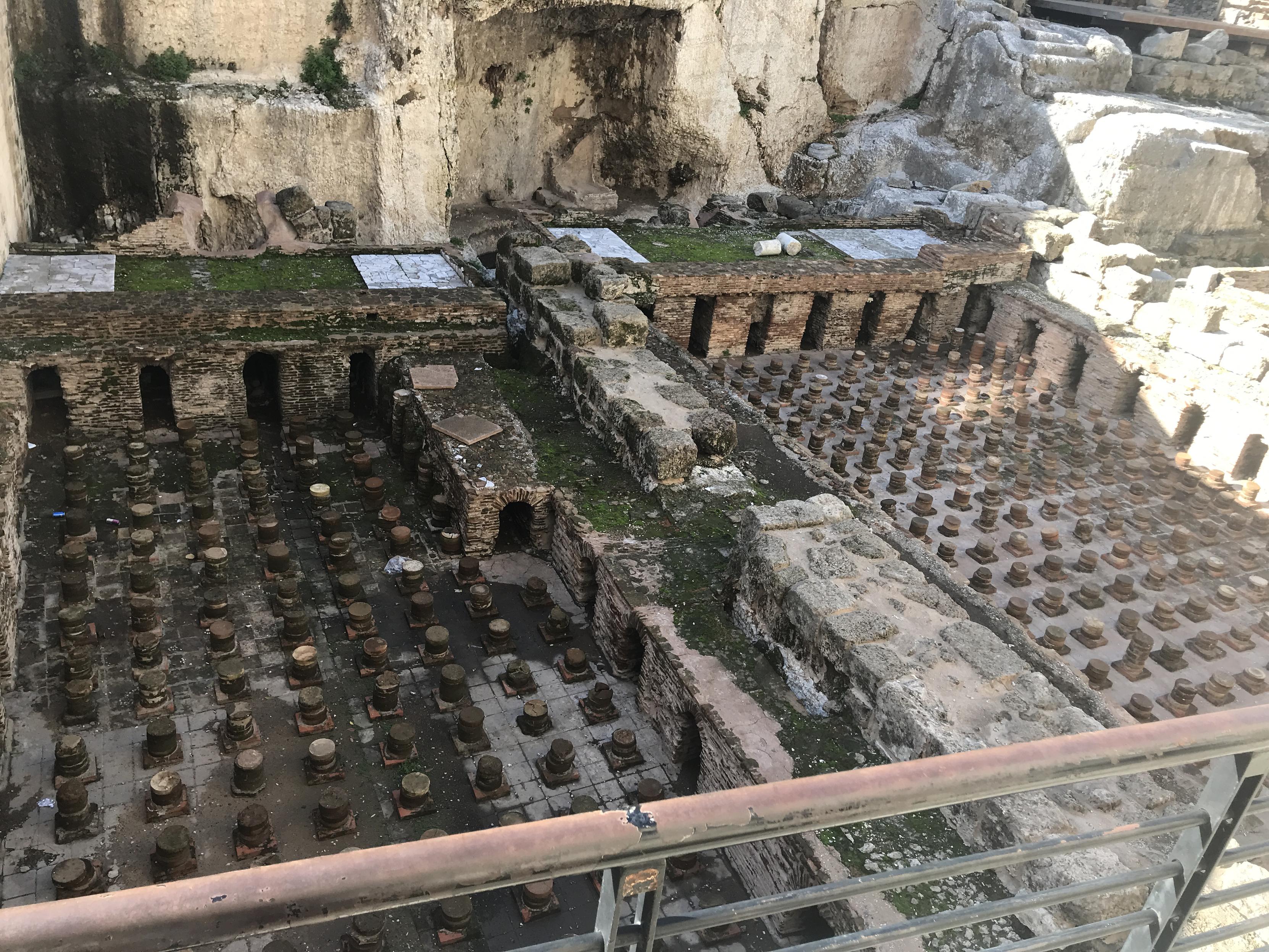
Roman baths in downtown Beirut, Lebanon [OC]
@histodons #RomanSiteSaturday
#MiddleEast #geschichte #histodons #history #histoire #antiquité #antiquity #antike #Lebanon #beirut #beyrouth #AncientHistory
Roman baths in downtown Beirut, Lebanon [OC]
@histodons #RomanSiteSaturday
#MiddleEast #geschichte #histodons #history #histoire #antiquité #antiquity #antike #Lebanon #beirut #beyrouth #AncientHistory

Context (From Reddit): Sakamoto Ryōma (aka The Cowboy Samurai) was an influential politician and samurai during the Edo Period who advocated for the westernization of Japan. As an extension of his beliefs, Ryōma’s typical outfit consisted of a traditional kimono and his katana along with leather cowboy boots and a Smith & Wesson Model 2 revolver.
On March 9, 1866, several assassins were sent to silence Ryōma for his opposition to the Tokugawa Shogunate. Ryōma was warned by an employee of the inn he was staying (who would later become his wife), and managed to grab his revolver just as the assassins arrived. Unprepared for a gunfight, one assassin was killed and the rest driven off or wounded by Ryōma, who escaped. Unfortunately, he would be successfully assassinated a year later, just a few months before the overthrow of the shogunate.
Scholars disagree on when, exactly, Rome fell. But if you watch the new video from City 3D Timelapse above, you’ll understand the lack of debate on the question of whether it fell.
Scholars disagree on when, exactly, Rome fell. But if you watch the new video from City 3D Timelapse above, you’ll understand the lack of debate on the question of whether it fell.

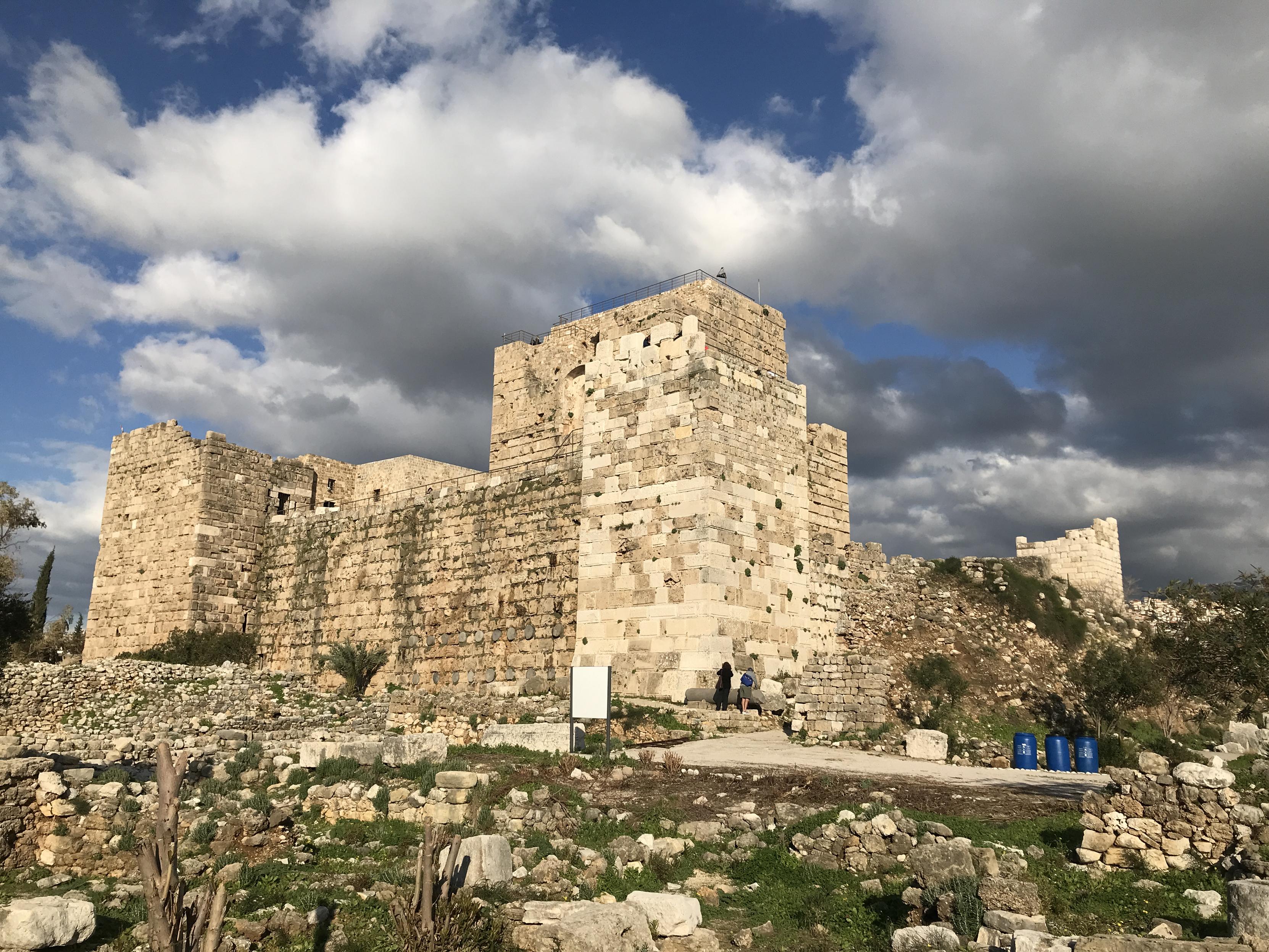
The Crusader Castle in Byblos, Lebanon [OC]
en.wikipedia.org/wiki/Byblos_C
@histodons
@medievodons
#MiddleEast #geschichte #histodons #history #histoire #antiquité #ReligiousStudies #antiquity #antike #Lebanon #MedievalHistory
The Crusader Castle in Byblos, Lebanon [OC]
en.wikipedia.org/wiki/Byblos_C
@histodons
@medievodons
#MiddleEast #geschichte #histodons #history #histoire #antiquité #ReligiousStudies #antiquity #antike #Lebanon #MedievalHistory
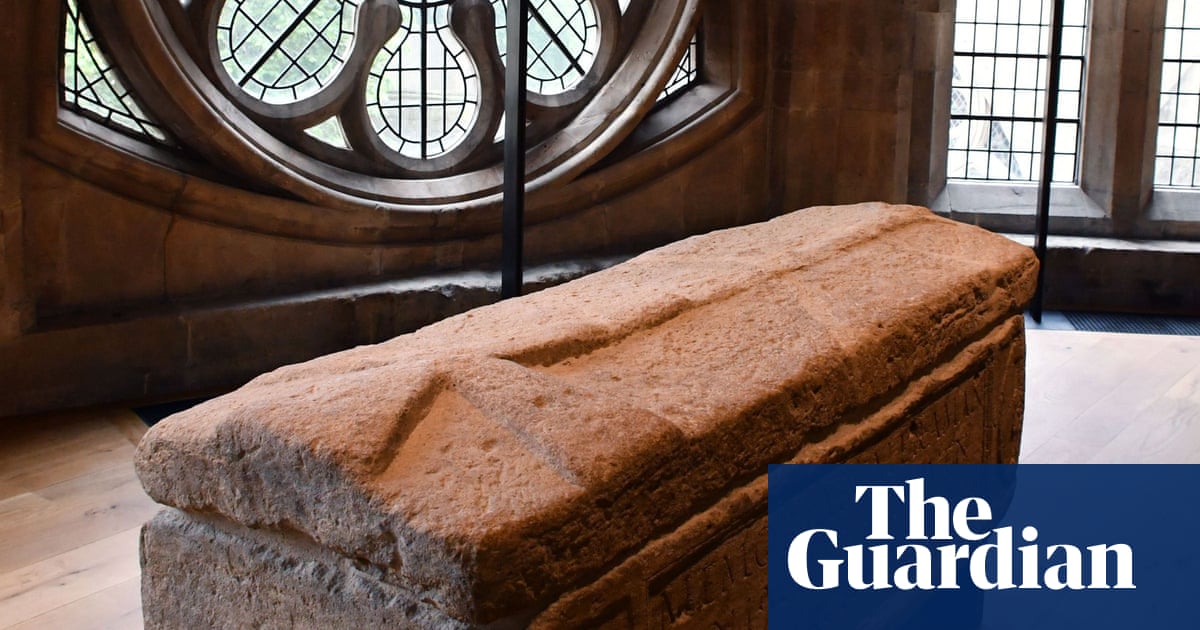

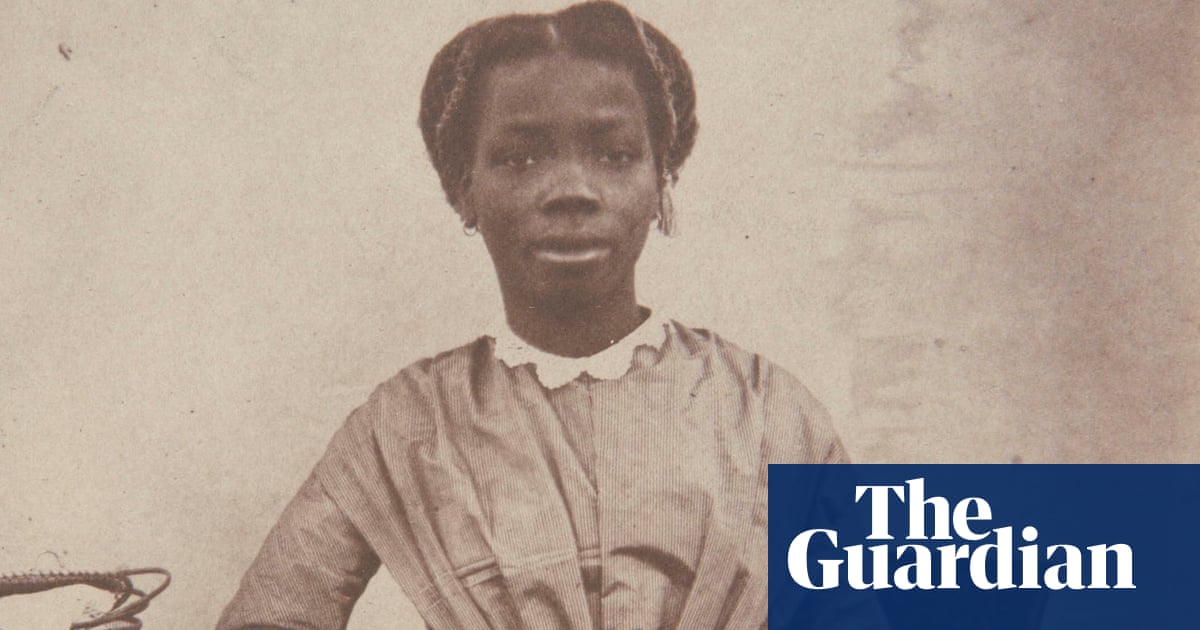


Very few articles have been written on the topic of the Holy Foreskin (known in Latin as Sanctum Praeputium), partly because in the year 1900 the Roman Catholic Church threatened to excommunicate anyone who did so.
Palazzo has been able to find at least 31 churches in Europe that claimed to have the Holy Foreskin sometime during the Middle Ages
She began to think about the foreskin of Christ, where it may be located… And behold, soon she felt with the greatest sweetness on her tongue a little piece of skin like the skin of an egg, which she swallowed. After she had swallowed it, she again felt the little skin on her tongue with sweetness as before, and again she swallowed it. And this happened about a hundred times.

I was listening to a podcast on the Slave Trade Era, the arguments and the discussions centred around the impacts of the era on the homeland of the slaves; f…
I was listening to a podcast on the Slave Trade Era, the arguments and the discussions centred around the impacts of the era on the homeland of the slaves; f…


Context: During WW2 Alan Turing was essential to the efforts to break the Nazi Enigma code. In 1952 the British government chemically castrated him for being gay, in 1954 he took his life.
Context: During WW2 Alan Turing was essential to the efforts to break the Nazi Enigma code. In 1952 the British government chemically castrated him for being gay, in 1954 he took his life.

Context: Martin Luther had issues with the papacy and their ways. Writing a list of ninety-five theses which he posted on the door of a church starting the reformation and leading to around 17 million Europeans dying in religious wars over the following centuries.
Context: Martin Luther had issues with the papacy and their ways. Writing a list of ninety-five theses which he posted on the door of a church starting the reformation and leading to around 17 million Europeans dying in religious wars over the following centuries.
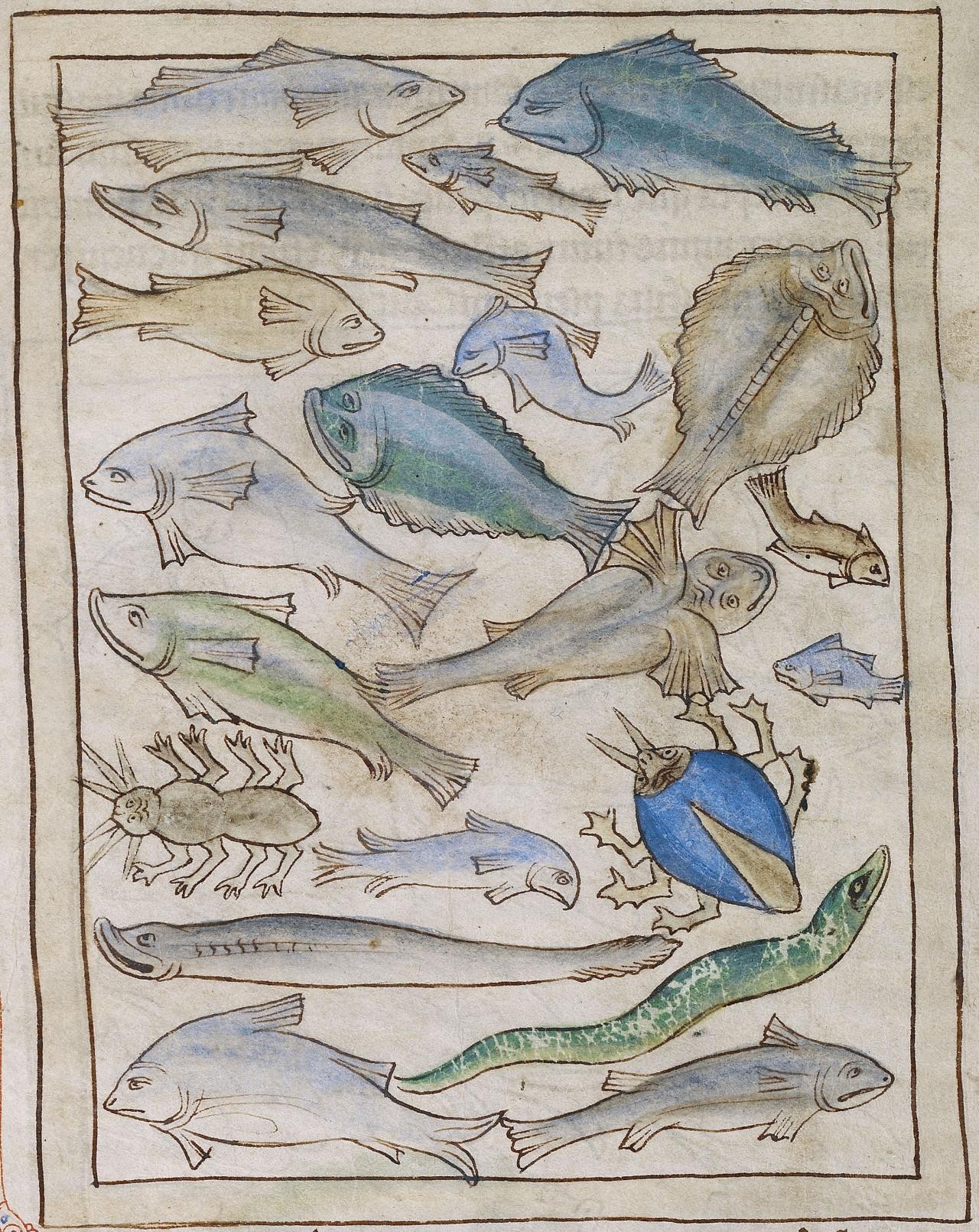
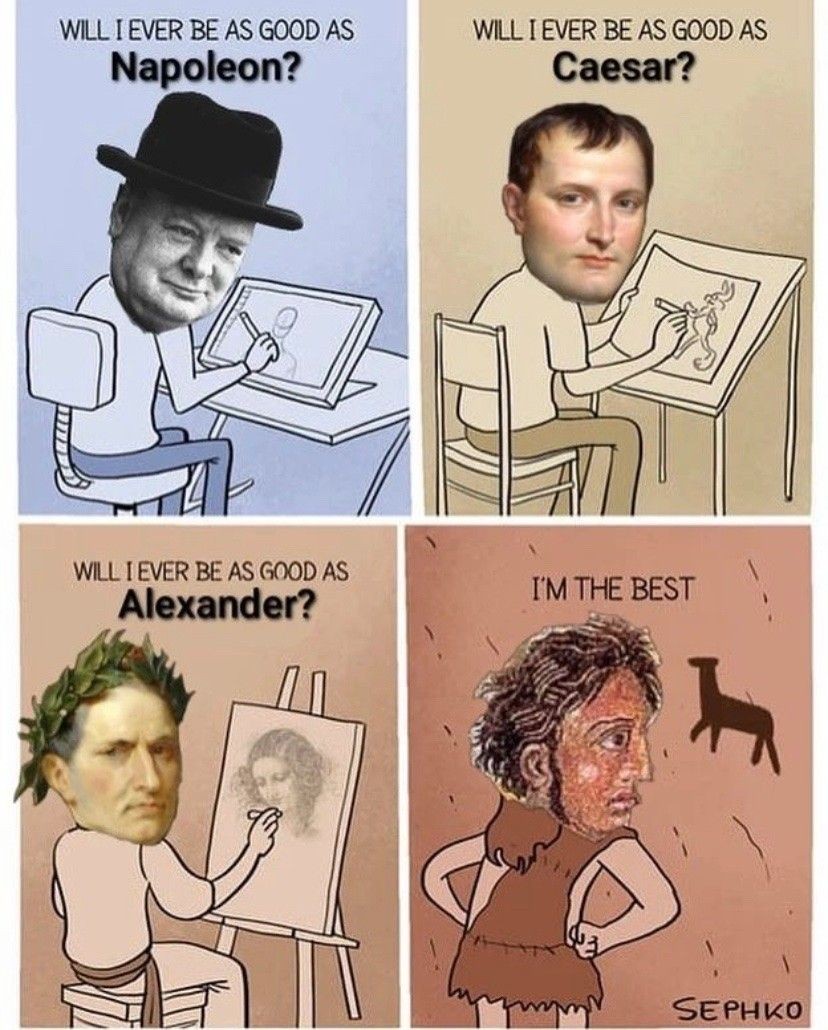
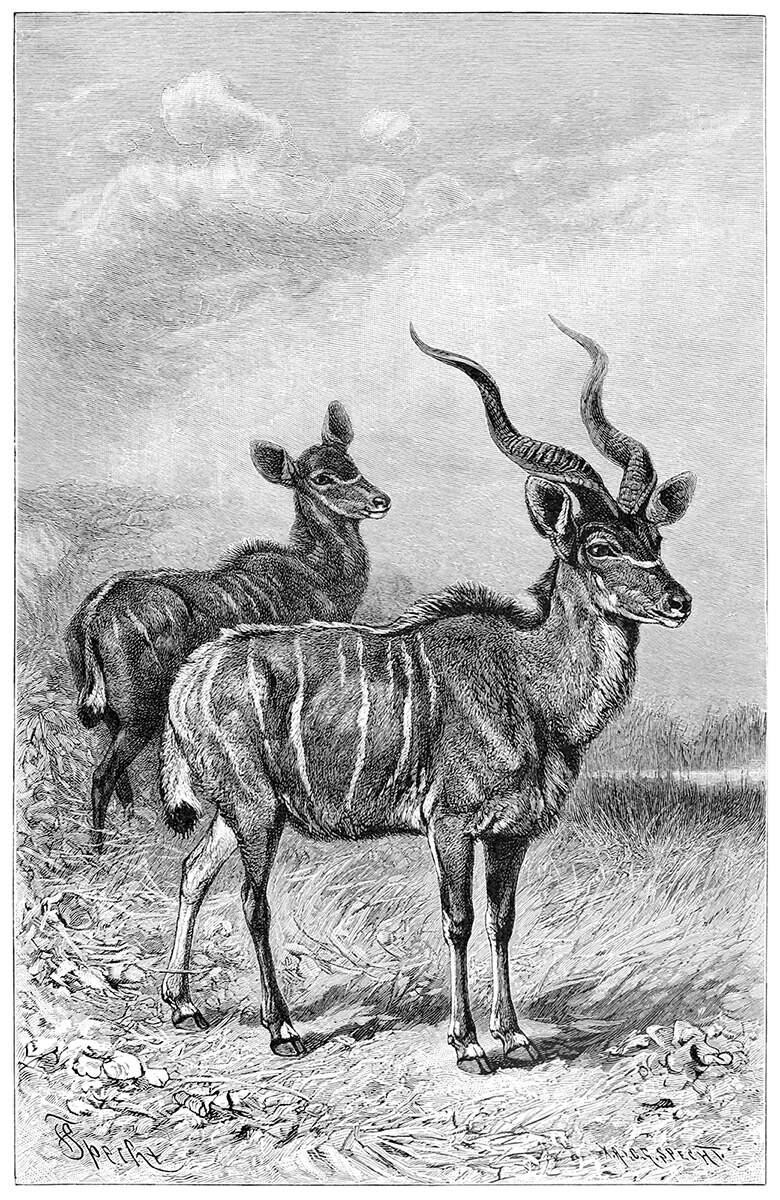
From “Brehms Tierleben,” vol. 3 by Alfred Edmund Brehm
From “Brehms Tierleben,” vol. 3 by Alfred Edmund Brehm

Context: Simón José Antonio de la Santísima Trinidad Bolívar Ponte y Palacios Blanco also known as Simón Bolívar was a revolutionary figure and namesake for the country of Bolivia.
The Victorian Era is named after Queen Victoria and her depressing clothing choices.
Caesar Salad is named after a Mexican Italian chef, Caesar Cardini. Who is well known for overseeing the Roman Republics collapse into an empire.