

0
Global Encryption Coalition
Open Letter: Irish Communications (Interception and Lawful Access) Bill – Global Encryption Coalition
www.globalencryption.org
posts tagged #ireland
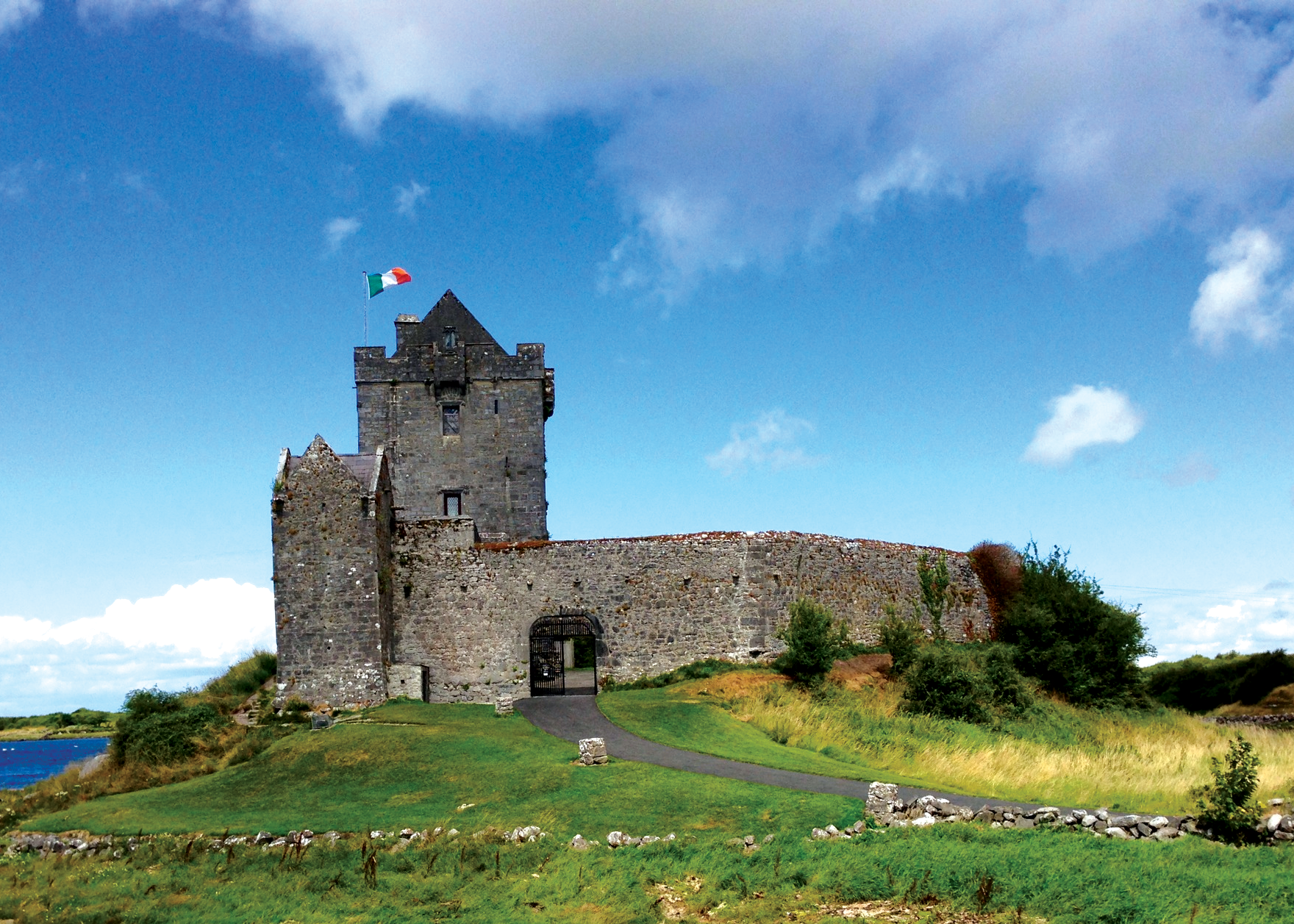

Context: Óró Sé do Bheatha ‘Bhaile is rooted in Irish history as a traditional tune that became a rebel song through centuries of political change, originally associated with welcoming Bonnie Prince Charlie during the third Jacobite rising of 1745–46 and reflecting support for his cause in Ireland. In the early 20th century Irish nationalist leaders like Patrick Pearse adapted its verses to celebrate native resistance figures such as the pirate queen Grace O’Malley and it was widely sung by Irish Volunteers during the Easter Rising and the Irish War of Independence.
Context: Óró Sé do Bheatha ‘Bhaile is rooted in Irish history as a traditional tune that became a rebel song through centuries of political change, originally associated with welcoming Bonnie Prince Charlie during the third Jacobite rising of 1745–46 and reflecting support for his cause in Ireland. In the early 20th century Irish nationalist leaders like Patrick Pearse adapted its verses to celebrate native resistance figures such as the pirate queen Grace O’Malley and it was widely sung by Irish Volunteers during the Easter Rising and the Irish War of Independence.

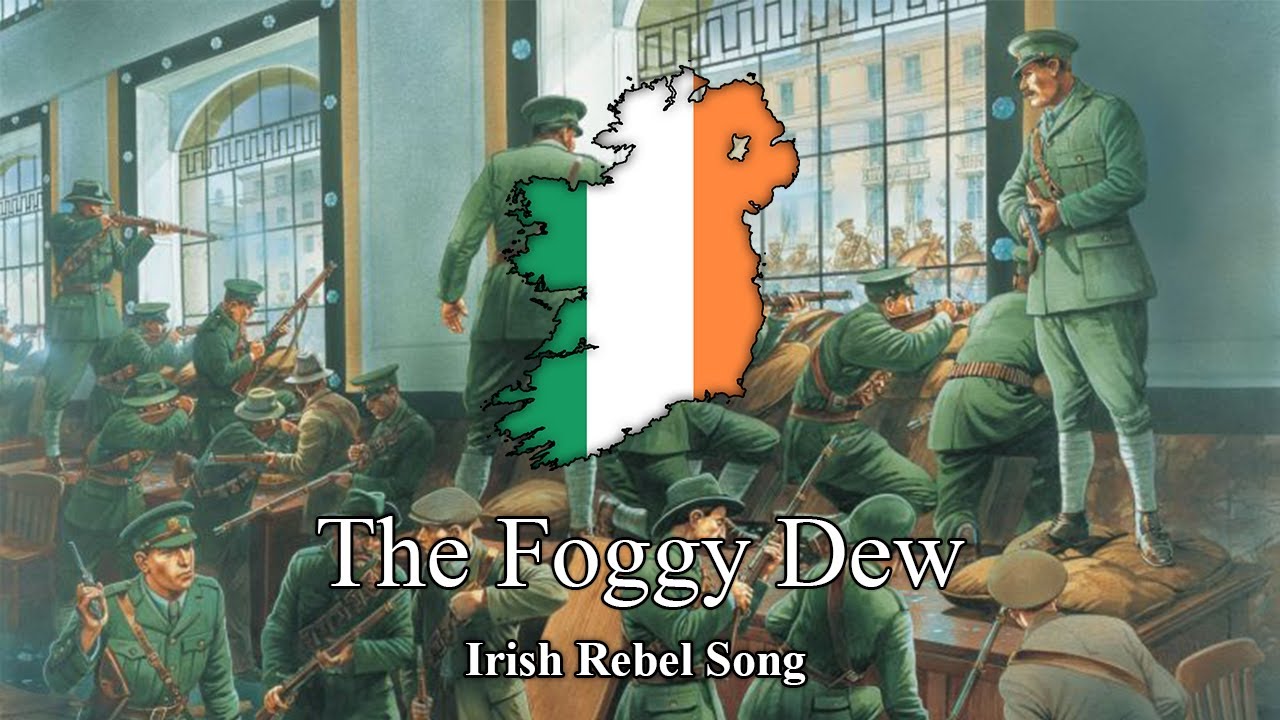
Context: The Foggy Dew is an Irish rebel song written around 1919 by Canon Charles O’Neill of County Antrim, using an older traditional melody. It was composed in the aftermath of the 1916 Easter Rising and reflects growing nationalist opposition to Irish participation in World War I under British command. The song contrasts dying for the British Empire abroad with dying for Irish independence at home, capturing a major shift in Irish public sentiment during the revolutionary period.
Context: The Foggy Dew is an Irish rebel song written around 1919 by Canon Charles O’Neill of County Antrim, using an older traditional melody. It was composed in the aftermath of the 1916 Easter Rising and reflects growing nationalist opposition to Irish participation in World War I under British command. The song contrasts dying for the British Empire abroad with dying for Irish independence at home, capturing a major shift in Irish public sentiment during the revolutionary period.

So I just created the Ireland sub feddit. You know what to do.
So I just created the Ireland sub feddit. You know what to do.
Welcome to a new Ireland community in the fediverse. Any suggestions or concerns in relation to this community please put them in this thread.
Welcome to a new Ireland community in the fediverse. Any suggestions or concerns in relation to this community please put them in this thread.
