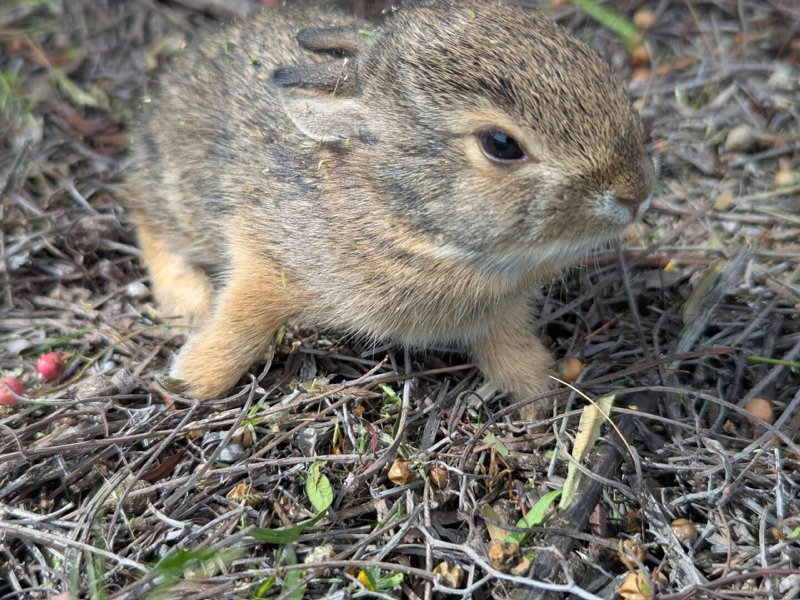
The volcano rabbit (Romerolagus diazi) (Spanish: conejo de los volcanes), also known as the teporingo or zacatuche, is a species of small rabbit that lives in pine and alder forests on volcanic slopes in Mexico. It is the only species in the genus Romerolagus and is considered to be the most primitive species among the rabbits and hares. It has small, rounded ears, short legs, a large forehead, and short, thick fur. It is one of the world’s smallest rabbits, lives in groups consisting of between two and five members, and makes burrows (underground nests) and runways (worn-down, frequently traveled surface paths) among bunchgrasses. Up to three young are produced per litter, born in nests formed from shallow depressions in the ground lined with fur and plant matter.
Uniquely among the rabbits, the volcano rabbit emits high-pitched sounds to warn other rabbits of danger, a habit common in the related pikas. It is awake and most active in the early morning and evening. Populations have been estimated as approximately 7,000 adult individuals over their entire range. Human developments surrounding the volcano rabbit’s habitat—including overgrazing, hunting, and burning of the species’ preferred scrublands—have caused significant declines in population, even in protected parks. Both the IUCN and the Mexican government consider the volcano rabbit an endangered species. It is listed on Appendix I of the CITES treaty, which is intended to restrict trade of the animal.
The times are interesting, yes, but we still have each other. I’m carbon-based, and so are you, look at all we have in common! So, I hope you have a great day! I’ll try too!
The times are interesting, yes, but we still have each other. I’m carbon-based, and so are you, look at all we have in common! So, I hope you have a great day! I’ll try too!
Meet North America’s only venomous mammal, the Northern Short-tailed Shrew!
The Northern Short-tailed Shrew is a tiny but fierce predator, subduing its prey with neurotoxic saliva.
Don’t worry, unless you are a small mammal, invertebrate, or a small amphibian, the short-tailed shrew’s venomous saliva is not medically significant to humans.
Despite their tiny size, these little hunters have a huge appetite and need to eat up to half their body weight in food a day to keep up with their metabolism.
Not exactly the kind of animal you’d expect to be venomous!
To save you a wikipedia search:
The saliva of the northern short-tailed shrew contains a kallikrein-like protease, used to paralyze and subdue its prey. The toxin is strong enough to kill small animals, up to sizes somewhat larger than the shrew itself, and results in painful bites to humans who attempt to handle the shrew. The venomous saliva is secreted from submaxillary glands, through a duct which opens at the base of the lower incisors, where the saliva flows along the groove formed by the two incisors, and into the prey. The toxin is very similar in structure to the one produced by the Mexican beaded lizard (Heloderma horridum) which independently developed its toxin from the same precursor protein.
For you true shrew-ophiles, a relatively fun article on soricidin and blarina toxin, 2 poisons found so far in the shrew venom, a little on how they work, the people that discovered the compounds, and potential pharmaceutical benefits. With a read!
It’s low effort, I admit, but providing non AI, free-to-share photographs of small mammals with words of hope feels better than despair and hopelessness. I want you to smile at the beauty of nature and the fact that I care about your mental health. Love to you!
It’s low effort, I admit, but providing non AI, free-to-share photographs of small mammals with words of hope feels better than despair and hopelessness. I want you to smile at the beauty of nature and the fact that I care about your mental health. Love to you!
It is so very hard, these days, to stay positive. You know what is the most punk rock thing you can do? Staying positive anyways. Keep up the fight, Tan Eggs sends support and love! We appreciate your efforts!
It is so very hard, these days, to stay positive. You know what is the most punk rock thing you can do? Staying positive anyways. Keep up the fight, Tan Eggs sends support and love! We appreciate your efforts!
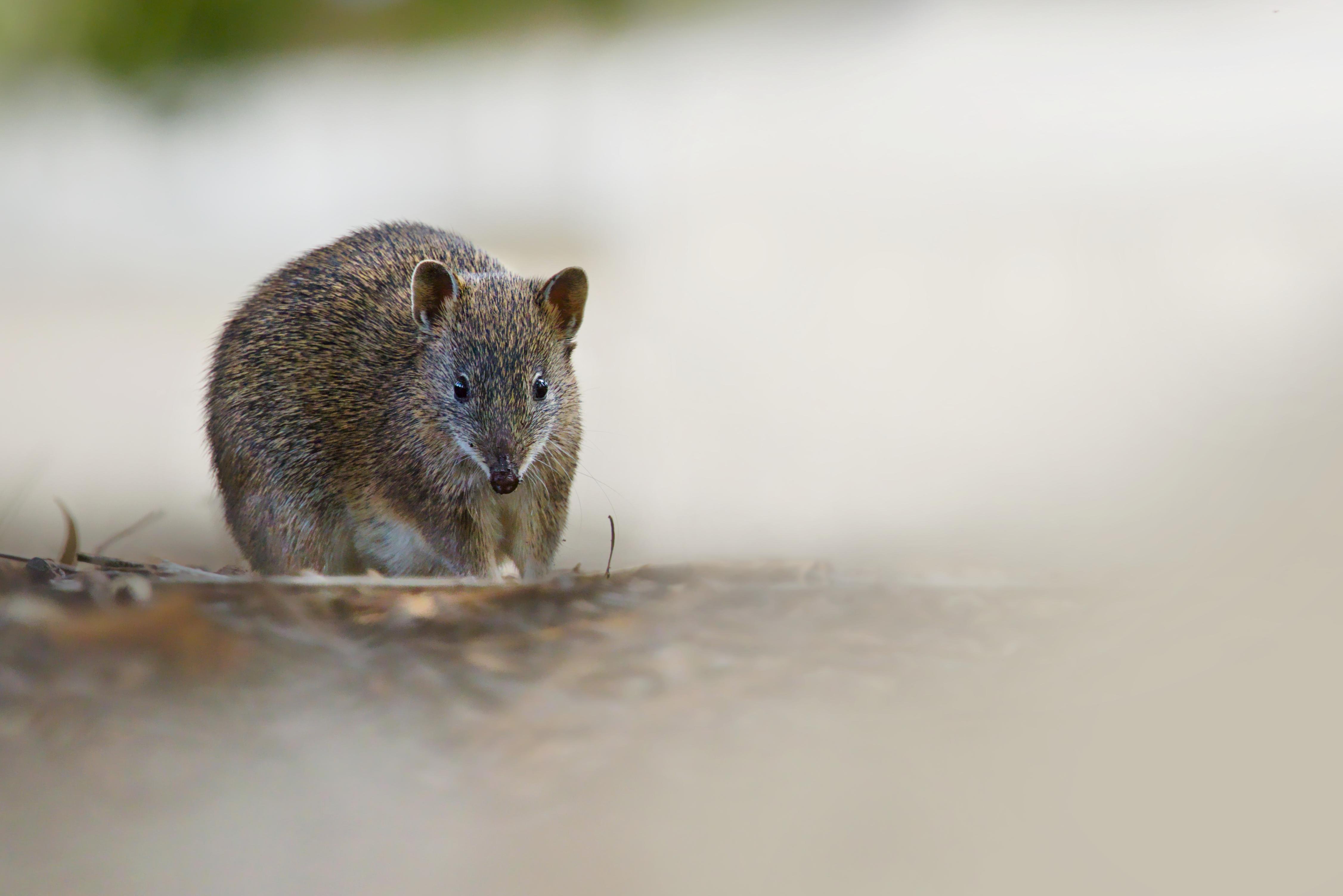
This is a small Australian marsupial; the males die after their first breeding season (which lasts two weeks) as a result of stress and exhaustion. Death by snu-snu seems like a good way to go.
This is a small Australian marsupial; the males die after their first breeding season (which lasts two weeks) as a result of stress and exhaustion. Death by snu-snu seems like a good way to go.
Yes we are small, yes the world is big. Also yes is the fact that we have each other. I want positive change, and where I can effect it, I do. I trust you do the same. Keep faith in each other. Stay patient. We can make it. Love to you!
Yes we are small, yes the world is big. Also yes is the fact that we have each other. I want positive change, and where I can effect it, I do. I trust you do the same. Keep faith in each other. Stay patient. We can make it. Love to you!
Don’t let yourself be disconnected. You are a vital part of all of this and we need you. Look at all the beautiful life around you and feel connected. Tan Eggs loves you!
Don’t let yourself be disconnected. You are a vital part of all of this and we need you. Look at all the beautiful life around you and feel connected. Tan Eggs loves you!
Plus, just look at that glorious creature! Here she is just munching away at my partners garden work, lol.
Bun alert folks, feel free to cross post. We are on full alert here at Tan Eggs. May your day be filled with equally fun discoveries and observations! Love to you!
Plus, just look at that glorious creature! Here she is just munching away at my partners garden work, lol.
Bun alert folks, feel free to cross post. We are on full alert here at Tan Eggs. May your day be filled with equally fun discoveries and observations! Love to you!
Just thinking about posting and the possibility that I might make someone smile, made me smile. You did that. You beautiful being, you. Thanks for that!
Just thinking about posting and the possibility that I might make someone smile, made me smile. You did that. You beautiful being, you. Thanks for that!
Regardless of the world, we still have each other. Every day I draw strength from that. You’re reading this, and I’m writing it to help maintain that connection and bolster hope. There is always hope, even if it’s just what we bring to the table. Love to you friend, we can make it, together.
Regardless of the world, we still have each other. Every day I draw strength from that. You’re reading this, and I’m writing it to help maintain that connection and bolster hope. There is always hope, even if it’s just what we bring to the table. Love to you friend, we can make it, together.
And gurl you look great! Another day of being grateful you’re still here. Not even pikas can do it without you. We’re just so glad you’re here on this rock with us! Love you, friend!
And gurl you look great! Another day of being grateful you’re still here. Not even pikas can do it without you. We’re just so glad you’re here on this rock with us! Love you, friend!
New Community: Looking for moderators and contributors
Please reply here if you would like to be a moderator. I don’t expect it to be too much work, and it should be perfect for someone who hasn’t been a moderator before.
You can also help get the community off the ground by foraging for content and sharing cool things you find related to tan eggs (articles, photos, images etc.)
The original title of this post was:
New Community: Looking for moderators and contributors
Please reply here if you would like to be a moderator. I don’t expect it to be too much work, and it should be perfect for someone who hasn’t been a moderator before.
You can also help get the community off the ground by foraging for content and sharing cool things you find related to tan eggs (articles, photos, images etc.)