
0

preview
That’s all.
That’s all.

Elenco completo degli ospiti di domani sera!
#ctcf 🐠
Cc @televisione @spettacoli@diggita.com @spettacoli
Elenco completo degli ospiti di domani sera!
#ctcf 🐠
Cc @televisione @spettacoli@diggita.com @spettacoli

That’s all.
That’s all.

Jean-Luc Melenchon, the hard-left French presidential hopeful, will pledge to raise the minimum wage and restore the country’s retirement age to 60 when he launches his 2027 election programme on Saturday.
Jean-Luc Melenchon, the hard-left French presidential hopeful, will pledge to raise the minimum wage and restore the country’s retirement age to 60 when he launches his 2027 election programme on Saturday.



We exist!!
We exist!!
On reddit tons of people are like “hurr durr it was caused by a configuration error that propogated down causing failed health checks and remaining non-updated servers got overloaded durr” and that’s the “techy” explanation.
Maybe that’s enough for MS IT guys and no shade but, with e.g. crowdstrike we knew pretty quickly exactly what the cause was - an array out of bounds read because of an extra malware definitions file (or something to that effect i do not recall exactly).
It is suspect to me that this outage went on for this long, despite how much it affected, and how the recovery went along so haphazardly it seems. They are probably not done with RCA yet but i also wonder if it was a more negligent fuckup they want to keep under wraps to avoid bad rep and e.g. UK 999 system choosing a different tech corp to work with next time as some european govt agencies have already done.
What do you think?


Pilot Pirx vs TV Republika crossover episode
Pilot Pirx vs TV Republika crossover episode

Empiryczne dowody pokazują, że sekciarstwem radykalna lewica nic nie osiągnie.
Jeżeli ostatni post krytyczny Komunistycznej Partii Polski o Grzegorzu Braunie ma czegokolwiek dowodzić, to temu, iż każda organizacja polityczna może ewoluować w dobrym kierunku, o ile nie jest budowana na czymś, co natychmiastowo powinno ją dyskredytować z uwagi na szeroko pojętej lewicy: modelowi sekty. Na konkretnym przykładzie pragnę pokazać, jakiego typu ugrupowań powinno się unikać, jeśli faktycznie chce się budować polityczną bazę dla marksizmu, a nie jedynie siedzieć i snuć fantazje o utopii w hermetycznie zamkniętej grupie.
Czerwony Front to polska sekcja International Marxist Tendency (obecnie nazywającej się bodaj Revolutionary Communist International, niemniej są kojarzeni bardziej ze starą nazwą, więc będę jej używał), czyli coś w rodzaju kolejnej międzynarodówki trockistowskiej, co jest dość istotne przy omawianiu tejże organizacji. Utworzenie polskiej sekcji IMT może być o tyle zabawne, że fizyczny stan Czerwonego Frontu oraz innych organizacji opartych na inklinacjach trockistowskich poniekąd odzwierciedla samą naturę tej międzynarodówki – mają sekcje w 30 krajach i w żadnym nie zbliżyli się nawet do jakiejkolwiek formy sukcesu, a przypomnę, że prześcigają ich w tym już twardogłowi stalinowcy, którzy nie zmienili swojej retoryki od lat 40. XX wieku. Autorefleksja nie jest ich mocną stroną.
Brak jakiegokolwiek znaczenia politycznego nie jest jednak ich największą wadą (a w świetle poniższych faktów można rozpatrywać to nawet jako zaletę). To, co odpycha w przypadku Czerwonego Frontu oraz innych tego typu organizacji, to definitywne i wręcz rażące sekciarstwo w pewnym tego słowa znaczeniu. Gdybym miał porównać to do czegoś konkretnego, osobiście określiłbym tę organizację jako komunistycznych Świadków Jehowy, tyle że mniej sympatycznych, lub co najwyżej jako jakąś bardziej zakonną formę czerwonego odpowiednika ONR-u, który jedynie istnieje, nakleja wlepy i czasem sobie pokrzyczy na jakichś marszach.
Jednak zanim zaczniemy zestawiać te dwa światy, należy przyjrzeć się temu, jak sam patron IMT definiował sekciarstwo w kontekście politycznym. W swojej pracy „Sekciarstwo, Centryzm i Czwarta Międzynarodówka” Lew Trocki pisał: „Każda partia robotnicza, każda frakcja przechodzi w początkowych stadiach okres czystej propagandy, czyli szkolenia kadr. Okres istnienia jako kręgu marksistowskiego nieodmiennie utrwala nawyki abstrakcyjnego podejścia do problemów ruchu robotniczego. Ten, kto nie jest w stanie w porę przekroczyć granic tej ograniczonej egzystencji, przekształca się w konserwatywnego sekciarza. Sekciarz postrzega życie społeczeństwa jako wielką szkołę, a siebie jako nauczyciela. Jego zdaniem klasa robotnicza powinna odłożyć na bok sprawy mniej ważne i zgromadzić się w zwartym szeregu wokół jego mównicy: wtedy zadanie zostanie rozwiązane” ¹ – czyż to paradoksalnie nie jest perfekcyjna ilustracja samych czerwonofrontowych trockistów?
Żeby nie popaść w pułapkę gołosłowności, przytoczę teraz parę cech, które usprawiedliwiają moje spostrzeżenia, opierając się jednocześnie na tekście samego Trockiego, jak i na powszechnych cechach przypisywanych różnorakim sektom (oczywiście nie zarzucam CzF bycia sektą, ale praktykowanie zachowań sektopodobnych)² ³:
– Rekrutacja odbywa się w miłej atmosferze, a swoją ideologię promują przeważnie na ulicach, rozdając ulotki, rozwieszając plakaty i zagadując przechodniów. Rozmawiają, żartują, stawiają się w pozycji tych oświeconych, jednocześnie przekonując cię do dołączenia i wciskając przy tym usilnie arkusz rekrutacyjny. Przeważnie wyznawców dobierają wśród ludzi o poglądach lewicowych, którzy jakkolwiek zwrócą na nich uwagę. Jak to najczęściej bywa w tego typu organizacjach, najbardziej podatne do dołączenia są osoby z problemami osobistymi, kompleksami lub różnego rodzaju zaburzeniami, które zamiast w przypływie troski społecznej odsyłać do specjalistów niosących realną pomoc, to wciągają je w struktury sektopodobnej grupy, by budować im w głowie swój światopogląd, głównie poprzez „edukowanie z podstaw marksizmu”. Później, w konsekwencji tego podejścia, mamy wysyp takich Arków Domeredzkich lub Komitetów Obrony Rewolucji.
– Sprzedając memiczne już gazetki/pisemka ideologoczne, które są również charakterystyczne m.in. dla Świadków Jehowy (choć trzeba im oddać, iż oni nie roszczą sobie za to pieniędzy, w przeciwieństwie do CzF). W tym miejscu ciężko mi się wypowiedzieć o jakości owych elukubracji, ponieważ miałem w rękach tylko jedną, a jej jakość krążyła wokół grafomańskiego bełkotu o pseudointelektualnym podłożu; nie wiem, na ile jest to u nich standardem. Generalnie dogmatyzm idei oraz stosowanie tego XX-wiecznego żargonu są im relatywnie często wytykane.
– W samych strukturach panuje hierarchia oraz kult niepodważalnego dogmatu, który traktuje dzieła Marksa, Lenina i Trockiego niczym księgę sakralną, coś w rodzaju Biblii lub Koranu u katolików lub muzułmanów. Nic więc dziwnego, że samo CzF zeszło się pod jednym z moich ostatnich postów, by wyrazić zbulwersowanie praktyką odrzucenia obecnej taktyki skrajnej lewicy na rzecz „wojny pozycyjnej” (wojny o pozycje lewicy w kulturze i nauce, opracowanej przez Gramsciego); przecież nic nie boli bardziej niż wskazanie, że lata bezsensownego wysiłku i uczenia się „Kapitału” na pamięć były jałowe i skazują cały ten wysiłek na porażkę.
– Oczywiście przy rekrutacji CzF zapewnia o swoich szerokich horyzontach myślowych oraz akceptacji innych poglądów, niemniej po dołączeniu tam i popełnieniu myślozbrodni wbrew jedynemu właściwemu dogmatowi najpewniej zostaniecie w sposób pasywno-agresywny publicznie zaatakowani za głoszenie wszelkich antytrockistowskich herezji, by następnie zostać zmuszonym do wyznania samokrytyki. Kojarzy mi się tutaj osobiście sposób karania członków w sekcie „Jasna Strona Mocy”, gdzie Sandżaja osobiście reżyseruje scenki zawstydzające innych członków sekty, tak by za bardzo nie kwestionowali jego mądrości oraz nie myśleli za dużo na przyszłość ⁴.
– Mają również swój odpowiednik „zebrań” (u ŚJ wspólna nauka Biblii na żywo lub online), gdzie omawiają piętnasty raz ten sam tekst napisany 100–200 lat temu, by rozwodzić się nad jego mądrością, a także nad tym, jak to oni jako jedyni właściwie go interpretują – żadnego innego celu w tym nie ma. Oczywiście takie zebrania w organizacjach politycznych są niejako standardem, ale rzadko kiedy służą „edukowaniu” (czyt. ideologicznemu tresowaniu).
– Atakuje inne organizacje lewicowe, takie jak anarchistyczny „Rozbrat” ⁵, oraz odrzuca współpracę z taką „Akcją Socjalistyczną” ⁶, stwierdzając, iż jedność bez wspólnej teorii jest iluzją (stosując w tym miejscu ad leninum ⁷ i grafomaństwo na kosmiczną wręcz skalę). Czystość ideologiczna, od której sami są dalecy, jest dla nich ważniejsza niż realny i spójny front polityczny. Dzieje się tak, gdyż organizowanie „roków Lenina” pozwala na hermetyzowanie środowiska bez jednoczesnego wysiłku. Można w ten sposób trzymać swoich „wiernych” z dala od innych, podsycać nieufność, podkreślać różnice, ale jednocześnie doczepiać się do każdego wydarzenia (jak choćby protestów anarchistycznych lub tych stalinowskich, organizowanych przez Latający Cyrk Piotra Ciszewskiego).
– Nawet w ich wewnętrznym przekonaniu funkcjonuje coś na zasadzie „sądu ostatecznego” w postaci jakiegoś wielkiego kryzysu światowego, załamania kapitalizmu i następującej po tym rewolucji komunistycznej, która nadejdzie kiedyś tam.
– Rozmawiając z byłymi członkami, doszły mnie słuchy, iż działy się tam ponoć niezbyt ciekawe rzeczy. Nie podali odpowiednich dowodów, stąd nie chcę przytaczać, o co konkretnie chodzi, wiedząc, iż równie dobrze może to być zwykłe pomówienie. Jeśli ktoś wie na ten temat coś więcej, zapraszam do napisania w wiadomości prywatnej.
O ile należy się szydzić z takiego podejścia, to niemniej dogmatyzm i sakralizowanie marksizmu, który jest przede wszystkim narzędziem analizy, sprowadziły całą ideę komunistyczną do chodzącej karykatury tego, czym ta idea była jeszcze 100 lat temu. Mamy XXI wiek, natura kapitalizmu uległa zmianie po ostatniej rewolucji przemysłowej, stąd aktualny komunizm wymaga całkowicie świeżego podejścia… tymczasem obecnie są osoby, które potrafią cytować klasyków marksizmu, by tylko mieć pretekst do zarzucania komuś rewizjonizmu, odstępstw od komunizmu, odchyleń itp. itp. Sakralizacja myśli Marksa i Lenina to największy błąd epoki stalinizmu, który pośrednio przyczynił się do późniejszych patologii i upadku Bloku Wschodniego.
Chociaż za skrajny przykład wziąłem Czerwony Front, to również tego typu uwagi można skierować wobec innych organizacji, które mniej lub bardziej podążają owym wzorem (choćby Instytut Marksa lub nieistniejący już drugi PPR Michała Nowickiego). Sekciarstwo, zarówno w naszym kraju, jak i za granicą, za każdym razem skutkowało budowaniem zamkniętego koła ideologicznej adoracji, gdzie jeden przekonywał drugiego o słuszności i zasadności poglądów całości, a całokształt zamykał się na rzeczywiste problemy ludzi pracy. Skutek: organizacja ludowa izolująca się od ludu.
Źródła i publikacje pomocnicze:
¹ www.marxists.info/archive/trotsky/…/sect.htm
² 116sos.pl/…/sekty-czym-sie-charakteryzuja
³ pl.aleteia.org/…/jak-werbuja-i-manipuluja-sekty-w…
⁵ www.facebook.com/share/p/1CtnUJssrU/
So quick question, every game I own plays without issue, but as soon as I start Steep or The Crew Motorfest (both Ubisoft titles). My PC freezes completely, with the only option being forcing the PC off and rebooting.
This happens as soon as Ubisoft connect starts loading. I open both games on steam. I reinstalled Ubisoft connect and both games numerous times.
I would be more than thankful for any advice on how to fix it.
In the wake of the Proton controversy, I’ve been looking towards alternatives towards their services. Unfortunately, I can’t seem to find a good alternative to ProtonVPN. I’m looking for the following in a VPN service:
The only options I found were Private Internet Access and Windscribe, but I found issues with them. If I’m cutting ties with Proton based on ideals I disagree with, I should be rejecting alternatives on the same basis.
Based on what I saw in the PIA subreddit, Private Internet Access seems to have some issues with service reliability and concerns about its ownership having ties to Israel, implying Zionist affiliation. Windscribe seems to have better service, but they have had a questionable social media history: edgy marketing including an AI-generated Hitler and a controversy where, according to them, they joked about a guy being mentally ill but their post easily looked like they were saying trans people are mentally ill.
Is there an option I missed? Should I try one of these options despite their faults? I’d like to know your thoughts.


Source: The Bunny Archives
Source: The Bunny Archives


For me, it has to be Leuchtturn1917’s 120g/m³. Also like Rhodia, though it’s a bit thin for my preference. Happy to hear you guys’ suggestions for a slightly heavier (let’s say 100g/m³ and above) paper, either loose leaf or in a notebook.
For me, it has to be Leuchtturn1917’s 120g/m³. Also like Rhodia, though it’s a bit thin for my preference. Happy to hear you guys’ suggestions for a slightly heavier (let’s say 100g/m³ and above) paper, either loose leaf or in a notebook.


made this in response to seeing mony.lol but figured it might do well in this sub too
made this in response to seeing mony.lol but figured it might do well in this sub too
Speed, on the full configs: 3.6–5.7x faster on one thread, up to 38x on 16, and 37–400 MB of memory instead of 3–4 GB. A single file takes about 10 ms, which is the number I actually cared about, because that’s what makes it usable in a pre-commit hook.
Speed, on the full configs: 3.6–5.7x faster on one thread, up to 38x on 16, and 37–400 MB of memory instead of 3–4 GB. A single file takes about 10 ms, which is the number I actually cared about, because that’s what makes it usable in a pre-commit hook.

cross-posted from: sh.itjust.works/post/69486733
cross-posted from: sh.itjust.works/post/69486733
I switched to Linux a during the year of the Linux desktop ™ and it’s been great but I have one small issue maybe someone knows how to fix.
I have tried 4 different distros so far (currently using bazzite and kachy on two different machines) and they all do this: every time the computer restarts, numlock turns off by default. I use keyboards with a numpad and the numpads do nothing it seems unless I hit numlock first. This is compared to every windows or apple machine used previously where numlock is pressed once after buying the computer then never needs to be again.
Is this the most minor inconvenience ever? Quite possibly. But I still find myself trying to enter numbers often and being frustrated I don’t notice right away. Probably doesn’t help I have a bunch of them in my unlock password after every restart.
Tl:dr; how to get numlock to activate on startup

In the early 2000s, Fielding often worked with Brand, who was sentenced to more than 10 years in prison on Monday for raping one woman and sexually assaulting three others.
In a statement issued to the Sun, Fielding said: “I was horrified and deeply disturbed to learn of Russell Brand’s crimes, which I was completely unaware of until they became public knowledge. My thoughts are with the women whose courage brought him to justice.
“I appeared on TV, radio and live charity shows with him, and whilst we played it up for the cameras and in the media, I considered it a professional relationship, rather than a personal one. I have had no contact with him for many years.
“Looking back at some of the jokes I made alongside him, I was appalled. They were horrible and inappropriate, and I very much regret them.”


Hello! I’m 23 and will start my first real job in February next year. I’m currently single, frugal, and not too tied to any one place yet.
I live in an area where public transit is decent enough to get me to work and back, so I am planning not to have a car for now. I do ride a motorcycle for fun, commuting on nicer days, and for the occasional longer trip. I might get an e-bike to shorten up commute times on less nice days.
Note that I do not have any student debt due to picking a college where I had nearly a full ride (not quite, but youth savings + internships covered the rest).
My personal rule of thumb is a modified version of the 50/30/20 rule that focuses on aggressive investment:
“Spending” money is money that I can spend at my discretion, even if it counts for a need. So groceries and transit fares count as spending money, but a gym membership or motorcycle insurance doesn’t because those are constant pre-planned expenses.
I’d like your feedback on my model and comparisons between your plans!

The 52-year-old actress shared her diagnosis and revealed she has to have a hip replacement during an appearance on the “Breaking Bread with Tom Papa” podcast.
“I was a dancer when I was younger, which was a good thing,” Thiessen explained. “I have a torn labrum. That’s one issue I have.
“This is what happens. Just wait. You guys just wait,” she jokingly warned. “And then I found out going to my second opinion that I’m basically a German shepherd. I have hip dysplasia.”
Thiessen claimed her flexibility as a child, which helped her to dance, might have caused her hip issues.
“I hear that hip replacements aren’t as bad as knee and shoulder,” she added.
Thiessen’s painful condition eventually forced her to put one of her favorite pastimes on hold.
“My doctor didn’t say it was pickleball, but it probably hasn’t helped,” she admitted. “I have not been able to play in the last couple weeks because my hip’s been so bad.”
Thiessen often plays alongside her son, who started playing less than a year ago.
“He’s actually starting to beat me now. But I do have a bad hip,” she emphasized.

Walczymy ostatnio z problemami technicznymi które zintensyfikował napływ “aiowych scrapperów”. Wczoraj udało się wymienić wadliwy RAM. Wiemy, że mamy do wymiany dyski, ale też podejmujemy szereg działań które mogą poprawić sytuację bez kosztowania nas tyle co 2 nowe 4TB NVMe SSD (DUŻO).
W każdym razie powrót po restarcie nie jest automatyczny i chwilę zajmuje. “Tak, jesteśmy paranoiczni, ale to jeszcze nie znaczy, że ktoś nie chce naszych danych”. Logów nie trzymamy, ale bezpieczeństwo i integralność danych dalej uważamy za kluczową sprawę 🙃.
Jak zawsze; aktualizacje techniczne na temat szmeru znajdziecie na naszym mastodonie @szmer@mastodon.social. Jeżeli nie ma tam info, to znaczy, że albo aktywnie gasimy pożar, albo nikt z kolektywu technicznego nie dotarł jeszcze do klawiatury.

Frame il convertitore multimediale per Linux basato su FFmpeg
linuxeasy.org/frame-il-convert…
Frame è un convertitore multimediale open source per Linux scritto in Rust, basato su FFmpeg, con strumenti avanzati per video, audio e immagini
L’articolo Frame il convertitore multimediale per Linux basato su


To save you a click:
Intergalactic Aerospace Expo 2956 brings a full payload of new ships, and we know you’re eager for the details.
We asked the Vehicle and Gameplay teams a few questions about every ship debuting at the show.
New questions and answers will be added as each ship is revealed, so be sure to check back throughout the event for the latest intel.
RSI Galaxy
Tell us about the Galaxy’s weaponry. What can the pilot control, and where are the remote turret seats located on the ship?
By default, the pilot controls all three remote turrets, for a total of 6x S5 generic weapon hardpoints. When additional players use the two remote-turret seats on the front lower deck, they each take control of a side turret, allowing for a greater firing arc around the ship.
Since the Galaxy’s concept, armor values have been updated and shields have been rebalanced. How has this impacted the Galaxy’s capabilities, and how does its overall durability compare to other ships of a similar size?
Considering the ship’s size and components (including the addition of a second S3 shield generator since concept), players can expect the Galaxy to be tougher than most equivalent civilian ships. However, it’s not as robust as RSI’s similar-sized military-focused ships.
How does the Galaxy feel to fly, and how does its handling compare to other large ships?
Players will definitely feel the weight of the Galaxy when piloting it. The overall performance falls in line with most of the sub-capital ships that we have in-game.
Where does the Galaxy fit in the RSI lineup alongside its other large ships?
Its closest competitor, in terms of size in the RSI lineup, is the Perseus, though the Galaxy is slightly larger. Being a civilian ship, it has a lot more leeway for personalization when compared to a dedicated warship.
How has the interior of the Galaxy evolved since the concept?
The interior underwent numerous changes since concept, primarily to improve traversal. For example, the remote turret seats were relocated from the rear main deck to a more technical area at the front of the lower deck, clearing up the corridors. The bridge was heavily redesigned to make it visually consistent with other RSI ships and to better fit within the available space. The lower deck probably had the most changes, with an all-new layout for the front half incorporating a more expansive engineering area around the front landing gear.
What options does the Medical Module have for storing medical supplies?
There is a dedicated room for cargo as well as shelving for MedGel canisters.
Can the RSI Galaxy be used without a module?
No, there must always be a module equipped. For players who don’t own any of the dedicated modules, they will find a ‘Base’ module occupying the slot, which seals the ship.
With the base module, is there a way to get ground vehicles aboard?
The Base module does not feature a lift to the ground, so getting vehicles aboard requires the use of tractor beams or other creative solutions.
Does the rear hangar come with repair, rearm, and refuel features? If so, for players who aren’t using the cargo module, is there space to keep their supplies?
Yes, the rear hangar features repair, rearm, and refuel functionality, and has its own 64 SCU grid, split across two sections in the rear hangar.
Are other modules planned beyond the refinery module?
Yes, we plan to deliver a Base Building module, a Fabrication (formerly known as Manufacturing) module, as well as the Refinery module in future updates.
RSI Skylark
How does the Skylark’s shield setup play out in combat against other snub fighters?
The Skylark has more shields and health than other snubs to date, so it can tank more laser shots and potentially absorb more damage from ballistic rounds. This comes with the trade-off of lower maneuverability amongst its peers.

theverge.com Jensen Huang and the decline of the visionary showman founder CEO Sean Hollister 12–15 minutes
On January 6th, 2025, Nvidia CEO Jensen Huang got his rockstar moment at last. He strode triumphantly onstage, hand raised in the air, to the claps and cheers of a 14,000-person arena absolutely packed with influencers and fans, their faces awash in blue glow, as he made his entrance in a black leather jacket that shimmered in the stadium’s lights.
Few are cheering for Jensen Huang now. He has left Nvidia after seemingly enabling two chip smuggling scandals and allegedly having three extramarital affairs, including one with an alleged Chinese spy at the same time he was mingling with President Donald Trump.
The world is watching to see if this scandal might disrupt the entire US AI industry and perhaps destabilize the stock market along with it. That’s because Huang wasn’t merely running the first $5 trillion company, he was the visionary leader in control of the must-have GPUs powering the worldwide AI boom, part of a company that represents around 6 percent of the S&P 500 stock market index all by itself. And he didn’t plan for succession if he ever stepped down.
The 63-year-old once said he preferred to die on the job; he once suggested he’d work until he was 90 or 100, then carry on leading the company as a robot.
It’s not easy to replace Huang, partly because he had no deputies. Around 60 employees reported directly to the CEO. “He built the company around himself, and everything that happened there flowed through him,” says IDC analyst and former computing journalist Tom Mainelli.
“Jensen is Nvidia, and Nvidia is Jensen,” Jon Peddie, a computer industry analyst who’s been tracking Nvidia since its inception, tells me.
But Nvidia isn’t Jensen anymore. He has left the company he cofounded 33 years ago. It’s the end of an era, and not just for Nvidia — because Jensen Huang was Big Tech’s last true example of a visionary showman founder CEO.
“He was both the visionary and the tactical leader, the closest thing tech has had to Steve Jobs,” Moor Insights & Strategy chief analyst Pat Moorhead tells me.
Elon Musk didn’t exactly found Tesla and has quite the track record of broken promises, and Meta’s Mark Zuckerberg has proven to be neither visionary nor showman so far. Google’s Larry Page and Sergey Brin stepped away in 2019 as their company dealt with growing employee turmoil, leaving the company in the hands of Sundar Pichai, and both Microsoft and Apple have each passed the torch twice since the days of Bill Gates and Steve Jobs.
Some say Apple’s Steve Jobs broke the CEO mold, but he created a mold of his own. Huang was one of countless tech leaders who followed his example by introducing their products in keynote speeches, adopting a single recognizable piece of clothing like Jobs’ trademark black turtleneck, and even occasionally teasing “one more thing” for the surprise at the end of their presentations. In the newsroom, we’d sometimes joke about the Jobs wannabes; many were stiff suits who didn’t have the credibility to pull it off.
I thought Huang might be a Jobs wannabe, too, the first time I saw that he’d adopted a black jacket as his uniform. (It was not always a leather jacket; an earlier version was a Nvidia-branded softshell.) Huang later insisted on wearing a jacket even when the temperature was hot — more than once, I saw him sweat profusely rather than take it off. Unlike Jobs, he also held quite a few keynotes when he didn’t have much news to share; he liked to repeat the company’s previous accomplishments as if they were brand-new.
But even if Huang didn’t have the same gravitas as Jobs, he did have exciting tech up his sleeves and loved to demo it onstage. He knew how to get people excited about the future of visual computing with eye-opening gaming graphics, physics and lighting demos, and eventually image recognition, AI weather simulations, digital copies of real-world factories, and the robots that can virtually train in them.
His Nvidia tried to educate people about the how and why of GPUs, too; I still remember in 2008 when Nvidia invited the Mythbusters to demo the difference between serial processing and parallel processing by firing a 1,100-nozzle paintball gun to “paint” the Mona Lisa in one shot.
What I didn’t know back then: Huang was a visionary founder. He took Nvidia to fame and fortune through a series of tremendous bets.
In 1996, three years after he cofounded the company at a Denny’s diner, Nvidia nearly went out of business while working on a failed graphics chip for the Sega Dreamcast game console. But even though he didn’t deliver that chip, Huang personally convinced Sega to invest $5 million afterward, The Wall Street Journal reported in 2024.
Does Nvidia work without Huang?
Even without a named successor, analysts don’t think Nvidia is in big trouble yet.
“This is a stock shock, not a business shock, for the next year. The roadmap and manufacturing are locked in through 2027,” says Pat Moorhead, Moor Insights & Strategy. “The question is whether Nvidia keeps inventing at Jensen’s pace once those plans run out. The bigger risk than any rival chip is customers hedging during a vacuum. That is why the next CEO needs technical credibility, an operating model that doesn’t depend on one person, and a plan to protect CUDA.”
“Founder visionary, culture setter, leader, AI industry spokesperson etc., is the real loss. We don’t think anything changes strategically,” says Creative Strategies analyst Ben Bajarin.” The product roadmap is set and remains strong, and the next several generations are already in design, in tape-out or on order. NVIDIA is still the company best placed to ship its roadmap at scale, because it has spent years locking up the supply chain behind it, from leading-edge wafers and CoWoS-class packaging to HBM and the rack-level partners. That supply position does not walk out the door with one person.”
“He was the consummate showman, salesman, and visionary for NVIDIA, so he will be hard to replace,” says IDC analyst Tom Mainelli. “But the company’s technology road map is sound, and the team behind him is still there. Choosing the right person to replace him will be key, and there will undoubtedly be bumps along the way. But the company will survive.”
“Jensen built an exceptionally talented organization with a deep engineering bench, a mature, heavily-resourced software ecosystem, and strong customer relationships,” says Dave Altavilla, HotTech Vision and Analysis. “His departure undoubtedly leaves a leadership and strategic vision gap, but the technology, talent, and execution capabilities he helped establish aren’t going away. The real question is whether his successor can sustain that same long-term vision and willingness to invest ahead of the market.”
“No one in the company really wants to step into his shoes, so an outsider is going to have to be found,” says Jon Peddie of Jon Peddie Research. “Whoever that is will not be Jensen, won’t have the same ambitions, the same contacts and relationships, the same vision, or the same courage to make big, long-term bets. We’ve seen this in Apple, AMD, Intel, and other companies. So the stock will probably get battered around a bit until investors see some stability and fewer ‘what if’ questions.”
He then turned around and bet the company again on the Riva 128 PC graphics accelerator, an effort so ambitious he had to lay off over half of Nvidia’s roughly 100 staffers, skip the prototyping stage, and rush it straight to production, and he still only had one month of payroll left by the time it shipped, The New Yorker wrote in 2023. Thankfully, it was a success, selling a million units in just four months and paving the way for both the GeForce GPU and a long-term relationship with chip fabricator TSMC.
Roughly eight years later, Huang decided it wasn’t enough to be the leader in PC gaming graphics alone. He bet the company’s entire gross profit, he told podcaster Lex Fridman, on shipping a new feature inside those graphics cards that no one had asked for: CUDA. It was the ability to use a GPU for other kinds of computing tasks beyond graphics, and Huang said it increased the cost of every GeForce graphics card by 50 percent.
“Originally there was no market or market demand for it. It was almost as if they built it because they could,” says Peddie. “Jensen had the vision for what it could be and the courage to pursue it in spite of the opinions of others.”
“NVIDIA was effectively investing in a computing platform that extended far beyond graphics, with no guarantee of a near-term return,” says HotTech analyst Dave Altavilla.
“Huang saw that a GPU was really a parallel computer that happened to render graphics. CUDA turned that insight into a platform, and it’s why NVIDIA was ready when AI arrived,” Mainelli tells me.
It was a bad time for graphics cards to suddenly cost more. When the Great Recession hit in 2007–2009, and Nvidia laptop graphics chips also started failing due to design defects, the company lost 80 percent of its market value.
But Huang believed in CUDA enough to invest even more. “He literally handed out high-end NVIDIA GPUs to researchers at industry conferences, while the company seeded universities like Stanford with hardware to encourage development on its platform,” says Altavilla. And by 2012, Nvidia’s potential for AI had started to emerge.
That’s when University of Toronto researchers used Nvidia GPUs to train a prize-winning image-recognition neural network called AlexNet, which is widely credited for sparking the AI revolution.
Not all of Huang’s visions panned out the way he publicly expected. That AlexNet demo directly led to Huang’s bets on chips for self-driving cars, he said, but he didn’t exactly predict AI — CUDA was instead thought of as better and more affordable supercomputing for researchers and scientists. In 2013, I also wrote about how his grand plan for the future of the company relied heavily on putting Nvidia chips in your phone, which didn’t pan out.
But that bet on ARM-based phone chips did put Nvidia inside every Nintendo Switch and may have helped make future “AI superchips” possible — the latest Nvidia AI server chips have ARM CPU cores. And in 2022, the leaders of the AI revolution launched the most groundbreaking AI tech yet on Nvidia hardware: ChatGPT. Six years earlier, Huang hand-delivered Nvidia’s first purpose-built AI workstation to OpenAI, and by 2022 Microsoft had strung together tens of thousands of Nvidia A100 GPUs to handle the load.
“Every time competitors got close, he moved the fight up a level: the chip, then the server, then networking with the $6.9 billion Mellanox deal, then the full rack, all tied together by CUDA,” says Moorhead. “The speed came from how he ran the company,” he adds. “Decisions that took other companies four weeks took Nvidia four days.”
“Decisions that took other companies four weeks took Nvidia four days.”
As Nvidia’s fortunes and profit ballooned — thousands of dollars in pure profit every single second! — and as it became clearer that AI would reshape the world in one way or another, something strange happened. Huang became a celebrity. In summer 2024, The Wall Street Journal and social media chronicled that he received a hero’s welcome in his birthplace of Taiwan. He stopped over and over to sign autographs, including one on a woman’s chest.
In person, at presentations, and in the company’s investor Q&As, I saw the tone shift. People began treating the leather-jacketed man like an actual rockstar instead of a wannabe rockstar, asking for photos and autographs and complimenting him rather than asking tough questions.
It felt like he’d attained Steve Jobs’ infamous “reality distortion field” at last — until he popped that bubble himself with his infidelity.
But one fewer reality distortion field in the world isn’t necessarily a bad thing, and as Apple has shown, a company doesn’t go bust just because its charismatic founder is gone. Tim Cook made Apple the most profitable company in the world. The question now is: who for Nvidia?
“He was the king,” says Peddie. “Make no mistake – it was the Jensen Huang company. He called all the shots, took all the glory, and shouldered all the blame.”
Follow topics and authors from this story to see more like this in your personalized homepage feed and to receive email updates.
Sean Hollister


Heartland di Shana Feste (2026) (su Netflix) https://close-up.info/heartland-di-shana-feste/
@spettacoli
Heartland di Shana Feste (2026) (su Netflix) https://close-up.info/heartland-di-shana-feste/
@spettacoli

He claims the producers were able to deceive the audience with storylines “assembled from staged events and from the deliberate deletion of footage that contradicted the storyline, and published after the producers had been informed by Mortensen and by others, that the allegations were false.”
He said he’s not complaining about a negative edit … Dakota says this is much more serious in his opinion.
Dakota said the producers painted him as Taylor Frankie Paul’s abusive ex, that he was obsessed with her and would not let her go, that he retaliated against her by reporting her to Child Protective Services, and that he was unfaithful to her.
Dakota said it was all lies.
He claims producers actually shot footage of Taylor striking him with a pizza box … but it was cut out. He claimed Taylor accused him of calling child protective services, but he insists he never made the call.
Dakota claims his reputation has been ruined … causing him to lose out on a ton of business deals. He also claims to have suffered emotional distress and humiliation.

Russell Brand’s imprisonment for rape and sexual assault this week, and allegations of sexual misconduct against the comedian and children’s author David Walliams have prompted scrutiny not only of the men involved, but of those who appeared to enable them. The chatshow host Jonathan Ross has apologised for a 2004 joke, in which he described the 15-year-old British comedy awards as being “like most 15-year-olds: drunk, unpredictable and probably going home with David Walliams”. The latter has denied the allegations made against him in reporting by the Guardian and ITV News, but is now the focus of an investigation by the Met police on separate sexual misconduct claims.
On the face of it, Phillips’s story had nothing to do with Brand or Walliams. But as clips like this have resurfaced they have been viewed in a different light. Were they simply jokes, or symptomatic of a wider culture in which women’s bodies and sexuality were routinely used as entertainment? Were they merely knockabout fun, or did they stand alongside the ubiquity of topless models on Page 3 of tabloid newspapers and so-called “lads’ mags”, which mixed lifestyle and often tasteless humour with overtly sexual images as a backdrop to something darker? Did the atmosphere of the time make more serious misconduct easier to overlook?
“The popular culture of the 2000s was profoundly, openly, cheerfully horrible to women,” said Sophie Gilbert, the author of Girl on Girl: How Pop Culture Turned a Generation of Women Against Themselves. “The shift from third-wave feminism to postfeminism during the 1990s enabled an environment where women were supposed to own their own objectification – to enjoy it and profit from it, and never complain.”
Gilbert cited Geri Halliwell and Kylie Minogue kissing on the chaotic entertainment show TFI Friday as a “surprise” for host Chris Evans, and Victoria Beckham being asked to step on a scale weeks after giving birth.
Throughout the late 90s and 00s, young female celebrities were relentlessly pursued by paparazzi, subjected to scrutiny over their weight and photographed in compromising situations. Upskirt pictures were published in magazines. In 2004, the highly successful celebrity magazine Heat devoted an entire special to celebrity cellulite, circling supposedly offending patches of skin on the legs of women including Beyoncé and former EastEnders star Martine McCutcheon.
When the singer Charlotte Church was 15, a website ran a countdown to her 16th birthday, when she would reach the age of consent – which was reported by the Sun. The Radio 1 presenter Chris Moyles, then 28, spoke on air about wanting to take Church’s virginity when she turned 16. Similar countdowns targeted other young celebrities, including Harry Potter star Emma Watson.
“I was made into this caricature: sexualised, patronised, ridiculed,” Church recently reflected. “I feel my character, the narrative of who I was in the world, was taken from me, and made into something salacious, or something to be ridiculed.”
Britney Spears faced similarly intrusive scrutiny as a teenager. In her memoir, The Woman in Me, she recalled reporters asking whether her breasts were real and “whether or not my hymen was intact”.
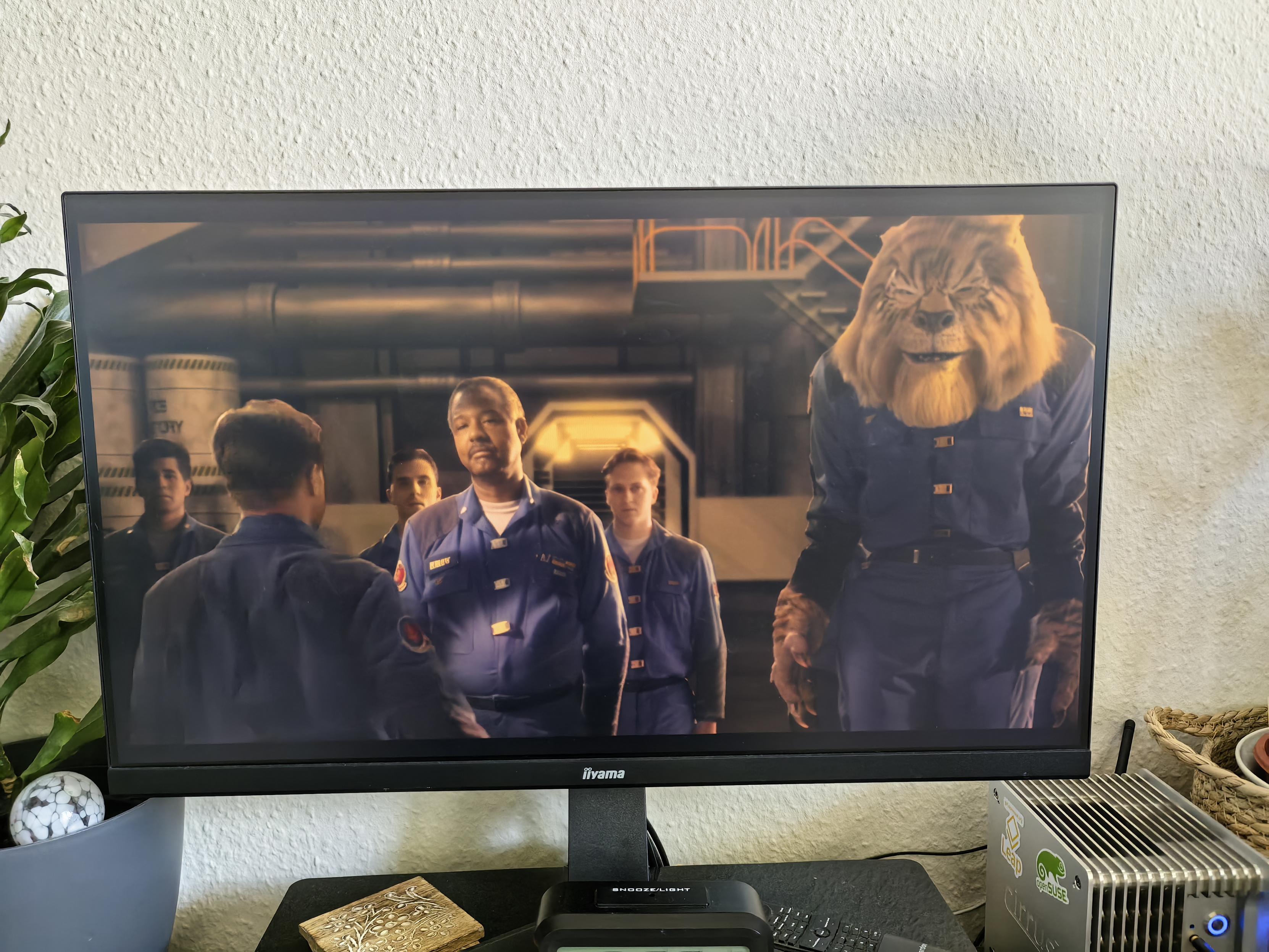
Na? Wer bekommt hier noch ein wohliges Retrogaming Gefühl? Gerade ein bisschen #WingCommander III 30th Anniversary Edition von @gog auf #Linux angespielt.
Na? Wer bekommt hier noch ein wohliges Retrogaming Gefühl? Gerade ein bisschen #WingCommander III 30th Anniversary Edition von @gog auf #Linux angespielt.

I have been studying electricity as a hobby, using a highschool textbook, partially documented here. I am trying to leave no stone unturned, meaning that I’m trying to understand any and all concepts and terminology that the book presents. I am now reading about generators and how they produce AC. The chapter also explains how the voltage can at any time/point in the cycle be calculated using sinus. While I understand the gist of it, I don’t understand the math behind it, because I simply suck at math. I almost failed math in highschool… I’m fairly confident I could go on without understanding the math behind why and how the voltage cycles between polarities, but my somewhat neurodiverse brain simply won’t let me. I want to, nay, I need to understand it.
So, should I:
This is not a question about how generators work and I am not asking you to explain sinus to me here. I am asking for advise on how to (re)learn math at my age of 30+. I can invest about six hours per weekend. I am eager to learn! Please advise! 😊

Mehr Infos zum Heft: www.kultboy.com/magazin/7258/
Mehr Infos zum Heft: www.kultboy.com/magazin/7258/