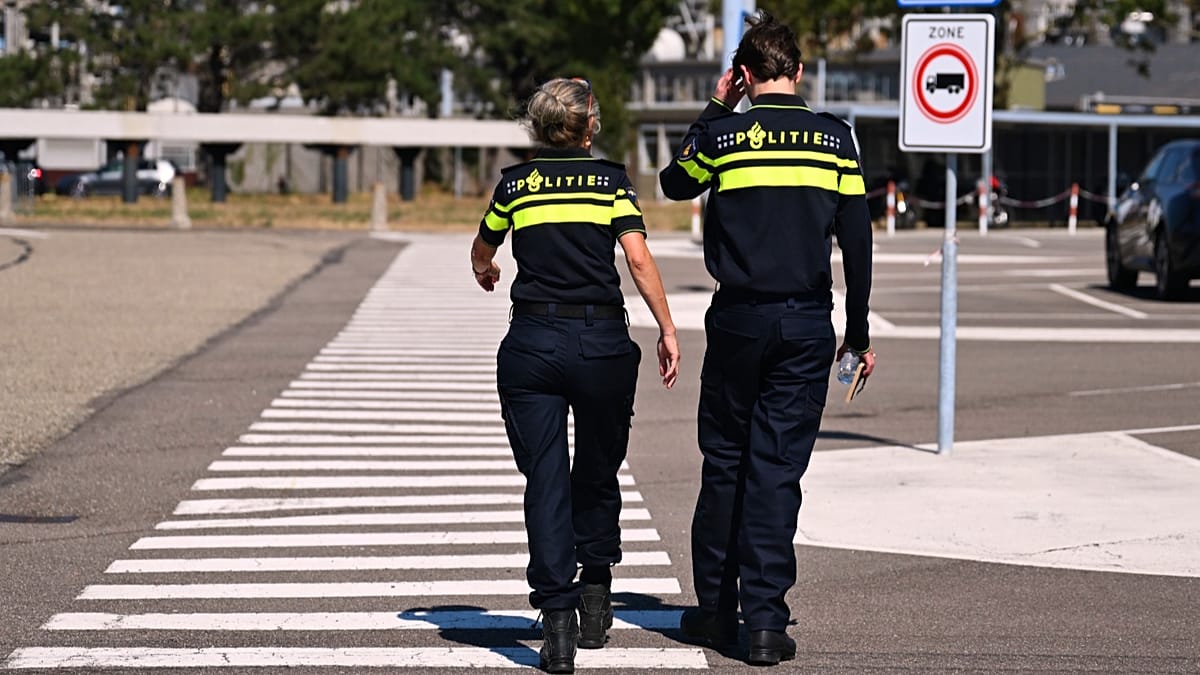
Two police officers injured after fatal shooting in Dutch village
preview
Police stormed a quiet Gelderland village in response to the shooting and officials have yet to release details on what triggered the overnight violence.
Europe
Police stormed a quiet Gelderland village in response to the shooting and officials have yet to release details on what triggered the overnight violence.
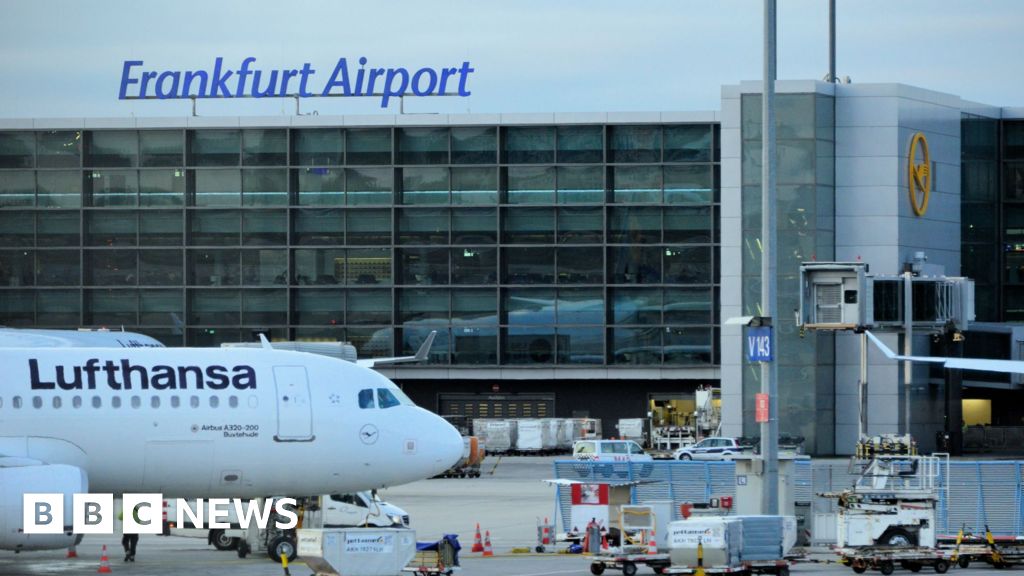
BERLIN (AP) — For the second time in just over two years, Germany’s Leipzig/Halle Airport has narrowly avoided a potential disaster, exposing the vulnerability of Europe’s critical infrastructure.
A drone carrying explosives was found late Tuesday at the airport and later defused. The country’s top security official said the incident was a “new threat quality” and indicated it was “professionally” prepared.
Separately, “an object” collided with a plane Tuesday night, police said. The plane suffered only minor damage.
On Thursday night, federal prosecutors, who handle significant national security cases, took over the case from state prosecutors. They said the incident “constitutes a serious attack on the transportation and logistics infrastructure in Germany” which is “capable of undermining the external and internal security” of the country.
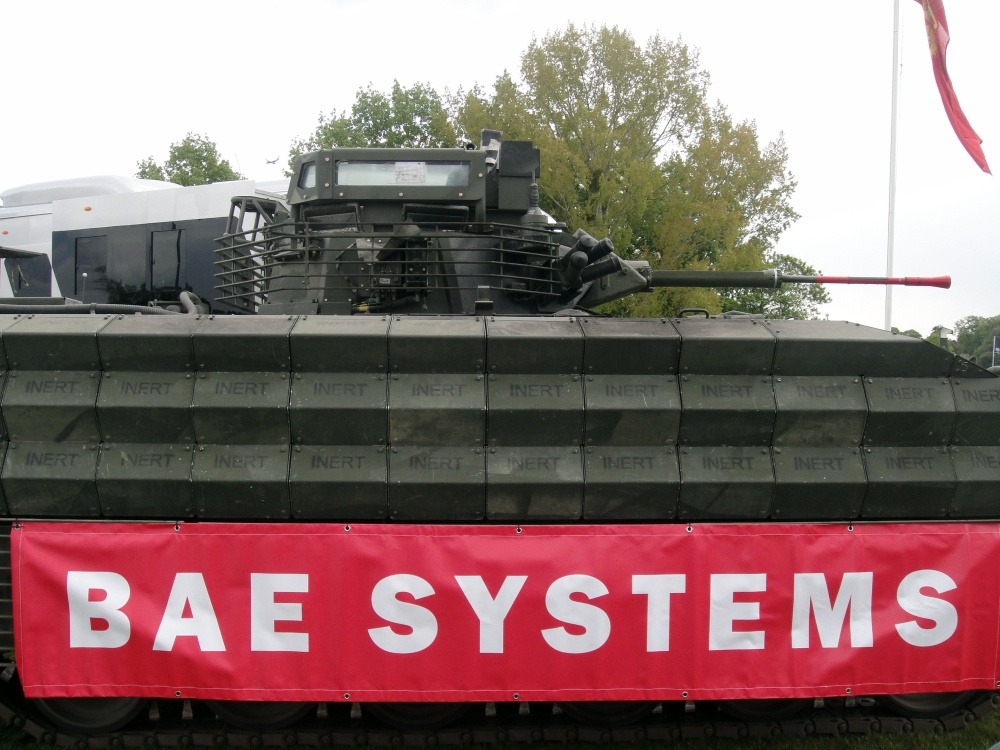
The government has contracted a subsidiary of notorious arms company BAE Systems to help propel police use of AI technologies
The police report debunks the Spanish government’s narrative that Rabat bears no responsibility for the deadly migrant surge.
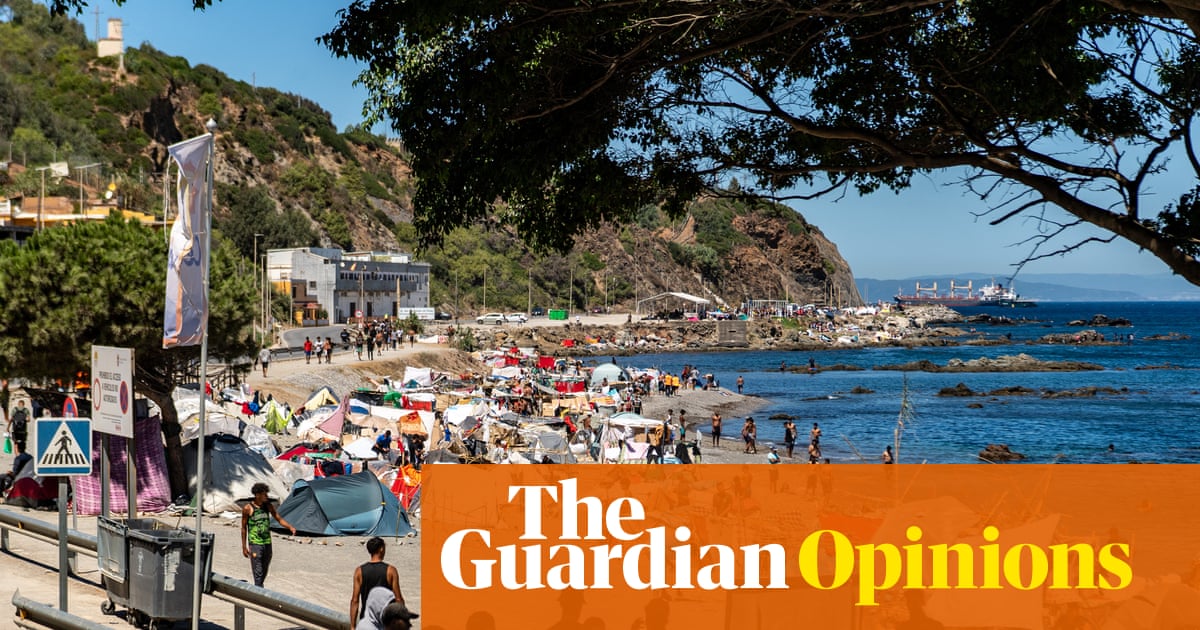
MADRID – A leaked report by Spain’s national police claims Moroccan authorities engineered the mass migrant influx into Ceuta in late July to destabilise the Spanish frontier.
Moroccan gendarmes ushered thousands of migrants to the border of the tiny Spanish city in North Africa, according to a report by the police’s National Immigration and Borders Centre (CENIF), as revealed by newspaper El Español.
The “planning and execution” of the entry of 72,000 migrants into Ceuta on 30-31 July (80,000 according to local authorities) – in which more than 100 people died – was “monitored by Moroccan agents on the ground”.
The police report had been requested by the National Court, Spain’s top criminal court, as a magistrate is now making a preliminary investigation into the mass border crisis. The incident constitutes perhaps the worst national security crisis in Spain’s recent history.
The surge aimed to overwhelm Spanish security forces in Ceuta, according to the report. The intelligence police unit links this to Morocco’s territorial claims on the Spanish cities of Ceuta and Melilla, its other exclave in North Africa.
Jorge Dezcallar, Spain’s former envoy to Morocco and ex-chief of the National Intelligence Services (CNI), previously told Euractiv that Morocco’s territorial claims on the two cities were a key factor in the event. By enabling the surge, Moroccan authorities could “test the waters” at a time when it “perceives a weak government in Madrid”, he said.
The CENIF report concludes that Morocco’s objective was to “violate” the Spanish and EU border “under the guise of a migratory crisis”. It notes that around 70,000 people who entered Ceuta had voluntarily returned within hours.
Political pressure
The bombshell report has sent shockwaves through Madrid, where the entire political spectrum is questioning the Socialist Party (PSOE) complacency with Rabat.
Despite Sánchez initially calling the surge a “violation of Spain’s territorial integrity”, and Moroccan ministers making public claims of sovereignty over Ceuta and Melilla, Madrid has not taken any concrete action against what it calls a “loyal ally”. Morocco’s ambassador to Spain has not even been summoned for questioning.
The official line maintained by Spain and Morocco blames human smuggling criminal networks and social media disinformation for the crisis – a hypothesis questioned by Spanish security forces and experts.
No evidence Morocco was behind Ceuta surge, says Sánchez
Amid the political fallout, Interior Minister Fernando Grande-Marlaska has called on the Director-General of the Police, Francisco Pardo, “to brief him as soon as possible on the content” and “veracity” of the report, a ministry spokesperson told Euractiv.
The ministry adds this “essential” information “should have been brought to the attention of the executive immediately,” as well as to the members of the National Security Council – the crisis management body that advises the prime minister.
The police report is in the hands of Judge Maria Tardón, and the public prosecution, who will decide soon whether to open a judicial investigation.
Pardo, appointed by Marlaska in 2018, subsequently informed the minister that “there is no police report whatsoever that attributes to the Moroccan security forces the planning or execution of what happened on July 30 and 31 in Ceuta,” according to a statement.
The judge “instructed the investigators not to provide their superiors with any information regarding its preparation and content,” which is why Pardo had no knowledge of it.
“We have a pragmatic relationship with China, one where we cooperate on things that we agree on, but also challenge in areas where we disagree,” Reynolds said. “The whole issue of global imbalances is quite a sensitive one and a tricky one, but it’s one that, we will we will navigate.”
“As a general rule, we are a very open trading economy, and we believe, sort of as a general principle, that free trade is better than putting up barriers,” she said.
European Union member states are assessing a new Ukrainian request for funding for new air-defence systems, European Commission President Ursula von der Leyen said on Wednesday.
“It is worth several billion euros and would cover Ukraine’s air defences, including the highly advanced PAC-3 Patriot air-defence system,” von der Leyen said, speaking alongside NATO Secretary General Mark Rutte in Brussels.
Since June, €8.5 billion ($9.85 billion) from the €90 billion support loan for Ukraine has already been earmarked for drones and missiles, she added.
Ukraine recently put its current requirement for interceptor missiles at around 300.
EU defence and foreign affairs ministers discussed further military support for Ukraine at talks held in Ireland this week, including providing Kiev with Patriot air defence missiles.
After no new pledges were made as part of Tuesday’s talks by defence ministers, EU top diplomat Kaja Kallas announced new commitments by EU foreign ministers on Wednesday.
Kallas however did not provide any details.
“The member states who made the announcements will make the announcements also publicly,” she said.
The Ukrainian capital was hit by Russia’s most intense wave of air attacks on Kyiv, reportedly in four years, with Reuters describing air raid sirens, drones, cruise and ballistic missiles exhausting Ukraine’s defence system, with 12 people killed and the Ukrainian foreign minister making a direct appeal to Western allies for more Patriot interceptor missiles.
Are great-power politics back, at the expense of smaller countries? In an age of strongmen, is multilateralism in retreat? Not according to Jozef Sikela. The EU Commissioner in charge of International Partnerships insists that traditional multilateralism is alive and well, especially in the EU’s approach to Africa and to the Arctic. We sat down with him for an interview at the European Commission in Brussels.
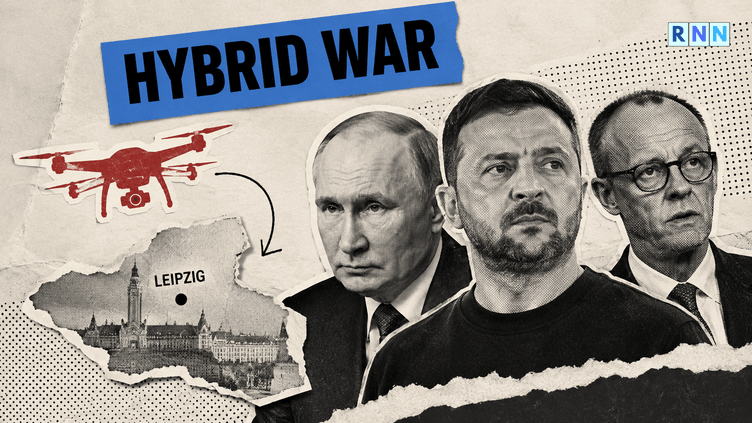
For most of August, Germany treated the strange object found near a Ukrainian cargo plane at Leipzig/Halle Airport as a police matter. On Tuesday, Berlin stopped pretending. The government named Russia as the actor behind the attempted drone attack, shut down a Russian consulate, and framed the incident as one more entry in a long ledger of hybrid operations pressing against Europe’s soft edges. realnarrativenews.com/…/a-drone-on-a-german-runwa…
cross-posted from: lemmy.world/post/50320770
Temporarily closing residential streets to allow kids to play and socialise safely outside has proved beneficial for both children and adults.
Record attempt 7-11 september. uninterrupted rail journey from Kemijärvi in Finnish Lapland to Lagos in Portugal, the two places furthest apart in the EU that can be connected by train.