
0

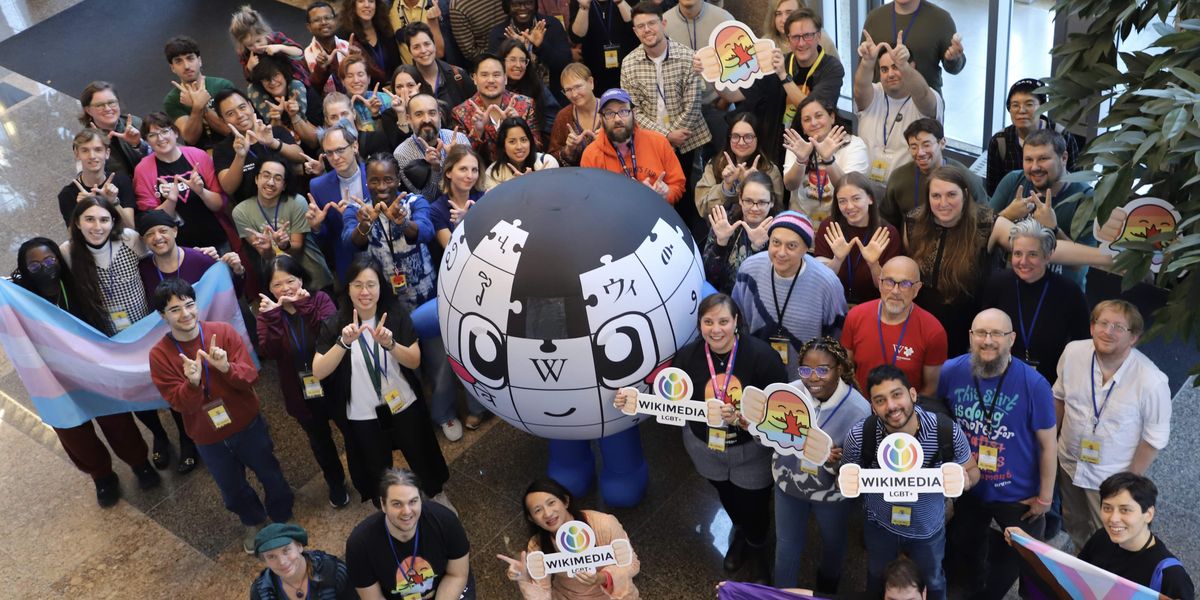
the January 2025 update to the Beehaw LGBTQ+ wiki is live

preview

this was quite delayed because we had to troubleshoot an issue, and troubleshooting that issue was on the backburner for awhile. however: all resources should be updated and accessible, and some new ones have been added. enjoy, and please feel free to make additional suggestions for what should go on the wiki

this was quite delayed because we had to troubleshoot an issue, and troubleshooting that issue was on the backburner for awhile. however: all resources should be updated and accessible, and some new ones have been added. enjoy, and please feel free to make additional suggestions for what should go on the wiki
0

The Anti-LGBT Kidnapping of My Husband

preview

Hello, everyone. I’m male-to-female transgender. For details pertaining to the anti-LGBTQ kidnapping of my husband Mike, see my following article:

Hello, everyone. I’m male-to-female transgender. For details pertaining to the anti-LGBTQ kidnapping of my husband Mike, see my following article:

0

DCCC Releases Its First Anti-Trans Ad, Supporting SC Democrat Nancy Lacore

DCCC Releases Its First Anti-Trans Ad, Supporting SC Democrat Nancy Lacore www.erininthemorning.com
preview

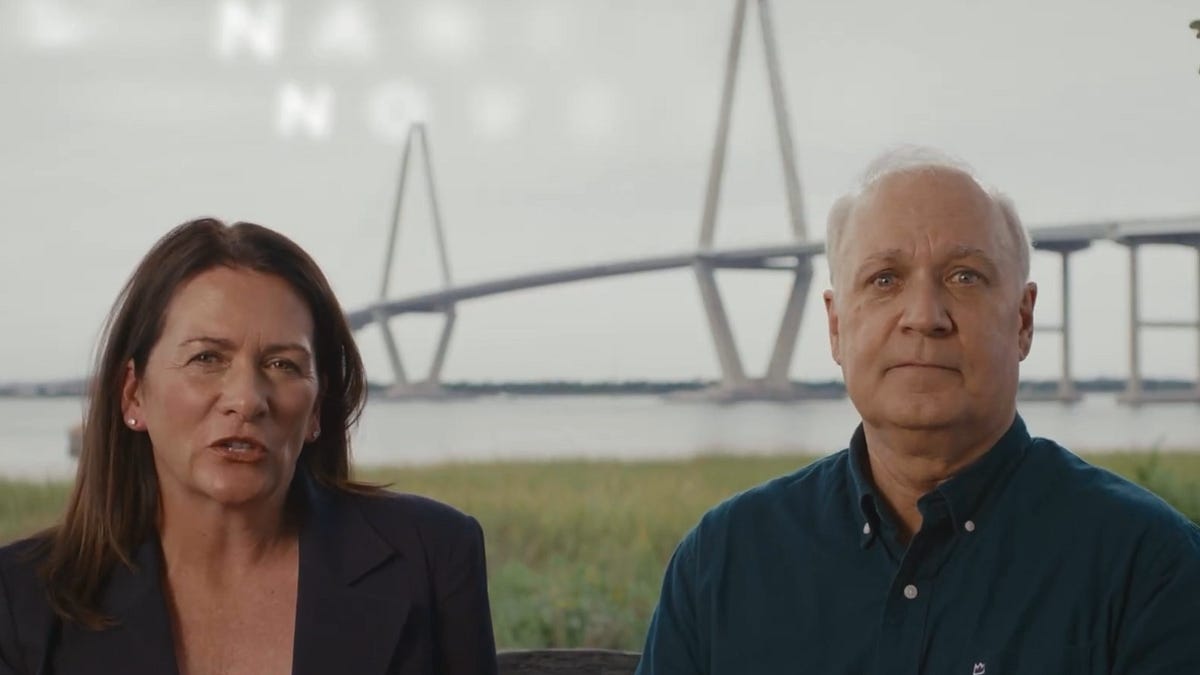
This week, the Democratic Congressional Campaign Committee, the official campaign arm of House Democrats, has begun running an ad in South Carolina for Nancy Lacore, the Democratic nominee in South Carolina’s 1st Congressional District. The ad appears to be the first instance of the high-level Democratic organization running an ad targeting transgender people. The 30-second spot, titled “SC-01: That’s Nancy,” went up on YouTube Oct. 19 and began airing yesterday in Charleston and Savannah as “part of the committee’s coordinated spending in key battleground districts.” It features Mount Pleasant Mayor Will Haynie, “a lifelong Republican supporting a Democrat for Congress.” Specifically, it highlights Lacore’s support for a transgender sports ban, with Haynie stating she would “protect girls’ sports,” a statement that a campaign representative confirmed refers to barring transgender girls from girls’ sports.

Here is a link to the DCCC’s contact form, so people can let them know what they think of this betrayal. There’s also a phone number on the contact form if you prefer to verbally voice your disgust.

dccc.org/contact/

Their phone number is (202) 863-1500.

0

Ukraine's president Zelenskyy signs new human rights strategy that includes protections for LGBTQ+ people

LGBTQ Nation Zelenskyy signs new human rights strategy that includes protections for LGBTQ+ people - LGBTQ Nation www.lgbtqnation.com
preview

cross-posted from: piefed.ca/…/zelenskyy-signs-new-human-rights-stra…

cross-posted from: piefed.ca/…/zelenskyy-signs-new-human-rights-stra…

0

Support the Rights and Dignity of Trans People - Sopuli

preview

I started “Support the Rights and Dignity of Trans People” on Amendment. This is for state-level candidates in Iowa. I ask the state-level candidates to go on record ahead of election day in Iowa. Please add your name and share: https://www.amendment.app/s/MDGBD4?amp%3Butm_medium=threads&amp%3Butm_campaign=ask-created

I started “Support the Rights and Dignity of Trans People” on Amendment. This is for state-level candidates in Iowa. I ask the state-level candidates to go on record ahead of election day in Iowa. Please add your name and share: https://www.amendment.app/s/MDGBD4?amp%3Butm_medium=threads&amp%3Butm_campaign=ask-created

0

I’m fat. My partner is trans. I’ve never felt so understood | Xtra Magazine

Xtra Magazine I’m fat. My partner is trans. I’ve never felt so understood | Xtra Magazine xtramagazine.com
preview

A year passed, and after much muddling and processing, S and I found our way back to each other. In the years since, we have cultivated a deep, trusting relationship across our differences.

S is trans, and their body has shifted and transformed as they’ve gone on and off testosterone. I have long-standing insight into some of that experience—the frustration of clothing stores not carrying cute things that fit, the indignity of family members’ comments about your body as it changes. Sometimes my empathy is clunky: a bruised, childhood side of myself feels exasperated at their surprise at how the world shifts when you get fatter. But I also know there are nuances to their experience that are personal, and that I’m not privy to.

Our unruly bodies continue to surprise me in their overlapping struggles. We each face barriers accessing public space. Before we go on dates, I’ve taught S to research weight capacities and seat structures. While chairs are usually not a problem for them, S pays closer attention to restrooms, gender designations and the vibes of the other guests. Will they give S a hard time, or will we be in the comfortable company of other gays with crazy haircuts? We’re familiar with each other’s food needs, our energy limits, our precautions around COVID. We advocate for each other in turn.

0

Texas’ First Nonbinary City Council Member Wants To Make Denton More Affordable, Equitable and Safe

The Barbed Wire Texas’ First Nonbinary City Council Member Wants To Make Denton More Affordable, Equitable and Safe www.thebarbedwire.com
preview

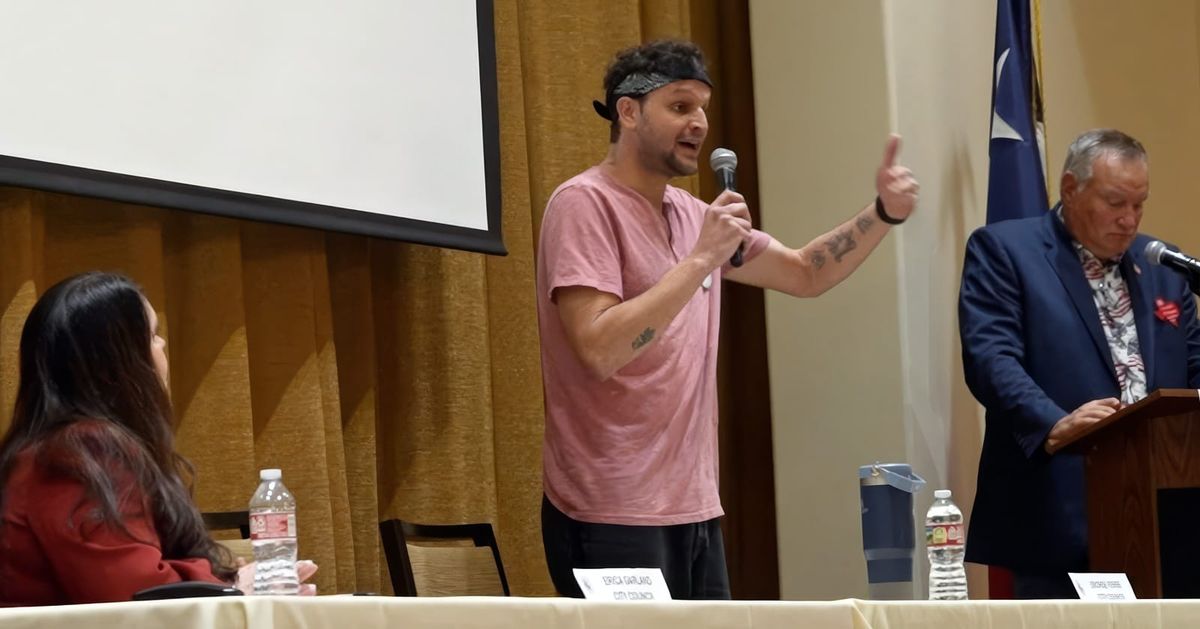
Texas just elected its first nonbinary city council member, who is also likely the first openly nonbinary elected public official anywhere in the state.

Despite all the challenges facing their city – from AI data centers sucking up resources to a rapidly worsening affordable housing crisis – and even after all the vitriol they faced during their campaign, they still believe in the future of Denton.

At 38 years old, George Ferrie, who won the office on June 13 after a divisive runoff election, is part of a wave of millennials elected to Denton’s city council. With their election, four out of seven of the city council members are under the age of 40, and Ferrie believes this generational shift is part of a mandate from local voters who want to feel represented by a diverse group that’s dedicated to making concrete improvements in their quality of life.

0

Mass. parents' story about child's gender transition complicated by court records

Mass. parents' story about child's gender transition complicated by court records www.wbur.org
preview

A Southborough family has stepped into the national spotlight with claims that their local school seeded — and the state of Massachusetts is facilitating — their child’s gender transition. But court records paint a different picture.

The case puts another family squarely in the middle of the cultural, political and religious debate over transgender rights. On Thursday, the Trump administration announced the Department of Education is launching an investigation into the school district.

Court filings and statements from school officials suggest the child was removed from the parents’ custody following allegations of a violent incident. Yet Joseph and Arlene Kutzko, who first told their side of the story on a Fox News podcast posted Sept. 13, have sought to focus attention on the issue of parental rights.

On that podcast, the parents pleaded for the return of their child, who is currently in the custody of the Department of Children and Families (DCF), and said they’re trying to prevent the state from helping the teenager start gender transition medications.

”The most important thing is to bring her back to our family,” Joseph Kutzko told the podcast host. “But a shorter term goal is to prevent them from giving her testosterone.”

The case was reported to the state in early 2025. Both parents were charged in connection with an incident at the family’s Southborough home in late January of that year, according to court documents. WBUR is not identifying the teenager, who is a minor.

0

Intergenerational Two-Spirit Head Dancers Find Joy in Expressing Themselves Freely

Underscore Native News Intergenerational Two-Spirit Head Dancers Find Joy in Expressing Themselves Freely - Underscore Native News www.underscore.news
preview

Now in its 14th year, the NAYA powwow first introduced a Two-Spirit head dancer title to join men’s and women’s head dancers in 2023.

At most powwows across the country today, jingle dancers are expected to be women and grass dancers are expected to be men. However, there has been a push to create more spaces of queer joy and a disruption to gender norms at powwows.

“There were a lot of powwows that were starting to have the Two-Spirit flag and say ‘everyone is welcome here and these are safe spaces,’ and we were inspired by that,” said Tamara Henderson, Laguna Pueblo, NAYA’s chief operating officer and powwow organizer.

“And frankly, some powwows will have Two-Spirit dancers [and] Two-Spirit powwows, and so I said if we’re truly trying to create a safe space for our community, then what we really have to do is have our own Two-Spirit head dancer and keep it consistent,” she continued.

0

Equalpride board member steps down following report of MAGA support

Advocate.com Equalpride board member steps down following report of MAGA support www.advocate.com
preview

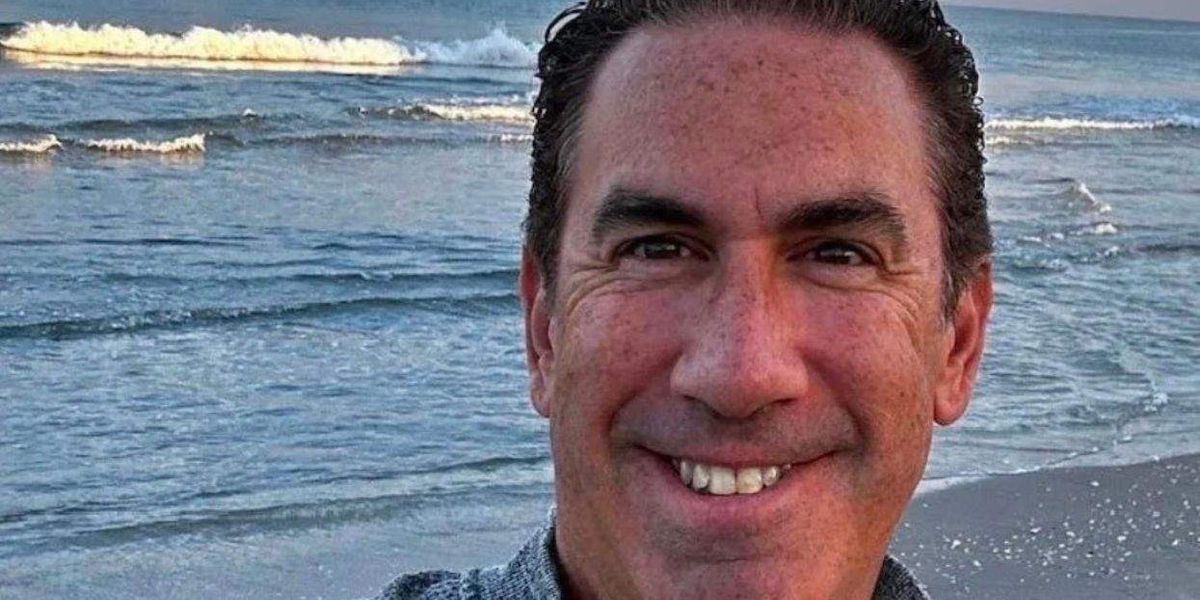
Jay Katari has resigned from the board of equalpride, which owns The Advocate, Out, and Them.

The news comes one day after queer and transgender editors and other editorial staff at the country’s leading LGBTQ+ newsroom demanded answers about Katari’s expanded role in the company and his reported expressions of support for President Donald Trump and the MAGA movement. Independent journalist Kevin Ortega-Rojas first reported on Katari’s social media history, including an image of him wearing a red MAGA hat.

Equalpride CEO Mark Berryhill announced the departure in an email to employees Tuesday afternoon. Katari’s name and biography were immediately removed from equalpride’s website, where he was listed as a board member and a role as “Strategic Advisor, Growth & Innovation.”

0

Hungary to amend anti-LGBTQ law to align with EU standards

Al Jazeera Hungary to amend anti-LGBTQ law to align with EU standards www.aljazeera.com
preview

A new bill will remove references to banning the ‘promotion’ of homosexuality and banning Pride marches.

A new bill will remove references to banning the ‘promotion’ of homosexuality and banning Pride marches.

0

Switzerland is on the road to possibly banning conversion therapy nationwide

LGBTQ Nation Switzerland is on the road to possibly banning conversion therapy nationwide - LGBTQ Nation www.lgbtqnation.com
preview

The Swiss government says it supports a uniform, national ban on so-called conversion therapy, and it’s moving ahead to consider federal legislation to outlaw the discredited practice.

A report from the government published last week details a number of current national regulations addressing the practice, as well as a patchwork of laws or procedures in various cantons (independent member states) across the country, which include their own administrative or criminal measures and corresponding legislative proposals that have been initiated, the Swiss Broadcasting Corporation reports.

0

Is Trans Loneliness Causing an Epidemic of AI Use in Our Community?

Assigned Media Is Trans Loneliness Causing an Epidemic of AI Use in Our Community? - Assigned Media assignedmedia.org
preview

Despite the isolation trans people frequently face and headlines about people turning to chatbots for companionship or even therapeutic support, trans people appear to be turning to AI very rarely and proceeding cautiously when they do.

Trans users have cited various appealing features of chatbots. In one study, researchers from Harvard, Emory, Vanderbilt, and University of California Irvine interviewed 31 people, a mix of cisgender straight people and LGBTQ+ people, about their use of chatbots for mental health support. It quoted a trans individual—the only trans person interviewed—who experienced rejection from friends over their gender and sexuality, who found comfort in responses that indicate there was nothing wrong with them. (The study doesn’t specify their gender or pronouns beyond that they’re trans.)

This respondent told researchers they ask the chatbot “personal questions, like ‘I wanna know if there’s anything wrong with me.’”

I also spoke to Terry, a trans woman who requested we use a pseudonym so she could speak frankly, about her use of chatbots. She highlighted the ability to talk to someone without any judgement. She also said she uses it for sexual fantasies, although she has increasingly run into limits platforms have added around explicit content.

0

‘Unsafe’ challenges us to handle anti-trans backlash differently

Xtra Magazine ‘Unsafe’ challenges us to handle anti-trans backlash differently | Xtra Magazine xtramagazine.com
preview

When neither respectable protest nor threats of violence stop anti-trans campaigning, what can the trans community do? S. Lamble’s debut book, Unsafe: The Carceral Roots of the Anti-Trans Backlash, unpacks this paradox of safety. Lamble, a professor of criminology and queer theory at Birkbeck, University of London, spent decades studying and working alongside people involved in difficult cases like Stock’s. When Stock’s case entered public discourse, it immediately sparked what Lamble describes in the book as an escalation of “carceral safety politics.” Trans activists called for harsher punishments against gender-critical campaigners, who, in turn, advocated for tougher measures against trans activists. This conversation is foregrounded in a culture that uplifts figures like Nigel Farage, who actively push for harsher punishments against both migrants and trans women in female spaces. The core idea behind these messages from both mainstream trans and anti-trans activists is that punishment will lead to safety.

In Unsafe, Lamble argues that this assumption, uniting the British left and right, actually encourages trans exclusion from the start. Increasing the state’s capacity to punish will result in greater capacity for it to punish trans people. But what options do activists have without punishment? Lamble first urges readers to pause for reflection whenever the concept of safety enters the discussion. Does this form of safety mean exclusion or imprisonment? Or does it foster care and social bonds?

0

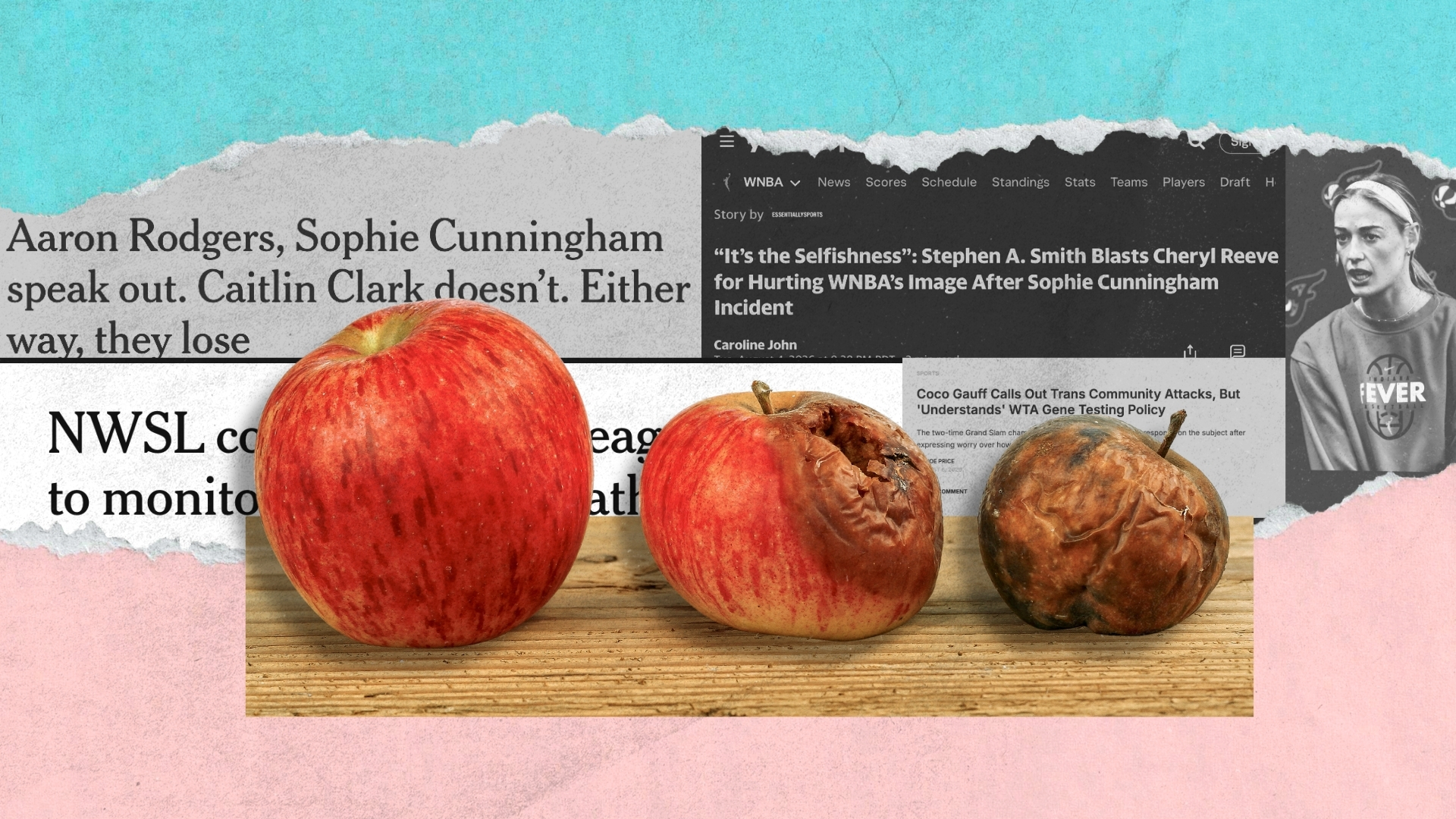
Transphobia is rotting women’s sports media

Xtra Magazine Transphobia is rotting women’s sports media | Xtra Magazine xtramagazine.com
preview

This surge in discourse—like most other ongoing “debates” around trans people in politics and culture—is entirely manufactured, most recently sparked by Cunningham’s statements and egged on by a media ecosystem well versed in alienating trans people and stoking moral panic.

Let’s lay some facts out. There are currently no trans women athletes in any major women’s professional league or on track to enter the leagues any time soon. While research into human biology is always evolving, there is no “new” groundbreaking data that has broken open the conversation around hormones and physical advantage. And no, there is no trans woman dominating at professional—or any level, for that matter—women’s sports.

That’s all to say: There is no discernable reason for roughly half of the women’s sports stories on The Athletic to be related to trans people, as they were at one point last week, or for players, coaches, executives and owners to be expected to weigh in on how they feel about the prospect of a trans woman playing professional sports. And while some have met the moment with thoughtful shows of solidarity (see: Reeve’s shirt on the court) or clear statements of allyship (Valkyries player Gabby Williams, I see you), it’s frankly insulting to athletes and fans of all genders—trans and cis—that airtime continues to be devoted to this.

0

Straight drag queens and being straight in queer spaces?

preview

Hi! I’m straight, cis male, and white.

I had a bar that went out of business because we were hosting drag shows in a rural town and the mayor held a 2 year slander campaign. My business was vandalized, Nazis parked outside it. I had panic attacks during the worst of it and have since been diagnosed with PTSD surrounding the experience. At one point a friend/gay pastor told me that because I chose to continue supporting the queer community and creating a space for queerness to exist, and thrive, as opposed to taking the safe approach, that I am now a member of the queer community.

I genuinely feel safer in queer spaces, and even chose my dentist by searching “lgbt friendly dentists near me.” A dentist office isn’t a dedicated queer space though, so I have no qualms.

I went to a drag performance last night, to support a queen I knew. I went to a few shows a couple months ago and ran into some performers from my bar too.

I started realizing last night that I’m knowing fewer and fewer people from the bar days though. And resultantly I feel that means I have fewer people to vouch for me that I am a safe person, without that vouch I feel as though I may make real members of the community feel unsafe - and moreover a feeling of unsafeness is sometimes as unsafe as being unsafe.

For years I’ve been inspired by the craft of drag. I’ve had visions of outfits in my head but never had the time, a queen interested, and my pussy has never really been on fire.

With everything going on in the world…when I was at the show last night, my pussy started to quake, dare I even say, ignite? I dunno, I think it’s gonna be time soon.

I know there are plenty of examples of famous straight men doing drag such as Rudy and his pedopal. But there’s also plenty of real queens dedicated to the craft, such as Maddy Morphesus and .

I guess I’m wondering is it an invasion of space? Both in and out of drag for a straight guy to enter. What and where are the lines? And most importantly, what do I need to be doing to keep everyone in these precious spaces feeling and being safe? If the chat believes its cool for me to do drag, please feel free to hit me up with drag name ideas.

Lastly, am I allowed to say CUNT?

Thanks in advance! I’m not a perfect ally, nor will I ever get there, but I’m trying my best to get as close as I can.

0

Journal Club: How Often Do Trans Kids Detransition, Really?

Assigned Media Journal Club: How Often Do Trans Kids Detransition, Really? - Assigned Media assignedmedia.org
preview

Research undertaken by Daniel L. Metzger and colleagues is the latest in a long line of studies demonstrating that, far from not knowing who they are, trans youth have a very firm grasp of their gender identity. It builds on research by Kristina R. Olson finding very low rates of detransition among trans youth, and research by Michael Zaliznyak demonstrating that the decision to come out and begin medical transition is an extremely slow one that usually requires years of gradual processing and sustained effort.

Metzger and his team followed 445 trans adolescents for a median period of 2.4 years, finding that only 2.9% of them switched their gender identity back to one that aligned with their birth sex; the remaining 97.1% retained a trans identity. What’s more, of those who initiated gender-affirming medical care, only a miniscule 1.1% of them chose to discontinue it, and none for reasons of reidentifying with their birth sex. This research puts the lie to the idea that massive amounts of trans youth will regret their transitions.

0

LGBTQ 'human rights crisis is unfolding in Puerto Rico'

Washington Blade: LGBTQ News, Politics, LGBTQ Rights, Gay News LGBTQ ‘human rights crisis is unfolding in Puerto Rico’ www.washingtonblade.com
preview

cross-posted from: lemmy.dbzer0.com/post/72750599

“A human rights crisis is unfolding in Puerto Rico — one that disproportionately affects LGBT+ people, particularly transgender and nonbinary Puerto Ricans,” said True Self Foundation Executive Director Miguel Vázquez-Rivera.

The True Self Foundation and LatinoJustice PRLDEF participated in the briefing that took place on July 15.

Vázquez-Rivera during the briefing highlighted several anti-LGBTQ laws and policies that have been implemented since Gov. Jenniffer González took office in January 2025. These include Law 63-2025, which prohibits gender-affirming healthcare for anyone under 21, and Law 26-2026, which prohibits the University of Puerto Rico and other “government facilities” from installing “mixed or gender-neutral multi-occupancy restrooms.”

0

TGEU publishes Trans human rights, realities, and resilience in Europe: An analysis of the EU LGBTIQ Survey III 2023

TGEU - Transgender Europe TGEU publishes Trans human rights, realities, and resilience in Europe: An analysis of the EU LGBTIQ Survey III 2023 - TGEU - Trans Europe and Central Asia tgeu.org
preview

cross-posted from: lemmy.dbzer0.com/post/72704202

With 30,627 trans participants from the EU27 (plus Albania, North Macedonia and Serbia), it is the largest survey of trans people in the EU to date. The survey results provide a crucial socio-demographic resource on the EU trans population, detailing their experiences in areas such as openness, healthcare, legal issues, discrimination, violence, and wellbeing.

0

T4T Repairs Is a Trans Construction Organization Building Community From the Ground Up

Them T4T Repairs Is a Trans Construction Organization Building Community From the Ground Up www.them.us
preview

These trans handypeople are going Tool 4 Tool.

A new home repair company, owned by two transgender construction professionals, has opened in Atlanta, per local LGBTQ+ publication Georgia Voice. The two professionals behind the nonprofit, who go by Nicky and Sam, formerly worked as part of the organization Queer Hands, a collective of queer people who provide home services. Per the Voice, Nicky and Sam requested that their last names not be used in the reporting.

While Queer Hands focused on help around the house, including painting, automotive care and cleaning, Nicky and Sam’s new venture, T4T Repairs will focus entirely on construction “to focus on workforce development for trans and gender non-conforming folks while continuing to provide reasonable priced carpentry, repair, design, demo, and general handy they work,” according to their website. Per the Voice, the T4T in the name of the nonprofit, which can often mean “trans 4 trans” in dating parlance, here means “Trans 4 the Trades.”

0

New Jersey makes it illegal to interfere with reproductive or gender-affirming healthcare

Good Good Good New Jersey makes it illegal to interfere with reproductive or gender-affirming healthcare www.goodgoodgood.co
preview

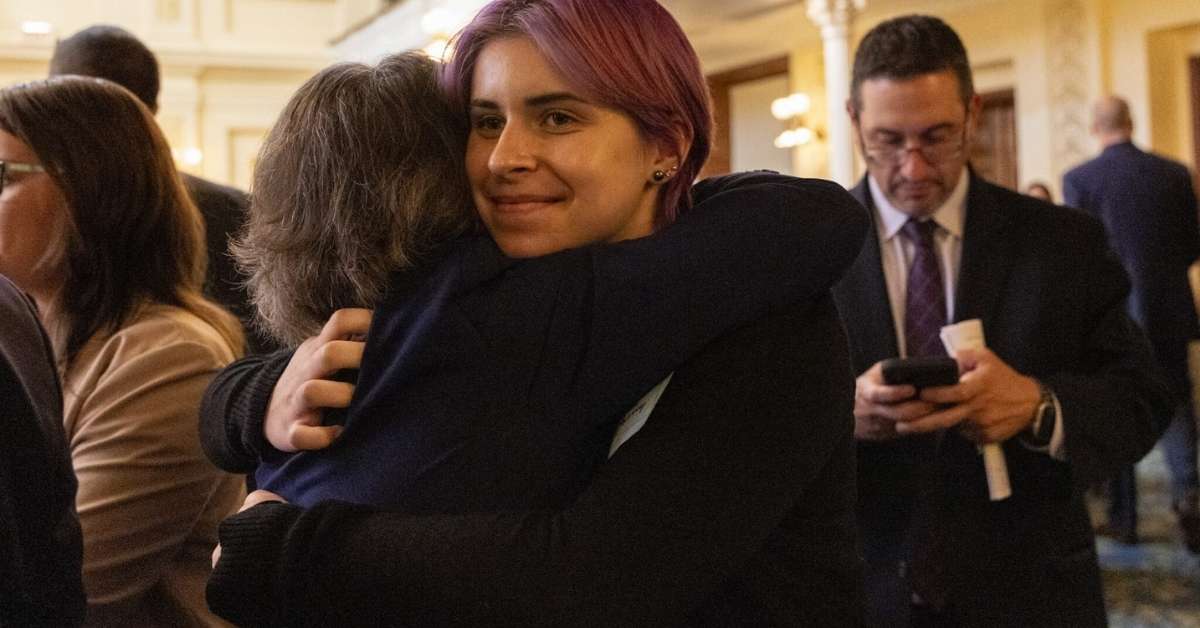
Legislation to strengthen protections for reproductive and transgender healthcare providers and patients is poised for Gov. Mikie Sherrill’s approval following party-line votes by New Jersey lawmakers Tuesday.

The state Assembly approved the Democratic-sponsored measure to create a new crime of interfering with reproductive healthcare, which under the bill includes care for people who are transgender, by a vote of 55 to 23. The Senate also approved minor changes made by the Assembly by 25 to 15.

Jennifer Williams, a city council member in Trenton who is transgender, said she “could not be happier” with the outcome, given the years of advocacy by LGBTQ+ supporters.

0

Straight ally couple's huge Pride display gets surprise visit from pro-LGBTQ+ governor

LGBTQ Nation Straight ally couple's huge Pride display gets surprise visit from pro-LGBTQ+ governor - LGBTQ Nation www.lgbtqnation.com
preview

Kris Cravens-Hutton and her husband, Dave Hutton, made headlines with the “maximalist” Pride Month display in front of their Detroit home. The large, rainbow-colored display of allyship even gained the couple a visit from pro-LGBTQ+ Maryland Gov. Wes Moore (D).

The straight couple’s display includes a 40-foot arch of rainbow-colored flowers stretching over their home’s entrance, a trans-inclusive Progress Pride flag, and large foam white letters covering three-fourths of the couple’s historic Detroit home, which spell out “Detroit, Pride, Peace, Love, Dance, Hugs, Resist!”

She even posted a video of Gov. Moore visiting the display. As he emerges from his car, he says, “Oh my goodness! I love it! … This is amazing! I need this in Maryland!” She explained that she typically puts the decorations up on Memorial Day weekend (at the end of May) and puts them away on July 4 weekend.

0

Trans teen drops out of dance competition after conservatives lead campaign against her

LGBTQ Nation Trans teen drops out of dance competition after conservatives lead campaign against her - LGBTQ Nation www.lgbtqnation.com
preview

A trans teen withdrew from the girls’ division of an Irish Dance contest in Florida after the organizers were pressured by state officials to kick her out. However, it is unclear whether the girl’s participation in the competition would have actually violated any law.

“No young person should become the center of a political fight simply because they want to participate in the activities they love,” said Public Policy Manager for Equality Florida Quinn Diaz in a statement. “At a time when Florida is competing to attract visitors, talent, and major events from around the world, the question for our leaders is simple: will we send a message that our doors are closed, that ours is only a state for some? Or will we make it clear that everyone is welcome here?”

The Irish dance contest is governed by the Irish Dance Teachers’ Association of North America (IDTANA). That organization has trans-inclusive policies that allow competitors to decide how they compete. They have previously defended those policies, and the community has supported that move, including by setting up a petition to the Dublin-based governing body, An Coimisiún le Rincí Gaelacha (CLRG), to voice their unequivocal support for the inclusion of trans dancers.

0

California budgets $26 million to protect access to gender-affirming care from federal attacks

LGBTQ Nation California budgets $26 million to protect access to gender-affirming care from federal attacks - LGBTQ Nation www.lgbtqnation.com
preview

In a win for trans people, their families, and healthcare providers in the state, California has passed a new budget that includes funds to protect gender-affirming and reproductive healthcare from federal funding interference. Gov. Gavin Newsom (D) signed the budget, which was the result of extensive lobbying from LGBTQ+ advocacy groups, including TransFamily Support Services.

“This historic investment will help keep care accessible, support the providers doing this lifesaving work, and remind trans young people that California will not abandon them,” said Kathy Moehlig, director of TransFamily Support Services.

The 2026-27 budget sets aside $26 million to support gender-affirming care access in the state, as proposed by a coalition of LGBTQ+, healthcare, and civil rights organizations earlier this year. The fund will be disbursed through grants to ensure that providers have “meaningful resources” not only to continue providing gender-affirming care to existing patients but also to expand their offerings.

0

Officials who freaked out over library's Pride display may have broken the law in quest to remove it

LGBTQ Nation Officials who freaked out over library's Pride display may have broken the law in quest to remove it - LGBTQ Nation www.lgbtqnation.com
preview

In the small town of Monroeville, Pennsylvania, a city council member accused staff at the public library of grooming kids with a Pride Month display in the children’s section, which librarians titled “Love is Love.”

The councilman may have broken the law in his crusade to have it removed.

On June 19, council member Bill Krut reposted a photo from the Monroeville Library’s Facebook page, showing the books on display, including “I Am Perfectly Designed” by Karamo Brown, “The GayBCs” by M.L. Webb, and “Mama and Mommy and Me in the Middle” by Nina LeCour.

0

A letter to Becky Pepper-Jackson, who lost a trans rights case at the Supreme Court, from James Dale, who lost a gay rights case 26 years ago

preview

That’s the thing nobody tells you about these long fights. The arc doesn’t move in a straight line. The Boy Scouts changed, not because any court told them to, but because people came to understand how wrong it was to exclude a kid for who he was. That understanding built slowly, over the years, because people like you refused to disappear. Someday, I believe, America will understand with the same clarity why excluding transgender kids is wrong. When that day comes, it will be because of what you built. The record you made. The five years you actually competed and showed everyone watching that the sky did not fall.

That’s the thing nobody tells you about these long fights. The arc doesn’t move in a straight line. The Boy Scouts changed, not because any court told them to, but because people came to understand how wrong it was to exclude a kid for who he was. That understanding built slowly, over the years, because people like you refused to disappear. Someday, I believe, America will understand with the same clarity why excluding transgender kids is wrong. When that day comes, it will be because of what you built. The record you made. The five years you actually competed and showed everyone watching that the sky did not fall.

0

‘They wanted a name’: how China is hindering LGBT+ events in foreign diplomacy

RFI «Ils voulaient un nom»: comment la Chine entrave les événements LGBT+ de la diplomatie étrangère www.rfi.fr
preview

A diplomatic event disrupted, drag artists detained and questioned, film screenings hindered or cancelled. Several LGBT+ events organised in China by foreign cultural centres or embassies have come under pressure, reflecting a tougher stance by the authorities.

In central Beijing on 28 May, around twenty diplomats are preparing to set off on a run of a few kilometres along the Liangma River. Some are wearing T-shirts bearing the slogan ‘love is love’, whilst others are wearing rainbow-coloured bracelets or earrings. As it has done every year since 2024, the Finnish Embassy is organising a ‘Rainbow Run’ through the streets of the Chinese capital. The event – exclusively for diplomats – is taking place as part of Beijing Diversity Week (25 to 31 May), an initiative of the European Union Delegation in Beijing, with the aim of promoting inclusion and diversity.

However, the day before the event, the Finnish embassy received warnings: one of its diplomats posted in the capital and a local Chinese staff member were contacted. The tone on the phone was threatening. The caller identified himself as a member of the Public Security Bureau (PSB). He warned them that the run was contrary to Chinese culture.

The following day, on the day of the race, participants noticed an unusual police presence around the embassy. Large numbers of police officers were stationed in the area. Barriers blocked access to part of the route. The Chinese authorities demanded that the event be cancelled, citing complaints from parents concerned about the potential impact on their children.

Despite this pressure, around fifteen diplomats set off. Along the route, some were followed by plainclothes police officers and photographed. Others were physically prevented from leaving the embassy for a time. “Even though there was no violence, this constitutes a violation of the Vienna Convention on Diplomatic Immunities,” said a European diplomat posted in Beijing. The incident led to the Chinese chargé d’affaires being summoned to Helsinki.

“Detained for nearly 7 hours”

The following day, another incident occurred, this time involving two drag queens who were in China at the invitation of the European Union delegation for Beijing Diversity Week.

“The week had gone rather well so far,” says one of them, the Spanish-British artist Choriza May, a well-known figure on the drag scene. “But on the night of 29–30 May, as we were returning from a night out, I received a call from the hotel reception telling me that the police were downstairs. ”

The two drag queens were taken to a room, questioned and had their passports confiscated. “They held us for nearly seven hours,” says Choriza May. “I was given two options: pay a fine or leave China.”

According to the artist, the authorities cited a visa issue, arguing that their presence in the country did not constitute a tourist activity. A justification she disputes. “I told them we were in China as part of a cultural exchange organised by embassies, and that as such, we were exempt from work visas. They wanted the name of the person who had invited us to a nightclub, but I didn’t have that information.”

According to her account, the police were primarily seeking to identify those who had invited them a few days earlier to ‘Destination’, one of the most renowned gay clubs in the Chinese capital, which had been forced to close suddenly over the weekend following a decision by the authorities.

The two performers were eventually released in the early hours of the morning. In a handwritten letter dictated by the police, they undertook to “refrain from any activity contrary to Chinese law” and to “respect the culture and customs” of the country.

One of the two drag queens, the Belgian Edna Sorgelsen, missed her flight but was able to leave for Hong Kong on 30 May. As for Choriza May, she remained in China for two extra days, as planned, during which she said she felt “constantly under surveillance”.

“Overall, the week was a great success,” said the European diplomat in Beijing, “but this year’s Beijing Diversity Week was also marked by an unusual level of pressure and scrutiny surrounding the most visible expressions of LGBT+ diversity, particularly rainbow symbols and drag performances.”

A sharp increase in pressure

According to European diplomats, these incidents are part of a broader trend of a sharp increase in pressure on foreign cultural centres affiliated with embassies in China – a development not seen since the Covid period – particularly regarding events relating to sexual and gender diversity.

This is because other events organised as part of Pride Month have also come under pressure. On 6 June, the French Institute in Beijing was forced to cancel the screening of two films featuring LGBT+ characters – Enzo de Laurent Cantet, directed by Robin Campillo, and Eat the Night by Caroline Poggi and Jonathan Vinel – after police officers arrived to check the identities of Chinese audience members.

On 10 June, in Guangzhou, another screening organised by the Institut français in collaboration with the Canadian Consulate at the latter’s premises had encountered similar difficulties. The authorities had obtained the list of registered attendees in advance. Some Chinese participants, and even their employers, had been contacted in an attempt to dissuade them from attending the event. At the venue, police officers carried out identity checks and questioned several members of the audience.

At the end of March, the Goethe-Institut had also faced a heavy police presence during screenings organised with the British Council. Around thirty officers, both in uniform and plain clothes, had been deployed around the building. Checks were carried out at the entrance, whilst some police officers had taken up positions in the auditorium to take photographs of the audience.

A narrowing of spaces for freedom

These incidents are causing concern amongst European diplomatic missions, which see them as a sign of a more general hardening of the climate surrounding LGBT+ issues in China.

“We are seeing an increasingly restrictive environment for civil society, community spaces and forms of identity expression that do not fit with the official narrative,” says a diplomatic source.

Homosexuality has not been a criminal offence in China since 1997, and several community spaces do exist. However, LGBT+ social venues remain few and far between and are regularly subject to administrative closures or police pressure.

“There has always been a significant underground community enabling LGBT+ people to meet,” explains Ashley Jiang, creator of the first lesbian dating programme produced by and for a Chinese audience. “But queer people remain largely marginalised, and state control has tightened considerably in recent years. ”

Chinese activists report a collapse of the LGBT+ ecosystem. Online content is censored and groups are regularly shut down as soon as they gain too much visibility. Within universities, LGBT+ societies can no longer be officially registered.

“It’s becoming increasingly difficult to discuss these issues openly or to create spaces for dialogue,” says Ashley Jiang, who now lives in the United States.

“Visibility matters,” emphasises the European diplomat, who assures us that Beijing Diversity Week will return next year. “Seeing artists or people speaking openly about diversity is important. It sends a message: you exist, you are not alone.”

0

Caroline "Tula" Cossey on Donahue, 1990, Part 1

play · youtube.com
YouTube Donahue - Tula - Show #1 www.youtube.com
preview

Caroline “Tula” Cossey appeared as an extra in the 1981 James Bond Movie For Your Eyes Only. Following the movie, she was outed by a british tabloid as transgender. She became the first trans woman to pose for Playboy in 1991.

I stumbled upon this interview through a YT video about it by Ashley Barron and found it remarkablehow Mr. Donahue, the host, conducts the interview and moderates the audience’s questions. It does feel like futuristic and not like from 36 years ago.

0

questioning help

preview

This is gonna be a long haul. TW: Childhood abuse, systemic trauma TL;DR: I have gender dysphoria and don’t understand what to do with it. Therefore I’m going to drawing boards again using psychoanalysis to try to get a better answer as to why.

Alright, so I grew up in a slightly broken household with strict gender norms externally enforced upon me. My parents themselves were not entirely strict about what girls or boys should be doing, but nonetheless raised me according to our gender assigned at birth. The problem was that I grew up in a Slavic immigrant community. A lot of babushkas there, including my grandparents, were very traditional with their raising. So I probably was influenced to adopt more traditionally feminine roles like the caretaker or the manager or the healer or whatever just because of that. I was also raised around boys (all of my cousins and godbrothers were male). This created an interesting environment. I learned to simultaneously be in masculine spaces without being allowed to be masculine. But more on that later.

My father was an abusive drunkard; my mother was a rock holding us all together. I always witnessed the abuse. I wasn’t the one who was ever it was inflicted upon, and the fights happened little enough as to be able to be “ignored” with an IPad and a trip to grandparents. I’m 16, if you were curious. I learned early on to live walking on eggshells. Straight A’s/B’s, advanced elementary school class, never broke a rule in the slightest, etc… and whenever there was a problem, it was to be hidden.

The problem first came knocking on my door in 2019, when I moved from the city to god-knows-where. I had already been dealing with social issues, but a stable friend group in 3rd grade made my life relatively okay. I still felt like there was inherently something off about the way that I acted to be subconsciously excluded in the way that I was, but it was what it was. Being in a rural area made that much worse. I had trouble fitting in at school, had acquaintances but not friends, and felt a lot more powerless in my loneliness. Now I couldn’t even see my godbrothers—they were hours away. Then the pandemic came.

2020 was my curse and my cure. I had already been using the internet to cope with reality excessively, but that had amplified by the time pandemic society adjusted my way of life. 2020 reminded me of the power of make-believe, of roleplaying (I used to heavily enjoy playing social games on Roblox and trying to win the appeal of others by looking cool or e-dating with other kids). 2020 also introduced me to the idea that gender wasn’t irrefutable. There was a large spike in gender identities, in activism, in cultural knowledge, and in that frenzy, I learned something new.

After the pandemic hit, my years became hard. I recognize now that I was plausibly depressed each and every school year from fifth grade up until the current day (rising junior). I coped by make-believe. I coped by being a boy. It seems like society forgets so much more of your mistakes as a man. Everyone seems to give you more attention and space. For the first time in my life, I was popular. Sure, on a random game on a random video game, but it felt liberating by all means. I also became part of the in-group, part of the drama, part of the relationships, everything. It felt genuinely great. But it came with a cost. I had to relearn everything from the start in order to believably be a boy. It felt like a trap that drained me of my creative freedom and will. That’s why I tried to keep my two lives separate—one in the real world, a girl, and one in the digital world, a boy. But the lines seemed to always blur, and my masculinity eventually consumed me whole. That’s when I get fed up with being restricted and rebel by being fully feminine. Then I get reminded of why I steered away from femininity, and turned to masculinity, and the cycle repeats, and would repeat all throughout middle school and the beginning of high school.

Over time, the roleplaying became much easier, and it was very easy to convince people of my “manhood” because I replicated so many mannerisms I saw. I had a lot of feed, after all: Korean mangas (manhwa). I read a lot of books about relationships between two men, and still do now. I like the sense of equality of same-sex relationships (yes, I read wlw too) and I also watched anime, obsessively. Most shonen are patriarchal and had masculine leads, so I guess I absorbed some of the undertones of that as well.

And here I am, 16 years old and lost. Being masculine has almost become my home, but I do genuinely enjoy being feminine from time to time. I don’t know who I am or where I’m going. I don’t know what I can stably identify as. I, from freshman year to now, have identified as non binary for the sake of allowing the swings between the two gender spectrums, but more things have been leading me to believe I might be most stable as a demiboy or some other masculine-leading identity. I just shy away from experimenting in real life (even though that will give me the best answer, rather than performing for popularity online) because my mom (badass bitch divorced that mofo hehehee) doesn’t know what I’ve gone through and is somewhat invalidating, and I don’t want to do anything too permanent.

What are your guys’ thoughts?

FAQ’s: Yes I am getting a therapist, just wanted input from here too. Yes I know I’m supposed to come out of the closet since it’s June, don’t wanna do it w/o therapist approval. No, I am not happy being cis. The pandora’s box of gender has been opened and cannot be closed. I am trans in some way or some form. Please don’t push God on me, He is not someone I follow. Yes, the psychiatrist thinks I’m autistic, will be getting a formal evaluation in July. No, will not be identifying as autistic until I get a good answer. Goodbye.

0

Exclusive: How The New York Times Changed Its Coverage of Trans People

preview

An exhaustive analysis of over 3,242 articles by the New York Times covering transgender issues from 2014-2026 revealed a stark shift towards hostile framing in 2022.

In January 2015, the New York Times’ only trans opinion columnist Jennifer Finney Boylan wrote an op-ed titled “How to Save Your Life”. The piece was written in the aftermath of the suicide of Leelah Alcorn. The piece was a powerful reminder of the difficulties that transgender people face in society and that transgender young people are among the most vulnerable. The piece ended with a quote from Alcorn’s suicide note stating: “Fix society. Please.”

This was a poignant article and an incredibly important piece of writing that allowed an openly trans opinion columnist at the most prestigious newspaper in the United States to share the last words of a transgender youth with the world as she pleaded for people to make society better. What was remarkable about this is that there was no issue at the time with a transgender opinion columnist doing so. By early 2022, this would no longer be the case.

In early 2022, the New York Times declined to renew Boylan’s contributing writer contract and thus left the paper of record. This left the Times without a highly visible trans voice. This was just one of the major changes that shifted how the New York Times would cover transgender issues starting in 2022 and would result in the reputation of the New York Times being tarnished with the transgender community.

0

How Gay Restaurants Became Comfort Spaces: In ‘Dining Out,’ author Erik Piepenburg explores the multifaceted role of restaurants in the LGBTQIA+ community.

Civil Eats How Gay Restaurants Became Comfort Spaces civileats.com
preview

When Erik Piepenburg’s favorite gay restaurant—known by Chicago locals as “the Melrose”—closed in 2017, he thought it signaled the end of an era not only for himself, but for the entire LGBTQ+ community across the country. In writing Dining Out: First Dates, Defiant Nights, and Last Call Disco Fries at America’s Gay Restaurants, he discovered something else: gay restaurants are thriving across the U.S., in big cities and small towns.

Piepenburg came out and came of age in the ‘90s, moving from Cleveland, Ohio to Chicago, Washington, D.C., and eventually New York City, where he lives today and works as a journalist for The New York Times, covering stories that often place LGBTQ+ issues and food at the center.

From his home in Hell’s Kitchen, Piepenburg spoke with Civil Eats, still savoring the publication of Dining Out a year ago. At the outset of another Pride Month—56 years since the first Pride march, following the 1969 Stonewall Uprising—and at a time when civil rights are increasingly under threat by the Trump administration, Piepenburg shared thoughts about his book, what defines gay restaurants, how these spaces are evolving, and their critical role in the LGBTQ+ community throughout history as places of nourishment, centers for activism, and much more.

0

The Satanic Panic Was Also a Gay Panic

Inquest The Satanic Panic Was Also a Gay Panic - Valena Beety - Inquest inquest.org
preview

During the 1980s and early 1990s, a wave of hysteria swept across the United States. Sensationalist media coverage and tabloid covers fueled wide-spread public fears that children were being sexually abused in Satanic rituals at the hands of their caretakers. In several high-profile cases, dozens of day care providers were criminally charged, sometimes facing hundreds of counts of sexual abuse.

The so-called Satanic Panic did not emerge in a vacuum. It coincided with a rise in conservative political and social influence and a broader backlash against feminism and LGBTQ+ rights. In the 1960s and 1970s, more women joined the workforce, increasing reliance on day care. At the same time, queer identities became more visible amid gradual legal and cultural shifts. These developments were widely perceived by social conservatives as threats to traditional family and sexual norms. Conservative Christian media figures in the 1980s—often described as “moral entrepreneurs”—helped amplify fears of satanic ritual abuse.