






0

Voyager 1 at 1 light-day... radar-distance?

play · assets.science.nasa.gov
NASA Science Voyager 1: What Is a Light-Day - NASA Science science.nasa.gov
preview

cross-posted from: lemmy.ca/post/73998300

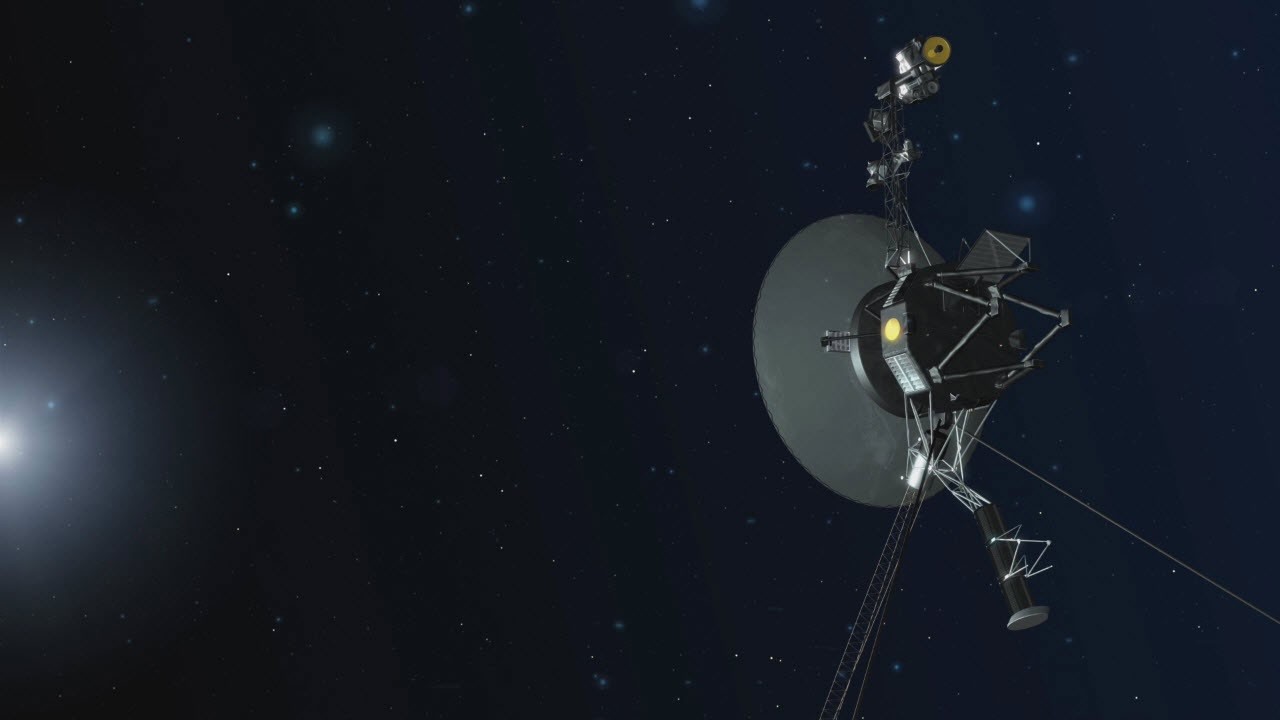
Voyager 1 at 1 light-day away, countdown here.

I suppose that this is in the sense of radar-distance. Then does anyone here know if the countdown is for the event of the outgoing-signal departure from Earth, or for the event of the return-signal arrival to Earth, or for the mid-point? Since these are all 24h apart! 😂

Or is this geodesic proper distance, measured in the barycentric coordinate time TBC?

0

Which animal farts the most?

Live Science Which animal farts the most? www.livescience.com
preview

One possible contender are termites, which break down wood and grass in their hindguts. Their global population is estimated to be around 27 quadrillion (that’s 15 zeros) individuals, and they collectively emit 10 teragrams of methane per year.

One possible contender are termites, which break down wood and grass in their hindguts. Their global population is estimated to be around 27 quadrillion (that’s 15 zeros) individuals, and they collectively emit 10 teragrams of methane per year.

0

The Evolving Story of How Chemistry Became Biology | Quanta Magazine

Quanta Magazine The Evolving Story of How Chemistry Became Biology | Quanta Magazine www.quantamagazine.org
preview

A new wave of origins-of-life researchers, fed up with the tradition of bickering, have unshackled themselves from the idea that a single type of molecule started it all. Their open-minded approach has coincided with a change in scientific understanding. Experiments have shown that the precursors to many of life’s ingredients may have formed easily under the conditions on early Earth. What is harder to explain is how these molecular processes became a stable evolutionary system continuous with the vast diversity of life we see on the planet today. During life’s earliest days, these processes came together to store and pass on information, both consistently and imperfectly enough to allow the same living lineage to persist for billions of years on an ever-changing planet.

A new wave of origins-of-life researchers, fed up with the tradition of bickering, have unshackled themselves from the idea that a single type of molecule started it all. Their open-minded approach has coincided with a change in scientific understanding. Experiments have shown that the precursors to many of life’s ingredients may have formed easily under the conditions on early Earth. What is harder to explain is how these molecular processes became a stable evolutionary system continuous with the vast diversity of life we see on the planet today. During life’s earliest days, these processes came together to store and pass on information, both consistently and imperfectly enough to allow the same living lineage to persist for billions of years on an ever-changing planet.

0

MBARI And Durham University Study Yields First Look At Submarine Landslides

Ocean News & Technology MBARI And Durham University Study Yields First Look At Submarine Landslides oceannews.com
preview

Using sonar, seafloor mapping and moored instruments, the team detected around 30 underwater landslides in 18 days, capturing three in unprecedented detail.

They observed how sandy sediment progressively collapses through a process called ‘breaching’. As sediment grains move apart, suction temporarily strengthens the seabed. Then, as this suction fades, sediment fails over minutes to hours, generating powerful flows of sediment that travel kilometers downslope. These direct observations reveal processes previously understood only through theory and experiments, with implications for many other sandy deltas and submarine canyons worldwide.

0

The fastest levitated spinning magnet ever made might help physicists search for dark matter

Phys.org The fastest levitated spinning magnet ever made might help physicists search for dark matter phys.org
preview

The team involved in the new study levitated magnetic spheres with a radius of approximately 30 micrometers inside a superconducting lead trap cooled with liquid helium. The superconductor trap expels magnetic fields through the Meissner effect, allowing a tiny magnet to float without active position control.

Magnetic coils were then used to accelerate the spheres up to 2.3 million revolutions per second, or 138 million revolutions per minute, while an ultrasensitive superconducting detector tracked their rotation and slowdown. For context, the previous record for levitated magnets was the half-millimeter-diameter magnet at 38 million revolutions per minute.

The researchers conducted the experiments at a temperature of around 4.2 Kelvin (roughly −269°C). The measured slowdown of the magnet implied a characteristic speed-decay time of about 24 days, which is the lowest damping rate ever measured in a levitated micro- or nanosized object. In a separate, slower-running experiment, the rotor’s magnetic-field sensitivity matched the best previously demonstrated with a nonspinning levitated magnet of similar size, allowing it to make impressively sensitive measurements.

0

Baby with 110 seizures a day becomes seizure-free after rare treatment at UAE hospital

Khaleej Times Baby with 110 seizures a day becomes seizure-free after rare treatment at UAE hospital www.khaleejtimes.com
preview

Adnan is the youngest patient in the world to receive ABS-1230 and only the second infant to be given the experimental medication

Adnan, who has an extremely rare genetic form of epilepsy, received the medication at King’s College Hospital London – Dubai after seven previous treatment approaches failed to bring his seizures under adequate control.

0

‘You need strong willpower’: IUCN’s Kazi Zenifar Azmiri on being a woman wildlife biologist

Conservation news ‘You need strong willpower’: IUCN’s Kazi Zenifar Azmiri on being a woman wildlife biologist news.mongabay.com
preview

I must mention one particular activity. Every year, we rescue Himalayan vultures [Gyps himalayensis], which are migratory, and release them after winter. The Himalayan vultures that come to Bangladesh are usually juveniles. As they travel long distances, when they land, they can be vulnerable. Some fall into trees and injure themselves on the sharp stalks. Others land in open areas, where people gather around them and sometimes capture them. Some are also killed by hunters. When we receive reports of injured or vulnerable vultures, our network of volunteers helps us rescue them. Once they have recovered under our volunteers’ care, we generally release them in late March or early April. As part of this work, we invite local people to watch the releases and organize small awareness activities.

That’s one of the most interesting and enjoyable parts of my work: interacting with local people, especially students and schoolgirls. They are often surprised to see me working in the field and to see how I work and interact with them. I really enjoy those interactions.

0

NASA Night-light Imagery Tracks US Energy Transition, Global Volatility - NASA Science

play · assets.science.nasa.gov
NASA Science NASA Night-light Imagery Tracks US Energy Transition, Global Volatility - NASA Science science.nasa.gov
preview

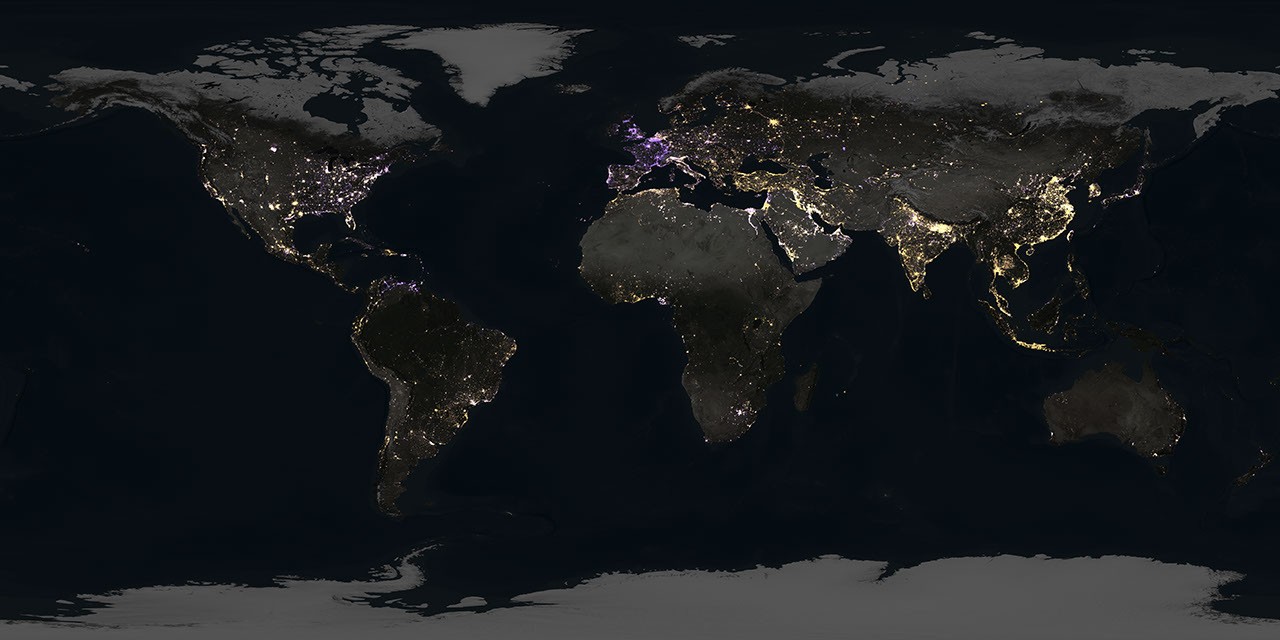
New nighttime maps based on NASA satellite imagery are upending assumptions, revealing a world where artificial brightening and dimming have intensified over the past decade. The findings show intense flaring over major oil and gas fields in the United States, while factors such as rural electrification and energy conservation are changing how billions around the world experience the night.

…

The study team, led by Tian Li and Zhe Zhu at the University of Connecticut, used a new algorithm to analyze 1.16 million satellite images collected at approximately 1:30 a.m. local time every day for nine years by the Visible Infrared Imaging Radiometer Suite (VIIRS). The refrigerator-size sensors, orbiting Earth at over 16,000 mph, can resolve light sources down to the scale of a toll booth on a dark highway. They fly aboard Earth science satellites that were launched and operated by NASA and the National Oceanic and Atmospheric Administration (NOAA).

The analysis, reported April 8 in Nature, covered most of the inhabited world, from latitudes between 60 degrees south and 70 degrees north. During the time frame analyzed—2014 to 2022—domestic production of oil and natural gas reached record levels, driven by technological developments and horizontal drilling. Satellite imagery revealed cycles of intense gas flaring over central U.S. regions, particularly the Permian Basin in Texas and North Dakota’s Bakken Formation. Flaring occurs at oil wellheads when excess gas—mostly methane—is burned off. The process releases carbon dioxide and soot, among other byproducts.

link to open access paper www.nature.com/articles/s41586-026-10260-w

Extended Data Fig. 3 | Global and country/territory-level temporal trends of ALAN change area and change intensity (2014–2022). a, Line plots showing the global trends in the annual area experiencing ALAN change: total change area (left); brightening change area (middle); and dimming change area (right).

b, Bivariate map classifying country/territory level trends in change areas. Countries/territories are categorized based on whether their annual area of brightening is increasing vs. decreasing, crossed with whether their annual area of dimming is increasing vs. decreasing.

c, Line plots showing the global trends in the annual ALAN change intensity: average net change intensity (left); average brightening change intensity (middle); and average dimming change intensity (right). d, Bivariate map classifying country/territory level trends in change intensity. Countries/territories are categorized based on whether their annual brightening change intensity is increasing vs. decreasing, crossed with whether their annual dimming change intensity is increasing vs decreasing.

For line plots (a,c): the dots represent the global annual ALAN change area or change intensity from 2014 to 2022, the solid lines show the overall Sen’s slope trends, and the shaded areas represent the 95% confidence interval of the estimated trends. For bivariate maps (b,d): the underlying map colours represent the combined topology of trends, the stripe texture indicates countries/territories with statistically significant trends in brightening changes (either change area or change intensity, corresponding to the panel), and the dot texture indicates countries/territories with statistically significant trends in dimming changes. Significance is determined by the Mann-Kendall test (p < 0.05) on the Sen-slope. Basemaps in b and d are adapted from the World Continents Layer from Esri.

0

A Strange Quantum Theorem Has Killed Einstein’s Reality | Quanta Magazine

Quanta Magazine A Strange Quantum Theorem Has Killed Einstein’s Reality | Quanta Magazine www.quantamagazine.org
preview

Yet quantum mechanics, a thoroughly validated theory of how the world works, seems to suggest otherwise. The theory’s math assigns redness to the billiard ball at the moment you measure it. Before then, the theory gives you only a set of probabilities telling you what color the ball might be. Key founders of quantum mechanics suggested that this math reflects the nature of reality — that in some sense, a single, objective reality doesn’t really exist.

In 1935, Einstein rebelled against this surreal reading of quantum theory, proposing one of the 20th century’s most famous thought experiments. But his rebellion was doomed. In 1964, the physicist John Stewart Bell showed with a thought experiment of his own that reality had to be stranger than Einstein assumed. Subsequent work would put Bell’s thought experiment to the test — and prove him right.

Then, 50 years after Bell, Matthew Pusey (opens a new tab), at the time a graduate student at Imperial College London, took on what remained of Einstein’s notion of reality and — without originally intending to — delivered the killing blow.

The paradigm-shifting theorem became known as PBR, for Pusey and his academic accomplices, Jonathan Barrett and Terry Rudolph. Since the publication of PBR in 2012, many theorists have come to accept that it rules out our most commonsense understanding of reality.

…

As with Bell, PBR has been experimentally confirmed multiple times. Last fall, for instance, researchers in the U.K. played an expanded version of the PBR game, dealing out five cards instead of just two, using a quantum computer built by IBM. Indeed, the quantum machine always won, although no one had doubted that it would. In fact, the researchers had been using the PBR theorem mainly to check whether the quantum computer was functioning properly. The validity of quantum mechanics — and PBR — was taken as a given.

“That was really the motivation,” said Crispin Barnes (opens a new tab), a physicist at the University of Cambridge who led the experiment, “to see whether a theorem from quantum foundations could also be turned into [an] experimental probe of genuinely quantum behavior.”

…

But to conclude that the quantum state is definitely real is to misunderstand the PBR theorem, because PBR also leaves open the other extreme path: It could be, as the Copenhagenists have steadfastly maintained since the days of Bohr, that in some sense nothing is real, including the quantum state. It’s perfectly possible that the quantum state lives in our minds and has no direct connection to an objective reality. In this case, the redness of the billiard ball would be inextricably linked with the act of observing it — precisely the state of affairs that so deeply offended Einstein. “Do you really believe the moon is not there when you are not looking at it?” Einstein once famously pressed his colleague Abraham Pais.

PBR doesn’t give us the answer. What it does do is end a century of bargaining with quantum mechanics. By ruling out the possibility that reality is real while the wave function is not, PBR requires that physicists either fully embrace the notion of an objective but entirely surreal reality, or fully reject objective reality altogether. “Do you bite the bullet, or do you try and dodge the bullet?” Pusey said.

0

Scientists find first-ever evidence of fossilized blood cells in 115-million-year-old dinosaur bones

The Brighter Side of News Scientists find first-ever evidence of fossilized blood cells in 115-million-year-old dinosaur bones www.thebrighterside.news
preview

Note: this is not an article about Mitch McConnell having a health checkup with a doctor.

Note: this is not an article about Mitch McConnell having a health checkup with a doctor.

0

Scientists discover there are way more bugs in California than you thought

Phys.org Scientists discover there are way more bugs in California than you thought phys.org
preview

Led by researchers at the Natural History Museum (NHM) of Los Angeles County, the study marks a figurative explosion in the number of insect species in the Golden State. The vast gulf between the earlier and new estimates of insect life deepens the urgency of conserving the wild places these insects call home. The authors found that essentially every site studied had its own unique insect community.

This finding comes from the work of the California Insect Barcode Initiative (CIBI), a project to collect and identify every species of insect in the state. Researchers have long known that insects are underrepresented in large-scale conservation assessments despite being the most diverse group of animals on land.

To address this deficit, institutions including the California Department of Food and Agriculture, UC Berkeley, UC Riverside, San Diego Natural History Museum and the California Academy of Sciences in San Francisco worked alongside NHM researchers to DNA barcode more than 1 million insect specimens, and this finding marks the first publication from this undertaking.

0

New study explores how incomplete understanding fuels scientific progress

Phys.org New study explores how incomplete understanding fuels scientific progress phys.org
preview

The consequences of overestimating understanding extend beyond academic debates. According to the authors, assumptions about what scientists know can influence nearly every stage of the research process, from experimental design and theory development to teaching and communication.

“It makes a case that the many incomplete levels of understanding affect, often unwittingly, the ways scientists design experiments, test theories, comprehend, communicate and teach,” the authors observe.

The topic resonated widely within the scientific community. The essay attracted 32 published commentaries from researchers across multiple fields, an unusually robust response that prompted the three authors to prepare a collective reply.

The discussion reflects a longstanding interest in the strengths and limitations of human cognition. Recognizing those limitations, the authors assert, can ultimately strengthen science rather than weaken it.

Acknowledging gaps in understanding encourages greater caution when drawing conclusions, greater humility when communicating results and greater openness to alternative explanations. It also reflects the reality that scientific knowledge is continually evolving.

That is, science advances through a continual process of refining, testing and deepening humanity’s understanding of how the world works. And, paradoxically, recognizing how much remains unknown may be one of the clearest signs of scientific progress.

link.springer.com/article/…/s42113-026-00271-1

0

Ericsson introduces 5G drone detection system for defense and critical infrastructure protection

Defence Industry Ericsson introduces 5G drone detection system for defense and critical infrastructure protection defence-industry.eu
preview

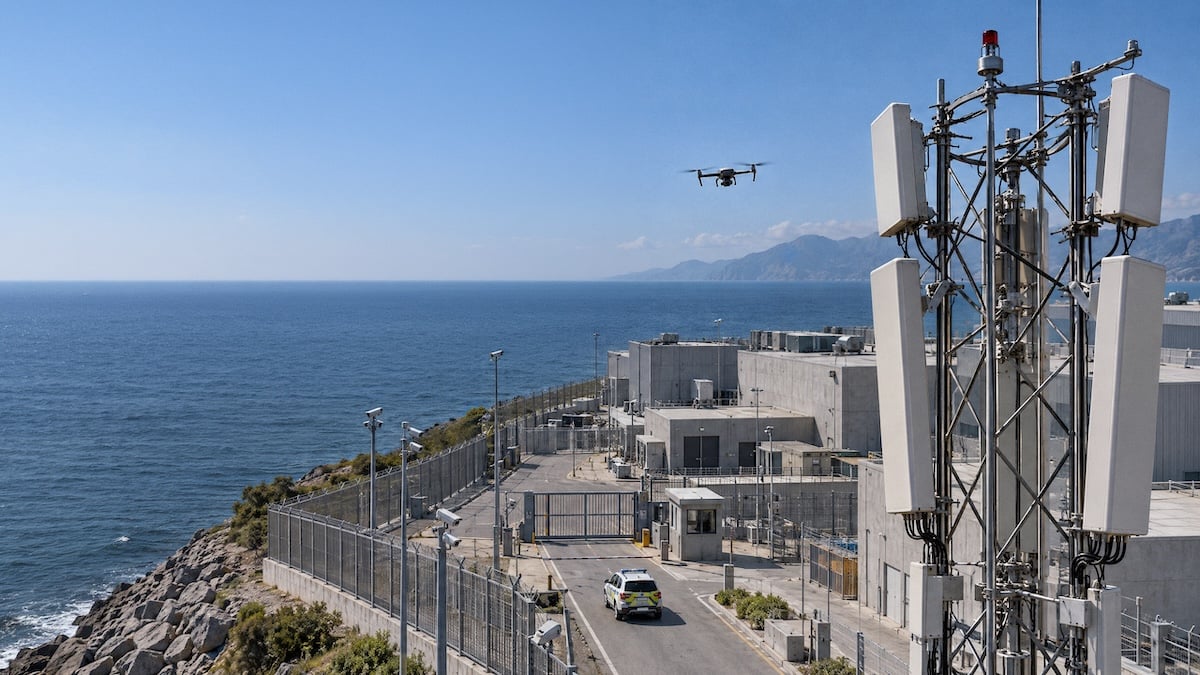
The system analyzes radio signals reflected by objects, using geographically separated sites to transmit and receive sensing signals. Observing an object from several angles helps improve positioning and maintain its track as it moves through the coverage area, according to Ericsson.

The company said validated tests reliably detected and tracked micro drones at kilometer-scale distances with precise three-dimensional positioning. Performance varies with the target, its flight path, the arrangement of sensing sites, terrain, surrounding conditions and system configuration.

“Detecting small drones across large areas is a growing operational challenge. The possibility of using distributed infrastructure to complement existing sensors could provide an important additional layer of situational awareness,” said Carl Lundqvist, chief architect at Swedish Armed Forces Headquarters.

Something that is pretty interesting about publicly shared communications networks like 5G is that their saturation and high usage by all of us can be leveraged for public safety, by virtue of having cell towers everywhere and making sure to provide good coverage consistently over large areas the infrastructure necessary for mobile smartphone use inherently created a public capacity to sense small things intruding into it in ways that are highly unusual… i.e. you can detect drones. This is a metaphor for an idea that extends to a lot of abstract places too.

Another manifestation of this idea is the rapidly evolving use of pre-existing fiber optic internet cable infrastructure to seismically and acoustically sense nearby objects/the ground. The science is complex but the idea is still kind of the same. When we created extremely long lengths of fiber optic cable that could transmit millions and millions of cat videos back and forth at lightning speed and high bandwith, we also simultaneously created an extremely powerful sensor that we can use to see into the ground and detect things moving nearby… like whales!

Article about detecting whale acoustic calls with pre-existing fiber optic cable infrastructure.

news.cornell.edu/…/existing-fiber-optic-cables-ca…

Article about detecting silent whales moving through the water column through special water/solid interface waves that bodies moving through the water create.

techtimes.com/…/seabed-cables-detect-silent-whale…

Our collective data streams and the infrastructure and mediums they are conveyed by create a sort of collective ability to sense… isn’t that weird/cool???

0

The mathematics of growing a shell—recreating diverse mollusk shells with just three inputs

Phys.org The mathematics of growing a shell—recreating diverse mollusk shells with just three inputs phys.org
preview

cross-posted from: lemmy.ca/post/73190146

not open access :(, hopefully it will become open access at some point or someone will publish similar research!

Changing the values of two of the three elements in the growth law produces markedly different shells. The starting curve at the growing edge of the shell sets the shape of the shell’s opening, while the scaling factor, which the researchers call lambda (λ), determines how fast the shell expands. By changing those two factors in the model, Bhattacharya and Liu were able to generate the shape of nearly all known molluscan shells.

If only someone had a time machine to whisper this truth in the ear of Italo Calvino before he wrote his Cosmicomics series of stories!!

quote from paper abstract www.pnas.org/doi/10.1073/pnas.2614478123

We are guided by two principles in the spirit of D’Arcy Thompson. First, the growth is governed by the repeated and continuous application of a fixed growth law, even as the shell evolves in overall shape, without any complex biological machinery to monitor and control the growth. Second, the growth law depends solely on local geometry at the shell’s growing edge. The first principle naturally leads to the mathematical statement that the shape of the shell is generated by the action of a Lie group on a protoconch [fuckin duh bruh]. The second naturally leads to a particular representation of the Lie group. We use this representation to show that the shapes of nearly all known molluscan shells can be described by essentially three parameters: a scalar (scaling), a vector (orientation), and a curve (edge of the protoconch). We relate these parameters to the phylogenetic tree. In addition to the morphogenetic insight, our results potentially point to a alternative growth-based approach to engineering complex structures.

Wow what a strikingly beautiful thing, it is also the tiniest microdose of haunting for me because I distinctly remember remarking to a geology professor in college that I wondered if you could do a fourier transform or some kind of mathematical analysis of shells to determine if there was unifying patterns that hinted at mechanisms in some productive way and he responded with something along the lines of “but why?? what would that answer?” and all I could do was shrug and say “I have no idea, I was just wondering.”

also see caltech.edu/…/the-mathematics-of-growing-a-shell

paper on related subject from 2019, some great graphics arxiv.org/html/1901.00497v3

We note that previous work by some of the authors [36] already has highlighted the role of a spatial variation in material properties in shaping the sharp spines seen on the shells of bivalves, cephalopods and gastropods. The present communication adds to this emerging picture of the influence of physics, by shifting the focus to geometry, which, driven by morphoelastic growth, acts through the mechanism of surface growth and a parametric dependence on curvature.

Of particular interest is the further coupling of this framework with pattern formation by a range of reaction-transport equations. This would make accessible well-studied developmental milestones such as the patterning and morphogenesis of limbs and digits. Other problems in morphogenesis, such as the formation of skeletons are also within reach of our computational framework. Finally, we note that we have modelled antimarginal ornamentation events via bursts of growth. It is more likely that the growth rate does not change significantly at the location of ornamentations, but rather that the thickness of the mantle decreases, creating an increase in the length of the active mantle strip and a corresponding decrease in stiffness without requiring a strong increase in material. This effect would be interesting to incorporate in future studies, as the decrease in stiffness would further amplify the amplitudes of transverse deformation, and also may be non-uniform along the length of the mantle strip.

^ this is basically what the linked article/paper claims to have described

0

Key Atlantic currents could collapse this century, but the risk is missing from almost all national climate plans

Phys.org Key Atlantic currents could collapse this century, but the risk is missing from almost all national climate plans phys.org
preview

cross-posted from: lemmy.ca/post/73093686

The ocean currents are changing, with major implications for climate around the world. Yet our new article published in Nature Sustainability suggests most governments are not preparing for this possibility. Of 91 national adaptation plans submitted to the U.N. climate convention, only two even mention that key Atlantic current, and neither sets out concrete action in response to its possible collapse.

0

Open database tracks Earth's water cycle by standardizing decades of satellite data

Phys.org Open database tracks Earth&#039;s water cycle by standardizing decades of satellite data phys.org
preview

To encourage people to add new data, the pipeline used to standardize the data is publicly available as part of the data set. This allows other researchers with access to similar data to grid and standardize it themselves before submitting it to the open database.

“Projects like this advance science through collaboration, accessibility and preservation of data,” said Dee, who is also an author on the paper.

“This database will allow researchers across the world to ask questions about cloud formation, moisture transport processes, El Niño and La Niña, deforestation, soil moisture and more. It’s so important to highlight that it’s not just the collection of data that matters; it’s also the effort it takes to make the data truly usable for the broader research community, students and even the public.”

link to open access paper www.nature.com/articles/s41597-026-08218-8

0

Directory Of Open Access Journals

preview

cross-posted from: lemmy.ca/post/72949590

DOAJ is a unique and extensive index of diverse open access journals from around the world, driven by a growing community, and is committed to ensuring quality content is openly available online for everyone.

DOAJ is committed to keeping its services as open as possible and its data openly available.

This is a great resource for searching for open access papers and open access journals!!

It feels so much more welcoming when all of the search results are things you can actually open, poke around in and read!

A link to all of the journals
doaj.org/search/journals?source={"query"%3A{"matc…

cross-posted from: lemmy.ca/post/72949590

DOAJ is a unique and extensive index of diverse open access journals from around the world, driven by a growing community, and is committed to ensuring quality content is openly available online for everyone.

DOAJ is committed to keeping its services as open as possible and its data openly available.

This is a great resource for searching for open access papers and open access journals!!

It feels so much more welcoming when all of the search results are things you can actually open, poke around in and read!

A link to all of the journals

doaj.org/search/journals?source={"query"%3A{"matc…

0

A 1,000-mile cloud on Mars may reveal physics never seen in nature

Ars Technica A 1,000-mile cloud on Mars may reveal physics never seen in nature arstechnica.com
preview

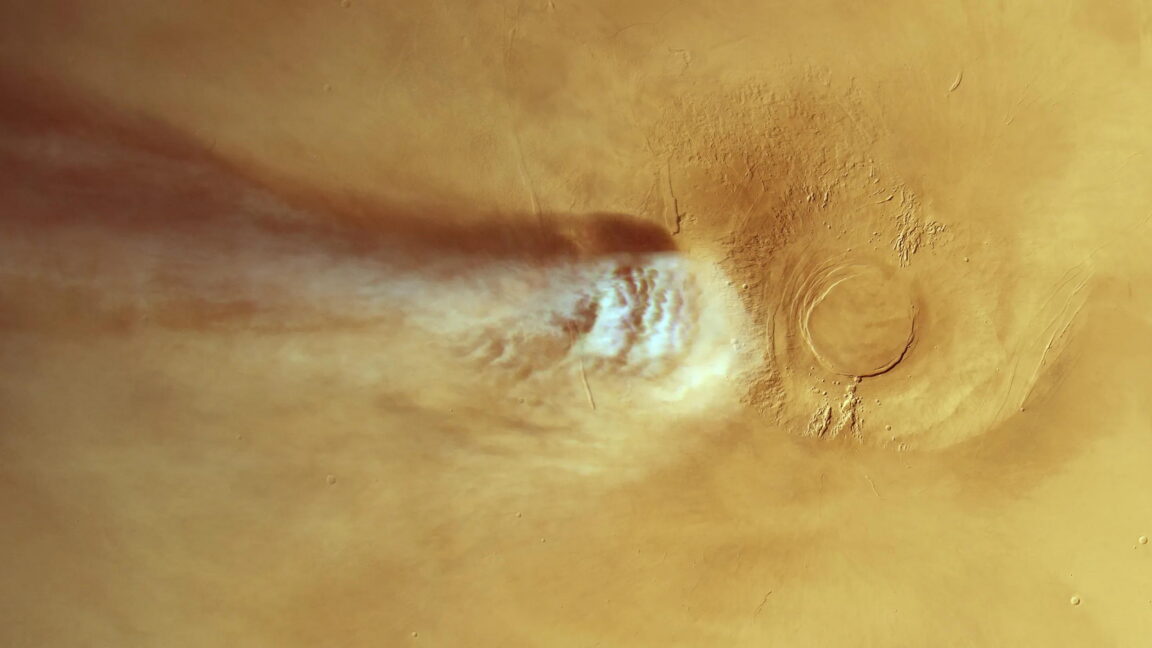
Since it was first recorded by a probe in 2018, scientists have been unable to find a plausible explanation for the existence of this cloud, often referred to as the Arsia Mons Elongated Cloud (AMEC). Until now. Recently, researchers successfully modeled the cloud’s formation for the first time, their results suggesting that it may be driven by a physical process that has never been directly observed in any planet’s atmosphere.

“We found that we needed to include some exotic physics… physics that, while included in textbooks, is treated as theoretical and usually thought not to happen in nature. It certainly hasn’t been seen in action before,” Jorge Hernández-Bernal, a planetary scientist at Paris’ Sorbonne Université and lead author of the study, said in a press release. “Once we included this physics in our simulations, the AMEC emerged just as we hoped.”

On Earth, clouds usually form when water vapor creates droplets or ice crystals in the presence of tiny particles, such as dust or salt. The new study, published in Nature Geoscience, instead suggests AMEC could be forming through so-called homogeneous nucleation, where vapor changes directly into ice crystals on its own without any help from debris.

“It’s akin to droplets of condensation appearing in the middle of a room, rather than on a window,” Hernández-Bernal explained. “It’s wholly unexpected.”

0

Ice sheet expansion may have started 2,000 years ago, but we canceled that

Ars Technica Ice sheet expansion may have started 2,000 years ago, but we canceled that arstechnica.com
preview

Barnes Ice Cap sits on the central plateau of Baffin Island, in the Canadian Arctic. It is the last surviving fragment of the Laurentide Ice Sheet, the largest of the Pleistocene ice sheets, which at its peak buried most of Canada under two miles of ice and locked away around 80 meters of sea level. That remnant has now yielded direct physical evidence that ice sheets might have reversed their retreat and started to grow again thousands of years ago.

In a recent Science study, researchers show that the Laurentide reached its smallest size about 3,600 years ago, then started re-expanding roughly 2,000 years ago, which the team interprets as the opening move of the next glaciation. Apparently, this brand-new ice age was on its way until about 1960, when human-caused climate warming reversed it.

“Barnes is the last remaining piece of one of the domes of the Laurentide Ice Sheet,” says Nicolás Young, a geologist at Columbia University’s Lamont-Doherty Earth Observatory and lead author of the study. As that enormous dome thinned through the Holocene, its margin withdrew up onto Baffin Island, and what’s left today is the deflated core of something that was once two miles thick. The reason Barnes can testify about its own history, Young explains, comes down to the temperature at its base.

Most glaciers are warm-based, meaning meltwater at the bed lets them slide, and sliding ice grinds up everything beneath it, erasing the record. Barnes is cold-based, and thus frozen directly onto the bedrock beneath it, which prevents it from sliding.

“If there is an ice event where you live and you have to go and scrape off your windshield, that ice that’s plastered to the windshield of your car, that’s a good example of how cold-based ice operates. It’s sort of just stuck to what it’s on,” Young says.

This stuck ice preserves what’s beneath instead of eroding it. As the Laurentide retreated across the plateau, tundra plants colonized the newly bare ground. When the ice came back later, it simply smothered them in place and held them there, intact, for two millennia. To pinpoint the exact moment of this turnaround, Young’s team used two independent dating methods.

0

The Art (and Science) of Microscopes That Expand the Properties of Light We Can Perceive | Marine Biological Laboratory

Marine Biological Laboratory The Art (and Science) of Microscopes That Expand the Properties of Light We Can Perceive | Marine Biological Laboratory www.mbl.edu
preview

Shribak begins enlarging images of diatoms, tardigrades, and sea urchins, each containing colorful details that are usually invisible to the human eye. Humans typically perceive two properties of light: intensity (brightness) and wavelengths (color). The microscope Shribak developed and patented at the MBL in 2009, the polychromatic polarization microscope, allows him to visualize and record another property of light: Polarization.

Shribak begins enlarging images of diatoms, tardigrades, and sea urchins, each containing colorful details that are usually invisible to the human eye. Humans typically perceive two properties of light: intensity (brightness) and wavelengths (color). The microscope Shribak developed and patented at the MBL in 2009, the polychromatic polarization microscope, allows him to visualize and record another property of light: Polarization.

0

I’ve Worked in Congo for Decades. I’ve Never Seen an Ebola Crisis Like This.

Opinion | I’ve Worked in Congo for Decades. I’ve Never Seen an Ebola Crisis Like This. nyti.ms
preview

On a recent evening commute through Bunia, the capital of Ituri Province in the eastern Democratic Republic of Congo, the streets looked almost ordinary. This city of nearly 1 million people was teeming with life: fruit vendors lined the streets, the shops were crowded, and restaurants were filling for the evening.

But things are not normal at all. Ebola is ravaging the area and has killed more than 4,000 people countrywide, most of them in the Ituri province.

Indeed, it was hard to reconcile what I was seeing with what I’d heard from the driver who had taken me to visit a nearby health center. He told me that his brother and three members of his wife’s family had died of Ebola. His family knew about the disease, he said, but by the time they realized how sick they were, it was too late. They died at home, before making it to a hospital. Nearly half of all people who are confirmed to have Ebola will die from it.

I have worked in humanitarian health in this region for decades and helped lead responses to several Ebola outbreaks. I have never seen one get this far ahead of us. Even now, more than 140 days after the outbreak was declared, most new cases are appearing outside the chains of transmission that health workers are tracking, and between one-third and two-thirds of deaths are occurring not in treatment centers but in people’s homes and communities. The threat is spreading: Last week, Kenya reported its first Ebola case after a man who had traveled there from Congo died of the disease.

0

One with the world? A new look at brains transformed by psychedelics.

Ars Technica One with the world? A new look at brains transformed by psychedelics. arstechnica.com
preview

For about a decade, the mainstream understanding has been that psychedelics cause chaos in the brain. Brain networks—the stable patterns of communication that handle vision, attention, or our sense of self, and more—loosen and start talking to each other all at once. EEG traces get noisier and more complex. “Think of the networks of the brain as highways,” says Devon Stoliker, a neuroscientist at Monash University. “Under psychedelics, these highways break down into many different directions.”

In a recent Nature study, Stoliker’s team designed an experiment to test whether these directions are truly chaotic and random. Researchers gathered 62 people who had never taken a psychedelic before, gave them 19 milligrams of psilocybin, a common psychedelic found in certain fungi, and scanned their brains. Then, they used AI to analyze the drugged and sober brain scans. What emerged was not exactly chaos.

Stoliker thinks chaos is not a satisfactory explanation for psychedelics’ effect on the brain. “It never really explained why an individual would have a meaningful experience, why they might have insight, why they might experience clarity, and why these might translate into positive psychological changes,” Stoliker says. To investigate if there are other explanations, he and his colleagues designed a study called PsiConnect.

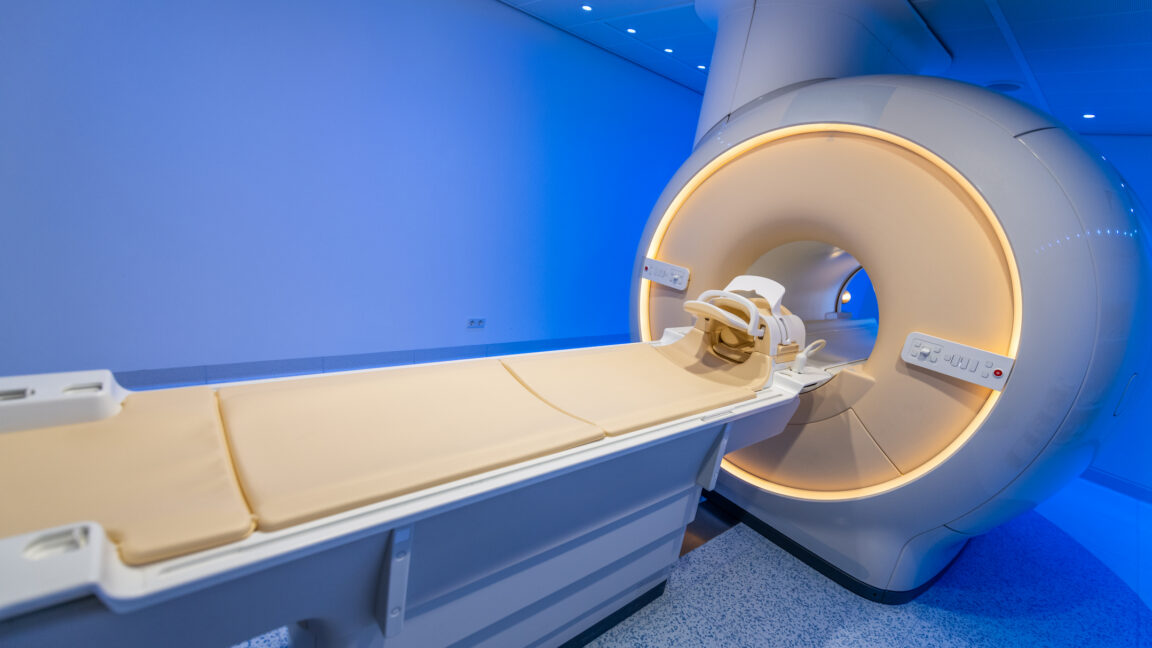
Volunteers went through the same four-part sequence twice, once sober and once on psilocybin. The sequence included putting participants in four different settings or contexts: eight minutes of lying at rest, a guided meditation, an 11-minute curated music playlist, and finally six minutes of eyes-open video of clouds moving across a sky. Each participant did all four inside an MRI scanner about 80 minutes after dosing, and again on EEG about 150 minutes after.

There were no cognitive tasks researchers routinely go for in brain studies, but there was a purpose behind this omission.

“We wanted ecological validity,” Stoliker says. “We wanted to know what the brain was like when somebody was having an authentic, uninterrupted psychedelic experience. If somebody took a psychedelic in a therapeutic setting, you wouldn’t have them completing tasks.” Stoliker also points out that there’s evidence that giving someone a task mid-trip pulls them out of the state—a phenomenon researchers sometimes call grounding. “Once you introduce these sorts of tasks, you’re actually interrupting the very phenomena you are seeking to measure.” And it worked.

0

Vegetables half as nutritious as they were in the 1960s

Yahoo News Vegetables half as nutritious as they were in the 1960s www.yahoo.com
preview

This is The Telegraph, so apologies for the weird choice on percent and other style quirks.

The nutritional value of fruit and vegetables has fallen by up to 50pc since the Sixties because of declining soil quality, according to a new study.

The report, from researchers at Deep Science Ventures, found that humans needed to consume twice the number of vegetables to get the same level of minerals such as potassium, magnesium or copper as would have been present in their food 60 years ago.

The study found that many crops had lost 20pc to 50pc of several key nutrients.

Will Summers, a senior associate at the firm, said: "For 60 years we’ve measured food security in calories and tonnes per hectare.

“On those measures we’ve done remarkably well. But we’ve been quietly hollowing out what’s inside our food.”

The decrease in nutrient and vitamin value is thought to be down to declining soil quality and crops being selectively bred for their ability to grow quickly, rather than there being any focus on their health benefits.

The effect will be particularly acute for the 14pc of Britons who identify as vegetarian or vegan.

0

Is AI the End of Math As We Know It?

Quanta Magazine Is AI the End of Math As We Know It? | Quanta Magazine www.quantamagazine.org
preview

Throughout the summer of 2026, there were plenty of signs of what was to come. Every week, it seemed, artificial intelligence models were offering proofs of decades-old mathematical conjectures. So what happened on September 8 shouldn’t have been a complete surprise. And yet to many it felt sudden, almost violent. OpenAI announced that its models had solved one of math’s most famous problems — and immediately sparked a controversy over authorship and standards. Mathematics would never be the same.

“In whatever years I have left, I don’t expect that I’ll ever again prove a theorem because I’m actually needed to prove it,” Scott Aaronson (opens a new tab) of the University of Texas, Austin wrote on his blog (opens a new tab). “Human mathematicians are forevermore dethroned as the main theorem-proving entities on planet earth.” Other online missives expressed optimism, but many revealed some combination of grief, confusion, and fear.

Two days after the announcement, I found myself in a classroom at the University of California, Berkeley, surrounded by some 150 students, postdocs, and professors. The mathematician Ken Ono, who took a leave of absence from the University of Virginia to work at an AI start-up called Axiom Math, was scheduled to give a talk. “You might be graduating into a profession that might not even exist, or that will be very different than what you expected,” Ono told them. “You need to brace.”

The audience responded with anger and frustration. There were whispers and exchanged glances; Ono couldn’t make it through a single slide without a fresh wave of questions. “I’m not entirely sure what our takeaway is supposed to be,” one student said. Another asked how Ono and his start-up would take responsibility in light of “the shameful way that AI companies are treating mathematics.”

When Ono said that mathematicians would do their “very best” to avoid the bleak future the students were envisioning, a third retorted, hands trembling: “What are you doing? What is your ‘very best’?” The talk, including time for questions, had been allotted 50 minutes; with the extended Q&A, it went on for more than two hours. Many students lingered afterward, to vent and console one another.

To me, the reasons for these emotional reactions were obvious. The young mathematicians recognized that their field would have to change or risk extinction. What did surprise me was that when I returned to New York and brought it up in conversations with friends or family, they didn’t see what the problem was. All sorts of amazing discoveries are around the corner, they imagined. Wasn’t that the point?

These conversations exposed a long-standing problem: Many people don’t know what mathematics really is, or why mathematicians do it. Now mathematicians need to answer that question for themselves and explain it to the rest of the world — quickly. How they answer will determine what happens next.

0

Lived Experience of Hirsutism in Transfeminine Individuals

preview

Conclusions and Relevance In this qualitative study, transgender women and nonbinary adults assigned male at birth described experiencing hirsutism-related stigma and facing barriers to permanent hair removal. Multilevel changes aimed to reduce stigma, educate clinicians on hair-removal options, expand transgender-inclusive hair-removal services, and advocate for insurance coverage for permanent hair removal are required to reduce barriers to access medically necessary permanent hair removal for gender dysphoria.

Conclusions and Relevance In this qualitative study, transgender women and nonbinary adults assigned male at birth described experiencing hirsutism-related stigma and facing barriers to permanent hair removal. Multilevel changes aimed to reduce stigma, educate clinicians on hair-removal options, expand transgender-inclusive hair-removal services, and advocate for insurance coverage for permanent hair removal are required to reduce barriers to access medically necessary permanent hair removal for gender dysphoria.

0

The Atlantic hurricane season has been so quiet it’s unprecedented

Scientific American The Atlantic hurricane season has been so quiet it’s unprecedented www.scientificamerican.com
preview

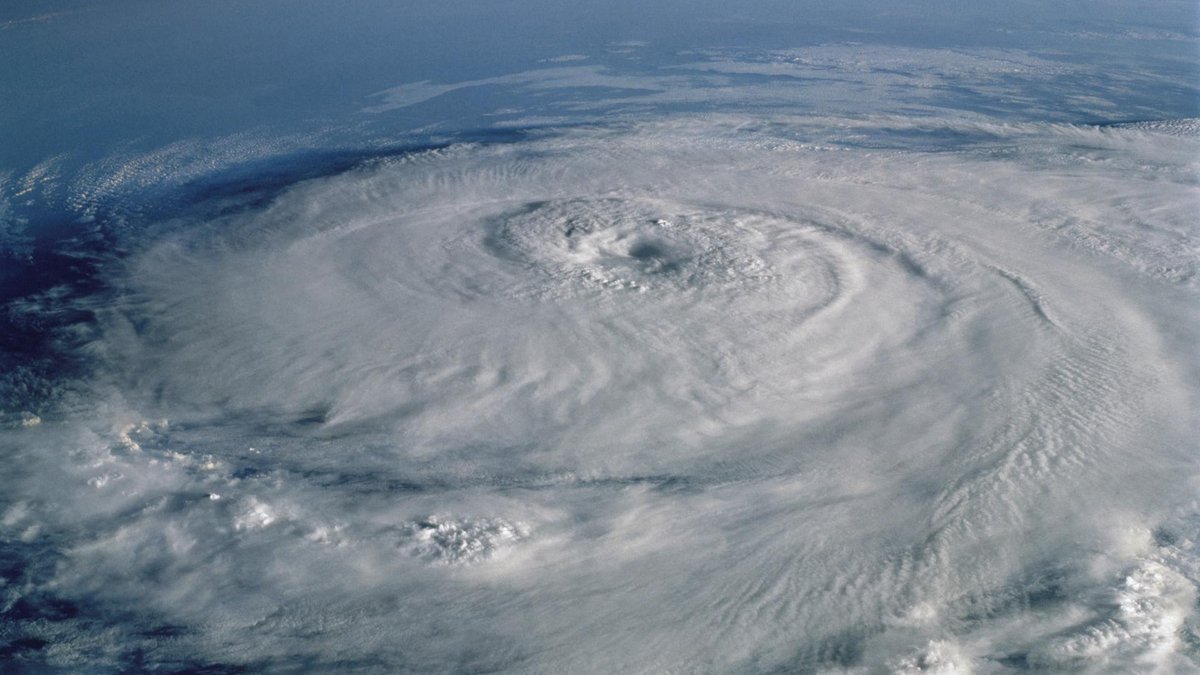
We’ve never had an Atlantic hurricane season without a single hurricane through the end of September since reliable records began—until now.

That fact underscores how remarkable this season has been, with an exceptionally strong El Niño—likely to become the biggest in living memory—keeping a lid on tropical cyclone activity in the Atlantic while supercharging it in the eastern Pacific (and giving Hawaii one of its busiest seasons on record).

Though ocean waters across the Atlantic are amply warm right now, those cross-cutting winds—known as wind shear—aren’t abating. That’s thanks to El Niño. This cyclical climate phenomenon happens because of an eastward shift in warm ocean waters in the Pacific, although it has worldwide effects on the weather. The movement of warm waters, in turn, changes where heat enters the atmosphere, which alters the motions of atmospheric currents. In the Atlantic, that means there is more wind shear and air that pushes downward, both of which stymie cyclone development.

0

Where Does the Quantum World End and Ours Begin?

Quanta Magazine Where Does the Quantum World End and Ours Begin? | Quanta Magazine www.quantamagazine.org
preview

Jonathan Halliwell explains how quantum decoherence is key to understanding how we transition from a world with a wave-like nature of matter and energy to the classical macroscopic world that we’re used to.

Jonathan Halliwell explains how quantum decoherence is key to understanding how we transition from a world with a wave-like nature of matter and energy to the classical macroscopic world that we’re used to.

0

How Virus-like ‘Jumping Genes’ Became Our Partners in Evolution

Quanta Magazine How Virus&#x2d;like ‘Jumping Genes’ Became Our Partners in Evolution | Quanta Magazine www.quantamagazine.org
preview

Half of our genome is made of transposons — snips of DNA that can move and copy themselves. But they’re more than parasites or genetic junk.

Half of our genome is made of transposons — snips of DNA that can move and copy themselves. But they’re more than parasites or genetic junk.

0

Adults with severe mental illness die 15 to 20 years earlier from diseases such as cancer

the Guardian ‘Early deaths are not inevitable’: report reveals why adults with severe mental illness die younger www.theguardian.com
preview

Adults with severe mental illness are nearly five times more likely than their peers to die from serious physical diseases before the age of 75, according to research.

The analysis of NHS data by the Rethink Mental Illness charity reveals that people with severe mental health problems die 15-20 years earlier than the wider adult population, largely due to preventable physical conditions.

Rethink’s calculations show that adults under 75 with serious mental ill health – defined as those referred to specialist secondary mental health services – are 6.3 times as likely to die from liver disease, 6 times more likely from respiratory illness, 3.8 times more likely from cardiovascular disease and 2.3 times as likely from cancer. They are also 14.6 times as likely to die due to suicide, compared with those who were not referred. Overall, they are 4.8 times more likely to die before the age of 75 than the general population.

For some conditions, these health inequalities are the starkest to date. For working-age adults living with a mental illness, the number of deaths from cardiovascular disease and cancer are at their highest levels since records began, each with more than 24,000 deaths in the 2022-2024 reporting period, the charity calculated.

0

Drilling hits 10,350 feet in 15 days at Oregon geothermal site

Interesting Engineering Drilling hits 10,350 feet in 15 days at Oregon geothermal site interestingengineering.com
preview

This is a story that could have handled some editing. Just ignore the last section, which you’ve already read.

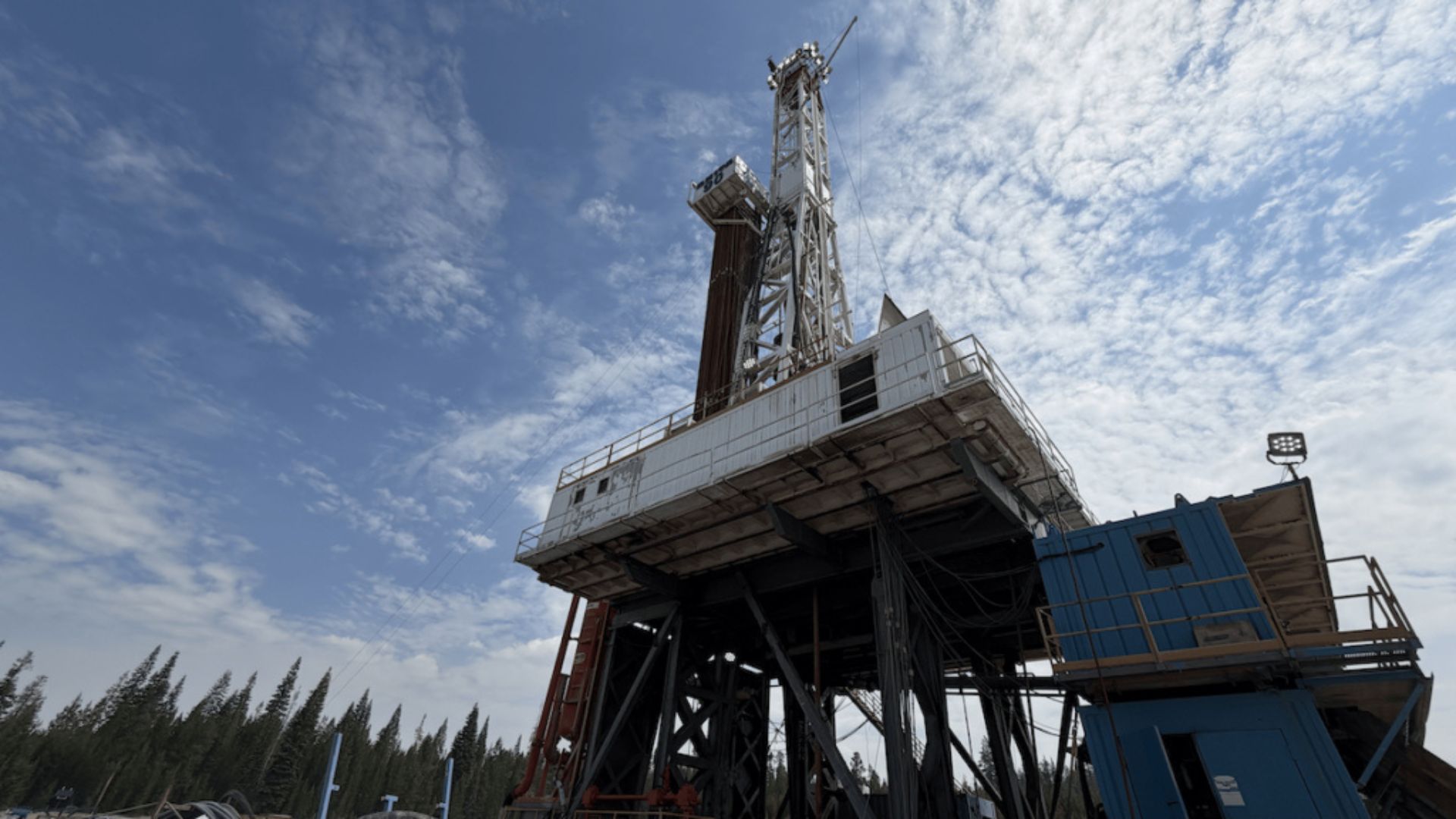
Drilling miles into the Earth to tap energy hot enough to melt lead usually breaks equipment before it breaks records.

Texas-based Mazama Energy has announced a drilling performance milestone at its Athena geothermal well in Newberry, Oregon. It is a key step toward commercializing superhot rock geothermal energy.

The energy company said its latest geothermal well, Athena, reached a depth of 10,350 feet in a swift 15 days. Interestingly, it is roughly an 80 percent reduction in drilling time compared to a landmark well drilled at the same site just last year.

The development will help move the clean energy sector a step closer to tapping “superhot rock.” These subsurface formations are hotter than 750°F (399°C)^[after you’ve already said “hotter than,” you can round up to 400C] and hold enough energy to transform green grid economics.

“Our goal was to demonstrate that we could drill faster and be cost-effective as we move toward increasingly hotter and deeper conditions,” said Pat Brand, Project Athena Director and Mazama’s Drilling SME. “We still have work ahead as we drill toward 750+°F temperatures, but the performance we are already seeing gives us confidence.”

0

Hallucinatory ‘voices’ shaped by local culture, Stanford anthropologist says

Stanford researcher: Hallucinatory ‘voices’ shaped by local culture news.stanford.edu
preview

Anthropologist Tanya Luhrmann found that voice-hearing experiences of people with serious psychotic disorders are shaped by local culture – in the U.S., the voices are harsh and threatening; in Africa and India, they are more benign and playful.

Anthropologist Tanya Luhrmann found that voice-hearing experiences of people with serious psychotic disorders are shaped by local culture – in the U.S., the voices are harsh and threatening; in Africa and India, they are more benign and playful.