


0
preview
looks like 4,940 scientists returned between 2000–2021 alone
looks like 4,940 scientists returned between 2000–2021 alone


Not on this instance? Enter your own instance's domain to go straight to following c/science@hexbear.net there.
showing posts tagged #science — clear

news.wfu.edu/…/specialized-brain-cells-help-wasps…
Those wasps buzzing around the backyard can recognize the faces of their nest mates, much like humans can tell the difference between mom and dad, friend and foe. Now, new research from Wake Forest University shows how the wasp brain makes those distinctions. A visual illustration that demonstrates how wasps greet and recognize each other.This illustration shows the area of the brain where paper wasps process visual information. In humans, scientists call these neurons “face cells.” Christopher Jernigan calls them “wasp cells” in the insect he studies, Polistes fuscates.
The finding, said Christopher Jernigan, assistant professor of biology, offers additional perspectives in understanding how animals across species—even humans—process social visual information to distinguish one face from another. The research was performed in collaboration with colleagues at Cornell University.
Jernigan’s neuroscience research appears today in the peer-reviewed journal Cell. He served as lead contact for “Neural correlates of facial recognition in a social wasp.”
“These wasps that perform facial recognition have neurons similar to those in our own brains that are doing very similar things,” Jernigan said. “These groups of neurons are all firing, and each neuron has a slightly different preference for one face or another.”


US immigration agents this week detained an asylum seeker from China who is pursuing a PhD in neuroscience at Princeton University—just days after a survey revealed that new international student enrollment has dropped by 15% nationwide following President Donald Trump’s return to office. Eva Yi Xie told her colleagues at Princeton’s Brody Lab that she was detained on Thursday at the Ronald Reagan Washington National Airport in Arlington, Virginia. The 24-year-old’s lawyers said Friday that she was sent to a US Immigration and Customs Enforcement (ICE) holding center in Chantilly. Her attorneys also filed a habeas corpus petition in the US District Court for the District of Virginia, seeking her immediate release. In response, Judge Anthony Trenga, an appointee of former President George W. Bush, blocked the Trump administration from removing her from the judicial district pending further court order. Xie came to the United States from China a decade ago and, according to her LinkedIn profile, graduated from the Bronx High School of Science and earned a bachelor’s degree from the Massachusetts Institute of Technology before starting her doctoral program at the Ivy League institution. She has interned at Meta, Microsoft, and IBM.
Rodney Priestley, dean of Princeton’s graduate school, said in a statement that “news of Eva’s detention is distressing for me and many members of the Princeton University community. The university has arranged for Eva to be represented by legal counsel, and we will remain in contact with her legal team, her family, and colleagues to provide support. We hope Eva will soon be able to resume her studies at Princeton.” Neuroscience professor Carlos Brody, who advises Xie, told the student newspaper, The Daily Princetonian, that “it seems wildly unfair,” adding: “Eva is a brilliant law-abiding student and wonderful person who has many talents to contribute to the United States. Detaining her, with the intent of deporting her, makes no sense whatsoever. It is cruel, and it is our country shooting itself in the foot.” Xie wrote on LinkedIn earlier this week that she was in Washington, DC to present at a Society for Neuroscience conference. The organization “is closely monitoring the detention” of Xie, it said Friday. “We are in close contact with Princeton University and stand ready to provide any support that may be needed. Our thoughts are with Eva, her family, and her colleagues.”
The student’s colleagues also weighed in, as did other academics and tech professionals. Ningshan Ma, who attended MIT with Xie, wrote on the platform X: “This is horrifying. Eva is an amazing classmate and friend. Please help in any capacity.” Brian Huang, an MIT alumnus who’s now at Google DeepMind, said: “This woman was one of my labmates during undergrad… absolute insanity from this administration.” The Brody Lab’s official X account said that “she’s a brilliant neuroscientist, mentor, and friend. She went to a conference to present her work, and now she’s in a detention center. She should be home.” Princeton student Conor McGrory wrote: “Just heard the news that a student in my PhD program was kidnapped by ICE earlier today. Eva is a great person and a gifted scientist, and the fact that these cruel, lawless people are subjecting her to this makes me sick with anger.” Another student at the university, Jorge Yanar, said that “Eva is one of the kindest and most brilliant people I’ve worked with during my PhD. It is shocking and deeply infuriating that this is happening. Please share! Call your representatives. Forward this to reporters.”
New Jersey Sen. Andy Kim’s office is directly in touch with Xie, according to Kim’s press secretary Katey Sabo. She added that his office is “working on the case” in a statement to the Prince. Sen. Cory Booker, the other New Jersey senator, wrote in a statement to the Prince that ICE has not responded to his outreach on Xie’s detention. Kim and Booker are both Democrats. “My office has contacted US Immigration and Customs Enforcement (ICE) regarding the detention of Eva Yi Xie and has not yet received a response. I expect a prompt and full explanation of the circumstances surrounding her detention,” Booker wrote. The Congressional Asian Pacific American Caucus said, “Remember when Trump said he would go after the ‘worst of the worst?’ Absolutely shameful.”In addition to rounding up foreign students—often targeting those critical of US foreign policy—Trump’s immigration agents have invaded various communities across the country and killed both citizens and undocumented immigrants.
Kelly Rojas, co-director of the Detained Adult Program at the Amica Center for Immigrant Rights, told The Washington Post that at least five people, including Xie, have been detained by immigration officials at DC-area airports in recent weeks. "It’s really particularly devastating and unfair,” Rojas said, “because once someone is detained, even though you have a good legal claim and have been doing everything right, it gets to be a thousand times harder for you to access your legal rights and access your day in court and with the government to get your case heard.”

looks like 4,940 scientists returned between 2000–2021 alone
looks like 4,940 scientists returned between 2000–2021 alone

Banner image: A pair of nudibranchs on coral in Manta Ray Bay, Yap in Micronesia. Image by Betty Wills via Wikimedia (CC BY-SA 4.0).
Conservation groups have launched a new initiative to safeguard coral reefs in Yap, a state in the Federated States of Micronesia, through both scientific innovation and traditional stewardship.
The Yap Resilience Hub, a partnership between The Nature Conservancy (TNC) and the Great Barrier Reef Foundation (GBRF), is a three-year project that seeks to support local conservation efforts through 2028.
“Coral reefs are central to life in Yap and across island communities because they provide food, support livelihoods, and sustain cultural practices,” Berna Gorong, capacity building manager at TNC Micronesia & Polynesia, told Mongabay by email.
The reefs are traditional fishing grounds managed under community and clan tenure and “closely tied to identity, stewardship, and daily life,” Gorong said.
The Yap Resilience Hub plans to rely on a steering committee of government, traditional leaders and community representatives to help identify candidate reef areas for protection. The reefs will be selected based on five criteria, Gorong said, including their ecological condition and potential for recovery, connectivity to other reef systems, and community and governance readiness.
Once priority reefs are identified, she said the project will support local action plans, ensuring that community priorities and local leadership remain at the forefront of the conservation strategy. “Capacity building and capacity-needs assessments will be central so local partners can sustain the work beyond the project period,” Gorong said.
“By pairing community priorities with science, planning, and capacity building, [the project] aims to strengthen reef resilience and support the long-term well-being of Yap’s people and coastal communities,” she added.
While many Micronesian reefs remain relatively healthy compared to other global regions, they face increasing pressure from rising seas and climate change.
Dawnette Olsudong, a researcher at the Palau International Coral Reef Center who has conducted assessments on coral restoration in Yap and isn’t involved in the project, said proactive measures are important.
“I am hopeful that the launch of this project will strengthen our understanding of reef conditions and improve our ability to make informed conservation and restoration decisions,” Olsudong told Mongabay. She noted her research has helped identify sites that communities perceived as degraded and in need of restoration.
The Yap Resilience Hub project is part of the Resilient Reefs Pasifika initiative, funded by the GBRF.


Panamanian golden frogs (Atelopus zeteki) suffered significant declines due to chytrid. The species has not been seen in the wild since 2009. Credit: Roshan Patel, Smithsonian’s National Zoo and Conservation Biology Institute.
As a deadly fungal disease ravages wild frog populations around the globe, scientists have identified potential locations in Panama where amphibians might persist despite the disease, according to new research from the Smithsonian’s National Zoo and Conservation Biology Institute (NZCBI) and Smithsonian Tropical Research Institute (STRI) published in the Journal for Nature Conservation.
The amphibian chytrid disease, also known as chytridiomycosis or simply chytrid, is caused by the fungus Batrachochytrium dendrobatidis. It has spread like wildfire through Central and South America since the 1970s and is now ubiquitous. It is believed to have driven numerous species of neotropical frogs to the brink of extinction, including many in the genus Atelopus, commonly known as harlequin toads.
Now, as conservationists attempt to reintroduce captive-bred species to the wild, they hope to give the animals a leg up by identifying climatic refugia—places that are environmentally unsuitable for chytrid but well-suited to frogs.
The chytrid fungus is present across almost all of the historic range of Atelopus species, but just as human influenza cases change with the seasons, the severity of chytrid disease fluctuates with temperature and humidity.
Using previously developed models that identified where the disease was present and when it was most severe, the authors built new chytrid suitability maps to identify places where reintroduced frogs might thrive without the threat of chytrid.
“We have tried releasing captive-bred harlequin toads back into the wild and experienced high losses due to the amphibian chytrid fungus that persists in the environment,” said Brian Gratwicke, conservation biologist at NZCBI and senior author of the article.
“By mapping climatic refuges, we finally have a tool to rank potential release sites, allowing us to select places where the released animals have the best chance of survival.”

Variable harlequin frogs (Atelopus varius) were the only species found surviving in chytrid-suitable sites, which scientists say is consistent with evidence that the species may have evolved resistance to the disease. Credit: Brian Gratwicke, Smithsonian’s National Zoo and Conservation Biology Institute
Researchers found that most harlequin toad species in Panama persist only at sites where more than 80% of the seasons were unsuitable for medium- and high-intensity infections. Only one species, the variable harlequin toad (A. varius), was found at sites suitable for the disease, which scientists say is consistent with evidence that the species may have evolved resistance to chytrid.
The models not only identify potential reintroduction sites but also point to places where wild Atelopus populations might remain.
“Our ability to identify climate refugia is critical if we hope to locate populations that might have disappeared from most places in their former range,” said Carrie Lewis, a doctoral candidate at George Mason University and lead author of the publication. “These persisting populations could provide a source of genes to bolster populations under human care and provide opportunities to augment wild populations.”

Like other Atelopus species, the critically endangered Pirri harlequin frog (A. glyphus) has experienced significant declines due to the amphibian chytrid disease. Credit: Brian Gratwicke, Smithsonian’s National Zoo and Conservation Biology Institute.

A prior reintroduction trial conducted with Limosa harlequin frogs (Atelopus limosus) resulted in the deaths of numerous frogs due to chytrid. By choosing reintroduction sites considered unsuitable for chytrid, researchers hope to reduce losses in future reintroduction trials. Credit: Roshan Patel, Smithsonian’s National Zoo and Conservation Biology Institute.

Researchers established captive assurance colonies for numerous species, including the critically endangered Toad Mountain harlequin frog (Atelopus certus), at the Panama Amphibian Rescue and Conservation Project in Gamboa, Panama. Credit: Roshan Patel, Smithsonian’s National Zoo and Conservation Biology Institute.
Although there are currently a limited number of potential refuges, additional opportunities have been identified. The models also forecast areas that, while currently suitable for the disease, might become unsuitable in the coming years because of climate change. Researchers note that the shifting climate could also have negative effects on frogs adapted to cooler mountainous habitats.
“Guided by these climate refugia and Atelopus habitat-suitability maps, we have already begun surveying potential sites for habitat suitability and potential release trials,” said Roberto Ibáñez, a STRI staff scientist and co-author of the study. “These tools will allow us to experimentally test the climate refugia hypothesis through future release trials.”
Panamanian golden frogs (Atelopus zeteki) suffered significant declines due to chytrid. The species has not been seen in the wild since 2009. Credit: Roshan Patel, Smithsonian’s National Zoo and Conservation Biology Institute.
As a deadly fungal disease ravages wild frog populations around the globe, scientists have identified potential locations in Panama where amphibians might persist despite the disease, according to new research from the Smithsonian’s National Zoo and Conservation Biology Institute (NZCBI) and Smithsonian Tropical Research Institute (STRI) published in the Journal for Nature Conservation.
The amphibian chytrid disease, also known as chytridiomycosis or simply chytrid, is caused by the fungus Batrachochytrium dendrobatidis. It has spread like wildfire through Central and South America since the 1970s and is now ubiquitous. It is believed to have driven numerous species of neotropical frogs to the brink of extinction, including many in the genus Atelopus, commonly known as harlequin toads.
Now, as conservationists attempt to reintroduce captive-bred species to the wild, they hope to give the animals a leg up by identifying climatic refugia—places that are environmentally unsuitable for chytrid but well-suited to frogs.
The chytrid fungus is present across almost all of the historic range of Atelopus species, but just as human influenza cases change with the seasons, the severity of chytrid disease fluctuates with temperature and humidity.
Using previously developed models that identified where the disease was present and when it was most severe, the authors built new chytrid suitability maps to identify places where reintroduced frogs might thrive without the threat of chytrid.
“We have tried releasing captive-bred harlequin toads back into the wild and experienced high losses due to the amphibian chytrid fungus that persists in the environment,” said Brian Gratwicke, conservation biologist at NZCBI and senior author of the article.
“By mapping climatic refuges, we finally have a tool to rank potential release sites, allowing us to select places where the released animals have the best chance of survival.”
Variable harlequin frogs (Atelopus varius) were the only species found surviving in chytrid-suitable sites, which scientists say is consistent with evidence that the species may have evolved resistance to the disease. Credit: Brian Gratwicke, Smithsonian’s National Zoo and Conservation Biology Institute
Researchers found that most harlequin toad species in Panama persist only at sites where more than 80% of the seasons were unsuitable for medium- and high-intensity infections. Only one species, the variable harlequin toad (A. varius), was found at sites suitable for the disease, which scientists say is consistent with evidence that the species may have evolved resistance to chytrid.
The models not only identify potential reintroduction sites but also point to places where wild Atelopus populations might remain.
“Our ability to identify climate refugia is critical if we hope to locate populations that might have disappeared from most places in their former range,” said Carrie Lewis, a doctoral candidate at George Mason University and lead author of the publication. “These persisting populations could provide a source of genes to bolster populations under human care and provide opportunities to augment wild populations.”
Like other Atelopus species, the critically endangered Pirri harlequin frog (A. glyphus) has experienced significant declines due to the amphibian chytrid disease. Credit: Brian Gratwicke, Smithsonian’s National Zoo and Conservation Biology Institute.
A prior reintroduction trial conducted with Limosa harlequin frogs (Atelopus limosus) resulted in the deaths of numerous frogs due to chytrid. By choosing reintroduction sites considered unsuitable for chytrid, researchers hope to reduce losses in future reintroduction trials. Credit: Roshan Patel, Smithsonian’s National Zoo and Conservation Biology Institute.
Researchers established captive assurance colonies for numerous species, including the critically endangered Toad Mountain harlequin frog (Atelopus certus), at the Panama Amphibian Rescue and Conservation Project in Gamboa, Panama. Credit: Roshan Patel, Smithsonian’s National Zoo and Conservation Biology Institute.
Although there are currently a limited number of potential refuges, additional opportunities have been identified. The models also forecast areas that, while currently suitable for the disease, might become unsuitable in the coming years because of climate change. Researchers note that the shifting climate could also have negative effects on frogs adapted to cooler mountainous habitats.
“Guided by these climate refugia and Atelopus habitat-suitability maps, we have already begun surveying potential sites for habitat suitability and potential release trials,” said Roberto Ibáñez, a STRI staff scientist and co-author of the study. “These tools will allow us to experimentally test the climate refugia hypothesis through future release trials.”

cross-posted from: lemmy.ml/post/54366801
The scientific literature can be viewed as an “information commons:” an intangible resource that “no one owns and is shared by everyone.” There are well-established economic and political frameworks for understanding such commons, emerging from the history of agricultural common lands found in places like preindustrial England. This article provides a primer on the history and these frameworks, and considers a key difference between the information commons and the fields of yore: while information commons are robust and immensely valuable — some can be said to rank among humanity’s greatest achievements — the English agricultural commons no longer meaningfully exist. The latter are gone not because of the well-known “tragedy of the commons,” but rather a phenomenon known as the enclosure movement (~1600–1800) that transformed the common lands into private property. Many observers, then and now, judge enclosure to have been theft at a societal scale. This article argues that artificial intelligence (AI) provides precisely the tools needed to enable a previously-infeasible enclosure of the information commons. Although AI-enabled enclosure does not operate identically to physical enclosure, it shares the key features of turning the commons into private wealth and undermining the social systems that support them (via “slop spam”). The concepts presented in this article can provide a scholarly basis for interrogating the foreboding feeling that AI may represent not just a smash-and-grab, but an attack upon a whole way of life.

if one is not a biologist, some useful tidbits can be found against hard geneticist weirdos. idk if it’s sicence or theory, but whatever, scientists shouldn’t drop philosophy because it doesn’t pay.
if one is not a biologist, some useful tidbits can be found against hard geneticist weirdos. idk if it’s sicence or theory, but whatever, scientists shouldn’t drop philosophy because it doesn’t pay.

JAXA, the Japanese space agency, has successfully launched a new mission this morning to the larger of Mars’ two moons, Phobos. It’s planned to deploy a small rover, and also to collect samples of material and launch them back to Earth for study here. Phobos is a lot smaller than our own Moon so the gravity is extremely weak. This makes a sample-return mission practical with a small spacecraft.
JAXA, the Japanese space agency, has successfully launched a new mission this morning to the larger of Mars’ two moons, Phobos. It’s planned to deploy a small rover, and also to collect samples of material and launch them back to Earth for study here. Phobos is a lot smaller than our own Moon so the gravity is extremely weak. This makes a sample-return mission practical with a small spacecraft.

The short-legged horned toad, an endangered species in Hong Kong, is a small frog measuring around 40 mm in length. It is characterised by short hind limbs, small horn-like projections above the eyes, and skin coloration and patterns that closely resemble dead leaves. (The photo shows the Short-legged Horned Toad population on Lantau Island.) Credit: Lingnan University
The short-legged horned toad (Boulenophrys brachykolos), listed as endangered on the International Union for Conservation of Nature (IUCN) Red List of Threatened Species, is the only known small frog species in Hong Kong belonging to the genus Boulenophrys of the family Megophryidae.
A study led by the Division of Science at Lingnan University has found that the Lantau Island population of the short-legged horned toad shows clear genetic divergence from other local populations, along with several notable differences in the mating calls of males.
The research team suggests that the Lantau population represents an early stage of speciation. Geographic isolation of Lantau Island from other landmasses likely contributed to these unique evolutionary traits. The team recommends treating the Lantau population as a separate conservation unit in the future.
These findings have been published in the journal Current Herpetology.
The short-legged horned toad is found in mountain streams on Lantau Island, Hong Kong Island, Kowloon, the New Territories and adjacent Shenzhen. The research team, led by Lingnan University, collected 19 samples of the short-legged horned toad (nine from Lantau Island, six from Hong Kong Island and four from Kowloon) to examine their genetic and morphological characteristics.

The study shows that Short-legged Horned Toads are visually almost identical, making evolutionary differences difficult to detect through traditional field surveys alone. (The photo shows the Short-legged Horned Toad population on Hong Kong Island.). Credit: Lingnan University
The results show that the short-legged horned toads on Lantau form a distinct genetic group separate from those on Hong Kong Island, Kowloon and Shenzhen. This suggests that the Lantau population has been separated from other populations for a considerable period.
In addition, the team recorded and analyzed the mating calls of male short-legged horned toads from Lantau Island, Hong Kong Island and Kowloon. They found significant differences between the calls of the Lantau Island population and those of other local populations. The Lantau population produces calls with a faster rhythm and shorter individual notes.
In terms of physical appearance, the team found no marked differences between frogs from Lantau Island and other regions, indicating that physical characteristics alone may be insufficient to distinguish the Lantau population from other populations.
Jonathan Fong, the corresponding author of the study, associate dean (administration and education) of the Wu Jieh Yee School of Interdisciplinary Studies and associate professor of the Division of Science at Lingnan University, said the study provides a more comprehensive approach to evaluating evolutionary divergence among populations of the same species.
He said, "Many amphibians look very similar, making evolutionary differences difficult to detect through traditional methods that examine morphology alone. By integrating genetic and acoustic data, we found that frogs on Lantau Island have a distinct genetic makeup and male toads have different mating calls. This suggests that the Lantau population is following a distinct evolutionary trajectory."
Sung Yik-hei, the first author of the study and adjunct assistant professor of the Division of Science at Lingnan University, explained that Lantau Island became geographically isolated from the mainland approximately 10,000 years ago. The geographic isolation likely reduced gene flow between populations, allowing the Lantau short-legged horned toad population to develop unique genetic traits over time. The study also highlights that Hong Kong may harbor undiscovered biodiversity.
Sung said, "The results suggest that the short-legged horned toad population on Lantau Island may represent an early stage of speciation, although current evidence is insufficient to determine whether the Lantau population constitutes a distinct species. The short-legged horned toad is an endangered species, and if the Lantau population declines or becomes extinct, its unique genetic traits could be lost and could not be replaced by populations from other areas.
“We therefore propose that conservation management recognize the Lantau population as an independent conservation unit, giving due consideration to its specific conservation needs to ensure the survival of this unique native population.”
The short-legged horned toad, an endangered species in Hong Kong, is a small frog measuring around 40 mm in length. It is characterised by short hind limbs, small horn-like projections above the eyes, and skin coloration and patterns that closely resemble dead leaves. (The photo shows the Short-legged Horned Toad population on Lantau Island.) Credit: Lingnan University
The short-legged horned toad (Boulenophrys brachykolos), listed as endangered on the International Union for Conservation of Nature (IUCN) Red List of Threatened Species, is the only known small frog species in Hong Kong belonging to the genus Boulenophrys of the family Megophryidae.
A study led by the Division of Science at Lingnan University has found that the Lantau Island population of the short-legged horned toad shows clear genetic divergence from other local populations, along with several notable differences in the mating calls of males.
The research team suggests that the Lantau population represents an early stage of speciation. Geographic isolation of Lantau Island from other landmasses likely contributed to these unique evolutionary traits. The team recommends treating the Lantau population as a separate conservation unit in the future.
These findings have been published in the journal Current Herpetology.
The short-legged horned toad is found in mountain streams on Lantau Island, Hong Kong Island, Kowloon, the New Territories and adjacent Shenzhen. The research team, led by Lingnan University, collected 19 samples of the short-legged horned toad (nine from Lantau Island, six from Hong Kong Island and four from Kowloon) to examine their genetic and morphological characteristics.
The study shows that Short-legged Horned Toads are visually almost identical, making evolutionary differences difficult to detect through traditional field surveys alone. (The photo shows the Short-legged Horned Toad population on Hong Kong Island.). Credit: Lingnan University
The results show that the short-legged horned toads on Lantau form a distinct genetic group separate from those on Hong Kong Island, Kowloon and Shenzhen. This suggests that the Lantau population has been separated from other populations for a considerable period.
In addition, the team recorded and analyzed the mating calls of male short-legged horned toads from Lantau Island, Hong Kong Island and Kowloon. They found significant differences between the calls of the Lantau Island population and those of other local populations. The Lantau population produces calls with a faster rhythm and shorter individual notes.
In terms of physical appearance, the team found no marked differences between frogs from Lantau Island and other regions, indicating that physical characteristics alone may be insufficient to distinguish the Lantau population from other populations.
Jonathan Fong, the corresponding author of the study, associate dean (administration and education) of the Wu Jieh Yee School of Interdisciplinary Studies and associate professor of the Division of Science at Lingnan University, said the study provides a more comprehensive approach to evaluating evolutionary divergence among populations of the same species.
He said, "Many amphibians look very similar, making evolutionary differences difficult to detect through traditional methods that examine morphology alone. By integrating genetic and acoustic data, we found that frogs on Lantau Island have a distinct genetic makeup and male toads have different mating calls. This suggests that the Lantau population is following a distinct evolutionary trajectory."
Sung Yik-hei, the first author of the study and adjunct assistant professor of the Division of Science at Lingnan University, explained that Lantau Island became geographically isolated from the mainland approximately 10,000 years ago. The geographic isolation likely reduced gene flow between populations, allowing the Lantau short-legged horned toad population to develop unique genetic traits over time. The study also highlights that Hong Kong may harbor undiscovered biodiversity.
Sung said, "The results suggest that the short-legged horned toad population on Lantau Island may represent an early stage of speciation, although current evidence is insufficient to determine whether the Lantau population constitutes a distinct species. The short-legged horned toad is an endangered species, and if the Lantau population declines or becomes extinct, its unique genetic traits could be lost and could not be replaced by populations from other areas.
“We therefore propose that conservation management recognize the Lantau population as an independent conservation unit, giving due consideration to its specific conservation needs to ensure the survival of this unique native population.”
Practice safe sex, that’s my motto. (I haven’t had a sex in over a decade)
Practice safe sex, that’s my motto. (I haven’t had a sex in over a decade)
RIP Bozo 
RIP Bozo


A surprising new study found that people who sleep near their dogs don’t experience disrupted sleep. If anything, the University of Toronto researchers discovered, we humans are the ones disturbing our dogs’ sleep.
And we feel safer sleeping with our dogs, hinting at “a deeper evolutionary history” between humans and dogs, said study co-author Ming Fei Li, who was a graduate student of evolutionary anthropology during the research.

more like pop philosophy science, but anyways good that someone publishes short essays in that area
more like pop philosophy science, but anyways good that someone publishes short essays in that area





The 2026 Ig Nobel prizewinners in full BIOMECHANICS Matilda Brindle, Catherine Talbot and Stuart West, for devising a precise definition of kissing. ECONOMICS Paul Piff, Daniel Stancato, Stéphane Côté, Rodolfo Mendoza-Denton and Dacher Keltner, for amassing evidence that wealthy people are more likely to engage in unethical behavior than are people with lower incomes. CHEMISTRY Sanchari Banerjee, Nathan Coussens, François-Xavier Gallat, Nitish Sathyanarayanan, Jandhyam Srikanth, Koichiro Yagi, James Gray, Stephen Tobe, Barbara Stay, Leonard Chavas and Subramanian Ramaswamy, for discovering that milk proteins from cockroaches that give birth to live young contain three times as much energy as milk proteins from cows. MEDICINE The late Tokuji Unno, for the 1977 study called ‘How to Blow the Nose — An Aerodynamic Study of the Nose Blowing’. BIOLOGY João Miguel Alves-Nunes, Adriano Fellone, Selma Maria Almeida-Santos, Carlos Roberto de Medeiros, Ivan Sazima and Otavio Augusto Vuolo Marques, for gently stepping on various parts of snakes to try to learn what induces a venomous snake to bite a human. PHYSICS Randy Hurd, Zhao Pan, Tadd Truscott and Kaveeshan Thurairajah, for theoretical and experimental attempts to design a splash-free urinal. TECHNOLOGY Justin Puma, Zhen Yang, Evan Johnston, Zixin Zhang, Xiaoyi Lan, Lingzhi Zhang, Hongyu Hou, Zixin He, Ali Afify, Megan Creighton, Jianyu Li and Changhong Cao, for pioneering the use of mosquito proboscises as high-resolution 3D printing nozzles, a process called necroprinting. OLFACTION Ilona Croy, Tomasz Frackowiak, Thomas Hummel and Agnieszka Sorokowska, for collecting evidence that babies smell great to their parents, but teenagers do not. PEACE Jaimie Arona Krems, Rebecka Hahnel-Peeters, Laureon Merrie, Keelah Williams and Daniel Sznycer, for documenting that people value friends who are mean to those that they dislike. SOIL SCIENCE Franz Bender, Marcel van der Heijden, Atlant Bieri and Pia Viviani, for burying 1,000 pairs of underwear in more than 25 nations and digging them up two months later.
The 2026 Ig Nobel prizewinners in full BIOMECHANICS Matilda Brindle, Catherine Talbot and Stuart West, for devising a precise definition of kissing. ECONOMICS Paul Piff, Daniel Stancato, Stéphane Côté, Rodolfo Mendoza-Denton and Dacher Keltner, for amassing evidence that wealthy people are more likely to engage in unethical behavior than are people with lower incomes. CHEMISTRY Sanchari Banerjee, Nathan Coussens, François-Xavier Gallat, Nitish Sathyanarayanan, Jandhyam Srikanth, Koichiro Yagi, James Gray, Stephen Tobe, Barbara Stay, Leonard Chavas and Subramanian Ramaswamy, for discovering that milk proteins from cockroaches that give birth to live young contain three times as much energy as milk proteins from cows. MEDICINE The late Tokuji Unno, for the 1977 study called ‘How to Blow the Nose — An Aerodynamic Study of the Nose Blowing’. BIOLOGY João Miguel Alves-Nunes, Adriano Fellone, Selma Maria Almeida-Santos, Carlos Roberto de Medeiros, Ivan Sazima and Otavio Augusto Vuolo Marques, for gently stepping on various parts of snakes to try to learn what induces a venomous snake to bite a human. PHYSICS Randy Hurd, Zhao Pan, Tadd Truscott and Kaveeshan Thurairajah, for theoretical and experimental attempts to design a splash-free urinal. TECHNOLOGY Justin Puma, Zhen Yang, Evan Johnston, Zixin Zhang, Xiaoyi Lan, Lingzhi Zhang, Hongyu Hou, Zixin He, Ali Afify, Megan Creighton, Jianyu Li and Changhong Cao, for pioneering the use of mosquito proboscises as high-resolution 3D printing nozzles, a process called necroprinting. OLFACTION Ilona Croy, Tomasz Frackowiak, Thomas Hummel and Agnieszka Sorokowska, for collecting evidence that babies smell great to their parents, but teenagers do not. PEACE Jaimie Arona Krems, Rebecka Hahnel-Peeters, Laureon Merrie, Keelah Williams and Daniel Sznycer, for documenting that people value friends who are mean to those that they dislike. SOIL SCIENCE Franz Bender, Marcel van der Heijden, Atlant Bieri and Pia Viviani, for burying 1,000 pairs of underwear in more than 25 nations and digging them up two months later.
Edited - I moved sentence around.
The team named the fossil Chosha praecursor, a reference to the Diné word for insect, “ch’osh.” In the Diné (sometimes known as Navajo) creation story, insect people were the land’s first inhabitants.
For a fossil described as a crustacean, it seemed to have an awful lot of insectlike traits, such as a body split into three parts, a pair of antennae and six legs emerging from the central part of the body. Overall, it looked a lot like a modern silverfish. But there was one big difference between this fossil and our current definition of an insect, which has six legs: This one had 24. Today, insects make up more than half the known species of animals, but their early origins are shrouded in mystery.
Very little is known about this transition, because insects and their fellow six-legged arthropods are missing from the fossil record from roughly 385 to 322 million years ago. Paleontologists call this period the “hexapod gap.” But the insect-resembling fossil in Mr. Tihelka’s textbook was from 324 million years ago — just inside the gap.
Its unusual body might reflect a life in transition from water-dwelling crustacean to land-dwelling insect. Some of the legs on its lower body had a flattened shape, which might have helped it paddle in water, while the three pairs of legs in the middle of its body seem more suited to terrestrial living.
figshare.unimelb.edu.au/articles/…/33250176?file=…
Chapter 2 is where the interesting stuff is, they assessed people for misogynistic attitudes, and also political ones they deem extreme. They classify left wing extremism as indicated by:
The rich will not give up their wealth easily. Organised violence, including against people, is the only way to make things fair for everyone.
Capitalism is ruining the world and should be resisted with violence
Without getting distracted by a discussion of the um curious decision to classify that in the same way as beliefs like murdering people who wont fuck me is a cool and good I think it’s an interesting result.
Misogyny in left-wing spaces is real, and this survey indicates it’s not automatically less prevalent than in right wing spaces (although particular attitudes may differ). Despite shit like patriarchy and control of women being recognised as a problematic root of oppression by many prominent theorists (e.g. engles on the origin of class relations).
Something I think we should all think about.
Also at least Aussie gen z’ers seem a bit fucking cooked here, how do boomers have better attitudes about forcing sex on your wife than gen z women? wat is going on? I wonder if some of this can be explained through inexperience, but there is a stark difference between older and younger people. Also much less than between men and women than I would have expected.
Why are we failing to reach kids compared to the right wing here?


cross-posted from: lemmygrad.ml/post/12576894
Archive link: archive.ph/rBkJG
cross-posted from: lemmygrad.ml/post/12576894
Archive link: archive.ph/rBkJG

hoping it’s a railgun coming online
hoping it’s a railgun coming online
This social behavior might reveal the evolutionary roots of traits that underlie pet-keeping in humans, scientists say, from caregiving to tolerance and curiosity. But it’s not the same as a person keeping a cat or a dog
Carlyn Kranking | Associate Web Editor, Science
August 18, 2026 4:22 p.m.
When a mouse wandered into the white-cheeked gibbons’ enclosure at the Shanghai Zoo, the monkeys didn’t try to eat it—or even chase it away. One female primate scooped up the rodent and gently held and caressed it. University of Oxford evolutionary biologist Cyril Grueter watched the interaction, and he was mystified.
“I wasn’t quite sure what I was looking at,” he wrote in an article for the Conversation. “The gibbon treated the tiny rodent with remarkable gentleness. I couldn’t stop wondering why.”
Working with an international group of researchers, Grueter then uncovered more examples of primates interacting closely with other species. A young male bonobo carefully cradled a mongoose pup. Some monkeys climbed onto the backs of pigs; others mounted deer. A tufted gray langur stroked a squirrel. A group of stump-tailed macaques worked together to groom a stray dog.
In all, the team tallied 427 cases from scientific papers, media reports and a global survey of 37 primatologists. The interactions, most of which included play or grooming, occurred both in the wild and in captivity. They involved 88 primate species interacting with 127 different species, some of which were also primates. The researchers published the findings in July in the journal Primates.
The compilation reveals that “this is quite a common behavior,” Grueter tells New Scientist’s Michael Marshall. The new work is only a first step, but it’s starting to fill a void on the subject in the mainstream scientific literature, he adds. “We’re hoping that this study is also a wake-up call for primatologists, or zoologists more generally, to look for similar behaviors in both the wild and in captivity.”
One of Grueter’s favorite encounters occurs in Japan, where macaques have been regularly seen grooming and riding on the backs of sika deer. “It starts with something mundane: Macaques feeding in trees drop fruit and leaves that deer eat, and deer also consume macaque feces around sleeping sites,” Cédric Sueur, an animal behavior researcher at the University of Strasbourg in France, tells Smithsonian magazine. But it doesn’t stop there: “Macaques groom deer and eat their parasites, play with them and ride them.” They even try to mate with the deer, a behavior that might be spread through social transmission among the primates.
Sueur has published studies on the macaques and deer, but he was not involved in the new research. With the team’s assembled anecdotes, he says, “scattered curiosities become a data set one can interrogate.” But he emphasizes that the observations were not a designed experiment. “The numbers describe where scientists and cameras have been, not how often these behaviors occur,” Sueur says.
CW - animal death
Not all interactions documented by the team seemed friendly. Twenty-six of the incidents were deemed “abusive,” though these ranged widely. In one case, a male baboon in Saudi Arabia seemed to have “kidnapped” a domestic puppy, per the paper, and carried it around for long periods. The researchers identified 13 instances where the other animal died from violent handling, including birds, pangolins, primates and a domestic cat. These cases did not necessarily stem from ill will or aggression on the part of the primates—some might have simply been botched attempts at caring for the other creature.
Patterns emerged in how the primates interacted with other species based on their age and sex. Juvenile primates were more likely to engage in play, while females were more likely to groom. Most interactions were initiated by the primates.
These reports may shed light on the evolutionary origins of pet-keeping behavior in humans, the team writes. Of course, these cross-species relationships aren’t the same as humans having a cat or a dog. “The authors say so themselves: Nearly all these interactions are ephemeral, whereas keeping a pet is a durable caretaking bond,” Sueur says. But the behaviors “may represent some of the evolutionary building blocks from which human-animal companionship eventually emerged,” Grueter adds in a statement.
The findings indicate that “some of the behavioral capacities that make pet-keeping possible (curiosity, tolerance, caregiving and maintaining long-term relationships with another species) did not suddenly appear in humans but have deeper evolutionary roots,” Grueter adds in an email to Defector’s Sabrina Imbler.
When did pet-keeping emerge?
Researchers do not know exactly when people started keeping pets, but evidence of domestication reaches to at least 12,000 years ago. A 14,000-year-old grave in Germany preserved a man and woman buried alongside a dog, whose bones showed evidence that it had been cared for.
A few cases, however, showed some longer-term care. A group of black-striped capuchin monkeys seemingly adopted an infant common marmoset in Brazil in 2004. The young monkey received care from two “adoptive ‘mothers,’” per the paper, and tolerance from others in the group, where it remained for at least ten months. A captive western gorilla named Koko showed maternal behaviors—from grooming to cradling and protective posturing—toward a kitten named All Ball in the 1980s. News reports in 2017 described a crested macaque in an Israeli zoo repeatedly cuddling, grooming and playing with a chicken that wandered into its enclosure.
Next, Sueur says, he would like to see “studies that take the other species’ point of view." He adds: "Almost everything we know is measured from the primate’s side; deer, dogs and pigs are treated as the setting rather than as partners.” If some of these interactions, such as the primates riding the sika deer, are to be seen as shared culture between the species, then they are not one-sided. This kind of relationship, he adds, “only makes sense if you watch both.”

cross-posted from: lemmygrad.ml/post/12544018
Archive link: archive.ph/U8SDb
cross-posted from: lemmygrad.ml/post/12544018
Archive link: archive.ph/U8SDb
What happens if a healthy person participates in an ayahuasca ceremony?
An article written by economists revealed surprising results about ayahuasca, using data that other researchers have difficulty obtaining. And this was thanks to Brazilian laws that protect the legality of the indigenous drink in a religious ritual context.
Ayahuasca is a traditional indigenous drink originating in the Amazon rainforest that eventually became popular worldwide through the expansion of churches that currently conduct thousands of ceremonies per year. The current scientific consensus is that ayahuasca carries therapeutic potential when accompanied by psychiatric support and in strictly controlled environments. In this context, we have records of improvements in cases of anxiety, depression, and substance abuse.

She says many people inheriting their genetics from east Asia cannot pick up on it well with their nose. But other than this minority, most people can.
You can buy the molecule alone, by itself with no additions, simply to enhance your smell without adding anything else.
If you’ve ever wanted a lovely podcast about perfumes, this is it. I like looking at the bottles too.
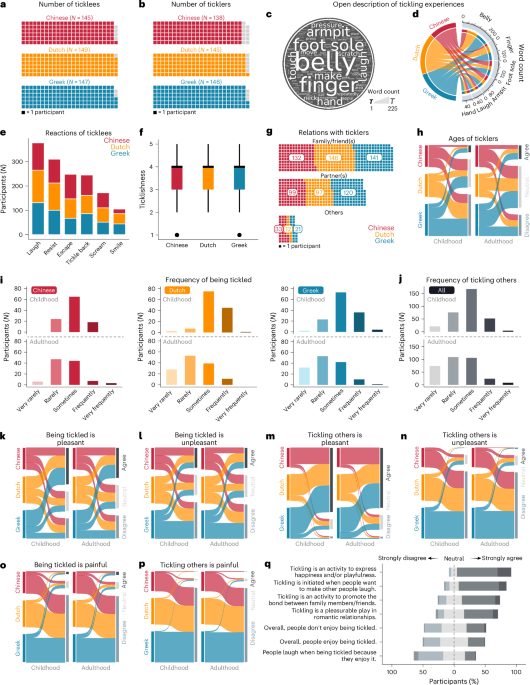
Future ignobel?
Future ignobel?

The US National Institutes of Health (NIH) has begun turning away research grant applications for which the “primary function” is informing policymakers and legislators, according to internal documents seen by Nature. This means that the agency is likely to fund fewer projects assessing how public policies affect human health.
The US National Institutes of Health (NIH) has begun turning away research grant applications for which the “primary function” is informing policymakers and legislators, according to internal documents seen by Nature. This means that the agency is likely to fund fewer projects assessing how public policies affect human health.

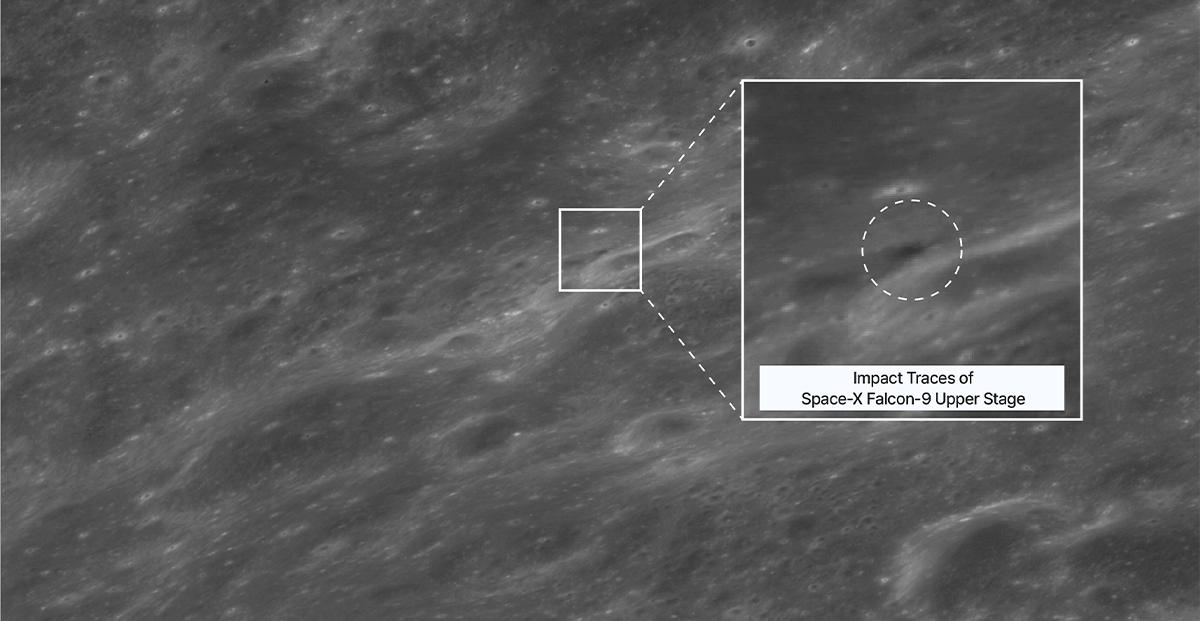
Posted this to science so I put it in tech like a dummy.
Anyway wouldn’t be surprised if we are a couple years out from advertisements on the moon.
Posted this to science so I put it in tech like a dummy.
Anyway wouldn’t be surprised if we are a couple years out from advertisements on the moon.