
0

In light of Lemmy.World's new ToS regarding "unhealthy diets", here are some credible resources on that matter as it pertains to a plant-based diet in humans

preview

If you’re here because of the “drama”, congratulations, I am too apparently. If you’re also here with the position that a vegan diet is unhealthy in humans, I’m begging you for a toilet break’s worth of your time. The contents of this post are wholly divorced from ethics or environmental concerns, are not here to “own you with facts and logic”, and are focused solely on human health through the quoting of scientific literature. For as many of these as I can, I have provided links to the full text on the NCBI’s PubMed Commons in the interest of transparency.


  • It is the position of the Academy of Nutrition and Dietetics that appropriately planned vegetarian, including vegan, diets are healthful, nutritionally adequate, and may provide health benefits for the prevention and treatment of certain diseases. These diets are appropriate for all stages of the life cycle, including pregnancy, lactation, infancy, childhood, adolescence, older adulthood, and for athletes […] Low intake of saturated fat and high intakes of vegetables, fruits, whole grains, legumes, soy products, nuts, and seeds (all rich in fiber and phytochemicals) are characteristics of vegetarian and vegan diets that produce lower total and low-density lipoprotein cholesterol levels and better serum glucose control. These factors contribute to reduction of chronic disease. —Journal of the Academy of Nutrition and Dietetics (2016)

  • Based on this systematic review of randomized clinical trials, there is an overall robust support for beneficial effects of a plant-based diet on metabolic measures in health and disease. —Translational Psychiatry (2019)

  • In most countries a vegan diet has less energy and saturated fat compared to omnivorous control diets, and is associated with favourable cardiometabolic risk profile including lower body weight, LDL cholesterol, fasting blood glucose, blood pressure and triglycerides. —PLoS One meta-analysis (2018)

  • This comprehensive meta-analysis reports a significant protective effect of a vegetarian diet versus the incidence and/or mortality from ischemic heart disease (-25%) and incidence from total cancer (-8%). Vegan diet conferred a significant reduced risk (-15%) of incidence from total cancer. —Critical Reviews in Food Science and Nutrition (2017)

  • The present systematic review and meta-analysis showed a 15% and a 21% reduction in the relative risk of CVD and IHD, respectively, for vegetarians compared to nonvegetarians, but no clear association was observed for total stroke or subtypes of stroke. In addition, an 18% reduction in the relative risk of IHD was observed among vegans when compared to nonvegetarians, although this association was imprecise. —European Journal of Nutrition (2023)

  • Adequate intake of dietary fiber is associated with digestive health and reduced risk for heart disease, stroke, hypertension, certain gastrointestinal disorders, obesity, type 2 diabetes, and certain cancers. According to consumer research, the public is aware of the benefits of fiber and most people believe they consume enough fiber. However, national consumption surveys indicate that only about 5% of the population meets recommendations, and inadequate intakes have been called a public health concern […] The IOM defines total fiber as the sum of dietary fiber and functional fiber. Dietary fiber includes nondigestible carbohydrates and lignins that are intrinsic and intact in plants; functional fiber includes isolated, nondigestible carbohydrates that have beneficial physiological effects in humans. Common sources of intrinsic fiber include grain products, vegetables, legumes, and fruit. —American Journal of Lifestyle Medicine (2017)

  • Consumption of vegetarian diets was associated with lower mean concentrations of total cholesterol (−29.2 and −12.5 mg/dL, P < 0.001), low-density lipoprotein cholesterol (−22.9 and −12.2 mg/dL, P < 0.001), and high-density lipoprotein cholesterol (−3.6 and −3.4 mg/dL, P < 0.001), compared with consumption of omnivorous diets in observational studies and clinical trials, respectively. —Nutrition Reviews (2017)

  • [R]ecommendations to increase fruit and vegetable consumption, while decreasing saturated fat and dairy intake, are supported [for asthma] by the current literature. Mediterranean and vegan diets emphasizing the consumption of fruits, vegetables, grains, and legumes, while reducing or eliminating animal products, might reduce the risk of asthma development and exacerbation. Fruit and vegetable intake has been associated with reduced asthma risk and better asthma control, while dairy consumption is associated with increased risk and might exacerbate asthmatic symptoms. —Nutrition Reviews (2020)

  • Over the past two decades, a substantial body of consistent evidence has emerged at the cellular and molecular level, elucidating the numerous benefits of a plant-based diet (PBD) for preventing and mitigating conditions such as atherosclerosis, chronic noncommunicable diseases, and metabolic syndrome. —Nutrients comprehensive review (2023)

  • Consumption of vegetarian diets, particularly vegan diets, is associated with lower levels of plasma lipids, which could offer individuals and healthcare professionals an effective option for reducing the risk of heart disease or other chronic conditions. —Nutrition Reviews systematic review and meta-analysis (2017)

  • After adjusting for basic demographic characteristics, medical specialty, and health behaviours (smoking, physical activity) in model 2, participants who followed plant-based diets had 73% lower odds of moderate-to-severe COVID-19 (OR 0.27, 95% CI 0.10 to 0.81) compared with participants who did not follow plant-based diets. Similarly, participants who followed either plant-based diets or pescatarian diets had 59% lower odds of moderate-to-severe COVID-19 (OR 0.41, 95% CI 0.17 to 0.99) compared with those who did not follow these diets. —British Medical Journal (2021)

  • Current research suggests that switching to a plant-based diet may help increase the diversity of health-promoting bacteria in the gut. However, more research is needed to describe the connections between nutrition, the microbiome, and health outcomes because of their complexity and individual heterogeneity. —Nutrients systematic review (2023)

  • [T]his systematic review shows that plant-based diets and their components might have the potential to improve cancer prognosis, especially for breast, colorectal and prostate cancer survivors. —Current Nutrition Reports (2022)


  • The data discussed in this systematic review allow us to conclude that plant-based diets are associated with lower BP and overall better health outcomes (namely, on the cardiovascular system) when compared with animal-based diets. —Current Hypertension Reports (2023)


  • The present systematic review provides evidence that vegan and vegetarian diets are associated with lower CRP levels, a major marker of inflammation and a mediator of inflammatory processes. —Scientific Reports (2020)

  • Evidence strongly suggests that plant-based dietary patterns that are abundant in fruits, vegetables, nuts, seeds, legumes, and whole grains with less emphasis on animal foods and processed foods are a useful and a practical approach to preventing chronic diseases. Such dietary patterns, from plant-exclusive diets to plant-centered diets, are associated with improved long-term health outcomes and a lower risk of all-cause mortality. Given that neurodegenerative disorders share many pathophysiological mechanisms with CVD, including oxidative stress, inflammation, and vascular damage, it is reasonable to deduce that plant-based diets can ameliorate cognitive decline as well. —Advances in Nutrition (2019)


  • This umbrella review offers valuable insights on the estimated reduction of risk factors for cardiometabolic diseases and cancer, and the CVDs-associated mortality, offered by the adoption of plant-based diets through pleiotropic mechanisms. Through the improvement of glycolipid profile, reduction of body weight/BMI, blood pressure, and systemic inflammation, A/AFPDs significantly reduce the risk of ischemic heart disease, gastrointestinal and prostate cancer, as well as related mortality. —PLoS One (2024)

  • In this community‐based cohort of US adults without cardiovascular disease at baseline, we found that higher adherence to an overall plant‐based diet or a provegetarian diet, diets that are higher in plant foods and lower in animal foods, was associated with a lower risk of incident cardiovascular disease, cardiovascular disease mortality, and all‐cause mortality. —Journal of the American Heart Association (2019)

  • In this meta-analysis of prospective observational studies, we found that greater adherence to a plant-based dietary patterns was inversely associated with the risk of type 2 diabetes. These findings were broadly consistent across subgroups defined by various population characteristics and robust in sensitivity analyses.—JAMA Internal Medicine (2019)

  • Our findings suggest that a shift in diet from a high consumption of animal-based foods, especially red and processed meat, to plant-based foods (e.g., nuts, legumes, and whole grains) is associated with a lower risk of all-cause mortality, CVD, and T2D. Thus, a change in dietary habits towards an increment of plant-based products appears to be important for cardiometabolic health. —BMC Medicine systematic review and meta-analysis (2023)

  • Not only is there a broad expansion of the research database supporting the myriad benefits of plant-based diets, but also health care practitioners are seeing awe-inspiring results with their patients across multiple unique subspecialties. Plant-based diets have been associated with lowering overall and ischemic heart disease mortality; supporting sustainable weight management; reducing medication needs; lowering the risk for most chronic diseases; decreasing the incidence and severity of high-risk conditions, including obesity, hypertension, hyperlipidemia, and hyperglycemia; and even possibly reversing advanced coronary artery disease and type 2 diabetes. —The Permanente Journal (2016)

  • It is the position of the Academy of Nutrition and Dietetics that, in adults, appropriately planned vegetarian and vegan dietary patterns can be nutritionally adequate and can offer long-term health benefits such as improving several health outcomes associated with cardiometabolic diseases. […] As leaders in evidence-based nutrition care, RDNs and NDTRs should aim to support the development and facilitation of vegetarian and vegan dietary patterns and access to nutrient-dense plant-based meals. Promoting a nutrient-balanced vegetarian dietary pattern on both individual and community scales may be an effective tool for preventing and managing many diet-related conditions. —Journal of the Academy of Nutrition and Dietetics (2025)

If you’re here because of the “drama”, congratulations, I am too apparently. If you’re also here with the position that a vegan diet is unhealthy in humans, I’m begging you for a toilet break’s worth of your time. The contents of this post are wholly divorced from ethics or environmental concerns, are not here to “own you with facts and logic”, and are focused solely on human health through the quoting of scientific literature. For as many of these as I can, I have provided links to the full text on the NCBI’s PubMed Commons in the interest of transparency.


  • It is the position of the Academy of Nutrition and Dietetics that appropriately planned vegetarian, including vegan, diets are healthful, nutritionally adequate, and may provide health benefits for the prevention and treatment of certain diseases. These diets are appropriate for all stages of the life cycle, including pregnancy, lactation, infancy, childhood, adolescence, older adulthood, and for athletes […] Low intake of saturated fat and high intakes of vegetables, fruits, whole grains, legumes, soy products, nuts, and seeds (all rich in fiber and phytochemicals) are characteristics of vegetarian and vegan diets that produce lower total and low-density lipoprotein cholesterol levels and better serum glucose control. These factors contribute to reduction of chronic disease. —Journal of the Academy of Nutrition and Dietetics (2016)

  • Based on this systematic review of randomized clinical trials, there is an overall robust support for beneficial effects of a plant-based diet on metabolic measures in health and disease. —Translational Psychiatry (2019)

  • In most countries a vegan diet has less energy and saturated fat compared to omnivorous control diets, and is associated with favourable cardiometabolic risk profile including lower body weight, LDL cholesterol, fasting blood glucose, blood pressure and triglycerides. —PLoS One meta-analysis (2018)

  • This comprehensive meta-analysis reports a significant protective effect of a vegetarian diet versus the incidence and/or mortality from ischemic heart disease (-25%) and incidence from total cancer (-8%). Vegan diet conferred a significant reduced risk (-15%) of incidence from total cancer. —Critical Reviews in Food Science and Nutrition (2017)

  • The present systematic review and meta-analysis showed a 15% and a 21% reduction in the relative risk of CVD and IHD, respectively, for vegetarians compared to nonvegetarians, but no clear association was observed for total stroke or subtypes of stroke. In addition, an 18% reduction in the relative risk of IHD was observed among vegans when compared to nonvegetarians, although this association was imprecise. —European Journal of Nutrition (2023)

  • Adequate intake of dietary fiber is associated with digestive health and reduced risk for heart disease, stroke, hypertension, certain gastrointestinal disorders, obesity, type 2 diabetes, and certain cancers. According to consumer research, the public is aware of the benefits of fiber and most people believe they consume enough fiber. However, national consumption surveys indicate that only about 5% of the population meets recommendations, and inadequate intakes have been called a public health concern […] The IOM defines total fiber as the sum of dietary fiber and functional fiber. Dietary fiber includes nondigestible carbohydrates and lignins that are intrinsic and intact in plants; functional fiber includes isolated, nondigestible carbohydrates that have beneficial physiological effects in humans. Common sources of intrinsic fiber include grain products, vegetables, legumes, and fruit. —American Journal of Lifestyle Medicine (2017)

  • Consumption of vegetarian diets was associated with lower mean concentrations of total cholesterol (−29.2 and −12.5 mg/dL, P < 0.001), low-density lipoprotein cholesterol (−22.9 and −12.2 mg/dL, P < 0.001), and high-density lipoprotein cholesterol (−3.6 and −3.4 mg/dL, P < 0.001), compared with consumption of omnivorous diets in observational studies and clinical trials, respectively. —Nutrition Reviews (2017)

  • [R]ecommendations to increase fruit and vegetable consumption, while decreasing saturated fat and dairy intake, are supported [for asthma] by the current literature. Mediterranean and vegan diets emphasizing the consumption of fruits, vegetables, grains, and legumes, while reducing or eliminating animal products, might reduce the risk of asthma development and exacerbation. Fruit and vegetable intake has been associated with reduced asthma risk and better asthma control, while dairy consumption is associated with increased risk and might exacerbate asthmatic symptoms. —Nutrition Reviews (2020)

  • Over the past two decades, a substantial body of consistent evidence has emerged at the cellular and molecular level, elucidating the numerous benefits of a plant-based diet (PBD) for preventing and mitigating conditions such as atherosclerosis, chronic noncommunicable diseases, and metabolic syndrome. —Nutrients comprehensive review (2023)

  • Consumption of vegetarian diets, particularly vegan diets, is associated with lower levels of plasma lipids, which could offer individuals and healthcare professionals an effective option for reducing the risk of heart disease or other chronic conditions. —Nutrition Reviews systematic review and meta-analysis (2017)

  • After adjusting for basic demographic characteristics, medical specialty, and health behaviours (smoking, physical activity) in model 2, participants who followed plant-based diets had 73% lower odds of moderate-to-severe COVID-19 (OR 0.27, 95% CI 0.10 to 0.81) compared with participants who did not follow plant-based diets. Similarly, participants who followed either plant-based diets or pescatarian diets had 59% lower odds of moderate-to-severe COVID-19 (OR 0.41, 95% CI 0.17 to 0.99) compared with those who did not follow these diets. —British Medical Journal (2021)

  • Current research suggests that switching to a plant-based diet may help increase the diversity of health-promoting bacteria in the gut. However, more research is needed to describe the connections between nutrition, the microbiome, and health outcomes because of their complexity and individual heterogeneity. —Nutrients systematic review (2023)

  • [T]his systematic review shows that plant-based diets and their components might have the potential to improve cancer prognosis, especially for breast, colorectal and prostate cancer survivors. —Current Nutrition Reports (2022)


  • The data discussed in this systematic review allow us to conclude that plant-based diets are associated with lower BP and overall better health outcomes (namely, on the cardiovascular system) when compared with animal-based diets. —Current Hypertension Reports (2023)


  • The present systematic review provides evidence that vegan and vegetarian diets are associated with lower CRP levels, a major marker of inflammation and a mediator of inflammatory processes. —Scientific Reports (2020)

  • Evidence strongly suggests that plant-based dietary patterns that are abundant in fruits, vegetables, nuts, seeds, legumes, and whole grains with less emphasis on animal foods and processed foods are a useful and a practical approach to preventing chronic diseases. Such dietary patterns, from plant-exclusive diets to plant-centered diets, are associated with improved long-term health outcomes and a lower risk of all-cause mortality. Given that neurodegenerative disorders share many pathophysiological mechanisms with CVD, including oxidative stress, inflammation, and vascular damage, it is reasonable to deduce that plant-based diets can ameliorate cognitive decline as well. —Advances in Nutrition (2019)


  • This umbrella review offers valuable insights on the estimated reduction of risk factors for cardiometabolic diseases and cancer, and the CVDs-associated mortality, offered by the adoption of plant-based diets through pleiotropic mechanisms. Through the improvement of glycolipid profile, reduction of body weight/BMI, blood pressure, and systemic inflammation, A/AFPDs significantly reduce the risk of ischemic heart disease, gastrointestinal and prostate cancer, as well as related mortality. —PLoS One (2024)

  • In this community‐based cohort of US adults without cardiovascular disease at baseline, we found that higher adherence to an overall plant‐based diet or a provegetarian diet, diets that are higher in plant foods and lower in animal foods, was associated with a lower risk of incident cardiovascular disease, cardiovascular disease mortality, and all‐cause mortality. —Journal of the American Heart Association (2019)

  • In this meta-analysis of prospective observational studies, we found that greater adherence to a plant-based dietary patterns was inversely associated with the risk of type 2 diabetes. These findings were broadly consistent across subgroups defined by various population characteristics and robust in sensitivity analyses.—JAMA Internal Medicine (2019)

  • Our findings suggest that a shift in diet from a high consumption of animal-based foods, especially red and processed meat, to plant-based foods (e.g., nuts, legumes, and whole grains) is associated with a lower risk of all-cause mortality, CVD, and T2D. Thus, a change in dietary habits towards an increment of plant-based products appears to be important for cardiometabolic health. —BMC Medicine systematic review and meta-analysis (2023)

  • Not only is there a broad expansion of the research database supporting the myriad benefits of plant-based diets, but also health care practitioners are seeing awe-inspiring results with their patients across multiple unique subspecialties. Plant-based diets have been associated with lowering overall and ischemic heart disease mortality; supporting sustainable weight management; reducing medication needs; lowering the risk for most chronic diseases; decreasing the incidence and severity of high-risk conditions, including obesity, hypertension, hyperlipidemia, and hyperglycemia; and even possibly reversing advanced coronary artery disease and type 2 diabetes. —The Permanente Journal (2016)

  • It is the position of the Academy of Nutrition and Dietetics that, in adults, appropriately planned vegetarian and vegan dietary patterns can be nutritionally adequate and can offer long-term health benefits such as improving several health outcomes associated with cardiometabolic diseases. […] As leaders in evidence-based nutrition care, RDNs and NDTRs should aim to support the development and facilitation of vegetarian and vegan dietary patterns and access to nutrient-dense plant-based meals. Promoting a nutrient-balanced vegetarian dietary pattern on both individual and community scales may be an effective tool for preventing and managing many diet-related conditions. —Journal of the Academy of Nutrition and Dietetics (2025)

0

Showing how I choose to eat

preview

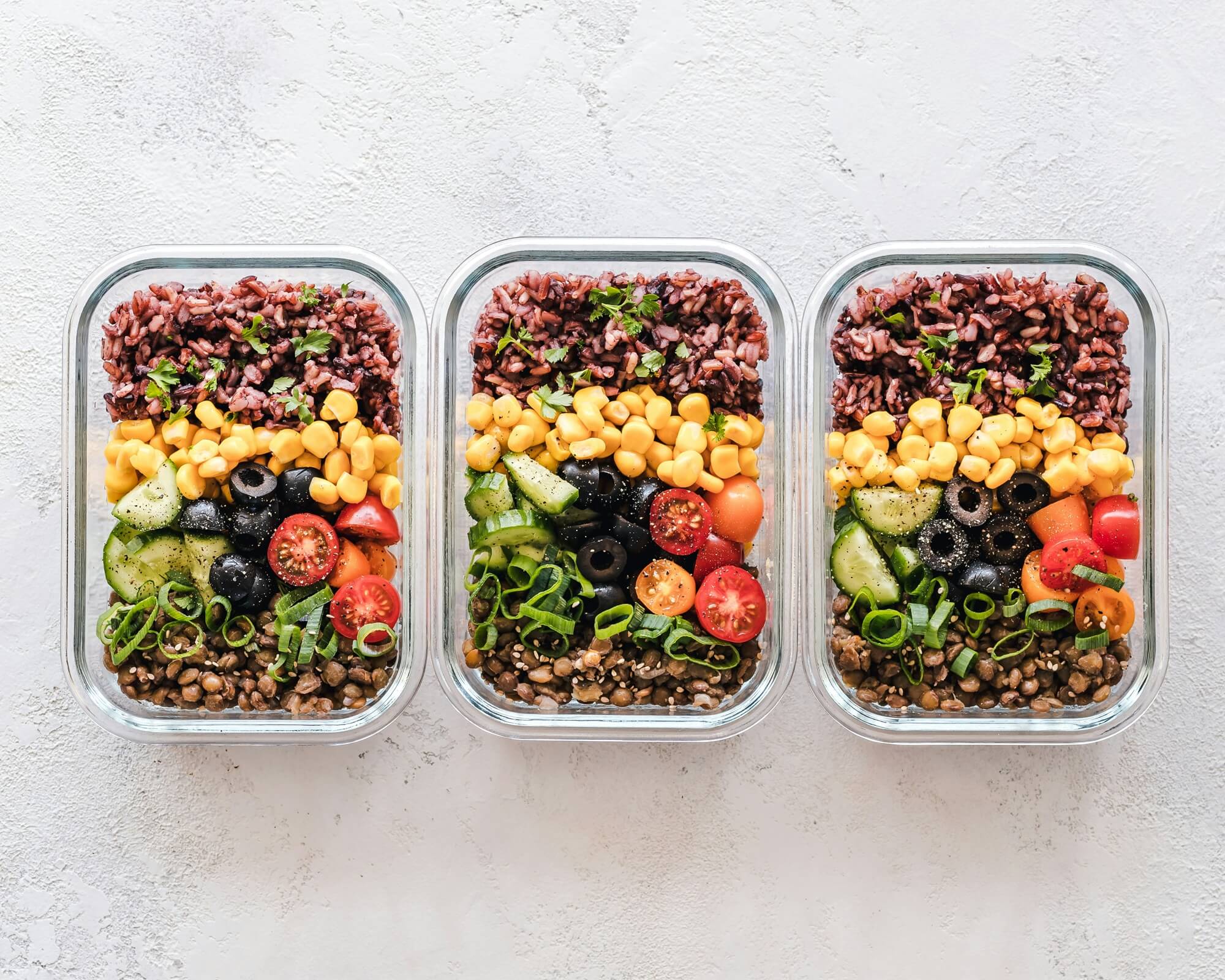
I have an image for an example, to share, because it helps me to talk about what I was making for a meal. Basic things don’t change, including that I use several vegetables cut up each time, for helping to have a good variety, while it may be with some different vegetables each time, and it will be cut up potato in it, or else quinoa, or else whole grain pasta, usually linguine or rotini, in the meal. It will be with hummus and with medium salsa, each and every time, with healthy herbs and spices I like, I also have lentils, nuts, and seeds with it. I vary with the other things. This has olives, asparagus, celery, cabbage, and kale, with my quinoa meal.

I have an image for an example, to share, because it helps me to talk about what I was making for a meal. Basic things don’t change, including that I use several vegetables cut up each time, for helping to have a good variety, while it may be with some different vegetables each time, and it will be cut up potato in it, or else quinoa, or else whole grain pasta, usually linguine or rotini, in the meal. It will be with hummus and with medium salsa, each and every time, with healthy herbs and spices I like, I also have lentils, nuts, and seeds with it. I vary with the other things. This has olives, asparagus, celery, cabbage, and kale, with my quinoa meal.

0

Zoonotic Diseases

preview

I lie here in my room, unable to exercise, unsure of when I will be well enough to sit upright for more than an hour and I seethe. I am one of countless victims of long covid, a chronic and sometimes permanent after-effect of a disease that you know well - a disease that most likely began in bats, then found its way to humans via racoon dogs or civets in a Chinese wet market. A zoonotic disease.

As of 2026 Officially reported covid deaths number over 7 million but based on elevated yearly expectations it’s estimated as many as 18 million actually died. 18 million! That’s the entire population of the Netherlands. DEAD. Billions suffered, countless millions more are still suffering and for what? Because some stupid selfish fucks couldn’t resist pleasing their delicate tastebuds (or probably in this case indulging their idiotic folk ‘medicine’).

It’s a story that has played out repeatedly. Animal agriculture, especially factory farming, is squarely responsible for: Swine flu, Bird flu, Hepatitis and Antibiotic resistant bacteria. Going further back you find the all time greats: Measles, Tuberculosis even Influenza!

Meat eaters are responsible for this. At best They allow it because they are ignorant, at worst because they are selfish and weak. Factor in all the other moral and environmental atrocities and I believe that one day we will discuss meat consumption in the same breath as slavery. Our great grandchildren will stare in horror and ask us ‘How could you?’

/rant

0

I do well

preview

Few know how healthy it can be with eating a healthy vegan way. I am old, after years of being vegan, and can do things I could not earlier in life, and even what others generally can’t do. Whole foods from plants would be very healthy for us. I found it out eating whole foods from plants for ten and a half years now and I see real benefits from it. It wasn’t any sacrifice with tasty meals I learned to make and enjoy more than anything.

Few know how healthy it can be with eating a healthy vegan way. I am old, after years of being vegan, and can do things I could not earlier in life, and even what others generally can’t do. Whole foods from plants would be very healthy for us. I found it out eating whole foods from plants for ten and a half years now and I see real benefits from it. It wasn’t any sacrifice with tasty meals I learned to make and enjoy more than anything.

0

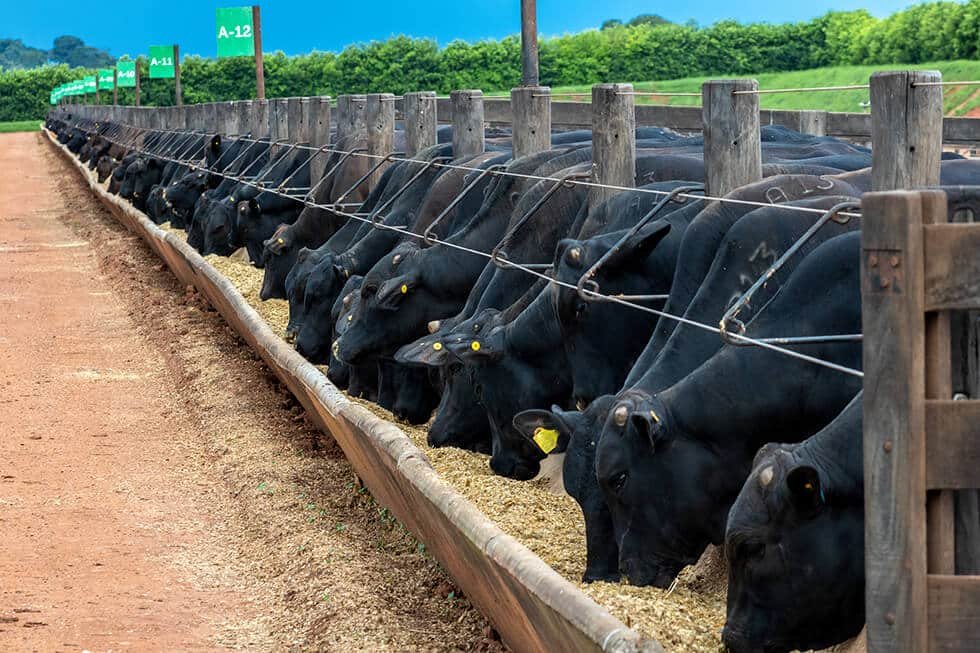
The Brazilian Steer, the American Hamburger and the Power of the Meat Bosses

Fair Observer The Brazilian Steer, the American Hamburger and the Power of the Meat Bosses www.fairobserver.com
preview

In the end, a hamburger’s journey helps illuminate something that speeches about economic sovereignty often hide: Meat is an agricultural product, but it is also an industrial commodity, a tool of trade policy and a global business. The steer is born in a pasture, but the price shaping its rancher’s livelihood can be decided in a meeting at the White House, in a negotiation between meatpackers or in a clash of interests in Congress.

In the end, a hamburger’s journey helps illuminate something that speeches about economic sovereignty often hide: Meat is an agricultural product, but it is also an industrial commodity, a tool of trade policy and a global business. The steer is born in a pasture, but the price shaping its rancher’s livelihood can be decided in a meeting at the White House, in a negotiation between meatpackers or in a clash of interests in Congress.

0

Exported to Israel as pets, Dutch dogs used to torture Palestinians

preview

Israel’s systematic use of rape and sexual violence against Palestinian prisoners is by now well understood and exhaustively documented.

Israeli lawyer Ben Marmarelli, who represents Palestinian “security” prisoners in Israeli detention, told this reporter that his clients sometimes beg him not to visit.

One even told him directly: “Don’t come, because every time you do, I get raped.”

Marmarelli said he could recognize signs of sexual violence with riot batons – a phenomenon, he said, that has been growing since Itamar Ben Gvir, Israel’s minister of national security, assumed his position – even before his clients spoke. They are visible in the marks of abuse, and the way prisoners struggle to walk.

But batons are not the only weapon used in sexual assaults on prisoners. Specially trained dogs are increasingly deployed to abuse detainees, as revealed by organizations such as the Palestinian Center for Human Rights and the Euro-Mediterranean Human Rights Monitor as well as the Israeli human rights group, B’Tselem.

One striking account recounts how a young fellow prisoner was attacked and raped by dogs in front of his fellow inmates.

“The soldiers let loose trained police dogs on the young man, who was subjected to [rape],” Fadi Saif al-Din Bakr, a lawyer from Gaza who was detained early in Israel’s genocide told human rights organizations. “I was hoping to die so that this would not happen to me.”

But where do the dogs come from? And by what mechanisms do they enter the Israeli system?

0

Denver and D.C. Have Voted to Ban Foie Gras

Sentient Denver and D.C. Have Voted to Ban Foie Gras sentientmedia.org
preview

The ballot measures passed overwhelmingly this midterm election, with 73% of DC voters and 66.55% in Denver voting in favor.

The ballot measures passed overwhelmingly this midterm election, with 73% of DC voters and 66.55% in Denver voting in favor.

0

EPA throws in the towel on policing air pollution from factory farms

Ars Technica EPA throws in the towel on policing air pollution from factory farms arstechnica.com
preview

The Environmental Protection Agency late last week announced it would end a 20-plus-year effort to develop methods to monitor air pollution from factory farms, effectively shuttering the agency’s stop-and-start attempts to regulate the potentially pollutant-spewing facilities under the Clean Air Act.

The announcement came just days before the midterm elections and was characterized by the agency as a long-awaited reprieve for farmers, a historically important constituency for Trump and the Republican Party.

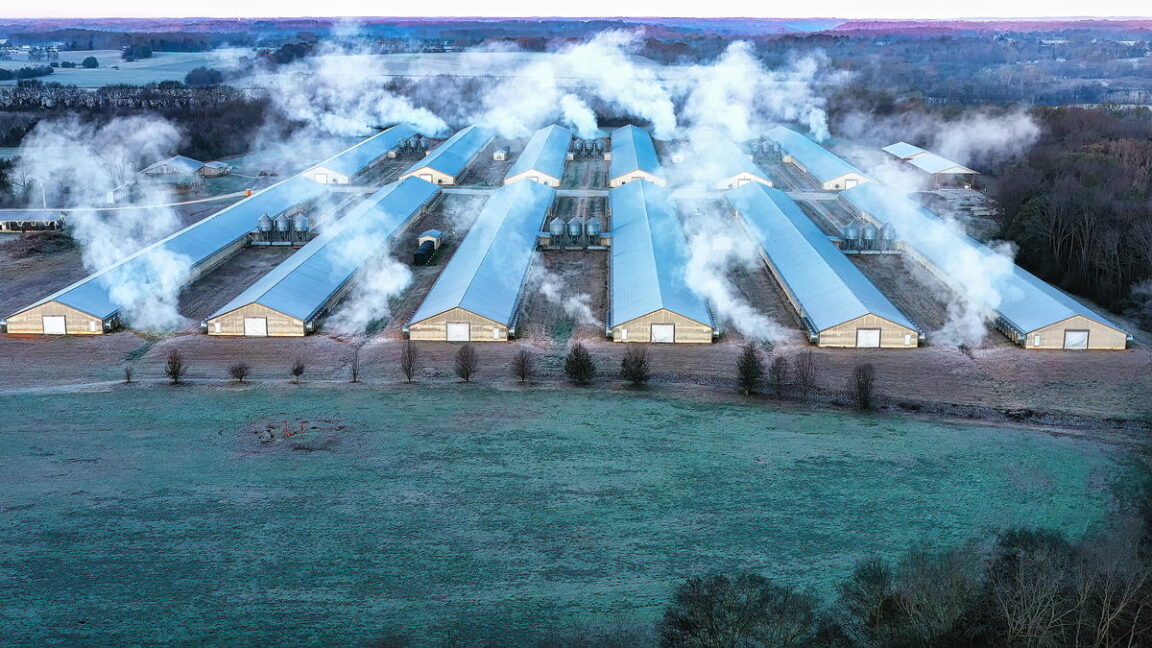
When tens of thousands of animals are packed into one place, pollution from their waste is blown from ventilation fans or emanates from giant lagoons of liquid effluent. Livestock facilities emit fine particulate matter, ammonia, nitrogen oxides, sulfur dioxide, and volatile organic compounds, all contributing to a toxic mix. Research has shown that emissions from these operations are a major cause of air pollution, causing nearly 12,700 deaths in the United States a year.

Strictly speaking, concentrated animal feeding operations, or CAFOs, are required to get permits under the Clean Air Act and report emissions of these pollutants under the Comprehensive Environmental Response, Compensation and Liability and Act and the Emergency Planning and Community Right-to-Know Act. But through a deal crafted in tandem with the EPA and the livestock industry, they’ve been given amnesty from doing so for more than 20 years.

…

0

Third person dies of bird flu since virus started jumping to livestock

Ars Technica Third person dies of bird flu since virus started jumping to livestock arstechnica.com
preview

A person in Washington state has died from bird flu after exposure at an infected dairy farm, state health officials reported Sunday. It marks the third human bird flu death in the US since a strain of highly pathogenic (H5) avian influenza (HPAI) made the unprecedented jump from wild, migratory birds to dairy cows, which was first reported in the US in March 2024.

The person who died was a Yakima County resident and was said to have had underlying health conditions, which could have made the person more vulnerable to the infection. On Friday, county officials reported that the person was severely ill and hospitalized. In the subsequent announcement of the person’s death, officials said they would not be releasing further information about the person, including their name, gender, or age, out of respect for the family’s privacy.

“Our hearts go out to the individual’s family and loved ones during this difficult time,” Dave Atteberry, health officer for the Yakima Health District, said in a statement. “Avian influenza can cause severe illness, particularly among people who have underlying health conditions. While this is a serious and heartbreaking outcome, the risk to the general public remains low.” Continued threat

In all, three people have tested positive for bird flu in Washington since the virus was reported in dairy cattle in the state on October 8. All three have been in Yakima County. While announcing the death on Sunday, officials also reported the third case. That case, like the first case, was in a person who had exposure to an infected dairy herd in the county. Both people have reportedly not experienced severe illness nor been hospitalized.

Since the October 8 report of infected herds, Washington state has had 40 detections of bird flu in dairy cows, according to the US Department of Agriculture. Most of those have been in Yakima County, which has reported detections in 33 herds.

This year, the USDA has reported 134 cases of bird flu in cattle, including cases in Texas, Washington, Idaho, Utah, and Kansas. The USDA lists no other reports of cases in other domestic livestock, including swine. But the virus has continued to spread in other wild and captive mammals. A report last month from ProPublica revealed that the virus is raging on a mink farm in Utah. The report raised alarm because mink is a species that could give the virus opportunities to mutate to better spread among humans.

To date, no human-to-human transmission of HPAI has been reported from the over 70 human cases detected since 2024. Of the cases, only three have resulted in death. The first death was in a 65-year-old Louisiana resident with underlying health conditions, who became critically ill in January 2025 after exposure to infected wild and backyard birds. The second death, in November 2025, was reported by Washington state officials as an older adult with underlying health conditions who also had exposure to infected backyard birds.

0

MIT engineers design a safer, more efficient vaccination system for farmed fish

MIT News | Massachusetts Institute of Technology MIT engineers design a safer, more efficient vaccination system for farmed fish news.mit.edu
preview

The amount of resources wasted on this kind of carnist bullshit while healthcare is denied to humans… jfc.

The amount of resources wasted on this kind of carnist bullshit while healthcare is denied to humans… jfc.

0

My vegan way I found so desirable

preview

We can go all our lifetime eating whole foods from plants with a lot of variety and nothing else, and be generally really healthy. Why are there any people still against any change to this healthy way?

We can go all our lifetime eating whole foods from plants with a lot of variety and nothing else, and be generally really healthy. Why are there any people still against any change to this healthy way?

0

Benefits I have found

preview

We should value a world we can have where all might flourish and live in peace. This can be without any animals being slaughtered. I found there is a much healthier way to eat, with tasty meals, having a variety of whole foods from plants and removing anything else from the regular diet, and with this there is energy for activity that is also beneficial to us. I have gone well over a decade this way. I really see benefits including more energy in older age in my life.

We should value a world we can have where all might flourish and live in peace. This can be without any animals being slaughtered. I found there is a much healthier way to eat, with tasty meals, having a variety of whole foods from plants and removing anything else from the regular diet, and with this there is energy for activity that is also beneficial to us. I have gone well over a decade this way. I really see benefits including more energy in older age in my life.

0

Subscribe to !memes@vegancirclejerk.com

preview

Click here to see if it is federated to your instance

Search vegancirclejerk.com/c/memes or one of the posts like vegancirclejerk.com/post/561 in your instance by pressing the 🔍 icon in lemmy-ui and subscribing. The more people who subscribe on more instances the more the silly memes will spread.

This is a one community instance with registrations blocked, because of the nature of lemmy though anyone can post! It runs on a salvaged i3 super small form factor dell that was being thrown out at my job. Ingress and Egress is through cloudflare for now 🤮but I’m working on configuring my wireguard mesh to egress through a vps I have.

0

UK Domestic Beef consumption projected to drop 8% since 2024 on rising prices, per capita consumption down 2/3 since the 1980s

Agriland 2027 UK beef outlook: tight global supply, sluggish demand www.agriland.ie
preview

Summary: UK Domestic Beef consumption projected to drop 8% since 2024 on rising prices, per capita consumption down 2/3 since the 1980s

UK beef consumption is set to fall for a second year in a row in 2026. The Agriculture and Horticulture Development Board (AHDB) forecasts total volumes 3% lower than in 2025 and 8% below 2024 levels.

Price is the main driver. Over the past 52 weeks, higher average prices pushed retail spending on beef up 7.1%. But the volume bought fell 4.6% in shops and 2.9% in restaurants, takeaways and other out-of-home outlets. Shoppers are paying more and getting less.

AHDB doesn’t expect a turnaround next year. Its retail and consumer insight manager, Emma Wantling, expects consumer confidence to stay weak through 2027, with food inflation and energy bills squeezing household budgets and shoppers looking for value. Mince, the mainstay of retail beef, is expected to stay subdued as families switch to cheaper options. Steaks and roasting joints are increasingly kept for special occasions. Fast-food chains are expected to push smaller, cheaper burgers.

Supply won’t ease the pressure. AHDB senior analyst Becky Smith said global beef supply is likely to stay tight in 2027 as Australia, Brazil and the US rebuild their herds, which will keep prices high.

The latest fall continues a long decline. According to Defra’s Family Food survey, household beef purchases fell from 14.5 kg per person a year in 1980 to 5.0 kg in 2022. Taking the 2025–26 decline into account, the figure is now estimated at about 4.5 kg, roughly two-thirds lower. Over the same period, chicken has replaced red meat as Britain’s staple protein.

Past price shocks suggest some of the losses will stick. After the 2022–23 cost-of-living squeeze, AHDB forecast that 2024 beef volumes would be only 1% up on 2023 and still 6% below 2019 levels. Beef never returned to pre-pandemic consumption before the current price spike began.

Sources: Agriland / AHDB 2027 UK beef market outlook (18 October 2026); AHDB, Long term protein trends explored; AHDB Agri Market Outlook 2024.

0

Roast Veggie Quinoa Bowl - Easy 30-Min Dinner

A cozy weeknight meal my family loves
preview

This roasted vegetable quinoa bowl is perfect for busy weeknights. Easy to make, hearty and packed with veggies. Try it tonight and impress your family. Save this pin for later!

healthylivingenthusiast.com/roasted-vegetable-qui…

This roasted vegetable quinoa bowl is perfect for busy weeknights. Easy to make, hearty and packed with veggies. Try it tonight and impress your family. Save this pin for later!

healthylivingenthusiast.com/roasted-vegetable-qui…

0

The way I found

preview

I care for animals with speaking about it. I was vegan already, and for years, while not knowing I could even be healthy with it. Yet I found the way it could be. I really eat only foods, whole foods, from plants, and nothing else, and have had this way well over a decade already. I am doing really very well with my older age, too.

I understand though that no one is interested in change to this way without meals tasting really good, I have managed that for me, and have really wonderful meals.

0

Easy Veggie Pot Pie with Flaky Puff Pastry

My go-to recipe when I want a comforting meal in 30 minutes
preview

This veggie pot pie is simple, hearty, and perfect for weeknights. >From scratch and kid-friendly, try it tonight and save this pin for later.

healthylivingenthusiast.com/vegan-pot-pie/

This veggie pot pie is simple, hearty, and perfect for weeknights. >From scratch and kid-friendly, try it tonight and save this pin for later.

healthylivingenthusiast.com/vegan-pot-pie/

0

Cozy Butternut Squash Lentil Soup - One Pot Hearty Meal

preview

This butternut squash lentil soup is perfect for chilly weeknights. Easy, one pot, hearty, and packed with flavor. Try it tonight and get cozy. Save this pin for later!

healthylivingenthusiast.com/butternut-squash-lent…

homemade soup for chilly weeknights

This butternut squash lentil soup is perfect for chilly weeknights. Easy, one pot, hearty, and packed with flavor. Try it tonight and get cozy. Save this pin for later!

healthylivingenthusiast.com/butternut-squash-lent…

homemade soup for chilly weeknights

0

Cozy Creamy Mushroom Soup - Easy and Hearty

preview

Creamy mushroom soup is my go-to for cozy weeknights. Easy to make, hearty, and always a hit with the family. Try this recipe tonight and save this pin for later.

healthylivingenthusiast.com/vegan-fall-and-winter…

Warm up with this creamy mushroom soup

Creamy mushroom soup is my go-to for cozy weeknights. Easy to make, hearty, and always a hit with the family. Try this recipe tonight and save this pin for later.

healthylivingenthusiast.com/vegan-fall-and-winter…

Warm up with this creamy mushroom soup

0

Just chatted with someone I know. How can one say something like that? (for context, we were talking about veganism and they said: "pescetarian makes more sense.")

preview

I mean, it’s (EDIT: it’s actually not possible) possible that they don’t, but still, who gives you the right to decide whether an animal shall live or not? Also, the fishing industry is harming the planet and (many) fish contain toxic metals.

I mean, it’s (EDIT: it’s actually not possible) possible that they don’t, but still, who gives you the right to decide whether an animal shall live or not? Also, the fishing industry is harming the planet and (many) fish contain toxic metals.

0

I find benefits with my direct experience

preview

I am vegan for animals, indeed, and there are other issues, but I learned the healthy way, it is not just what would be vegan for us, it is with variety of whole foods from plants and avoiding processed stuff that comes in many foods people eat. I do this since I learned to for the much better health there is with this a few years after being vegan, and I benefit noticeably from ten and a half years with it, there is my direct experience.

I am vegan for animals, indeed, and there are other issues, but I learned the healthy way, it is not just what would be vegan for us, it is with variety of whole foods from plants and avoiding processed stuff that comes in many foods people eat. I do this since I learned to for the much better health there is with this a few years after being vegan, and I benefit noticeably from ten and a half years with it, there is my direct experience.

0

Roasted Cauliflower Recipe Easy and Hearty

Comfort food for the whole family
preview

Roast cauliflower recipe makes a quick, hearty dish. Perfect for Thanksgiving. Try it tonight and impress your guests. Save this pin for later!

healthylivingenthusiast.com/vegan-thanksgiving-re…

Roast cauliflower recipe makes a quick, hearty dish. Perfect for Thanksgiving. Try it tonight and impress your guests. Save this pin for later!

healthylivingenthusiast.com/vegan-thanksgiving-re…

0

Healthy Homemade Pumpkin Risotto - Easy &amp; Yummy!

preview

Savor the warmth of fall with this delicious, healthy pumpkin risotto >recipe! Perfectly cooked arborio rice, creamy pumpkin, and a hint of >sage make this dish both comforting and nutritious. Ideal for a cozy >night in.

healthylivingenthusiast.com/vegan-pumpkin-risotto…

✨ Dive into the flavors of autumn with our easy-to-make pumpkin >risotto! 🍁 #HealthyEating #CasualDining #PumpkinRisotto

0

Pumpkin Chocolate Chip Cookies Easy and Hearty

whip up these warm, cozy cookies for a weeknight treat
preview

these pumpkin chocolate chip cookies are a cozy weeknight treat. easy to make, hearty and full of fall flavor. try them tonight and save this pin for later!

healthylivingenthusiast.com/vegan-pumpkin-chocola…

these pumpkin chocolate chip cookies are a cozy weeknight treat. easy to make, hearty and full of fall flavor. try them tonight and save this pin for later!

healthylivingenthusiast.com/vegan-pumpkin-chocola…

0

Why be other than vegan

preview

That there is the way of eating much healthier, which is with having a good variety of whole foods from plants, and that’s it, should have us think about what is being done with animals and why should it continue.

That there is the way of eating much healthier, which is with having a good variety of whole foods from plants, and that’s it, should have us think about what is being done with animals and why should it continue.

0

Difficulty acquiring nutrition is the only semi-valid argument there is against veganism, everything else fails

preview

Does anyone else feel this way?

Seems like the moral animal-focused and environmental cases for veganism and plant based living are just so strong and hard to argue with. Every single argument I’ve ever seen attempting to refute it is either empirically false (facts and scientific evidence don’t align with it) or logically flawed (contradictory, leading to logical fallacies, absurdity, etc).

I’m vegan, and I agree with the science that you can absolutely get all the nutrition you need to thrive as a vegan. And also that if you do ensure adequate nutrition and eat healthy plant foods, then the dietary aspect will likely be healthier than an equivalent animal-based diet.

But I also acknowledge that some people struggle depending on their location, occupation, time, knowledge, access to groceries, budget (although plant foods/products are usually cheaper, not necessarily always), and individual health circumstances.

This really sucks to me, it’s like the silver bullet against veganism. I’ve had to reckon with this. Like, veganism is so colossally important to sentient life, the planet, and even the lives and future of humanity. But at the same time, not everyone can necessarily apply it fully without potential health problems, since unfortunately, we’ve relied on animals for nutrition, so it becomes mixed up with personal health goals and complications. No other social justice movement that I know of had to really deal with this. Sure, during human slavery abolition, there were boycotts against groceries made via slave labor. And slavery has always been tied to agriculture, whether human or nonhuman. But that mostly focused on sugar or other non-essential resources, and there were usually alternative sources of whatever people actually needed. Or people just bought slave-made goods while still opposing slavery, I guess, if they didn’t have a choice (for the people that did heavilh oppose it).

And of course, I think most people can pretty much avoid using animals, and if some people can’t completely, that doesn’t justify the majority of people doing so. That’s the excuse leftists often use, which really frustrates me. Often privileged, abled people using the lack of privilege/ability of some people to justify their own unnecessary corrupt moral choices. (Basically the Fallacy of Converse Accident). It’s insanely dishonest and a cop out… BUT those people may exist, who can’t avoid exploiting animals entirely, and that is also a sad reality.

I also like to point to a definition or application of veganism, mostly aligned with the Vegan Society’s current definition, which is the idea of avoiding animal exploitation and cruelty “as far as possible and practicable” given one’s situation. To me this means that literally everyone can be vegan, since if they can’t avoid animal exploitation and cruelty entirely, they can still avoid doing it more than they need to and keep it to the bare minimum needed to survive, in extreme situations (which could be ongoing for some people). There’s always a “more vegan” and “less vegan” way to live, so to speak. To argue that because we can’t avoid it entirely, then we have no obligation to reduce it as far as we can, is I think a nirvana fallacy.

But all this aside, it’s just really unideal that there is even a factor of some people being able to put these moral principles into practice fully, or any difficulty doing so. I hope that cultivated meat and precision fermentation animal products, as well as cheaper plant based meats/etc, render these concerns completely irrelevant and obsolete in the future. For now, yeah, anyone making up any other ridiculous argument to justify needless animal exploitation is just lying to themselves. There is one argument and one argument only against veganism, and it still doesn’t even hold up most of the time, and it still doesn’t justify not being vegan, just not being able to fulfill its ideals fully. That’s my take.

0

Seeing the fair and becoming vegan

preview

As I began with being vegetarian I yet wound up going to the fair. It was not very enjoyable as I became aware that there was a great holocaust that was basis for a whole lot that the fair provided for the demands of the lusting throngs of people it could draw in. And I became vegan and could not stand that.

As I began with being vegetarian I yet wound up going to the fair. It was not very enjoyable as I became aware that there was a great holocaust that was basis for a whole lot that the fair provided for the demands of the lusting throngs of people it could draw in. And I became vegan and could not stand that.

0

This farm raised thousands of pigs for slaughter. Now it's growing mushrooms instead

NPR This farm raised thousands of pigs for slaughter. Now it&#039;s growing mushrooms instead www.npr.org
preview

The Faaborg family recently transitioned from pigs to mushrooms with technical and financial support from The Transfarmation Project, an initiative of the charitable organization, Mercy for Animals.

“We primarily work with industrial animal farmers to help them transition out of that way of farming and into sustainable practices, and that can be growing mushrooms, growing diversified vegetables, incorporating trees and agroecology,” said Katherine Jernigan, who directs the project.

0

Critically Endangered Pygmy Raccoons on Cozumel Make Toys From Paper Trash

Laughing Squid Critically Endangered Pygmy Raccoons on Cozumel Make Toys From Paper Trash laughingsquid.com
preview

Biologist Nessie O’Neil, a graduate student at Miami University’s Project Dragonfly in Oxford, Ohio, described observing two critically endangered pygmy raccoon sisters in Cozumel, Mexico, who retrieved discarded paper from the trash, soaked it in their water bowl, and rolled it into toy balls. One sister was already proficient at making the balls, while the other appeared to learn the technique by watching her.

Biologist Nessie O’Neil, a graduate student at Miami University’s Project Dragonfly in Oxford, Ohio, described observing two critically endangered pygmy raccoon sisters in Cozumel, Mexico, who retrieved discarded paper from the trash, soaked it in their water bowl, and rolled it into toy balls. One sister was already proficient at making the balls, while the other appeared to learn the technique by watching her.

0

My healthy ways being vegan

preview

I have been vegan over thirteen years, and with having the whole foods way over ten and a half years. I never cared for the faux meat stuff, not even finding them when I went vegan, and was vegetarian for several years before that. I generally keep using various sorts of beans and sometimes other legumes, now it is generally often lentils. I use hummus a lot, in meals I cook it is with medium salsa. I get plant-based milks too. Potato, whole grain pastas, quinoa, multi whole grain bread, whole grain tortilla, jackfruit, just about everything else from the produce section. I love getting the variety possible with this. I am in very good shape for my age with this.

I have been vegan over thirteen years, and with having the whole foods way over ten and a half years. I never cared for the faux meat stuff, not even finding them when I went vegan, and was vegetarian for several years before that. I generally keep using various sorts of beans and sometimes other legumes, now it is generally often lentils. I use hummus a lot, in meals I cook it is with medium salsa. I get plant-based milks too. Potato, whole grain pastas, quinoa, multi whole grain bread, whole grain tortilla, jackfruit, just about everything else from the produce section. I love getting the variety possible with this. I am in very good shape for my age with this.