
0
0

Al Jazeera
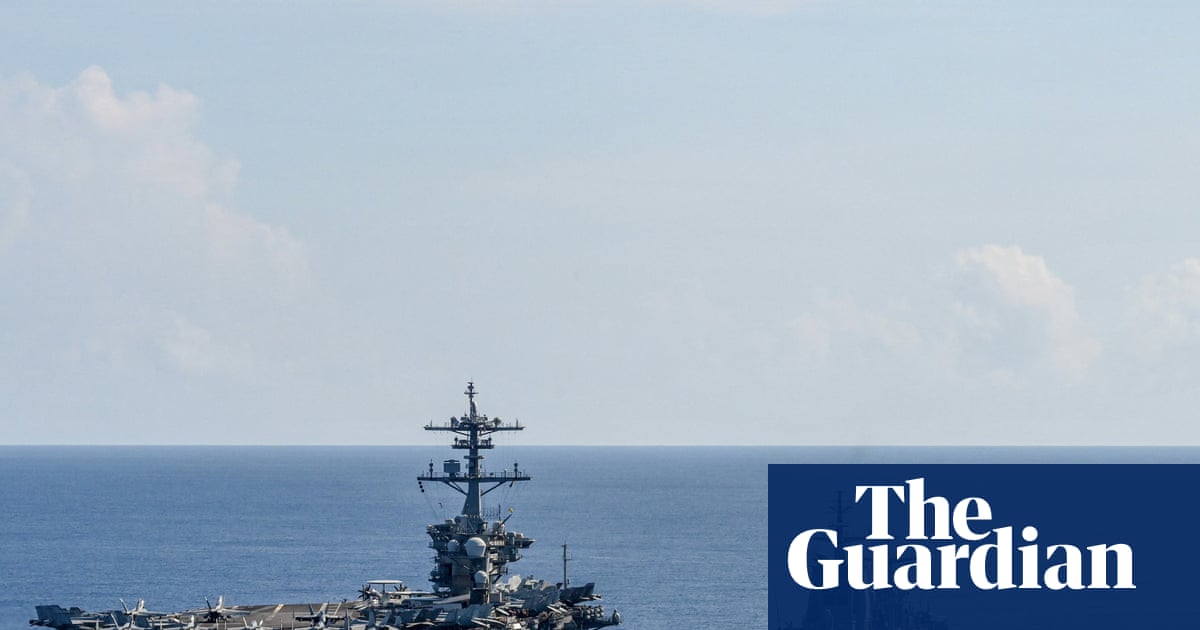
Kuwait reports drone attacks as Iran, US trade attacks on Qeshm and Bahrain
www.aljazeera.com
posts tagged #iran
cross-posted from: lemmy.ml/post/54963205
China encourages Iran and the United States to stay rational and exercise restraint, return to the Islamabad Memorandum of Understanding (MoU) at an
cross-posted from: lemmy.ml/post/54963205
China encourages Iran and the United States to stay rational and exercise restraint, return to the Islamabad Memorandum of Understanding (MoU) at an
China encourages Iran and the United States to stay rational and exercise restraint, return to the Islamabad Memorandum of Understanding (MoU) at an
China encourages Iran and the United States to stay rational and exercise restraint, return to the Islamabad Memorandum of Understanding (MoU) at an

The South Korean government is sending a proposal to its parliament to approve the expansion of the Cheonghae naval unit — an “anti-piracy” naval unit currently deployed in the Red Sea.
The proposal would expand the Cheonghae Unit’s operational area to include waters in the Arabian Sea off the coast of Oman, very close to the Strait of Hormuz and the Gulf of Oman. Iran has previously declared that the Strait and the Gulf of Oman are off-limits to foreign military vessels.
Since the start of the US-israeli war on Iran, Washington has pressured Seoul to join the war. In September, massive protests shook Seoul after word broke that South Korea could send military units into the conflict.
President Lee Jae Myung previously caved to these protests, vowing not to join the war against Iran. However, he left open the possibility to expand the Cheonghae Unit to protect the so-called “freedom of navigation” of South Korean commercial vessels.
This is nothing more than a backdoor attempt to join the imperialist war on Iran by other means. A closer look at the proposal makes this clear.
Seoul seeks to expand the Cheonghae Unit’s military assets, adding a P-8 Poseidon maritime patrol aircraft, mine-sweeping systems, and 75 South Korean military personnel to the unit, bringing the total to 395. The Cheonghae Unit would operate out of Camp Lemmonier, a US military base in Djibouti.
While Lee’s government currently claims the Cheonghae Unit would not enter the Strait of Hormuz, the presence of mine-sweeping units raises doubts as to whether this is true.
Any attempt to market this idea as a “non-military” mission must be rebuffed. By deploying units close to Iran’s waters during an active, illegal war that has killed thousands of people, Seoul would become a party to the war.
A vote may take place as soon as next week. Stay tuned for updates.
By: @nodutdol
Source: www.instagram.com/p/DfXPQNWRZYW/


October 2, 2026
October 2, 2026


In line with the law of intensifying the punishment of espionage and cooperation with the Zionist regime and hostile countries against security and national interests, confronting the hostile actions of the agents of the dissident media who cooperate with the Zionist enemy of the United States, a judicial order was issued to identify and seize the property and the property account of those who cooperated with foreign services, anti-government networks and subversive currents.
In line with the law of intensifying the punishment of espionage and cooperation with the Zionist regime and hostile countries against security and national interests, confronting the hostile actions of the agents of the dissident media who cooperate with the Zionist enemy of the United States, a judicial order was issued to identify and seize the property and the property account of those who cooperated with foreign services, anti-government networks and subversive currents.
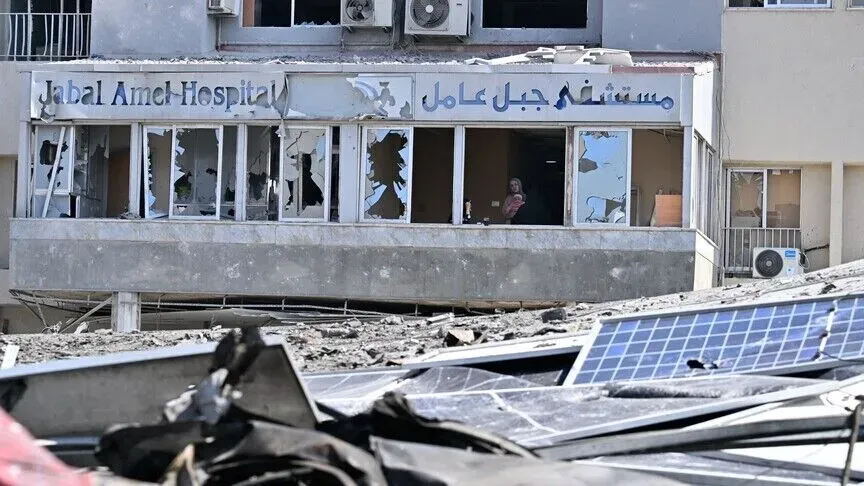
The Zionist regime, which has always considered hospitals as targets of the attack, again destroyed another hospital in southern Lebanon in a clear crime.
Mizan News Agency -
Lebanese media reported that the Israeli army set fire to a hospital in the south of the country.
The media announced that the Zionist military set fire to the hospital in the town of Mis al-Jabal in the Arayoun area (south of Lebanon).
The attack took place despite the so-called “Charcoub” agreement reached between Lebanon and the Zionist regime in June.
The agreement included provisions for the gradual withdrawal of Zionist forces from Lebanese territory and the deployment of the Lebanese army in areas that were evacuated by the occupying regime.
However, after the conclusion of the agreement, the Zionist military remained in several areas of southern Lebanon and continued to carry out attacks.
Earlier, the Israeli army targeted the Ghandor Hospital in the region of the Al-Nutabiyah district during attacks on southern Lebanon. The airstrike caused the complete destruction of the four-storey medical center.
Recent attacks on Lebanese hospitals are not the first examples of the destruction of medical centers in southern Lebanon. In several reports, human rights organizations have documented the destruction of health infrastructure in Lebanon over the past months and years.
According to data analyzed by the World Health Organization (WHO), the military invasion of hospitals, emergency bases and medical staff in Lebanon has paralyzed the bulk of emergency medical services in the south.
UN reports show that direct firing on aid forces, destroying ambulances and removing key hospitals from the service circuit have formed a replay pattern of pressure on Lebanon’s civilian infrastructure.
Analysts believe that targeting medical centers is part of a strategic doctrine for the collapse of the demilitarization and the deprivation of survival facilities in war zones.
From the perspective of International Humanitarian Law (IHL), hospitals and medical centers under all circumstances have absolute immunity and should not be targeted under any military attack.
According to the four Geneva Conventions (1949), in particular the Fourth Convention on the Protection of Civilians, as well as Additional Protocols, deliberate attacks on hospitals and medical units are prominent examples of war crimes.
The International Committee of the Red Cross (ICRC) has repeatedly emphasized that they are under the umbrella of international law, based on the principle of distinction and the principle of proportionality, medical and relief facilities, even if there are adjacent conflicts.
Article 8 of the Rome Statute (International Criminal Court - ICC) has also explicitly criminalized the deliberate conduct of attacks against buildings, materials, medical units and medical transportation. International lawmakers assert that no security justification or reciprocal claim can protect the deprivation of legal immunity from medical centers, and that the international community is obliged to prosecute the perpetrators of such actions.
The official statistics of Lebanon show that since March 2nd, the Zionist regime’s attacks on the martyrdom of at least four thousand and 386 people and the injury of 12 thousand and 407 others have been injured.
The Lebanese Ministry of Health announced that the total number of casualties caused by the Zionist regime’s attacks has reached eight thousand and ۹۵۳ martyrs and 30 thousand and 643 injured since October ۱۶ ۱۴۰۲.
End of message/
Cross posted from lemmy.wtf/post/49244090
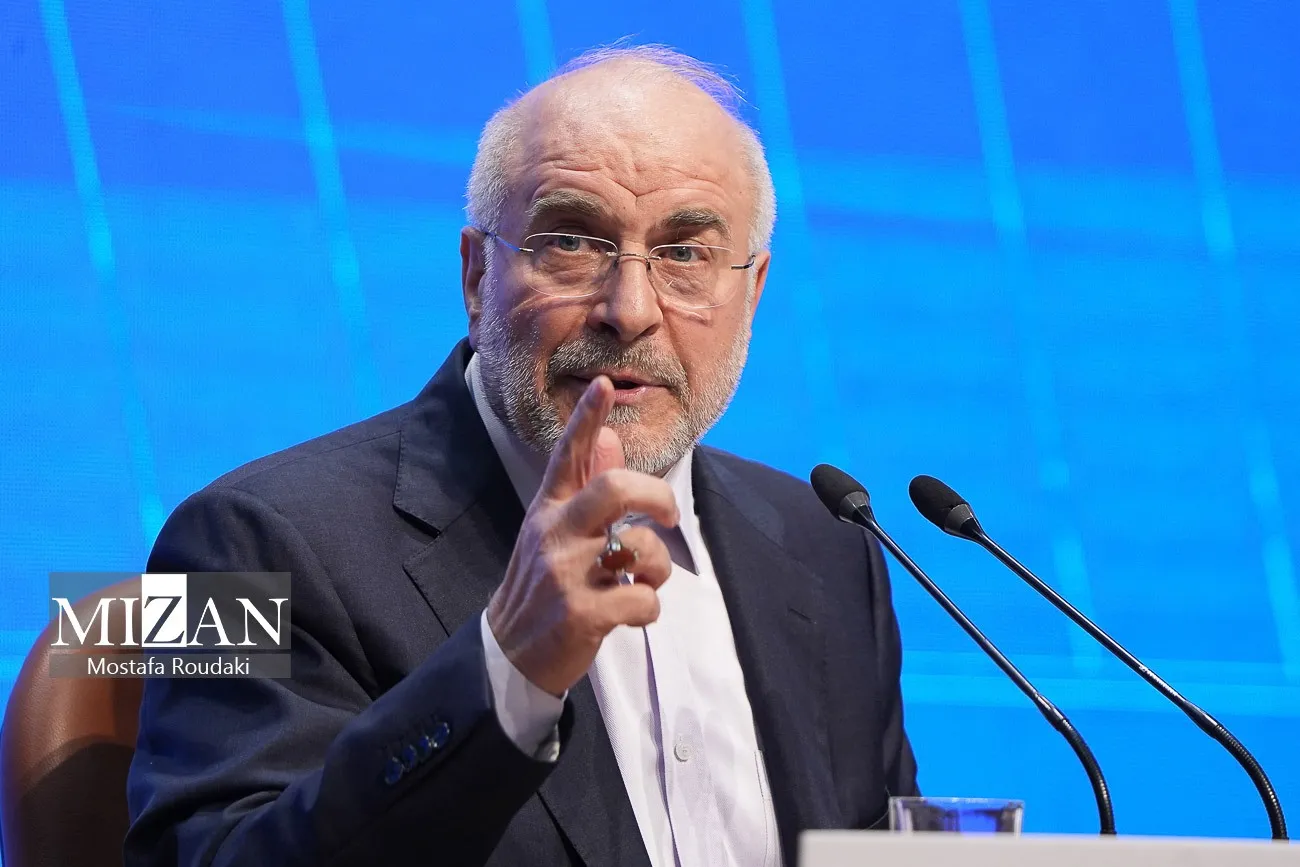
In a message in response to the chairman of the Joint Chiefs of Staff of the United States Armed Forces, the Speaker of the Islamic Consultative Assembly wrote:
“What was once a terrible nightmare for you has now become a reality, deal with it.”
General Dan Kain, chairman of the Joint Chiefs of Staff of the United States Armed Forces, had previously said at the U.S. Army’s Airspace and Cyberspace Conference:
“From now on, we must base the assumption that our units and military formations will be hunted by autonomous systems, will be disrupted across the frequency spectrum and will be tracked in real time.”
Mohammad Bagher Ghalibaf, Speaker of the Islamic Consultative Assembly, in response to General Kain, wrote on his account:
The era when your F-35s and F-15s are hunted
and you have to report them damaged ✍️
has already begun.
What was once pure nightmare fuel is now the daily
reality. Live with it.

In a swift ground offensive, the Houthis pushed out forces allied with the Yemeni government that is backed by Saudi Arabia and seized the city of Mokha as well as its port, according to a local official in the city and a senior provincial official. Both spoke on the condition of anonymity because they were not authorized to speak to the media.
…
The Houthis are expected to try to push further south to try and take territory next to the strait, an area that is “arguably Yemen’s most strategically valuable real estate,” Mr. Baron said. If they are able to do so, it could leave both of the Arabian Peninsula’s major maritime choke points — Bab al-Mandab and the Strait of Hormuz — under the control of Iran and its allies, he added
cross-posted from: lemmy.world/post/51755440
In a swift ground offensive, the Houthis pushed out forces allied with the Yemeni government that is backed by Saudi Arabia and seized the city of Mokha as well as its port, according to a local official in the city and a senior provincial official. Both spoke on the condition of anonymity because they were not authorized to speak to the media.
…
The Houthis are expected to try to push further south to try and take territory next to the strait, an area that is “arguably Yemen’s most strategically valuable real estate,” Mr. Baron said. If they are able to do so, it could leave both of the Arabian Peninsula’s major maritime choke points — Bab al-Mandab and the Strait of Hormuz — under the control of Iran and its allies, he added.

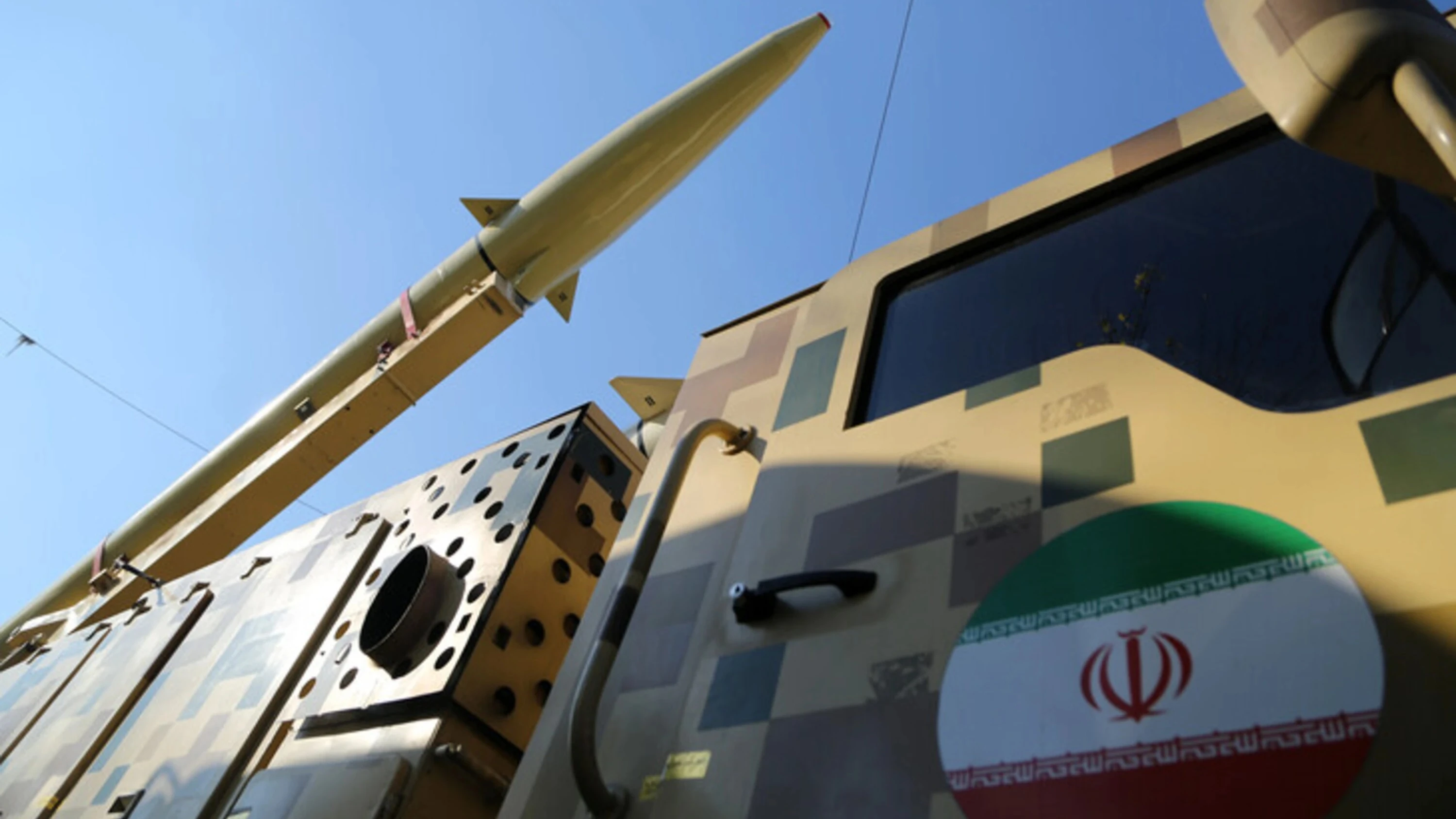
“Washington sanctions regime reaches its breaking point”
by Samuel Geddes in Al Mayadeen English
“Trump’s escalating sanctions campaign against Iran risks backfiring, weakening US economic leverage and accelerating a global shift away from the dollar-centered financial system”
#Press #SocialMedia #Iran #War #Trump #Israel #OperationEpsteinFury #RegimeChange #WarCrimes #CrimesAgainstHumanity #Hormuz #US #Sanctions #EconomicWarfare #Hegemony


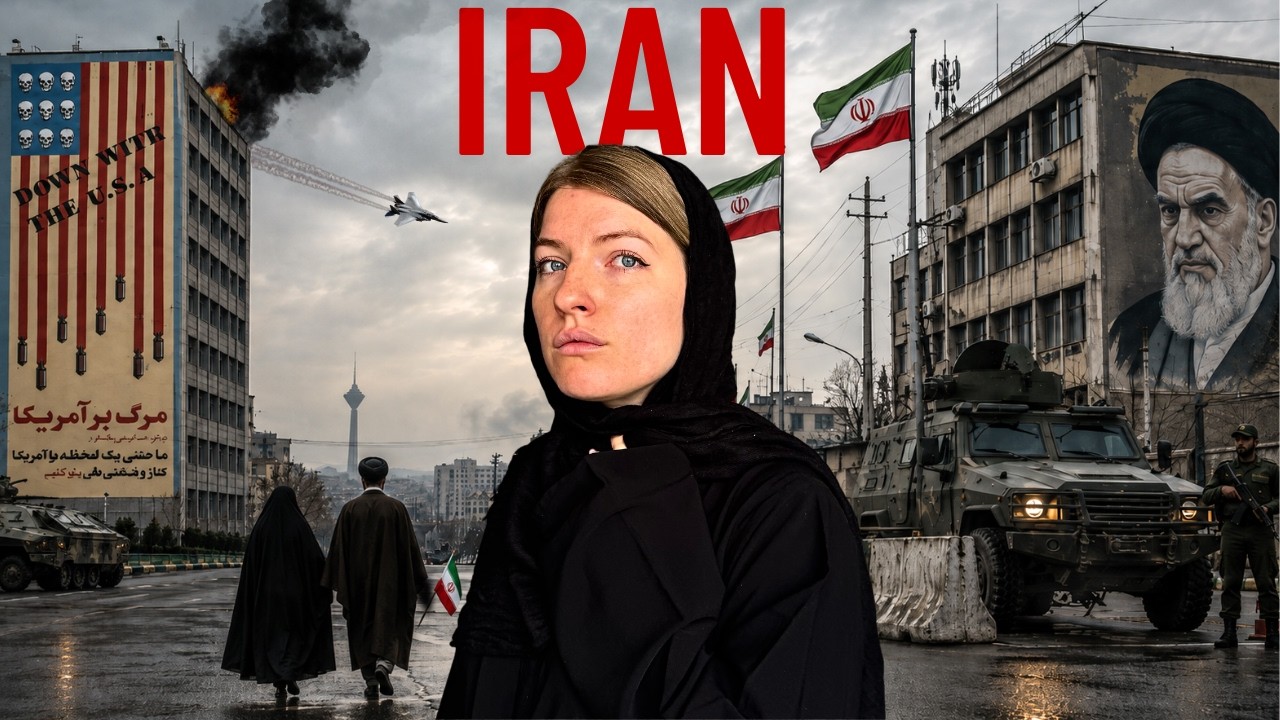
Traveling to Iran in August 2026… What is it really like to travel to Iran in 2026? We crossed the Armenia–Iran border overland and travelled inside Iran at a time when Western tourism had almost completely disappeared from the country. Iran is a country we have all heard so much about, but often through the lens of politics, sanctions, conflict and tension with the West. In 2026, after months of confrontation with Israel and the United States, protests, crackdowns and internet restrictions, Iran once again found itself at the centre of the world’s attention. With most Western governments advising against all travel to Iran, we decided to make the journey ourselves and try to understand what life is actually like inside one of the most talked-about and misunderstood countries in the world. Iran is a nation with thousands of years of history, an extraordinary cultural heritage and a society that is far more complex than the headlines often suggest. It is also a country governed by a deeply controversial Islamic Republic, where political freedoms are heavily restricted, relations with the West remain hostile, and ordinary people continue to live under the pressure of sanctions, economic difficulties and strict social laws. But beyond the politics, what is everyday life in Iran really like in 2026? How do Iranian people feel about their country, the West and the situation Iran finds itself in? And how will people react to two Western tourists arriving at such a tense moment? Join us as we cross the border from Armenia into Iran, travel towards Tabriz and begin our journey through the country, meeting the people who actually live here and trying to understand a place that is so often discussed, but rarely experienced by outsiders. Welcome to Iran!
Traveling to Iran in August 2026… What is it really like to travel to Iran in 2026? We crossed the Armenia–Iran border overland and travelled inside Iran at a time when Western tourism had almost completely disappeared from the country. Iran is a country we have all heard so much about, but often through the lens of politics, sanctions, conflict and tension with the West. In 2026, after months of confrontation with Israel and the United States, protests, crackdowns and internet restrictions, Iran once again found itself at the centre of the world’s attention. With most Western governments advising against all travel to Iran, we decided to make the journey ourselves and try to understand what life is actually like inside one of the most talked-about and misunderstood countries in the world. Iran is a nation with thousands of years of history, an extraordinary cultural heritage and a society that is far more complex than the headlines often suggest. It is also a country governed by a deeply controversial Islamic Republic, where political freedoms are heavily restricted, relations with the West remain hostile, and ordinary people continue to live under the pressure of sanctions, economic difficulties and strict social laws. But beyond the politics, what is everyday life in Iran really like in 2026? How do Iranian people feel about their country, the West and the situation Iran finds itself in? And how will people react to two Western tourists arriving at such a tense moment? Join us as we cross the border from Armenia into Iran, travel towards Tabriz and begin our journey through the country, meeting the people who actually live here and trying to understand a place that is so often discussed, but rarely experienced by outsiders. Welcome to Iran!
Iran’s Secretary of the Supreme National Security Council (SNSC) Major General Mohsen Rezaei has said the Islamic Republic will send Israeli prime minister Benjamin Netanyahu “to hell” and prove that his “great mistakes” have brought the Zionist regime closer to its end.
Iran’s Secretary of the Supreme National Security Council (SNSC) Major General Mohsen Rezaei has said the Islamic Republic will send Israeli prime minister Benjamin Netanyahu “to hell” and prove that his “great mistakes” have brought the Zionist regime closer to its end.
Look at the representation: a handful of critically acclaimed darlings have their trauma-porn autofiction elevated to the cultural stratosphere. The native informant gets her loot, that’s the bargain. In these works, you don’t always see the heroine physically shrinking, but the element of becoming less is pervasive. Her agency is always stripped in some way, even in self-inflicted ways. Her personhood is diminished. The West likes to read about Iranian women who lose a part of their innate humanity.
That sounds very abstract, so let me be more specific. Satrapi’s heroine in Persepolis. Djavadi’s in Disoriental. The comedy that is Reading Lolita in Tehran (just thinking about it makes me cackle). It is not enough that they really want narratives where the Islamic Republic inherently encroaches on female personhood (that is the main requirement to get published), they want this trend to continue in emigration: so, you must become miserable, you must become addicted, or anorexic, you must lose whatever sliver of agency you had and become, in a way, less than human. Then you are granted conditional humanity.
Iranian “authors” in emigration keep screeching about a double-bind: if they write what is publishable, writers like me (and hundreds of us in the motherland) will pry their little autofiction porno apart. If they write the truth, it simply won’t see the light of day. Either way, they lose. There is another type, the “conscious aristocrat” who, having found out that musings about their grandma’s diamonds and upbringing in a palace with a corps de ballet of totally silent servant girls aren’t popular, will start writing the same shit with a transparent veneer of preemptive self-flagellation. What is the common denominator? The woman must be small, must be powerless and oh, she must suffer. She must suffer so much the Western salivary glands activate. When they hear the drip-drip-drip, it’s no longer salivation, it’s money trickling into their bank account.
And here we return to the same stupid smallness. You know, in the ur-suffering-woman narrative, the heroine is so overcome with mental anguish she stops eating and delicately fades away, like some consumptive West Asian Violetta Valery. Rich, coming from me, isn’t it? Well, let me tell you, I ate myself alive. I didn’t lie on an ottoman, now pale and even more racially ambiguous, limp wrist and all, waiting for some white, long-suffering man to set me free from the prison of my traumatic past, no, I freaking cycled. A lot. Incessantly. And I cleaned, obsessively. And I raged. I got into physical confrontations. I yelled curses. I smashed plates. I let the fire burn me from the inside because my world was burning and nobody gave enough shits to make it stop. Can I read about such wasting? No. It’s not pretty.
Even further? Can I read about an Iranian woman who gets angry and FAT? Who eats her rage and swells and takes up space and becomes more of herself, not less? Can I read about an Iranian woman who, imagine, doesn’t become a carbon copy of so-called princess Leila? No, I can’t, because Iranian women aren’t allowed to be fat, or old or ugly or angry or uninteresting or poor. It’s simply against the rules, you see. Because if you become these things the bargain of your conditional humanity instantly expires.
Meanwhile, actual Iranian men are never granted conditional humanity, so they have to really put in some elbow grease if they want that sweet, sweet proximity to whiteness. They essentially have two choices, either accept that they will be consistently dehumanized, or turn into caricatures. There are several brands of clowning associated with the second choice: the very smart™ caviar gauche leftist, the monarchist nostalgist, the tryhard crypto-fascist. The more outlandish the ideology, the higher chance he will be performatively accepted as the “quirky guy”, and still mocked relentlessly behind his back. And the first choice? First choice leads to reduced economic opportunities in emigration, harrassment, and social isolation. Fun! I really wouldn’t wish to be an Iranian man in Europe, I can tell you that.
For the Iranian woman in emigration, the path towards conditional humanity is pretty straightforward. I can tell you about numerous experiences where these nice NGO aunties come to me at social functions, and just offer me opportunities, because someone had just pointed to me as the token Iranian woman. And look at me! So small and gaunt, poor thing. Surely, I can be helped. Surely, if only I don’t run my giant mouth. But I do run it. And then the house of cards collapses. I say things I shouldn’t say; I use words like “hegemony”, “imperialism”, “unequal exchange”, “Geneva convention article 33”, “collective punishment”, “sanctions”, “overcompliance”, “maternal mortality”, “unequal sanction burden” etc. And let me tell you, the good humanitarian NGO aunties really, really do not like that.

#Photo - Anti-war messages from US service members in Persian Gulf
from Trita Parsi on FB - Aug. 16, 2026
This image was sent to me from the field. These are messages #US servicemen in the #PersianGulf have scribbled on the dust of an aircraft flap.
“Be a good guy and do what Israel tells you to”
“Operation Epstein Fury”
“Peace deal #64 incoming… ALL THIS FOR THE HOLY LAND”[…] I suspect these are new sentiments…
But as one serviceman told me: “What people in the media don’t understand when they compare past conflicts to this one, is this operation has no morale behind it. That makes a world of difference to service members deployed to undesirable locations indefinitely.”
Read that last part again: No morale. Deployed to undesirable locations INDEFINITELY.
My own conclusion: When a #war has no morale behind it, winning means that you simply end it. There is no other “winning” in such an unjust war.

Video - IRGC: Re-opening Strait of Hormuz depends on US accepting its conditions
The re-opening of the Strait of Hormuz depends on whether the US will accept Iran’s conditions, a spokesperson for the Iranian Revolutionary Guard Corps said on Saturday.
He said that the ongoing talks with Oman will not be the deciding factor in whether Iran re-opens the strait, but that it instead rests on how the US moves forward.
Iran’s Foreign Minister Abbas Aragchi said that #Iran and #Oman were close to reaching an agreement over shipping through the vital waterway, with Reuters citing a #US official who said that they expect a deal soon.
“The Strait of Hormuz will not be reopened unless the United States corrects its conduct”
The Secretary of #Iran’s Supreme National Security Council, Mohammad Baqer Zolghadr, asserted that “the #StraitOfHormuz will not be reopened unless the United States corrects its conduct,” and outlined six conditions for what Iran considers corrected #US conduct.
Zolghadr concluded his statement by affirming, “These are the demands of the Iranian people, which they have chanted for 160 days during their presence in the streets and squares.”
“The Supreme National Security Council will never back down, neither in war nor in negotiations,” he declared.

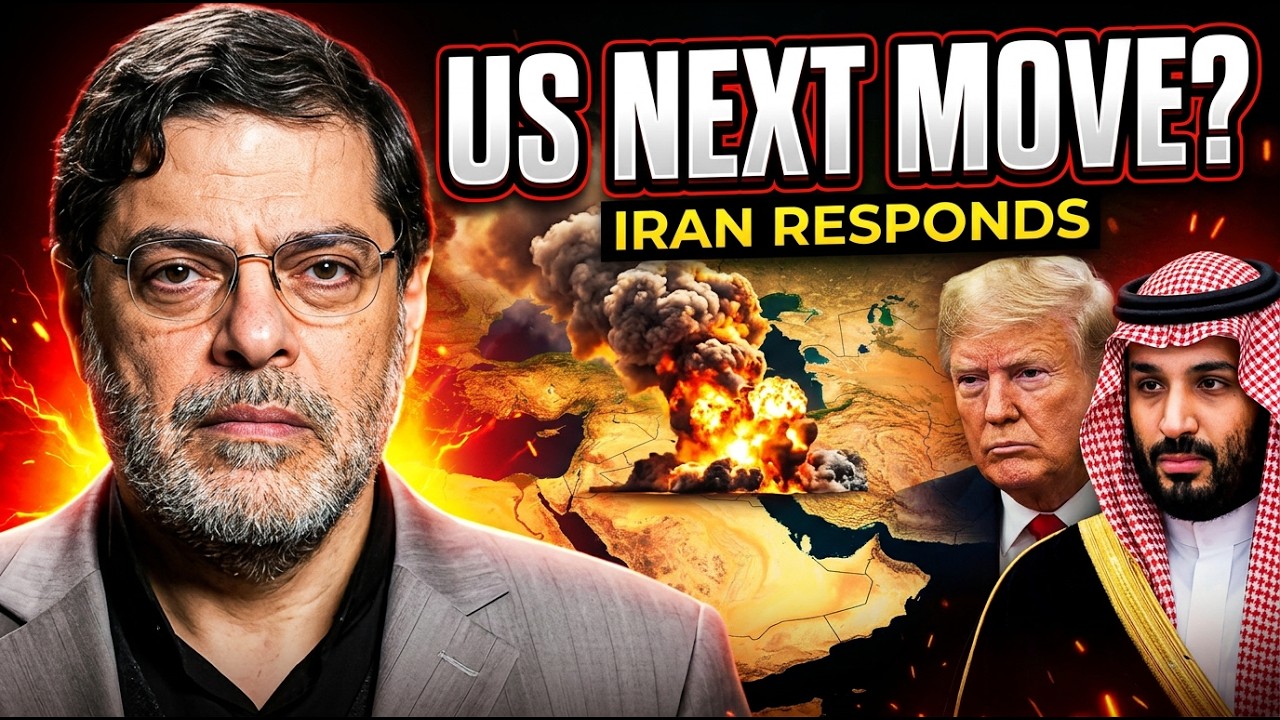
Will the United States return to military confrontation with Iran, or can diplomacy produce a lasting settlement? How is Saudi Arabia repositioning itself amid renewed regional tensions? Why is Ukraine becoming increasingly involved in West Asia? And what does today’s multipolar world mean for the global struggle against imperialism?
In this exclusive interview, Iranian political analyst Mohammad Marandi examines the evolving geopolitical landscape following recent US-Iran tensions. He discusses whether Washington’s strategy of periodic military pressure followed by negotiations can produce lasting stability, the changing relationship between Iran and Saudi Arabia, the role of Yemen in regional politics, Ukraine’s expanding presence in West Asia, and why the emerging multipolar order differs fundamentally from the Cold War.
Topics Covered Will US-Iran negotiations produce lasting peace? Is Washington pursuing a “strike and pause” strategy? Saudi Arabia’s changing regional calculations Yemen and the future of Iran-Saudi relations Ukraine’s growing role in West Asia Russia, China and the changing global balance How today’s multipolar world differs from the Cold War The future of resistance against US imperialism
If you enjoy independent geopolitical analysis from the perspective of the Global South, support India & Global Left by liking, subscribing, and sharing this interview.
This video features Max Blumenthal of The Grayzone interviewing the anonymous director of Explosive Media, an Iranian animation studio known for producing viral, politically charged Lego videos. The conversation explores how this team utilizes satire and media techniques to critique American policy and global political narratives.
This video features Max Blumenthal of The Grayzone interviewing the anonymous director of Explosive Media, an Iranian animation studio known for producing viral, politically charged Lego videos. The conversation explores how this team utilizes satire and media techniques to critique American policy and global political narratives.
✅ The Truth About The MOU ✅ Lebanon & Gaza ✅ Strait of Hormuz Plans ✅ Iran’s Planned Response
This interview reveals Iran’s position and plans.
✅ The Truth About The MOU ✅ Lebanon & Gaza ✅ Strait of Hormuz Plans ✅ Iran’s Planned Response
This interview reveals Iran’s position and plans.
