

0
0

ScienceDaily
Einstein's equations reveal how gravity could break, reconnect, and release energy
www.sciencedaily.com
posts tagged #science
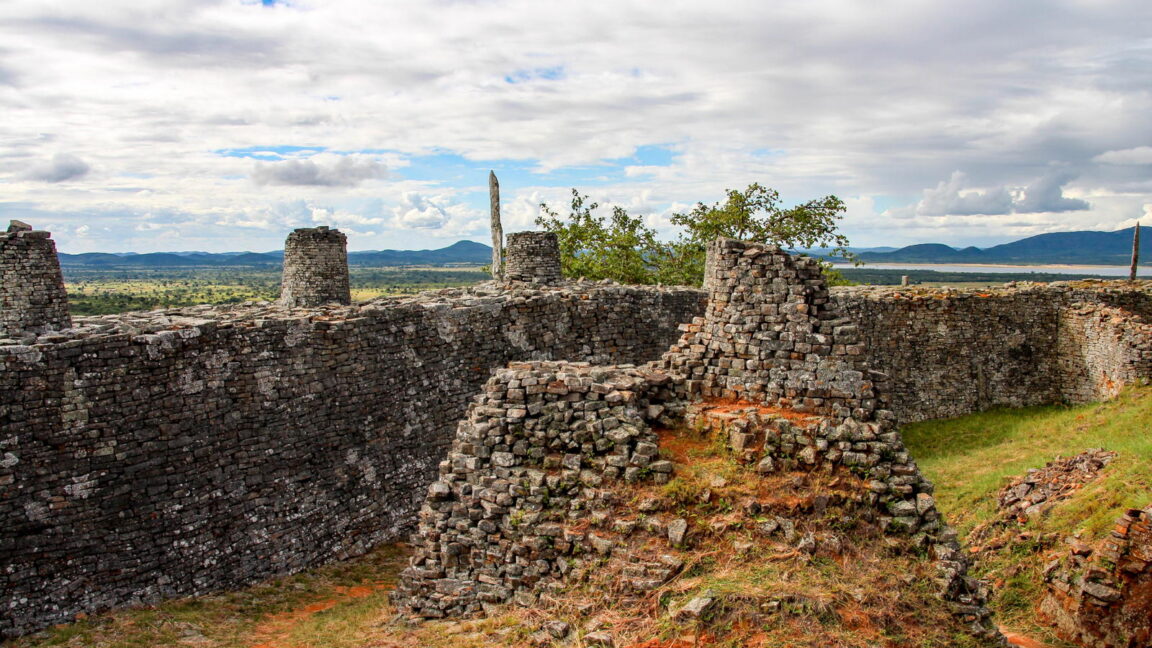
It’s not easy to extract iron from its ore. But the peoples of the ancient city of Great Zimbabwe—the capital of a thriving kingdom in southern Africa between 1000 to 1700 AD—were masters. At sites near the city’s stone ruins, clusters of iron-smelting furnaces survive today as mounds of rubble. At Mashava, a village 25 miles northwest, fragments bear fingermarks of those who long ago smoothed the structures’ clay interiors. Some of the furnaces were nearly an adult’s arm span in width, with walls thick and strong to contain the heat of more than 2,100° Fahrenheit needed to smelt iron. Unlike other furnaces that required workers to force air into them with bellows, these were designed to suck air in, then out through a chimney, no human labor required. This would have made it significantly easier to produce the iron, which was fashioned into hoes, axes, and arrowheads. “The number and size of these furnaces, together with the use of natural-draft technology, indicate intensive and technologically sophisticated iron production,” says archaeometallurgist Ezekiel Mtetwa of Chicago’s Field Museum of Natural History, who has long studied the furnaces. Scientists are extremely interested in the peoples who created this and other iron-powered societies across eastern and southern Africa. Research points to an adaptable and innovative group from western Africa as the masterminds. Known as Bantu speakers, these communities began gradually expanding across the continent’s southern half, starting from 6,000 to 4,000 years ago. In doing so, they introduced a fundamentally new, sedentary way of life—characterized by farming, raising livestock, pottery-making, and metalworking—to regions previously dominated by hunter-gatherer communities. This migration transformed not only the region’s history and technology, but also its languages: Today, around 350 million Africans speak one of roughly 500 distinct Bantu tongues, from southern African Zulu to eastern African Swahili. And at least as many Africans—as well as many African Americans and Afro-Latinos—carry Bantu ancestry in their DNA. Reconstructing this expansion has been a tough puzzle, especially given the region’s sparse written historical records and limited research funding. But a unique blend of scientists—linguists, archaeologists, and geneticists—have teamed up to unearth clues about the deep origins of the Bantu-speaking people, their path across Africa, and their relationships with other cultures. Although much debate and uncertainty remain, little by little the work is uncovering one of history’s largest and longest human migrations. “It completely reshaped the demography in sub-Saharan Africa, and we are really interested in trying to understand it,” says population geneticist Sandra Beleza of the United Kingdom’s University of Leicester. People on the move The first evidence of the Bantu expansion came from observations of similarities among Bantu languages. They’re so alike, in fact, that when the Portuguese explorer Vasco da Gama sailed around the southern tip of Africa in 1497, a Portuguese crew member who had spent time in west-central Africa could reportedly communicate with locals in southeastern Africa. Linguists working in the 19th century started referring to the language family as Bantu, the plural of muntu, meaning “human being” in many Bantu tongues. Later linguists reasoned that the languages stemmed from an ancestral people who migrated across the continent from western Africa, which harbors the greatest diversity of Bantu languages (as would be expected for where the languages originated). Soon, archaeologists found supporting evidence: across eastern and southern Africa, pieces of pottery of similar yet diverse styles, alongside first-time traces of village life, metal-making, domesticated animals, and western African crops—all developed within the last 2,000 years. Northern sites usually dated back to earlier time periods than sites farther south. “You can clearly see a north-to-south progression,” says archaeological scientist Shadreck Chirikure of the University of Oxford. By the 1990s, however, some scholars began to question the idea that Bantu languages and skills spread through a migration. Couldn’t these cultural habits have spread while people stayed in the same place, with hunter gatherer communities passing along new technologies, languages, and habits to each other? Genetic techniques that could analyze people’s ancestry helped to resolve that debate. All of us share DNA with our relatives: 50 percent on average with siblings, 12.5 percent with cousins, 3.3 percent with second cousins, and so on. Though these proportions become minute the further back in time a shared common ancestor lived, statistical techniques can tease out patterns. Sure enough, a 2009 genetic analysis of 2,432 Africans found that Bantu-speaking people from western, central, and southern Africa are much more closely related than one might expect given their geographic distance. And in 2024, a team of scientists analyzed the genomes of 1,763 Africans and found the greatest genetic diversity among Bantu speakers in western Africa. As distance from the region increased, diversity declined. “This is a typical signature of a population expanding from one place to another,” explains coauthor Carina Schlebusch, a geneticist at Uppsala University in Sweden. Roughly 350 million people across sub-Saharan Africa speak one of roughly 500 Bantu languages—from Swahili in eastern Africa to Xhosa spoken in southern Africa. Mysterious roots But while linguistic and genetic data point to western Africa—particularly the Grassfields region of Cameroon—as the Bantu homeland, conclusive archaeological proof is thin. At the best-studied archaeological site in the Grassfields, a rock shelter called Shum Laka, pottery fragments appear dating from 7,000 to 6,000 years ago and become abundant by 5,000 to 4,000 years ago. Bowls and jars at first decorated simply with incisions and stamps and later bearing the marks of carved or braided tools rolled over wet clay are a possible, yet inconclusive, trace of Bantu ancestors. South of Cameroon, archaeologists have searched for artifacts in one of the Bantu-speaking people’s first destinations: the Congo rainforest. A handful of times between 2010 and 2023, archaeologist Alexandre Livingstone Smith of Belgium’s Royal Museum for Central Africa traveled via boat along the Congo River as part of a team led by linguist Birgit Ricquier. In a number of villages, Smith found pottery shards of a style consistent with that found farther west, dating back to 2,300 to 2,000 years ago. “That would be the potential first Bantu settlers of the forest,” Smith says. Many experts interpret the trails of pottery as evidence that ceramics traditions were brought by Bantu-speaking people all the way from their original home. What’s unclear, however, is when and how Bantu-speaking peoples acquired their farming and metalworking skills—and, in particular, whether they invented iron smelting themselves or learned it from neighboring, iron-extracting cultures. Scientists have been able to deduce the path that Bantu speakers took to eastern and southern Africa. Some scholars have argued that the path split into two before entering the Congo rainforest, with one group heading east while another went south through the forest. But evidence is now mounting that these groups crossed the rainforest together, and only upon reaching its southern fringes roughly 2,500 to 3,500 years ago did they split into east-moving and southward-moving groups. Some of this evidence comes from linguistic studies. Not unlike the evolution of species, languages diverge and transform over time, creating “trees” that linguists can reconstruct from similarities in grammar and vocabulary. In 2015, a group of researchers did this computationally using data from about 400 Bantu languages. They observed a much larger diversity—and deeper splits—among the Bantu languages spoken in the Congo rainforest, suggesting that Bantu-speaking ancestors spent a long time there, allowing their languages to diversify. Languages spoken farther east and farther south appeared to stem from a less diverse subset of this larger group, explains coauthor Koen Bostoen, a linguist at Belgium’s Ghent University. Later linguistic studies, as well as genetic analyses, have reached similar conclusions. In 2023, Beleza and her colleagues compared the genomes of Bantu speakers from Angola—south of the Congo rainforest—with those from the eastern African country of Mozambique and ones from Cameroon, the Bantu homeland. Remarkably, the eastern African samples were more genetically similar to those from Angola, hundreds of miles to the south of Cameroon and south of the rainforest, than to any of the samples from Cameroon. That points to a recent common ancestor in the Angola region—suggesting that the Bantu split into eastern and southern streams only once they reached the rainforest’s southern edge, Beleza explains. By the time the Bantu people commenced their movement east and south, they had already come into their own as a farming, iron-making, livestock-herding, and pottery-making people, Chirikure says: Many ancient Bantu settlements across eastern and southern Africa contain evidence of this Bantu “package.” Mixing and mingling Key to the Bantu’s success in southern and eastern Africa, experts suspect, was their sedentary lifestyle. This—and their iron tools—would have allowed them to produce more food and grow in number, propelling them to occupy new territories. Their lifestyle affected the landscape as forests turned into farmland, and it also affected the hunter-gatherer communities who were already living there. Some groups were likely crowded out and disappeared, experts suspect, while others were probably pushed to marginal regions, including Indigenous groups such as rainforest hunter-gatherers and Khoisan peoples, who continue to live in central and southern Africa, respectively, to this day. Still, scientists are learning that Bantu peoples had deep relationships with these two groups. In the 2024 genetic analysis, Schlebusch and her colleagues found that some Bantu-speaking groups in central Africa share about an eighth of their DNA with rainforest hunter-gatherers, and some southern African Bantu speakers share a similar amount with Khoisan groups. Clearly, their ancestors once intermixed. Curiously, in the case of the Khoisan, this mixing tended to arise from pairings of Bantu-speaking men with Khoisan women. One 2021 study of southern African Bantu speakers found that the DNA inside their mitochondria—which people inherit only from their mothers—had greater-than-expected proportions of Khoisan DNA. But the Y chromosomes, which come from fathers, had much higher proportions of DNA with Bantu ancestry. Some experts speculate that this pattern could be the result of Bantu men raiding Khoisan women or preferentially marrying Khoisan women for whom the traditional bride prices would have been cheaper. “Whenever there is a power difference… between two groups, it tends to melt down to this,” says coauthor Ananyo Choudhury, a geneticist at the University of Witwatersrand in South Africa. This pattern also left marks on the language. The characteristic clicks of Khoisan languages also occur in southern African Bantu languages Zulu and Khosa. Bostoen suspects that the children of Khoisan-Bantu pairings were, at first, bilingual. Eventually, “they lost their mothers’ languages, but they left a substrate of the mothers’ languages in the Bantu language.” Archaeologists are also studying the relationships between Bantu farmers and their neighbors. While there may have been conflicts over land, the groups also cooperated with and learned from one another, says Décio Muianga, an archaeologist at Eduardo Mondlane University and the research institute Kaleidoscopio in Maputo, Mozambique. He’s been excavating a rock shelter in Mozambique containing thousands of years’ worth of stone tools, wild animal bones, and wild plant remains—telltale signs of hunter-gatherers living at the site. But interestingly, Bantu-style pottery also appears. “My assumption is that the hunter-gatherers were getting these ceramics from the farmers,” Muianga says. “They were interacting, communicating, and exchanging resources.” There is evidence, too, for cultural exchanges: European anthropologists have reported that some Bantu-speaking groups would solicit San hunter-gatherers to conduct traditional rainmaking ceremonies, for example. Bantu social networks eventually extended well beyond Africa. By 1100 to 1600 AD, many of the complex state societies that Bantu speakers built developed trade networks across the Indian Ocean. Archaeological data shows they imported Chinese porcelain and glass beads; in return, they exported gold, ivory, and iron. In fact, a 12th century Muslim cartographer once wrote that iron from parts of southern Africa—likely referring to Great Zimbabwe’s iron-producing hinterlands, Mtetwa suspects—was deemed to be of much higher quality than that from other places like India. Mtetwa has found evidence that iron smelters near Great Zimbabwe would add bone fragments to the furnaces, perhaps as part of a smelting-blessing ritual, but one with scientific merit: This material contains calcium, which can accelerate the separation of iron from the rest of the ore. That may be a testament to the Great Zimbabweans’ iron-smelting skills: “Some materials introduced within ritual or medicinal practices may simultaneously have had technically beneficial effects on the smelt,” says Mtetwa. A future full of research Though they’ve made great progress in reconstructing the Bantu world, scientists are aware of, and trying to address, the limitations of their research so far. Linguistic studies, for instance, have been a popular tool to reconstruct Bantu history, but Bostoen cautions that very few Bantu languages have been documented thoroughly enough to definitively trace linguistic trees back in time. Linguists may never get a complete dataset, because some old branches of the Bantu language family may have died out. Another limitation of computational Bantu language-family reconstructions is that they’ve usually assumed that languages have evolved in isolation after different Bantu groups separated. But there may have been extensive cross-pollination among languages as different groups met and interacted. In fact, when linguists factored in the possibility of contact among Bantu languages in a 2026 study, they couldn’t reconstruct the diversification patterns described by previous linguists, says coauthor Igor Yanovich of the University of Vienna, who wrote about the challenges of Bantu linguistic studies in the 2025 Annual Review of Linguistics. In his view, linguists should first focus on thoroughly documenting Bantu languages before attempting to use them to understand Bantu history. In hopes of adding new insights, Schlebusch is working to obtain DNA from ancient human remains. By revealing the identity of people who were living in particular places at particular times, this could help to elucidate when and where different Bantu communities moved into, overlapped with, or repopulated areas. “What we see more and more in genetic data is that the movement was probably complex—that it was these ‘spread over spread’ events,” Schlebusch says. Archaeologists, for their part, hope to fill in the vast gaps in the archaeological record of sub-Saharan Africa—by both conducting new excavations and re-examining existing artifact collections for fresh insights. But all this work requires funding for research and laboratories, especially from African governments, says Chirikure; he, like many of his colleagues, has largely relied on funding from Europe, which is limited. Without more funding, “you are not generating fresh ideas, you are not formulating new hypotheses and testing them using some of the cutting-edge science,” he says. Scientists from all three disciplines are hopeful that they will eventually tell the complete story of how an innovative people spread and diversified across sub-Saharan Africa, mixing traditions with those of earlier peoples and of others who still live there, to create myriad cultures, each one a unique blend of food, philosophy, language, music, and traditions. “If you travel from West Africa today all the way to East Africa, you have a unique cultural diversity that is very hard to find in many other parts of the world,” Muianga says. Combined with the legacy of other groups, he says, “this is the result of the Bantu migration.” This story originally appeared in Knowable Magazine
It’s not easy to extract iron from its ore. But the peoples of the ancient city of Great Zimbabwe—the capital of a thriving kingdom in southern Africa between 1000 to 1700 AD—were masters. At sites near the city’s stone ruins, clusters of iron-smelting furnaces survive today as mounds of rubble. At Mashava, a village 25 miles northwest, fragments bear fingermarks of those who long ago smoothed the structures’ clay interiors. Some of the furnaces were nearly an adult’s arm span in width, with walls thick and strong to contain the heat of more than 2,100° Fahrenheit needed to smelt iron. Unlike other furnaces that required workers to force air into them with bellows, these were designed to suck air in, then out through a chimney, no human labor required. This would have made it significantly easier to produce the iron, which was fashioned into hoes, axes, and arrowheads. “The number and size of these furnaces, together with the use of natural-draft technology, indicate intensive and technologically sophisticated iron production,” says archaeometallurgist Ezekiel Mtetwa of Chicago’s Field Museum of Natural History, who has long studied the furnaces. Scientists are extremely interested in the peoples who created this and other iron-powered societies across eastern and southern Africa. Research points to an adaptable and innovative group from western Africa as the masterminds. Known as Bantu speakers, these communities began gradually expanding across the continent’s southern half, starting from 6,000 to 4,000 years ago. In doing so, they introduced a fundamentally new, sedentary way of life—characterized by farming, raising livestock, pottery-making, and metalworking—to regions previously dominated by hunter-gatherer communities. This migration transformed not only the region’s history and technology, but also its languages: Today, around 350 million Africans speak one of roughly 500 distinct Bantu tongues, from southern African Zulu to eastern African Swahili. And at least as many Africans—as well as many African Americans and Afro-Latinos—carry Bantu ancestry in their DNA. Reconstructing this expansion has been a tough puzzle, especially given the region’s sparse written historical records and limited research funding. But a unique blend of scientists—linguists, archaeologists, and geneticists—have teamed up to unearth clues about the deep origins of the Bantu-speaking people, their path across Africa, and their relationships with other cultures. Although much debate and uncertainty remain, little by little the work is uncovering one of history’s largest and longest human migrations. “It completely reshaped the demography in sub-Saharan Africa, and we are really interested in trying to understand it,” says population geneticist Sandra Beleza of the United Kingdom’s University of Leicester. People on the move The first evidence of the Bantu expansion came from observations of similarities among Bantu languages. They’re so alike, in fact, that when the Portuguese explorer Vasco da Gama sailed around the southern tip of Africa in 1497, a Portuguese crew member who had spent time in west-central Africa could reportedly communicate with locals in southeastern Africa. Linguists working in the 19th century started referring to the language family as Bantu, the plural of muntu, meaning “human being” in many Bantu tongues. Later linguists reasoned that the languages stemmed from an ancestral people who migrated across the continent from western Africa, which harbors the greatest diversity of Bantu languages (as would be expected for where the languages originated). Soon, archaeologists found supporting evidence: across eastern and southern Africa, pieces of pottery of similar yet diverse styles, alongside first-time traces of village life, metal-making, domesticated animals, and western African crops—all developed within the last 2,000 years. Northern sites usually dated back to earlier time periods than sites farther south. “You can clearly see a north-to-south progression,” says archaeological scientist Shadreck Chirikure of the University of Oxford. By the 1990s, however, some scholars began to question the idea that Bantu languages and skills spread through a migration. Couldn’t these cultural habits have spread while people stayed in the same place, with hunter gatherer communities passing along new technologies, languages, and habits to each other? Genetic techniques that could analyze people’s ancestry helped to resolve that debate. All of us share DNA with our relatives: 50 percent on average with siblings, 12.5 percent with cousins, 3.3 percent with second cousins, and so on. Though these proportions become minute the further back in time a shared common ancestor lived, statistical techniques can tease out patterns. Sure enough, a 2009 genetic analysis of 2,432 Africans found that Bantu-speaking people from western, central, and southern Africa are much more closely related than one might expect given their geographic distance. And in 2024, a team of scientists analyzed the genomes of 1,763 Africans and found the greatest genetic diversity among Bantu speakers in western Africa. As distance from the region increased, diversity declined. “This is a typical signature of a population expanding from one place to another,” explains coauthor Carina Schlebusch, a geneticist at Uppsala University in Sweden. Roughly 350 million people across sub-Saharan Africa speak one of roughly 500 Bantu languages—from Swahili in eastern Africa to Xhosa spoken in southern Africa. Mysterious roots But while linguistic and genetic data point to western Africa—particularly the Grassfields region of Cameroon—as the Bantu homeland, conclusive archaeological proof is thin. At the best-studied archaeological site in the Grassfields, a rock shelter called Shum Laka, pottery fragments appear dating from 7,000 to 6,000 years ago and become abundant by 5,000 to 4,000 years ago. Bowls and jars at first decorated simply with incisions and stamps and later bearing the marks of carved or braided tools rolled over wet clay are a possible, yet inconclusive, trace of Bantu ancestors. South of Cameroon, archaeologists have searched for artifacts in one of the Bantu-speaking people’s first destinations: the Congo rainforest. A handful of times between 2010 and 2023, archaeologist Alexandre Livingstone Smith of Belgium’s Royal Museum for Central Africa traveled via boat along the Congo River as part of a team led by linguist Birgit Ricquier. In a number of villages, Smith found pottery shards of a style consistent with that found farther west, dating back to 2,300 to 2,000 years ago. “That would be the potential first Bantu settlers of the forest,” Smith says. Many experts interpret the trails of pottery as evidence that ceramics traditions were brought by Bantu-speaking people all the way from their original home. What’s unclear, however, is when and how Bantu-speaking peoples acquired their farming and metalworking skills—and, in particular, whether they invented iron smelting themselves or learned it from neighboring, iron-extracting cultures. Scientists have been able to deduce the path that Bantu speakers took to eastern and southern Africa. Some scholars have argued that the path split into two before entering the Congo rainforest, with one group heading east while another went south through the forest. But evidence is now mounting that these groups crossed the rainforest together, and only upon reaching its southern fringes roughly 2,500 to 3,500 years ago did they split into east-moving and southward-moving groups. Some of this evidence comes from linguistic studies. Not unlike the evolution of species, languages diverge and transform over time, creating “trees” that linguists can reconstruct from similarities in grammar and vocabulary. In 2015, a group of researchers did this computationally using data from about 400 Bantu languages. They observed a much larger diversity—and deeper splits—among the Bantu languages spoken in the Congo rainforest, suggesting that Bantu-speaking ancestors spent a long time there, allowing their languages to diversify. Languages spoken farther east and farther south appeared to stem from a less diverse subset of this larger group, explains coauthor Koen Bostoen, a linguist at Belgium’s Ghent University. Later linguistic studies, as well as genetic analyses, have reached similar conclusions. In 2023, Beleza and her colleagues compared the genomes of Bantu speakers from Angola—south of the Congo rainforest—with those from the eastern African country of Mozambique and ones from Cameroon, the Bantu homeland. Remarkably, the eastern African samples were more genetically similar to those from Angola, hundreds of miles to the south of Cameroon and south of the rainforest, than to any of the samples from Cameroon. That points to a recent common ancestor in the Angola region—suggesting that the Bantu split into eastern and southern streams only once they reached the rainforest’s southern edge, Beleza explains. By the time the Bantu people commenced their movement east and south, they had already come into their own as a farming, iron-making, livestock-herding, and pottery-making people, Chirikure says: Many ancient Bantu settlements across eastern and southern Africa contain evidence of this Bantu “package.” Mixing and mingling Key to the Bantu’s success in southern and eastern Africa, experts suspect, was their sedentary lifestyle. This—and their iron tools—would have allowed them to produce more food and grow in number, propelling them to occupy new territories. Their lifestyle affected the landscape as forests turned into farmland, and it also affected the hunter-gatherer communities who were already living there. Some groups were likely crowded out and disappeared, experts suspect, while others were probably pushed to marginal regions, including Indigenous groups such as rainforest hunter-gatherers and Khoisan peoples, who continue to live in central and southern Africa, respectively, to this day. Still, scientists are learning that Bantu peoples had deep relationships with these two groups. In the 2024 genetic analysis, Schlebusch and her colleagues found that some Bantu-speaking groups in central Africa share about an eighth of their DNA with rainforest hunter-gatherers, and some southern African Bantu speakers share a similar amount with Khoisan groups. Clearly, their ancestors once intermixed. Curiously, in the case of the Khoisan, this mixing tended to arise from pairings of Bantu-speaking men with Khoisan women. One 2021 study of southern African Bantu speakers found that the DNA inside their mitochondria—which people inherit only from their mothers—had greater-than-expected proportions of Khoisan DNA. But the Y chromosomes, which come from fathers, had much higher proportions of DNA with Bantu ancestry. Some experts speculate that this pattern could be the result of Bantu men raiding Khoisan women or preferentially marrying Khoisan women for whom the traditional bride prices would have been cheaper. “Whenever there is a power difference… between two groups, it tends to melt down to this,” says coauthor Ananyo Choudhury, a geneticist at the University of Witwatersrand in South Africa. This pattern also left marks on the language. The characteristic clicks of Khoisan languages also occur in southern African Bantu languages Zulu and Khosa. Bostoen suspects that the children of Khoisan-Bantu pairings were, at first, bilingual. Eventually, “they lost their mothers’ languages, but they left a substrate of the mothers’ languages in the Bantu language.” Archaeologists are also studying the relationships between Bantu farmers and their neighbors. While there may have been conflicts over land, the groups also cooperated with and learned from one another, says Décio Muianga, an archaeologist at Eduardo Mondlane University and the research institute Kaleidoscopio in Maputo, Mozambique. He’s been excavating a rock shelter in Mozambique containing thousands of years’ worth of stone tools, wild animal bones, and wild plant remains—telltale signs of hunter-gatherers living at the site. But interestingly, Bantu-style pottery also appears. “My assumption is that the hunter-gatherers were getting these ceramics from the farmers,” Muianga says. “They were interacting, communicating, and exchanging resources.” There is evidence, too, for cultural exchanges: European anthropologists have reported that some Bantu-speaking groups would solicit San hunter-gatherers to conduct traditional rainmaking ceremonies, for example. Bantu social networks eventually extended well beyond Africa. By 1100 to 1600 AD, many of the complex state societies that Bantu speakers built developed trade networks across the Indian Ocean. Archaeological data shows they imported Chinese porcelain and glass beads; in return, they exported gold, ivory, and iron. In fact, a 12th century Muslim cartographer once wrote that iron from parts of southern Africa—likely referring to Great Zimbabwe’s iron-producing hinterlands, Mtetwa suspects—was deemed to be of much higher quality than that from other places like India. Mtetwa has found evidence that iron smelters near Great Zimbabwe would add bone fragments to the furnaces, perhaps as part of a smelting-blessing ritual, but one with scientific merit: This material contains calcium, which can accelerate the separation of iron from the rest of the ore. That may be a testament to the Great Zimbabweans’ iron-smelting skills: “Some materials introduced within ritual or medicinal practices may simultaneously have had technically beneficial effects on the smelt,” says Mtetwa. A future full of research Though they’ve made great progress in reconstructing the Bantu world, scientists are aware of, and trying to address, the limitations of their research so far. Linguistic studies, for instance, have been a popular tool to reconstruct Bantu history, but Bostoen cautions that very few Bantu languages have been documented thoroughly enough to definitively trace linguistic trees back in time. Linguists may never get a complete dataset, because some old branches of the Bantu language family may have died out. Another limitation of computational Bantu language-family reconstructions is that they’ve usually assumed that languages have evolved in isolation after different Bantu groups separated. But there may have been extensive cross-pollination among languages as different groups met and interacted. In fact, when linguists factored in the possibility of contact among Bantu languages in a 2026 study, they couldn’t reconstruct the diversification patterns described by previous linguists, says coauthor Igor Yanovich of the University of Vienna, who wrote about the challenges of Bantu linguistic studies in the 2025 Annual Review of Linguistics. In his view, linguists should first focus on thoroughly documenting Bantu languages before attempting to use them to understand Bantu history. In hopes of adding new insights, Schlebusch is working to obtain DNA from ancient human remains. By revealing the identity of people who were living in particular places at particular times, this could help to elucidate when and where different Bantu communities moved into, overlapped with, or repopulated areas. “What we see more and more in genetic data is that the movement was probably complex—that it was these ‘spread over spread’ events,” Schlebusch says. Archaeologists, for their part, hope to fill in the vast gaps in the archaeological record of sub-Saharan Africa—by both conducting new excavations and re-examining existing artifact collections for fresh insights. But all this work requires funding for research and laboratories, especially from African governments, says Chirikure; he, like many of his colleagues, has largely relied on funding from Europe, which is limited. Without more funding, “you are not generating fresh ideas, you are not formulating new hypotheses and testing them using some of the cutting-edge science,” he says. Scientists from all three disciplines are hopeful that they will eventually tell the complete story of how an innovative people spread and diversified across sub-Saharan Africa, mixing traditions with those of earlier peoples and of others who still live there, to create myriad cultures, each one a unique blend of food, philosophy, language, music, and traditions. “If you travel from West Africa today all the way to East Africa, you have a unique cultural diversity that is very hard to find in many other parts of the world,” Muianga says. Combined with the legacy of other groups, he says, “this is the result of the Bantu migration.” This story originally appeared in Knowable Magazine

long read. quantum quote from somewhere;; ‘if you think you understand quantum physics, you don’t understand quantum physics’
long read. quantum quote from somewhere;; ‘if you think you understand quantum physics, you don’t understand quantum physics’
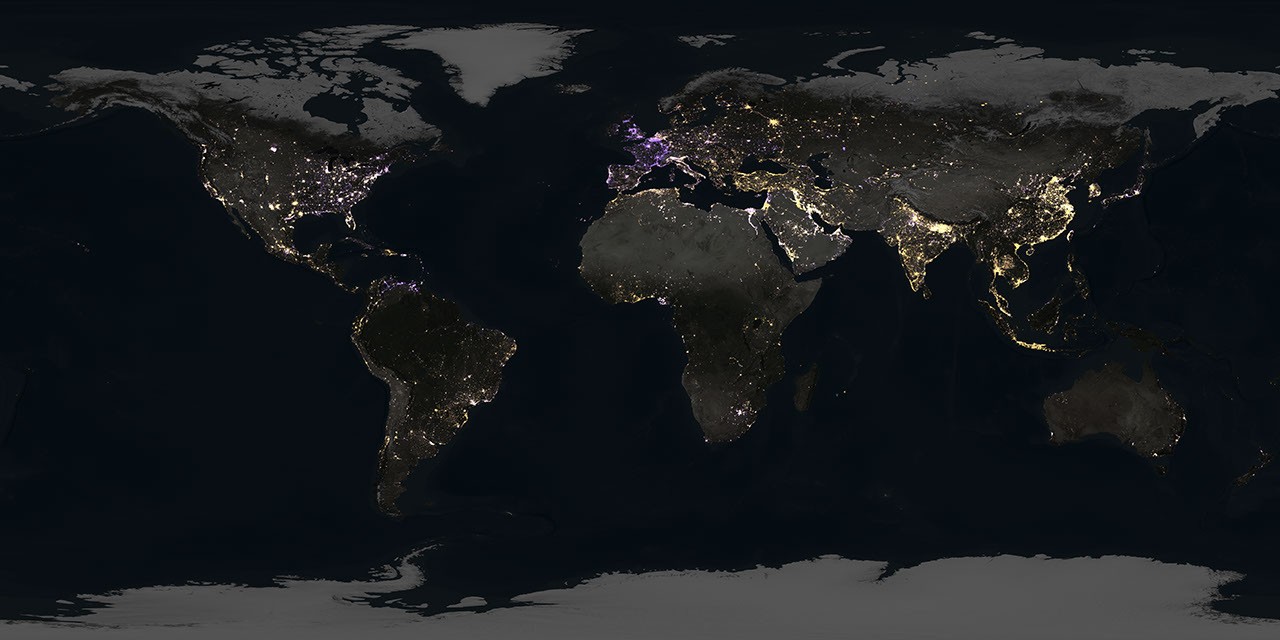
New nighttime maps based on NASA satellite imagery are upending assumptions, revealing a world where artificial brightening and dimming have intensified over the past decade. The findings show intense flaring over major oil and gas fields in the United States, while factors such as rural electrification and energy conservation are changing how billions around the world experience the night.
…
The study team, led by Tian Li and Zhe Zhu at the University of Connecticut, used a new algorithm to analyze 1.16 million satellite images collected at approximately 1:30 a.m. local time every day for nine years by the Visible Infrared Imaging Radiometer Suite (VIIRS). The refrigerator-size sensors, orbiting Earth at over 16,000 mph, can resolve light sources down to the scale of a toll booth on a dark highway. They fly aboard Earth science satellites that were launched and operated by NASA and the National Oceanic and Atmospheric Administration (NOAA).
The analysis, reported April 8 in Nature, covered most of the inhabited world, from latitudes between 60 degrees south and 70 degrees north. During the time frame analyzed—2014 to 2022—domestic production of oil and natural gas reached record levels, driven by technological developments and horizontal drilling. Satellite imagery revealed cycles of intense gas flaring over central U.S. regions, particularly the Permian Basin in Texas and North Dakota’s Bakken Formation. Flaring occurs at oil wellheads when excess gas—mostly methane—is burned off. The process releases carbon dioxide and soot, among other byproducts.
link to open access paper www.nature.com/articles/s41586-026-10260-w

Extended Data Fig. 3 | Global and country/territory-level temporal trends of ALAN change area and change intensity (2014–2022). a, Line plots showing the global trends in the annual area experiencing ALAN change: total change area (left); brightening change area (middle); and dimming change area (right).
b, Bivariate map classifying country/territory level trends in change areas. Countries/territories are categorized based on whether their annual area of brightening is increasing vs. decreasing, crossed with whether their annual area of dimming is increasing vs. decreasing.
c, Line plots showing the global trends in the annual ALAN change intensity: average net change intensity (left); average brightening change intensity (middle); and average dimming change intensity (right). d, Bivariate map classifying country/territory level trends in change intensity. Countries/territories are categorized based on whether their annual brightening change intensity is increasing vs. decreasing, crossed with whether their annual dimming change intensity is increasing vs decreasing.
For line plots (a,c): the dots represent the global annual ALAN change area or change intensity from 2014 to 2022, the solid lines show the overall Sen’s slope trends, and the shaded areas represent the 95% confidence interval of the estimated trends. For bivariate maps (b,d): the underlying map colours represent the combined topology of trends, the stripe texture indicates countries/territories with statistically significant trends in brightening changes (either change area or change intensity, corresponding to the panel), and the dot texture indicates countries/territories with statistically significant trends in dimming changes. Significance is determined by the Mann-Kendall test (p < 0.05) on the Sen-slope. Basemaps in b and d are adapted from the World Continents Layer from Esri.
New nighttime maps based on NASA satellite imagery are upending assumptions, revealing a world where artificial brightening and dimming have intensified over the past decade. The findings show intense flaring over major oil and gas fields in the United States, while factors such as rural electrification and energy conservation are changing how billions around the world experience the night.
…
The study team, led by Tian Li and Zhe Zhu at the University of Connecticut, used a new algorithm to analyze 1.16 million satellite images collected at approximately 1:30 a.m. local time every day for nine years by the Visible Infrared Imaging Radiometer Suite (VIIRS). The refrigerator-size sensors, orbiting Earth at over 16,000 mph, can resolve light sources down to the scale of a toll booth on a dark highway. They fly aboard Earth science satellites that were launched and operated by NASA and the National Oceanic and Atmospheric Administration (NOAA).
The analysis, reported April 8 in Nature, covered most of the inhabited world, from latitudes between 60 degrees south and 70 degrees north. During the time frame analyzed—2014 to 2022—domestic production of oil and natural gas reached record levels, driven by technological developments and horizontal drilling. Satellite imagery revealed cycles of intense gas flaring over central U.S. regions, particularly the Permian Basin in Texas and North Dakota’s Bakken Formation. Flaring occurs at oil wellheads when excess gas—mostly methane—is burned off. The process releases carbon dioxide and soot, among other byproducts.
link to open access paper www.nature.com/articles/s41586-026-10260-w
Extended Data Fig. 3 | Global and country/territory-level temporal trends of ALAN change area and change intensity (2014–2022). a, Line plots showing the global trends in the annual area experiencing ALAN change: total change area (left); brightening change area (middle); and dimming change area (right).
b, Bivariate map classifying country/territory level trends in change areas. Countries/territories are categorized based on whether their annual area of brightening is increasing vs. decreasing, crossed with whether their annual area of dimming is increasing vs. decreasing.
c, Line plots showing the global trends in the annual ALAN change intensity: average net change intensity (left); average brightening change intensity (middle); and average dimming change intensity (right). d, Bivariate map classifying country/territory level trends in change intensity. Countries/territories are categorized based on whether their annual brightening change intensity is increasing vs. decreasing, crossed with whether their annual dimming change intensity is increasing vs decreasing.
For line plots (a,c): the dots represent the global annual ALAN change area or change intensity from 2014 to 2022, the solid lines show the overall Sen’s slope trends, and the shaded areas represent the 95% confidence interval of the estimated trends. For bivariate maps (b,d): the underlying map colours represent the combined topology of trends, the stripe texture indicates countries/territories with statistically significant trends in brightening changes (either change area or change intensity, corresponding to the panel), and the dot texture indicates countries/territories with statistically significant trends in dimming changes. Significance is determined by the Mann-Kendall test (p < 0.05) on the Sen-slope. Basemaps in b and d are adapted from the World Continents Layer from Esri.


Yet quantum mechanics, a thoroughly validated theory of how the world works, seems to suggest otherwise. The theory’s math assigns redness to the billiard ball at the moment you measure it. Before then, the theory gives you only a set of probabilities telling you what color the ball might be. Key founders of quantum mechanics suggested that this math reflects the nature of reality — that in some sense, a single, objective reality doesn’t really exist.
In 1935, Einstein rebelled against this surreal reading of quantum theory, proposing one of the 20th century’s most famous thought experiments. But his rebellion was doomed. In 1964, the physicist John Stewart Bell showed with a thought experiment of his own that reality had to be stranger than Einstein assumed. Subsequent work would put Bell’s thought experiment to the test — and prove him right.
Then, 50 years after Bell, Matthew Pusey (opens a new tab), at the time a graduate student at Imperial College London, took on what remained of Einstein’s notion of reality and — without originally intending to — delivered the killing blow.
The paradigm-shifting theorem became known as PBR, for Pusey and his academic accomplices, Jonathan Barrett and Terry Rudolph. Since the publication of PBR in 2012, many theorists have come to accept that it rules out our most commonsense understanding of reality.
…
As with Bell, PBR has been experimentally confirmed multiple times. Last fall, for instance, researchers in the U.K. played an expanded version of the PBR game, dealing out five cards instead of just two, using a quantum computer built by IBM. Indeed, the quantum machine always won, although no one had doubted that it would. In fact, the researchers had been using the PBR theorem mainly to check whether the quantum computer was functioning properly. The validity of quantum mechanics — and PBR — was taken as a given.
“That was really the motivation,” said Crispin Barnes (opens a new tab), a physicist at the University of Cambridge who led the experiment, “to see whether a theorem from quantum foundations could also be turned into [an] experimental probe of genuinely quantum behavior.”
…
But to conclude that the quantum state is definitely real is to misunderstand the PBR theorem, because PBR also leaves open the other extreme path: It could be, as the Copenhagenists have steadfastly maintained since the days of Bohr, that in some sense nothing is real, including the quantum state. It’s perfectly possible that the quantum state lives in our minds and has no direct connection to an objective reality. In this case, the redness of the billiard ball would be inextricably linked with the act of observing it — precisely the state of affairs that so deeply offended Einstein. “Do you really believe the moon is not there when you are not looking at it?” Einstein once famously pressed his colleague Abraham Pais.
PBR doesn’t give us the answer. What it does do is end a century of bargaining with quantum mechanics. By ruling out the possibility that reality is real while the wave function is not, PBR requires that physicists either fully embrace the notion of an objective but entirely surreal reality, or fully reject objective reality altogether. “Do you bite the bullet, or do you try and dodge the bullet?” Pusey said.

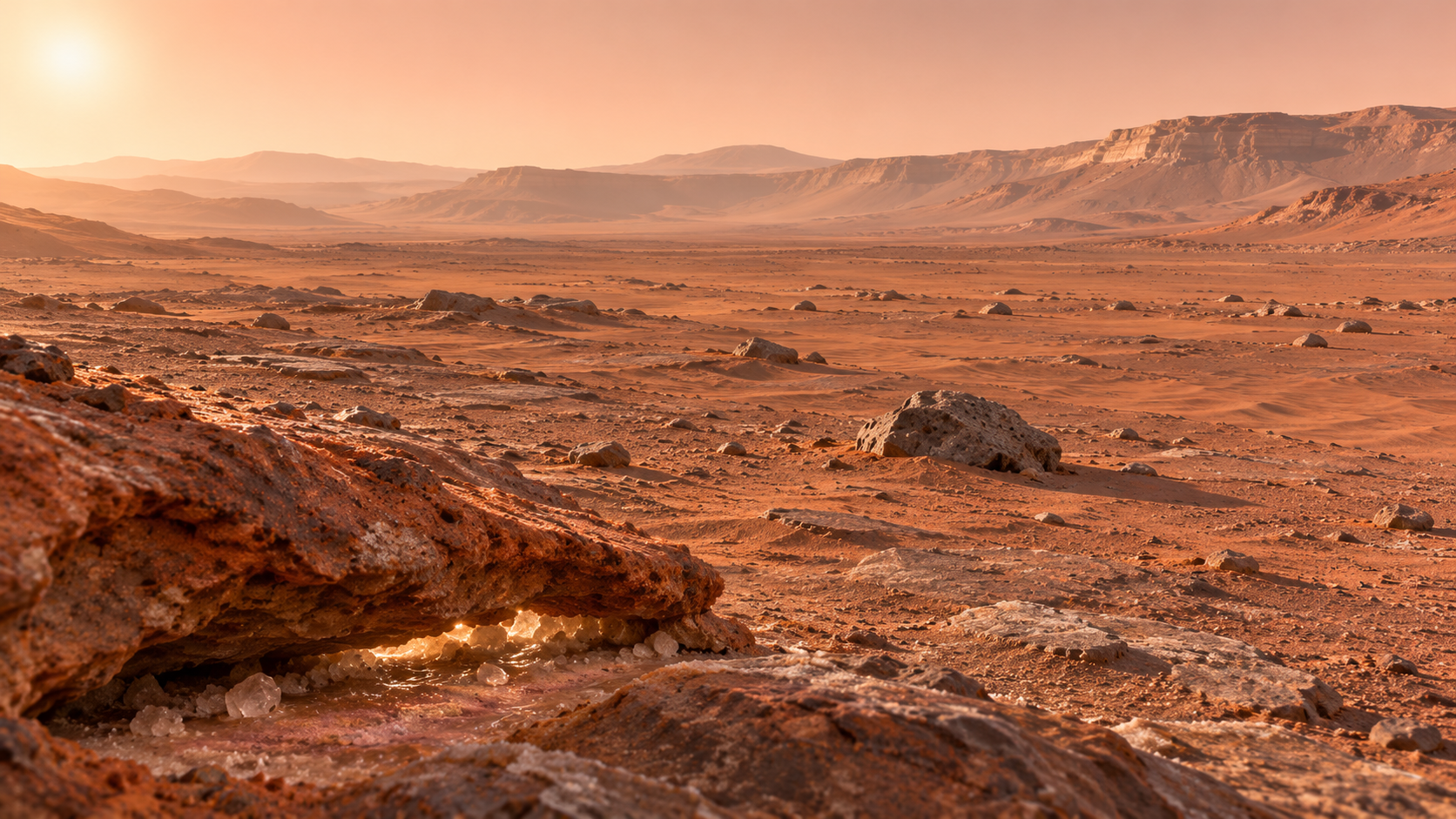
A salt-loving microorganism from Earth did more than endure a months-long experiment designed around possible conditions beneath Mars. It grew in concentrated brine under low pressure, using nitrate or perchlorate in place of oxygen during respiration. The result extends research on the resilience of Earth microbes. It also raises a question for Mars exploration: Which combinations of harsh conditions can still permit biological activity?
link to open access paper journals.asm.org/doi/10.1128/aem.01749-26
Conclusion: We have shown that H. volcanii can actively grow under environmental and chemical conditions relevant to the present-day shallow Martian subsurface. However, this study was not designed to replicate the full thermal variability of the Martian surface or shallow subsurface, including diurnal and seasonal freeze–thaw cycles, or the complete suite of chemical conditions presently understood to exist on Mars. Rather, the objective was to determine whether active metabolism is physically possible under Mars-relevant combinations of low atmospheric pressure, high salinity, and oxidizing chemistry, provided that liquid water is available in the form of brines. Moreover, the media used in many previous low-pressure Mars simulation studies, including those employed herein, are supplemented with carbon sources and nutrients that are not representative of the current understanding of biologically available organic compounds on Mars (83).
Our future studies will investigate the capacity of halophilic and psychrophilic microorganisms to grow under conditions that more closely approximate the Amazonian/present-day Martian environment by incorporating freeze–thaw cycles, defined Mars media (94) containing Mars-relevant organic compounds (e.g., acetate) (95), and Mars regolith simulants. Moreover, future experiments would benefit from incorporating additional analytical approaches, including direct cell counts and quantitative biomass measurements, to better characterize population growth and cell-division dynamics under low-pressure conditions. Integrating transcriptomic and proteomic analyses would further enable identification of the molecular pathways involved in hypobaric tolerance, anaerobic metabolism, and adaptation to combined Mars-relevant environmental stressors.
As experimental systems increasingly approximate present-day conditions on Mars, the combined effects of low pressure, low temperature, high salinity, anoxia, radiation, and oxidizing compounds will likely reduce growth yields and metabolic rates. Sensitive, complementary, and agnostic approaches will therefore become increasingly important for detecting and distinguishing subtle biological responses under these more harmful conditions.
The results presented here do not imply that microbial life exists on Mars today. However, they add to a growing body of evidence suggesting that the shallow subsurface of Mars may retain environmental conditions capable of supporting active metabolism and extant life (83, 96–98).
Note: this is not an article about Mitch McConnell having a health checkup with a doctor.
Note: this is not an article about Mitch McConnell having a health checkup with a doctor.


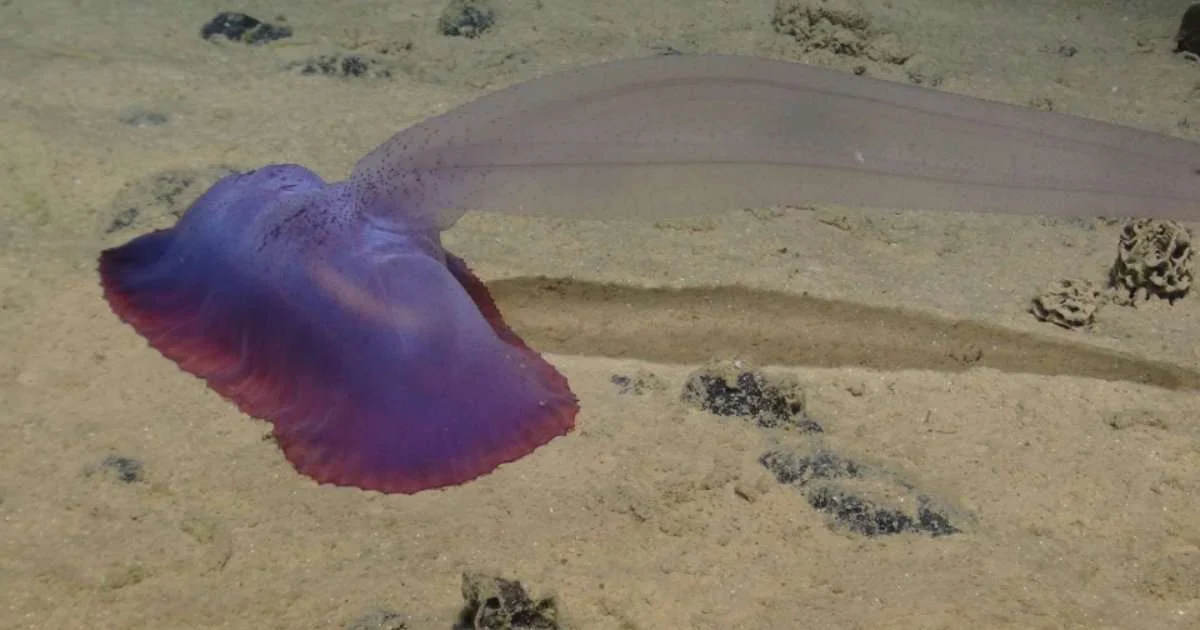

Led by researchers at the Natural History Museum (NHM) of Los Angeles County, the study marks a figurative explosion in the number of insect species in the Golden State. The vast gulf between the earlier and new estimates of insect life deepens the urgency of conserving the wild places these insects call home. The authors found that essentially every site studied had its own unique insect community.
This finding comes from the work of the California Insect Barcode Initiative (CIBI), a project to collect and identify every species of insect in the state. Researchers have long known that insects are underrepresented in large-scale conservation assessments despite being the most diverse group of animals on land.
To address this deficit, institutions including the California Department of Food and Agriculture, UC Berkeley, UC Riverside, San Diego Natural History Museum and the California Academy of Sciences in San Francisco worked alongside NHM researchers to DNA barcode more than 1 million insect specimens, and this finding marks the first publication from this undertaking.
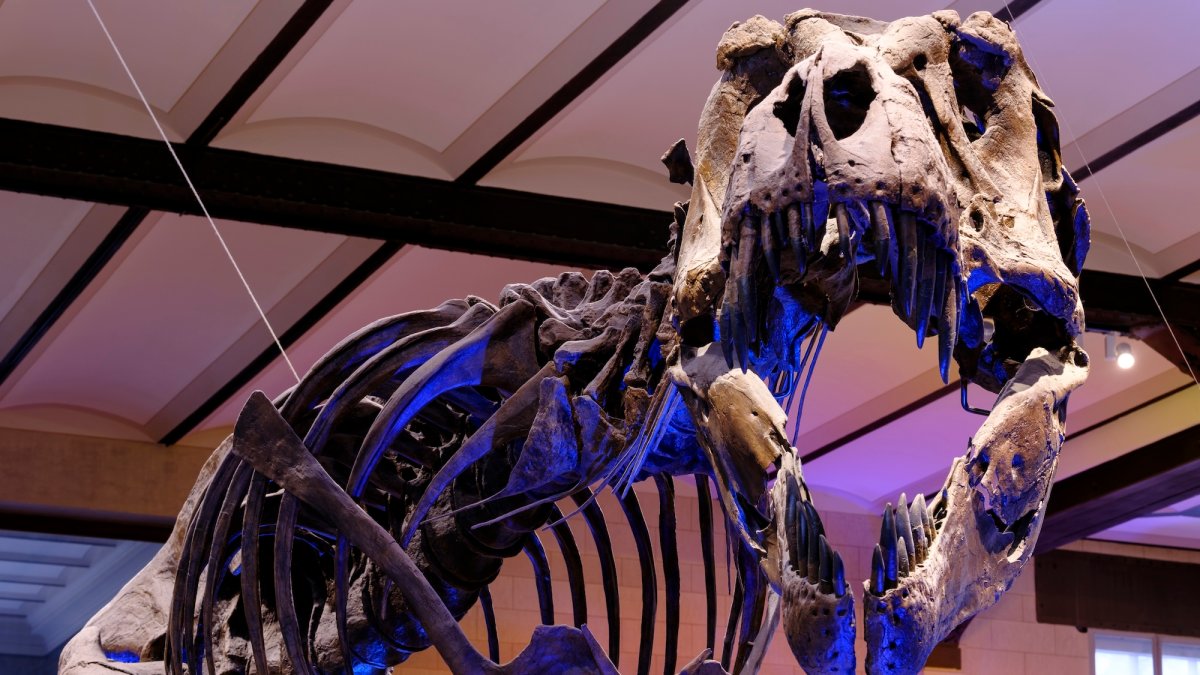
Paleontologists regularly discover fossilized dinosaur bones, but they sometimes locate footprints and prehistoric shells. On rare occasions, researchers have even identified the ancient indentations of a dinosaur’s skin or feathers. But fossilized cells? Researchers have long assumed such microscopic levels of preservation were impossible. But, once again, nature has proven otherwise.
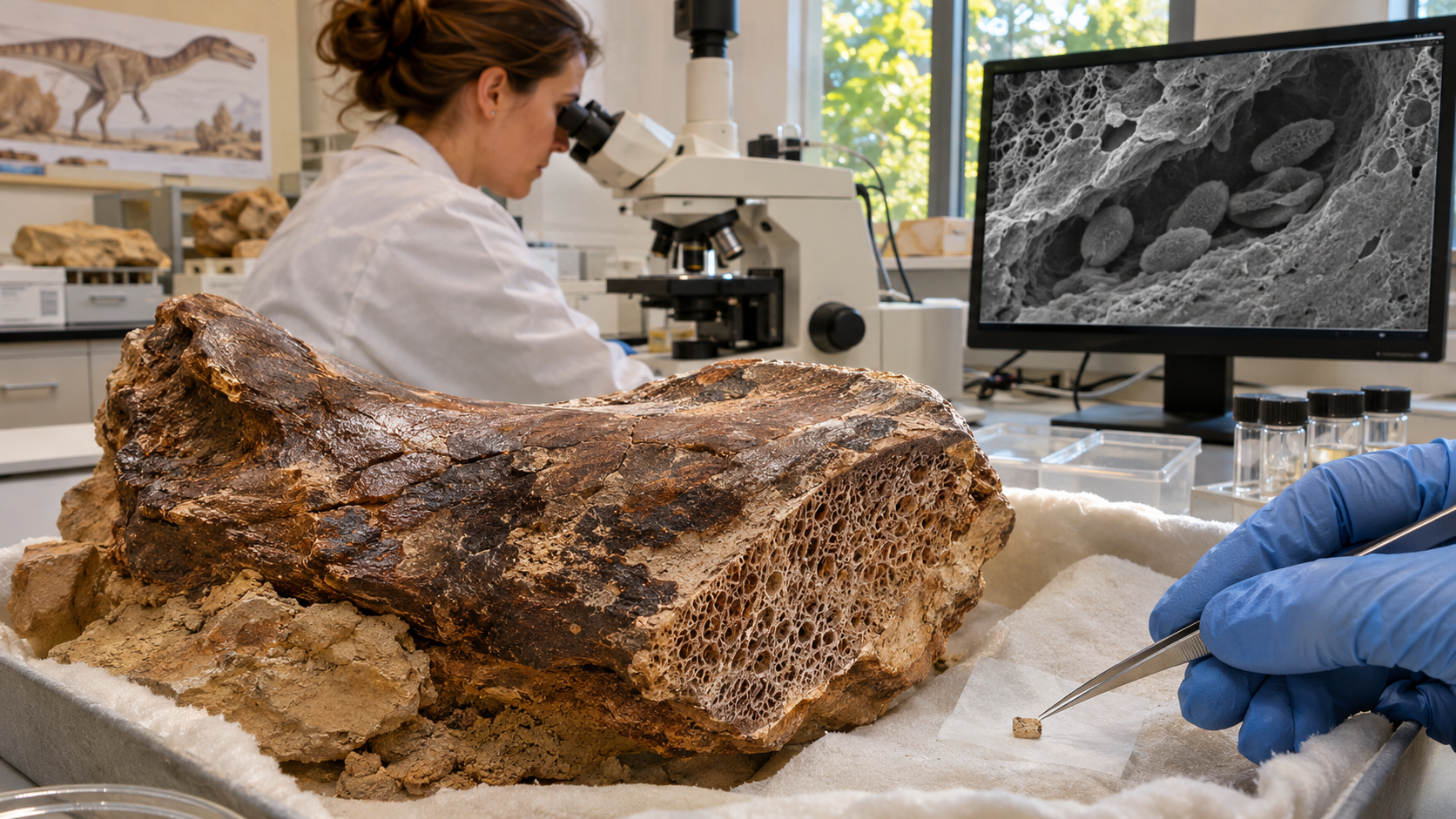
In a study published today in Proceedings of the National Academy of Sciences (PNAS), an international team of paleontologists confirmed the presence of intact biomolecules and mineralized red blood cells inside fossils of a 115-million-year-old dinosaur. Although previous work has suggested similar possibilities, the team’s research is the first to chemically identify oxygen-carrying blood compounds known as heme.
“This really is a landmark discovery,” Kliti Grice, a study co-author and chemist at Curtin University in Australia, said in a statement. “These findings challenge longstanding assumptions that certain biomolecules such as hemoglobin cannot survive deep time.”
The evidence exists inside the fossilized limb bones of a juvenile Aratasaurus museunacionali. Discovered in 2008, A. museunacionali was an Early Cretaceous theropod that lived in present-day northeastern Brazil. The fossils suggest a dinosaur measuring over 10 feet long and weighing about 75 pounds, but given its young age, A. museunacionali likely grew even larger.
After carefully examining thin slices of the fossils, paleontologists located the mineralized red blood cell molecular components, along with a complex manganese oxide called hausmannite. This material helped maintain the cellular structures of heme, a ring-shaped molecule that contains iron and binds many proteins, especially hemoglobin. The hausmannite also helped preserve additional biomolecules found in the blood, such as the amino acids in collagen. The study’s authors theorize this level of preservation could only occur following a rapid burial in an environment that was rich in microbes, but low in oxygen at the same time.

The consequences of overestimating understanding extend beyond academic debates. According to the authors, assumptions about what scientists know can influence nearly every stage of the research process, from experimental design and theory development to teaching and communication.
“It makes a case that the many incomplete levels of understanding affect, often unwittingly, the ways scientists design experiments, test theories, comprehend, communicate and teach,” the authors observe.
The topic resonated widely within the scientific community. The essay attracted 32 published commentaries from researchers across multiple fields, an unusually robust response that prompted the three authors to prepare a collective reply.
The discussion reflects a longstanding interest in the strengths and limitations of human cognition. Recognizing those limitations, the authors assert, can ultimately strengthen science rather than weaken it.
Acknowledging gaps in understanding encourages greater caution when drawing conclusions, greater humility when communicating results and greater openness to alternative explanations. It also reflects the reality that scientific knowledge is continually evolving.
That is, science advances through a continual process of refining, testing and deepening humanity’s understanding of how the world works. And, paradoxically, recognizing how much remains unknown may be one of the clearest signs of scientific progress.

Early Sunday morning, volunteer comet hunter Jiangao Ruan filed a candidate report at 9:04 a.m. UTC flagging a new Kreutz-group sungrazer in data captured by CCOR-1, the solar coronagraph aboard NOAA’s GOES-19 weather satellite. Fellow citizen scientist Zesheng Yang co-signed the submission the same morning. The candidate now awaits confirmation from staff at the Naval Research Laboratory — the latest in a sequence that has quietly made a weather-monitoring coronagraph into the world’s most productive sungrazing-comet finder, staffed almost entirely by people who do this for free.
Early Sunday morning, volunteer comet hunter Jiangao Ruan filed a candidate report at 9:04 a.m. UTC flagging a new Kreutz-group sungrazer in data captured by CCOR-1, the solar coronagraph aboard NOAA’s GOES-19 weather satellite. Fellow citizen scientist Zesheng Yang co-signed the submission the same morning. The candidate now awaits confirmation from staff at the Naval Research Laboratory — the latest in a sequence that has quietly made a weather-monitoring coronagraph into the world’s most productive sungrazing-comet finder, staffed almost entirely by people who do this for free.

The system analyzes radio signals reflected by objects, using geographically separated sites to transmit and receive sensing signals. Observing an object from several angles helps improve positioning and maintain its track as it moves through the coverage area, according to Ericsson.
The company said validated tests reliably detected and tracked micro drones at kilometer-scale distances with precise three-dimensional positioning. Performance varies with the target, its flight path, the arrangement of sensing sites, terrain, surrounding conditions and system configuration.
“Detecting small drones across large areas is a growing operational challenge. The possibility of using distributed infrastructure to complement existing sensors could provide an important additional layer of situational awareness,” said Carl Lundqvist, chief architect at Swedish Armed Forces Headquarters.
Something that is pretty interesting about publicly shared communications networks like 5G is that their saturation and high usage by all of us can be leveraged for public safety, by virtue of having cell towers everywhere and making sure to provide good coverage consistently over large areas the infrastructure necessary for mobile smartphone use inherently created a public capacity to sense small things intruding into it in ways that are highly unusual… i.e. you can detect drones. This is a metaphor for an idea that extends to a lot of abstract places too.
Another manifestation of this idea is the rapidly evolving use of pre-existing fiber optic internet cable infrastructure to seismically and acoustically sense nearby objects/the ground. The science is complex but the idea is still kind of the same. When we created extremely long lengths of fiber optic cable that could transmit millions and millions of cat videos back and forth at lightning speed and high bandwith, we also simultaneously created an extremely powerful sensor that we can use to see into the ground and detect things moving nearby… like whales!
Article about detecting whale acoustic calls with pre-existing fiber optic cable infrastructure.
news.cornell.edu/…/existing-fiber-optic-cables-ca…
Article about detecting silent whales moving through the water column through special water/solid interface waves that bodies moving through the water create.
techtimes.com/…/seabed-cables-detect-silent-whale…
Our collective data streams and the infrastructure and mediums they are conveyed by create a sort of collective ability to sense… isn’t that weird/cool???


cross-posted from: lemmy.ca/post/73190146
not open access :(, hopefully it will become open access at some point or someone will publish similar research!
Changing the values of two of the three elements in the growth law produces markedly different shells. The starting curve at the growing edge of the shell sets the shape of the shell’s opening, while the scaling factor, which the researchers call lambda (λ), determines how fast the shell expands. By changing those two factors in the model, Bhattacharya and Liu were able to generate the shape of nearly all known molluscan shells.
If only someone had a time machine to whisper this truth in the ear of Italo Calvino before he wrote his Cosmicomics series of stories!!
quote from paper abstract www.pnas.org/doi/10.1073/pnas.2614478123
We are guided by two principles in the spirit of D’Arcy Thompson. First, the growth is governed by the repeated and continuous application of a fixed growth law, even as the shell evolves in overall shape, without any complex biological machinery to monitor and control the growth. Second, the growth law depends solely on local geometry at the shell’s growing edge. The first principle naturally leads to the mathematical statement that the shape of the shell is generated by the action of a Lie group on a protoconch [fuckin duh bruh]. The second naturally leads to a particular representation of the Lie group. We use this representation to show that the shapes of nearly all known molluscan shells can be described by essentially three parameters: a scalar (scaling), a vector (orientation), and a curve (edge of the protoconch). We relate these parameters to the phylogenetic tree. In addition to the morphogenetic insight, our results potentially point to a alternative growth-based approach to engineering complex structures.
Wow what a strikingly beautiful thing, it is also the tiniest microdose of haunting for me because I distinctly remember remarking to a geology professor in college that I wondered if you could do a fourier transform or some kind of mathematical analysis of shells to determine if there was unifying patterns that hinted at mechanisms in some productive way and he responded with something along the lines of “but why?? what would that answer?” and all I could do was shrug and say “I have no idea, I was just wondering.”
also see caltech.edu/…/the-mathematics-of-growing-a-shell
paper on related subject from 2019, some great graphics arxiv.org/html/1901.00497v3
We note that previous work by some of the authors [36] already has highlighted the role of a spatial variation in material properties in shaping the sharp spines seen on the shells of bivalves, cephalopods and gastropods. The present communication adds to this emerging picture of the influence of physics, by shifting the focus to geometry, which, driven by morphoelastic growth, acts through the mechanism of surface growth and a parametric dependence on curvature.
Of particular interest is the further coupling of this framework with pattern formation by a range of reaction-transport equations. This would make accessible well-studied developmental milestones such as the patterning and morphogenesis of limbs and digits. Other problems in morphogenesis, such as the formation of skeletons are also within reach of our computational framework. Finally, we note that we have modelled antimarginal ornamentation events via bursts of growth. It is more likely that the growth rate does not change significantly at the location of ornamentations, but rather that the thickness of the mantle decreases, creating an increase in the length of the active mantle strip and a corresponding decrease in stiffness without requiring a strong increase in material. This effect would be interesting to incorporate in future studies, as the decrease in stiffness would further amplify the amplitudes of transverse deformation, and also may be non-uniform along the length of the mantle strip.
^ this is basically what the linked article/paper claims to have described

link to open access paper journals.aps.org/prx/abstract/10.1103/589s-s1yy
link to open access paper journals.aps.org/prx/abstract/10.1103/589s-s1yy


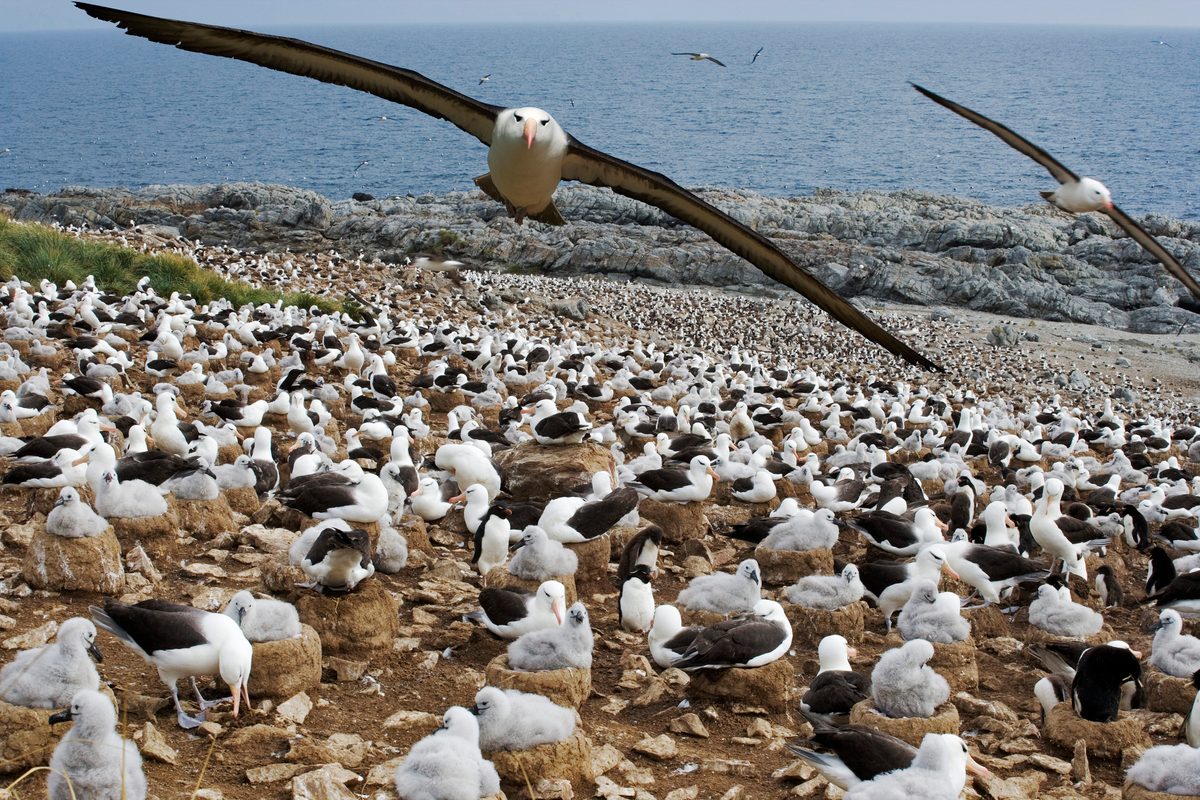
“I proved you get jet-lagged too! Ha! Think you are still superior now stupid bird? Well you aren’t your clock is off buddy!” - I yell at the seabird flying by.
“I proved you get jet-lagged too! Ha! Think you are still superior now stupid bird? Well you aren’t your clock is off buddy!” - I yell at the seabird flying by.

cross-posted from: lemmy.ca/post/73093686
The ocean currents are changing, with major implications for climate around the world. Yet our new article published in Nature Sustainability suggests most governments are not preparing for this possibility. Of 91 national adaptation plans submitted to the U.N. climate convention, only two even mention that key Atlantic current, and neither sets out concrete action in response to its possible collapse.

cross-posted from: hexbear.net/post/9892456
Banner image: A pair of nudibranchs on coral in Manta Ray Bay, Yap in Micronesia. Image by Betty Wills via Wikimedia (CC BY-SA 4.0).
Conservation groups have launched a new initiative to safeguard coral reefs in Yap, a state in the Federated States of Micronesia, through both scientific innovation and traditional stewardship.
The Yap Resilience Hub, a partnership between The Nature Conservancy (TNC) and the Great Barrier Reef Foundation (GBRF), is a three-year project that seeks to support local conservation efforts through 2028.
“Coral reefs are central to life in Yap and across island communities because they provide food, support livelihoods, and sustain cultural practices,” Berna Gorong, capacity building manager at TNC Micronesia & Polynesia, told Mongabay by email.
The reefs are traditional fishing grounds managed under community and clan tenure and “closely tied to identity, stewardship, and daily life,” Gorong said.
The Yap Resilience Hub plans to rely on a steering committee of government, traditional leaders and community representatives to help identify candidate reef areas for protection. The reefs will be selected based on five criteria, Gorong said, including their ecological condition and potential for recovery, connectivity to other reef systems, and community and governance readiness.
Once priority reefs are identified, she said the project will support local action plans, ensuring that community priorities and local leadership remain at the forefront of the conservation strategy. “Capacity building and capacity-needs assessments will be central so local partners can sustain the work beyond the project period,” Gorong said.
“By pairing community priorities with science, planning, and capacity building, [the project] aims to strengthen reef resilience and support the long-term well-being of Yap’s people and coastal communities,” she added.
While many Micronesian reefs remain relatively healthy compared to other global regions, they face increasing pressure from rising seas and climate change.
Dawnette Olsudong, a researcher at the Palau International Coral Reef Center who has conducted assessments on coral restoration in Yap and isn’t involved in the project, said proactive measures are important.
“I am hopeful that the launch of this project will strengthen our understanding of reef conditions and improve our ability to make informed conservation and restoration decisions,” Olsudong told Mongabay. She noted her research has helped identify sites that communities perceived as degraded and in need of restoration.
The Yap Resilience Hub project is part of the Resilient Reefs Pasifika initiative, funded by the GBRF.

To encourage people to add new data, the pipeline used to standardize the data is publicly available as part of the data set. This allows other researchers with access to similar data to grid and standardize it themselves before submitting it to the open database.
“Projects like this advance science through collaboration, accessibility and preservation of data,” said Dee, who is also an author on the paper.
“This database will allow researchers across the world to ask questions about cloud formation, moisture transport processes, El Niño and La Niña, deforestation, soil moisture and more. It’s so important to highlight that it’s not just the collection of data that matters; it’s also the effort it takes to make the data truly usable for the broader research community, students and even the public.”
link to open access paper www.nature.com/articles/s41597-026-08218-8
cross-posted from: lemmy.ca/post/72949590
DOAJ is a unique and extensive index of diverse open access journals from around the world, driven by a growing community, and is committed to ensuring quality content is openly available online for everyone.
DOAJ is committed to keeping its services as open as possible and its data openly available.
This is a great resource for searching for open access papers and open access journals!!
It feels so much more welcoming when all of the search results are things you can actually open, poke around in and read!
A link to all of the journals

cross-posted from: hexbear.net/post/9876937

Panamanian golden frogs (Atelopus zeteki) suffered significant declines due to chytrid. The species has not been seen in the wild since 2009. Credit: Roshan Patel, Smithsonian’s National Zoo and Conservation Biology Institute.
As a deadly fungal disease ravages wild frog populations around the globe, scientists have identified potential locations in Panama where amphibians might persist despite the disease, according to new research from the Smithsonian’s National Zoo and Conservation Biology Institute (NZCBI) and Smithsonian Tropical Research Institute (STRI) published in the Journal for Nature Conservation.
The amphibian chytrid disease, also known as chytridiomycosis or simply chytrid, is caused by the fungus Batrachochytrium dendrobatidis. It has spread like wildfire through Central and South America since the 1970s and is now ubiquitous. It is believed to have driven numerous species of neotropical frogs to the brink of extinction, including many in the genus Atelopus, commonly known as harlequin toads.
Now, as conservationists attempt to reintroduce captive-bred species to the wild, they hope to give the animals a leg up by identifying climatic refugia—places that are environmentally unsuitable for chytrid but well-suited to frogs.
The chytrid fungus is present across almost all of the historic range of Atelopus species, but just as human influenza cases change with the seasons, the severity of chytrid disease fluctuates with temperature and humidity.
Using previously developed models that identified where the disease was present and when it was most severe, the authors built new chytrid suitability maps to identify places where reintroduced frogs might thrive without the threat of chytrid.
“We have tried releasing captive-bred harlequin toads back into the wild and experienced high losses due to the amphibian chytrid fungus that persists in the environment,” said Brian Gratwicke, conservation biologist at NZCBI and senior author of the article.
“By mapping climatic refuges, we finally have a tool to rank potential release sites, allowing us to select places where the released animals have the best chance of survival.”

Variable harlequin frogs (Atelopus varius) were the only species found surviving in chytrid-suitable sites, which scientists say is consistent with evidence that the species may have evolved resistance to the disease. Credit: Brian Gratwicke, Smithsonian’s National Zoo and Conservation Biology Institute
Researchers found that most harlequin toad species in Panama persist only at sites where more than 80% of the seasons were unsuitable for medium- and high-intensity infections. Only one species, the variable harlequin toad (A. varius), was found at sites suitable for the disease, which scientists say is consistent with evidence that the species may have evolved resistance to chytrid.
The models not only identify potential reintroduction sites but also point to places where wild Atelopus populations might remain.
“Our ability to identify climate refugia is critical if we hope to locate populations that might have disappeared from most places in their former range,” said Carrie Lewis, a doctoral candidate at George Mason University and lead author of the publication. “These persisting populations could provide a source of genes to bolster populations under human care and provide opportunities to augment wild populations.”

Like other Atelopus species, the critically endangered Pirri harlequin frog (A. glyphus) has experienced significant declines due to the amphibian chytrid disease. Credit: Brian Gratwicke, Smithsonian’s National Zoo and Conservation Biology Institute.

A prior reintroduction trial conducted with Limosa harlequin frogs (Atelopus limosus) resulted in the deaths of numerous frogs due to chytrid. By choosing reintroduction sites considered unsuitable for chytrid, researchers hope to reduce losses in future reintroduction trials. Credit: Roshan Patel, Smithsonian’s National Zoo and Conservation Biology Institute.

Researchers established captive assurance colonies for numerous species, including the critically endangered Toad Mountain harlequin frog (Atelopus certus), at the Panama Amphibian Rescue and Conservation Project in Gamboa, Panama. Credit: Roshan Patel, Smithsonian’s National Zoo and Conservation Biology Institute.
Although there are currently a limited number of potential refuges, additional opportunities have been identified. The models also forecast areas that, while currently suitable for the disease, might become unsuitable in the coming years because of climate change. Researchers note that the shifting climate could also have negative effects on frogs adapted to cooler mountainous habitats.
“Guided by these climate refugia and Atelopus habitat-suitability maps, we have already begun surveying potential sites for habitat suitability and potential release trials,” said Roberto Ibáñez, a STRI staff scientist and co-author of the study. “These tools will allow us to experimentally test the climate refugia hypothesis through future release trials.”
cross-posted from: hexbear.net/post/9876937
Panamanian golden frogs (Atelopus zeteki) suffered significant declines due to chytrid. The species has not been seen in the wild since 2009. Credit: Roshan Patel, Smithsonian’s National Zoo and Conservation Biology Institute.
As a deadly fungal disease ravages wild frog populations around the globe, scientists have identified potential locations in Panama where amphibians might persist despite the disease, according to new research from the Smithsonian’s National Zoo and Conservation Biology Institute (NZCBI) and Smithsonian Tropical Research Institute (STRI) published in the Journal for Nature Conservation.
The amphibian chytrid disease, also known as chytridiomycosis or simply chytrid, is caused by the fungus Batrachochytrium dendrobatidis. It has spread like wildfire through Central and South America since the 1970s and is now ubiquitous. It is believed to have driven numerous species of neotropical frogs to the brink of extinction, including many in the genus Atelopus, commonly known as harlequin toads.
Now, as conservationists attempt to reintroduce captive-bred species to the wild, they hope to give the animals a leg up by identifying climatic refugia—places that are environmentally unsuitable for chytrid but well-suited to frogs.
The chytrid fungus is present across almost all of the historic range of Atelopus species, but just as human influenza cases change with the seasons, the severity of chytrid disease fluctuates with temperature and humidity.
Using previously developed models that identified where the disease was present and when it was most severe, the authors built new chytrid suitability maps to identify places where reintroduced frogs might thrive without the threat of chytrid.
“We have tried releasing captive-bred harlequin toads back into the wild and experienced high losses due to the amphibian chytrid fungus that persists in the environment,” said Brian Gratwicke, conservation biologist at NZCBI and senior author of the article.
“By mapping climatic refuges, we finally have a tool to rank potential release sites, allowing us to select places where the released animals have the best chance of survival.”
Variable harlequin frogs (Atelopus varius) were the only species found surviving in chytrid-suitable sites, which scientists say is consistent with evidence that the species may have evolved resistance to the disease. Credit: Brian Gratwicke, Smithsonian’s National Zoo and Conservation Biology Institute
Researchers found that most harlequin toad species in Panama persist only at sites where more than 80% of the seasons were unsuitable for medium- and high-intensity infections. Only one species, the variable harlequin toad (A. varius), was found at sites suitable for the disease, which scientists say is consistent with evidence that the species may have evolved resistance to chytrid.
The models not only identify potential reintroduction sites but also point to places where wild Atelopus populations might remain.
“Our ability to identify climate refugia is critical if we hope to locate populations that might have disappeared from most places in their former range,” said Carrie Lewis, a doctoral candidate at George Mason University and lead author of the publication. “These persisting populations could provide a source of genes to bolster populations under human care and provide opportunities to augment wild populations.”
Like other Atelopus species, the critically endangered Pirri harlequin frog (A. glyphus) has experienced significant declines due to the amphibian chytrid disease. Credit: Brian Gratwicke, Smithsonian’s National Zoo and Conservation Biology Institute.
A prior reintroduction trial conducted with Limosa harlequin frogs (Atelopus limosus) resulted in the deaths of numerous frogs due to chytrid. By choosing reintroduction sites considered unsuitable for chytrid, researchers hope to reduce losses in future reintroduction trials. Credit: Roshan Patel, Smithsonian’s National Zoo and Conservation Biology Institute.
Researchers established captive assurance colonies for numerous species, including the critically endangered Toad Mountain harlequin frog (Atelopus certus), at the Panama Amphibian Rescue and Conservation Project in Gamboa, Panama. Credit: Roshan Patel, Smithsonian’s National Zoo and Conservation Biology Institute.
Although there are currently a limited number of potential refuges, additional opportunities have been identified. The models also forecast areas that, while currently suitable for the disease, might become unsuitable in the coming years because of climate change. Researchers note that the shifting climate could also have negative effects on frogs adapted to cooler mountainous habitats.
“Guided by these climate refugia and Atelopus habitat-suitability maps, we have already begun surveying potential sites for habitat suitability and potential release trials,” said Roberto Ibáñez, a STRI staff scientist and co-author of the study. “These tools will allow us to experimentally test the climate refugia hypothesis through future release trials.”

Cross posted from sh.itjust.works/post/68926708
Cross posted from sh.itjust.works/post/68926708